Albert | Cybersecurity 🛡️ ری ٹویٹ کیا

Albert | Cybersecurity 🛡️
1.9K posts

@Nsurrectionking
Crypto Maxi bullishness in the blood BUILDER 🦺


Most creator campaigns in crypto reward noise. Post more earn more. That’s why timelines get flooded with low-effort shilling. @CerbAgent $CERB


The gig economy made billions by sitting between workers and clients. Its entire business model depends on neither party trusting the other enough to transact directly. @quipnetwork's peer-to-peer surety mechanic is a direct architectural answer to that dependency. Commit collateral. Agree on conditions. Let the protocol enforce the outcome. The middleman does not disappear because someone disrupted them. They disappear because the infrastructure made them structurally unnecessary.


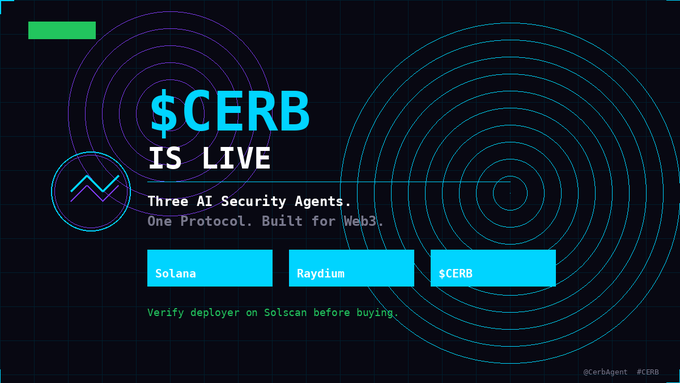
I keep most of my crypto in a hardware wallet. For a long time, I thought that meant I was fully secure. But the deeper I got into Web3, the more I realized that’s only part of the picture A hardware wallet does one thing really well: It keeps your private keys offline. No malware, no remote access, no easy hacks. But here’s the part people don’t talk about enough It doesn’t protect you from yourself. If you sign a malicious transaction, the hardware wallet will still approve it. It doesn’t know intent. It just verifies that you agreed. And attackers know this. Most modern wallet drains don’t come from brute-force hacks anymore. They come from: → Fake websites that look identical to real ones → Contracts with hidden approvals buried in the transaction → Social engineering that creates urgency or trust You don’t get hacked… You get tricked. And the scary part is how subtle it’s become. Sometimes it looks like a normal swap or mint. You click approve, confirm on your device, and that’s it. Access granted. Funds gone later. That’s when it clicked for me: Storage security ≠ transaction security. And we’ve been overestimating how much hardware wallets actually cover. This is where something like @CerbAgent fits in. Instead of just storing keys safely, it focuses on what happens before you sign. It analyzes approvals, flags risks, and adds a layer of awareness that most wallets lack. Think of it like an extra brain in the process. Not just “Is this signed?” But “Should this even be signed?” That distinction matters more than people realize. Because in Web3, every signature is a permission. And permissions can be exploited long after you forget you gave them. What I like about the idea behind $CERB is that it aligns incentives with security. It’s not just marketing around safety. It’s building a system where protection is part of the core value. At the end of the day, security isn’t one tool. It’s a mindset + a stack. Hardware wallets are essential. But they’re not the finish line. The real goal is reducing human error. Because that’s still the biggest vulnerability in crypto. And until that’s solved, there’s always a gap. For me, $CERB is a bet on closing that gap. Not hype. Just a recognition that Web3 security needs to evolve beyond just store your keys safely.

This May, gaming will witness a new era rise. Intelligent Gaming begins. Built on @0G_labs ⚡

Gold vs Bitcoin isn’t just a chart. It’s a story about the migration of trust. 2010: 1 kg gold = 152,267 BTC 2026: ~1 BTC Gold didn’t “lose” value. Something else started absorbing the global trust premium. Gold: physical, scarce, stable Bitcoin: digital, absolutely scarce, instantly transferable Over 15 years: → The “safe asset” got repriced → The “risky asset” became a new benchmark The real question is no longer: “Will Bitcoin replace gold?” But: How much of gold’s monetary role has Bitcoin already absorbed and how much more will it take? 2040: 1 kg gold = ? BTC The answer depends on how the world defines “value” in the digital age. #BIGOD #RWAtoken



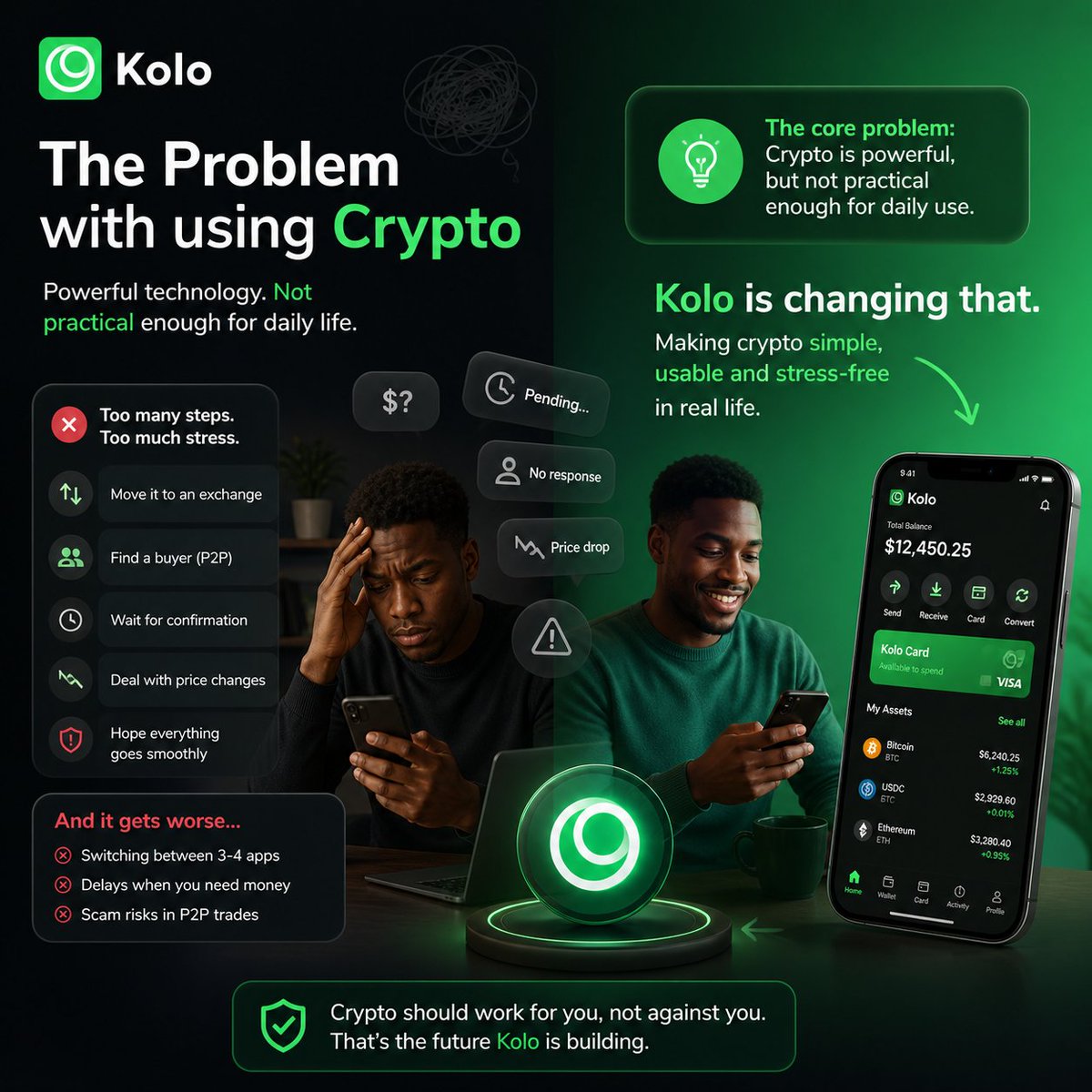


A Spenda story