SecretLanguageOfWomen

1.7K posts

SecretLanguageOfWomen banner
SecretLanguageOfWomen

SecretLanguageOfWomen

@OfLanguageGurl

The secret language of women. .. can you hear ❤️🙏 "There is a special place in Hell for women who do not help other women" Madeleine Albright" ps me no bot!
be of generous spirit darlings شامل ہوئے Şubat 2026
78 فالونگ32 فالوورز
SecretLanguageOfWomen ری ٹویٹ کیا
Marie🧚
Marie🧚@glitchu__·
How I expect to be treated even tho I'm a fucking bitch
Marie🧚 tweet media
English
46
3.8K
16.2K
290.8K
SecretLanguageOfWomen ری ٹویٹ کیا
Rod Horror
Rod Horror@photrodgraphyd·
brittany murphy on the set of 'spun', 2002
Rod Horror tweet media
English
6
248
2K
26.2K
SecretLanguageOfWomen ری ٹویٹ کیا
femme fatale
femme fatale@eliesaaabs·
femme fatale tweet media
ZXX
12
232
2.7K
70K
SecretLanguageOfWomen ری ٹویٹ کیا
STM
STM@Suzanne08253534·
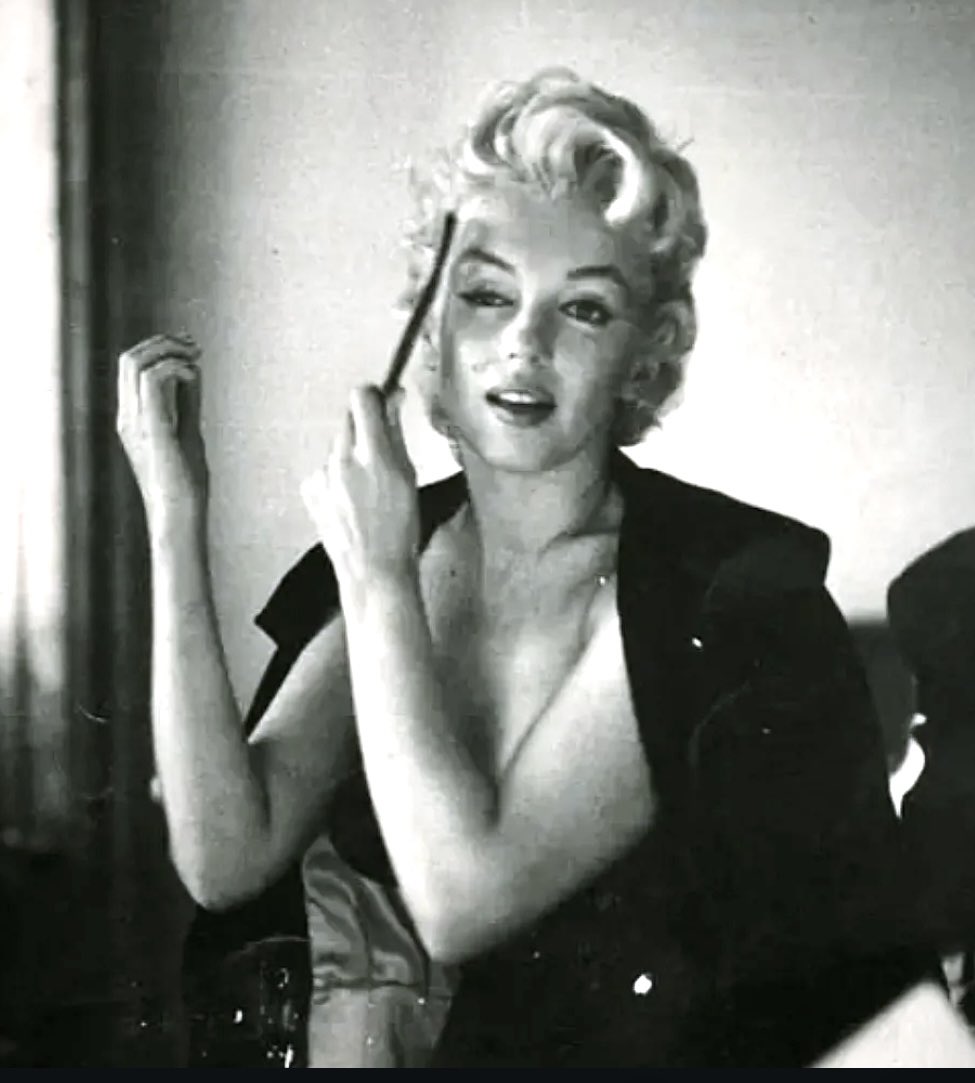
Marilyn Monroe
STM tweet media
Filipino
3
62
381
2.2K
SecretLanguageOfWomen ری ٹویٹ کیا
punK!
punK!@iwritepunk·
punK! tweet media
ZXX
2
62
352
4.4K
SecretLanguageOfWomen ری ٹویٹ کیا
Archaeo - Histories
Archaeo - Histories@archeohistories·
There is something oddly curious about Berber jewelry. It has this rare intensity that captivates instantly. But as electric as it is, it transcends the visual. Perduring through centuries of geopolitical conquests and colonization, it survived the test of time and it stands as a cultural symbol of its community... Berber is a commonly used term for self-named Amazigh or Imazighen (plural), meaning “free people”. They are indigenous inhabitants of North Africa or today’s territories of Morocco, Algeria, Tunisia, Libya, Egypt, Mali, Niger and Mauritania. Traditionally nomadic people, many are settled along Atlas Mountains, Sahara, and other rural areas, but with time some migrated into the urban regions too. Berbers lived on this land since 2000 BC and their jewels are just as bygone. A true piece of art, the depth of Berber jewelry gives it a layer of mystery that adds to its charm. As it is the case with many tribes, jewelry is more than just an ornament. It is a part of economic trade and an indication of social status. And while all this is true in the case of Berbers, it stretches further. Above anything else, Berber jewelry is about women’s empowerment. It’s their way of connecting and supporting each other. There are several examples. One is a picture taken in 1930s of women creating a circle around a woven cloth holding tangerines. Their wrists have several bracelets and fingers are stacked with rings. The image speaks of unity; not decoration. It is a moving illustration of comradeship. Furthermore, Berber jewelry serves as a woman’s protection through hardships. A bride is gifted jewelry as a dowry to use in case of unexpected events such as becoming widowed, for instance. Jewelry becomes her purchasing power and means to sustain her family. Essentially, it’s a woman’s gateway to independence and preservation. Traditionally Berber jewelry is made of silver. It is believed that silver represents purity since it resembles white color. This, and the availability of the material in the region, are the two main reasons why this is the case. Morocco alone is a top 20 global silver producer. Today, there is gold Berber jewelry sold in cities’ souks too, but it’s a rather modernized version of orthodox Berber jewelry. Depending on the tribe, Berber jewelry uses stones such as coral, lapis, and amber along with beautifully colored enamel giving it a vibrant and imposing look. One very good example of this is Kabyle jewelry of Kabylie region in Alegria. Chaoui tribe, on the other hand, opts for plain silver and is known for its engraving techniques and filigree work. But one thing can be said of all Berber jewelry regardless of the tribe it comes from, and that is that it’s quite sizeable, symbolic, and particularly striking. 📷 : Amazigh jewelry from Kabylie region in Algeria. #archaeohistories
Archaeo - Histories tweet media
English
7
87
432
10.4K
SecretLanguageOfWomen ری ٹویٹ کیا
marysocontrary
marysocontrary@so_contrary·
Aude Malbat Christin
marysocontrary tweet media
Français
2
106
818
11.9K
.
.@RecopilationNet·
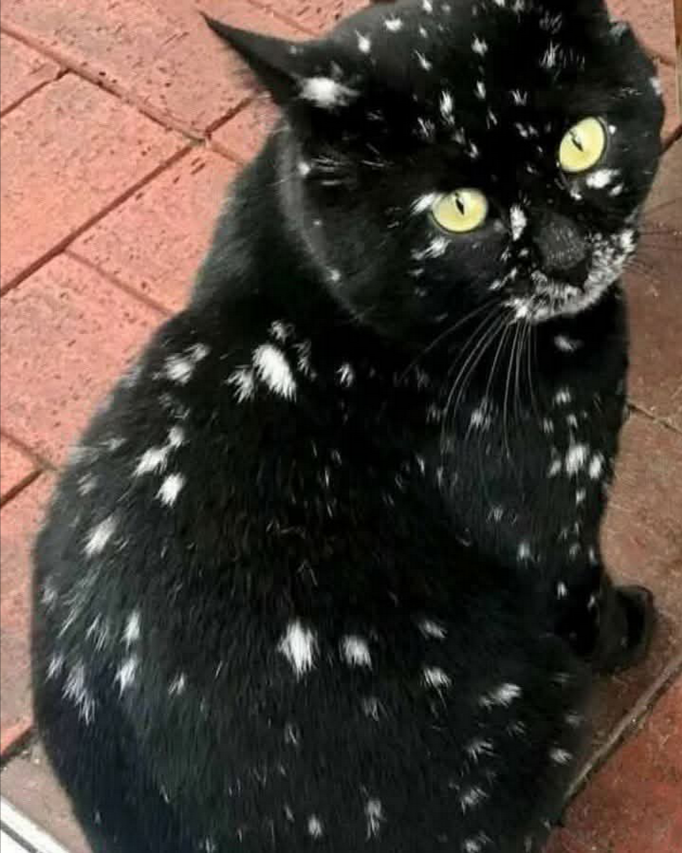
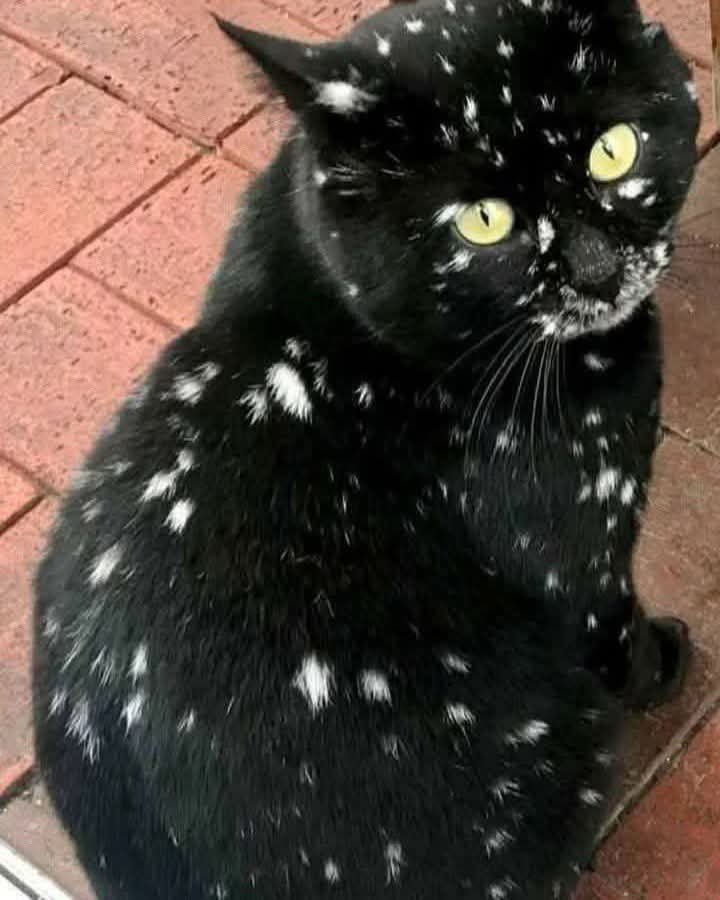
¿Cómo le pondrías este gato?
. tweet media
Español
3.5K
554
9.2K
569.9K
SecretLanguageOfWomen ری ٹویٹ کیا
ؘ
ؘ@glirttery·
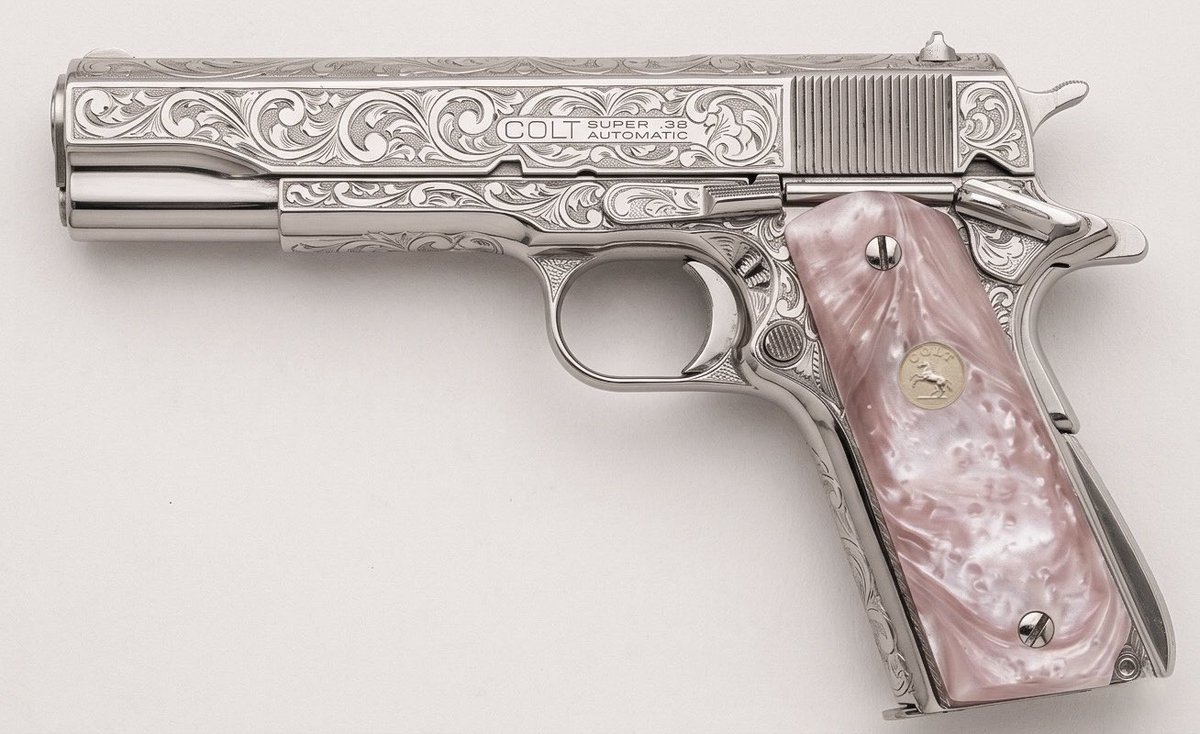
colt m1911 pistol, chambered in .38 super
ؘ tweet media
English
253
11.1K
63.3K
2.3M
SecretLanguageOfWomen ری ٹویٹ کیا
💖
💖@twaniimals·
💖 tweet media
ZXX
108
2.2K
7.2K
282.8K
SecretLanguageOfWomen ری ٹویٹ کیا
siren crave
siren crave@sirencrave·
RIHANNA... GOD DAMN
English
1.2K
2.7K
73.5K
6.9M
SecretLanguageOfWomen ری ٹویٹ کیا
Alquimia
Alquimia@Replicante97·
Alquimia tweet media
ZXX
0
17
106
2.9K
SecretLanguageOfWomen ری ٹویٹ کیا
جوليا
جوليا@odeiotwwt·
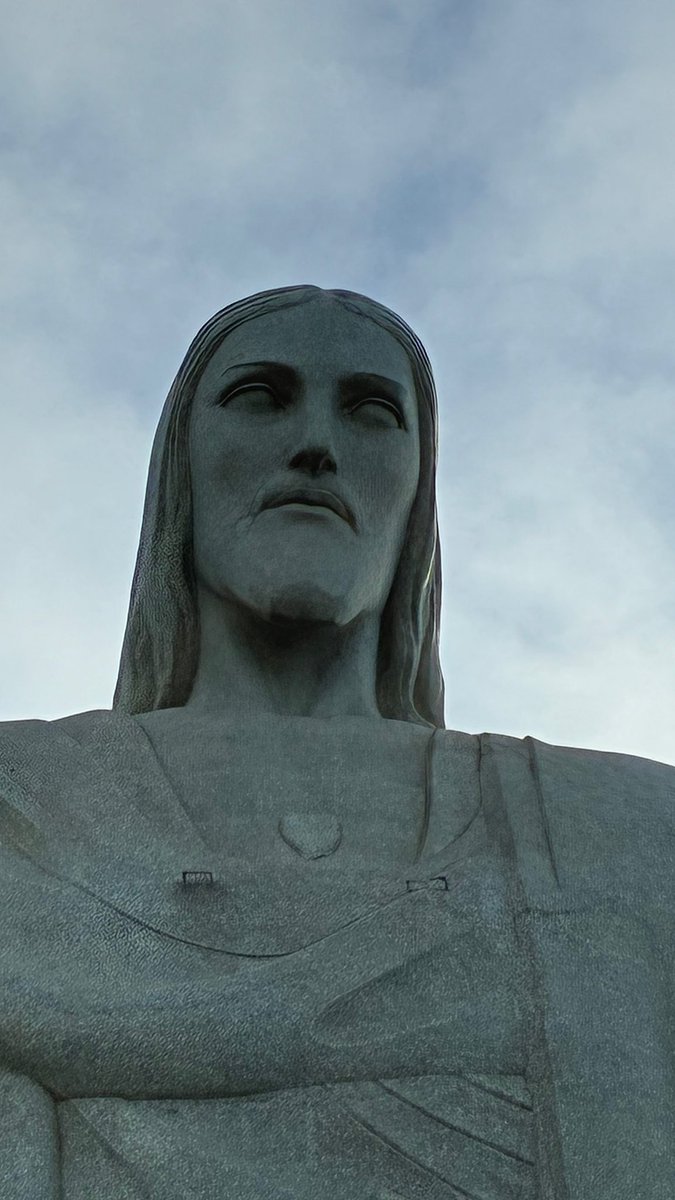
olhem o que o filtro novo do insta fez com a minha foto do cristo
جوليا tweet mediaجوليا tweet media
Português
1.1K
5.4K
124.9K
4M
SecretLanguageOfWomen ری ٹویٹ کیا
𝗟eo
𝗟eo@1leio·
𝗟eo tweet media
ZXX
8
91
2.9K
130.6K
SecretLanguageOfWomen ری ٹویٹ کیا
Remnants of the Past
Remnants of the Past@remnantsofpast·
Kirsten Dunst on the set of Marie Antoinette, 2006
Remnants of the Past tweet media
English
0
182
1.4K
19.8K
SecretLanguageOfWomen ری ٹویٹ کیا
Archaeo - Histories
Archaeo - Histories@archeohistories·
If a woman in the Middle Ages caught what we’d now call an STI, it wasn’t just a health scare—it could derail her entire future..... Some infections, like syphilis, could start with symptoms that seemed minor or easy to ignore, then worsen over time into painful sores, disfigurement, vision loss, or cognitive decline. Others—such as gonorrhea and chlamydia—were often harder to spot in women until serious complications set in, including chronic pelvic pain, miscarriage, or infertility. And the damage wasn’t only physical. Many women likely became infected through marriage, often from husbands, in relationships where they had limited power to refuse sex or demand fidelity. But accountability rarely went in that direction. If a woman showed visible symptoms, she could be branded “immoral,” shunned by her community, or abandoned by her spouse. Once gossip took hold, there was rarely any path back to respectability. Infertility brought another layer of risk. In a world where a woman’s security was closely tied to producing heirs, the inability to conceive could mean instability at best—and replacement or social disappearance at worst. Pregnancy was already perilous, and infections could be passed to newborns, sometimes leading to severe illness or death soon after birth. Treatment options were harsh and unreliable. Mercury, widely used against syphilis, could harm the patient as much as it helped—when it helped at all. Surviving the disease didn’t guarantee recovery in any real sense, because the social consequences often lasted longer than the symptoms. Ultimately, these infections didn’t just reveal medical vulnerability—they exposed social imbalance. Men could transmit disease with limited fallout. Women were far more likely to bear the visible effects, the blame, and the lifelong cost. © Women In World History #archaeohistories
Archaeo - Histories tweet media
English
1
36
149
8.9K