Planter009
21.2K posts

Today, we remember the 6 million Jews murdered in the Holocaust.
Never again is NOW.
✡️

English

Beercan got EXACTLY what he wanted and didn’t even break a nail. I still don’t like this guy but bravo. That was slick
#90dayfiance
#90DayFianceBeforeThe90Days
GIF
English
@Christo12919382 @atrupar Get them all to go away Republicans
And democrats but hold both sides accountable
Also what happened
To the lady exposing melania
English



Rep. Andy Ogles on Eric Swalwell: "Let's hang him. Rapists should be hung, period."
English

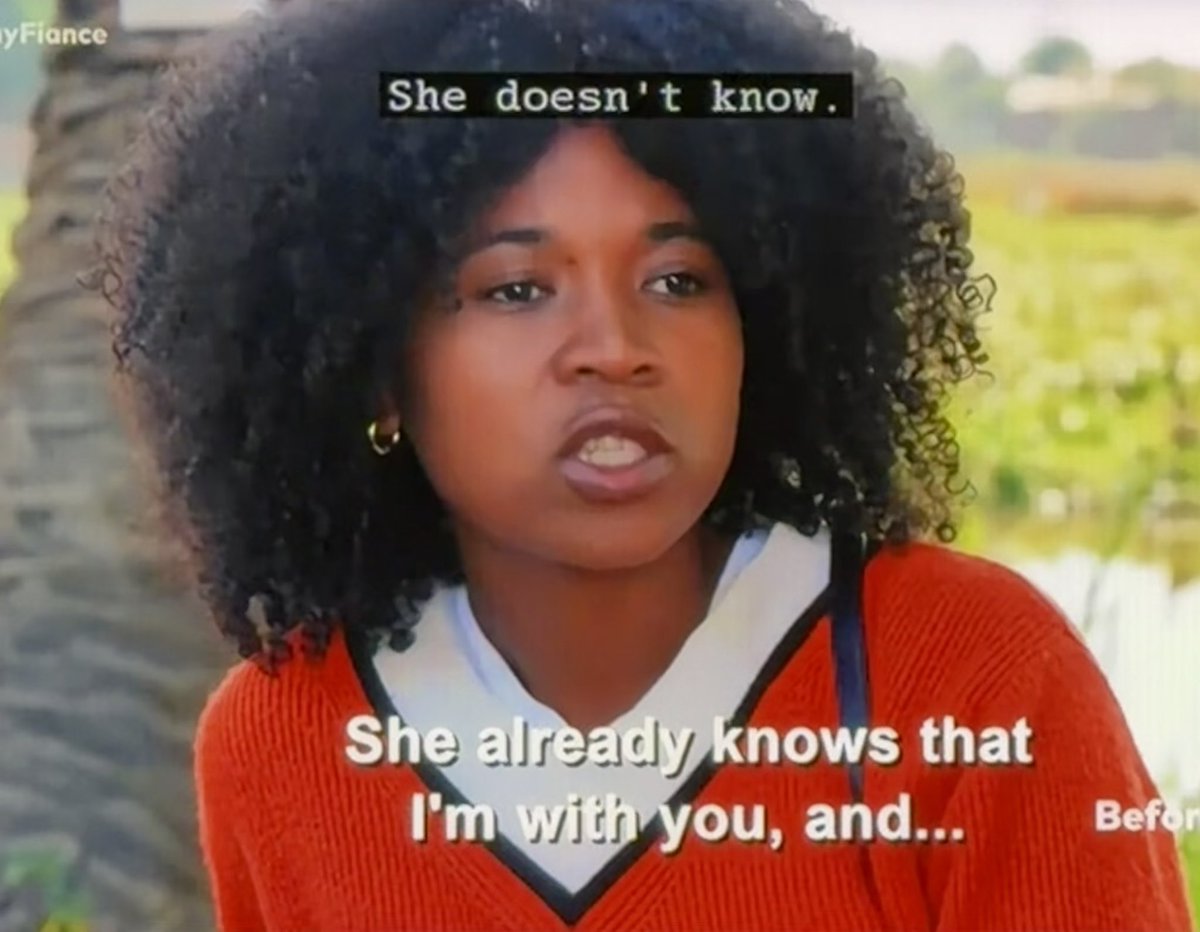
Whhhhyyyyyyy does she keep giving him chances??? He’s a liar & a cheat. Walk away.
#90DayBeforeThe90Days #90DayFianceBeforeThe90Days #90DayFiance
English
@realBlagojevich How sad to sit and judge others being so morally empty
The country is so tired
English
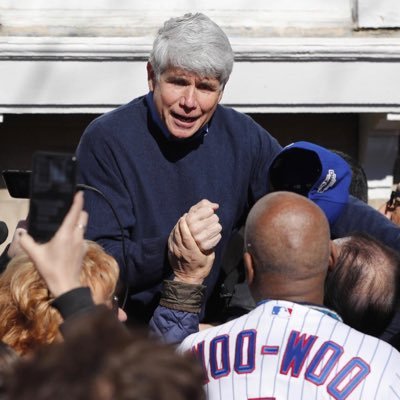
Eric Swalwell is now facing an expulsion vote in the House because of the sexual misconduct accusations against him. There have been 268 settlements for workplace disputes, including for sexual misconduct,
totaling $17 million in taxpayer money. In March 2026, the House voted to cover up the names of members paying to settle sexual misconduct claims. Why are the names of those members being covered up?
English

"If you study history broadly, everyone was a slave. We are all descended from slaves, all of us"
- Elon Musk
English

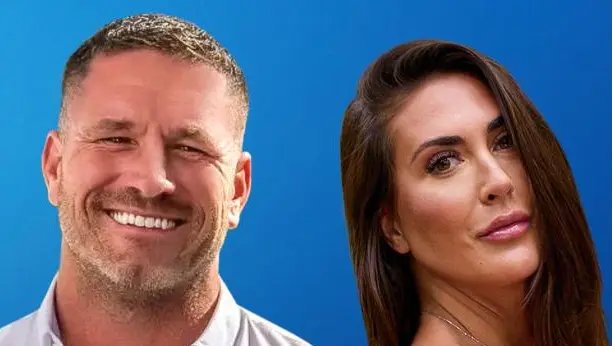
I'm sorry, but Elise does NOT look 32!!!
Early 40's, definitely.
I wonder if she smokes cigarettes? 🤔
#90DayFiance
#90DayTheOtherWay
#90DayFianceTheOtherWay
English
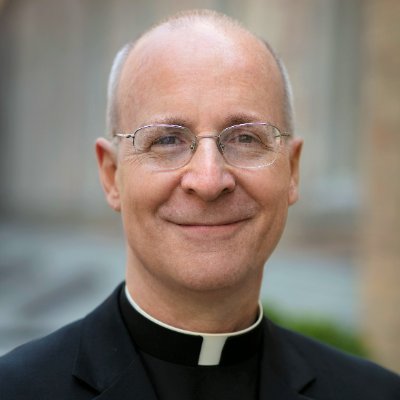
I doubt Pope Leo XIV will lose any sleep over this, before he begins his pilgrimage to Africa tomorrow. But the rest of us should. Because it is unhinged, uncharitable and unchristian. Is there no bottom to this moral squalor?

English
@elonmusk The poor masses do not get to enjoy
He could be help to so many
English

South Africa won’t allow Starlink to be licensed, even though I was BORN THERE, simply because I am not Black!
We were offered many times the opportunity to bribe our way to a license by pretending that a Black guy runs Starlink SA, but I have refused to do so on principle.
Racism should not be rewarded no matter to which race it is applied.
Shame on the racist politicians in South Africa. They should be shown no respect whatsoever anywhere in the world and shunned for being unashamedly RACISTS!
DogeDesigner@cb_doge
Why Elon Musk is RIGHT to fight South Africa’s racist rules blocking Starlink? Imagine this: Long ago, South Africa had very unfair laws called apartheid. They treated Black people badly and kept them from good jobs and money. When those bad laws ended, the country made new rules (called B-BBEE) to help Black people get a fair share of business. The idea was good – like a big helping hand. But now? For companies like Starlink to sell fast internet, they MUST give away 30% of their business to Black partners. Just because of skin color. Elon Musk was born in South Africa. He left as a teen to chase big dreams. Today, his company SpaceX wants to bring Starlink – super fast satellite internet – to South Africa. But the rules say no unless they give up part of the company. Elon said it right: “Starlink is not allowed because I’m not Black.” SpaceX promised to spend about $30 million (that’s 500 million rand!) to give FREE high-speed internet to 5,000 rural schools. That helps over 2.4 MILLION kids every year learn better, get jobs later, and have a brighter future. Real help for the people who need it most! Starlink already works in about 24 other African countries. Villages there now have internet for school, doctors, and business. South Africa’s villages are missing out because of these racist rules. Elon isn’t asking for special favors. He just wants fair play so Starlink can connect everyone fast. Internet = education, jobs, hope. Why hold back millions of kids over rules that pick by race and color?
English

@elonmusk We agree the world 🌎 Mars 🪐the whole galaxy use Tesla please 🙏
English
It is
Tesla Inside@TSLA_inside_
Finally. After 18 months of patience, FSD is officially approved and live in the Netherlands. I’ve been driving with it for 2 days now. And the experience is on another level. It feels like the future unfolding in real time. The precision. The intelligence. The confidence of the system. This is not incremental progress. This is a clear step forward in how mobility works. Huge thanks to Elon Musk and the entire AI team at Tesla. From a professional perspective, this shows what is possible when software, data, and real-world deployment come together at scale. The question is no longer if this will take over. The question is how fast it will expand. This is a turning point. @elonmusk
English
@kaitlancollins Not my religion but how demeaning
Insulting
To all who believe 🙏
English

It appears as if Trump has deleted his post portraying himself as Jesus after facing some backlash from his own supporters.

English


@MarkHam80780803 @lorrainedrive11 So sorry for our country
Even though it’s blessed and lucky
Suffering in many worldwide countries us so so sad
English

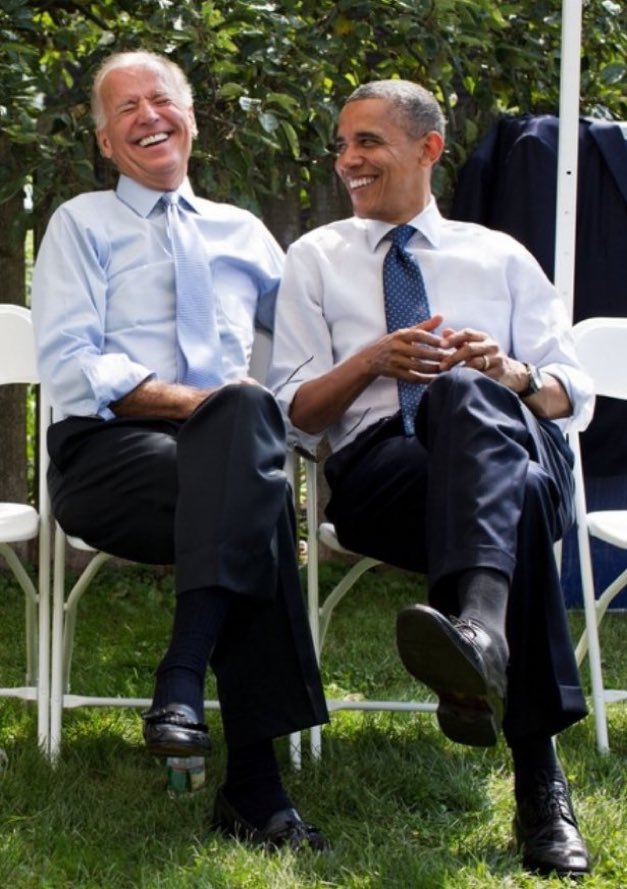
Never going to happen
Names erased
Truth covered
They made the victims more victimized and wives covered their husbands both sides
and maybe some joined the victims that should not have been there ! It’s all a mess
Where to few want outcomes The guilty
don’t want their older lives ruined
English


Congress has a predator problem.
Eric Swalwell and Tony Gonzales have no business representing the American people. Neither does any member of Congress sexually harassing the staff working for them. They are betraying every constituent who sent them to Washington and every staffer who deserves a safe workplace.
Power is not a shield. A title is not protection. And taxpayer dollars should never be used to cover up misconduct by the very people entrusted with public service.
Clean house. Expel them. Hold every last one accountable.
The American people are watching.

English
@elonmusk This sounds like what is happening now
And erosion of respect
For judges
The laws
Ethics
Journalist stuffing free whatever their issue is
And the rich powerful few are making
Decisions unwanted
English
This is my one pet pea with her
It was cute
Sexy now it’s old and tiring
She is Flotus
No one can understand her
We immigrants have studied and learned and try hard to speak correctly because we are proud if the English in the USA 🇺🇸
Well she could and all could care less what the masses think
English

@DimaZeniuk Wish it were here
Pretty fascinating where it will go
Got to get back to work now
English