Dr Marion Long

4.8K posts

Dr Marion Long banner
Dr Marion Long

Dr Marion Long

@Rhythm4Reading

FRSA, Musician, researcher, specialist teacher, speaker and director of Rhythm for Reading: Rapidly raising reading comprehension scores in schools

London, England شامل ہوئے Mart 2013
2.1K فالونگ2.6K فالوورز
پن کیا گیا ٹویٹ
Dr Marion Long
Dr Marion Long@Rhythm4Reading·
If you’re looking at early childhood adversity, vulnerability, disadvantage and inclusion, click the link to my linktree: with free useful information about rhythm and phonemes, reading fluency, executive function and musical notation. …hm-for-reading-digital-programmes.com/links #CPD #FlourishingTrustsNetwork #PrimaryHeads #EduConference #RelationalApproach #Eduteitter #Schools #SocialEmotionalLearning #Edleaders #LeadInclusion
English
0
0
1
221
Dr Marion Long
Dr Marion Long@Rhythm4Reading·
Birds are flying in formation, a sure sign that we are now in late summer. Colleagues are also gathering, sharing new ideas and thoughts about books they've read in recent weeks. Their voices echo the latest literacy initiative, or big studies that seemed to promise clear answers. But what happens in research doesn’t always match what happens in classrooms. Large datasets flatten the details. Small studies give nuance, but no reach. And as the term begins again, leaders will turn research studies into access points for innovation to enter classrooms and really make a difference. But of course it's teachers not researchers who make policy work on the ground, with real children, in real time. And at this time of year, my thoughts are with the children who are not able to read well (yet) and will have fallen further behind. They will have read few books during the school holiday and may start the term feeling more disengaged and discouraged than ever before. Do you have techniques that ignite a love of reading and learning for them? Come join the conversation in my live Thursday webinar at 7.00PM BST 'Ten minute sessions that support transformation'. …hm-for-reading-digital-programmes.com/webinar-regist… #ReadingForPleasure #ChildLedLearning #EducationalLeadership #RhythmInLearning
Dr Marion Long tweet media
English
0
0
1
45
Dr Marion Long ری ٹویٹ کیا
BooksForTopics
BooksForTopics@booksfortopics·
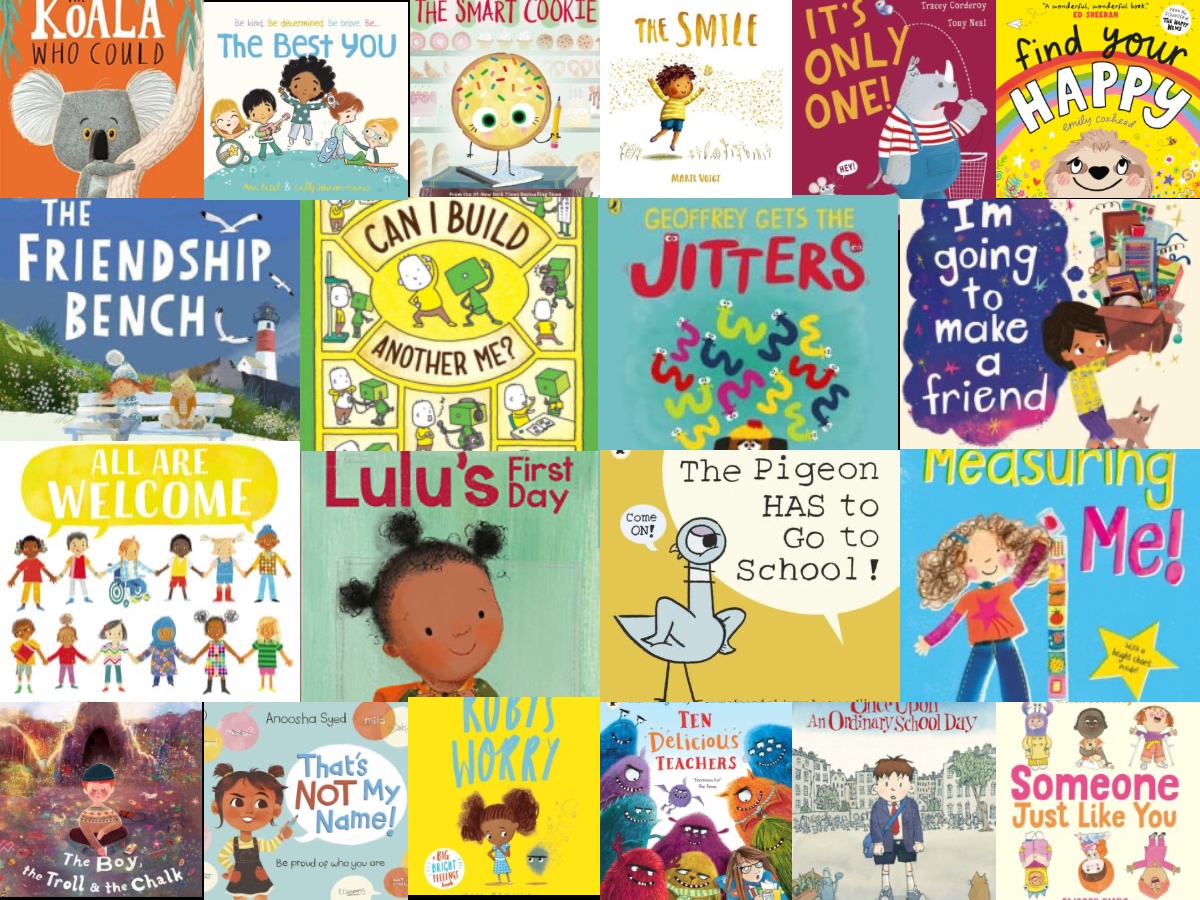
🌟BACK TO SCHOOL🌟picturebooks list: ➡️➡️ booksfortopics.com/booklists/topi… 🎒 See our UPDATED list of back-to-school books to share with children returning to classrooms – grouped into themes of community, being yourself, starting something new, big feelings, friendship and fun.
BooksForTopics tweet media
English
2
15
28
4.5K
Dr Marion Long
Dr Marion Long@Rhythm4Reading·
𝗥𝗵𝘆𝘁𝗵𝗺 𝗺𝗲𝗲𝘁𝘀 𝗰𝗵𝗶𝗹𝗱𝗿𝗲𝗻 𝗲𝘅𝗮𝗰𝘁𝗹𝘆 𝘄𝗵𝗲𝗿𝗲 𝘁𝗵𝗲𝘆 𝗮𝗿𝗲. 𝗔𝗻𝗱 𝘁𝗵𝗲𝘆 𝗮𝗿𝗲 𝗮𝗹𝗹 𝗶𝗻 𝗱𝗶𝗳𝗳𝗲𝗿𝗲𝗻𝘁 𝗽𝗹𝗮𝗰𝗲𝘀. Picture each child as a tree, reaching for sunlight from the teacher’s warmth. Those with more leaves absorb more light, grow stronger, thrive. Weaker trees? They need enriched soil. Imagine taking these children into a quiet room and nourishing their nervous system with a small intense shot of what it needs in order to flourish. Changes grow from the roots upward, becoming visible in their confidence, focus, and joy. Here’s what blossoms: • Emotional self-regulation • Sharper perception of sounds • Less hyper-vigilance • Reduced restlessness • Greater fluency and comprehension • Renewed engagement with learning 🌱 Your Turn: When have you witnessed a small, focused intervention spark big changes in a child’s learning? Join my live Thursday webinar at 7.00PM BST …hm-for-reading-digital-programmes.com/webinar-regist… #RhythmInLearning #FocusAndFlow #ChildCentredTeaching #EducationalLeadership
Dr Marion Long tweet media
English
0
0
0
37
Dr Marion Long ری ٹویٹ کیا
Roy T. Bennett
Roy T. Bennett@InspiringThinkn·
When you first start off trying to solve a problem, the first solutions you come up with are very complex, and most people stop there. But if you keep going, and live with the problem and peel more layers of the onion off, you can often arrive at...simple solutions. Steve Jobs
Roy T. Bennett tweet media
English
2
7
19
1.4K
Dr Marion Long
Dr Marion Long@Rhythm4Reading·
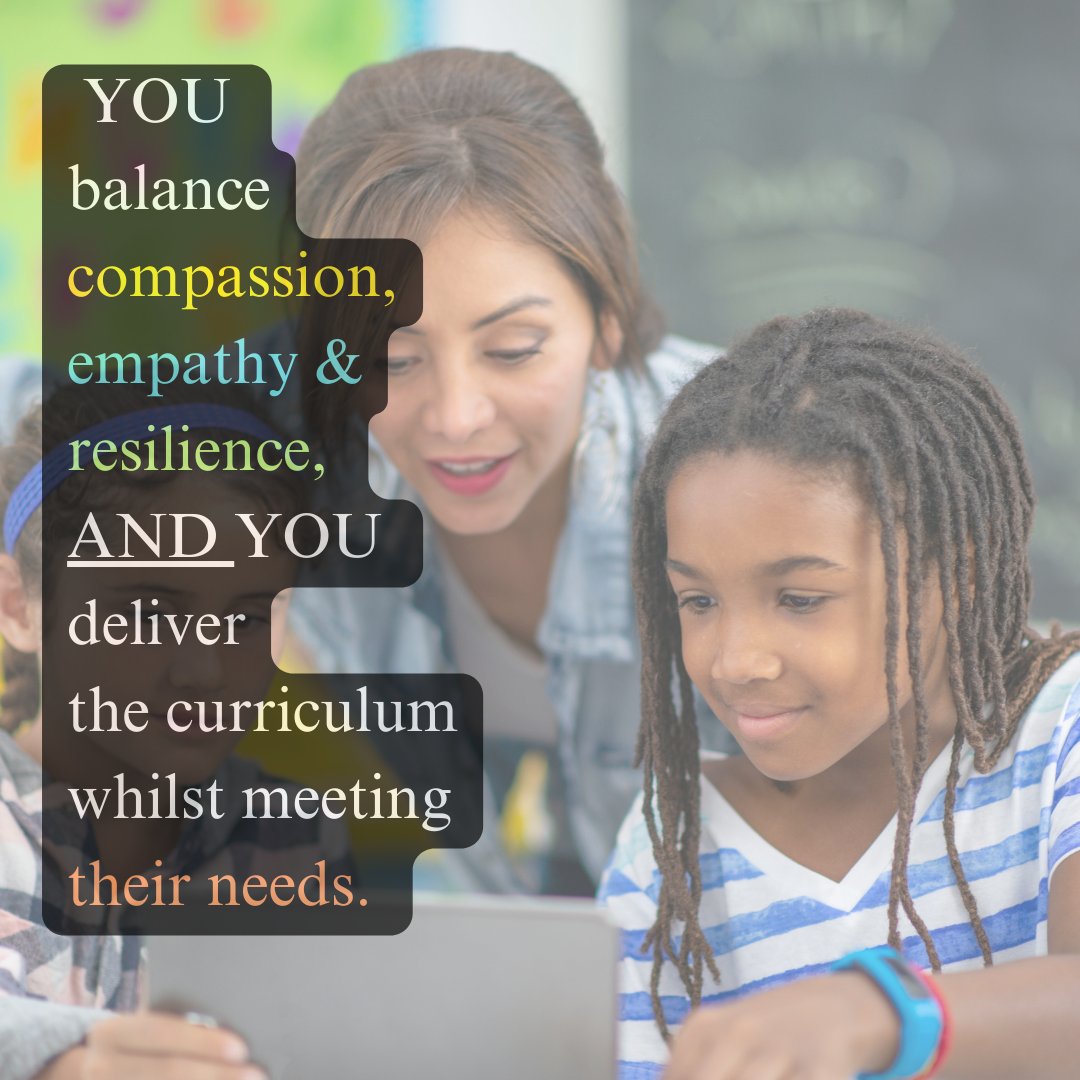
𝗜𝗻 𝗽𝗿𝗶𝗺𝗮𝗿𝘆 𝘀𝗰𝗵𝗼𝗼𝗹𝘀, 𝘁𝗲𝗮𝗰𝗵𝗶𝗻𝗴 𝗮𝘀𝘀𝗶𝘀𝘁𝗮𝗻𝘁𝘀 𝗮𝗻𝗱 𝗦𝗘𝗡𝗗 𝘀𝗽𝗲𝗰𝗶𝗮𝗹𝗶𝘀𝘁𝘀 𝘁𝗿𝗮𝗻𝘀𝗳𝗼𝗿𝗺 𝗹𝗲𝗮𝗿𝗻𝗶𝗻𝗴 𝗮𝗻𝗱 𝘁𝗵𝗲 𝗰𝗵𝗮𝗻𝗴𝗲 𝗶𝘀 𝘁𝗮𝗻𝗴𝗶𝗯𝗹𝗲. One specialist supporting one child can lift the atmosphere for every pupil because when children see tailored support in place, they know they are in a safe, caring space. And when they feel safe, they can focus on their learning to a greater extent. Yet behind the scenes, long waiting lists for assessments impede progress. The effects ripple outward: attendance dips, parents leave work to care for children, and teachers carry the weight in the classroom. They must balance compassion, empathy, and resilience whilst delivering the curriculum. To lighten this load, read on. When have you had to hold the line between meeting children’s needs and navigating systemic delays? Your reflections are welcome here. Join my live Thursday webinar at 7.00PM BST …hm-for-reading-digital-programmes.com/webinar-regist…
Dr Marion Long tweet media
English
0
0
0
39
Dr Marion Long
Dr Marion Long@Rhythm4Reading·
𝗬𝗼𝘂 𝗿𝗲𝗮𝗱 𝘄𝗵𝗲𝗻 𝘆𝗼𝘂 𝗴𝗲𝘁 𝗳𝗶𝘃𝗲 𝗺𝗶𝗻𝘂𝘁𝗲𝘀 𝘁𝗼 𝘆𝗼𝘂𝗿𝘀𝗲𝗹𝗳. 𝗔𝗻𝗱 𝘁𝗵𝗲𝗻, 𝘆𝗼𝘂𝗿 𝘁𝗲𝗲𝗻𝘀 𝗶𝗻𝘀𝗶𝘀𝘁 𝘁𝗵𝗮𝘁 𝘁𝗵𝗲𝘆 𝗿𝗲𝗮𝗱 𝗶𝗻 𝘆𝗼𝘂𝗿 𝘀𝗽𝗲𝗰𝗶𝗮𝗹 𝗰𝗼𝗿𝗻𝗲𝗿. The house was full of teens. They were 'hanging out' upstairs. Muffled laughter, hefty thuds and lowered voices drifted through the house. I made a cup of tea, grabbed two cushions, sat down by a lamp and opened my book. Ten minutes later, I felt eyes on me and looked up. They'd crept downstairs. They were all watching me and grinning as if I'd been caught 'red-handed'. I thought nothing of it, but the next day, my children argued over who would read in the same corner of the sofa, by the lamp, and even with a cup of tea. “Let them catch you reading.” It might sound strategic, but that moment did more than a hundred reminders ever could. When did your love of reading inspire a child to sit with a book? #ReadingforPleasure #ReadingCulture #JoyfulReading #ChildledReading #BooksWithoutPressure
Dr Marion Long tweet media
English
0
0
0
54
Dr Marion Long
Dr Marion Long@Rhythm4Reading·
𝗥𝗲𝗮𝗱𝗶𝗻𝗴 𝗮𝘁 𝗵𝗼𝗺𝗲 𝗯𝗲𝗴𝗮𝗻 𝘄𝗶𝘁𝗵 𝗮 𝗯𝘂𝗴𝗴𝘆 𝗳𝘂𝗹𝗹 𝗼𝗳 𝗯𝗼𝗼𝗸𝘀. You see the slow trance that pulls a child into a book. And you understand the value of reading for pleasure. Thirty books, to be exact - I hauled them home every week from the library, then stacked in a tower in the bedroom. The weight and the possibility of them, the anticipation of something new to investigate every day stays with me. They were not chosen for educational reasons or because they were “challenging.” Some were oversized, some were orange (my toddler's favourite color). Some about ants because they'd loved the 'Mini beasts day' at nursery. Some just felt right in small hands. I thought we should be working our way through 'Charlotte’s Web'. But they were busy mining every book for every shred of meaning, discussing details in the illustrations that were not even visible to me, but mattered to them. They were leading with curiosity. And I followed, even though my mind was desperate for paragraphs, I knew I needed to slow right down to enjoy those moments with them. When have you let a child’s rhythm set the pace? #ReadingForPleasure #ReadingCulture #JoyfulReading #ChildLedReading. #BooksWithoutPressure
Dr Marion Long tweet media
English
0
0
1
56
Dr Marion Long ری ٹویٹ کیا
Simon Smith
Simon Smith@smithsmm·
Sad to hear of the loss of #AllanAhlbergRIP His poetry books “Please Mrs Butler” “Heard it in the Playground” were actual life-savers when I started teaching. Having children I realised how wonderful his picturebooks and stories were. A great children’s writer and a big loss.
Simon Smith tweet mediaSimon Smith tweet media
English
5
47
418
12.3K
Dr Marion Long
Dr Marion Long@Rhythm4Reading·
𝗧𝗲𝗻 𝗠𝗶𝗻𝘂𝘁𝗲𝘀 𝗔 𝗪𝗲𝗲𝗸: 𝗕𝗶𝗴 𝗰𝗵𝗮𝗻𝗴𝗲𝘀 𝗳𝗼𝗿 𝗹𝗼𝘄𝗲𝗿 𝗮𝘁𝘁𝗮𝗶𝗻𝗶𝗻𝗴 𝗿𝗲𝗮𝗱𝗲𝗿𝘀 You're in the staffroom, you're gathering your plants, pots and mugs before the school is locked and a question lingers: "What do we do for the ones who can’t catch up — the ones for whom phonics and more drills just… don’t stick?" I’ve asked that question myself. I’ve seen bright, curious children lose their self-belief, drift into disaffected learner mode, their nervous systems locked into place. What I’ve learned is that more of the same is not enough for children who are not settled. The missing piece is rhythm — the simplest, oldest tool the brain knows. It's our 'ancient learning pathway' and it leads to a state in which we feel safe, focused, and ready to learn. This Thursday, I’m sharing how ten-minute rhythm-based sessions can help your lower-attaining students settle. I promise not to pile more onto your teachers. Click my 'website links' in bio to join. #LiteracyLeadership #EducationThatWorks #NeuroscienceInClassrooms #ResultsForEveryReader #StudentSuccessStrategies
Dr Marion Long tweet media
English
0
0
0
43
Dr Marion Long ری ٹویٹ کیا
🧬Craig Brockie
🧬Craig Brockie@CraigBrockie·
Scientists just cracked the multiple sclerosis code after decades of searching. Two specific gut bacteria are triggering the disease, and they've proven it using identical twins and mice. This changes everything we know about MS:
English
1.3K
12.7K
63.1K
10.7M
Dr Marion Long ری ٹویٹ کیا
SF Said
SF Said@whatSFSaid·
Always make time to take your kids to libraries & bookshops. Always let them browse freely. These are places of magic & wonder - the places where we find the books that make us readers, and stay with us forever. These places change our lives! #literacy
English
1
79
238
9.2K
Dr Marion Long
Dr Marion Long@Rhythm4Reading·
𝗪𝗵𝗲𝗻 𝘆𝗼𝘂 𝗸𝗻𝗼𝘄 𝘁𝗵𝗮𝘁 𝗳𝗼𝗿 𝘀𝗼𝗺𝗲 𝗰𝗵𝗶𝗹𝗱𝗿𝗲𝗻, 𝘀𝘁𝗿𝘂𝗰𝘁𝘂𝗿𝗲 𝗳𝗲𝗲𝗹𝘀 𝗹𝗶𝗸𝗲 𝗸𝗶𝗻𝗱𝗻𝗲𝘀𝘀 - You begin to see the classroom differently. It's no longer a place of simple instruction, but has become a finely tuned environment where rhythm, predictability, and safety are essential to learning. In special schools, particularly with neurodiverse children, I’ve witnessed this firsthand. Some children need structure to feel safe, yes, and you already know this! The most beautiful thing I've ever seen is how structure liberates them. There's no reduction in the complexity of their experience, it's a matter of giving it shape. Predictable frameworks help regulate the nervous system, offering relief from the overwhelm of sensory overload (and the need to map it all the time). Rhythmic patterns, offered without pressure, make participation feel not only possible — but deliciously satisfying. And in just ten structured minutes, even the most sensitive learners begin to 'find their feet'. This isn’t music therapy as it's not about performance or emotional release. This is rhythm as a form of containment. It's an embodied scaffold of sound and structure that allows overstimulated systems to find ease, to settle, and to connect. In rhythm, children feel held. Where do your most sensitive learners find their sense of safety?
Dr Marion Long tweet media
English
0
0
0
62
Dr Marion Long ری ٹویٹ کیا
Dr Jill Berry
Dr Jill Berry@jillberry102·
".@OakNational has released 80 free lessons to support teaching on online safety & misogyny for pupils aged 5-16. Oak will also develop additional lesson materials, to be available this autumn, to help schools deliver other areas covered by the new RSHE guidance." @tes 1/2
English
2
6
27
3.6K
Dr Marion Long
Dr Marion Long@Rhythm4Reading·
𝗪𝗵𝗲𝗻 𝘆𝗼𝘂 𝗿𝗲𝗹𝘆 𝗼𝗻 𝗿𝗮𝗽𝗶𝗱-𝗳𝗶𝗿𝗲 𝗾𝘂𝗲𝘀𝘁𝗶𝗼𝗻𝘀 𝘁𝗼 𝘀𝗽𝗮𝗿𝗸 𝘁𝗵𝗲𝗶𝗿 𝗲𝗻𝗴𝗮𝗴𝗲𝗺𝗲𝗻𝘁 - You’re drawing on a well-established practice. In many classrooms, Opportunities to Respond (OTR) has become a go-to strategy: ask a question every ten seconds, offer immediate feedback, keep the pace high, and aim to sustain attention through sheer momentum. There’s no doubt it works. The data supports it and those amazing teachers who use OTR consistently often see a measurable uptick in on-task behaviour and verbal participation. But anyone who has used this approach knows what the research doesn’t always capture: how quickly this technique can become exhausting, not just for the student, but for the teacher as well. For children with overstimulated nervous systems or reward systems primed for novelty and intensity, rapid questioning doesn’t create engagement so much as it triggers a fight to keep up. And for educators trying to manage both cognitive load and emotional presence, the strain of maintaining that pace can quietly take its toll. But what if the same reset — that same sense of focused participation — could be achieved without the constant demand for output? That is what Rhythm for Reading offers. Just ten minutes a week working in the ancient safety of patterns that are social, shared, structured, rhythmic, and calm. When rhythm is introduced in a predictable, repeatable format, it creates a space-time container for attention to return. Instead of escalating the system, it regulates it. Instead of pushing for performance, it invites participation. We know that too much input throws the reward system off-balance. Rhythm, used wisely, with just the right timing, rebuilds attention without overwhelming it. Quiet reflection: Where could you replace effortful pressure with patterns that run themselves in your day-to-day?
Dr Marion Long tweet media
English
0
0
0
51
Dr Marion Long
Dr Marion Long@Rhythm4Reading·
𝗪𝗵𝗲𝗻 𝘆𝗼𝘂 𝗸𝗻𝗼𝘄 𝘁𝗵𝗮𝘁 𝗲𝗮𝗿𝗹𝘆 𝗲𝘅𝗰𝗹𝘂𝘀𝗶𝗼𝗻 𝗱𝗼𝗲𝘀𝗻’𝘁 𝗼𝗻𝗹𝘆 𝗱𝗲𝗹𝗮𝘆 𝗿𝗲𝗮𝗱𝗶𝗻𝗴… In a classroom where routines are only beginning to take root, a six-year-old is permanently excluded, long before they’ve had the chance to establish basic skills. For the teacher, the intention to support was always the priority and of course, everyone wanted the best for every child. Meanwhile, 2026 is being celebrated as the National Year of Reading following a wonderful campaign filled with vision and promise. And yet, we are investing in the future of school libraries, while watching children fall through the cracks as they learn to decode a sentence. What if the core issue isn’t defiance or disruption, but attention? Imagine for a moment that the nervous system is overextended and under-supported, and can no longer regulate the child as they try to settle into the act of reading? When children need rhythm to learn to read, they often need rhythm in other areas of their life as well. Have you noticed this too? Rhythm offers an opportunity to support attention through movement, sound, and social safety. Ten minutes of rhythm, in which focus is held by sound can make a difference after only a couple of weeks. If you'd like to find out more, this week's blog post, 'A Joyful Revolution: Using rhythm to reignite reading' is now up. Also, I have a webinar that will be of interest. Click the link in my bio for details.
Dr Marion Long tweet media
English
0
0
0
48
Dr Marion Long
Dr Marion Long@Rhythm4Reading·
𝗥𝗲𝘀𝗲𝗮𝗿𝗰𝗵 𝗰𝗮𝗻'𝘁 𝗼𝘂𝘁𝗿𝘂𝗻 𝘁𝗵𝗲 𝘀𝗽𝗲𝗲𝗱 𝗼𝗳 𝗔𝗜. 𝗪𝗵𝗼 𝗵𝗲𝗹𝗽𝘀 𝘁𝗵𝗲 𝗰𝗵𝗶𝗹𝗱𝗿𝗲𝗻 𝘄𝗵𝗶𝗹𝗲 𝘄𝗲 '𝘄𝗮𝗶𝘁'? Research on digital technology use in preschool children is just emerging. Yet, technology evolves so rapidly that research can’t keep up with the pace of change. In living rooms where children scroll in silence before bed, in bedrooms where a soft glow replaces bedtime stories, or in kitchens where screens distract during meals — these everyday scenes reveal the reality: types of use carrying the highest risk include bedtime use, solitary use, and screens used for emotional regulation. A review of 95 studies showed these patterns are linked with delays in language, cognition, and motor development — along with poor sleep, obesity, and vision problems. ✨ Join the discussion at my webinar, “3 Phases of Addiction in Childhood: A Teacher’s Perspective.” I’d love to have you there.🔗 Link in bio #Education #Teachers #SchoolLeadership #Teaching #PrimaryEducation #SecondaryEducation #ChildDevelopment 🟢 How do you support parents in navigating these fast-changing digital challenges?
Dr Marion Long tweet media
English
0
0
0
45