Russell Sherwood

3.1K posts

Russell Sherwood

Russell Sherwood

@RussellShe34898

شامل ہوئے Mart 2023
221 فالونگ206 فالوورز
Russell Sherwood ری ٹویٹ کیا
Learning Feed
Learning Feed@LearningFeedX·
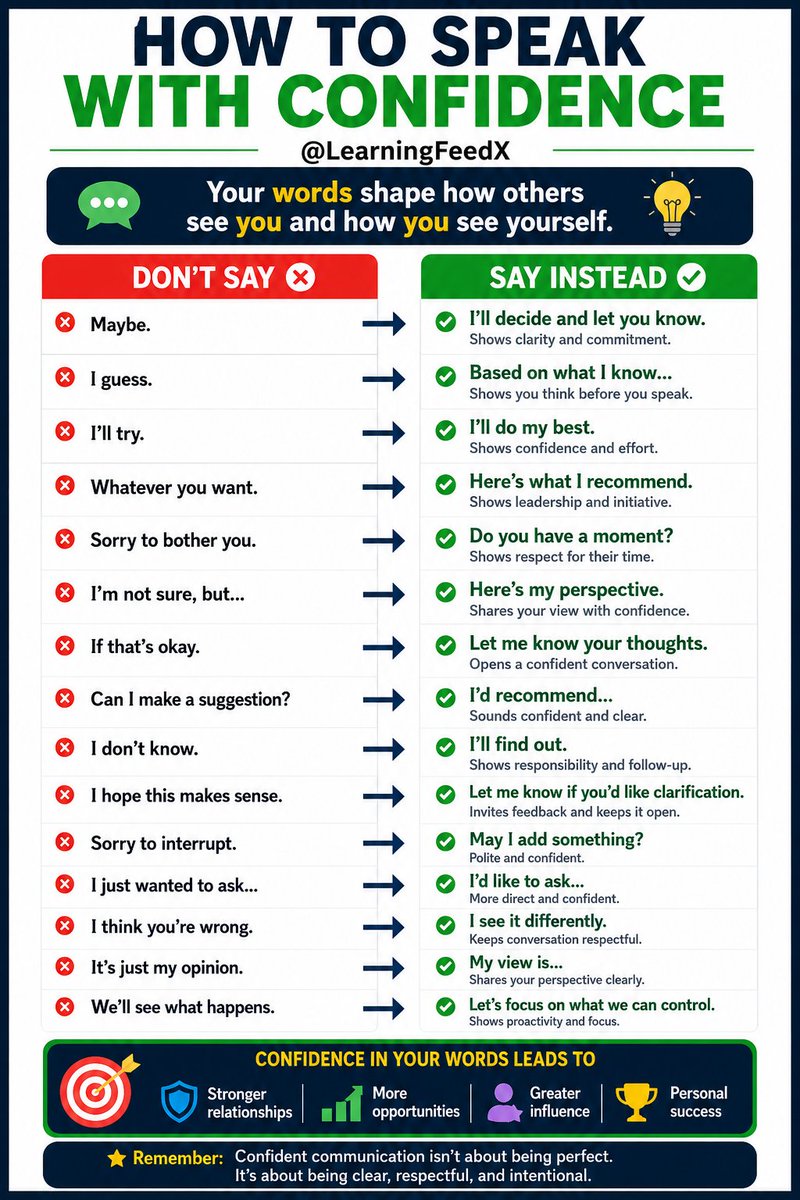
How to Communicate with Confidence
Learning Feed tweet media
English
0
6
25
722
Russell Sherwood ری ٹویٹ کیا
Easy To Learn
Easy To Learn@EasyToLearrn·
ZXX
0
11
91
13.3K
Russell Sherwood ری ٹویٹ کیا
Pooja Pawar, PhD
Pooja Pawar, PhD@SheExploresData·
Becoming a Data Analyst isn’t about mastering one tool. Build strong foundations in SQL, Python, statistics, data wrangling, visualization, machine learning basics, and communication. Consistency beats shortcuts every time. #DataAnalytics #SQL #Python #PowerBI #CareerGrowth
Pooja Pawar, PhD tweet media
English
1
22
88
1.4K
Veronica
Veronica@itsverronicca·
nudy version in comments (im not even joking)
Veronica tweet mediaVeronica tweet mediaVeronica tweet mediaVeronica tweet media
English
387
128
8.1K
2.3M
Russell Sherwood ری ٹویٹ کیا
Learn Everything
Learn Everything@LearnEvery8w·
Most people know only one knot. Here are 6 you'll actually use.
Learn Everything tweet media
English
1
8
19
566
Russell Sherwood ری ٹویٹ کیا
Geosophy
Geosophy@Geosophyy·
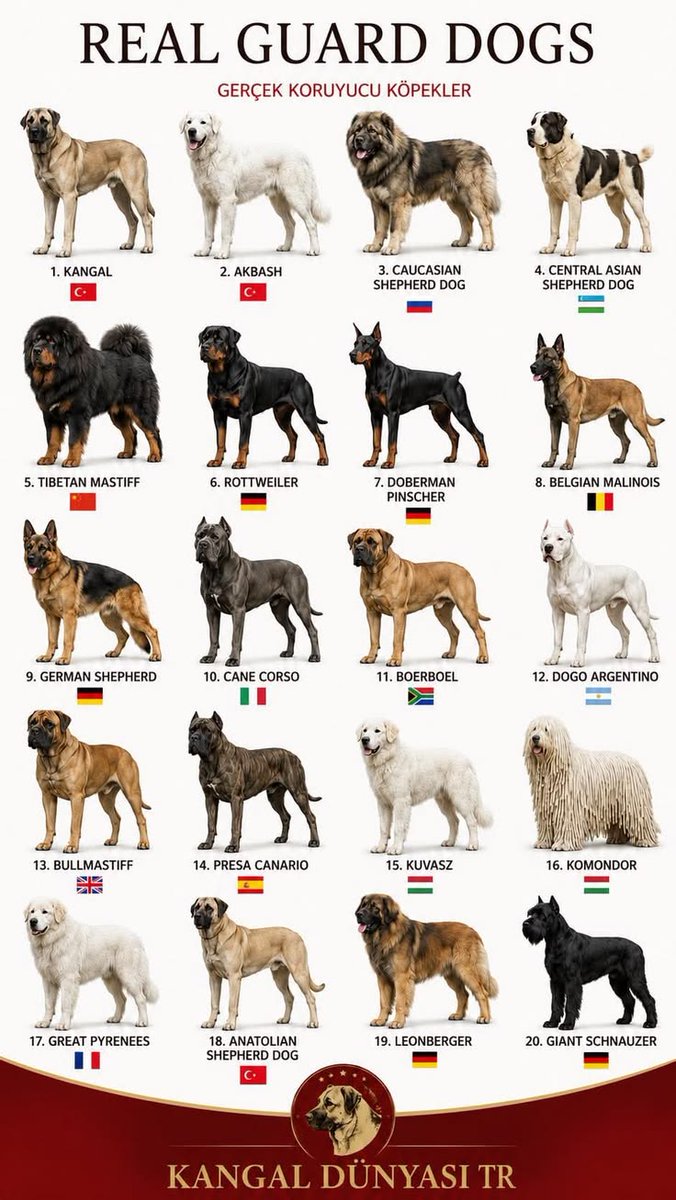
Geosophy tweet media
ZXX
20
398
2.1K
110.3K
Russell Sherwood ری ٹویٹ کیا
Computer Knowledge
Computer Knowledge@Computer_basic0·
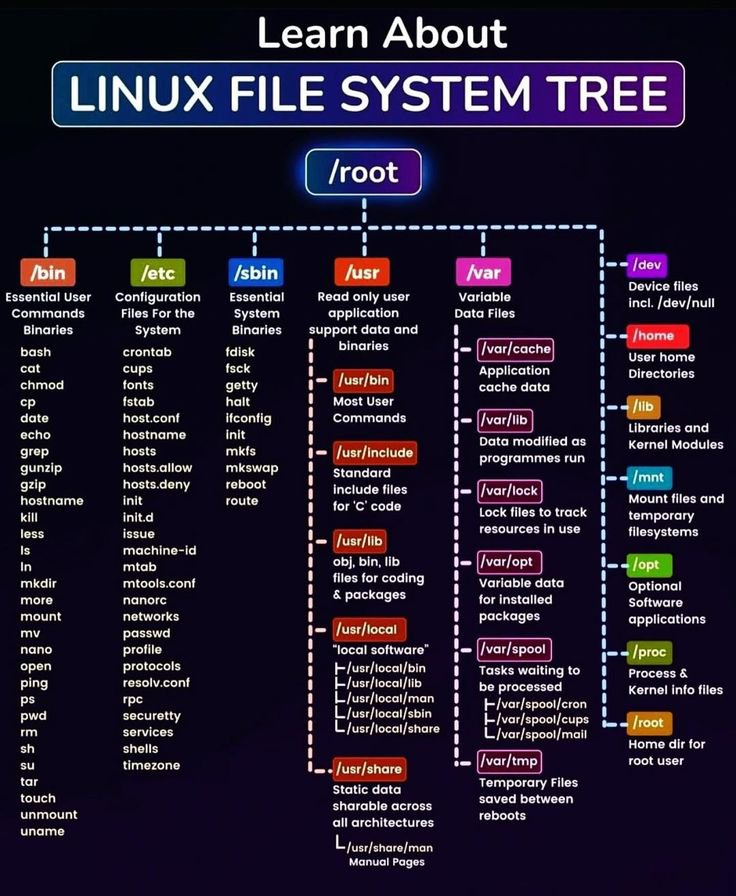
Computer Knowledge tweet media
ZXX
0
39
135
8.5K
Russell Sherwood ری ٹویٹ کیا
Discover and Know
Discover and Know@factoryfootages·
Discover and Know tweet media
ZXX
12
268
1.5K
91.6K
Russell Sherwood ری ٹویٹ کیا
Engineer Things
Engineer Things@EngineerThing·
How to Read Engine Oil Grades
Engineer Things tweet media
English
2
51
244
9.8K
Russell Sherwood ری ٹویٹ کیا
𝐇𝐚𝐦𝐳𝐚 | Networking Guy
Malware analysis isn't just about finding a virus, it's about understanding how it works, what it's trying to do, and how to stop it. The process usually has three main parts: 1. Choosing a machine learning approach - Supervised learning: Trained with labeled malware samples. - Unsupervised learning: Finds hidden patterns without labels. - Semi-supervised learning: Combines a small amount of labeled data with a larger set of unlabeled data. 2. Extracting useful features Analysts collect clues from the malware, such as: - Byte sequences - API and system calls - Opcodes (CPU instructions) - Network activity - File system changes - CPU registers - PE file characteristics - Embedded strings These can be gathered through static analysis (without running the file), dynamic analysis (running it in a controlled environment), or a hybrid of both. 3. Achieving the objective The goal could be detecting malware, identifying its family, classifying its category, or comparing it with other samples to find similarities, differences, and new variants. Malware analysis is like digital detective work. Every piece of data is a clue that helps security researchers understand threats and build better defenses before they spread.
𝐇𝐚𝐦𝐳𝐚 | Networking Guy tweet media
English
2
12
41
776
Russell Sherwood ری ٹویٹ کیا
Python Crafted 🐍
Python Crafted 🐍@PythonCrafted·
SQL -> Python -> Excel💯
Python Crafted 🐍 tweet media
English
2
13
74
1.3K
Russell Sherwood ری ٹویٹ کیا
Computer Knowledge
Computer Knowledge@Computer_basic0·
Computer Knowledge tweet media
ZXX
0
13
67
2.4K
Russell Sherwood ری ٹویٹ کیا
Tech Fusionist
Tech Fusionist@techyoutbe·
2/2 - DR (Disaster Recovery)
Tech Fusionist tweet media
English
0
2
11
251
Russell Sherwood ری ٹویٹ کیا
Tech Fusionist
Tech Fusionist@techyoutbe·
Remember this 3-2-1 Rule for Backups (for Production)
Tech Fusionist tweet media
English
1
4
33
2.8K
Russell Sherwood ری ٹویٹ کیا
Rspect
Rspect@rspect24·
🐧 21 Linux Commands Every Cybersecurity Student Should Know
Rspect tweet media
English
0
17
119
3.5K