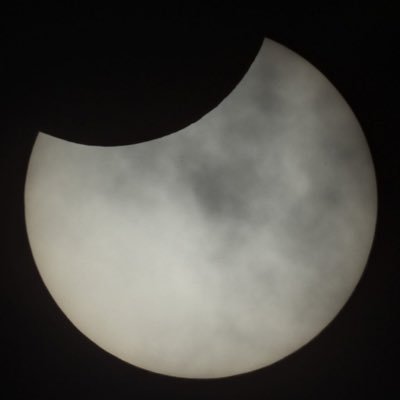
SkyCalPro

6.7K posts

SkyCalPro banner
SkyCalPro

SkyCalPro

@SkyCalPro

I miss CalSky. 🔭So I decided to create a replacement. Find out what’s happening in the sky right now https://t.co/0zGOoZ8VPA #Astronomy #Moonhour

Skyward! شامل ہوئے Nisan 2023
395 فالونگ467 فالوورز
پن کیا گیا ٹویٹ
SkyCalPro
SkyCalPro@SkyCalPro·
SkyCal now has the sky track of satellite passes including sun, moon and planet locations for reference if they are above the horizon. This is big one and I'm a bit nervous if I'm honest. Enjoy! Tell me if see issues or have improvement ideas. skycalprom.com #Astronomy
SkyCalPro tweet media
SkyCalPro@SkyCalPro

Lazy fix ($). All tests pass on staging. it should switch to production easily. I think this will be the last release this year. Next year I'll be working on the backend getting everything ready for v3.0. Having charts is a big deal and a nice milestone.

English

1
2
7
498
SkyCalPro ری ٹویٹ کیا
Panagiotis Xipteras
Panagiotis Xipteras@xipteras·
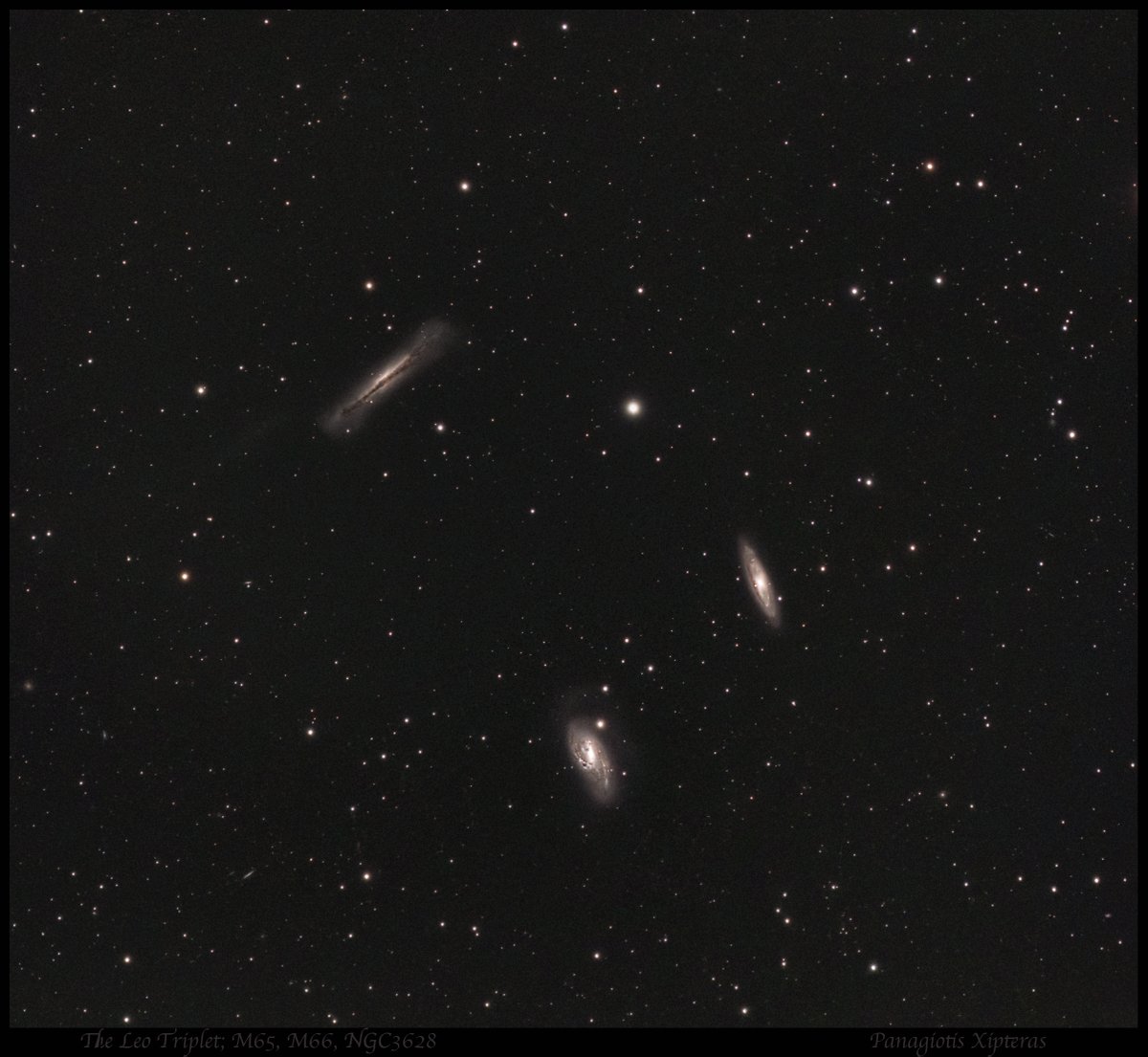
Thirty million years ago, long before the first humans walked the Earth, the light from distant #galaxies like those of the Leo Triplet had already begun its silent journey through the abyss of space. Tonight, that ancient glow finally reaches our eyes — linking our brief human moment to the deep time of the cosmos. If we humans were to send a signal of life toward the Leo galaxies, it would take about a million human generations for it to arrive there. Relatively few stars lie along this 35-million-light-year line of sight because the spring constellation Leo points almost perpendicular to the plane of our Milky Way. One of the brighter foreground stars is HIP 55262 (center), magnitude 9.3 and about 156 light-years away — far too faint to be seen with the naked eye. In this deep field three galaxies stand out tonight: Messier 65, Messier 66, and NGC 3628, together forming the famous Leo Triplet about 35 million light-years away. These gravitational neighbors are locked in a slow cosmic dance that has warped their shapes over millions of years. While M65 still keeps a relatively classical spiral form, M66 clearly shows the scars of gravitational interaction with distorted arms and heavy dust lanes. The third member, NGC 3628, seen perfectly edge-on, resembles a cosmic “hamburger,” its thick dust band cutting dramatically through the galactic disk. Supernova explosions have even been recorded in the active star-forming regions of this remarkable trio. Seen together in one field, the Leo Triplet offers a rare insight into the dynamic evolution of galaxies — tidal forces, star formation, and gravitational tension playing out across tens of millions of light-years. Clear skies. 🌌 🔭 — Image: 4h 31m exposure, Vaonis #Vespera #Vespera2 smart telescope mounted on the rooftop of my house, no filters used, new firmware v3.1, powered overnight with a Belkin 65W USB-C charger, processed, and documented by me, Panagiotis Xipteras, Germany.
Panagiotis Xipteras tweet media
English
3
18
61
744
SkyCalPro ری ٹویٹ کیا
Rafał
Rafał@RafStargazer·
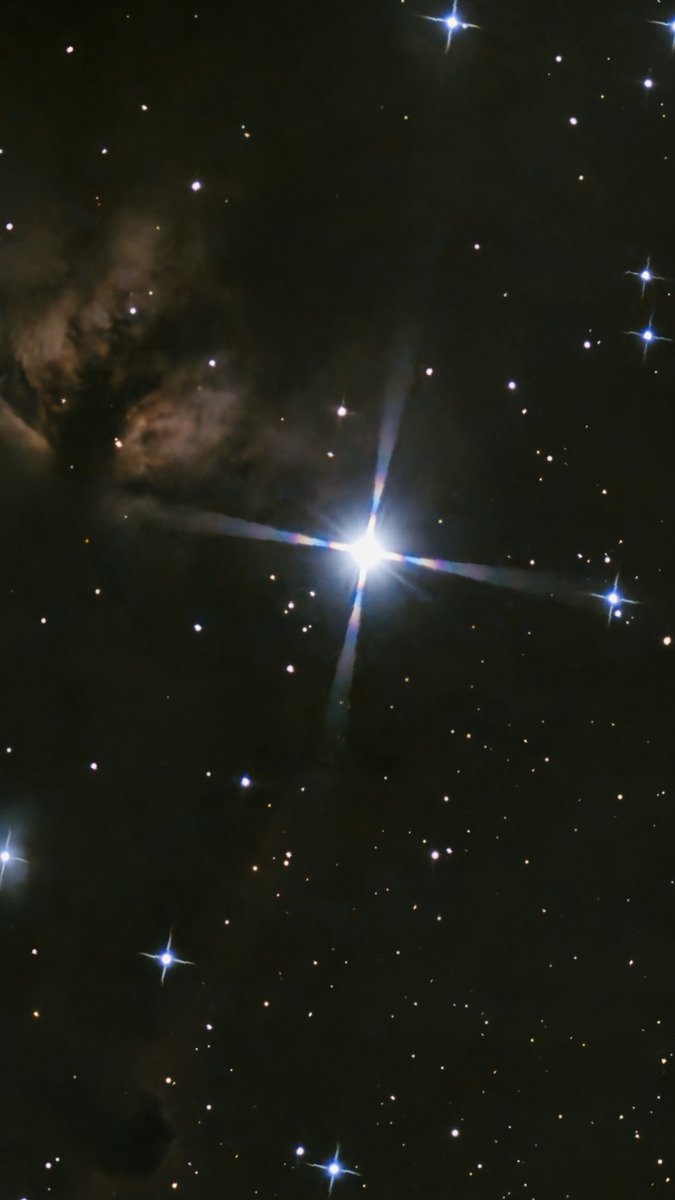
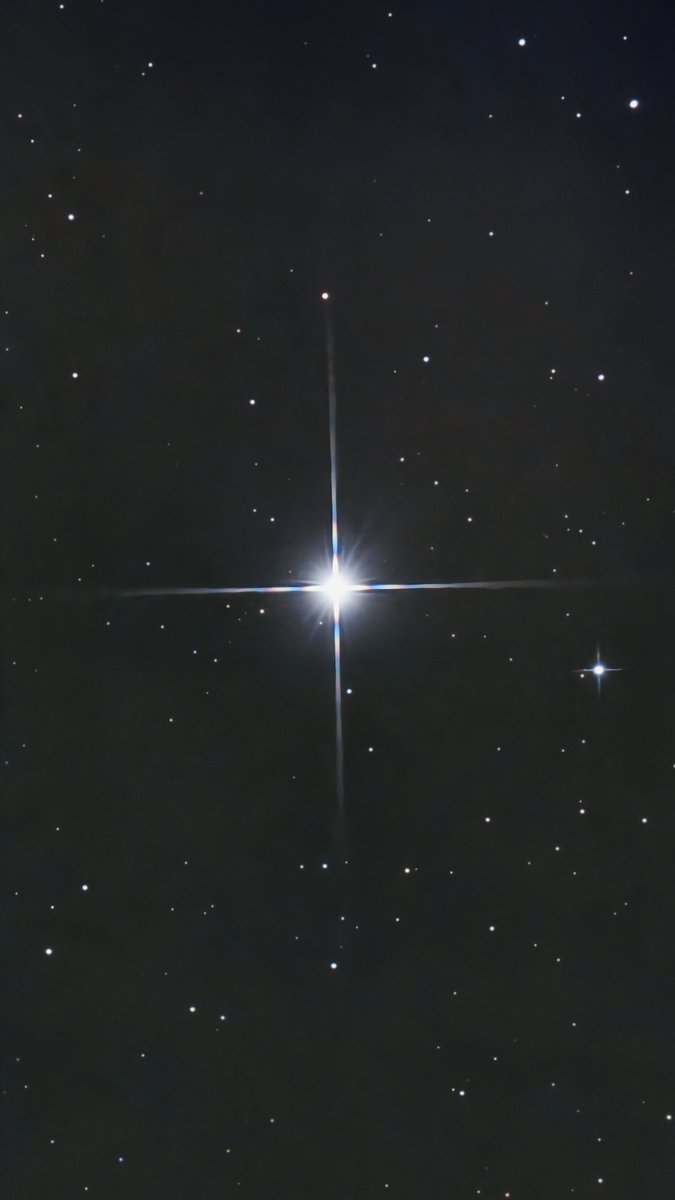
Alnitak (Zeta Orionis, ζ Ori). In the background on the left, the Flame Nebula. Photo taken on the night of March 9, 2026. #Astrophotography
Rafał tweet media
English
2
18
86
988
SkyCalPro ری ٹویٹ کیا
Leon1984
Leon1984@Leon131284·
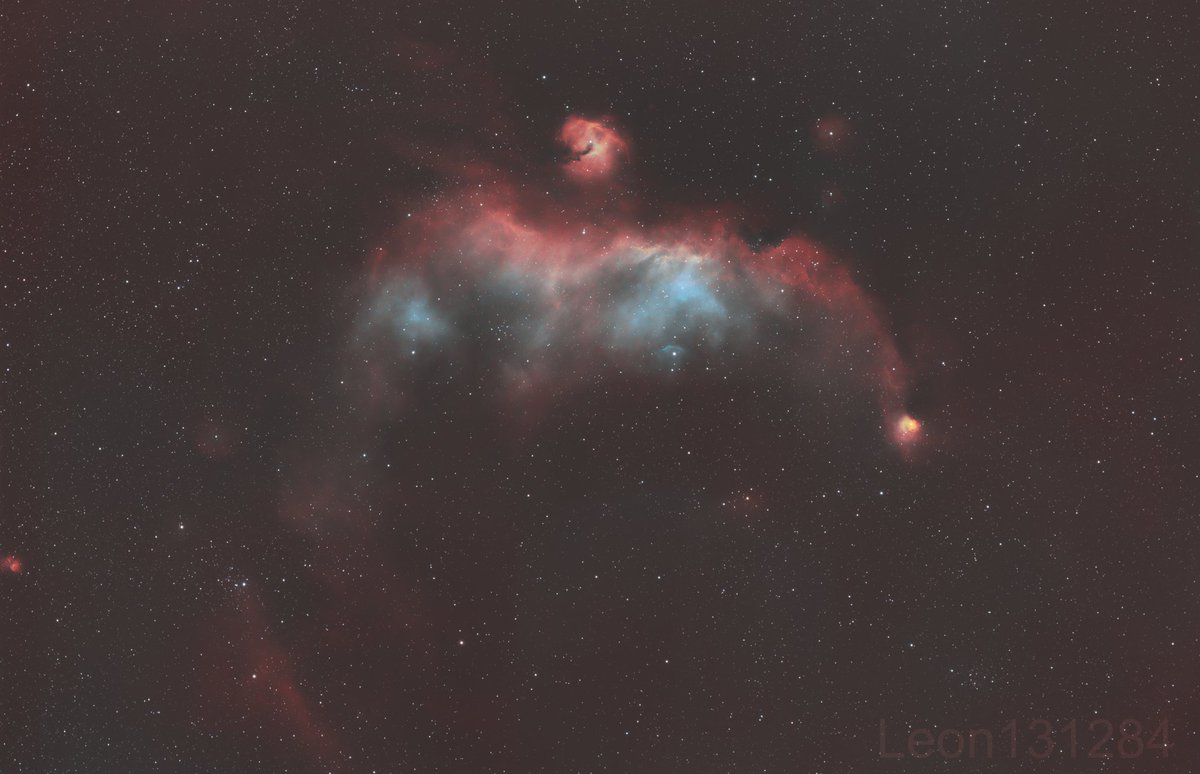
Finally almost nearly happy with my Seagull nebula image. Think this is the 9th attempt to get it something like I want. I found that I had a huge dust spot on my filter on night 2. Lesson learned about taking flats after every session! Plus the gradient from the moon. I had a real challenge on my hands with this one. Chances are, I'll have another attempt soon. app.astrobin.com/i/72gjh3
Leon1984 tweet media
English
2
14
48
1K
SkyCalPro ری ٹویٹ کیا
Isa's Astrophotography Atelier ✨🪐🔭
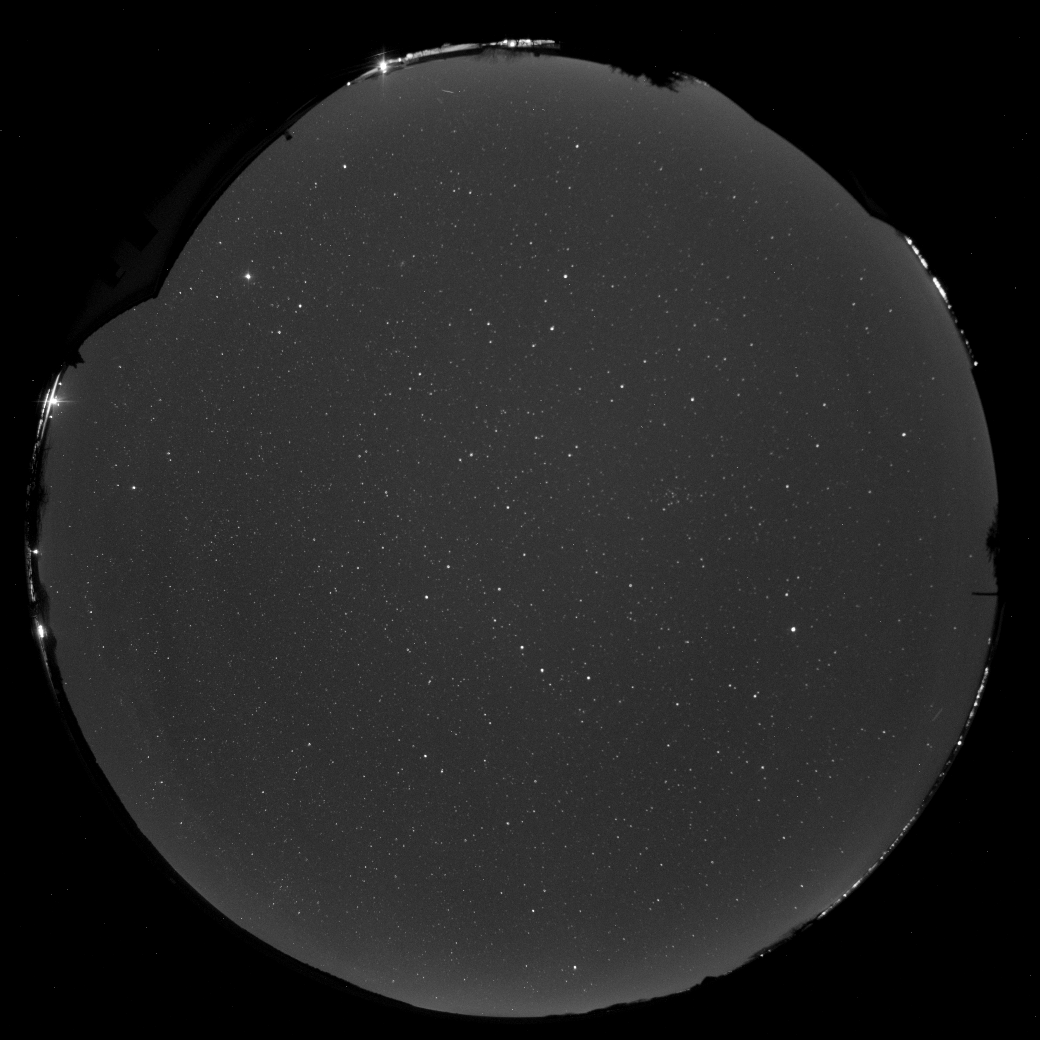
Planning, building and operating an observatory is a long journey. A lot of work, patience and learning along the way - and always a work in progress. But nights like the one last night make it all worthwhile. Here a snapshot from my AllSky cam, just installed in its final spot - not yet perfectly aligned or fully in focus. Clear skies from BEL Observatory.
Isa's Astrophotography Atelier ✨🪐🔭 tweet media
English
7
12
78
1.2K
SkyCalPro
SkyCalPro@SkyCalPro·
@kamin_amy Starlink satellites can travel in groups of two. Might be a train that has separated perhaps? Could be a different operator too, some satellites travel in groups. Weirest satellite i saw was on that seemed blink on and off as it crossed the sky!
English
0
0
1
18
Amy Kaminski
Amy Kaminski@kamin_amy·
Saw a super weird satellite I assume fly by. Typical of Starlink but it was only 2 and I’ve never seen it move so fast. I was just enjoying the night sky, not taking photos.
English
4
0
12
156
SkyCalPro ری ٹویٹ کیا
Xavi Bros
Xavi Bros@Xavi_Bros·
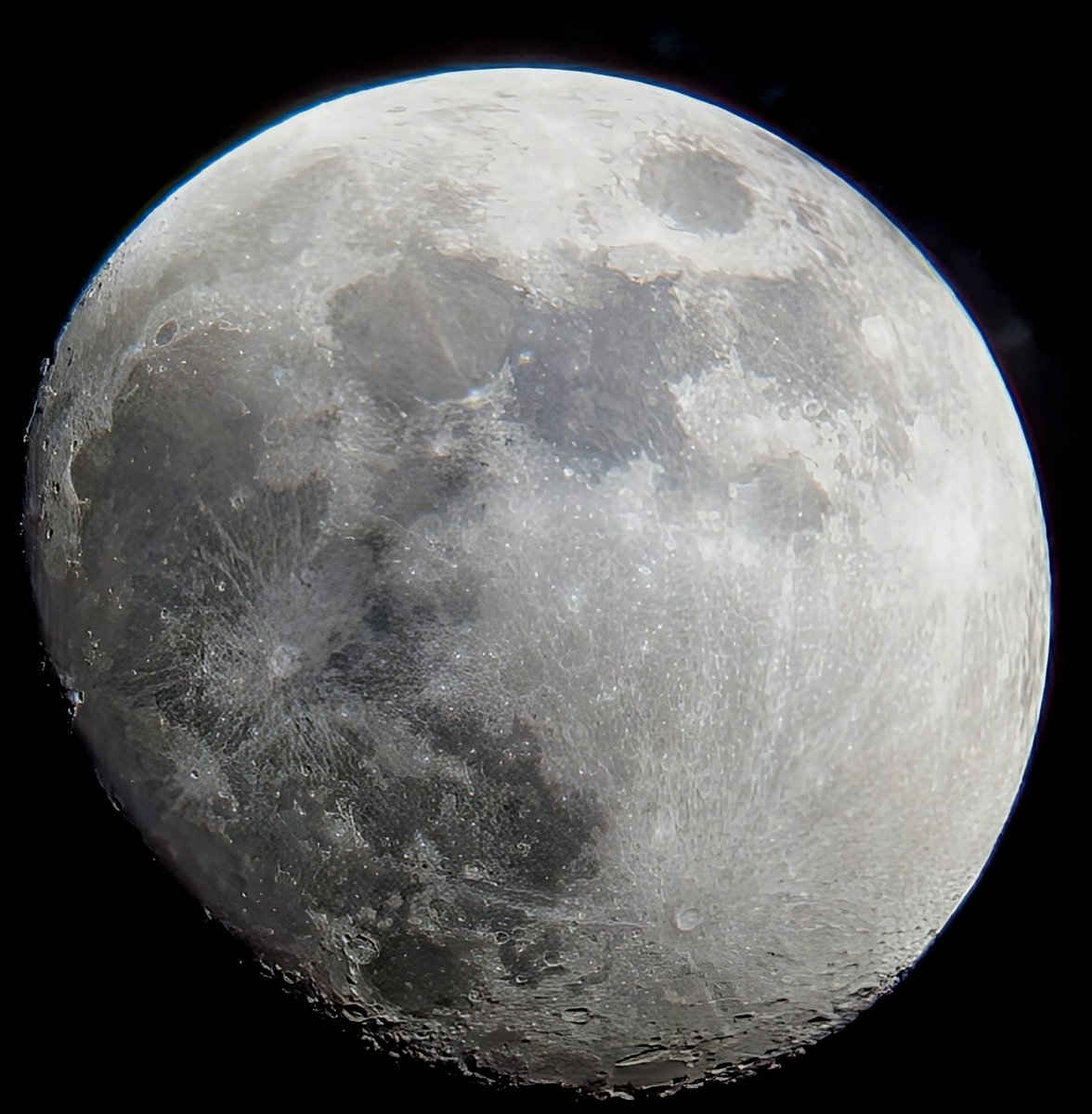
The crater Plato in an incredible landscape of our beloved moon. Image by Carles Labordena, an @AstroSabadell member using his schmidt cassegrain of 235mm. Wow!
Xavi Bros tweet media
English
2
31
137
1.9K
SkyCalPro ری ٹویٹ کیا
Rafał
Rafał@RafStargazer·
Rigel (β Orionis) – brightest star in Orion, 7th brightest star in the night sky (mag +0.18), 863 light-years away. Shot on the night of March 4, 2026. #Astrophotography
Rafał tweet media
English
2
15
107
1.2K
SkyCalPro ری ٹویٹ کیا
Dave Eagle 🔭 Keep Looking Up.
Dave Eagle 🔭 Keep Looking Up.@Dave_StarGeezer·
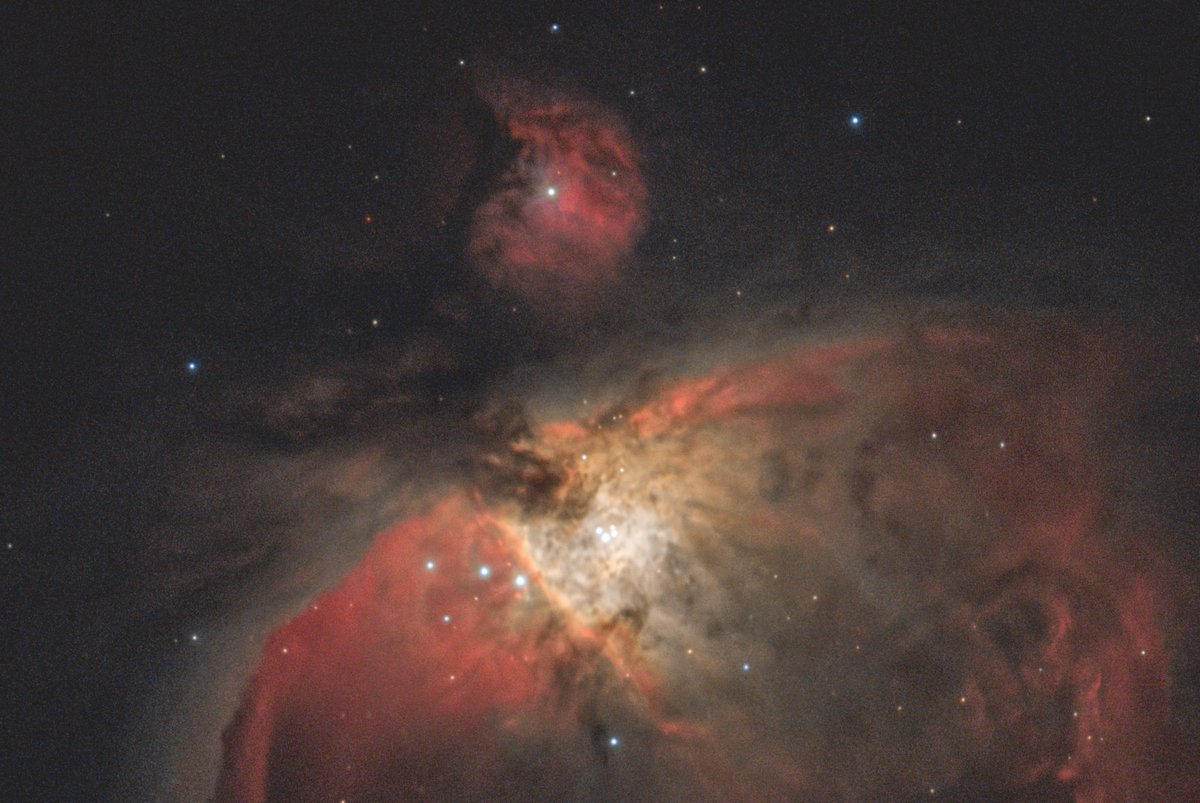
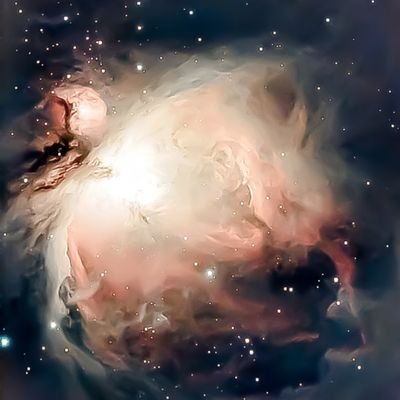
Close-up view of the Trapezium area in Messier 42, the Great Orion Nebula. Image taken 2nd March 2026.
Dave Eagle 🔭 Keep Looking Up. tweet media
English
2
16
72
2.4K
SkyCalPro ری ٹویٹ کیا
Leon1984
Leon1984@Leon131284·
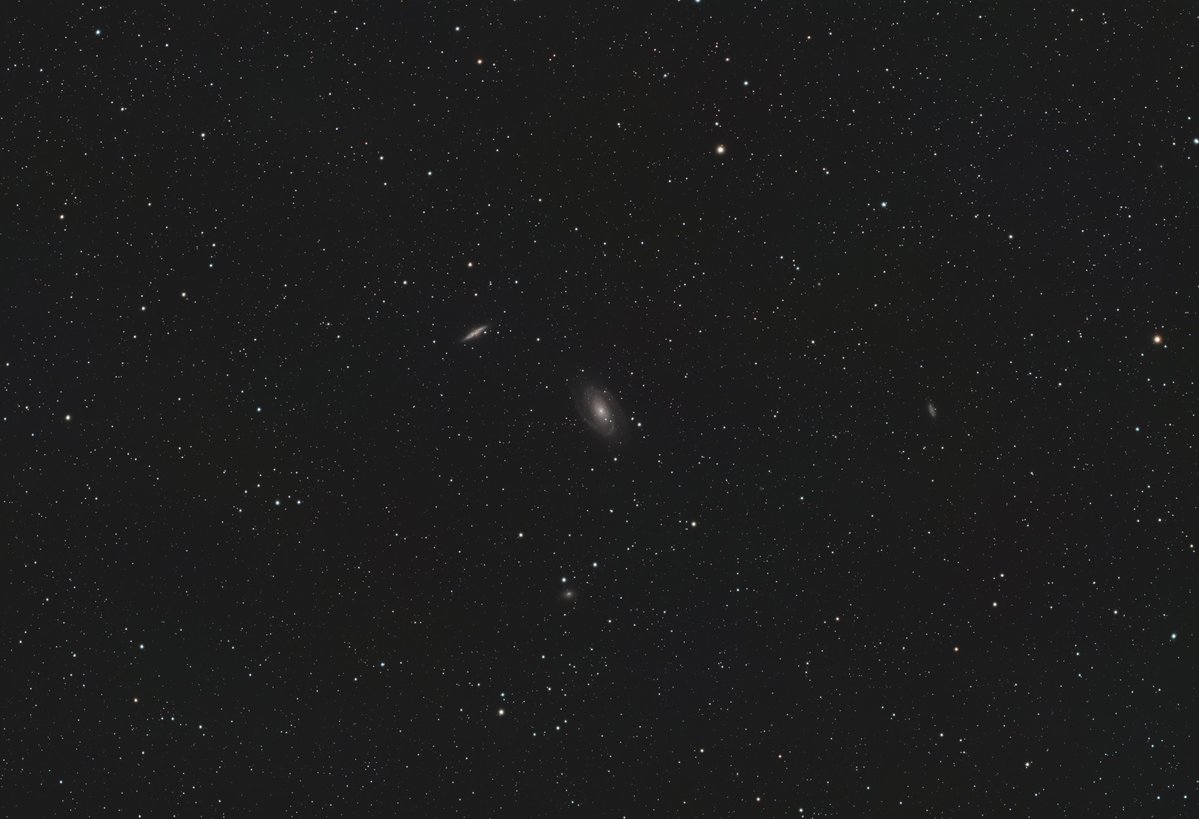
This is M81 & M82 (plus 2 smaller galaxies). Taken in Bortle 2/3 skies under full moon. I had a couple extra hours of time after the Seagull nebula set, so decided to go for this target. I'm quite impressed that you can see some details in the galaxies arms even though its a focal length of 250mm. Equipment used. Telescope: William Optics Spacecat51 Camera: ZWO ASI2600MC Pro Mount: Celestron AVX Filter: Optolong L-Quad enhance (Probably didn't need this) This was stacked (Drizzlex2) and processed in Pixinsight. 39x180s Frames. Almost 2 hours total integration.
Leon1984 tweet media
English
2
9
43
2.7K
SkyCalPro ری ٹویٹ کیا
Panagiotis Xipteras
Panagiotis Xipteras@xipteras·
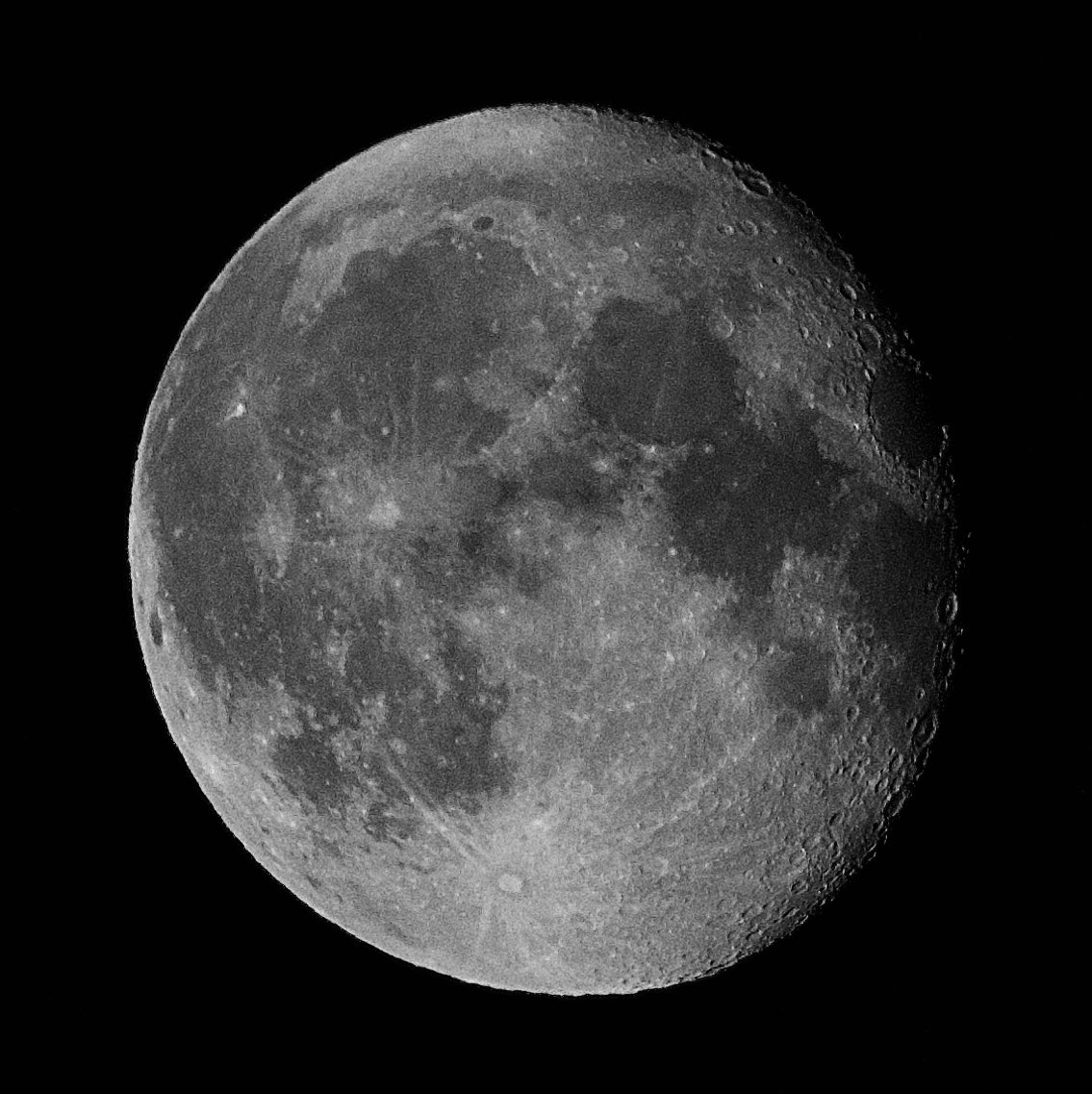
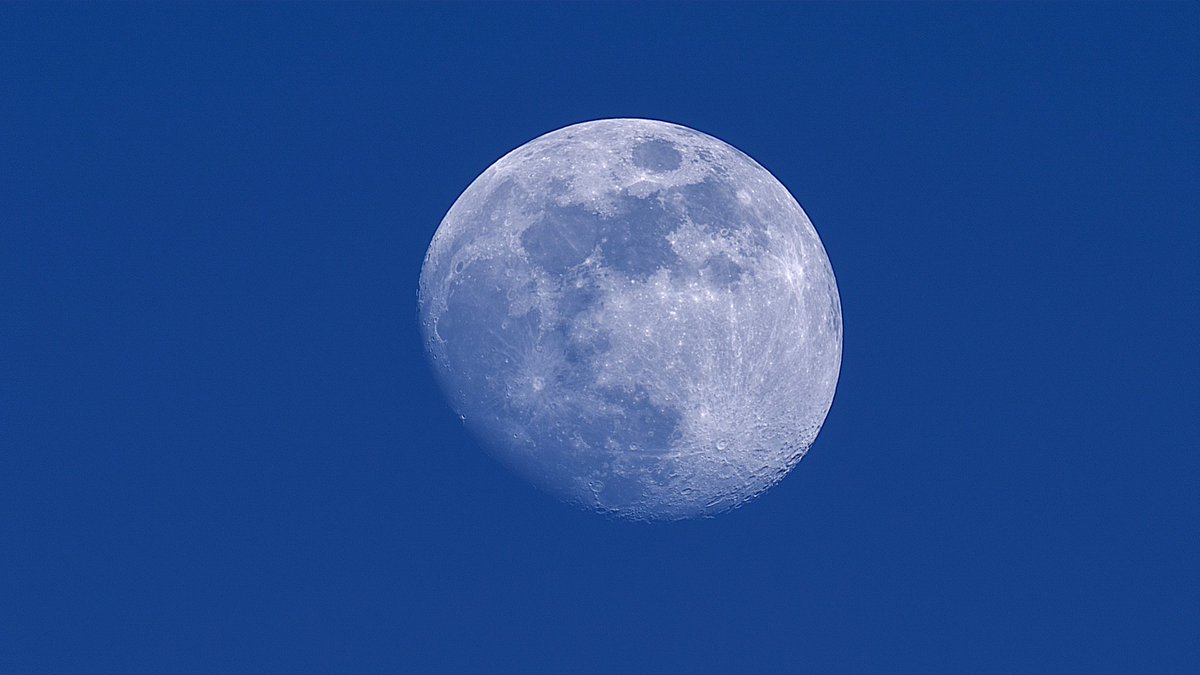
On Mar 6, 2026, a ~92% lit Waning Gibbous moon travels through Virgo, glowing near Spica at ~390,000 km from Earth. #moonphase
Panagiotis Xipteras tweet media
English
2
9
35
495
SkyCalPro ری ٹویٹ کیا
Andrew McCarthy
Andrew McCarthy@AJamesMcCarthy·
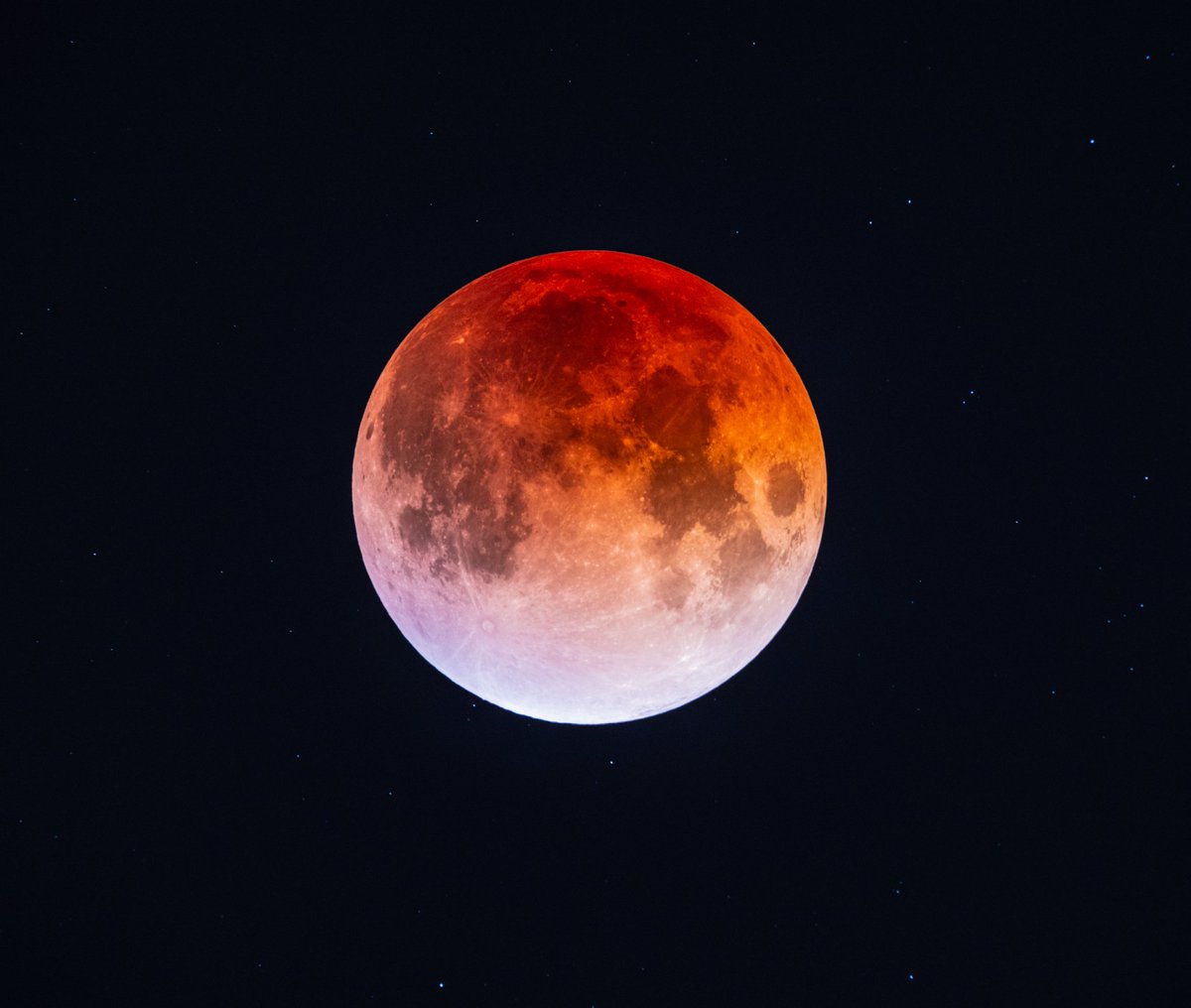
Totality.
Andrew McCarthy tweet media
English
323
1.9K
13.7K
1.2M
SkyCalPro ری ٹویٹ کیا
Rafał
Rafał@RafStargazer·
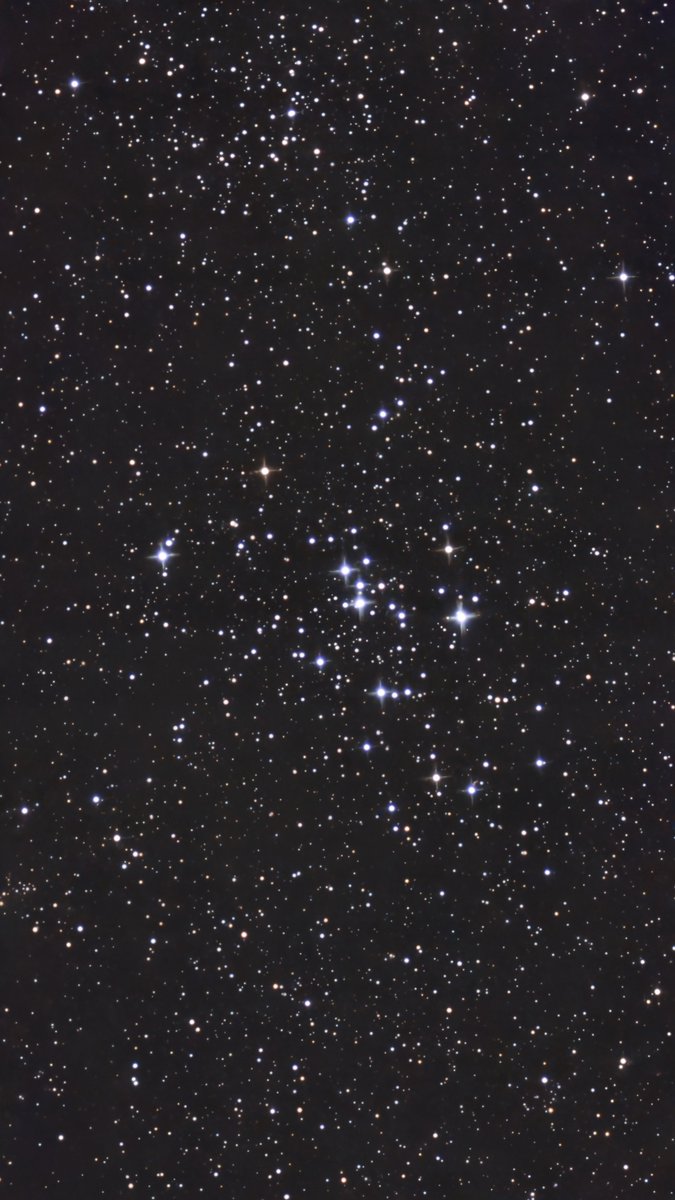
Messier 47 (M47 or NGC 2422) – an open cluster in the constellation Puppis, captured in a photo taken on the night of February 27/28, 2026. M47 contains about 50 stars, and its distance from us is approximately 1,600 light-years – meaning the light now reaching us set out on its journey in 426 AD, toward the end of the Western Roman Empire. Photo details in ALT. #Astrophotography
Rafał tweet media
English
1
24
84
1.1K