Theodore Roosevelt Presidential Library

1.4K posts

Theodore Roosevelt Presidential Library banner
Theodore Roosevelt Presidential Library

Theodore Roosevelt Presidential Library

@TRPresLibrary

The official Twitter account of the Theodore Roosevelt Presidential Library #TRLibrary

Medora, North Dakota شامل ہوئے Ekim 2016
114 فالونگ4.6K فالوورز
Theodore Roosevelt Presidential Library
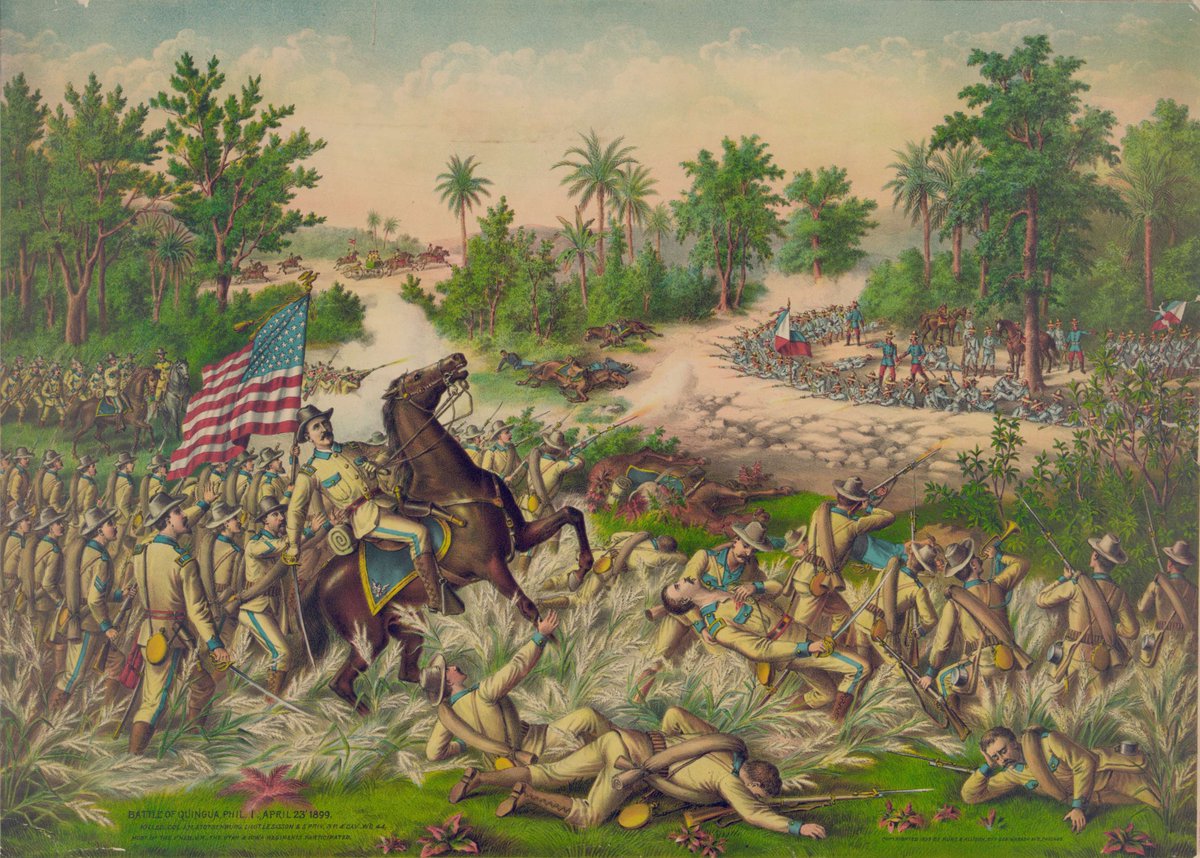
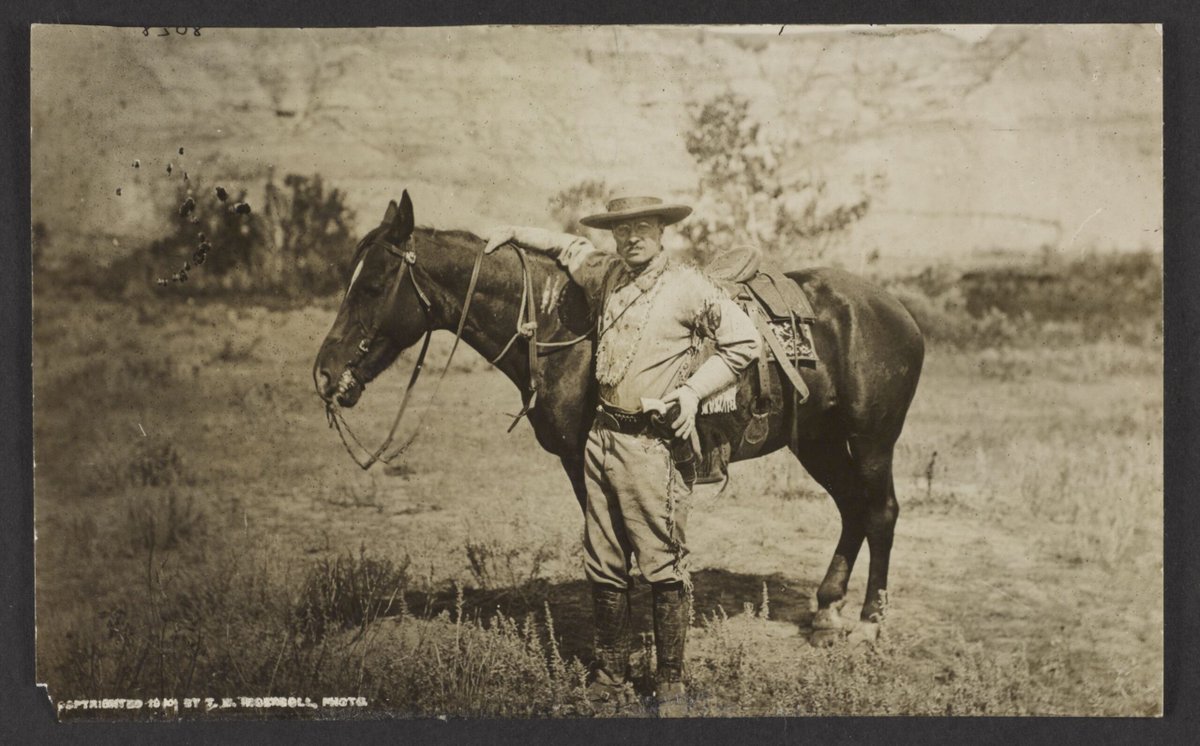
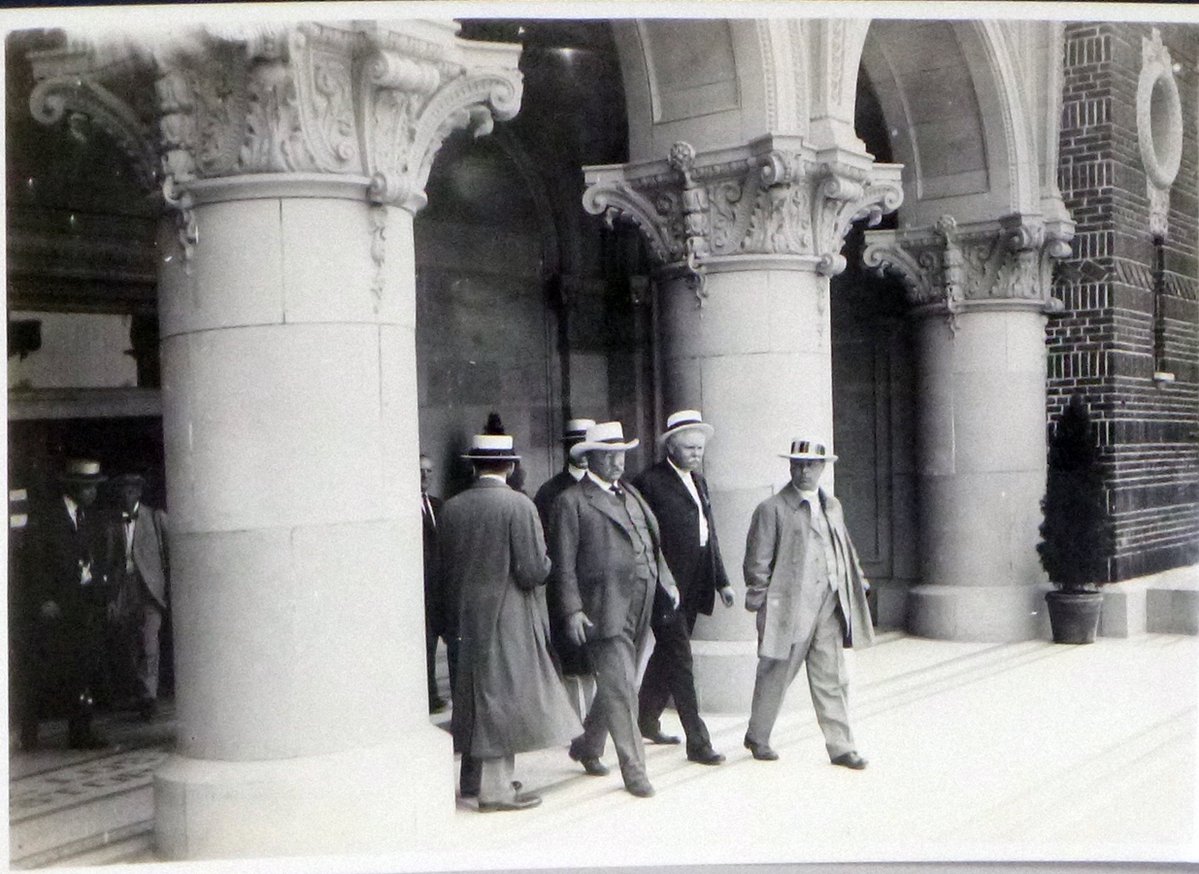
📅 March 20, 1899 — America at War in the Philippines Just weeks after fighting erupted between U.S. forces and Filipino revolutionaries, American troops were pushing beyond Manila as the Philippine–American War intensified. The United States had defeated Spain in 1898. Now the question was: what came next? In Albany, Governor Theodore Roosevelt was watching closely—and speaking forcefully. A hero of San Juan Hill only months earlier, Roosevelt supported maintaining American control of the Philippines. In speeches and private letters, he argued that once the United States had defeated Spain, it could not “flinch” from responsibility. Withdrawal, he believed, would invite instability, weaken American credibility, and signal national weakness at a moment when the country was emerging as a global power. The debate was fierce. The Anti-Imperialist League—figures like Mark Twain and Andrew Carnegie—argued that overseas rule betrayed American ideals. Roosevelt rejected that view. He framed expansion in terms of duty, preparedness, and national honor. The Philippine conflict sharpened themes that would define his presidency: • A strong navy and military readiness • American engagement on the world stage • Executive resolve in foreign affairs Within a year, Roosevelt would be elected Vice President. Within two, he would be President. March 1899 sits at the pivot—when the Rough Rider was becoming a national voice for American power in a new century. #TheodoreRoosevelt #PhilippineAmericanWar #AmericanHistory #Preparedness #TurnOfTheCentury
Theodore Roosevelt Presidential Library tweet mediaTheodore Roosevelt Presidential Library tweet media
English
0
2
4
112
Theodore Roosevelt Presidential Library
Thank you to @American Conservation Coalition’s The Bully Pulpit for featuring Robbie Lauf, Executive Director of the Theodore Roosevelt Presidential Library. In “Where American Conservation Was Forged,” Robbie explores how Theodore Roosevelt’s time in the Badlands didn’t just shape a man—it shaped a movement. From the hard lessons of the open range to a conservation philosophy rooted in stewardship and civic duty, the essay captures how North Dakota became the crucible of Roosevelt’s leadership. Read: bullypulpit.eco/p/american-con… As Robbie writes, “North Dakota did not simply heal him after personal tragedy. It molded him.” We’re grateful to The Bully Pulpit for elevating this important perspective and continuing the conversation around conservation, leadership, and the American West. #AmericanConservation #ConservationLeadership #PublicLands #LandStewardship #TheBullyPulpit #ACC #TheodoreRoosevelt #Badlands #ConservationPolicy #OutdoorHeritage
Theodore Roosevelt Presidential Library tweet media
English
0
4
9
195
Theodore Roosevelt Presidential Library
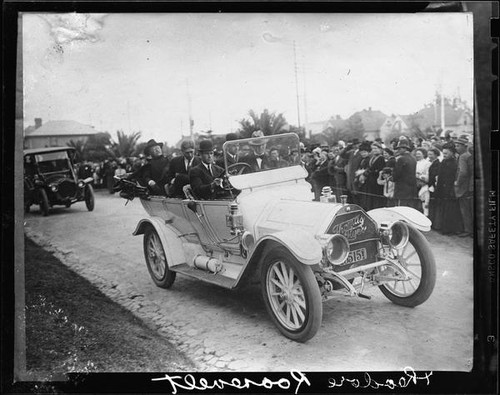
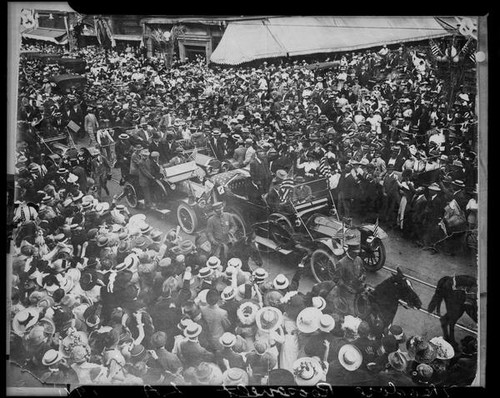
📅 March 19, 1911 — Los Angeles Two years after leaving the White House, Theodore Roosevelt arrived in Los Angeles to a reception that looked more like a presidential visit than a lecture stop. He came by rail from Arizona. Crowds packed the station. Former Rough Riders were in the welcoming party. Thousands lined the streets as his carriage moved through a booming city that symbolized the new American West. That evening, Roosevelt addressed a massive audience in one of Los Angeles’s largest halls. His message blended themes he had carried from the presidency into private life: conservation of western lands, national strength, civic responsibility, and the duties of citizenship in a modern democracy. California in 1911 was wrestling with water rights, forest management, and explosive urban growth. Roosevelt’s words landed in a state already living the very questions he had championed as president. The speech was not an official campaign event. He had not yet declared for 1912. But the electricity in the room told a different story. Two years out of office, Roosevelt was still a national force—welcomed like a head of state, speaking like a man who believed the country’s work was far from finished. #TheodoreRoosevelt #LosAngeles #WesternHistory #RoughRiders #AmericanHistory
Theodore Roosevelt Presidential Library tweet mediaTheodore Roosevelt Presidential Library tweet mediaTheodore Roosevelt Presidential Library tweet media
English
1
6
14
292
Theodore Roosevelt Presidential Library
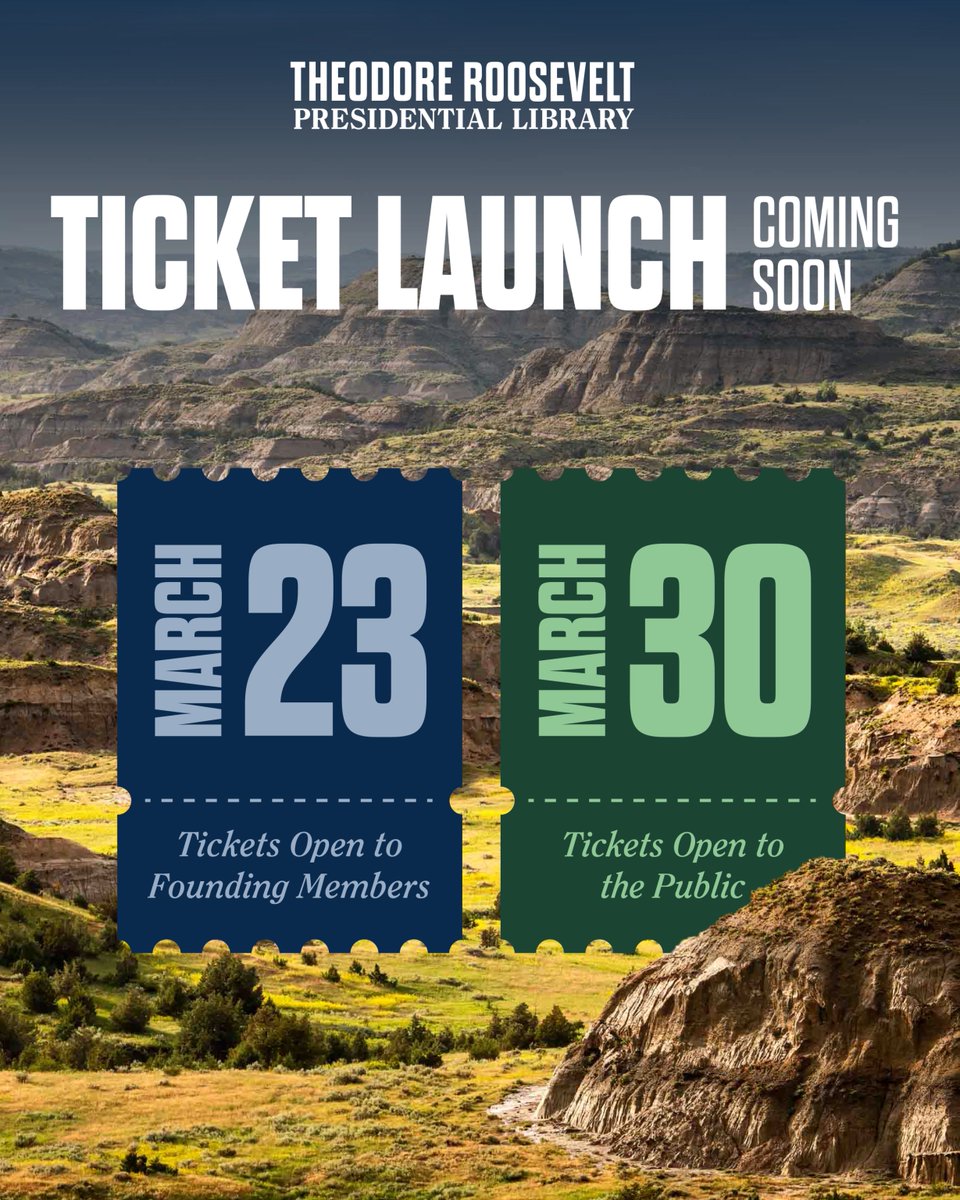
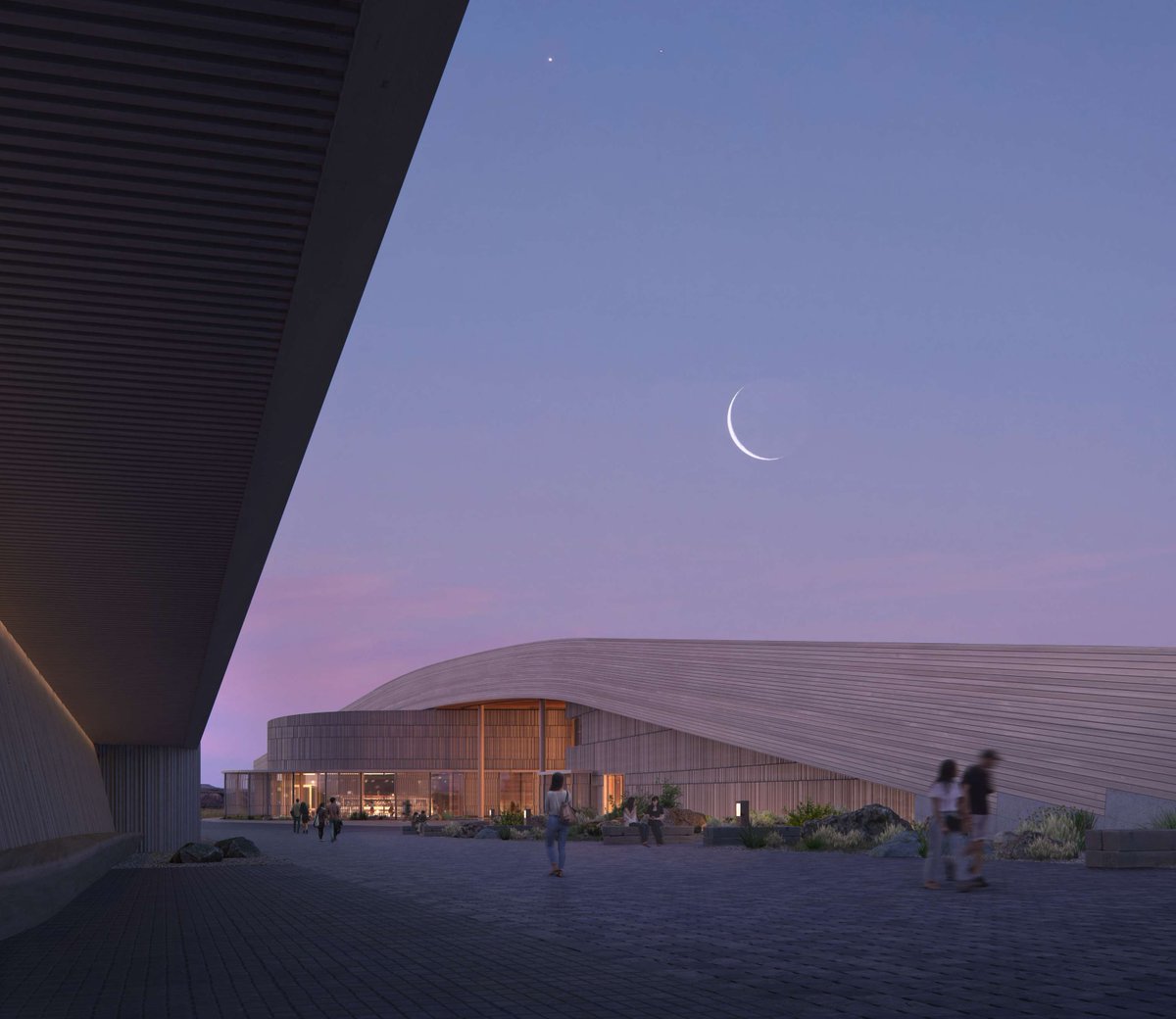
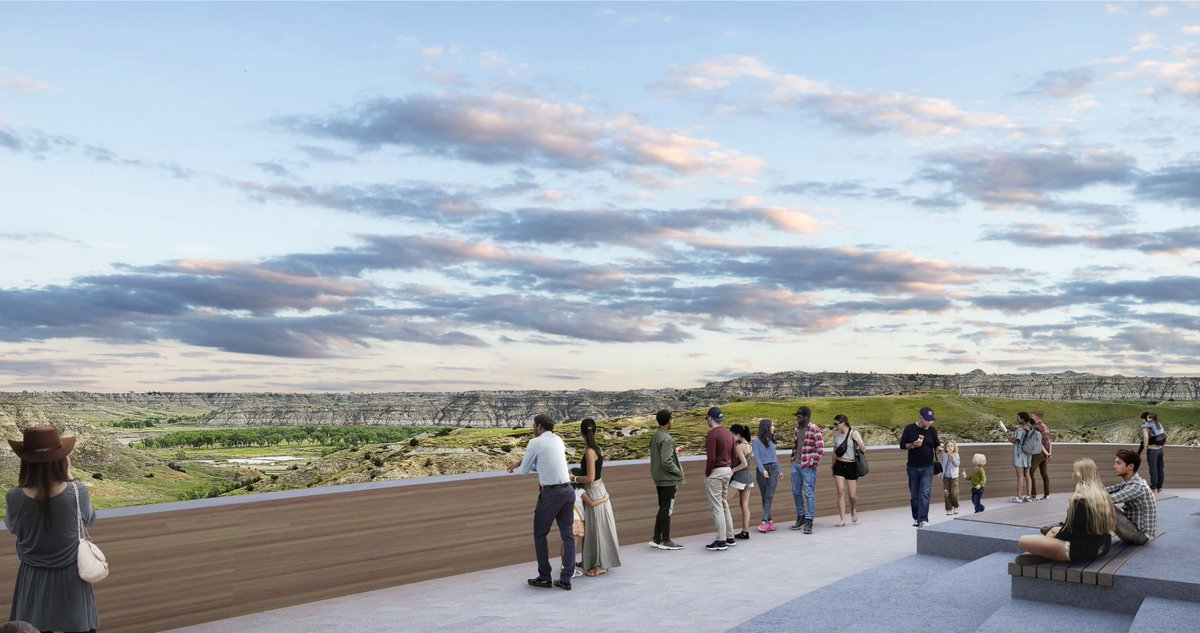
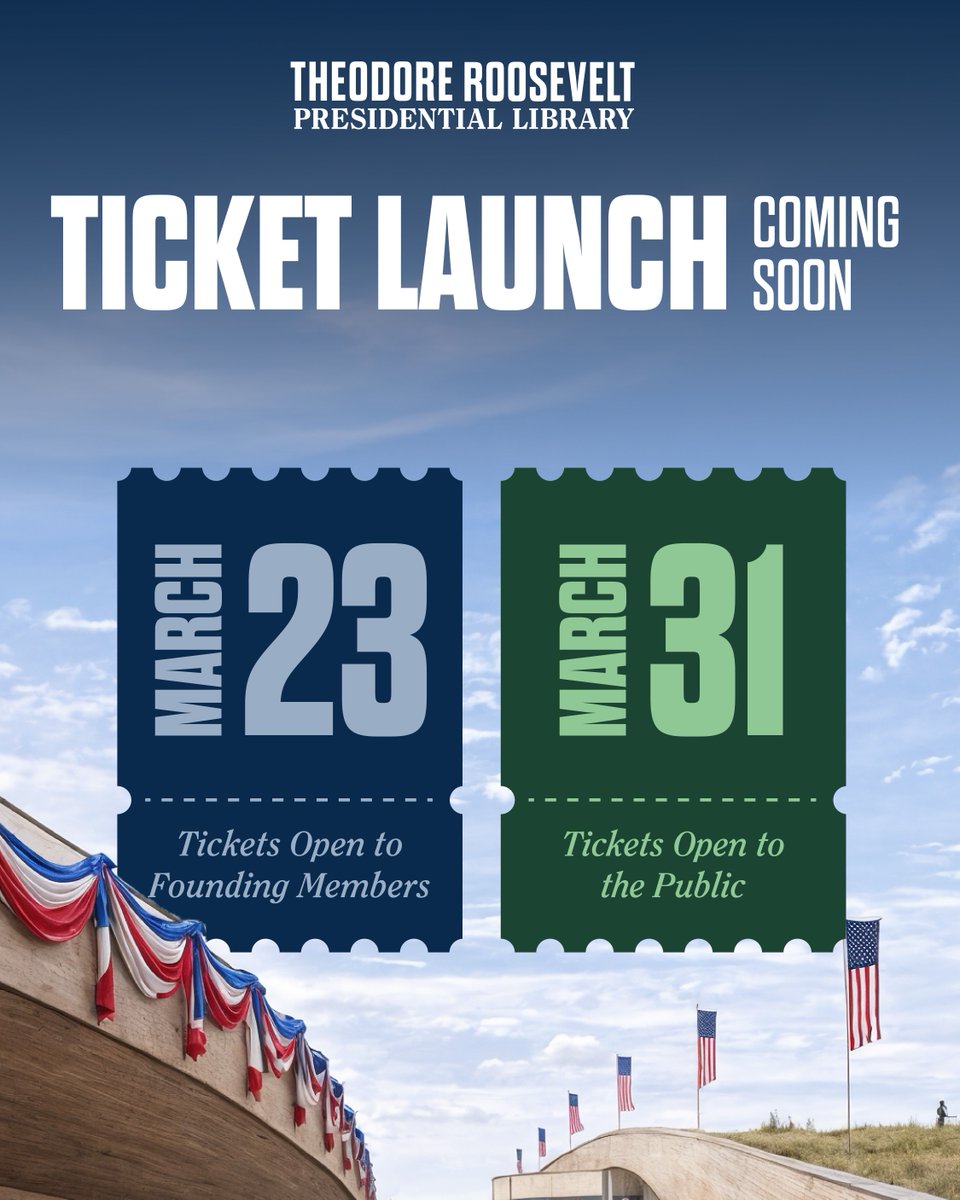
Want to be among the first to experience the Theodore Roosevelt Presidential Library? 🎟 Founding Member ticket access begins March 23 at 10 AM MT. With limited daily capacity and excitement building for opening day, July 4 is expected to sell out quickly. Founding Members receive: • Early ticket access • Unlimited admission throughout 2026 • 10% off the Museum Store & Café Become a Founding Member today: trlibrary.com/membership
Theodore Roosevelt Presidential Library tweet media
English
0
2
7
218
Theodore Roosevelt Presidential Library
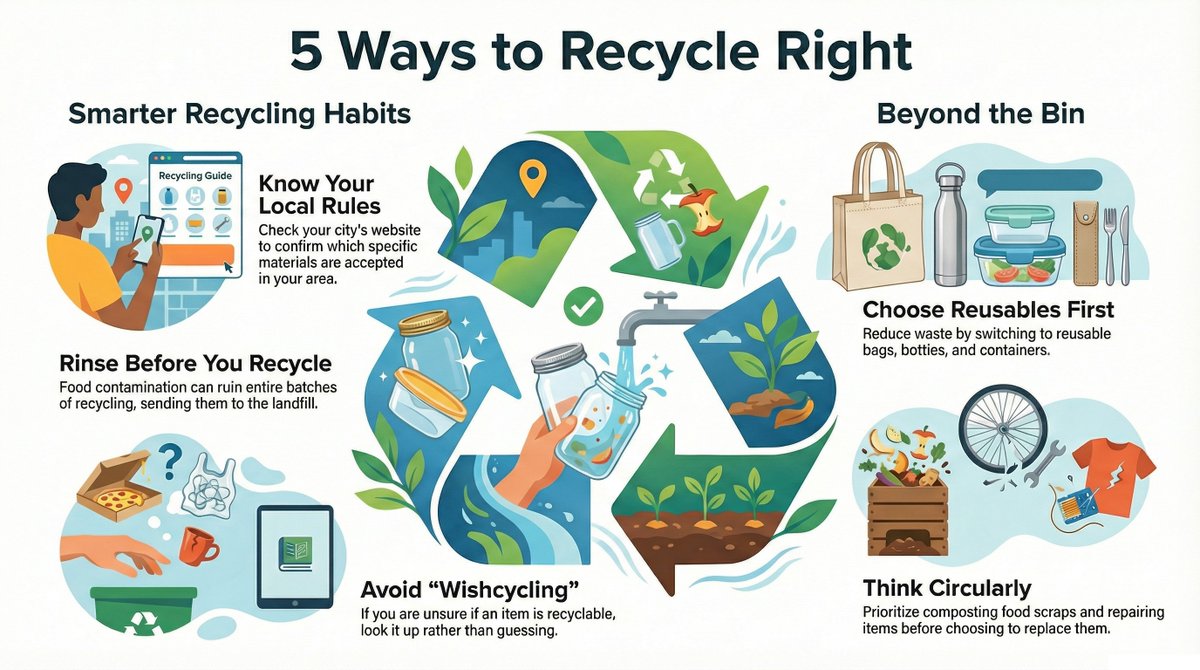
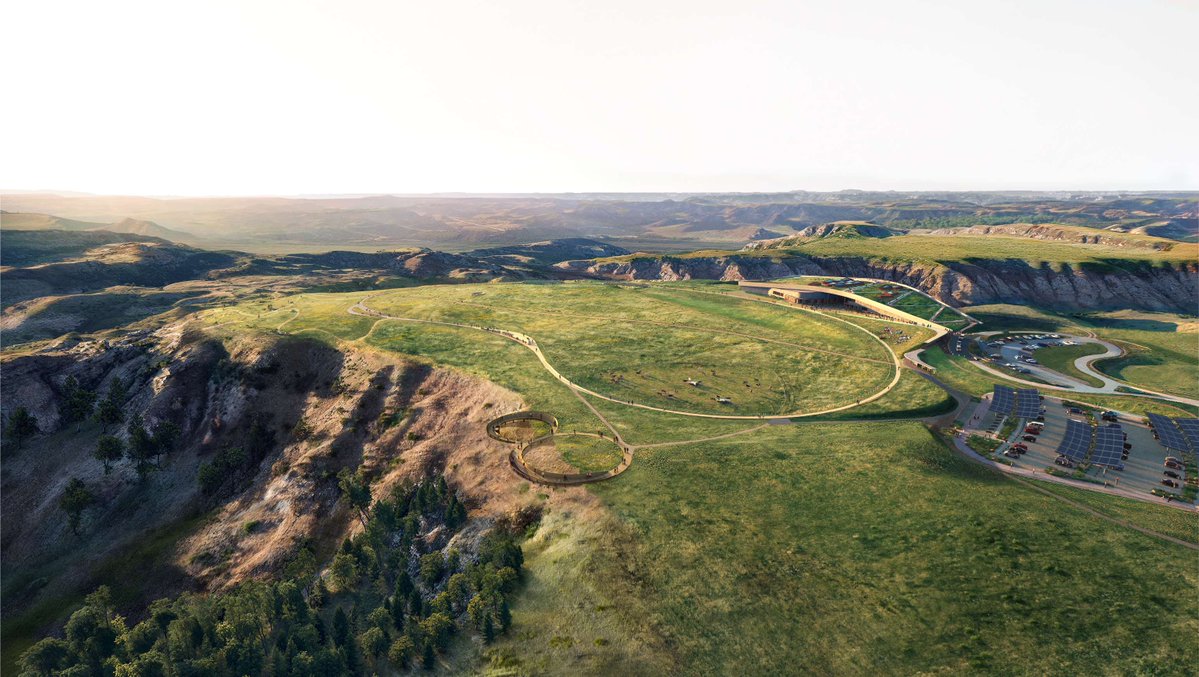
♻️ Global Recycling Day | Build Like the Future Depends on It Today is Global Recycling Day—a reminder that conservation begins with everyday choices. At the Theodore Roosevelt Presidential Library, sustainability is more than a talking point. The Library is being designed to meet the rigorous standards of the Living Building Challenge—one of the most ambitious green building certifications in the world. Aligned with our Sustainability Vision and “Four Zeros” framework (zero energy, zero water, zero waste, zero carbon), this commitment reflects Theodore Roosevelt’s belief that stewardship is an active responsibility. As Theodore Roosevelt demonstrated through his conservation leadership, protecting the future requires bold action—not passive intention. 🌎 What Is the Living Building Challenge? The Living Building Challenge calls for buildings that: •Generate their own renewable energy •Capture and responsibly use water •Divert waste from landfills •Use healthy, non-toxic materials •Integrate with and restore the surrounding ecosystem In short: buildings that give more than they take. ⸻ ♻️ 5 Practical Recycling Tips You Can Use Today Inspired by the same principles guiding the Library: 1️⃣ Know Your Local Rules Recycling systems vary by community. Check your city’s website to confirm what materials are accepted. 2️⃣ Rinse Before You Recycle Food contamination can send entire batches of recycling to the landfill. 3️⃣ Avoid “Wishcycling” If you’re unsure whether an item is recyclable, look it up. Putting the wrong item in the bin can do more harm than good. 4️⃣ Choose Reusables First The best recycling strategy is reducing waste altogether—bring reusable bags, bottles, and containers. 5️⃣ Think Beyond Plastics Compost food scraps. Repair before replacing. Donate usable goods. True sustainability is circular. ⸻ Global Recycling Day is not just about sorting waste. It’s about adopting a mindset of long-term responsibility. At TRPL, we are building a People’s Library that reflects that ethic—from prairie restoration through our Native Plant Project  to a facility designed to model environmental leadership for generations to come. ♻️ Reduce. 🌱 Restore. 🏛️ Build boldly. Because conservation isn’t history. It’s the work of today. #GlobalRecyclingDay #LivingBuildingChallenge #InTheArena #Conservation #TRPL
Theodore Roosevelt Presidential Library tweet mediaTheodore Roosevelt Presidential Library tweet mediaTheodore Roosevelt Presidential Library tweet mediaTheodore Roosevelt Presidential Library tweet media
English
0
0
4
153
Theodore Roosevelt Presidential Library
Calling all Hospitality professionals! 🍽️ Are you passionate about local and sustainable food? Want to elevate your culinary career? The Theodore Roosevelt Presidential Library Café is hiring! Join our team of energetic, reliable staff and thrive in a fast-paced, supportive environment with competitive pay. Experience a workplace where food is made from scratch and celebrated as medicine–following indigenous culinary tradition. Work alongside Executive Chef Candace Stock, who champions sustainable practices, and Café Manager Jolene Procive, with over 20 years of hospitality experience. Be part of something meaningful. Apply now and join our community! #trpl #cafe #hiring #culinarycareers
English
0
0
7
250
Theodore Roosevelt Presidential Library
Thank you to @NRA’s flagship publication American Rifleman for highlighting one of the remarkable artifacts visitors will soon see at the Theodore Roosevelt Presidential Library. ow.ly/2IG550YvqyP The beautiful A.H. Fox F-Grade shotgun that accompanied Theodore Roosevelt on his 1909 African safari—and later on the legendary Amazon “River of Doubt” expedition—will be on display when the Library opens on United States Semiquincentennial, July 4, 2026. The artifact is on loan from the Jason E. Roselius Trust. Roosevelt once wrote after receiving the gun: “I really think it is the most beautiful gun I have ever seen… I am extremely proud that I am to have such a beautiful bit of American workmanship with me.” More than a finely crafted firearm, the shotgun tells the story of Roosevelt the explorer and naturalist—who often viewed his equipment not simply as weapons, but as tools for scientific discovery. We’re grateful to American Rifleman for sharing the story of this extraordinary artifact and helping us preview the remarkable objects visitors will experience when the Library opens in Medora. #AmericanRifleman #AHFox #FoxShotgun #DoubleBarrel #ShotgunHistory #SportingArms #FineGuns #GunCollectors #FirearmsHistory #TheodoreRoosevelt #SportingTraditions #AmericanCraftsmanship
English
0
3
12
234
Theodore Roosevelt Presidential Library
📅 On this day — March 17, 1905 President Theodore Roosevelt attended the wedding of his niece, Eleanor Roosevelt, to his fifth cousin Franklin D. Roosevelt in New York City. With Eleanor’s father long deceased, it was Uncle Theodore—then sitting President—who gave the bride away. The ceremony brought together two branches of the Roosevelt family: the Oyster Bay Roosevelts (TR’s line) and the Hyde Park Roosevelts (FDR’s line). Few could have imagined that this marriage would unite two future presidential legacies. Earlier that same day, TR also attended New York’s St. Patrick’s Day Parade—moving from public celebration to private family moment in classic Roosevelt fashion. Eleanor, only 20 years old, would go on to redefine the role of First Lady. As First Lady from 1933 to 1945, she became an outspoken advocate for civil rights, women’s rights, and humanitarian causes. After FDR’s death, she served as a U.S. delegate to the United Nations and helped draft the Universal Declaration of Human Rights. On March 17, 1905, it was simply a family wedding. History would make it something much larger. #OnThisDay #TheodoreRoosevelt #EleanorRoosevelt #FDR #AmericanHistory #StPatricksDay
Theodore Roosevelt Presidential Library tweet media
English
2
40
195
6.5K
Theodore Roosevelt Presidential Library
History opens its doors July 4, 2026. The Theodore Roosevelt Presidential Library will welcome its first visitors on the 250th birthday of the United States. 🎟 Founding Member ticket access begins March 23 Members receive: • Early ticket access • Unlimited admission in 2026 • 10% off the Museum Store & Café Become a Founding Member and be among the first to experience the Library. trlibrary.com/membership
Theodore Roosevelt Presidential Library tweet media
English
3
22
61
2.5K
Theodore Roosevelt Presidential Library
📅 March 16, 1908 — A Quiet Constitutional Earthquake During the presidency of Theodore Roosevelt, the U.S. Supreme Court handed down one of the most important federalism decisions in American history: Ex parte Young. The case began with railroad regulation in Minnesota. The state had set maximum freight rates. Railroads argued the law was so strict it violated the 14th Amendment’s protection against deprivation of property without due process. Minnesota’s Attorney General, Edward T. Young, moved to enforce the law with steep penalties. But here was the constitutional dilemma: Under the 11th Amendment, states generally cannot be sued in federal court. So how could federal courts stop a state from enforcing an unconstitutional law? In a narrow 5–4 decision, the Court created a powerful solution: when a state official enforces an unconstitutional statute, he is not shielded by sovereign immunity. He may be sued personally in federal court to prevent the enforcement of that law. This became known as the Ex parte Young doctrine—a cornerstone of American constitutional law. Why it mattered in Roosevelt’s era: The Progressive Era was defined by aggressive regulation—railroads, utilities, labor conditions, corporate power. States were experimenting with reform at unprecedented scale. Businesses were challenging those laws just as aggressively. This decision ensured that federal courts could review and block unconstitutional state action, preserving constitutional supremacy while allowing reform to proceed within legal boundaries. Roosevelt often sparred with courts when he felt they obstructed social progress. Yet this ruling helped define the balance between reform and constitutional restraint—a tension central to his era. More than a century later, Ex parte Young remains foundational. It has been used in civil rights cases, desegregation orders, voting rights enforcement, and countless modern constitutional challenges. March 16, 1908 did not make headlines. But it reshaped the architecture of American government. #OnThisDay #TheodoreRoosevelt #SupremeCourt #Constitution #ProgressiveEra #AmericanHistory
Theodore Roosevelt Presidential Library tweet media
English
0
7
25
551
Theodore Roosevelt Presidential Library
What does patriotism mean in a fractured nation? On the latest episode of Good Citizen, host Ted Roosevelt V sits down with journalist and novelist George Packer of @theAtlantic to explore patriotism, democratic values, and why he turned to fiction to understand our moment. Packer draws a sharp distinction between patriotism and nationalism: “Nationalism is aggressive. It’s exclusive. And I embrace patriotism and I distrust nationalism.” He also explains why writing his new novel The Emergency allowed him to explore deeper truths: “What fiction does is allows you to go deeper and explore the things that are universal… that are about being human.” A candid conversation about shared values, democracy, and how we stay human in turbulent times. 🎧 Listen here: ow.ly/lK4k50YukQk #GoodCitizen #Patriotism #Democracy #TRPL
English
0
0
2
201
Theodore Roosevelt Presidential Library
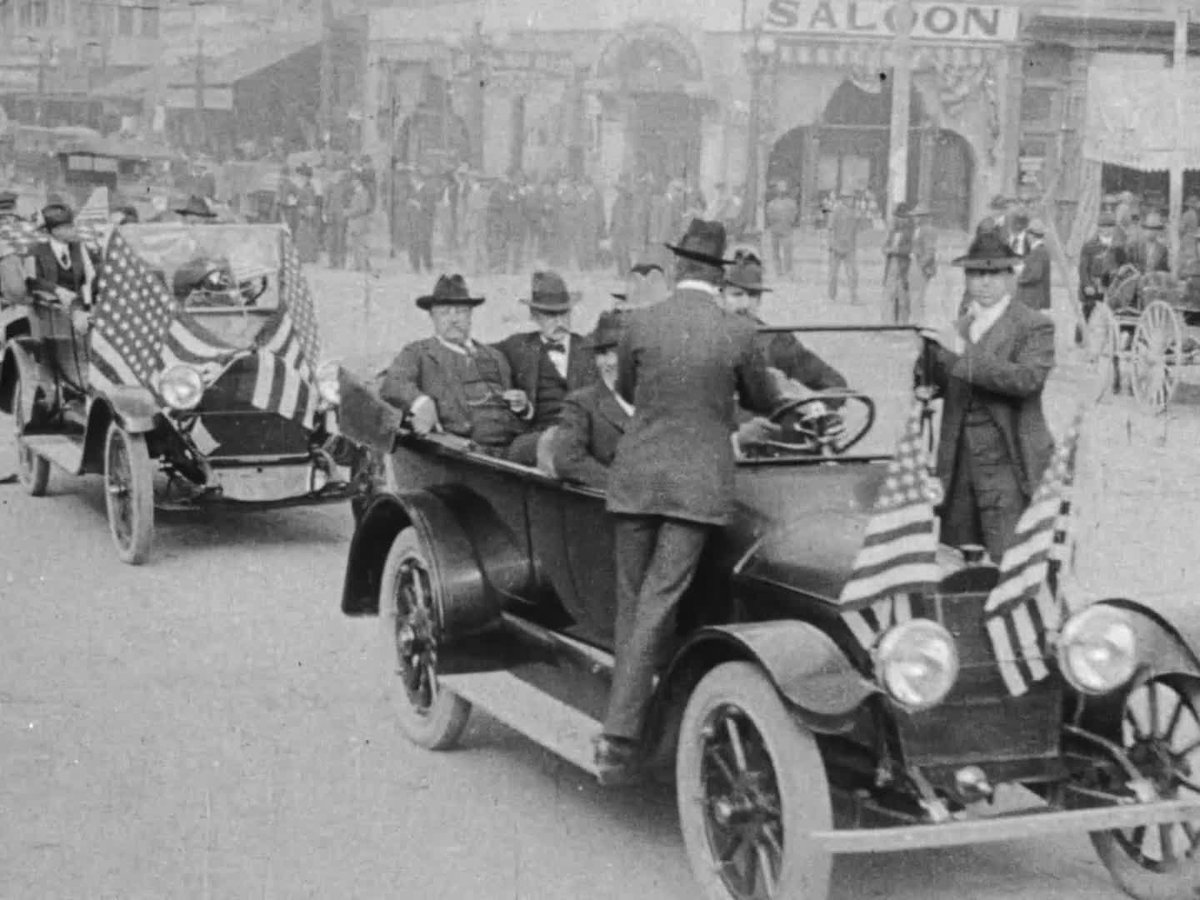
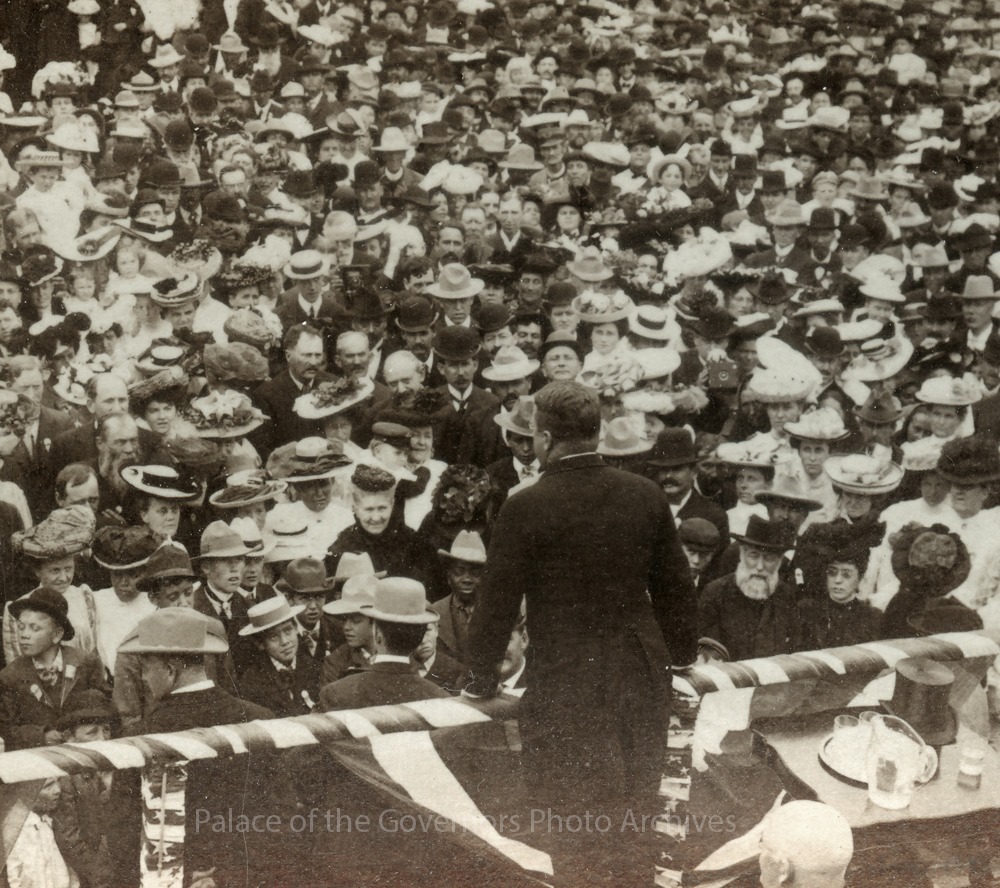
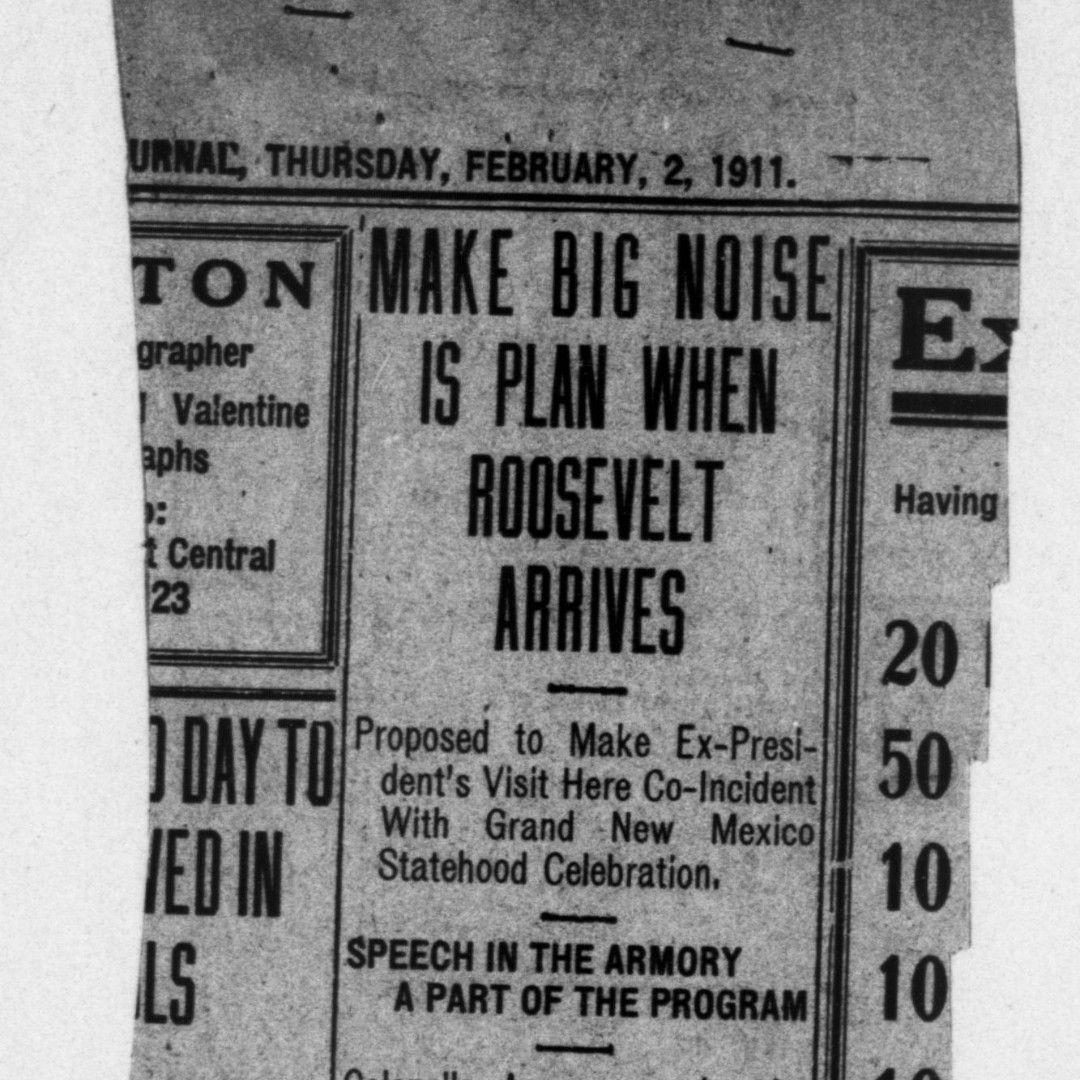
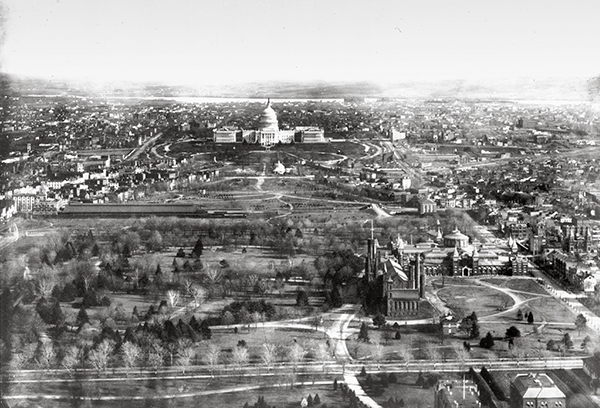
📅 March 15, 1911 — El Paso & Albuquerque Theodore Roosevelt was no longer president—but the West still turned out for him like he was. That morning, Roosevelt arrived in El Paso, Texas, greeted by civic leaders and a crowd eager to hear him speak. After breakfast at the Sheldon Hotel, he delivered a public address—possibly outdoors in Cleveland Square—before touring the city by motorcar. There was even talk of a quick trip across the border into Juárez. By evening, he reached Albuquerque, New Mexico, where celebrations were underway following New Mexico’s recent admission to statehood. Former Rough Riders helped escort him to the Alvarado Hotel, and thousands packed the Armory Building to hear him speak. He left after midnight, boarding a train at 12:45 a.m., continuing west. This was Roosevelt in motion—rail travel, packed halls, civic receptions, veterans at his side. The presidency had ended in 1909. The public demand had not. In the American West, Theodore Roosevelt was still very much a force. #TheodoreRoosevelt #ElPaso #Albuquerque #RoughRiders #WesternHistory #AmericanHistory
Theodore Roosevelt Presidential Library tweet mediaTheodore Roosevelt Presidential Library tweet mediaTheodore Roosevelt Presidential Library tweet mediaTheodore Roosevelt Presidential Library tweet media
English
0
6
22
503
Theodore Roosevelt Presidential Library
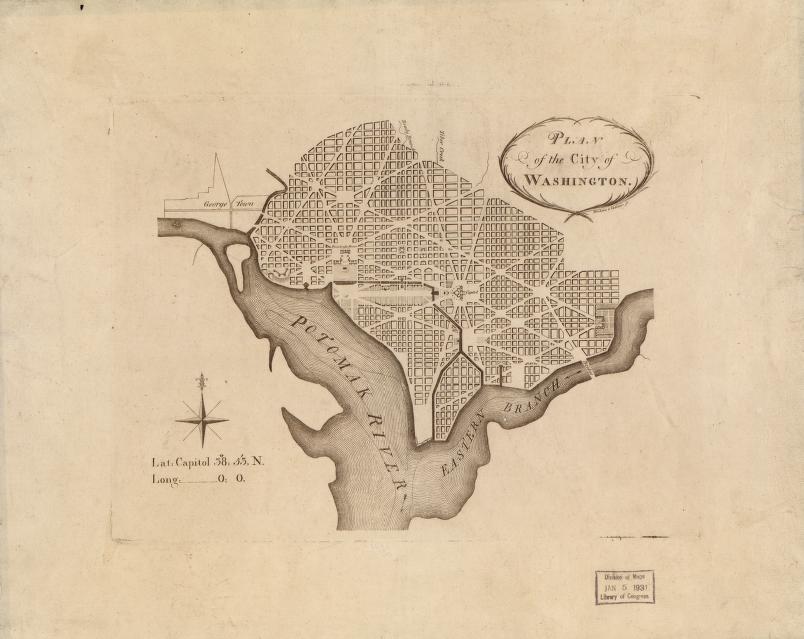
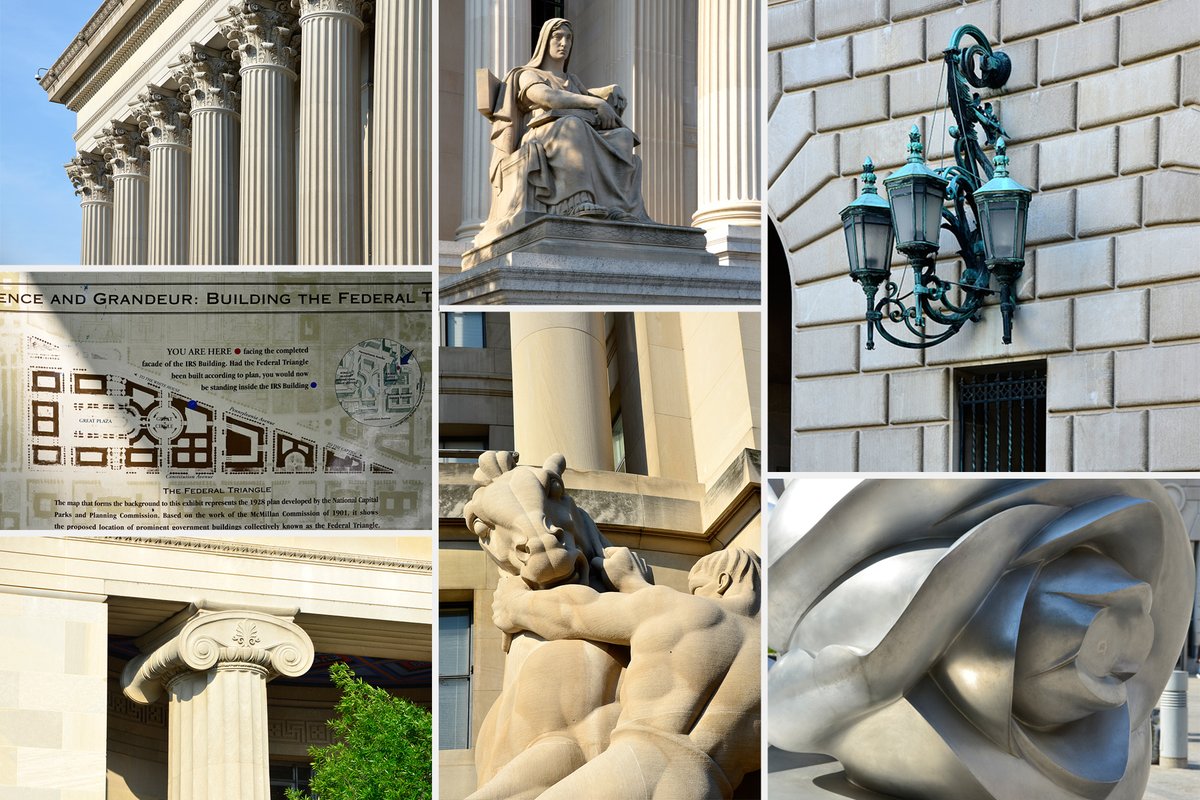
📅 On this day — March 14 In 1905, President Theodore Roosevelt signed Executive Order 306, creating a Consultative Board of Architects to review the design and placement of federal buildings in Washington, D.C. Why? Roosevelt believed the nation’s capital should reflect national ideals—order, dignity, permanence—not piecemeal construction driven by departmental convenience. He appointed leading figures of the City Beautiful movement, including Daniel Burnham and Frederick Law Olmsted Jr., to ensure harmony with the original L’Enfant plan. The board itself was temporary—but its philosophy endured. In 1910, Congress created the U.S. Commission of Fine Arts, institutionalizing federal design review in the capital. That body still helps shape Washington today. For Roosevelt, conservation wasn’t only about forests and rivers. It was about civic beauty—and national identity. #OnThisDay #TheodoreRoosevelt #WashingtonDC #CityBeautiful #AmericanHistory
Theodore Roosevelt Presidential Library tweet mediaTheodore Roosevelt Presidential Library tweet mediaTheodore Roosevelt Presidential Library tweet media
English
1
8
23
480
Theodore Roosevelt Presidential Library
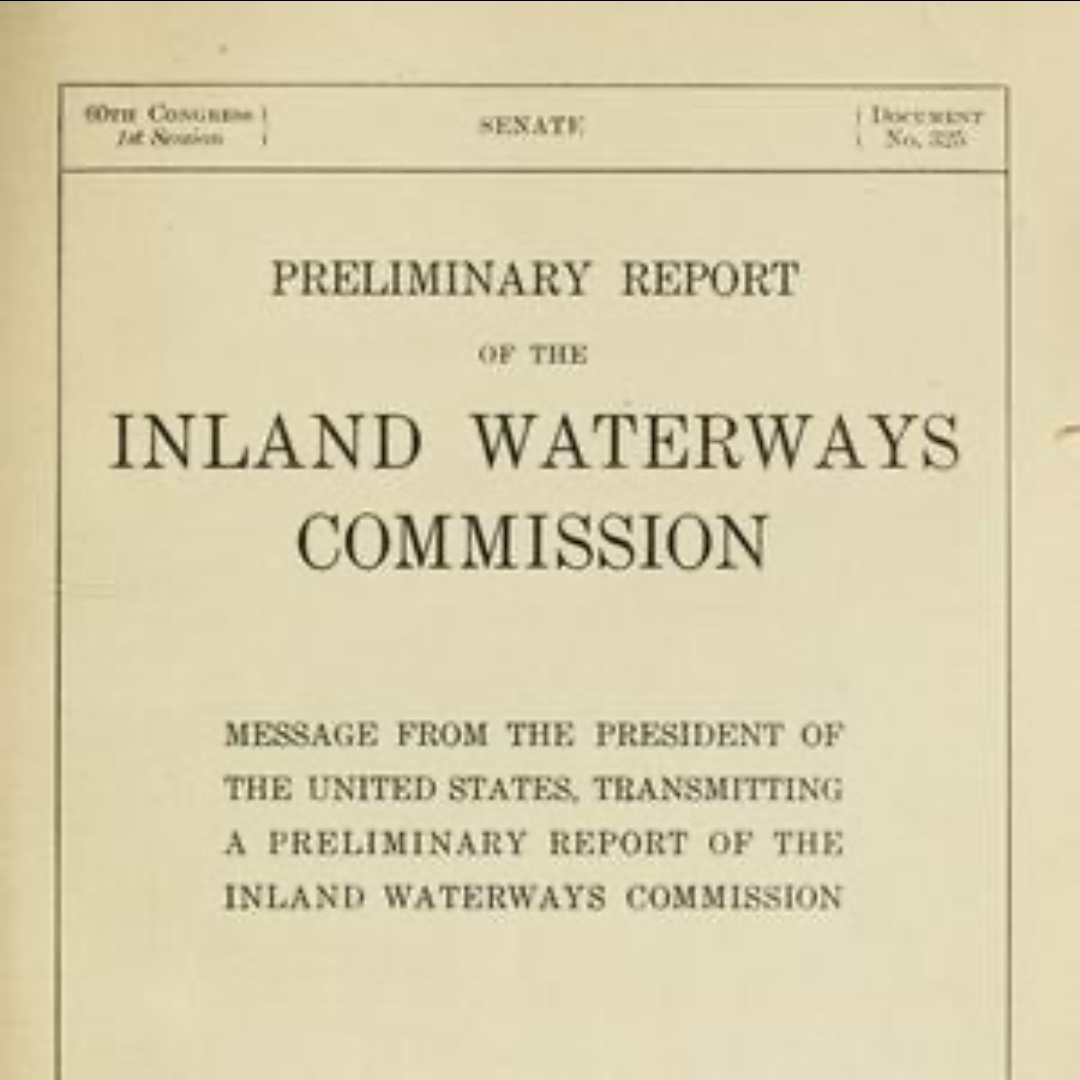
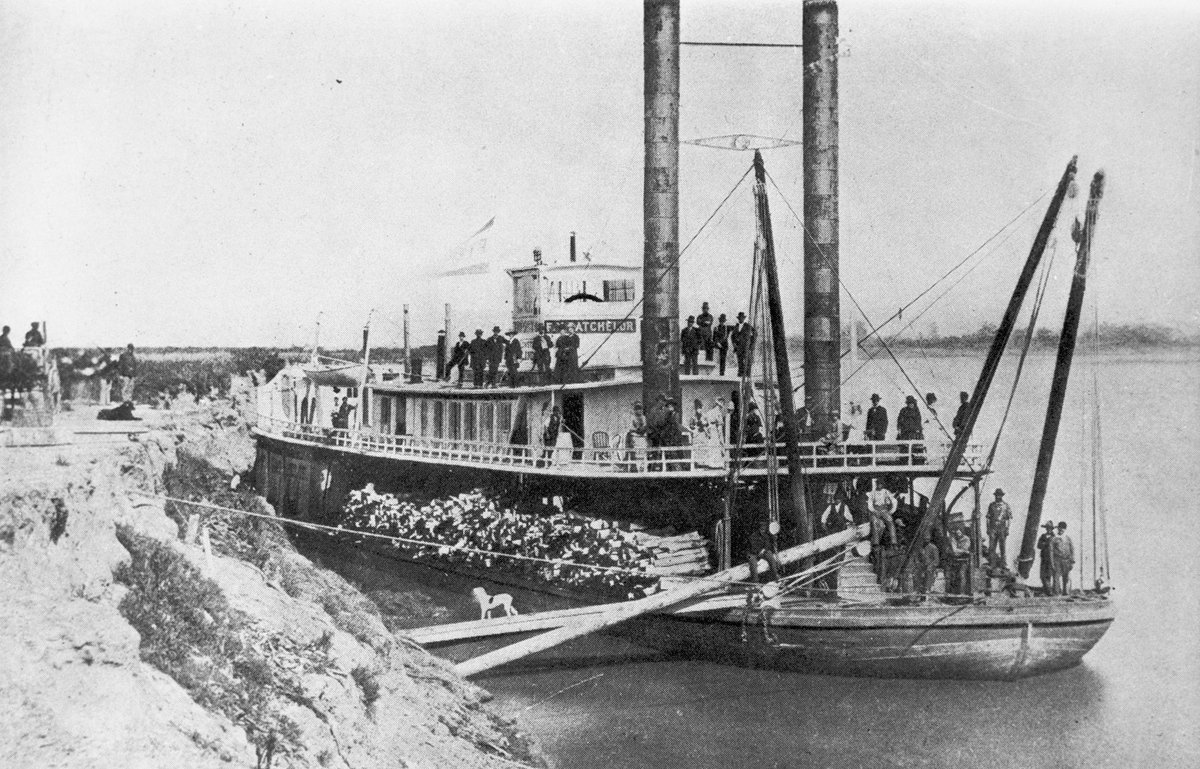
On this day—March 14, 1907—President Theodore Roosevelt made a move that feels strikingly modern: he appointed the Inland Waterways Commission to study America’s river systems as one connected problem—navigation, flood control, water power, irrigation/reclamation, and the health of entire watersheds. The United States was booming—industry, railroads, cities, agriculture—and the country’s rivers were being pushed to do everything at once. Yet policy was fragmented: one effort dredged channels, another eyed dams, private utilities snapped up waterpower sites, and communities endured recurring floods and silting waterways. Roosevelt’s instinct was Progressive-Era governance at full throttle: get the facts, map the system, then act. In his message to Congress he explained he’d appointed a waterways commission to “outline a comprehensive scheme of development” and promised to bring Congress the results. The Commission’s work helped popularize a then-radical premise: rivers can’t be “fixed” one project at a time. Floods, erosion, deforestation, irrigation demands, navigation, and power generation were interlinked across whole basins. A later federal history of flood-control policy notes that in the wake of major flooding in 1907, the commission recommended a coordinated, multipurpose program of river development—essentially, planning that treated water as a national system, not local pork-barrel projects. That emphasis on basin-wide planning ran straight into politics—because comprehensive planning meant limits on piecemeal appropriations. Scholars note Congress resisted surrendering control over the “pork” of waterways spending. The Inland Waterways Commission wasn’t a one-off. Roosevelt repeatedly used study commissions as engines of reform—six in all, including the Keep Commission (government administration), Public Lands, National Conservation, and Country Life commissions. It was Roosevelt’s pattern: measure the nation, then conserve it. The waterways commission helped set the stage for the broader conservation push that followed—where water, forests, soils, and power were treated as one national inheritance, to be used—but not wasted. #OnThisDay #TheodoreRoosevelt #Conservation #AmericanHistory
Theodore Roosevelt Presidential Library tweet mediaTheodore Roosevelt Presidential Library tweet media
English
3
13
35
652
Theodore Roosevelt Presidential Library
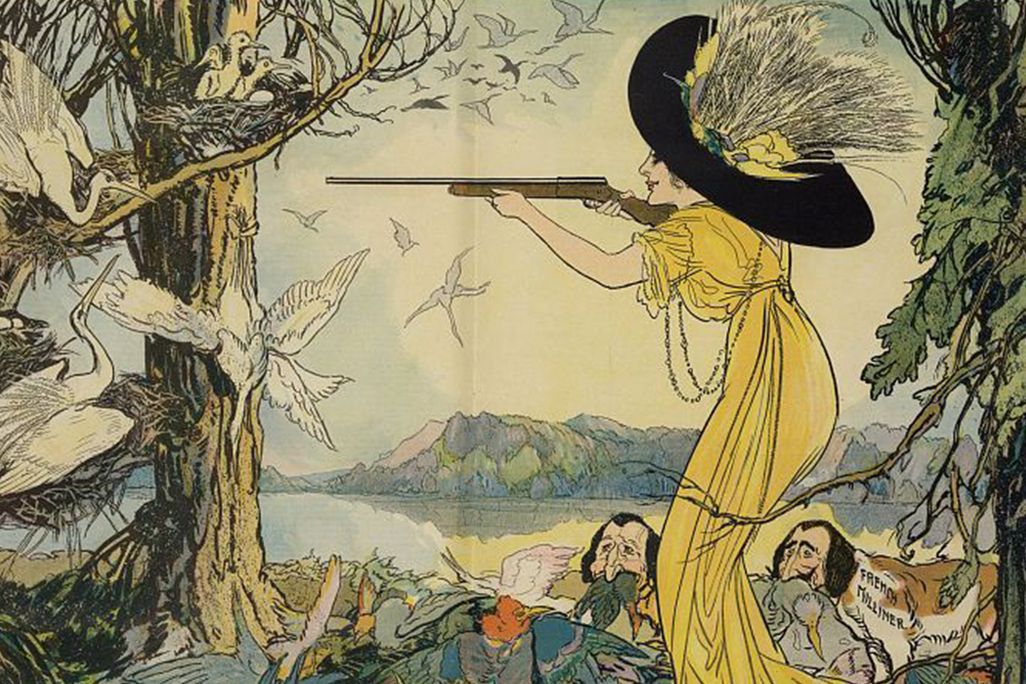
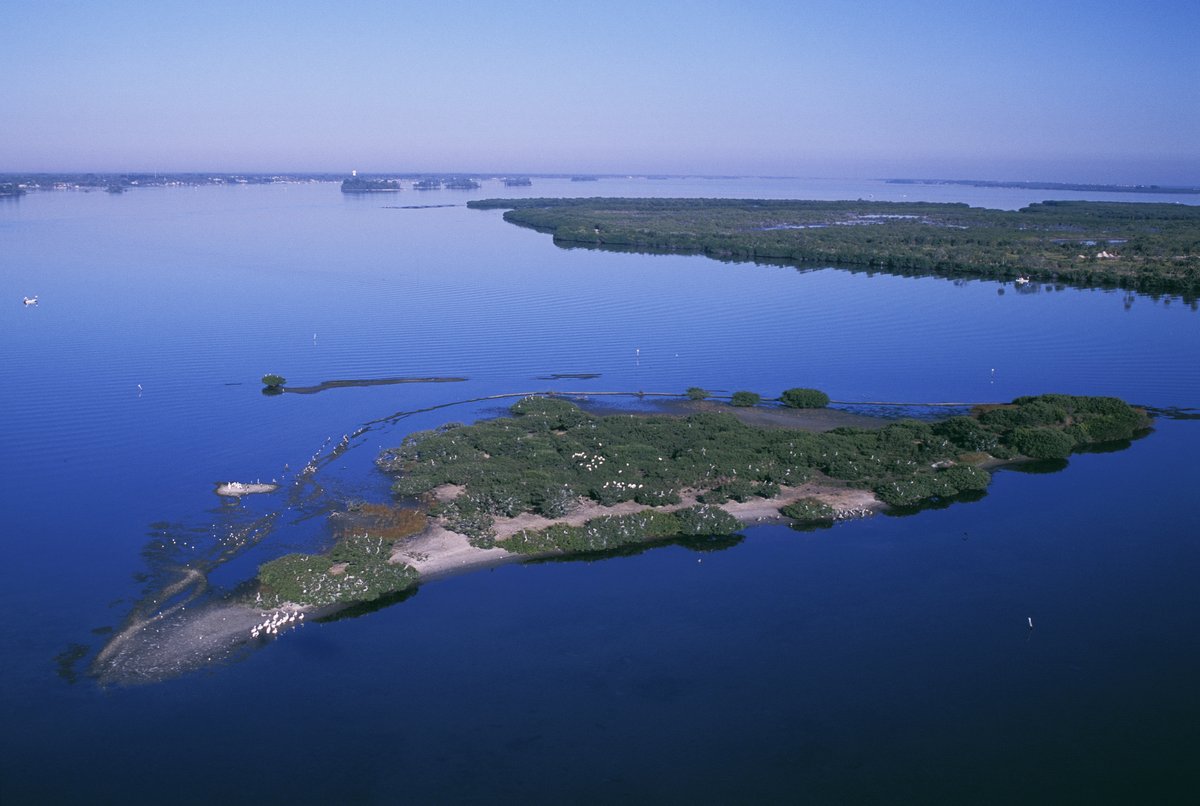
On this day — March 14, 1903 🐦🌿 Theodore Roosevelt established Pelican Island National Wildlife Refuge — the first federal bird refuge in American history. At the turn of the 20th century, America’s wading birds were being slaughtered by the thousands. Their feathers fueled the booming fashion industry, adorning women’s hats in New York, London, and Paris. Entire rookeries were wiped out during nesting season, leaving chicks to starve. Naturalists and early conservationists sounded the alarm. In Florida, local advocates pleaded for federal protection of Pelican Island, a critical nesting site along the Indian River. Roosevelt acted. With a single executive order, he set aside the island as a protected preserve for birds — a bold use of presidential authority at a time when conservation was still a radical idea. It was only the beginning. Between 1903 and 1909, Roosevelt created 51 federal bird reservations, laying the foundation for what would become the National Wildlife Refuge System. He believed wildlife belonged not to the highest bidder, but to the American people — and to future generations. Pelican Island marked a turning point: the federal government would no longer stand by while species were driven toward extinction for profit. Conservation became national policy. #OnThisDay #TheodoreRoosevelt #Conservation #PublicLands
Theodore Roosevelt Presidential Library tweet mediaTheodore Roosevelt Presidential Library tweet mediaTheodore Roosevelt Presidential Library tweet mediaTheodore Roosevelt Presidential Library tweet media
English
2
54
148
5.5K
Theodore Roosevelt Presidential Library
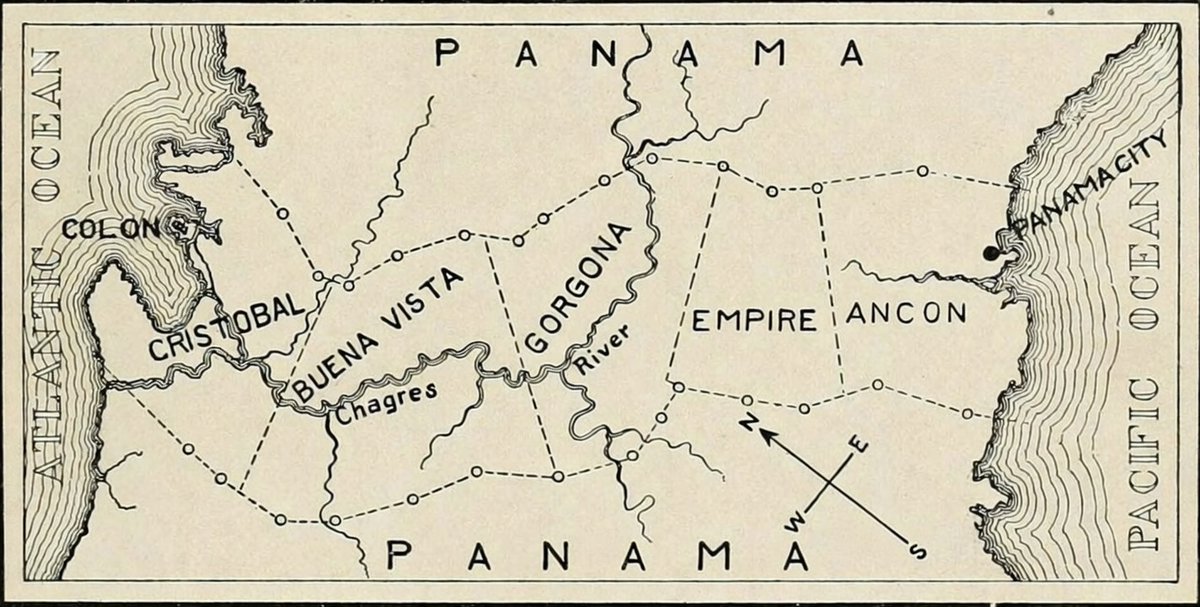
📅 On this day — March 13, 1907 President Theodore Roosevelt reorganized the Canal Zone with Executive Order 586, dividing it into four administrative districts and abolishing the old municipal councils. The Panama Canal was the largest construction project in the world—but it was also a working government. Thousands of workers, courts, taxes, sanitation systems, markets, schools, and public works all had to function efficiently in a tropical environment where disorder could quickly become dangerous. Roosevelt’s order centralized authority, standardized tax collection, clarified judicial oversight, and placed public works under unified supervision. Revenue tracking became consistent. Assessments were equalized. Responsibilities were clearly defined. The result? Fewer overlapping offices, faster decision-making, clearer chains of command—and a more disciplined administrative system supporting canal construction. It was Progressive-era management in action: reduce fragmentation, increase efficiency, eliminate confusion. The canal wasn’t completed until 1914. But reforms like this made the machinery of government strong enough to carry it through. #OnThisDay #TheodoreRoosevelt #PanamaCanal #ProgressiveEra #AmericanHistory
Theodore Roosevelt Presidential Library tweet media
English
0
9
19
544
Theodore Roosevelt Presidential Library
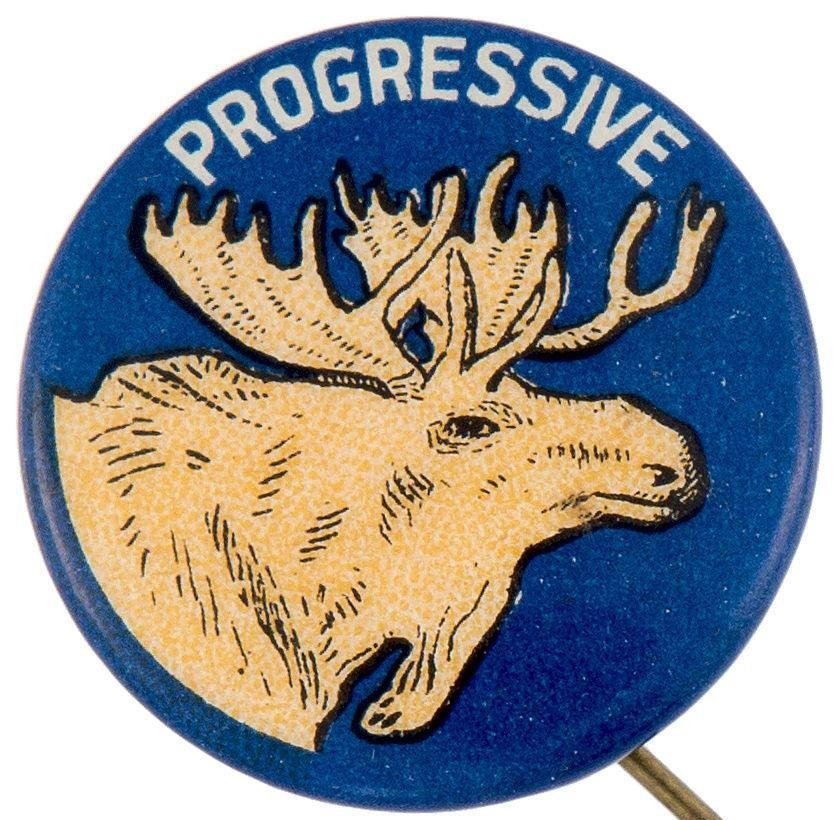
📅 March 12, 1912 Theodore Roosevelt wasn’t giving a thunderous speech or charging into a convention hall. He was scheduling meetings. Letters from his office show Roosevelt personally arranging appointments at his New York headquarters as the 1912 presidential race began to intensify. He had broken with President Taft. Republican primaries were underway. The political storm was building. But before the rallies and headlines, there was organization. Roosevelt reviewed correspondence, met with supporters, and laid the groundwork for what would become the Progressive—or “Bull Moose”—campaign. It was the quiet machinery behind one of the most dramatic political fights in American history. Not every pivotal moment is public. Some happen in offices, over letters, in conversations that shape what comes next. March 12, 1912 captures Roosevelt doing what he often did best: building momentum before the nation could see it. #TheodoreRoosevelt #BullMoose #1912Election #ProgressiveEra #AmericanHistory
Theodore Roosevelt Presidential Library tweet mediaTheodore Roosevelt Presidential Library tweet mediaTheodore Roosevelt Presidential Library tweet media
English
0
12
17
418
Theodore Roosevelt Presidential Library
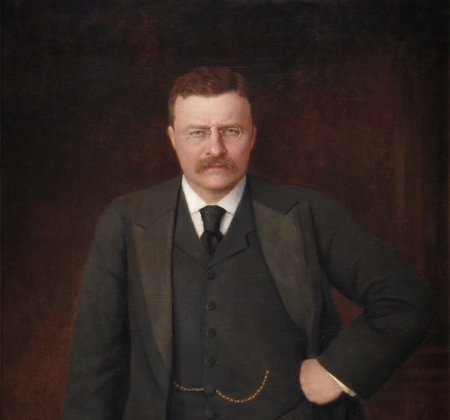
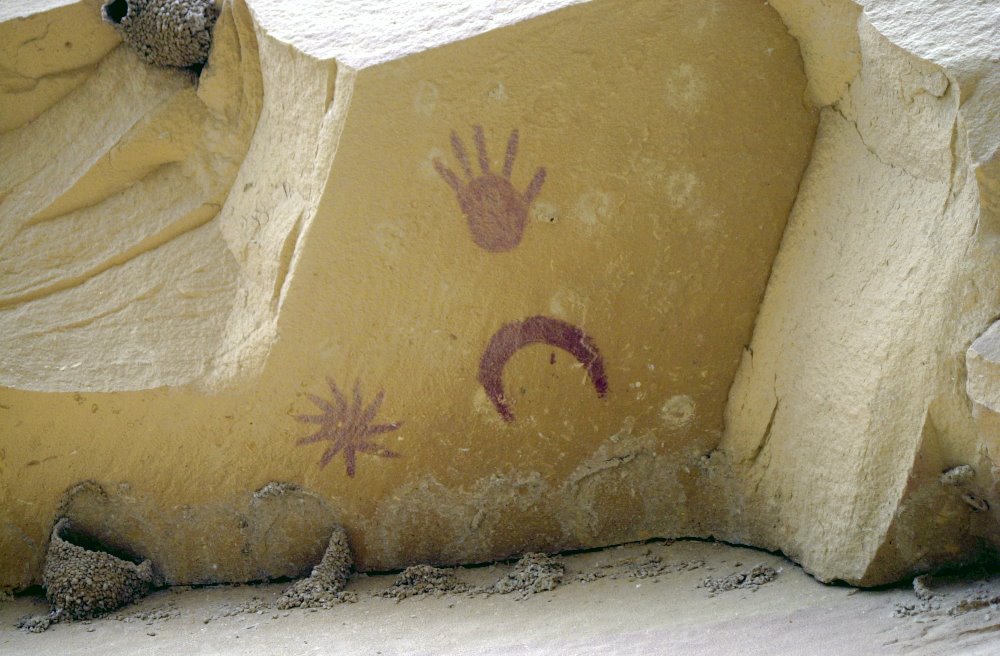
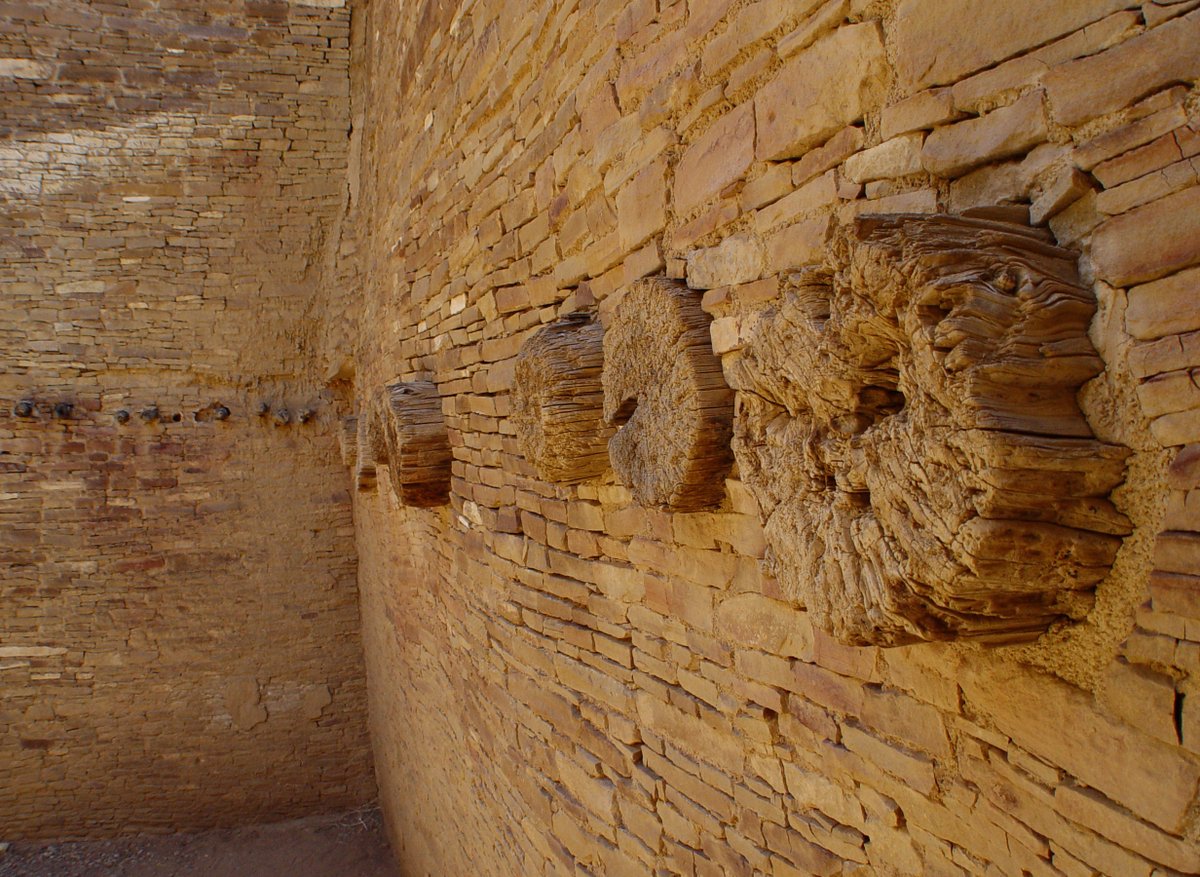
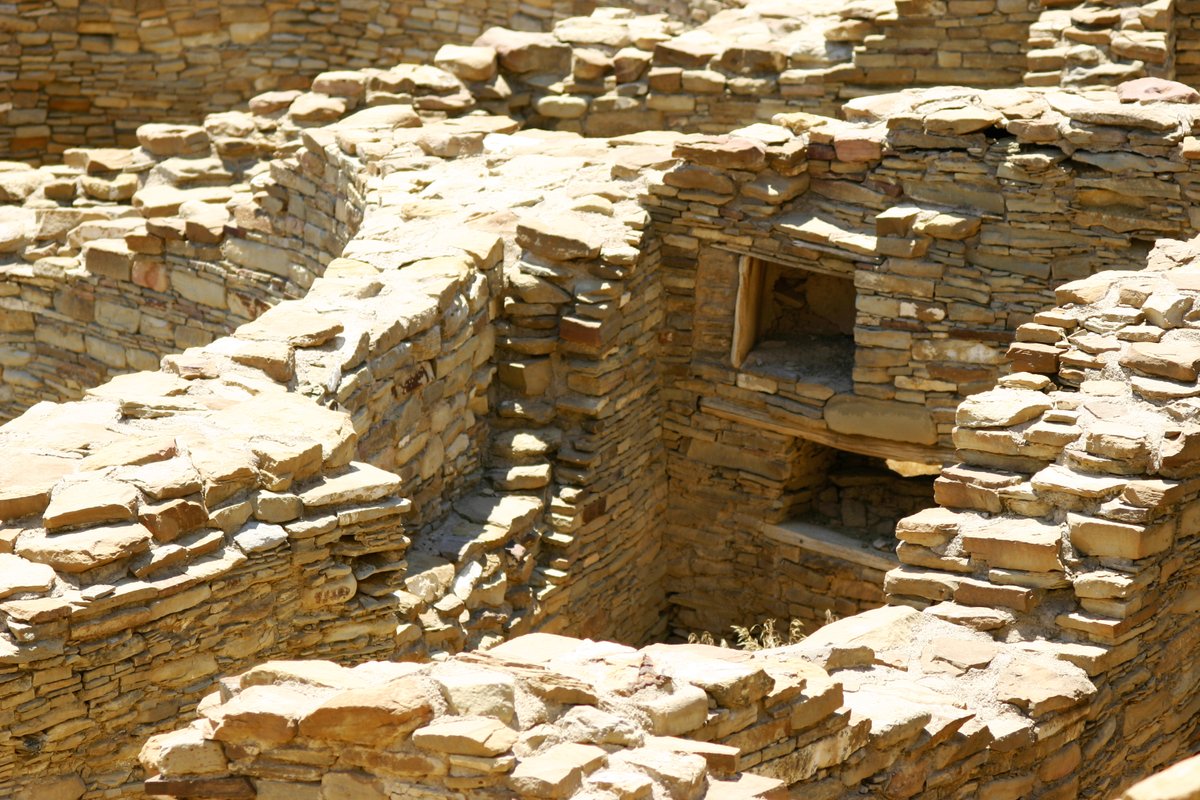
📅 On this day — March 11, 1907 President Theodore Roosevelt proclaimed Chaco Culture National Historical Park a national monument under the newly passed Antiquities Act of 1906. Deep in the high desert of northwestern New Mexico stand the monumental stone “great houses” built by ancestral Puebloan peoples between 850 and 1250 CE. Pueblo Bonito alone once rose four stories high, aligned with the sun and stars, connected by engineered roads stretching for miles. By the early 1900s, however, Chaco’s ruins were being looted by artifact hunters. Ceramics, tools, and architectural elements were disappearing into private collections. The Antiquities Act gave the president power to act quickly—and Roosevelt did. Chaco became one of the earliest national monuments protected under the law. It marked an important expansion of conservation: not just forests and wildlife, but cultural heritage and deep Indigenous history. For Roosevelt, stewardship meant protecting America’s past as well as its landscapes. #OnThisDay #TheodoreRoosevelt #ChacoCanyon #AntiquitiesAct #Conservation #AmericanHistory
Theodore Roosevelt Presidential Library tweet mediaTheodore Roosevelt Presidential Library tweet mediaTheodore Roosevelt Presidential Library tweet mediaTheodore Roosevelt Presidential Library tweet media
English
0
21
52
1.4K
Theodore Roosevelt Presidential Library
📅 On this day — March 11, 1918 In the trenches of France, Archibald “Archie” Roosevelt was badly wounded while leading his platoon during World War I. Shell fragments shattered his right kneecap and broke his left arm in two places. He lay in agony for fourteen hours before rescue. For his bravery, Archie received the Croix de Guerre and two Silver Stars—but he would be discharged with a permanent disability. At home, his father, Theodore Roosevelt, was proud—but deeply shaken. Roosevelt had urged American preparedness and entered the war as a vocal advocate of intervention. Now the cost was personal. All four of his sons served. One, Quentin, would be killed in action just months later. Friends noted that after Archie’s wounding—and especially after Quentin’s death—Roosevelt seemed visibly aged. The strain weighed on him. Yet he never wavered publicly in his belief that service and sacrifice were necessary in defense of principle. For Roosevelt, war was never abstract. It was written in his family’s blood. #OnThisDay #TheodoreRoosevelt #WorldWarI #ArchieRoosevelt #AmericanHistory
Theodore Roosevelt Presidential Library tweet media
English
0
13
44
994