Theodore Roosevelt Center

5.4K posts

Theodore Roosevelt Center banner
Theodore Roosevelt Center

Theodore Roosevelt Center

@TR_Center

The Theodore Roosevelt Center is dedicated to preserving the legacy of America’s 26th president. Visit our digital library for over 100,000 primary sources!

Dickinson, North Dakota شامل ہوئے Eylül 2010
333 فالونگ3.5K فالوورز
Theodore Roosevelt Center
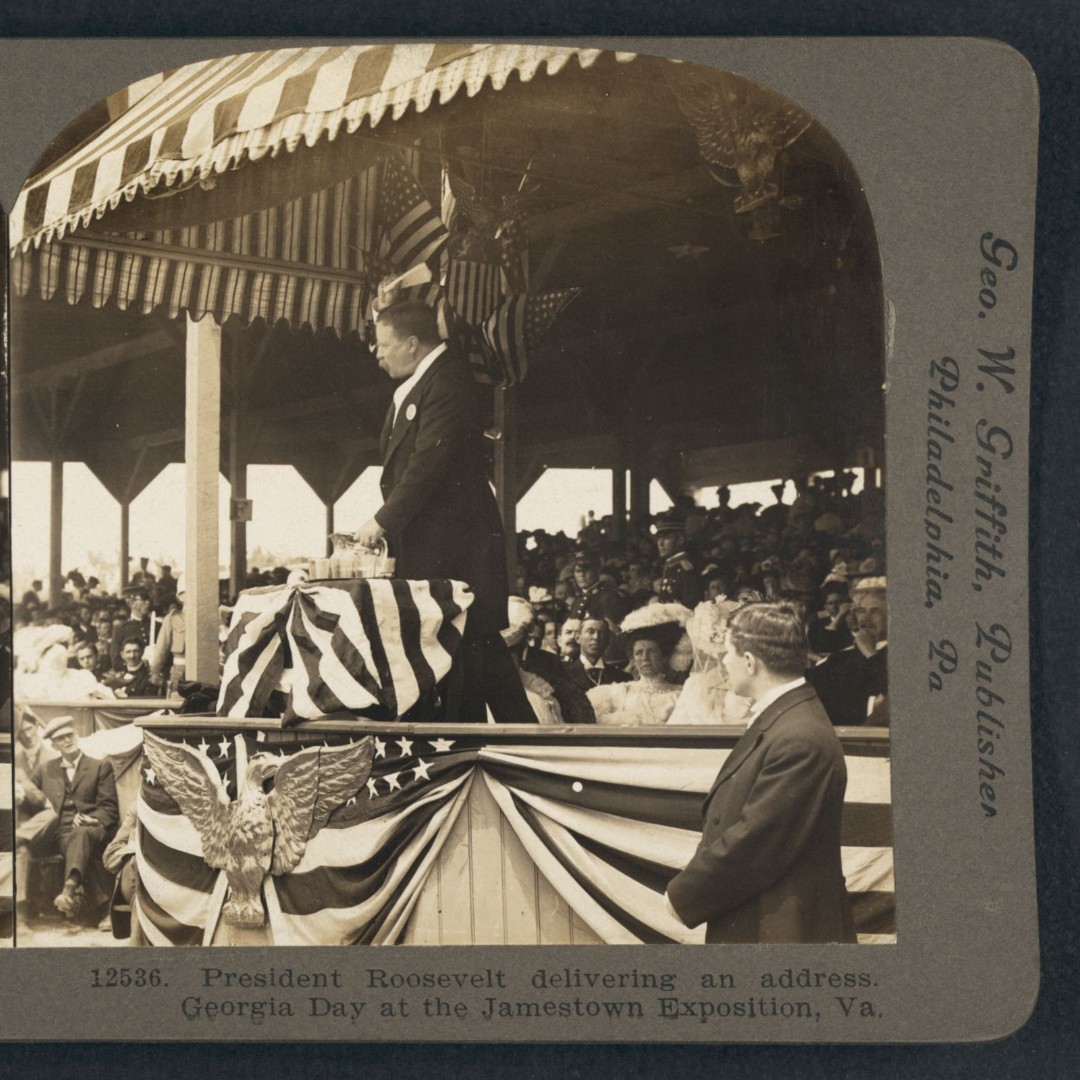
#OnThisDay in 1907, President Roosevelt spoke at the opening of the Jamestown Exposition, commemorating the 300th anniversary of the founding of Jamestown, Virginia Colony, the first permanent English settlement in the Americas. It was also an attempt by Southern boosters to alter stereotypes of a backwards and struggling South, and to recenter colonial history away from New England. "This great Republic of ours shall never become the government of a plutocracy, and it shall never become the government of a mob. God willing, it shall remain what our fathers who founded it meant it to be—a government in which each man stands on his worth as a man, where each is given the largest personal liberty consistent with securing the well-being of the whole, and where, so far as in us lies, we strive continually to secure for each man such equality of opportunity that in the strife of life he may have a fair chance to show the stuff that is in him," Roosevelt said at the event. Read the full address as published in Roosevelt's state papers: ow.ly/GNjv50YKEGv
Theodore Roosevelt Center tweet media
English
0
3
9
246
Theodore Roosevelt Center
#OnThisDay in 1898, the United States declared war on Spain, following a severing of diplomatic relations that had occurred on April 21. Motivations for the war among both the American public and politicians were many; popular support for Cuban independence due to reports of Spanish atrocities; a belief that Spain was a threat and had blown up the USS Maine; a desire to wipe away the final remnants of the Spanish Empire; a desire to increase American imperial power, and especially to serve the goal of creating an Isthmian Canal; among others. On the same day war was declared, TR, who had been itching to go to war, was appointed lieutenant colonel of the First U.S. Volunteer Cavalry Regiment, soon to be nicknamed the "Rough Riders."
Theodore Roosevelt Center tweet media
English
1
0
5
158
Theodore Roosevelt Center
#OnThisDay in 1906, President Roosevelt spoke at the reinterment of the remains of John Paul Jones at the US Naval Academy. After the Revolutionary War, the “Father of the American Navy” had been buried in France. After a lengthy search effort led by Ambassador to France Horace Porter, John Paul Jones’s remains were eventually reclaimed. They were formally received at the United States Naval Academy and interred in a sarcophagus. There were many ceremonies marking the occasion, with parades and speeches. Roosevelt used the event to call public attention to the U.S. Navy and convince people how important it was. "We have met to-day to do honor to the mighty dead. Remember that our words of admiration are but as sounding brass and tinkling cymbals if we do not by steady preparation and by the cultivation of soul and mind and body fit ourselves so that in time of need we shall be prepared to emulate their deeds," Roosevelt said at the reinterment ceremony. Read more about the reinterment of Jones in the Theodore Roosevelt Association Journal: theodorerooseveltcenter.org/digital-librar…
Theodore Roosevelt Center tweet media
English
1
6
20
429
Theodore Roosevelt Center
We made an error in our post scheduling - Tomorrow is Arbor Day! Oops! But it does give us the opportunity to celebrate a little early!
English
0
0
1
46
Theodore Roosevelt Center
Today is #ArborDay in the United States! Established on April 10, 1872 by Nebraska newspaper editor and politician J. Sterling Morton, Arbor Day is a day of observance for planting trees. It is believed more than a million trees were planted in Nebraska on the first Arbor Day. Morton would later become Secretary of Agriculture under President Grover Cleveland. As a champion of conservation, President Roosevelt took Arbor Day very seriously. In 1907, he issued an Arbor Day proclamation to the school children of the United States, in which he said: "A people without children would face a hopeless future; a country without trees is almost as hopeless; forests which are so used that they cannot renew themselves will soon vanish, and with them all their benefits. A true forest is not merely a storehouse of full of wood, but, as it were, a factory of wood, and at the same time a reservoir of water. When you help to preserve our forests or to plant new ones you are acting the part of good citizens."
Theodore Roosevelt Center tweet media
English
1
1
6
115
Theodore Roosevelt Center
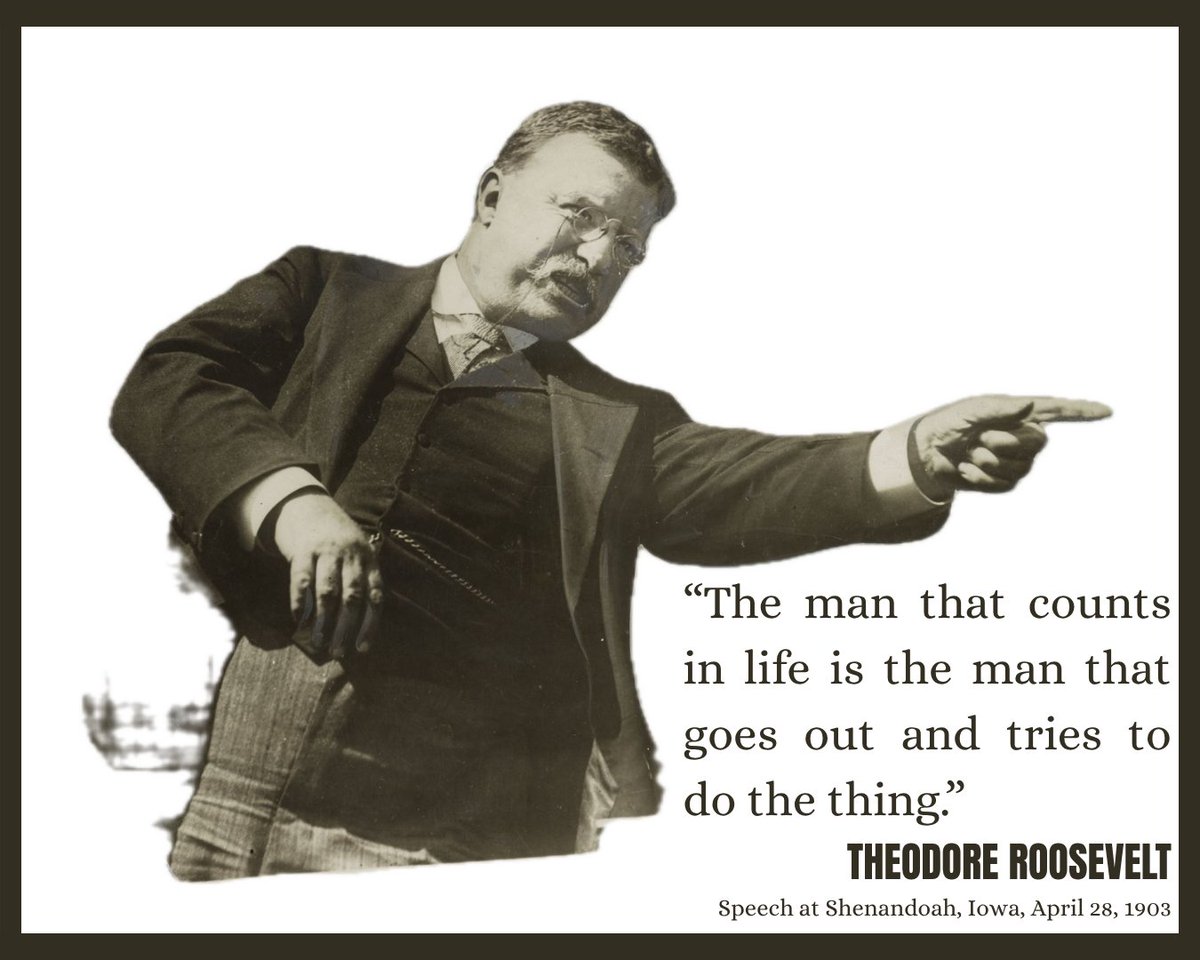
Did you know that Theodore Roosevelt loved to use the phrase “the man who counts” or “the man that counts” in his speeches? While you might not have known that specific fact, it probably comes as no surprise that Roosevelt had clear ideas of what a good citizen looked like—what he often called “the man who counts.” Although today it is not common parlance to use the word “man” to refer to a person or a human being, it was in Roosevelt’s time—so his choice of this wording was not intended to be sexist. Rather, the term “man” was gender-neutral and referred to all people. Thus, when Roosevelt used this terminology, he also meant “the woman who counts.” Today’s #WednesdayWisdom is one example of Roosevelt’s use of this phrase: “The man that counts in life is the man that goes out and tries to do the thing.” This quotation, which comes from a speech delivered in Shenandoah, Iowa in 1903, foreshadows Roosevelt’s famous “man in the arena” quotation. For Roosevelt, it was better to try and fail—“to strive valiantly” to use wording from his 1910 “Citizenship in a Republic” speech—and to take the next step rather than to sit idly by on the sidelines, theorizing about the 200th step. According to Roosevelt, the man who counted didn’t merely dream golden dreams; he counted only if he tried to put those dreams into practice. Read the full speech here and see what else Roosevelt has to say about the character of the man who “tries to do the thing”: theodorerooseveltcenter.org/digital-librar…
Theodore Roosevelt Center tweet media
English
0
3
6
176
Theodore Roosevelt Center
#OnThisDay in 1917, Theodore Roosevelt addressed the Long Island Farmers' Club in Mineola, NY. Roosevelt spoke in favor of a law forbidding the use of grain in alcohol production during the war, reserving it for food. He also spoke of the importance of universal service to the country during wartime. "I believe that every man, woman, and child when the country is at war should have his or her abilities utilized in the matter most essential." He then went on to suggest a permanent policy of mandatory military service of six months to a year for men aged 18 or 19. He also restated his desire to fight in France himself.
Theodore Roosevelt Center tweet media
English
0
0
2
114
Theodore Roosevelt Center
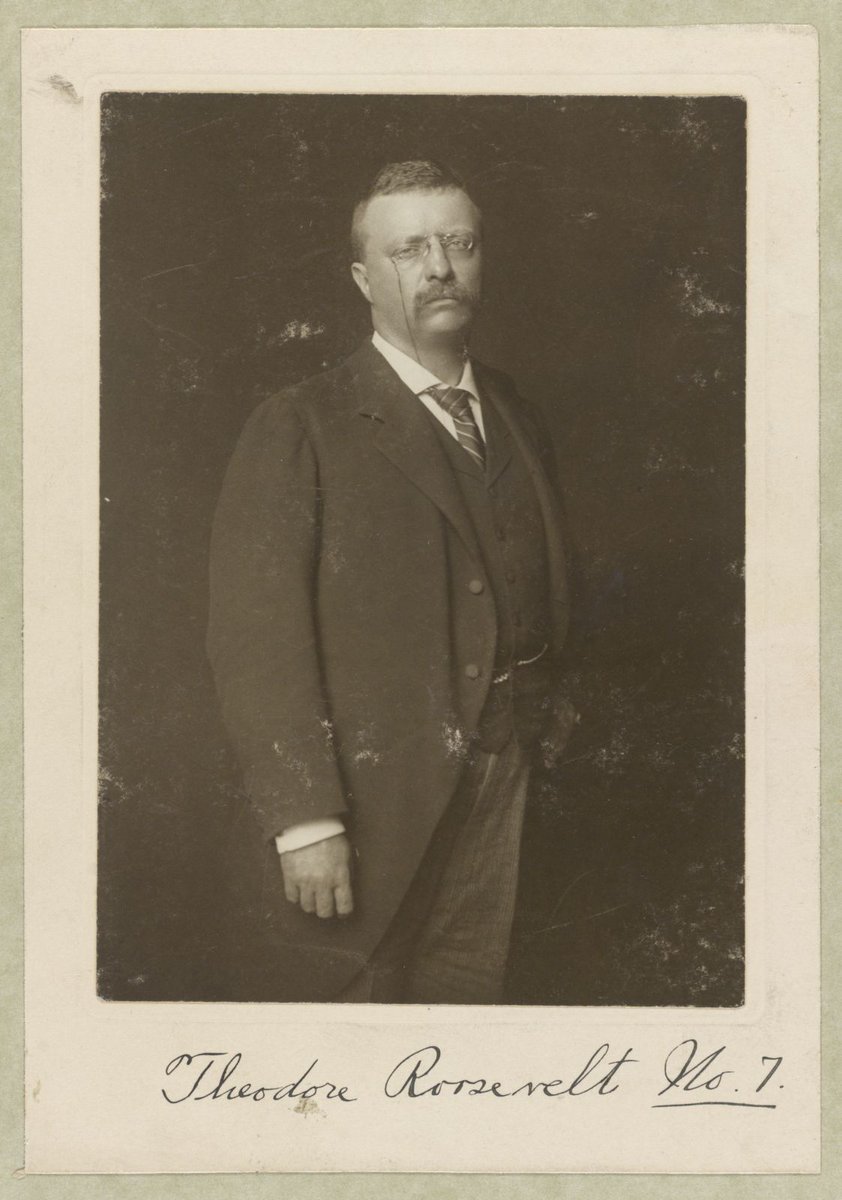
Today in North Dakota we have the Gathering of Teddys, also known as the Badlands Chautauqua, where Roosevelt reprisors (and doppelgängers!) from across the country convene to celebrate Theodore Roosevelt, his family, and his legacy today. But years before this tradition, you could find Roosevelt doubles across the United States and even the world. We’ve discovered a few from Roosevelt’s time that we wanted to share. Let us know if there’s anyone we missed! We discovered at least eight Roosevelt look-alikes from the early 1900s, including the three most striking doubles summarized in an 1928 newspaper article: Pietro Cassini, a woodcutter who lived in Florence, Italy who sold cards with his picture and the words, “Striking Likeness to Col. Th. Roosevelt” Lyman Morse Garfield, who lived in Xenia, Ohio and often didn’t have to pay for cab fare because cabbies were convinced he was Roosevelt Foster G. Huddleston, who the newspaper called the “most conspicuous double” and who resembled the twenty-sixth president so closely that he even couldn’t persuade one of Roosevelt’s Rough Riders that he wasn’t his former commander But these three were hardly the only ones. We also discovered Editor William Hones, who called snakes man’s best friend; “Teddy” Yoell, who was “of larger build than Roosevelt” but who had “the former President’s face to a ‘T’”; J. M. Keyes, Congressman of the Fifth Massachusetts District in the early 1900s; Joseph Hartman, who created a novelty musical act in which he made “the public really wonder if it is the famous T. R. in reality”; and Max Milan Kirchman, a Roosevelt double who requested to join Roosevelt overseas during World War I if President Woodrow Wilson allowed the former president to command a division. As for what the Roosevelt doppelgängers felt about their resemblance to the twenty-sixth president, the answer is varied! As Congressman Keyes said, “Sometimes I enjoy the likeness . . . but more often it is embarrassing, especially in large crowds.”
Theodore Roosevelt Center tweet mediaTheodore Roosevelt Center tweet mediaTheodore Roosevelt Center tweet media
English
0
2
5
213
Theodore Roosevelt Center
Theodore Roosevelt Center@TR_Center·
#OnThisDay in 1902, President Roosevelt spoke at a banquet held in honor of Nicholas Murray Butler, president of Columbia University and close friend of TR. Roosevelt addressed a three-point theme that he spoke about over and over in 1902 and 1903 - courage, honesty, and common sense. "In the unending strife for civic betterment, small is the use of these people who mean well, but who mean well feebly. The man who counts is the man who is decent and who makes himself felt as a force for decency, for cleanliness, for civic righteousness. He must have several qualities; first and foremost, of course, he must be honest, he must have the root of right thinking in him. That is not enough. In the next place he must have courage; the timid good man counts but little in the rough business of trying to do well the world's work. And finally, in addition to being honest and brave he must have common sense. If he does not have it, no matter what other qualities he may have, he will find himself at the mercy of those who, without possessing his desire to do right, know only too well how to make the wrong effective." Read the full address at the American Presidency Project: presidency.ucsb.edu/documents/rema…
Theodore Roosevelt Center tweet media
English
0
0
1
100
Theodore Roosevelt Center
Theodore Roosevelt Center@TR_Center·
#OnThisDay in 1906, San Francisco was leveled by a massive earthquake. Its magnitude has been estimated at 7.9. Most of the city was destroyed - largely by out of control fires - and thousands died. President Roosevelt implored people to donate to or otherwise support the Red Cross, in order to systematize the relief efforts most efficiently.
Theodore Roosevelt Center tweet media
English
0
0
2
101
Theodore Roosevelt Center
Theodore Roosevelt Center@TR_Center·
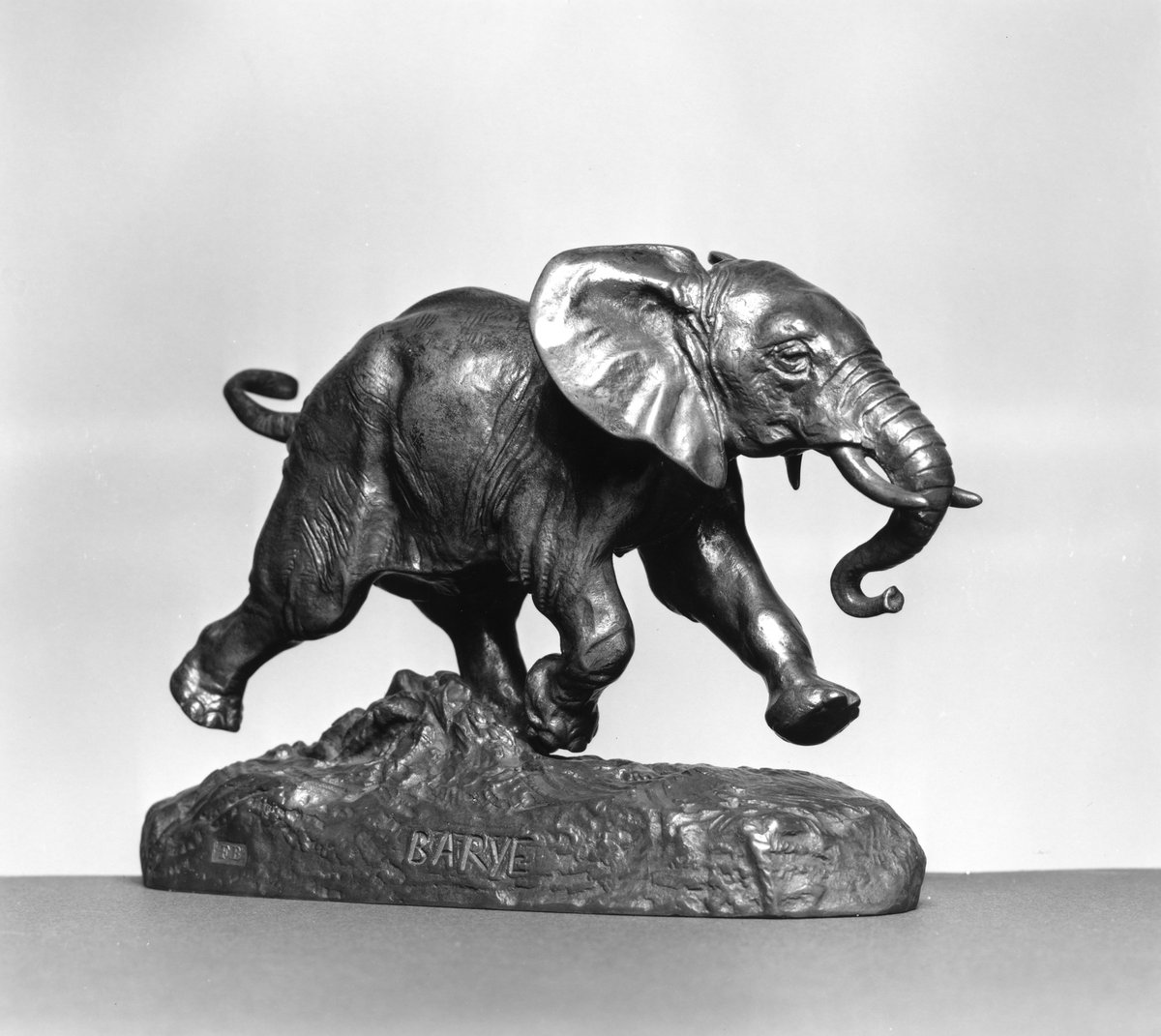
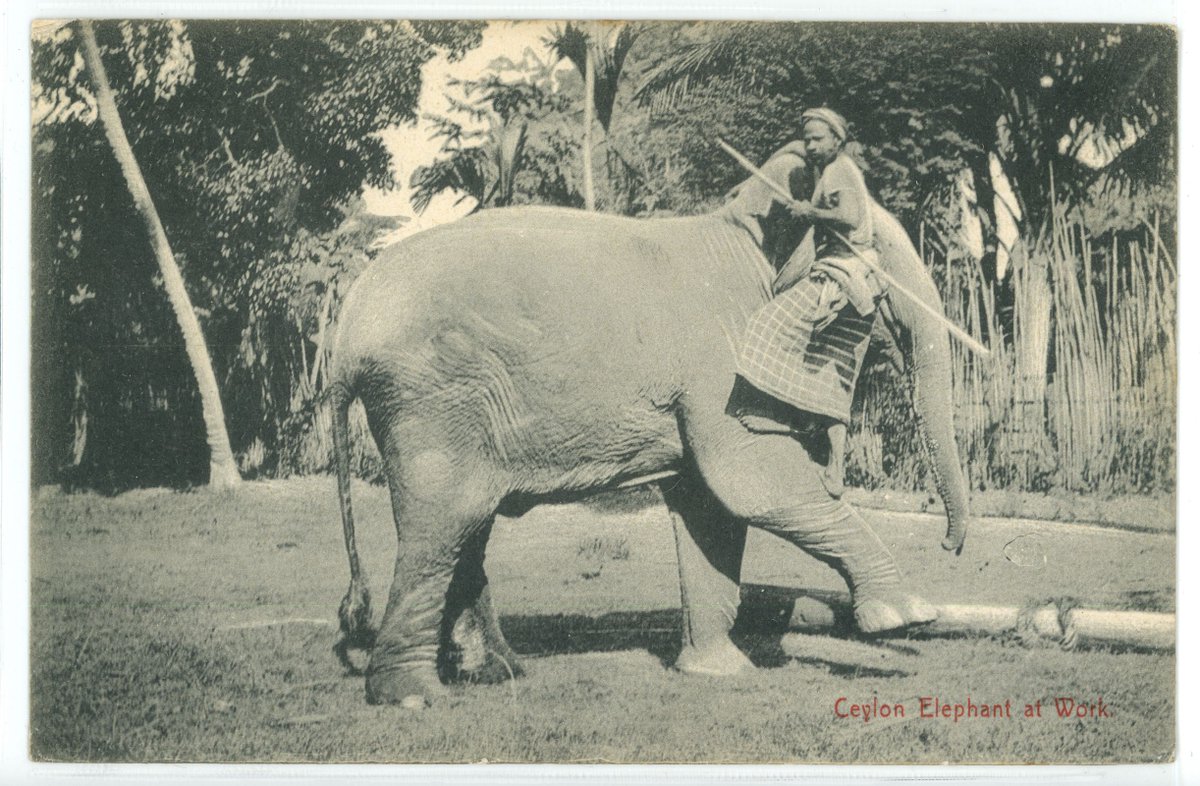
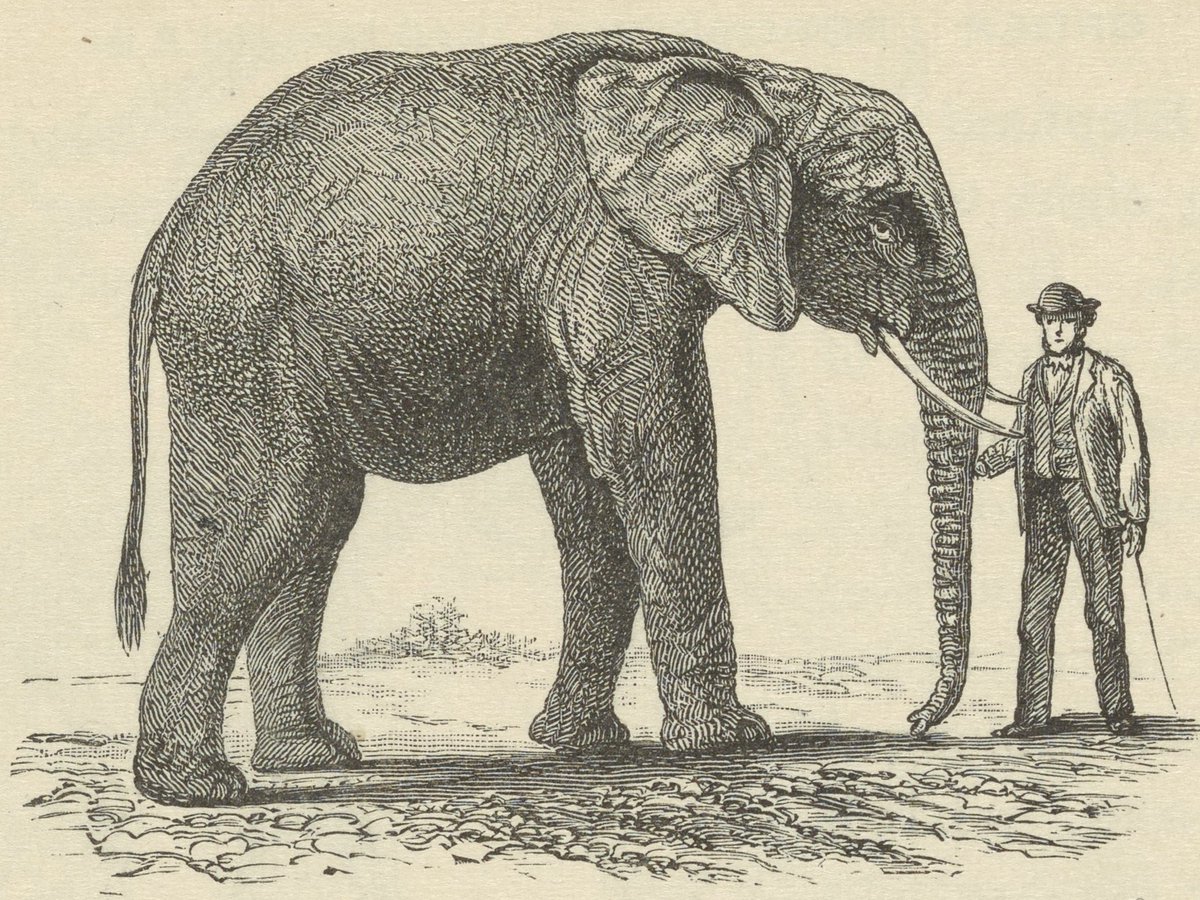
Theodore Roosevelt was well-regarded as a naturalist—what we might call a biologist today—by the scientists of his time. W. J. Holland, Director of the Carnegie Museum in Pittsburgh, Pennsylvania, called Roosevelt a “brother naturalist,” which “genuinely flattered” Roosevelt. Moreover, noted naturalist John Burroughs called Roosevelt “so trained a naturalist” and gave numerous examples of Roosevelt’s abilities in the field of natural history in his book, Camping and Tramping with Roosevelt (1907). In the book, Burroughs gave several examples to demonstrate how Roosevelt’s knowledge of large game exceeded his own. According to Burroughs, “[W]hen we came to consider big game and the animal life of the globe, I was nowhere [close to Roosevelt].” One of our favorites is Roosevelt’s critique of an elephant statue by French sculptor Antoine-Louis Barye. Roosevelt asked Burroughs if he saw anything wrong with the statue to which the great naturalist responded no. But after Roosevelt showed Burroughs another elephant statue by a Japanese artist, Burroughs realized the issue: “[Barye’s elephant] was like that of a horse or a cow, or any trotting animal — a hind and a front foot on opposite sides moving together.” But elephants are pacers, rather than trotters. Notably, Roosevelt made this observation several years before he spent significant time around elephants in the wild during the Smithsonian-Roosevelt African expedition from 1909 to 1910. In fact, after that trip, Roosevelt’s criticism of the French sculptor became more public. During a visit to the Salon des Artistes Français in 1910 at the conclusion of the expedition, Roosevelt complained about Barye’s elephants to the president and other officers of the Salon. According to Roosevelt, “Barye was always wrong.” For a better understanding of Roosevelt’s criticism, we have included images of an elephant sculpted by Barye, an elephant in real life from the digital library, and an illustration of an elephant from a popular zoology book of the time for comparison.
Theodore Roosevelt Center tweet mediaTheodore Roosevelt Center tweet mediaTheodore Roosevelt Center tweet media
English
0
0
3
121
Theodore Roosevelt Center
Theodore Roosevelt Center@TR_Center·
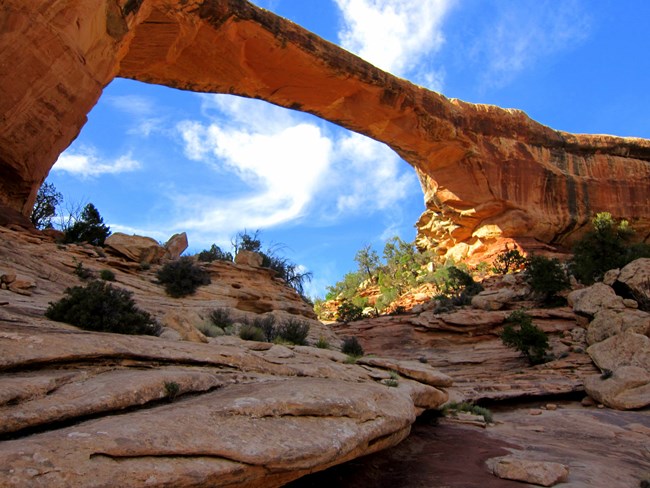
#OnThisDay in 1908, President Roosevelt established Natural Bridges National Monument in Utah, near the Four Corners. Natural bridges are formed by erosion, the result of canyon walls directing flowing streams which crumble rock above them. Roosevelt declared the rock formations, some of the best examples of natural bridges in the world, to be "of the greatest scientific interest." Read the full proclamation in our digital library: theodorerooseveltcenter.org/digital-librar…
Theodore Roosevelt Center tweet media
English
0
3
3
106
Theodore Roosevelt Center
Theodore Roosevelt Center@TR_Center·
Theodore Roosevelt is one of the most popular and most quoted presidents. And in our humble opinion, there’s a good reason why: his applicability to the modern era. Today’s #WednesdayWisdom is just one example of the enduring relevance of Roosevelt’s words to modern-day issues and topics: “Probably the best test of true love of liberty in any country is the way in which minorities are treated in that country.” Did you know that this quotation comes from Roosevelt’s famous “Citizenship in a Republic,” better known as the “Man in the Arena” speech? Although this particular quotation is often overshadowed by the more famous “man in the arena” sentence in the speech, these words better encapsulate Roosevelt’s overall argument in the speech of what it meant to be a good citizen in a republic. In the speech, Roosevelt emphasized the importance of liberty in a republic—and not just for the few. Roosevelt did not support any kind of persecution, no matter which side was the persecutor and which side was the persecuted. “Persecution is bad because it is persecution,” he said. According to Roosevelt, a republic’s success depended on tolerating—even fostering—“[w]ide differences of opinion in matters of religious, political, and social belief.” Equitable treatment for all—most especially minorities—rather than fanaticism were the key to the longevity and long-term success of a republic. Although Roosevelt executed this ideal imperfectly in office as president, particularly in the Brownsville Raid of 1906, his support of a “square deal” for all Americans is a key legacy of his administration. Read the full “Citizenship in a Republic” speech at the American Presidency Project: presidency.ucsb.edu/documents/addr…
Theodore Roosevelt Center tweet media
English
0
1
6
128
Theodore Roosevelt Center
Theodore Roosevelt Center@TR_Center·
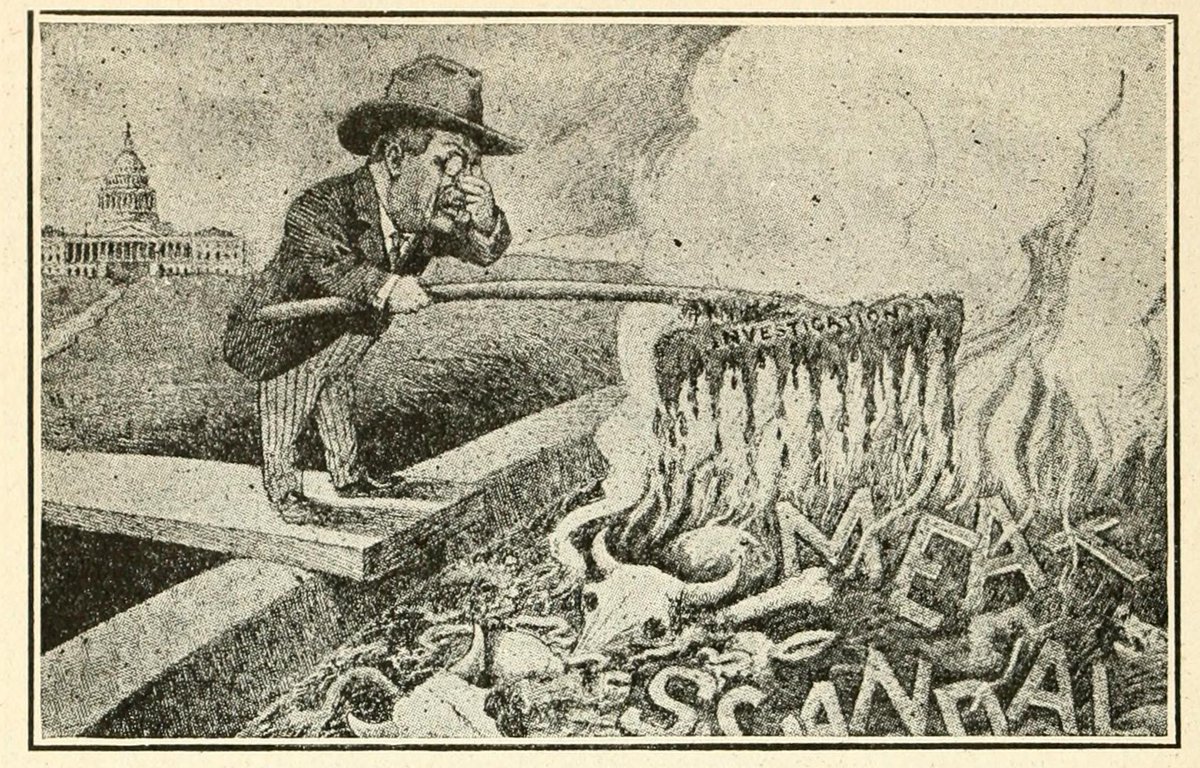
#OnThisDay in 1906, President Roosevelt delivered an address at the laying of the cornerstone of the Office Building of the House of Representatives. Today, the speech is popularly known as "The Man with the Muck-Rake." Roosevelt is credited with coining the term "muckraker" as a pejorative describing investigative journalists who are overly sensationalist or do not offer solutions. "There is filth on the floor, and it must be scraped up with the muck-rake; and there are times and places where this service is the most needed of all the services that can be performed. But the man who never does anything else, who never thinks or speaks or writes, save of his feats with the muck-rake, speedily becomes, not a help to society, not an incitement to do good, but one of the most potent forces for evil," Roosevelt said. In June of 1906, the president received the Neill-Reynolds Report detailing the revolting conditions at the Chicago stockyards. Soon after, he signed the Pure Food and Drug Act and the Federal Meat Inspection Act. Read the full address in our digital library: theodorerooseveltcenter.org/digital-librar…
Theodore Roosevelt Center tweet media
English
0
0
4
102
Theodore Roosevelt Center
Theodore Roosevelt Center@TR_Center·
The Theodore Roosevelt Center will be CLOSED to the public tomorrow, Tuesday, April 14, as all of our staff will be out of office on various activities. We hope to see you another day! Learn about this image and many more in our digital library: theodorerooseveltcenter.org/digital-librar…
Theodore Roosevelt Center tweet media
English
0
0
4
155
Theodore Roosevelt Center
Theodore Roosevelt Center@TR_Center·
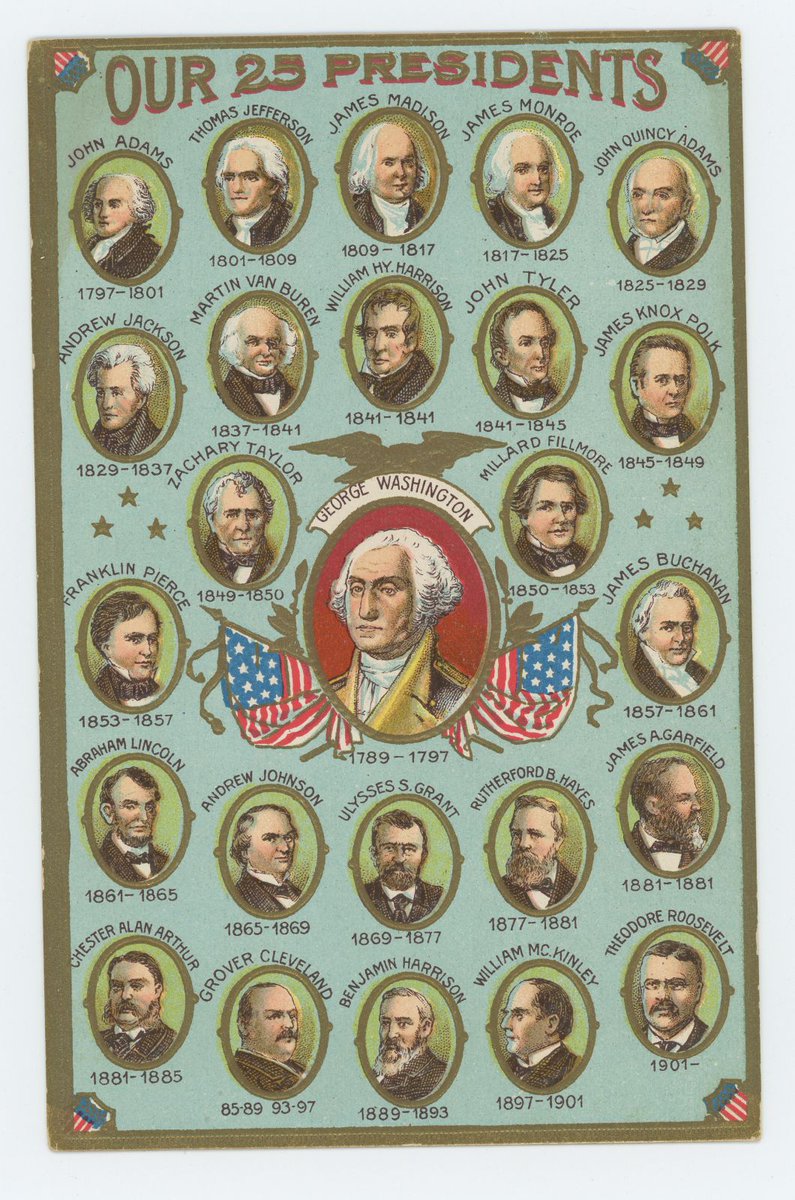
Did you know it used to be a matter of great debate whether Theodore Roosevelt was the twenty-fifth or twenty-sixth president? Roosevelt was the second person to become president after Grover Cleveland had served a second non-consecutive term, and people didn’t know how to count him. This led to the confusing situation where someone could mean McKinley or Roosevelt when speaking about the twenty-fifth president. In fact, the paintings of both McKinley and Roosevelt at the White House bore the inscription of “Twenty-Fifth President of the United States,” as one female tourist noted. Although the standard convention in the United States of referring to Cleveland as the twenty-second and twenty-fourth president—and as a result, Roosevelt as the twenty-sixth president—began during FDR’s administration, not everyone agreed. Newspapers across the country regularly received letters to the editor correcting the paper on its usage. The numbering even affected cruciverbalists trying to complete their Sunday crossword puzzles! As Perry Turner wrote to the editor of the St. Louis Globe-Democrat in 1944, “In Sunday’s crossword puzzle the following question was asked: ‘By what nickname was the twenty-fifth President best known?’ The puzzle worked out ‘Teddy.’ If I know my history, McKinley was the twenty-fifth President and I never heard him called ‘Teddy.’” (The editor gently corrected Turner, explaining why Roosevelt was the twenty-fifth president.) As is probably no surprise, Roosevelt weighed in on this matter, writing in a 1904 letter that he preferred “the old custom” of numbering and therefore considered himself to be the twenty-fifth president. What might surprise you is Roosevelt’s conclusion: “It is not a very important matter.” What do you think—is Theodore Roosevelt the 25th or 26th president? Let us know in the comments!
Theodore Roosevelt Center tweet mediaTheodore Roosevelt Center tweet mediaTheodore Roosevelt Center tweet media
English
1
0
3
216
Theodore Roosevelt Center
Theodore Roosevelt Center@TR_Center·
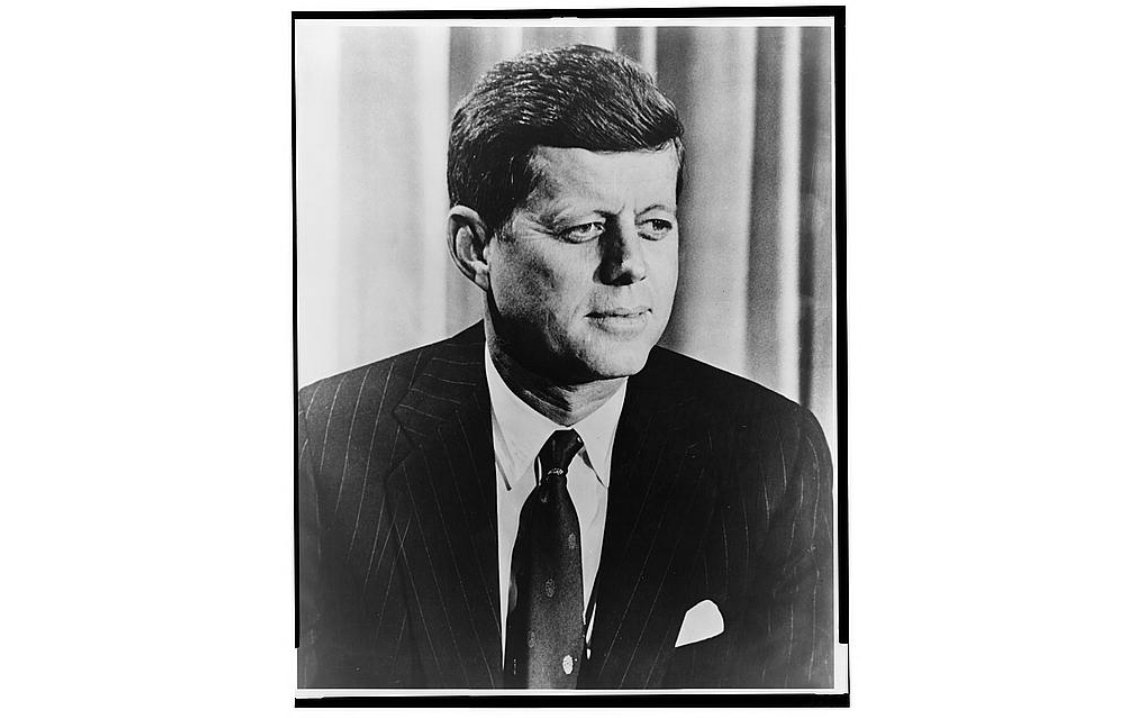
#OnThisDay in 1958, United States Senator from Massachusetts John F. Kennedy delivered a keynote address at the Theodore Roosevelt Centennial Symposium held at Dickinson State Teachers College (now Dickinson State University) in Dickinson, North Dakota. The speech was titled "The Moral and Spiritual Imperatives of Free Government." Kennedy argued that politics and politicians had lost their way, and that they needed to return to a Rooseveltian belief in a government with a strong moral and spiritual foundation. Those being educated at DSTC were the kind who could lead the way. "... I do urge the application of your talents to the public solution of the great problems of our time... We want from you not the sneers of the cynics or the despair of the faint-hearted. Theodore Roosevelt would not listen to either one. We ask of you enlightenment, vision, illumination. We ask that you live up to your responsibilities as American sovereigns - to implement, not ignore, the moral and spiritual foundations of our government." Read the full address in our digital library: theodorerooseveltcenter.org/digital-librar…
Theodore Roosevelt Center tweet mediaTheodore Roosevelt Center tweet media
English
0
0
1
199
Theodore Roosevelt Center
Theodore Roosevelt Center@TR_Center·
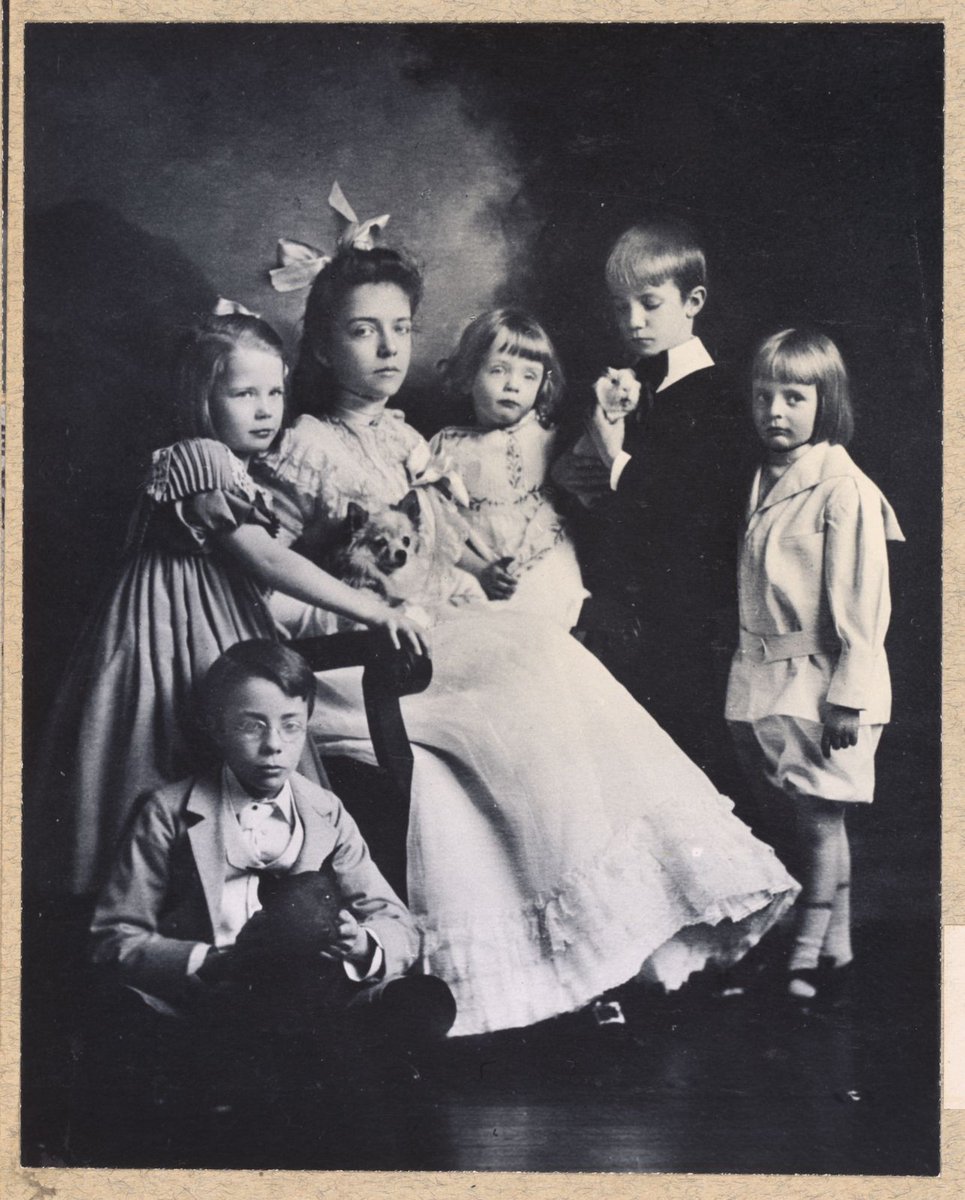
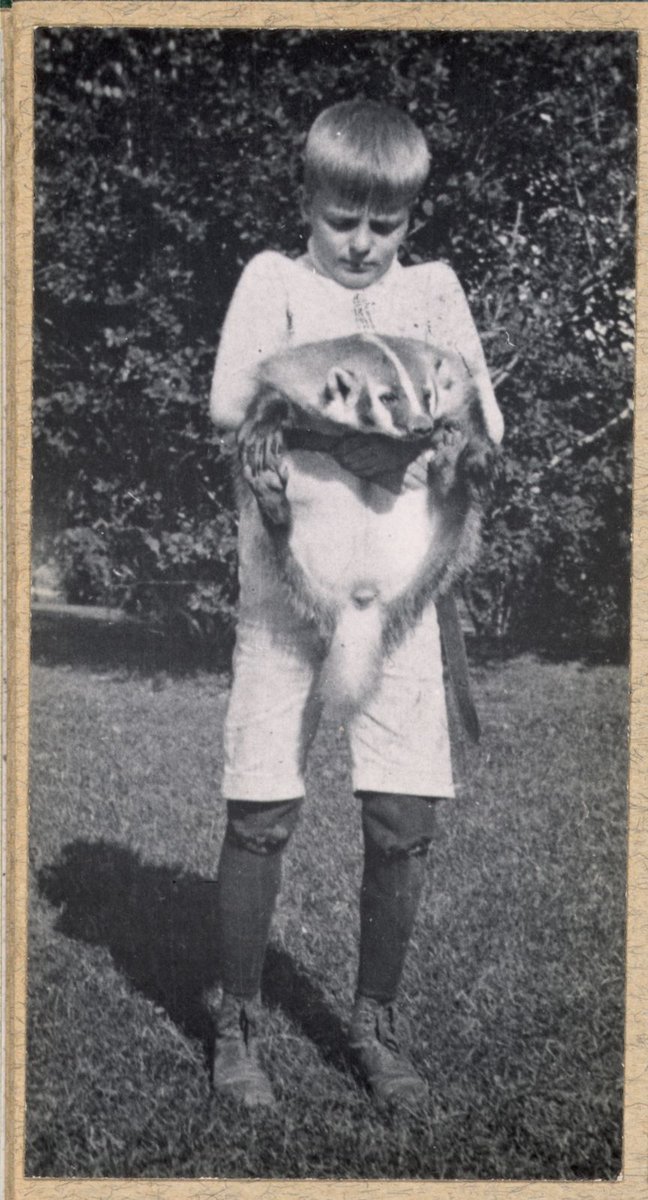
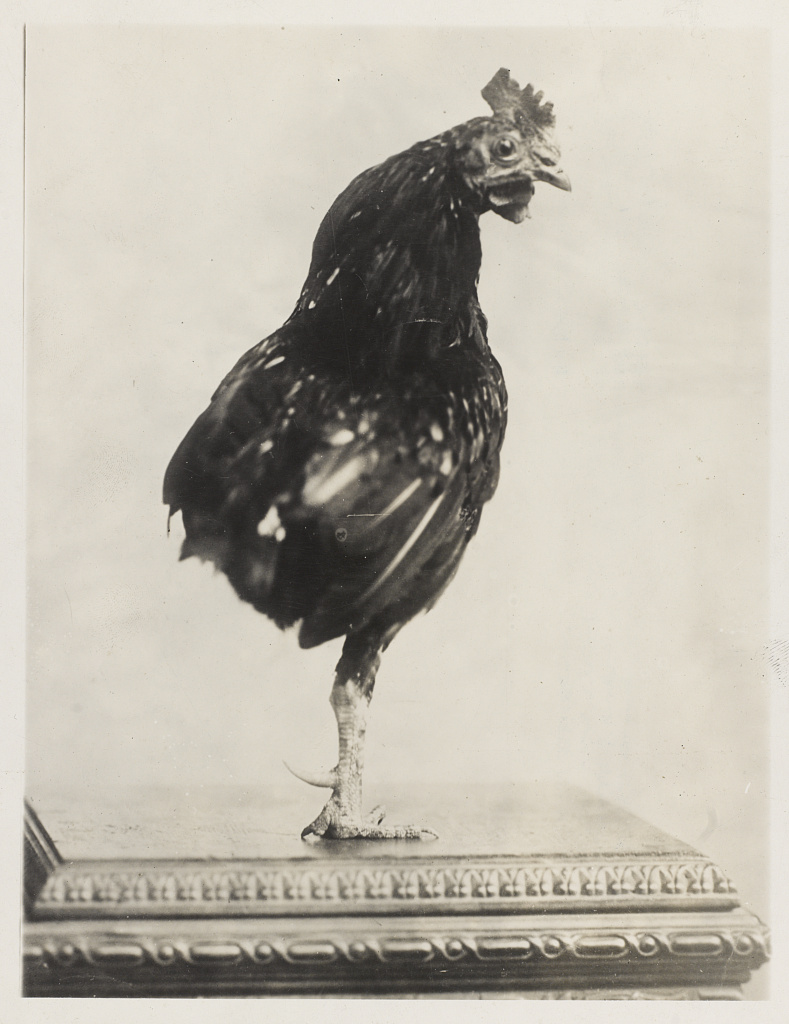
Today is #NationalPetDay! Whether they were at Sagamore Hill or the White House, the Roosevelt household was a veritable menagerie of animals. From the conventional like dogs, cats, and guinea pigs, to the unusual, like a badger and a one-legged rooster, pets were an integral part of the Roosevelt family! In his Autobiography, Roosevelt spoke fondly of the joy his children found in playing with the pets at Sagamore Hill: "The children had pets of their own, too, of course. Among them guinea pigs were the stand-bys—their highly unemotional nature fits them for companionship with adoring but over-enthusiastic young masters and mistresses. Then there were flying squirrels, and kangaroo rats, gentle and trustful, and a badger whose temper was short but whose nature was fundamentally friendly. The badger's name was Josiah; the particular little boy whose property he was used to carry him about, clasped firmly around what would have been his waist if he had had any. Inasmuch as when on the ground the badger would play energetic games of tag with the little boy and nip his bare legs, I suggested that it would be uncommonly disagreeable if he took advantage of being held in the little boy's arms to bite his face; but this suggestion was repelled with scorn as an unworthy assault on the character of Josiah. "He bites legs sometimes, but he never bites faces," said the little boy. We also had a young black bear whom the children christened Jonathan Edwards, partly out of compliment to their mother, who was descended from that great Puritan divine, and partly because the bear possessed a temper in which gloom and strength were combined in what the children regarded as Calvinistic proportions. As for the dogs, of course there were many, and during their lives they were intimate and valued family friends, and their deaths were household tragedies. One of them, a large yellow animal of several good breeds and valuable rather because of psychical than physical traits, was named "Susan" by his small owners, in commemoration of another retainer, a white cow; the fact that the cow and the dog were not of the same sex being treated with indifference. Much the most individual of the dogs and the one with the strongest character was Sailor Boy, a Chesapeake Bay dog. He had a masterful temper and a strong sense of both dignity and duty. He would never let the other dogs fight, and he himself never fought unless circumstances imperatively demanded it; but he was a murderous animal when he did fight. He was not only exceedingly fond of the water, as was to be expected, but passionately devoted to gunpowder in every form, for he loved firearms and fairly reveled in the Fourth of July celebrations—the latter being rather hazardous occasions, as the children strongly objected to any "safe and sane" element being injected into them, and had the normal number of close shaves with rockets, Roman candles, and firecrackers."
Theodore Roosevelt Center tweet mediaTheodore Roosevelt Center tweet mediaTheodore Roosevelt Center tweet mediaTheodore Roosevelt Center tweet media
English
0
2
6
138
Theodore Roosevelt Center
Theodore Roosevelt Center@TR_Center·
#OnThisDay in 1899, Governor of New York Theodore Roosevelt delivered his famous "Strenuous Life" speech at the Hamilton Club in Chicago, Illinois Roosevelt implored his audience to work hard for what they wanted - and to want to work hard. "I wish to preach, not the doctrine of ignoble ease," said Roosevelt, "but the doctrine of the strenuous life, the life of toil and effort, of labor and strife; to preach that highest form of success which comes, not to the man who desires mere easy peace, but to the man who does not shrink from danger, from hardship, or from bitter toil, and who out of these wins the splendid ultimate triumph." He urged them to help their fellow man in enriching himself as they surely would. "We do not admire the man of timid peace. We admire the man who embodies victorious effort; the man who never wrongs his neighbor, who is prompt to help a friend, but who has those virile qualities necessary to win in the stern strife of actual life. It is hard to fail, but it is worse to never have tried to succeed." Read a transcription of the speech, which is chock full of Roosevelt's writing at its best, on the website of the Theodore Roosevelt Association: ow.ly/biQl50Yzrus
Theodore Roosevelt Center tweet media
English
0
4
6
348
Theodore Roosevelt Center
Theodore Roosevelt Center@TR_Center·
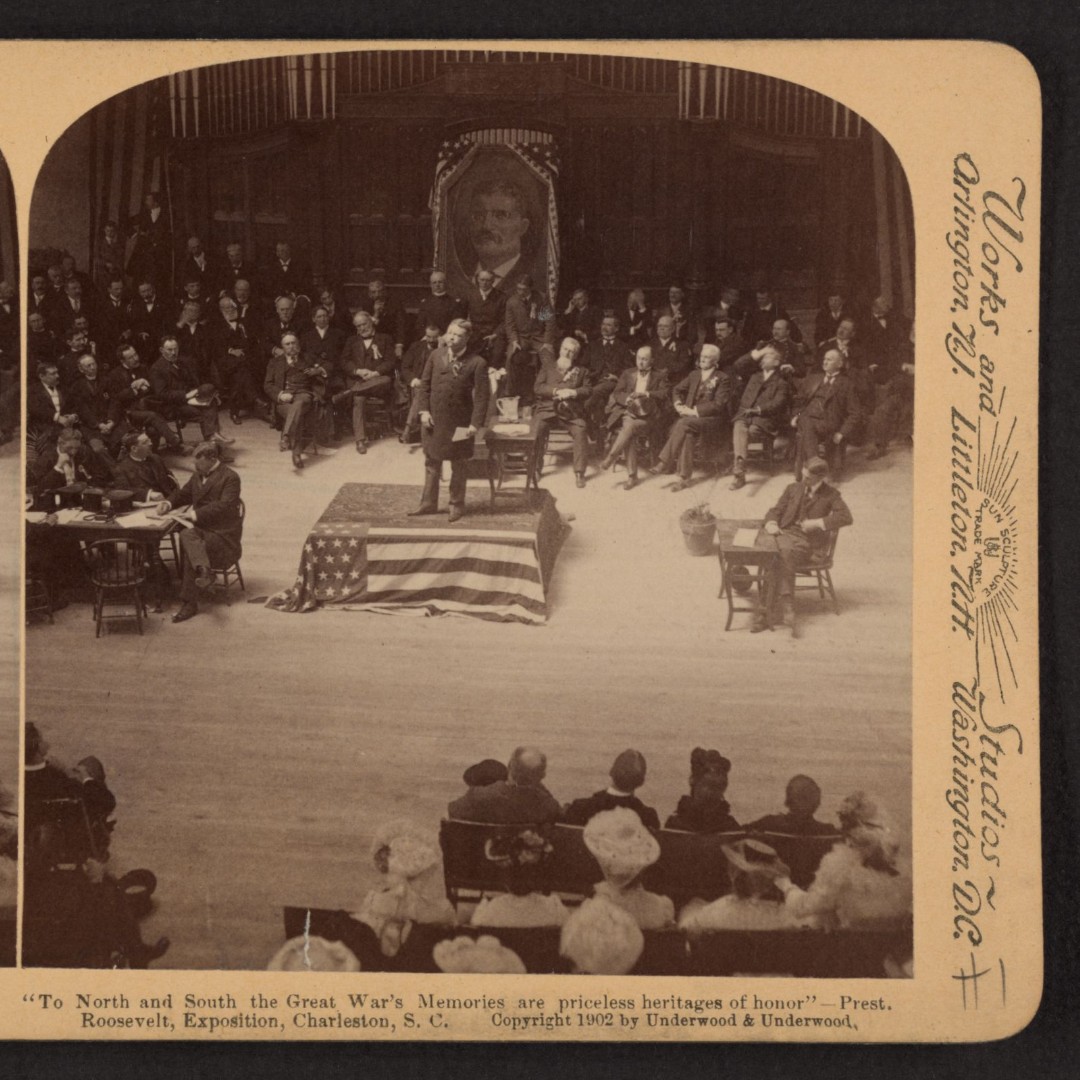
#OnThisDay in 1902, President Roosevelt spoke at the South Carolina Inter-State and West Indian Exposition - often simply referred to as the Charleston Exposition - in Charleston, South Carolina. Roosevelt felt that the invitation for him to speak at the exposition emphasized how completely the United States had been reunited. The unity of the Nation became “instantly and strikingly evident” during the Spanish-American War and Roosevelt felt it was satisfying to see the sons of Union soldiers and Confederate soldiers serving together. Roosevelt detailed the accomplishments of several former Confederate soldiers within his own administration. He also praised South Carolina’s efforts to engage the West Indies in an industrial exposition, as the West Indies should “occupy a far larger place in our national policy” in the future. "The wounds left by the great Civil War, incomparably the greatest war of modern times, have healed; and its memories are now priceless heritages of honor alike to the North and to the South. The devotion, the self-sacrifice, the steadfast resolution and lofty daring, the high devotion to the right as each man saw it, whether Northerner or Southerner - all these qualities of the men and women of the early sixties now shine luminous and brilliant before our eyes, while the mists of anger and hatred that once dimmed them have passed away forever." Read the full address in our digital library: theodorerooseveltcenter.org/digital-librar…
Theodore Roosevelt Center tweet media
English
0
1
4
114