The Caliphate A.M.S ری ٹویٹ کیا
The Caliphate A.M.S
562 posts

The Caliphate A.M.S
@TheCaliphateAs
Male | INTP | Sunni-Salafi/Wahhabi | Passionate about : History, Philosophy and Religious Studies | Based in KSA 🇸🇦
شامل ہوئے Ağustos 2017
647 فالونگ71 فالوورز
The Caliphate A.M.S ری ٹویٹ کیا

Before the 19th century “Iran” wasn’t even a country. Reza Shah changed the name and overnight some folks decided they now own every empire, dynasty and achievement within a 2000 year radius.
Tahirid Dynasty
821–873
Ethnicity: Afghan
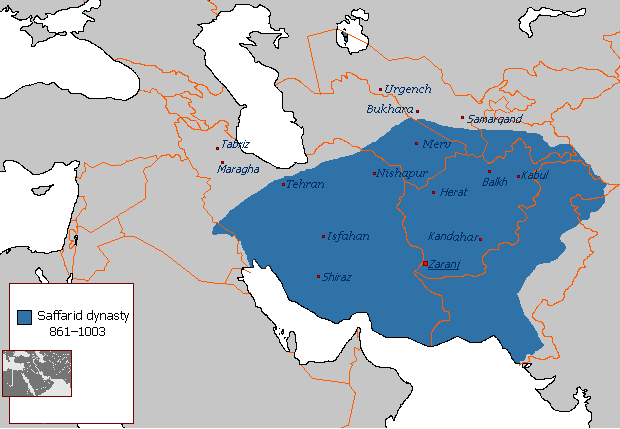
Saffarid Dynasty
861–1003
Ethnicity: Afghan (Sagzi / Sistani)
Samanid Empire
819–999
Ethnicity: eastren iranian (🇦🇫🇹🇯)
Buyid Dynasty
934–1062
Ethnicity: Kurdish
Ghaznavid Empire
977–1186
Ethnicity: Turco-Afghan
Ghurid Empire
1148–1215
Ethnicity: Afghan (Pashtun)
Seljuk Empire
1037–1194
Ethnicity: Turkic (Oghuz)
Khwarazmian Empire
1077–1231
Ethnicity: Turkic–eastren Iranian
Ilkhanate (Mongol)
1256–1335
Ethnicity: Mongol
Timurid Empire
1370–1507
Ethnicity: Turco-Mongol
Safavid Empire
1501–1736
Ethnicity: Qizilbash Turks
Hotak Dynasty: 1709–1738
Ethnicity: Afghan (Pashtun)
Afsharid Empire
1736–1796
Ethnicity: Turkic (Afshar)
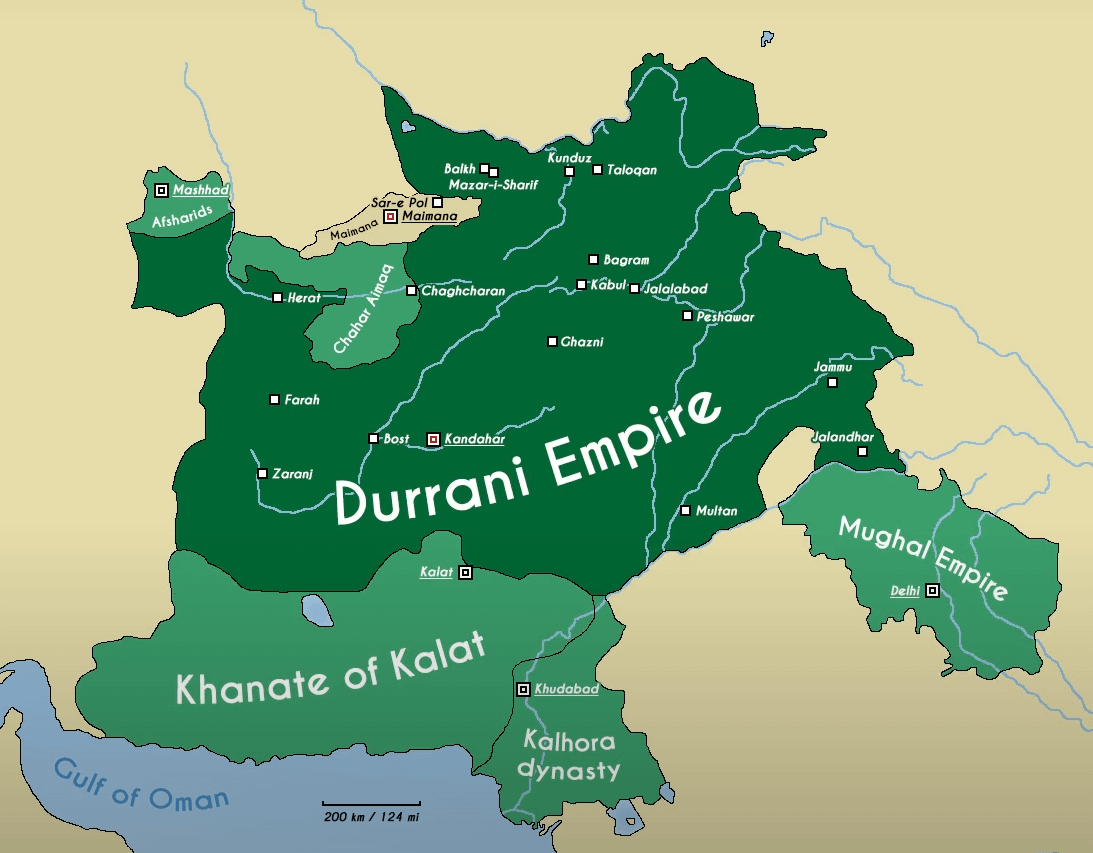
Durrani Empire
1747–1826
Ethnicity: Afghan (Pashtun)
Qajar Dynasty
1789–1925
Ethnicity: Turkic (Qajar)

Civixplorer@Civixplorer
🇮🇷 Iran/Persia's territorial losses since the 19th century.
English
The Caliphate A.M.S ری ٹویٹ کیا

#OpenAccess
#Article
#Persian #Calendars #Seljuq #Nawrūz #Abbasid #Sasanian
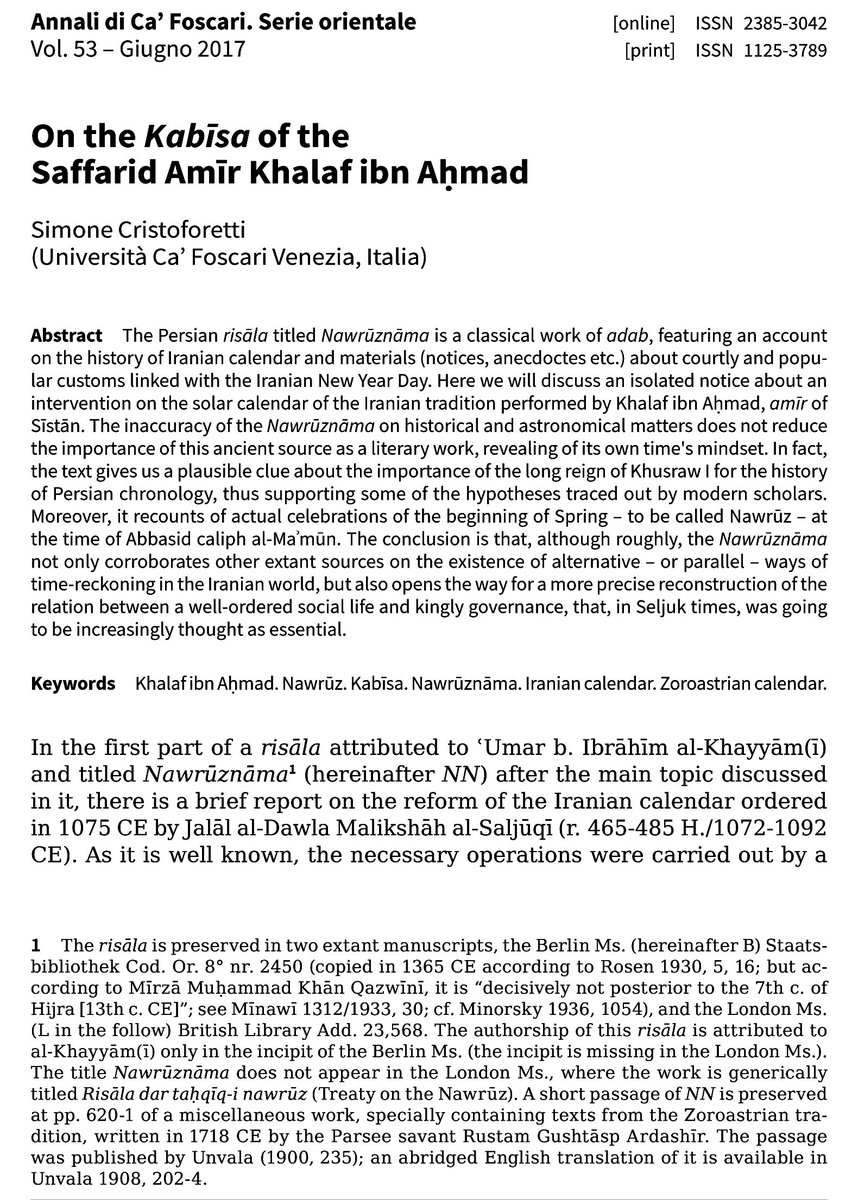
On the Kabīsa of the Saffarid Amīr Khalaf ibn Aḥmad
Simone Cristoforetti
Annali di Ca’ Foscari.issue 53 . 2017
edizionicafoscari.it/en/edizioni4/r…
PDF 🎯
edizionicafoscari.it/media/pdf/arti…

Română
The Caliphate A.M.S ری ٹویٹ کیا

@R1ghts4All Also wrote a great book on the Philosophy of Mullā Ṣadrā.
Română
The Caliphate A.M.S ری ٹویٹ کیا

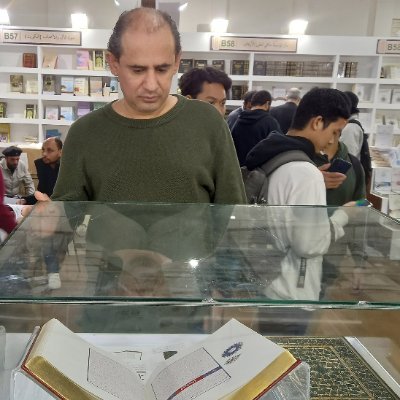
مكتبة ستانفورد كنز ثمين للتاريخ والأدب العربي من خرائط ومخطوطات وغيرها الكثير ..
library.stanford.edu


العربية
The Caliphate A.M.S ری ٹویٹ کیا

"ديوان المتنبي الرقمي"
بشرى لعشاق أبي الطيب وشعره وحكمته
mutanabbi.net
العربية
The Caliphate A.M.S ری ٹویٹ کیا

The Caliphate A.M.S
Beyond the Traditional Narrative: A New Critical Perspective on the Battle of Ṣiffīn
A Gift to: @ShaykhIshraq
thecaliphateams.substack.com/p/beyond-the-t…

English
The Caliphate A.M.S ری ٹویٹ کیا

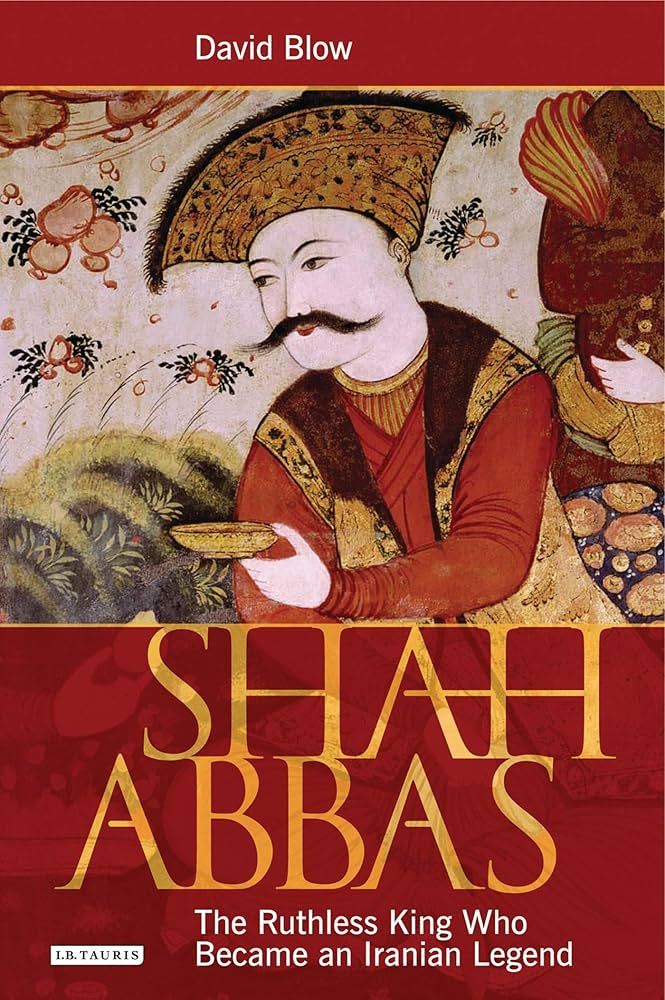
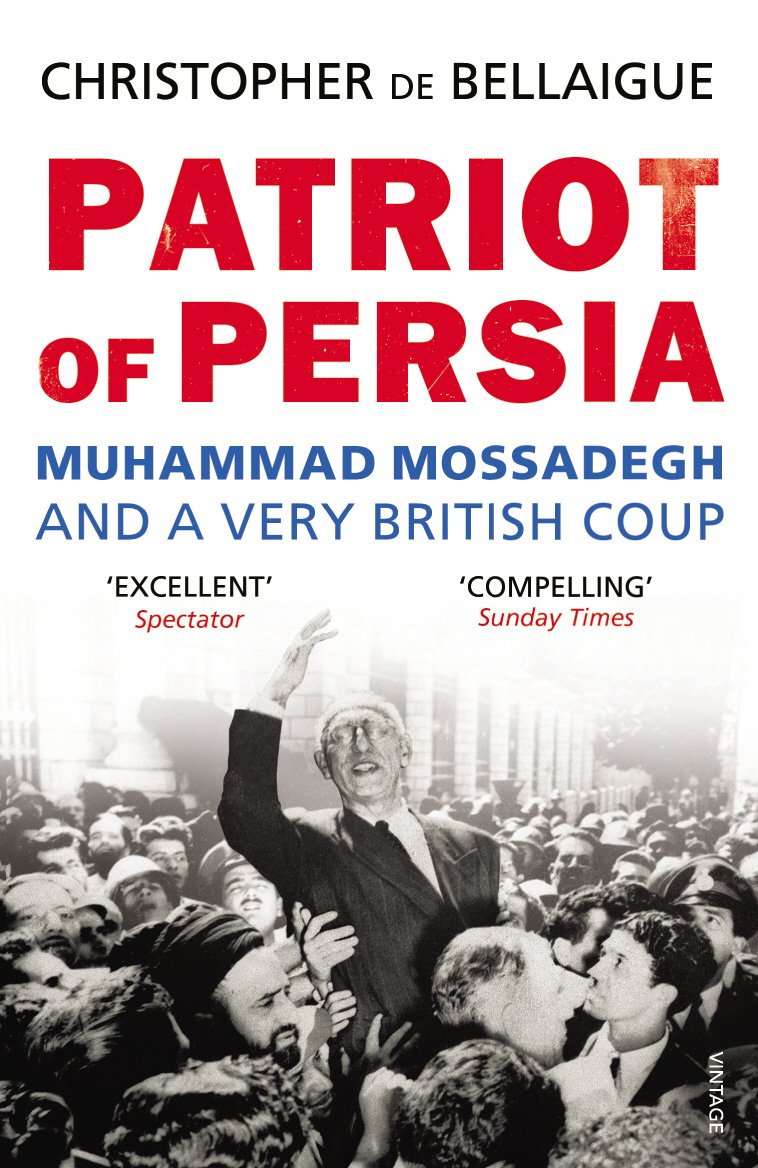
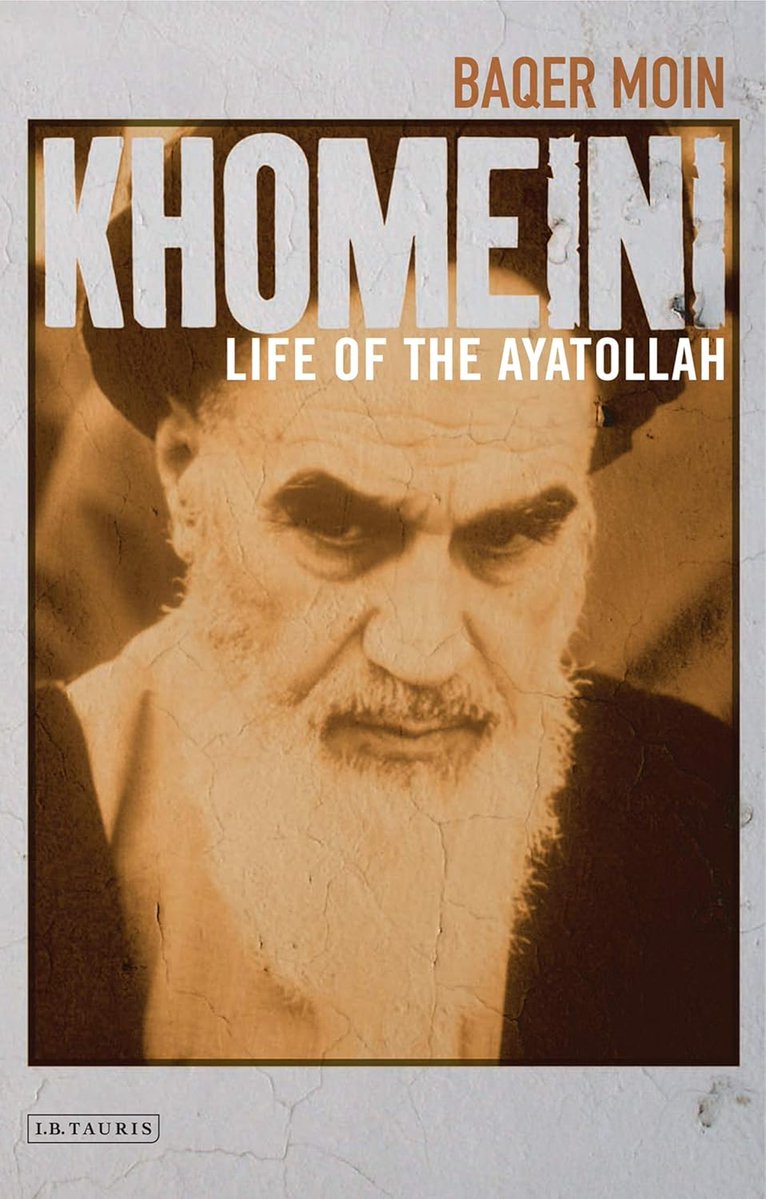
One of my favorite ways to learn about a region is through biography, as the best of these works will teach you just as much about the 'times' as the lives of their intended subjects.
I've learned a great deal about Russia, for instance, reading biographies on Peter, Catherine, Potemkin, Stalin. When you're in truly capable hands like those of Robert Massey, you even get flashes of insight about distant contemporaries, like Louis, The Sun King. Or about great adversaries, like Charles XII, Sweden's own "Alexander."
But now I am wondering...What are the best biographies through which one learns about Iran or, as I prefer to call it, Persia? Darius & Cyrus are out the window since the Achaemenids were disinterested in biography and left that to the Greeks, and the Parthians & Sassanids seem to have shared this disinclination. (There is Plutarch's Life of Artaxerxes from around that time, but what else?)
So it strikes me that after a long Arabocentrist interlude, coinciding with the rise of Islam, we have to look to more modern times...Abbas the Great, arguably the founder of modern Iran; Nader Shah, called the "Napoleon" of Persia; Mossadegh & Khomeini obviously. These seem like worthwhile reads to me for anyone wanting to learn about how we got here with Iran...


English
The Caliphate A.M.S ری ٹویٹ کیا

Thank you for this! 🙏
Delman 🏁🔻@dmontetheno1
🧵In @DrJavadTHashmi’s new paper, he argues that the Prophet is a “proto-apocalyptic” figure, not fully apocalyptic, but shaped by an urgent expectation of the Hour rooted in the biblical “Day of Yahweh,” while still uncertain about its timing. Part 1 of a 3-part series. (1/25)
English
The Caliphate A.M.S ری ٹویٹ کیا

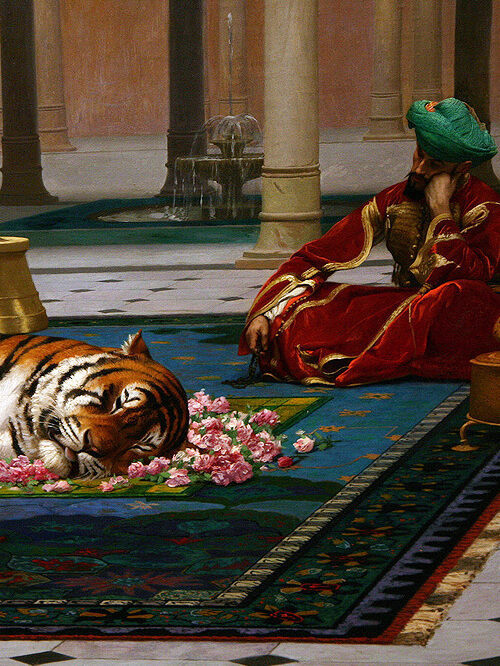
"The story behind the painting 'The Grief of the Pasha'"
In 1882, the French painter Jean-Léon Gérôme was invited to illustrate Victor Hugo's poem, 'La Douleur du Pacha' (The Grief of the Pasha). The poem's final line is a single sentence: 'His Nubian tiger died.' Three years later, this single line was brought to life on canvas. In the painting, pink flowers lie at the tiger's head, and two large green candles burn. This majestic tiger rests on an Oriental rug with blue and navy motifs that covers the floor. The Pasha, dressed in red velvet and wearing a green turban, sits in the right corner, holding prayer beads in one hand and resting his cheek against the other. A domed brass incense burner sits right beside his knee. According to Dr. Taylor J. Acosta, a curator at the Joslyn Art Museum (Nebraska, USA), the candlestick on the left is in the Safavid style, while the one on the right is Ottoman. In a single painting, objects from two distinct Islamic art traditions stand side by side. The architecture in the background is drawn from the Alhambra Palace (Granada, Spain), which Gérôme visited in 1873. The slender columns, carved stucco, the fountain in the background, and the bands of Arabic script were taken directly from there. The tiger in the painting, however, isn't Ottoman, but rather a Bengal tiger native to the Indian subcontinent. Gérôme chose to correct the poem's geographical error by painting this species, as he was familiar with its anatomy; Hugo had written 'Nubian tiger' in his poem, yet tigers never lived in Nubia. The painting found a buyer before it was even finished: 30,000 francs - an exceptionally high price for 1885. It first passed to a Chicago collector, was donated to the Art Institute of Chicago in 1898, and remained there for thirty-seven years. Hugo's poem was written in 1827, during a period of Ottoman decline. According to some interpretations, this poem was an image symbolizing the fall of the Ottoman Empire. The poem's epigraph is taken from Lord Byron: 'Separated from everything dear to me, I'm wasting away, alone and desolate.' Gérôme brought this poem to canvas 58 years after it was written. The Pasha is being called to war. It's as if he has nothing left to go for. Hugo's poem lists off war, rebellion, the harem, and dreams, one by one. He rejects them all. None of these are what makes him weep. His tiger died.

English
The Caliphate A.M.S ری ٹویٹ کیا

My paper examining the intellectual legacies of Anwarshāh Kashmīrī and Zāhid al-Kawtharī, two towering 20th-century Ḥanafī scholars, is now available for download.
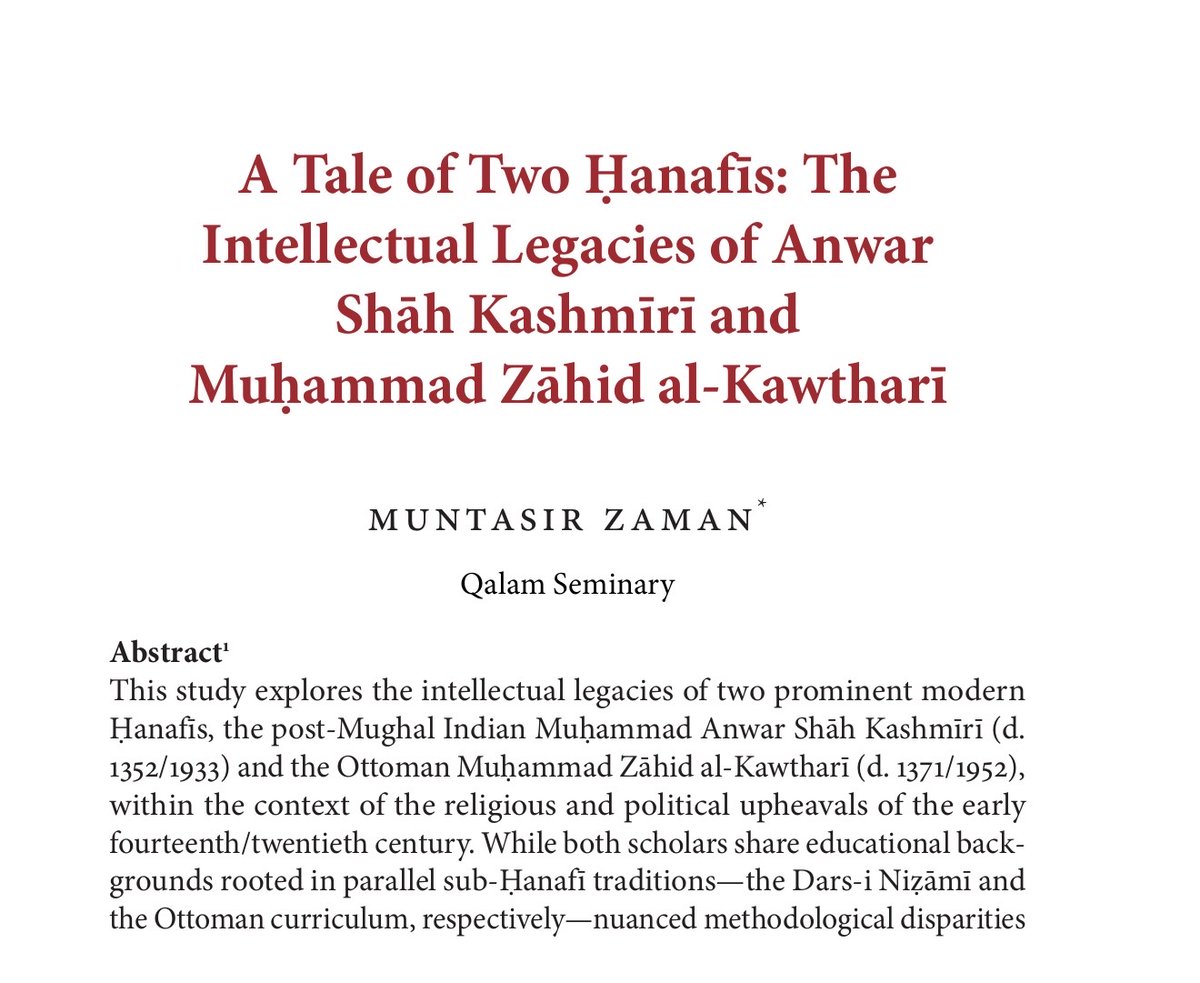
academia.edu/165734283/A_Ta…

Română
The Caliphate A.M.S ری ٹویٹ کیا