
The Self-appointed “last romantic composer”
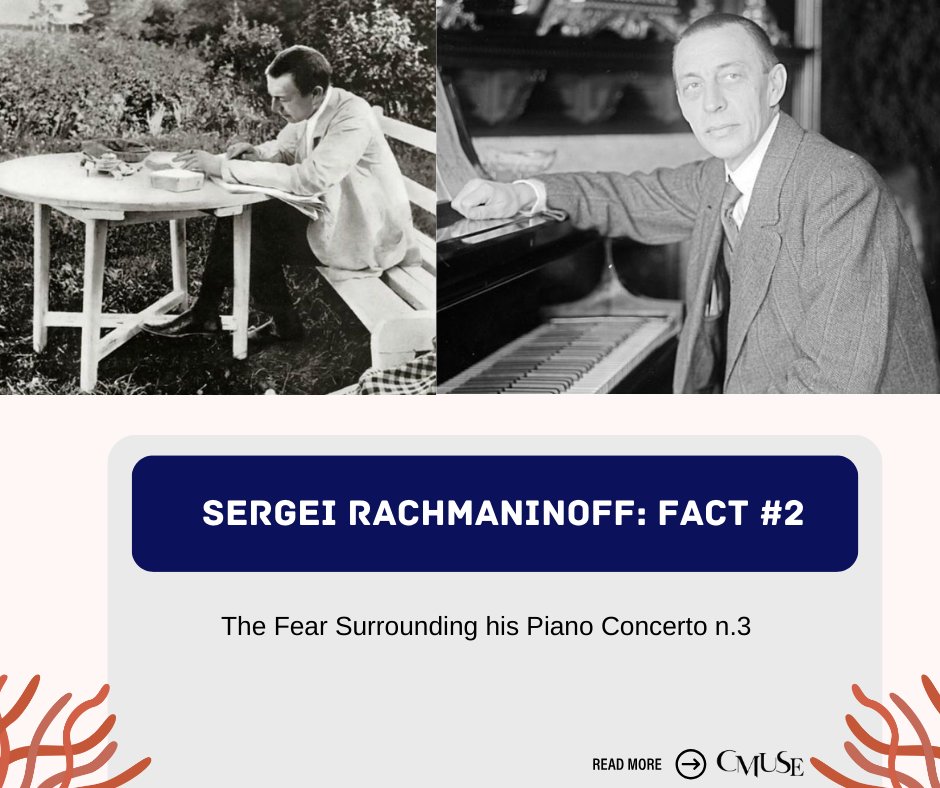
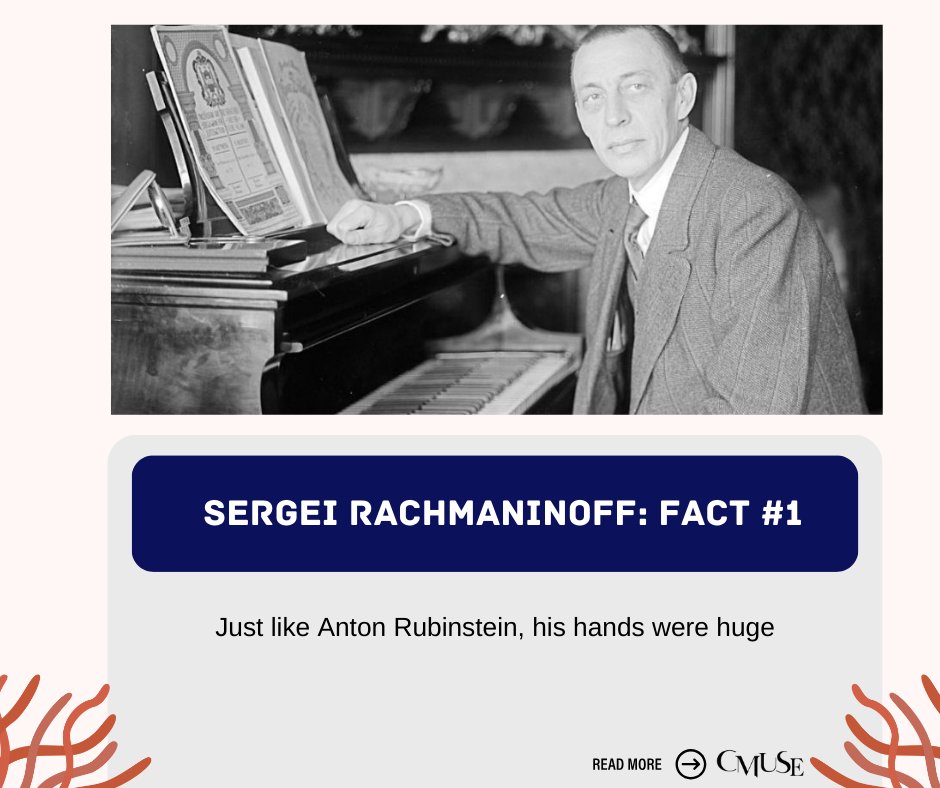
Glenn Quilty, who had the privilege to study with Rachmaninoff and who dedicated his Victorian Concerto to him, interviewed the composer at the Ansonia Hotel in New York.
On that occasion Rachmaninoff defined himself as the last romantic composer, who reflected the philosophy of Old Russia “with its overtones of suffering and unrest, its pastoral but tragic beauty, its ancient and enduring glory.”
His harmonic arrangement and tonalities were, to him, in the genre “of flowing, lush effects and illuminated vista viewed from a romantic point.” He saw himself as less incisive and less sharp than Schönberg and Hindemith.
He wished to encompass the listener in warmth and to transport him to an ideal planet. That ideal, however, did not equal utopia “there is an undercurrent sorrow in my work,” he told Quilty.
Rachmaninoff deemed Romantic music timeless, as it reflected the warmth and depth of compassion in human nature: by contrast, he predicted that the bitter tonalities of modern music would vanish even though they reflected the times they were composed in.

English