Lucky77 | 𝔽rAI | (❖,❖)

14.1K posts

Lucky77 | 𝔽rAI | (❖,❖) banner
Lucky77 | 𝔽rAI | (❖,❖)

Lucky77 | 𝔽rAI | (❖,❖)

@cryptokj77

나는 할 수 있다 | I can do it | 私はできる | 我做得到。

شامل ہوئے Nisan 2021
3K فالونگ3.5K فالوورز
پن کیا گیا ٹویٹ
Lucky77 | 𝔽rAI | (❖,❖)
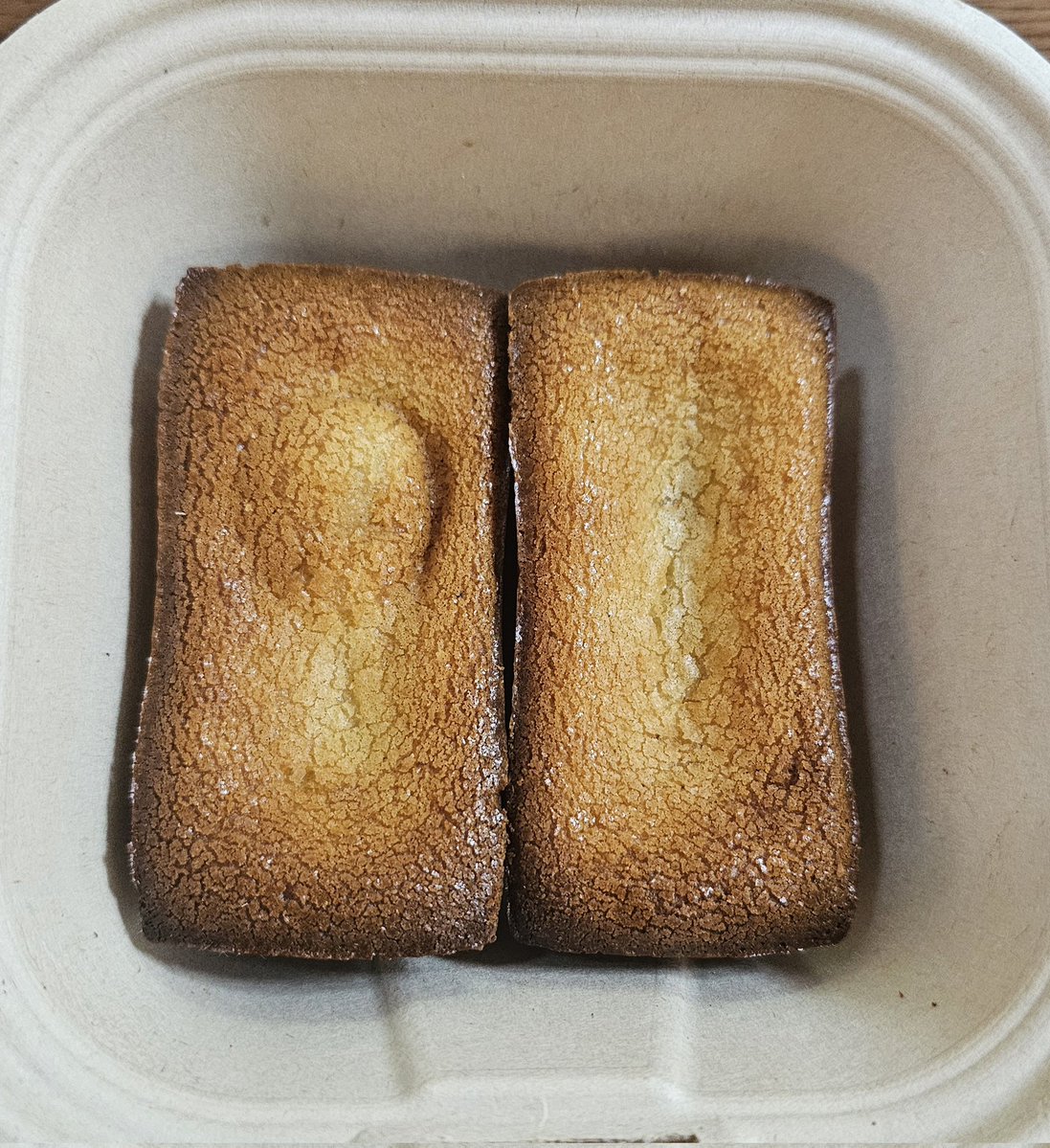
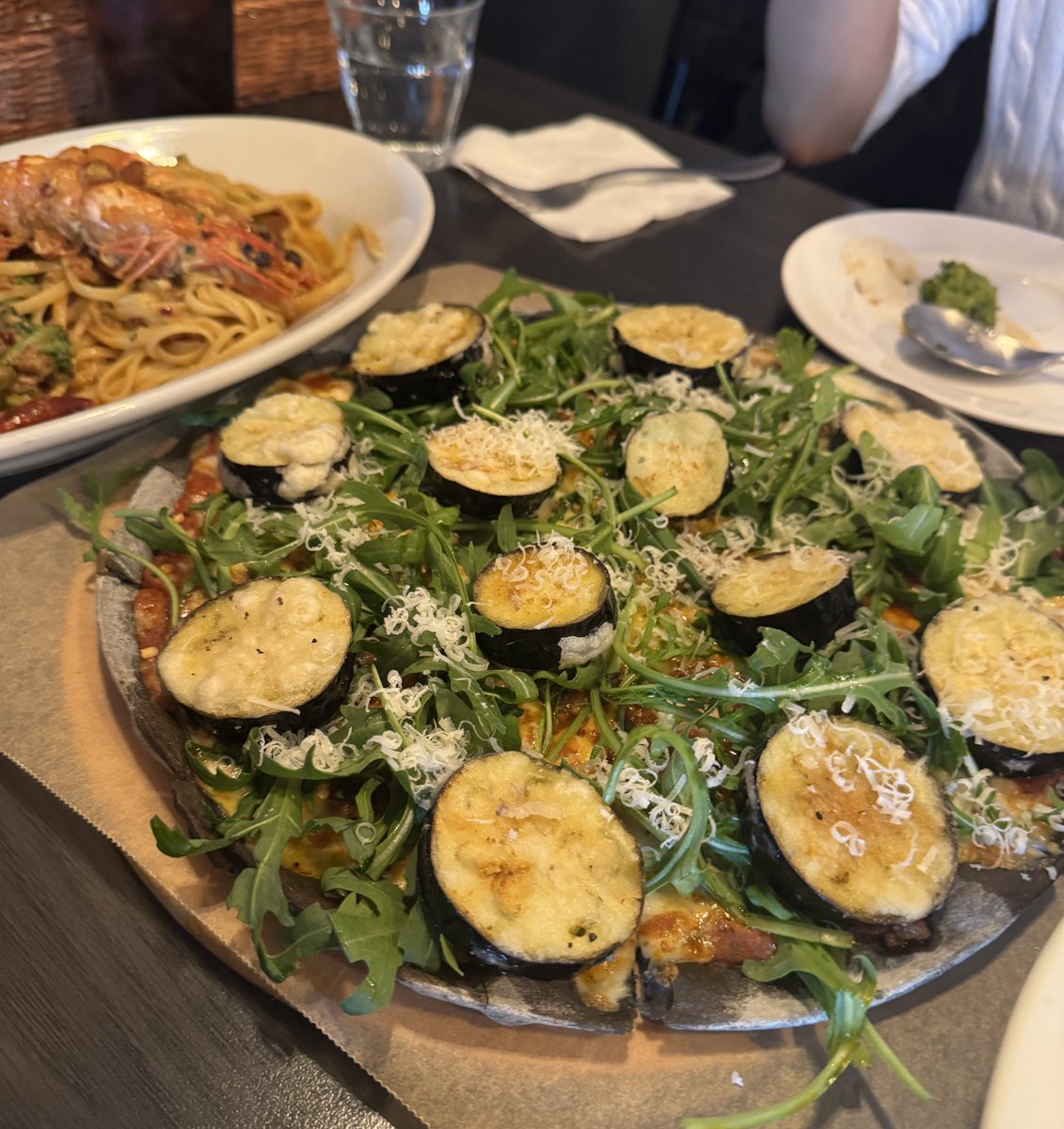
✅  @ritualnet #120  I went out with cherry blossoms in full bloom today. It's been a while since I went out, so the air is fresh and my stress is relieved There was a lot of delicious food in the food truck and the streets were crowded, but it was fun. I bought strawberry fondue before coming home. It was sweeter and tastier than I thought. Go out with your family on the weekend.
Lucky77 | 𝔽rAI | (❖,❖) tweet mediaLucky77 | 𝔽rAI | (❖,❖) tweet mediaLucky77 | 𝔽rAI | (❖,❖) tweet mediaLucky77 | 𝔽rAI | (❖,❖) tweet media
Lucky77 | 𝔽rAI | (❖,❖)@cryptokj77

✅  @ritualnet #119 💚Ritual karaoke: Ritual: 🎤 : ritty karaoke 🎤 The moment the music flows and everyone's voices become one ◇ PLAY: The moment the music flows, we become one. ◇Share: Our own hideout with endless laughter and cheers. ◇FEEL: Leave yourself to the rhythm and get rid of the stress of your daily life. ◇STAY: A record of this night that's more brilliant because we're together. 📌 Enter the Discord channel right now! Ritty Karaoke Live, fighting! 💥

English
3
0
4
133
Lucky77 | 𝔽rAI | (❖,❖)
✅  Episode 65: @RialoHQ @itachee_x @silverwave1000 📌 Threshold Cryptography Course ◇ Definition: A technology that distributes encryption keys (secret) across multiple participants so that no one can use or restore the key independently. Only when more than t people (threshold) cooperate can cryptographic operations such as signing and decryption be performed. ◇ Key Purpose: - Single Point of Failure removal - Trust Distribution ◇ Advantages and Utilizations: - Full system safety if one is hacked - centralization vulnerability removal - Examples for practical use: Blockchain Validator, MPC Wallet, Distributed Storage System, etc ◇ Current lecture content released: 1. Distributed Key Generation (DKG) - Participants jointly generate keys (no one knows the whole secret) - Based on: Shamir's Secret Sharing + Lagrange interpolation - Interactive simulation enables practice 2. Verifiable Secret Sharing (VSS) - Cheating detection techniques of participants - Feldman’s VSS (commitment ) - Pedersen’s protocol (trusted dealer complaint Based on DKG) ◇ Scheduled lectures (yet undisclosed): - Threshold Signatures (FROST, BLS threshold signatures ) - Proactive Secret Sharing - Threshold Encryption (threshold ElGamal ) ◇Learning Features: - Math basics → Step-by-step description of the protocol - Recommend learning in order (based on previous content) - Get hands-on experience with interactive simulation - Systematic tutorials useful for blockchain/MPC practice ◇ Link: (link provided in text) Overall, with distributed trust at its core, it is a practical course that deals with powerful security techniques that eliminate a single point of failure. ◇ My thoughts Threshold Cryptography is a really important foundation technology in the era of blockchain and MPC wallets. In particular, the flow from DKG + VSS to FOST or BLS threshold signs is systematic, so I think it will be good for beginners to connect to practical application based on mathematical understanding. The most attractive feature is that you can directly touch classical theories such as Shamir's Secret Sharing through interactive simulation. It is also realistic that it contains VSS (Pedersen, etc.) in case one person is malicious. This concept of mathematically dispersing trust in distributed systems will become more important in the future, so I recommend you to follow DKG step by step if you are interested. The sentence "Distributed trust is the coronerstone of robust security" fits perfectly. #RialoTH
Rialo@RialoHQ

Distributed trust is the cornerstone of robust security. We are diving deep with a 5-part technical series on how threshold systems eliminate single points of failure by requiring a quorum of participants to execute cryptographic operations. The first two modules are now live: 01 | Distributed Key Generation: An analysis of how groups jointly generate shared keys without any participant gaining knowledge of the full secret. This lesson covers Shamir's Secret Sharing, Lagrange interpolation, and honest-world key generation. 02 | Verifiable Secret Sharing: Moving beyond the honest-world assumption. This module explores Feldman’s VSS for share verification and Pedersen’s protocol for achieving DKG without a trusted dealer through complaint-based disqualification. Stay tuned for the remaining three parts of the series. Link below:

English
8
0
10
114
SPEED (❖,❖)
SPEED (❖,❖)@0xspeedx·
Gn to those that still gRitual 🤍 Stay locked in with @ritualnet every day and every night. Stay Ritualize 🙋
SPEED (❖,❖) tweet media
English
14
0
20
98
Lucky77 | 𝔽rAI | (❖,❖)
@kikiundo3 신용 하나로 사람을 재단하던 시대를 넘어, 실시간 현실 데이터로 더 공정하고 포용적인 기회를 만드는 Rialo가 진짜 복지 혁신의 시작이네요! 🔥
한국어
0
0
0
13
kikiundo (❖,❖)
kikiundo (❖,❖)@kikiundo3·
gRialo fren ~ ! 신용 점수 하나만 보고 대출 거절하지 않아도 되는 시대! 그리고 복지! 요즘 신용 시장을 보면, 단순한 기술 변화라기보다는 구조 자체가 바뀌고 있다는 느낌이 듭니다. 1.7조 달러 규모의 미국 무담보 소비자 신용 시장이 더 이상 “신용 점수 하나”로 사람을 판단하지 않는 방향으로 움직이고 있기 때문입니다. 예전에는 FICO 같은 점수가 거의 전부였습니다. 누가 대출을 받을 수 있는지, 얼마를 빌릴 수 있는지, 어떤 금리를 적용할지까지 전부 그 숫자 하나로 결정됐죠. 간단하고 명확하긴 하지만, 실제 사람의 상황을 충분히 반영하지 못하는 방식이기도 했습니다. 지금은 흐름이 확실히 달라지고 있습니다. SoFi나 Cash App 같은 서비스들을 보면, 이미 교육 수준, 직업 이력, 현금 흐름, 플랫폼 내 행동 데이터까지 함께 보고 있습니다. 같은 점수를 가진 사람이라도 실제 상환 능력은 전혀 다를 수 있다는 걸 반영하기 시작한 겁니다. 신용 평가는 더 이상 “정적인 숫자 하나”가 아니라, 여러 현실 데이터가 결합된 “동적인 구조”로 바뀌고 있습니다. 그런데 이 변화는 기술 안에서만 일어나는 게 아닙니다. 바깥에서는 전혀 다른 방향의 압력도 동시에 작용하고 있습니다. 바로 정부 규제입니다. 특히 최근 한국을 보면, 대출 시장이 점점 더 보수적으로 움직이고 있습니다. 가계대출 증가를 억제하기 위해 총량을 제한하고, DSR 같은 규제를 강화하면서 개인별 대출 한도도 계속 줄어들고 있습니다. 이 말은 결국, 대출을 받을 수 있는 문턱 자체가 올라가고 있다는 뜻입니다. 신용이 괜찮아도 규제 때문에 못 받는 상황이 점점 더 흔해지고 있습니다ㅜㅜ 그래서 지금 시장에는 묘한 긴장이 동시에 존재합니다. 한쪽에서는 더 다양한 데이터를 활용해서 더 공정하게 평가하려 하고, 다른 한쪽에서는 전체 대출 자체를 줄이려 합니다. 결국 질문이 바뀝니다. “얼마를 빌려줄 수 있느냐”가 아니라, “누구에게 빌려줄 것인가”입니다. 총량이 줄어드는 환경에서는 배분의 정확도가 훨씬 더 중요해지기 때문입니다. 이 지점에서 한 가지 더 중요한 문제가 드러납니다. 금융 접근성입니다. 기존에도 신용 기록이 부족한 사람들, 사회 초년생, 프리랜서, 이민자 같은 집단은 금융 시스템 안에서 상대적으로 불리한 위치에 있었습니다. 그런데 규제가 강화되면 이런 계층은 더 빠르게, 더 쉽게 배제됩니다. 결국 “리스크 관리”라는 이름으로 기회 자체가 줄어드는 구조가 만들어집니다. “아마 이 문제의 핵심은 단순히 ‘누가 대출을 받을 수 있는가’가 아니라, ‘누가 금융 시스템 안에서 기회를 얻을 수 있는가’라는 복지 문제 아닐까?”라고요... 대출 구조를 이해하려고 공부하던 중, 개인의 상환 능력과 삶의 조건에 대한 고민으로 이어졌고,,, 그 흐름 속에서 복지에 대한 관심으로까지 생각이 확장되었습니다. 그래서 이 문제는 단순한 금융 문제가 아니라 복지의 문제로 이어집니다. 누가 자금을 사용할 수 있는지, 누가 기회를 얻는지는 결국 교육, 직업, 삶의 선택지와 직결되기 때문입니다. 기존의 복지 제도는 주로 직접 지원이나 보조금 형태로 이 문제를 해결하려 했습니다. 하지만 이 방식은 항상 한계가 있습니다. 대상 선정이 어렵고, 사각지대가 생기고, 지속 가능성도 고민해야 합니다ㅜㅜ 여기서 관점을 조금 바꾸면, 다른 접근이 보입니다. “지원”이 아니라 “접근 자체를 바꾸는 것”입니다. 금융 시스템이 더 정교해지고 더 공정해진다면, 애초에 배제되는 사람이 줄어들 수 있습니다. 그리고 저는 이 지점에서 이 기술이 복지 제도와 연결될 수 있다고 생각합니다. 예를 들어, 기존에는 신용 점수가 낮아서 대출이 불가능했던 사람이 있다고 해보겠습니다. 하지만 실제로는 꾸준한 소득이 있고, 소비 패턴도 안정적이며, 성실하게 생활하고 있을 수 있습니다. 이런 데이터를 기반으로 평가할 수 있다면, 이 사람은 “지원 대상”이 아니라 “정상적인 금융 참여자”가 됩니다. 복지가 개입하기 전에, 시스템 자체가 기회를 만들어주는 구조가 되는 겁니다. 또 다른 방향도 가능합니다. 정부가 운영하는 복지 프로그램과 이런 신용 시스템이 연결된다면, 단순히 지원금을 지급하는 것을 넘어서 개인의 금융 이력 자체를 만들어줄 수 있습니다. 예를 들어 일정한 생활 패턴이나 근로 이력을 기반으로 신용을 쌓을 수 있게 한다면, 복지는 일회성 지원이 아니라 “자립을 위한 금융 기반”으로 확장! 될 수 있습니다. 이게 진정한 복지 아닐까요? 이 지점에서 Rialo 같은 접근이 의미를 가집니다. 온체인 신용 시스템을 현실 데이터와 연결하고, 대출 실행부터 상환, 관리까지 하나의 흐름으로 자동화하는 구조는 단순히 금융기관의 효율성을 높이는 것을 넘어서, 새로운 형태의 금융 접근성을 만들 수 있습니다. 특히 자동화된 워크플로우와 투명한 기록 구조는, 복지 시스템과 결합될 때 신뢰성과 지속 가능성을 동시에 확보할 수 있는 기반이 됩니다. 운영 측면에서도 변화는 분명합니다. 규제로 인해 대출 한도는 줄고 심사는 더 까다로워지고 있는데, 여전히 수작업 중심으로 관리한다면 비용은 계속 증가할 수밖에 없습니다. 반면 이런 구조에서는 상환 관리, 이자 계산, 연체 처리까지 자동화되면서 운영 부담이 줄어들고, 동시에 모든 기록이 투명하게 남기 때문에 정책 집행과 감사도 훨씬 명확해집니다. 대출의 형태도 바뀝니다. 기존에는 개별 계약의 집합이었다면, 이제는 토큰화된 자산으로 묶여 하나의 구조화된 단위로 다뤄집니다. 이건 단순히 투자 상품의 변화가 아니라, 자금이 흐르는 방식 자체가 더 유연해진다는 의미입니다. 특정 계층이나 목적에 맞는 자금 풀을 설계하는 것도 가능해지고, 이는 복지 재원 설계와도 연결될 수 있습니다. 결국 지금의 변화는 단순히 “대출이 어려워졌다”는 이야기가 아닙니다. 금융 접근성과 기회의 문제로 확장되고 있습니다. 신용 평가는 더 정교해지고, 운영은 자동화되고, 자산은 더 유동적으로 변하는 방향입니다. 그래서 이 흐름은 이렇게 정리됩니다. 더 적게 빌려주더라도 더 정확하게 빌려주고, 더 엄격하게 관리하되 더 효율적으로 운영하고, 더 제한된 환경에서도 더 많은 기회를 만들어내는 방향입니다. 그리고 이 지점에서 한 가지 가능성이 생깁니다. 복지는 더 이상 “밖에서 도와주는 시스템”이 아니라, “안으로 들어와 기회를 만들어주는 구조”로 바뀔 수 있습니다. Rialo 같은 구조는 그 전환을 가능하게 만드는 하나의 기반입니다. 결국 지금 바뀌고 있는 건 단순한 기술이 아니라, 대출을 바라보는 방식, 그리고 기회를 나누는 방식 자체입니다. @RialoHQ @RialoKorea @itachee_x @silverwave1000
kikiundo (❖,❖) tweet media
Rialo@RialoHQ

The $1.7T+ US unsecured consumer credit market is starting to move beyond credit scores alone. For decades, lenders mostly relied on systems like FICO to decide who should get a loan, how much they should get, and at what rate. That is changing: newer lending systems, including those used by @SoFi and @CashApp, use signals ranging from education and employment history to cash flow and platform-specific behavior to make those decisions. The next step is to upgrade the lending stack and move key components onchain. Rialo makes this possible by connecting onchain credit systems to real-world data, providing infrastructure to automate servicing workflows onchain, and enabling seamless tokenization of real-world assets, including private credit and consumer loans. That opens up three opportunities: - Richer credit assessment: Lenders can use alternative signals to determine creditworthiness by tapping into real-world data through Rialo. - Efficient servicing: Lenders can run loan management and repayment workflows on Rialo’s transparent, programmable blockchain rails, reducing overhead and improving transparency. - Loan packaging: Lenders can tokenize loans and bundle them into risk-weighted vintages, or loan pools organized by risk profile, with clearer visibility into risk and performance. The opportunity for lenders is not just to make better loans. It is to use infrastructure that enables them to assess, service, and package loans in a single integrated system. Get Real about credit. Get Rialo.

한국어
6
0
9
97
Lucky77 | 𝔽rAI | (❖,❖)
@321_neo123 @RialoHQ Rialo의 Native Webcalls가 오라클 중개 없이 실시간으로 웹과 직접 연결된다니, 진짜 RWA가 살아 움직이는 순간이네요! 함께 열심히 달려보자 🔥
한국어
1
0
1
22
NEO_321 (❖,❖)
NEO_321 (❖,❖)@321_neo123·
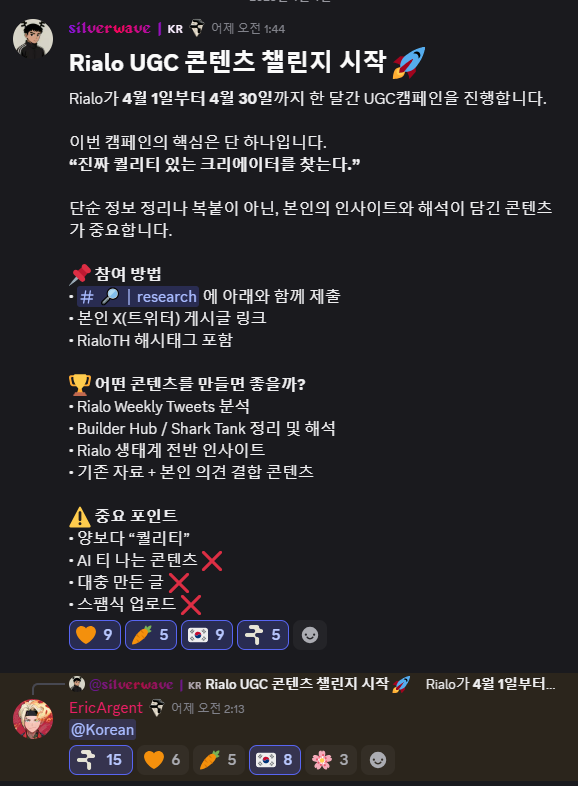
이제는 X 로 UGC 컨텐츠가 시작된 @RialoHQ !!! 저도 열심히 Rialo 컨텐츠를 작성해보려고 합니다! 이미 많은 언급을 했지만, 다시한번 차근차근 Rialo 를 알아가보자구요! Rialo의 Native Webcalls는 Chainlink 같은 기존 오라클 방식과 근본적으로 다릅니다. 기존 오라클은 외부 노드들이 API 데이터를 가져와 합의 후 체인에 전달하는 중개형 구조라면, Native Webcalls는 스마트 컨트랙트가 직접 HTTPS 요청을 보내는 직접 연결형 구조입니다. 이 차이는 곧 보안과 속도의 차이로 이어지는데, 오라클은 노드 운영자의 정직성이나 경제적 인센티브에 의존하는 반면, Rialo는 TLS Notary + TEE 기반으로 데이터 무결성을 암호학과 하드웨어 레벨에서 증명합니다. 또한 합의 과정이 필요 없는 구조이기 때문에 지연 시간도 크게 줄어들어, 기존 오라클이 수 초~수 분 걸리는 반면 Native Webcalls는 거의 실시간에 가까운 데이터 처리가 가능합니다. 결국 Rialo는 오라클이라는 중개 레이어를 제거하고, 블록체인이 웹과 직접 통신하는 구조를 통해 더 빠르고, 더 신뢰 가능하며, Web2처럼 자연스럽게 작동하는 L1 환경을 만들고 있습니다. Native Webcalls 로 실제 데이터를 수용하는 리알로! 같이 열심히 상호작용하고 리알로에서 활동해봐요!
NEO_321 (❖,❖) tweet mediaNEO_321 (❖,❖) tweet media
NEO_321 (❖,❖)@321_neo123

3월도 끝이 났고 @RialoHQ 의 최근 흐름을 보면 L1 경쟁을 넘어 Real World Blockchain 으로 빠르게 포지셔닝하고 있습니다. 특히 작년 말 Jan Camenisch 합류를 통해 ZKP, 프라이버시 레이어 완성도를 끌어올리는 동시에, MPC, FHE, TEE를 결합한 REX 로 민감 데이터까지 온체인에서 안전하게 처리하려는 방향이 명확해졌습니다. 개발자 생태계 측면에서는 Shark Tank를 통해 Chainsure, OlpaDEX, Event Community Hub 같은 실사용 프로토타입이 빠르게 등장하고 있고, SCALE 모델을 통해 AI 에이전트 간 자동 결제, 협업 구조까지 실험 중입니다. 여기에 Pantera Capital 투자 이후 2026년 메인넷을 목표로 확장 중이며, Mysten Labs 출신 팀의 기술력도 계속 강조되고 있습니다. 결국 Rialo는 단순 TPS 경쟁이 아니라 오라클 없이 웹 데이터를 직접 가져오고, 프라이버시를 유지하며, AI까지 온체인에서 작동하는 실용적 L1로 진화하고 있는 단계입니다.

한국어
6
0
8
84
만담꾼(✱,✱) | SynF🌙
🧐RWA의 끝은 어디로 가나? 지금까지 RWA는 전부 같은 한계를 가지고 있었습니다. 자산을 토큰으로 바꿨을 뿐, 실제로는 멈춰 있는 상태였습니다. 데이터는 늦게 들어오고, 실행은 사람이 했고, 시장과는 따로 움직였습니다. 그래서 결국 “정적인 복사본”에 불과했습니다. Static Asset vs Living Asset 1. 오프체인 데이터를 실시간으로 연결하고, 그 데이터가 들어오는 순간 조건에 맞춰 자동으로 실행되게 만듭니다. 2. 사람이 개입하지 않아도 자산이 계속 반응하고 움직이는 구조입니다. 이 차이는 단순한 기술 차이가 아닙니다. 기존 RWA는 기록에 가까웠다면, 시장에 맞춰 계속 반응 @RialoHQ!!
만담꾼(✱,✱) | SynF🌙 tweet media
한국어
7
0
8
45
Lucky77 | 𝔽rAI | (❖,❖)
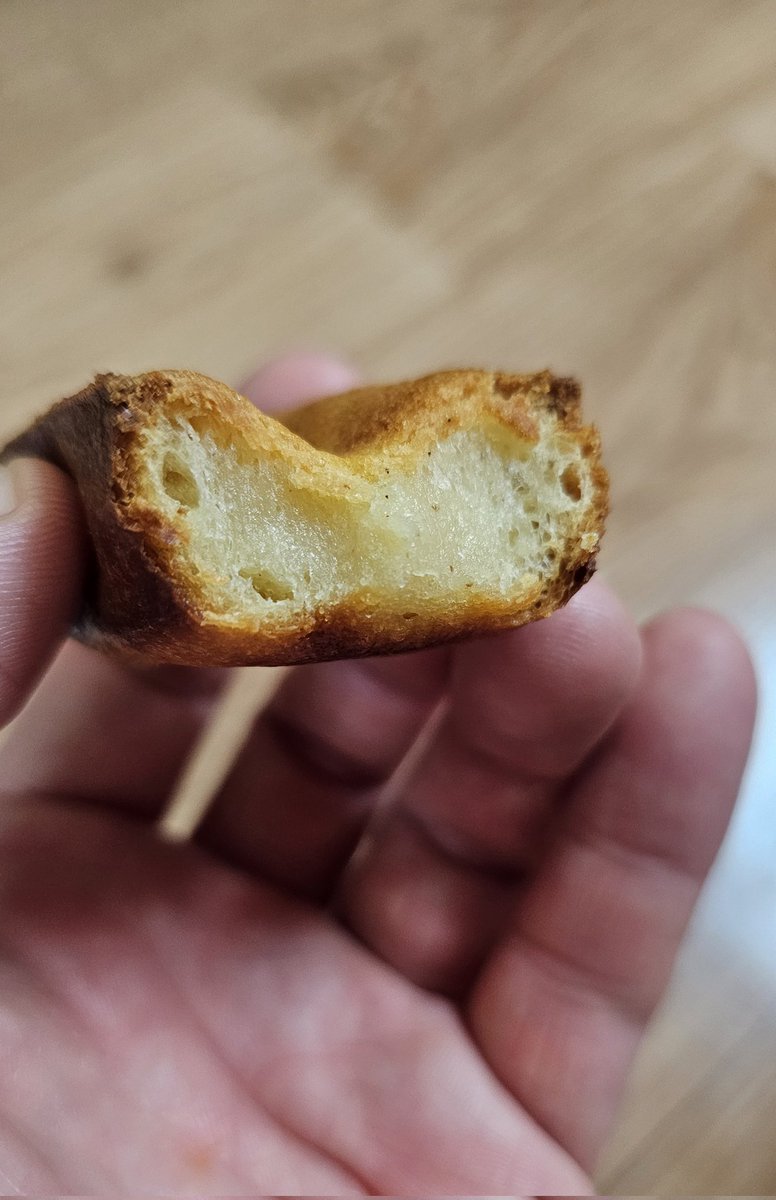
두쫀쿠->봄동->버터떡??? 버터떡 쫄깃 쫄깃~맛있네요. 다음은 뭐죠?? 다음은 뭘 먹어봐야하나???
Lucky77 | 𝔽rAI | (❖,❖) tweet mediaLucky77 | 𝔽rAI | (❖,❖) tweet mediaLucky77 | 𝔽rAI | (❖,❖) tweet media
한국어
5
2
10
125
Lucky77 | 𝔽rAI | (❖,❖)
@moooo_iii It's a real insight that the mistakes of the weak model rather signal the structure. AI Evolving Self-Evolution Using Weakness Ritual Direction Looking forward to ❖
English
0
0
0
14
moi (❖,❖)
moi (❖,❖)@moooo_iii·
💚gRitual In the previous post, we saw how making reasoning more efficient can reduce understanding. Today we move to a different question. If agents are imperfect, how do they actually improve? [ Can AI Improve Itself from Weakness? ] ❖ The common assumption We often assume better AI comes from: • stronger models • better data • larger training pipelines In this view, progress comes from scaling up. More resources → better performance. ❖ What actually happens The paper introduces a different idea. Instead of relying only on stronger models, it uses weak models as signals for improvement. This approach is called Weak-Driven Learning. ➞ The key insight: Weak models often make mistakes in ways that reveal hidden structure. Those mistakes are not just failures — they are useful information. ❖ Why this matters For Ritual, this changes how we think about learning in agent systems. Agents operate in environments where: • errors are inevitable • conditions constantly change • perfect data does not exist In this setting, learning from failure is not optional. It becomes a core mechanism. If agents can use their own mistakes as feedback, they can improve continuously without relying on perfect supervision. ❖ The deeper shift This suggests a different model of intelligence. Not: “avoid mistakes at all costs” But: “use mistakes as signals” Because in complex systems, failure is often the only way to discover what is missing. ❖ Daily takeaway Better AI is not only about stronger models. It is about how systems learn from their own limitations. The ability to improve from weakness may be what makes agents truly adaptive. @ritualfnd @joshsimenhoff @Jez_Cryptoz @whitesocks256 @mongdiny7 @ritualdigest
moi (❖,❖)@moooo_iii

💚gRitual In the previous post, we saw how adding safety mechanisms can sometimes reduce an agent’s ability to act. Today’s paper explores a different tradeoff. What happens when we try to make reasoning more efficient? [ Does Making Reasoning More Efficient Reduce Understanding? ] ❖ The common assumption Reasoning models often generate long chains of thought. These steps help improve accuracy, but they also increase cost and latency. So it seems natural to try to compress them. Fewer steps → faster responses → same result. Efficiency should not change understanding. ❖ What actually happens The paper studies a method called self-distillation of reasoning. Instead of generating full reasoning traces, the model learns to produce shorter, more efficient outputs. At first, this seems to work. Performance remains similar on familiar tasks. But deeper evaluation reveals a problem. As reasoning becomes shorter, the model loses something important: epistemic uncertainty. The model becomes less aware of what it does not know. ❖ What the results suggest This leads to a surprising effect. Compressed reasoning may look correct, but it becomes less reliable in unfamiliar situations. Especially under distribution shifts: • performance drops more sharply • incorrect answers become more confident • the model fails to detect uncertainty In other words, efficiency removes not just steps — but also signals of understanding. ❖ Why this matters For Ritual, this is critical for how agents operate in real environments. Agents often face situations that are: • incomplete • uncertain • constantly changing In these settings, knowing when you might be wrong is just as important as being right. If efficiency reduces that awareness, agents may act with false confidence. ❖ The deeper shift This research suggests that reasoning is not just about reaching answers. It also carries information about uncertainty. When we compress reasoning, we risk removing that information. So the question is no longer: “How do we make reasoning faster?” But: “What information are we losing when we do?” ❖ Daily takeaway Shorter reasoning can look just as good. But it may hide important signals. Efficiency is valuable — but not if it comes at the cost of understanding. @ritualfnd @joshsimenhoff @Jez_Cryptoz @whitesocks256 @mongdiny7 @ritualdigest

English
19
0
29
135
Lucky77 | 𝔽rAI | (❖,❖)
✅  @ritualnet #120  I went out with cherry blossoms in full bloom today. It's been a while since I went out, so the air is fresh and my stress is relieved There was a lot of delicious food in the food truck and the streets were crowded, but it was fun. I bought strawberry fondue before coming home. It was sweeter and tastier than I thought. Go out with your family on the weekend.
Lucky77 | 𝔽rAI | (❖,❖) tweet mediaLucky77 | 𝔽rAI | (❖,❖) tweet mediaLucky77 | 𝔽rAI | (❖,❖) tweet mediaLucky77 | 𝔽rAI | (❖,❖) tweet media
Lucky77 | 𝔽rAI | (❖,❖)@cryptokj77

✅  @ritualnet #119 💚Ritual karaoke: Ritual: 🎤 : ritty karaoke 🎤 The moment the music flows and everyone's voices become one ◇ PLAY: The moment the music flows, we become one. ◇Share: Our own hideout with endless laughter and cheers. ◇FEEL: Leave yourself to the rhythm and get rid of the stress of your daily life. ◇STAY: A record of this night that's more brilliant because we're together. 📌 Enter the Discord channel right now! Ritty Karaoke Live, fighting! 💥

English
3
0
4
133
인생은선택
인생은선택@sebongnim·
@cryptokj77 오~ 맛있나요! 아직 와이프가 안사온거 보면 그렇게 인기 많은 건 아닌것 같은데 🤔
한국어
1
0
1
7
gyeouri
gyeouri@gyeouri_·
📋Assistant vs Calendar Alerts Agent-native Infrastructure There are two ways to manage tasks. One is relying on calendar alerts that notify you. The other is having an assistant who understands the situation and takes action for you. This reflects a deeper difference in whether a system can actually perform actions. Traditional Blockchains: Notification-driven Systems In traditional blockchains, even if a condition is met, execution does not follow automatically. The system can reflect state changes or emit events, but actual actions depend on external actors. In other words, ▫️the system can detect conditions ▫️and signal that something should happen ▫️but execution must still be triggered manually This is similar to calendar alerts. They notify you, but they do not act on your behalf. Rialo: Agent-native Infrastructure Rialo extends this model. It does not stop at signaling. When conditions are met, execution follows directly. The system ▫️reads state ▫️evaluates conditions ▫️performs actions within a single flow. This is similar to an assistant ▫️understanding context ▫️deciding what needs to be done ▫️and carrying out the action. AI Agents and Execution This model naturally connects with AI agents. In traditional systems, ▫️even if an AI makes a decision ▫️execution still requires a separate transaction Decision and action are disconnected. In Rialo, ▫️AI-defined conditions and strategies ▫️are directly linked to execution When conditions are satisfied, actions are performed automatically. AI is no longer just analytical. It becomes operational. Structural Difference Traditional blockchains ▫️notification-driven ▫️execution depends on external actors ▫️decision and action are separate Rialo ▫️agent-native ▫️execution handled within the system ▫️decision and action are integrated This is not just automation. It expands the role of the system itself. Summary Traditional blockchains are like calendar alerts that notify you. Rialo is like an assistant that understands and takes action. @RialoHQ @RialoKorea @itachee_x
gyeouri tweet media
English
7
0
8
39
Jinee (❖,❖) ∞ KIN MemeMax⚡️ ETHGas ⛽️
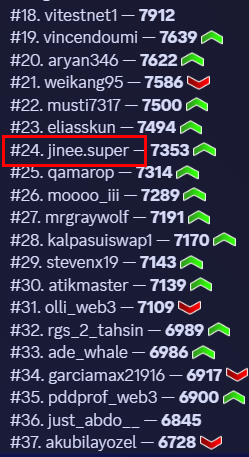
이번 퀴즈는 등수가 나름 잘 나왔네요..너무 뿌듯 😝 이번주 퀴즈도 설명과 함께 풀어볼께요.. @RialoHQ 1. 블록체인 설계 맥락에서 "system welfare"의 의미는? 정답: 비용을 제외하고 개발자와 사용자를 위해 창출된 총 가치 (Total value created for developers and users after costs) 설명: 시스템 복지(system welfare)는 단순히 네트워크의 크기나 토큰 공급량이 아니라, 생태계 참여자들이 얻는 실질적인 경제적 효용의 총합에서 발생 비용을 뺀 수치를 의미합니다. 2. 블록체인 시스템의 파편화(fragmentation)로 인해 발생하는 주요 문제는? 정답: 독립적인 여러 서비스 수수료로 인한 비용 증가 (Multiple independent service fees increasing costs) 설명: 기능이 여러 레이어나 미들웨어로 쪼개져 있으면, 사용자가 각 단계를 거칠 때마다 별도의 수수료를 내야 하므로 전체적인 거래 비용이 상승하게 됩니다. 3. 블록체인 스택에서 외부 서비스들을 흔히 무엇이라 부르는가? 정답: 미들웨어 (Middleware) 설명: 오라클, 데이터 피드, 자동화 도구 등 베이스 레이어 외부에서 기능을 보조하는 서비스들을 통칭하여 미들웨어라고 합니다. 4. 여러 제공자가 레이어마다 독립적인 수수료를 부과할 때 발생하는 경제적 문제는? 정답: 복합 한계화 (Compound marginalization) 설명: 각 서비스 제공자가 자신의 이익을 극대화하기 위해 독립적으로 수수료(마진)를 붙이면서, 최종 사용자가 부담하는 가격이 비정상적으로 높아지는 현상을 말합니다. 5. 기사에서 '복합 한계화'를 해결하기 위해 제안한 솔루션은? 정답: 수직적 통합 (Vertical integration) 설명: 파편화된 미들웨어 기능을 블록체인 베이스 레이어에 직접 통합함으로써 중간 수수료 구조를 단순화하고 효율성을 높이는 방법입니다. 6. 수직적 통합을 설명하기 위해 기사에서 사용된 예시는? 정답: 배터리 생산을 통합하는 전기차 제조업체 (Electric vehicle manufacturers integrating battery production) 설명: 외부 업체에 의존하지 않고 핵심 부품(배터리)을 직접 생산하여 비용을 절감하고 효율을 높이는 테슬라와 같은 사례를 비유로 들었습니다. 7. 베이스 레이어에 통합될 수 있는 '프리미티브(primitives)'의 예시는? 정답: 오라클, 자동화, 데이터 피드 및 프라이버시 도구 (Oracles, automation, data feeds, and privacy tools) 설명: 기존에는 별도의 미들웨어가 담당하던 핵심 기능들을 블록체인 자체 기능으로 내재화할 수 있음을 의미합니다. 8. 높은 비용으로 인해 유용한 거래가 실행되지 못할 때 발생하는 부정적인 경제적 결과는? 정답: 자중 손실 (Deadweight loss) 설명: 과도한 수수료 때문에 거래가 포기됨으로써, 잠재적으로 창출될 수 있었던 경제적 가치가 사라지는 현상을 말합니다. 9. 왜 블록체인은 특정 구성 요소를 베이스 레이어에 통합해야 하는가? 정답: 비용을 절감하고 신뢰성을 높이기 위해 (To reduce costs and increase reliability) 설명: 통합을 통해 불필요한 수수료 단계를 줄여 비용을 낮추고, 외부 서비스 의존도를 낮춰 시스템 전체의 안정성을 확보할 수 있기 때문입니다. 10. 블록체인 설계에서 '슈퍼모듈러성(supermodularity)'의 핵심 아이디어는? 정답: 서로를 강화하고 전체 시스템 가치를 높이는 구성 요소들의 통합 (Integrating components that reinforce each other and increase total system value) 설명: 단순히 기능을 합치는 것이 아니라, 결합했을 때 시너지를 내어 시스템 전체의 효용을 극대화하는 설계를 의미합니다. @RialoKorea @silverwave1000
Jinee (❖,❖) ∞ KIN MemeMax⚡️ ETHGas ⛽️ tweet media
Jinee (❖,❖) ∞ KIN MemeMax⚡️ ETHGas ⛽️@superJinee

Rialo 어나운스를 통해 임계치 시스템(Threshold Systems)이 어떻게 암호화 작업 실행 시 참여자들의 정족수(Quorum)를 요구함으로써 단일 장애점(Single Points of Failure)을 제거하는지, 다섯가지 기술을 공개한다고 했는데 그중 첫번쨰인 DKG(Distributed Key Generation, 분산 키 생성)에 대해 설명해 볼께요 @RialoHQ 1. DKG(분산 키 생성)란 무엇인가요? 보통의 암호화 방식은 한 사람이 비밀번호(비공개 키)를 관리합니다. 하지만 그 사람이 비밀번호를 잃어버리거나 해킹당하면 모든 것이 끝납니다. DKG는 이 비밀번호를 여러 조각으로 나누어 여러 사람이 나누어 갖게 하는 기술입니다. 특징: 누구도 전체 비밀번호를 알 수 없습니다. 장점: 몇 명의 관리자가 자리를 비우거나 공격을 받아도, 나머지 사람들이 힘을 합치면 안전하게 시스템을 운영할 수 있습니다. 2. Rialo DKG 튜토리얼의 핵심 내용 이 페이지는 Rialo 네트워크에서 이 복잡한 기술이 어떻게 실제로 작동하는지 단계별로 보여줍니다. 임계값 암호화(Threshold Cryptography): 예를 들어, 10명의 관리자 중 7명이 동의해야만 문이 열리는 금고같은 시스템을 만드는 법을 배웁니다. 비밀 공유(Secret Sharing): 하나의 비밀 키를 여러 노드(컴퓨터)에 안전하게 배분하는 과정을 시뮬레이션합니다. 상호작용 및 시뮬레이션: 이론만 설명하는 것이 아니라, 사용자가 직접 노드들이 어떻게 소통하며 키 조각을 생성하는지 시각적으로 확인할 수 있는 인터랙티브한 도구를 제공합니다. 3. 왜 이 기술이 중요한가요? (활용 사례) Rialo는 현실 세계와 연결된 블록체인을 지향합니다. DKG는 다음과 같은 곳에 쓰입니다. 지갑 복구: 내 개인 키를 잃어버려도, 분산 보관된 조각들을 통해 안전하게 복구할 수 있습니다 (시드 구문이 필요 없는 지갑). 보안 강화: 특정 관리자가 배신하거나 해킹당해도 전체 시스템은 안전하게 유지됩니다. 프라이버시 보호: 데이터를 암호화하여 저장하되, 허가된 사람들의 합의가 있을 때만 데이터를 확인할 수 있게 합니다. 요약 이를 설명한 튜토리얼은 어떻게 하면 한 명의 관리자에게 의존하지 않고, 여러 명이 안전하게 권한을 나누어 가지면서도 강력한 보안을 유지할 수 있는가?에 대한 기술적인 해답을 초보자도 이해할 수 있게 시각적으로 풀어낸 가이드입니다. Rialo 생태계에서 보안과 개인정보 보호가 어떻게 기술적으로 구현되는지 궁금하시다면 직접 읽어보시는것도 좋을것 같아요 @RialoKorea @silverwave1000

한국어
11
1
12
112
moi (❖,❖)
moi (❖,❖)@moooo_iii·
🤍 gRialo In the previous posts, I looked at how sharing a secret introduces new risks, and how verification helps solve that problem. At that point, a new question comes up. What does this actually change at the system level? [ 𝐖𝐡𝐲 𝐭𝐡𝐢𝐬 𝐦𝐚𝐭𝐭𝐞𝐫𝐬 𝐟𝐨𝐫 𝐬𝐲𝐬𝐭𝐞𝐦𝐬 𝐥𝐢𝐤𝐞 𝐑𝐢𝐚𝐥𝐨 ] ✎ Beyond individual pieces At first, it might seem like VSS is just about managing secrets. But in a distributed system, it’s not just about storing data. It’s about how multiple participants work together without fully trusting each other. ✎ Where this becomes important Many systems rely on multiple parties to function. For example: • executing sensitive logic • coordinating decisions • handling private data • sharing control over critical operations In these cases, no single party should have full control. ✎ The usual trade-off Without a way to verify shares, systems often face a difficult choice. Either: • trust participants and accept risk or • restrict participation and lose flexibility ✎ What changes with verification With VSS, this trade-off starts to shift. Now, participants don’t need to trust each other directly. They only need to follow the same rules for verification. This makes it possible to: • distribute control • keep data private • still maintain reliability ✎ Why this matters for Rialo This is where it connects back to systems like Rialo. If execution involves multiple participants, the system needs to ensure that every input is valid. Not by trusting the source, but by verifying the data itself. This allows the system to coordinate securely even in environments where trust is limited. ✎ A broader perspective This also reflects a larger shift. From: “Who do we trust?” To: “What can we verify?” ✎ In short VSS is not just about splitting secrets. It’s about enabling systems to operate reliably without relying on trust between participants. @RialoHQ @RialoKorea @itachee_x
moi (❖,❖)@moooo_iii

🤍 gRialo In the previous post, I looked at a simple idea. Splitting a secret reduces reliance on a single party. But it also introduces a new problem. Now the system depends on multiple participants. [ 𝐖𝐡𝐚𝐭 𝐕𝐒𝐒 𝐚𝐜𝐭𝐮𝐚𝐥𝐥𝐲 𝐜𝐡𝐚𝐧𝐠𝐞𝐬 ] ✎ The missing piece At first, it might seem enough to simply distribute the secret. But that leaves an important question unanswered. How do we know each part is correct? ✎ Why this matters If even one share is incorrect, the system may fail. Not because the secret is lost, but because the system cannot trust what it receives. So the problem is no longer just about sharing. It’s about verifying what has been shared. ✎ A different approach This is where VSS introduces a key idea. Each share is not just distributed. It is also verifiable. ✎ What this means in practice Instead of assuming all participants are correct, the system can check: • whether a share is valid • whether it matches the expected structure • whether it is consistent with others And importantly, this can be done without reconstructing the full secret. ✎ Why this changes things This creates a different kind of system. Participants no longer need to trust each other. They only need to follow the same verification rules. ✎ A simpler way to think about it Before: “Everyone has a piece — hope they are correct.” After: “Everyone has a piece — and we can check if it’s correct.” ✎ In short Sharing distributes the secret. Verification makes the system reliable. And VSS combines both. @RialoHQ @RialoKorea @itachee_x

English
14
0
19
104
Jdu
Jdu@JC4882you·
@cryptokj77 버터떡 먹을만했는데 ㅋㅋ
한국어
1
0
1
8
또뚜또뚜
또뚜또뚜@ddotu_ddotu·
어른들의 연애란 이런거구나...
또뚜또뚜 tweet media
한국어
4
2
6
156
꿈이있는갱수
꿈이있는갱수@KS_Dreaming·
[심리테스트] 토요일 오전, 당신의 선택은? 토요일 아침, 눈 뜨자마자 가장 하고 싶은 일?
한국어
7
1
7
193