پن کیا گیا ٹویٹ
Funsho
19.2K posts

Funsho
@devfunsho
Human | Husband | Tech bro | Aspiring Finance bro
Lagos, Nigeria شامل ہوئے Ağustos 2010
697 فالونگ5.4K فالوورز
Funsho ری ٹویٹ کیا
I just published 9 AI Search API Features Every Agent Should Be Using in 2026 (With Examples)
medium.com/p/9-ai-search-…
English
@unicodeveloper @claudeai Abeg na 😂😂😂
Don’t let them increase subscription cost 🤲🏾😭
English
Funsho ری ٹویٹ کیا

We've seen this one play out a few times now.
The team is under pressure to ship, and the deadline was yesterday. The DevOps engineer, with three days of bad sleep and back-to-back standups, is moving fast through YAML configs just to get it over the line.
Two weeks later, there's an incident. The database was publicly exposed. The customer’s data was accessible.
Not because anyone was careless. Not because they didn't know what a secure config looks like. They knew. They were just moving too fast, in a moment where one missed setting was all it took.
Around 80% of cloud security exposures trace back to misconfiguration. Not sophisticated attacks. Not zero-days. Just configuration drift, skipped steps, and good engineers in bad conditions.
The pattern is always the same: the pressure comes from the business, lands on the delivery team, and the thing that gives first is the thing nobody can see until it's too late.
Shipping slower isn't the answer. But building a process that only holds together when your team is well-rested and unrushed — that's the actual problem.
The teams that stop having these incidents aren't more careful. They've just removed the steps that depend on someone remembering.
The teams that stop having these incidents aren't more careful. They've just automated the parts of the process where human error under pressure is almost guaranteed.
English
Funsho ری ٹویٹ کیا

Funsho ری ٹویٹ کیا

A Nigerian fintech founder raised $2M, built a slick app, onboarded 40,000 users.
Then CBN, NDPC, and FCCPC came knocking at the same time.
He had no licence. no DPO. no KYC tier structure. no breach policy.
The company didn’t survive 2024.
Here’s every rule you must know before you build:
English
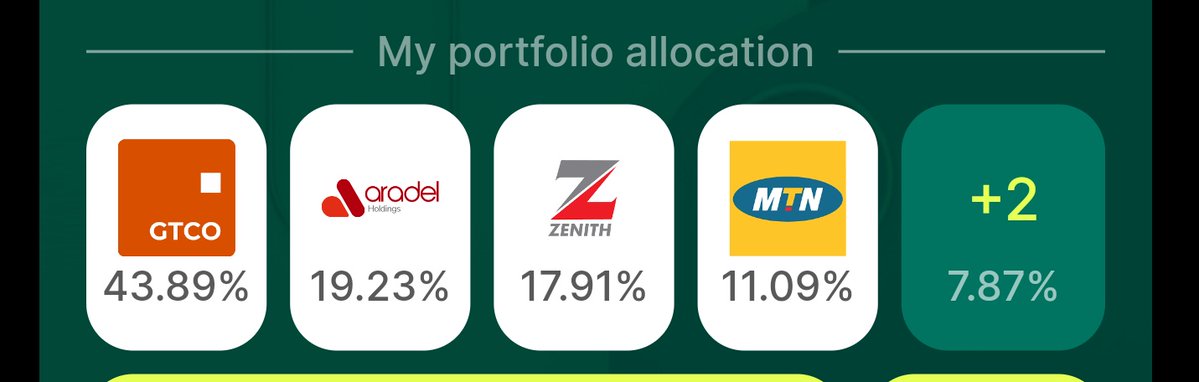
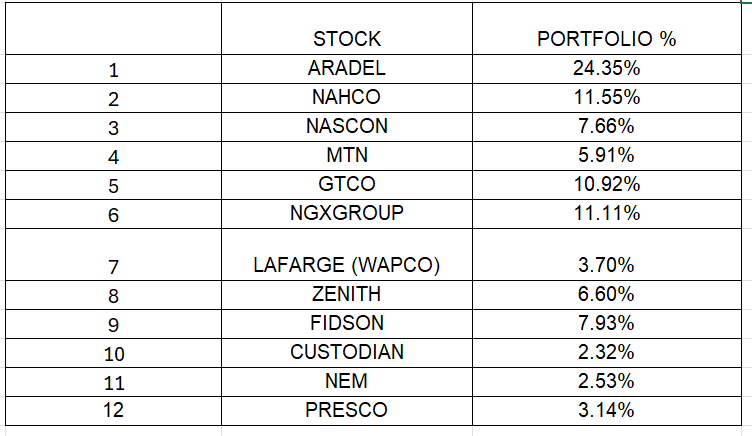
@paulhi55 @izykon @MudiTheInvestor @MekaOjukwu @Rxbremen @abalu_uthman @the_goodfemi @anthonyuzum @TNIPodcaster Too exposed to the banking sector
English

@izykon @MudiTheInvestor @MekaOjukwu @Rxbremen @abalu_uthman @the_goodfemi @anthonyuzum @TNIPodcaster My portfolio
English

What would you add or remove and what percentage weights would you change and why? @MudiTheInvestor @MekaOjukwu @Rxbremen @abalu_uthman @the_goodfemi
English
Funsho ری ٹویٹ کیا
I’m deeply concerned by the continued silence of @SECNigeria and @ngxgrp regarding the serious infraction committed by @Afrinvest over the glitch that resulted in unauthorized trades on multiple clients’ accounts.
Despite assurances that “the issue has been resolved,” it clearly has not — and this lack of transparency only heightens investor anxiety. I urge @SECNigeria, @ngxgrp, and @fccpcnigeria to act swiftly to safeguard investors, uphold market integrity, and restore confidence in the system.
If @Afrinvest cannot resolve this situation promptly, I will be advocating for the revocation of their license. This matter has lingered for far too long, and the continued execution of trades without clients’ authorization is unacceptable and demands immediate regulatory intervention.
English
Funsho ری ٹویٹ کیا

Funsho ری ٹویٹ کیا

@Afrinvest response to this situation is deeply concerning.
A system glitch on their platform executed multiple unsolicited trades on investors’ accounts… and now they’re asking those same investors to bear the financial consequences?
Let’s be clear:
These were not user-initiated transactions.
No investor placed those orders.
This was a broker-side failure.
Yet the resolution being offered is:
“Fund your wallet or sell the shares.”
So investors are now forced to:
• Inject fresh cash to fix a problem they didn’t create, or
• Sell positions they never intended to hold
And here’s an even bigger question nobody is answering:
Who pays for the transaction costs?
Because every trade comes with:
• CSCS charges
• Broker commissions
• SEC/NGX fees
• VAT and other taxes
If these trades were triggered by a system glitch, why should investors also bear:
the cost of execution… and the cost of reversing it?
That means investors could lose money even if they immediately sell, simply because of fees tied to trades they never authorized.
How is that acceptable?
Ownership of the shares is being used as justification, but let’s not ignore the core issue:
Consent.
These trades were executed without investor authorization.
In any fair and properly regulated market:
• Unauthorized trades should be reversed, or
• The institution at fault should absorb all associated costs
Not pass everything onto the customer.
This is bigger than Afrinvest.
It’s about market integrity, investor protection, and accountability.
Because if this becomes the standard, then every retail investor is exposed to system risks they cannot control…
…and still forced to pay for.
That should worry all of us
English
Funsho ری ٹویٹ کیا
I built an open-source X-ray into Wall Street. The world's first AI Whale Radar!
Track in real-time from SEC filings:
-> Institutional holdings
-> Every Insider activity
-> Whale moves
Retail investors react. Whales position. 🐳
🔗 open-whales.com
English
Funsho ری ٹویٹ کیا
"Slow down, you are making the rest of us look bad.'
Never slow down excellence.
Just reduce the noise around it.📌
English
@greentickertale Companies will promise dividend a set ex dividends date to four months away.
Banking on future cash flow and income to pay dividend
English

Funsho ری ٹویٹ کیا
Interesting.
Packaging costs are one of NB's major cost components, especially for its non-alcoholic and soft drink brands (Maltina, Amstel, Fayrouz, Climax, Zagg, etc.).
Deals like this may be seen as a strategic decision to secure a domestic supply of packaging material, which reduces their dependence on imported virgin PET. Given naira volatility and FX scarcity in Nigeria, this makes sense.

English
@Okwxkwe @unicodeveloper I remember when I would park and be smelling my brake pads.
We thank God for changed heart 😅
English

@unicodeveloper @devfunsho Omo. Brake pad change every two weeks compulsorily 🤣🤣🤣
English
This is how @devfunsho used to drive before Jesus Christ called him.
Jazzy@arabornot
The cops barely knew they’ve lost him.
English
@devfunsho It means we have to get @Samson_Goddy to marry. So he can calm down too
English
@hackSultan @devfunsho We are still praying and fasting for that one
English
@Oladayo_Adenubi Lmaoo... Na so dem dey do.
Revenue growth all these years has been because of monstrous price increases. But yeah, "aggressive scaling".
English