
The most dangerous moment in a stabilization is not the shock. It is the calm that follows.
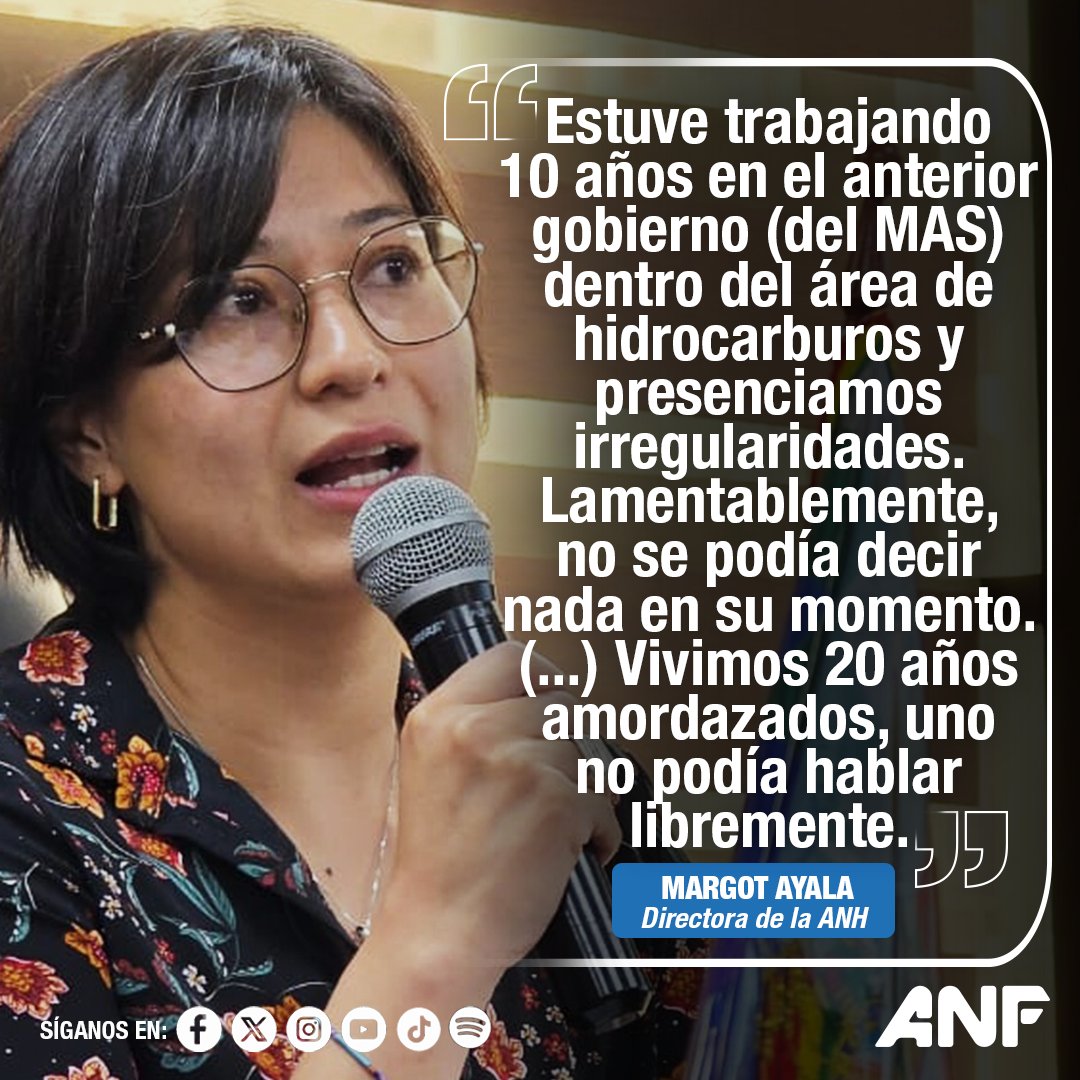
Bolivia has lifted fuel subsidies. Protests are starting, the government is negotiating, and markets have already moved on. Spreads have compressed. Market access suddenly looks imaginable again.
That is exactly when bad sequencing becomes tempting.
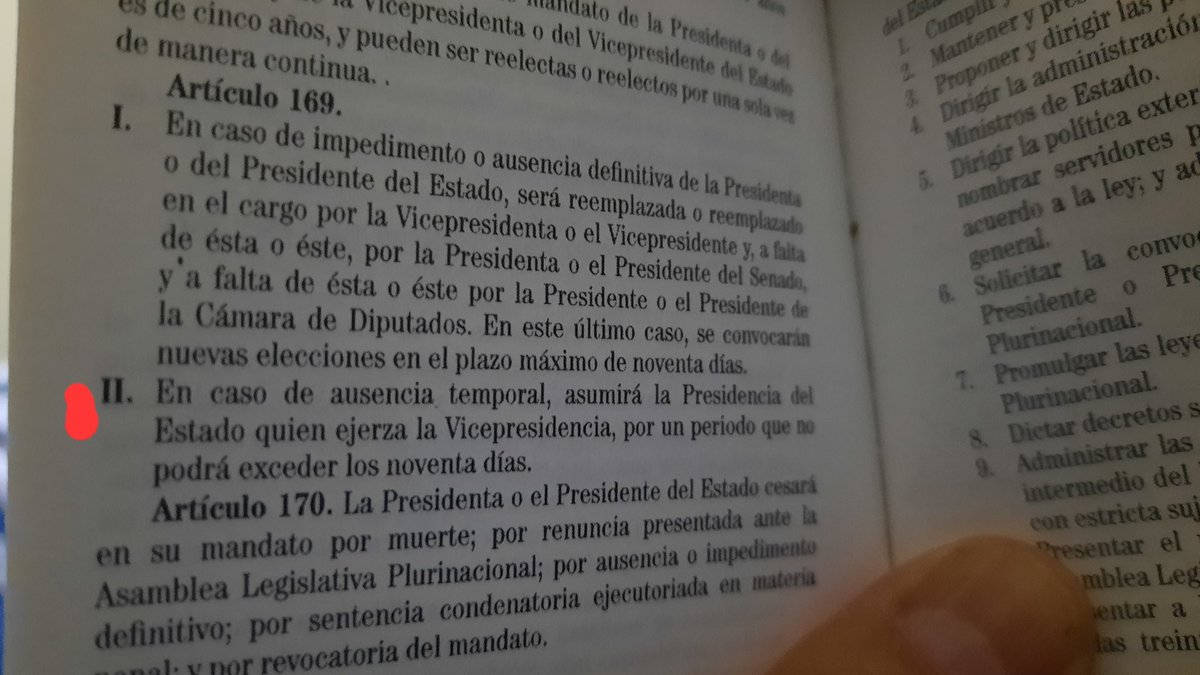
In Stuck in the Loop, Part II, I look at why this moment feels like progress and why it is not. How market appetite can return before the macro regime is fixed. Why Bolivia’s debt composition matters more than the headline ratio. And why low reserves turn “going back to markets” into a much harder problem than it appears.
This is the second entry in a time-loop series on Bolivia’s recurring adjustment cycle. Same country. Different cast. The same structural trap around timing and escape.
The danger is not that Bolivia cannot borrow.
The danger is that it can.
Link below.
linkedin.com/pulse/stuck-lo…
English