پن کیا گیا ٹویٹ
Luca
366.1K posts

Luca
@folucar
«La democrazia è relativistica perché dialogica e aperta, la strada per dire “ci siamo sbagliati” deve restare sempre aperta».G. Zagrebelsky, ImparareDemocrazia
Italia شامل ہوئے Ekim 2011
4.7K فالونگ2K فالوورز
Luca ری ٹویٹ کیا

E sorridevi. E sapevi sorridere, coi tuoi vent'anni portati così.
Italiano
Luca ری ٹویٹ کیا
Luca ری ٹویٹ کیا

#Meloni è andata a #Baku nella notte, s'è tuffata sul palco della #COP29, ha detto "sono una madre" per giustificare due cosarelle contro la #transizione energetica, poi è scesa e ha ripreso l'aereo per Roma, consumando 5,3 tonnellate di CO2 equivalente. Tanto valeva su Zoom, eh?
Italiano
Luca ری ٹویٹ کیا
Luca ری ٹویٹ کیا

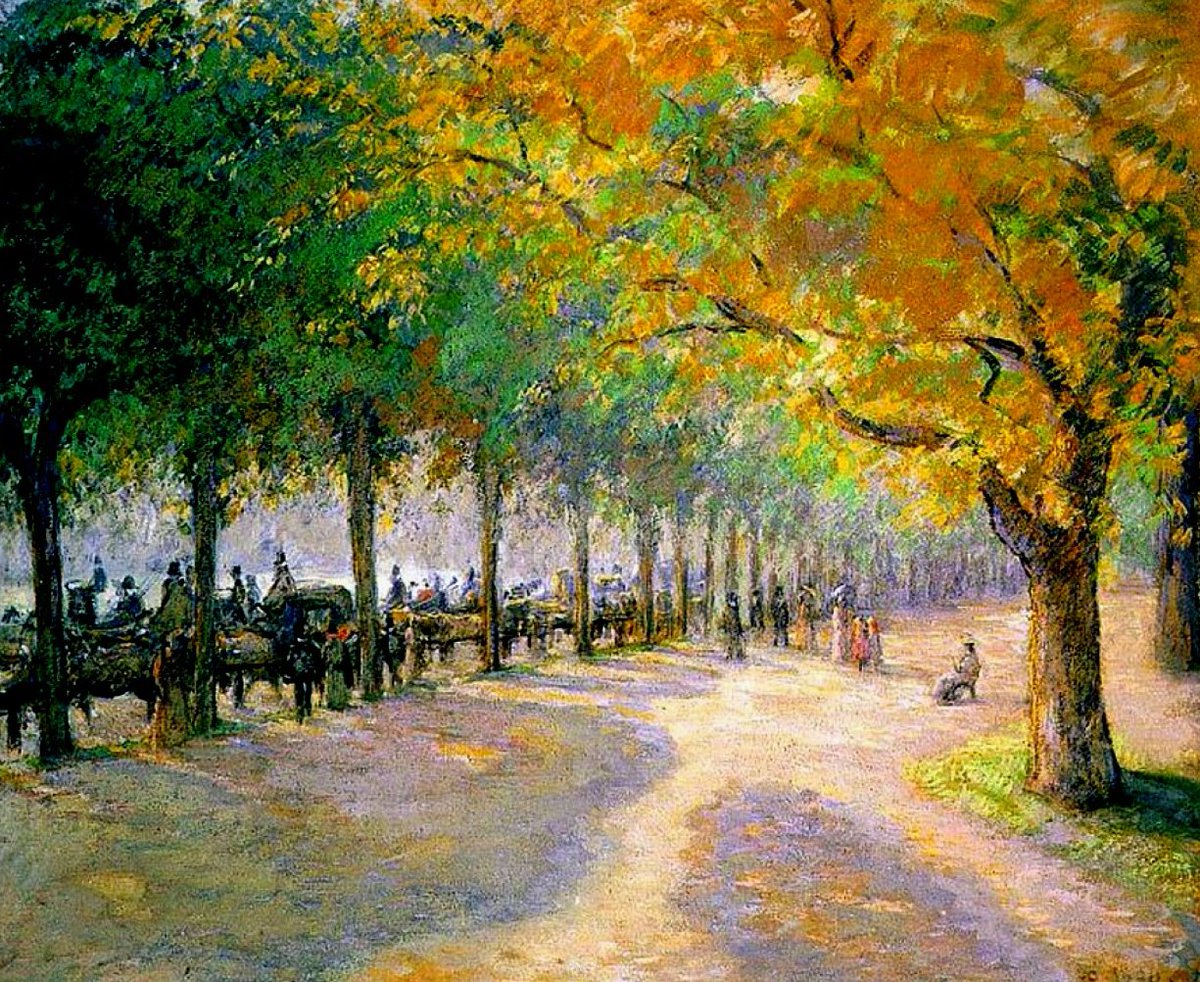
Ieri a Milano tre splendide e partecipatissime iniziative per i nostri 80 anni. "Mai senza Resistenza, guardando al futuro. Ecco il primo servizio del Tg3 nazionale - 12 novembre ore 12 ❤️ #ANPI80 #maisenzaresistenza
Italiano
Luca ری ٹویٹ کیا

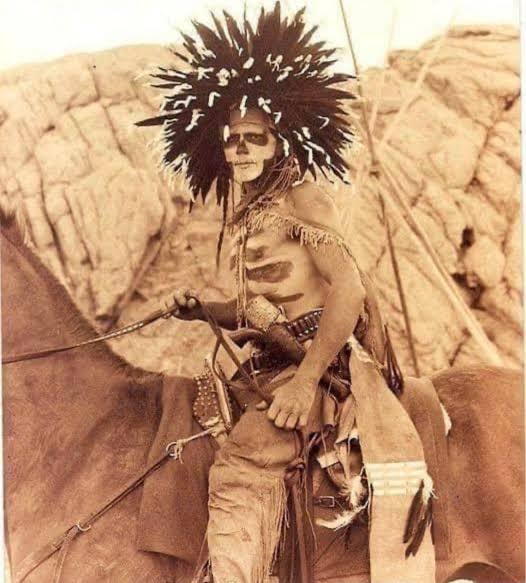
Cheyenne, a nation of Plains Indians that have inhabited Great Plains and lands of present-day Wyoming, Colorado, Nebraska, and Kansas since early 1800s. Today, they are federally recognised as two tribes: Southern Cheyenne of Oklahoma and Northern Cheyenne of Montana. They call themselves “Tsétsėhéstȧhese” (People) in Cheyenne language.
At first European contact, Cheyenne was a tribe living in Minnesota. Their economy was based on bison hunting and collecting wild rice. By early 1700s they had been forced into Dakotas by other migrating tribes, where they embraced horse culture and introduced it to Lakota in 1730. They formed a close alliance with Arapaho from 1811. They played a role in pushing Kiowa further south and were themselves pushed further west by Lakota and Ojibwe.
Cheyenne’s main group was comprised of ten bands stretching across Great Plains from South Dakota’s Black Hills to southern Colorado. These bands ultimately unified. Of all Plains tribes, Cheyenne were most notable for their war society, and they were powerful, skilled horseback warriors. Despite relatively small numbers, they were able to hold back or overcome their opponents and were of more concern to European pioneers travelling west than most other tribes combined (except, perhaps, for fearsome Comanche). War became a primary concern for Cheyenne; warriors were viewed by Cheyenne not as warmongers but as leaders and protectors. Their enemies were many, including Crow, Blackfeet, Shoshone, Plains Cree, Sioux, Pawnee, Nez Perce, Iowa, Omaha, Comanche, Plains Apache, Osage, and many others – but none more so than Kiowa and US Army.
The name “Dog Soldiers” arose from Cheyenne legend that tells of dogs transforming into fierce and fearsome fighters. Dog Soldiers were one of six military societies of Cheyenne, and its most powerful, distinctive and aggressive. Founded in 1830s, they followed a very strict military creed and with extremely effective battle tactics, they commanded (and were accorded) respect similar to today’s Navy SEALs.
Coming to prominence in 1800s as part of Indian resistance against American government’s expansionism, they were unequivocally hostile to their opponents. While other Cheyenne chiefs were open to diplomatic talks with white leaders, Dog Soldiers opposed all peaceful policies and chose war as their response. They came to undermine their own Chiefs’ authority and in 1860 refused to sign treaty that would have forced their tribe onto reservations. They were critical to Cheyenne resistance to expansion into their territory and were participants in many famous battles.
Dog Soldiers were easily identifiable: they wore eagle-wing bone whistles suspended from a thong around their necks and large feather bonnets on which feathers of birds of prey were placed upright. Their belts were made from skunk skins. They were armed with bows and guns. Their songs were accompanied by a rattle in shape of a snake. Elite soldiers also wore “Dog Ropes”; these were sashes crafted from buffalo skin adorned with feathers, beads and porcupine quills and worn over right shoulder and under left arm. The very bravest of these warriors fringed their leggings with human hair (scalps). Soldiers were grouped with one leader per seven assistants, of whom four were chosen for their courage to lead in battle. In battle, each of these soldiers would stake his location to ground via his Dog Rope and remain pinned there until battle was over and another soldier released it.
In 1865, Dog Soldiers were conducting various raids, particularly along Platte River. They were not controllable by their tribal Chiefs. In 1869, many of band were killed in Battle of Summit Springs. By mid-1870s, their power waned on great Plains as American expansionism overcame pushbacks. Society henceforth became a lot smaller and more secretive. To this day, society of Cheyenne Dog Soldiers still exists and some of these warriors continue to serve in US military.
#archaeohistories
English
Luca ری ٹویٹ کیا
A tutti quei patrioti poveri che sono entusiasti perché Elon Musk è bravo perché ha guadagnato 20 miliardi con le elezioni di Trump, vorrei ricordare che quei miliardi erano dei Patrioti poveri.
Italiano
Luca ری ٹویٹ کیا
In un mondo che brucia e si allaga, oggi, di cosa ha parlato Meloni a COP29?
Di fusione nucleare.
Non ha menzionato la fissione, che almeno è un'opzione reale, ma la fusione, che è un'energia che non esisterà per decenni, gli unici che abbiamo per risolvere la crisi climatica.
Italiano
Luca ری ٹویٹ کیا
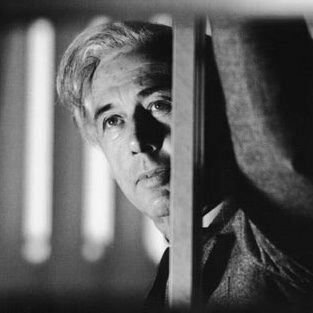
On this day, 99 years ago, Sergei Eisenstein's "Battleship Potemkin" (1925) premiered in Paris, France.
English
Luca ری ٹویٹ کیا

La grande battaglia liberale per difendere la libertà di parola di Elon Musk è cominciata.
semanthide@semanthide3
Buongiorno principesse!
Italiano
Luca ری ٹویٹ کیا
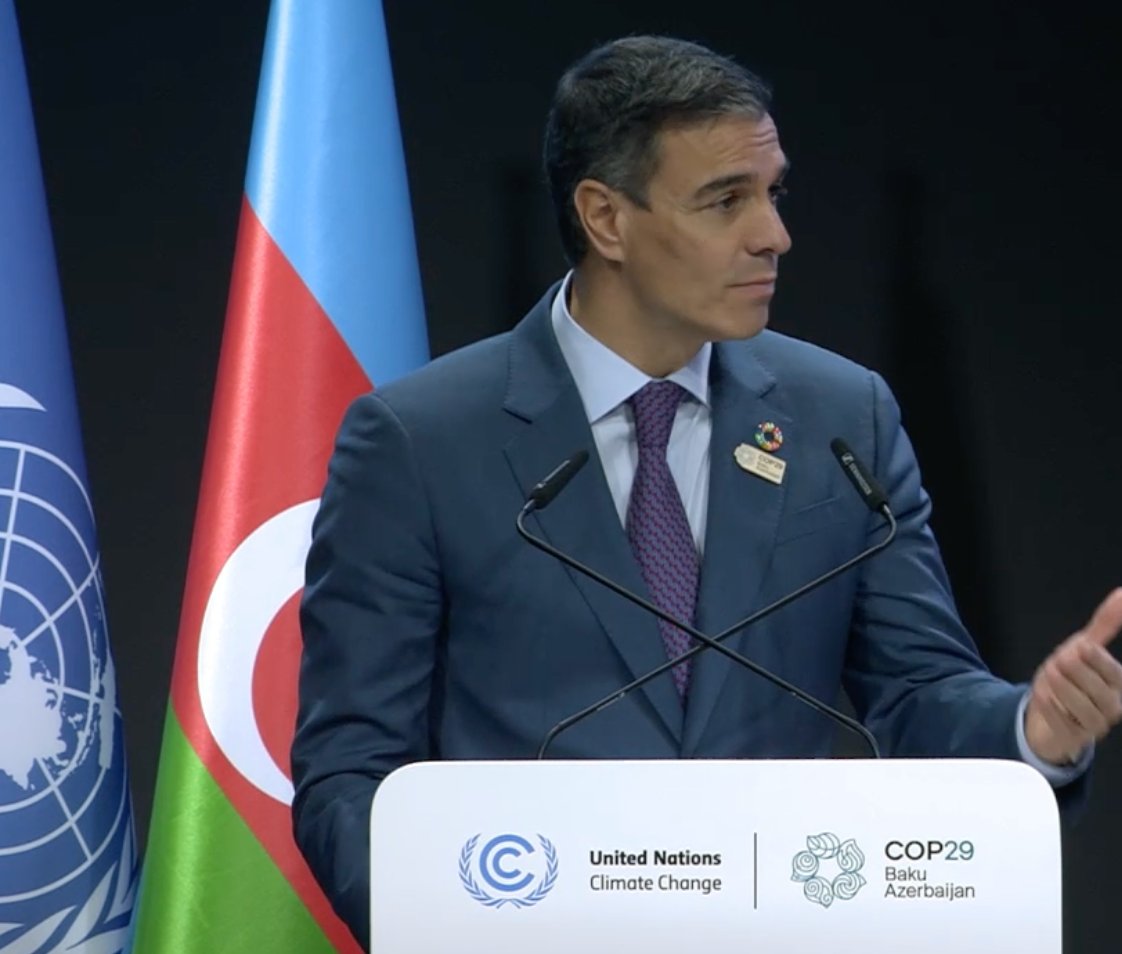
Un discorso alto, quello di Sánchez, il più importante di oggi a COP29, il frutto di tutto il dolore di Valencia. «C'è una sola cosa importante quanto aiutare le vittime di quel disastro, ed è evitare che si ripeta», ha detto. È toccato a un leader europeo dire la verità, e dirla forte e chiara: «Siamo uno dei paesi più vulnerabili al cambiamento climatico, abbiamo sofferto il peggior disastro della nostra storia. La transizione non è facile, ma è possibile. Non è vero che sarà la classe media a soffrirne, la classe media e i lavoratori sono quelli che soffrono di più per i disastri come il nostro. Salviamo i cittadini, salviamo l'economia e salviamo il pianeta».
Italiano
Luca ری ٹویٹ کیا

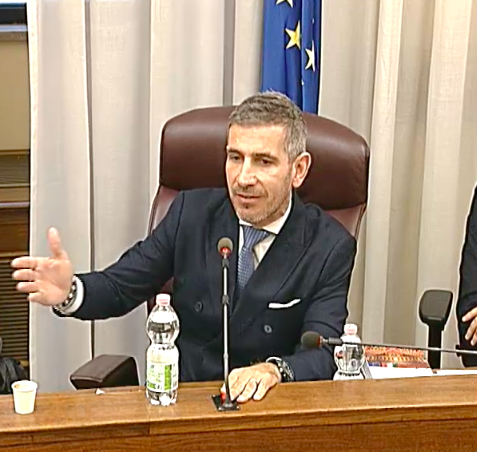
In commissione Covid.
“Presidente Lisei potrebbe citare le fonti dalle quali lei attinge le sue affermazioni?”
Lisei (FdI): “Io sono il Presidente, non accetto domande. Io non voglio risponderle. Il Presidente non risponde a niente”.
Mi pare giusto…
Italiano
Luca ری ٹویٹ کیا

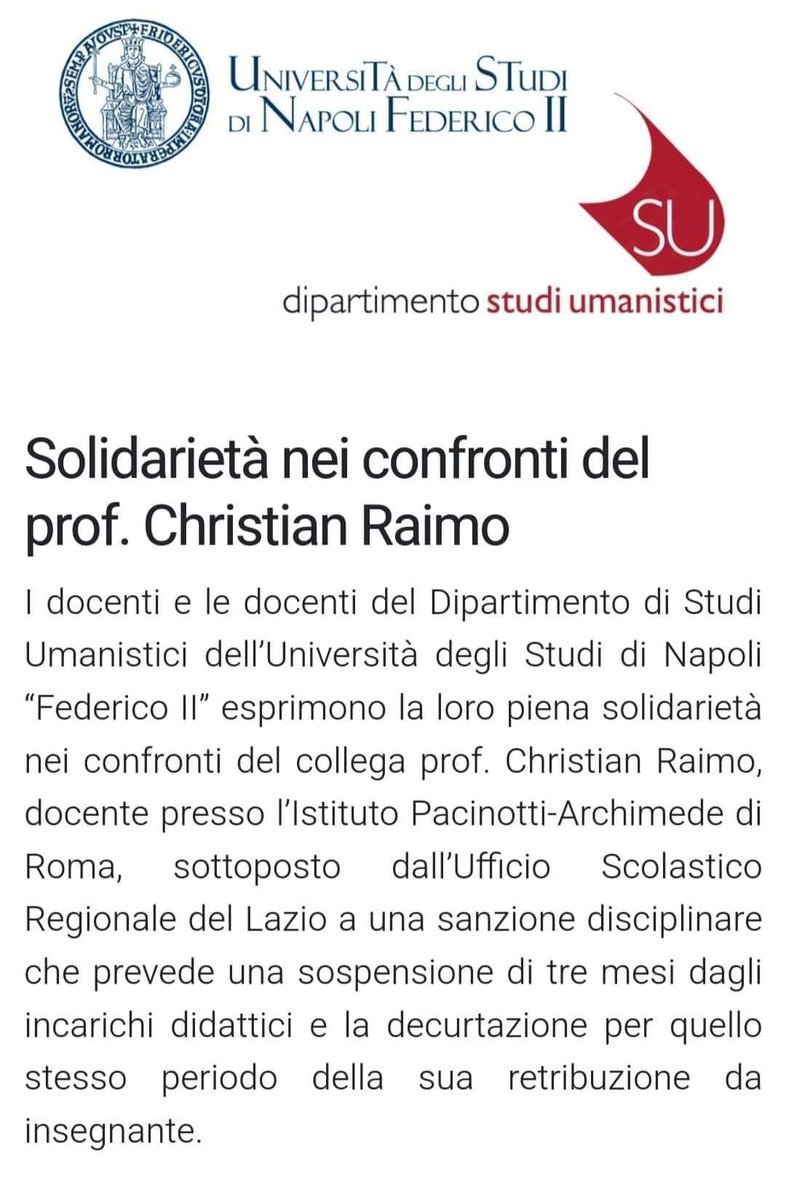
La casa editrice Laterza esprime solidarietà e sostegno a @christianraimo, curatore per noi del volume "Alfabeto della scuola democratica", in questi giorni in libreria: laterza.it/2024/11/12/sol…
Italiano
Luca ری ٹویٹ کیا

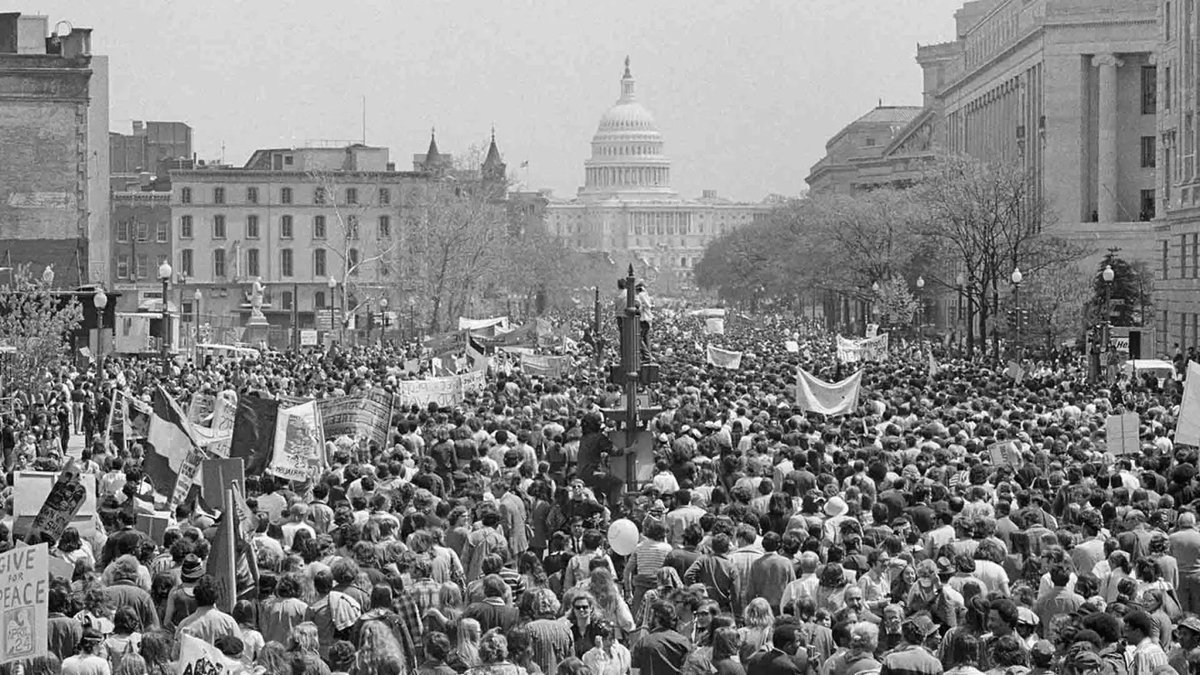
13 novembre 1969
Marcia contro la guerra in Vietnam: in 500mila a Washington
Español
Luca ری ٹویٹ کیا
Luca ری ٹویٹ کیا
Luca ری ٹویٹ کیا
Passerà, questo terrificante "cattivismo" d'accatto, da elite al servizio di potenti e ricchi. Non hanno niente se non l'arroganza e i rutti disumani.
Il vantaggio di una vita e una umanità che riconosce tutti gli altri propria comunità tornerà, con stile. Non c'è altro modo.
Italiano
Luca ری ٹویٹ کیا

Luca ری ٹویٹ کیا
Ora, santa pazienza, e sorvolando sui precedenti, perché un arnese del genere dovrebbe “rappresentare l’Italia” nella Commissione Europea se non è in grado nemmeno di salutare un collega che incontra in corridoio in una lingua conosciuta? Ma che abbiamo fatto di male?
GaLucio@galluzzilucio
MA PERCHÈ DOBBIAMO FARE QUESTE FIGURE DI MERDISSIMA? #Fitto: ai em combing mai air, de dog is biaind de ket, ai laik ais krim, ai spik veri uel dis lengueg... #IMBECILLI_al_potere
Italiano
Luca ری ٹویٹ کیا