Ghost of Hellas ری ٹویٹ کیا

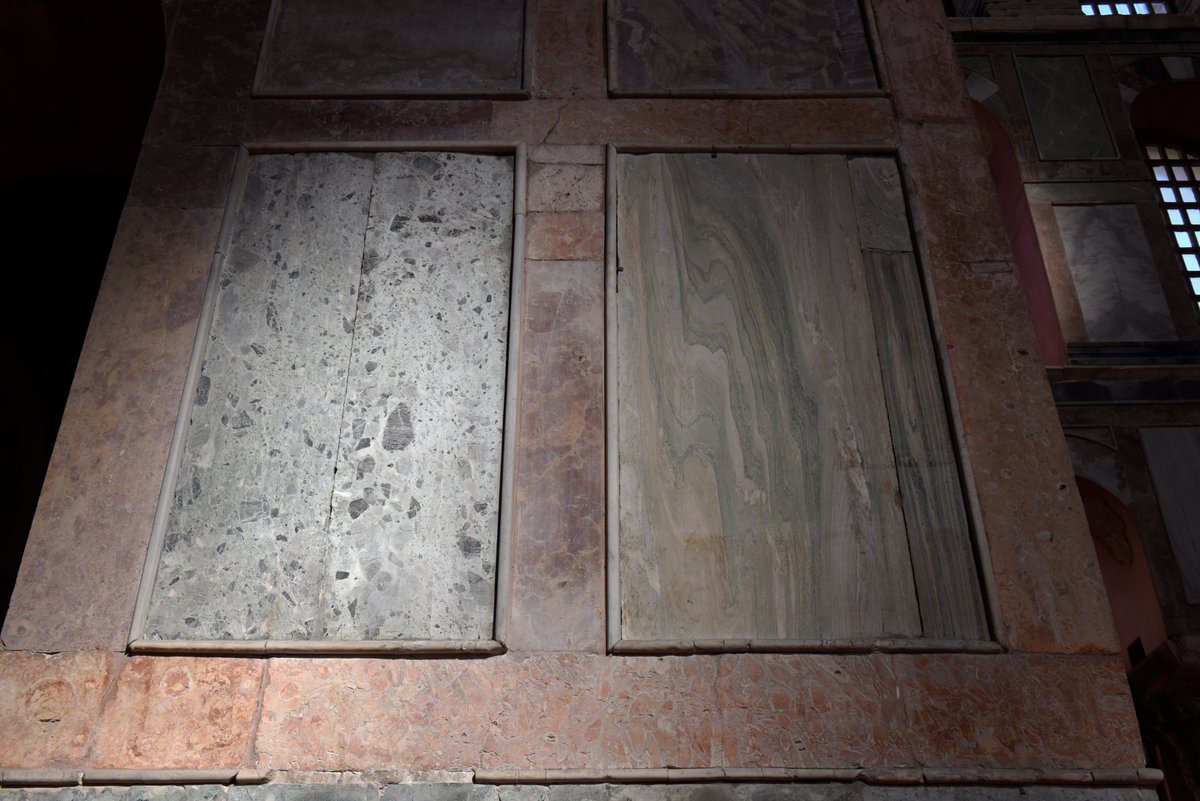
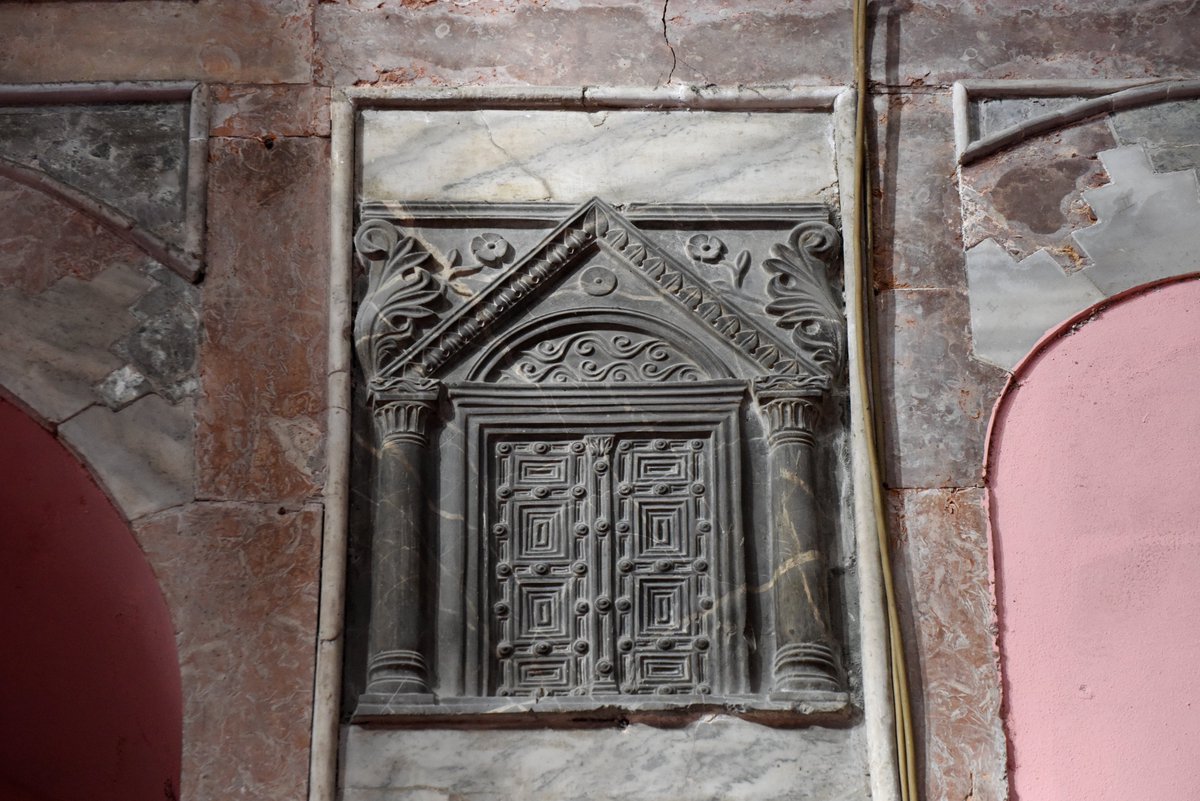
6th-century door plaques made of black breccia with white veins
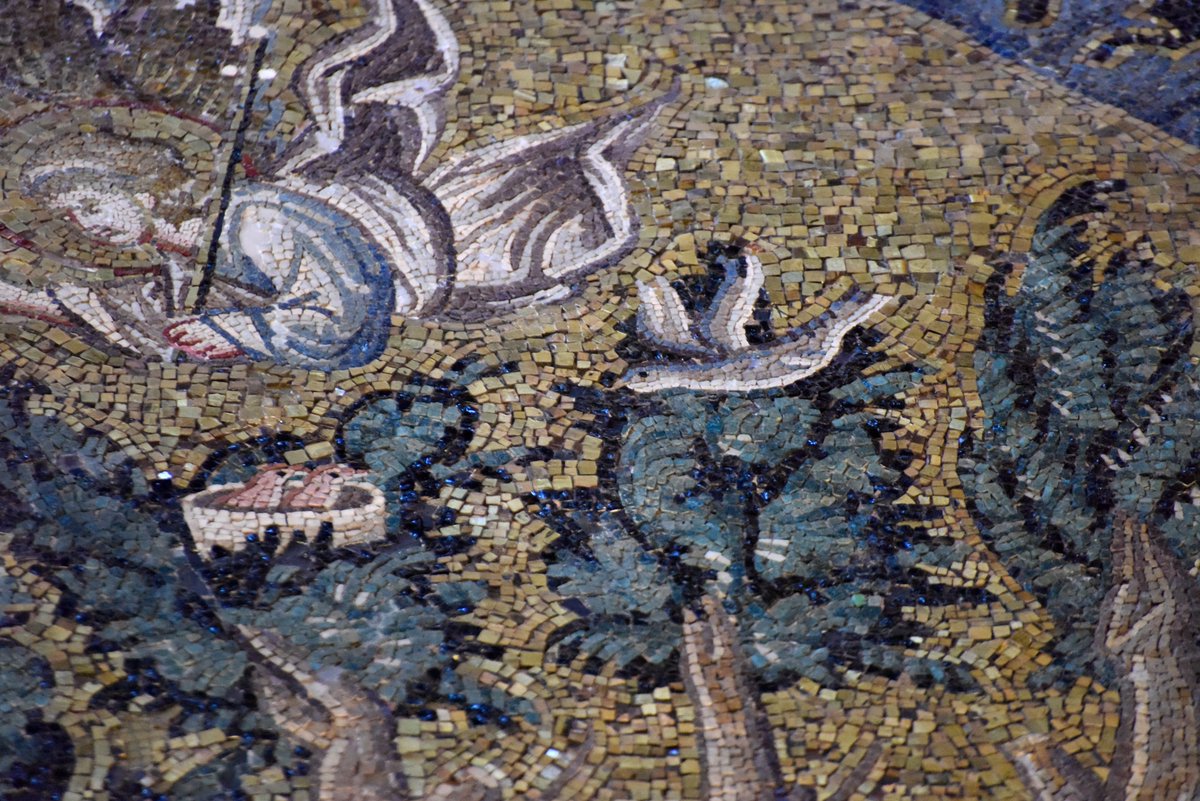
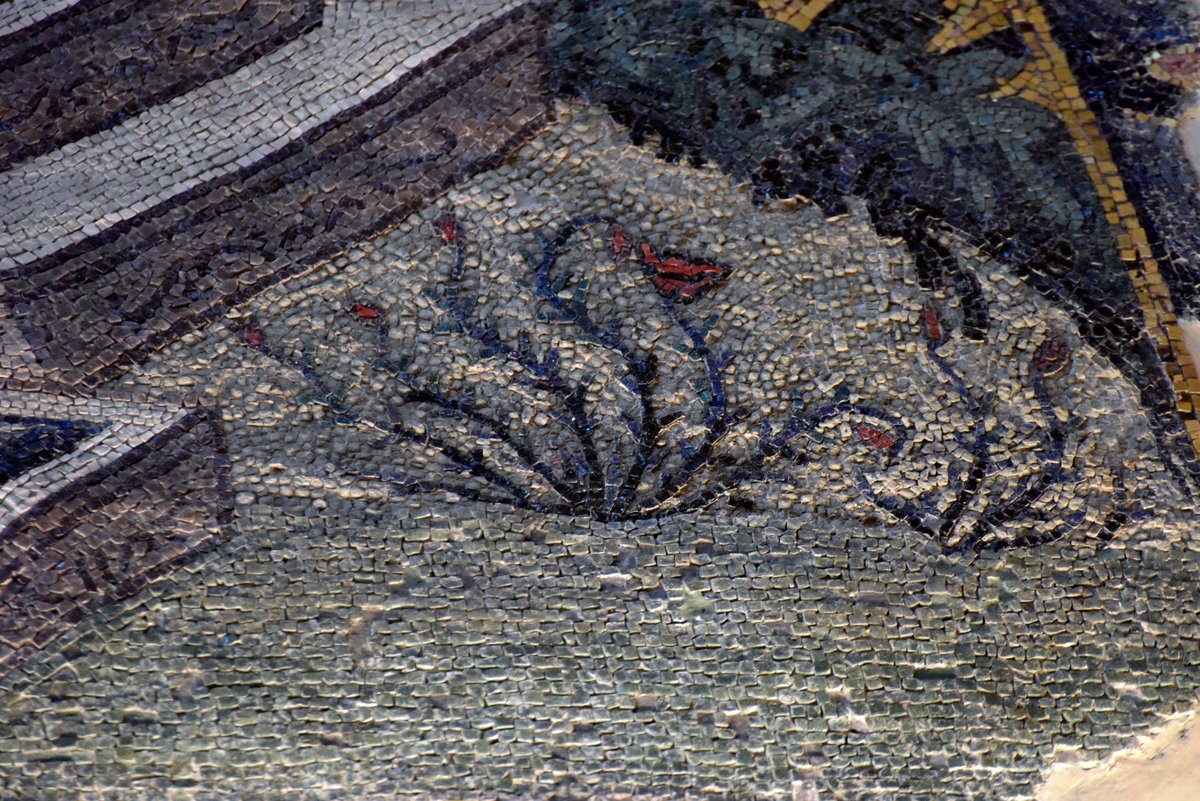
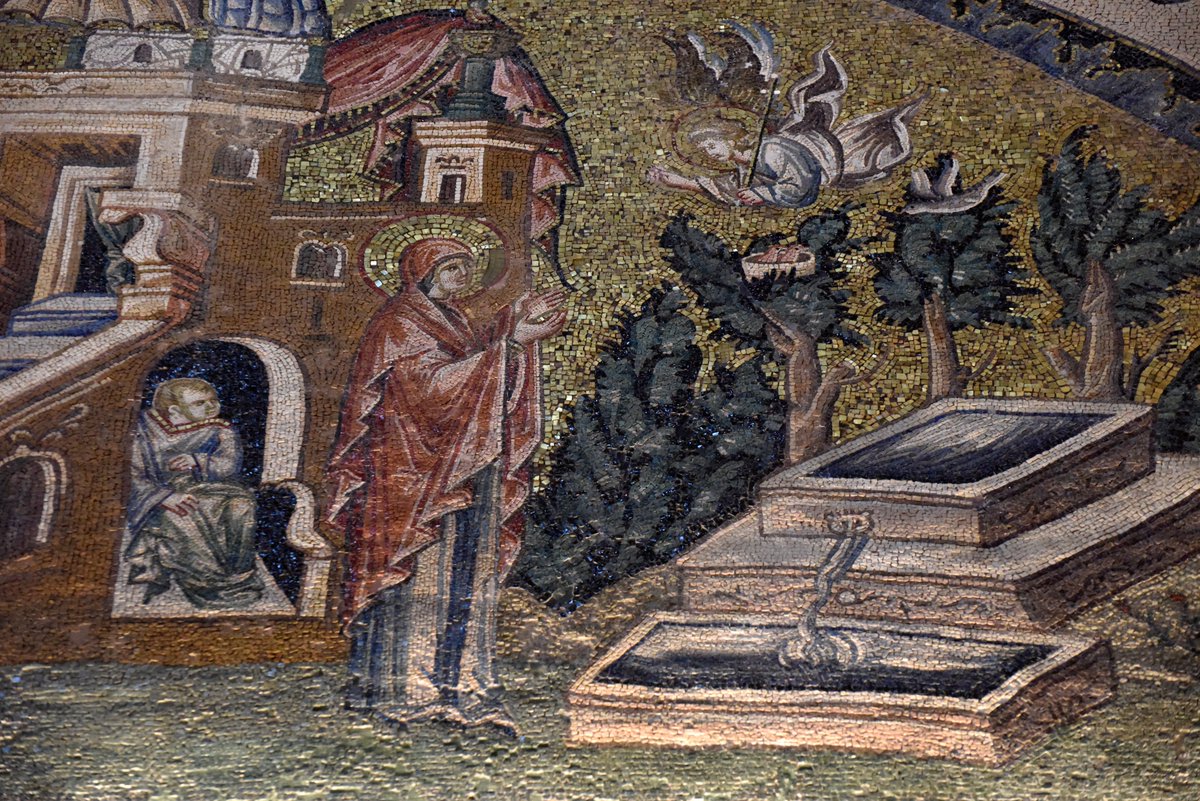
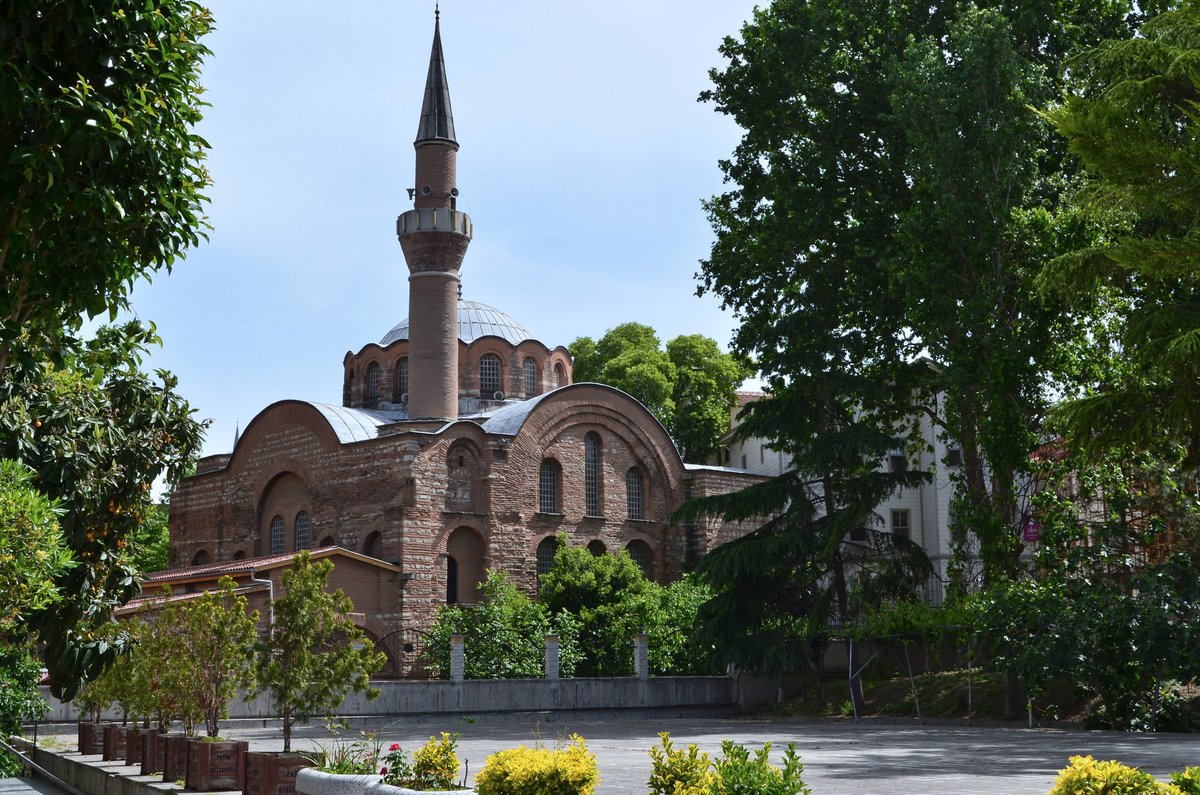
At Kalenderhane Camii/formerly the Church of Theotokos Kyriotissa


English
Ghost of Hellas
10.6K posts

@ghostofhellas
Greek art and culture through the ages. 🏛️ Your gateway to Ancient Rome & archaeology tours 👉https://t.co/2jy9H678xV




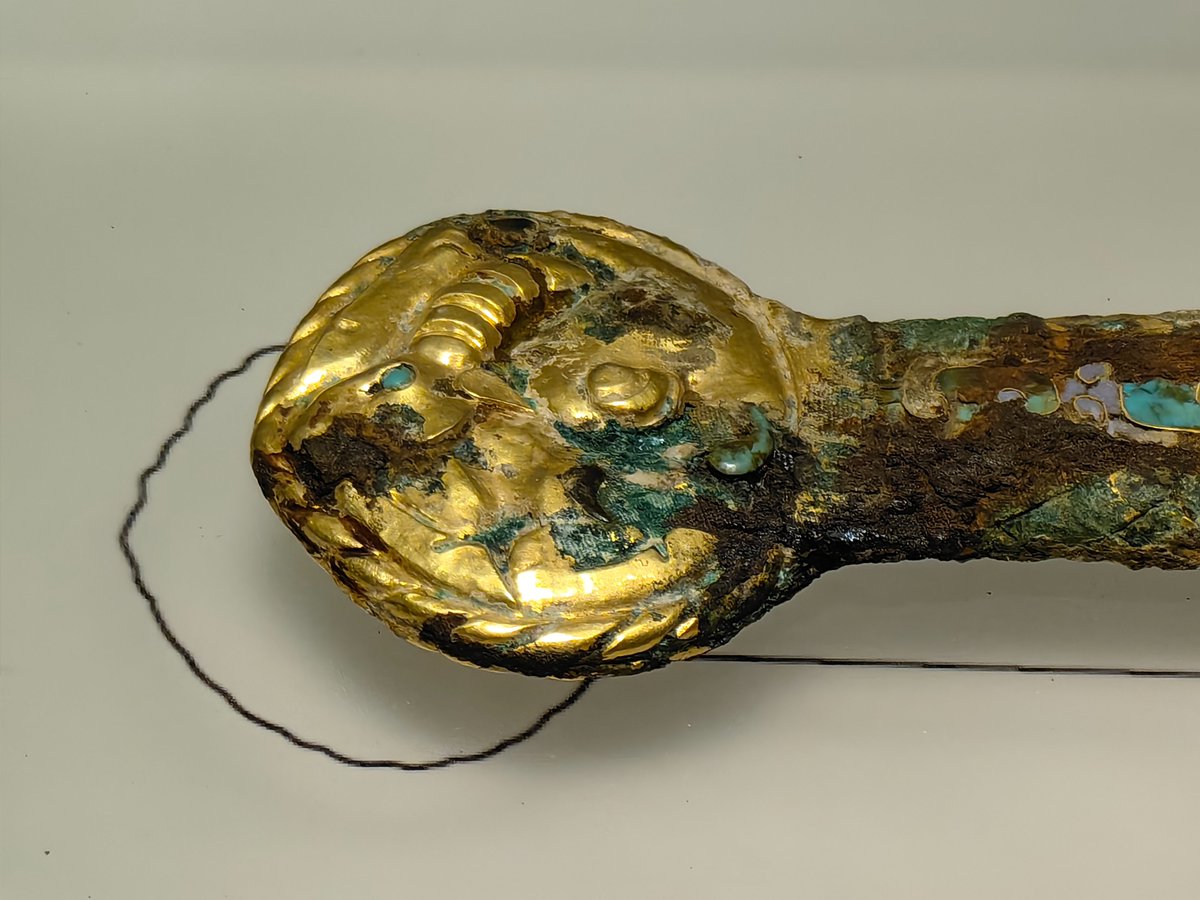
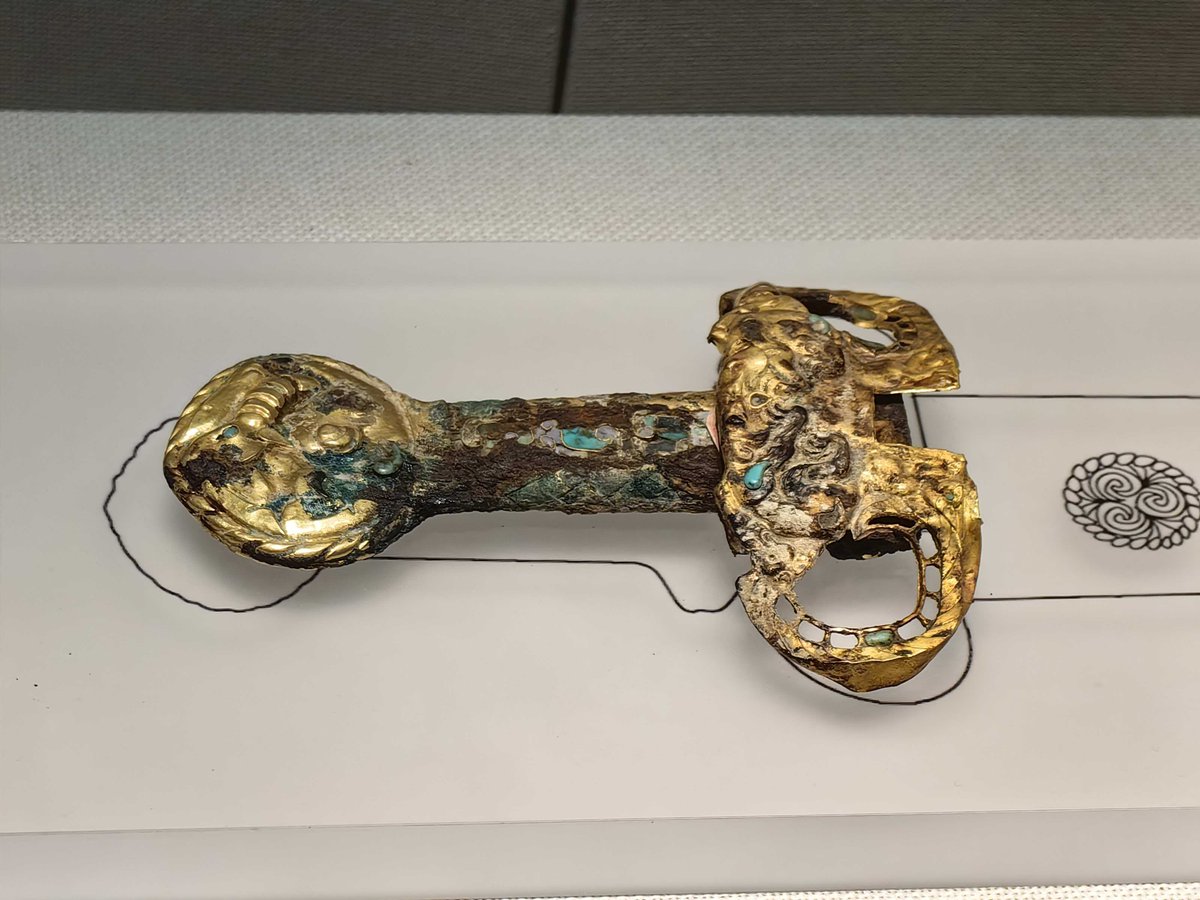
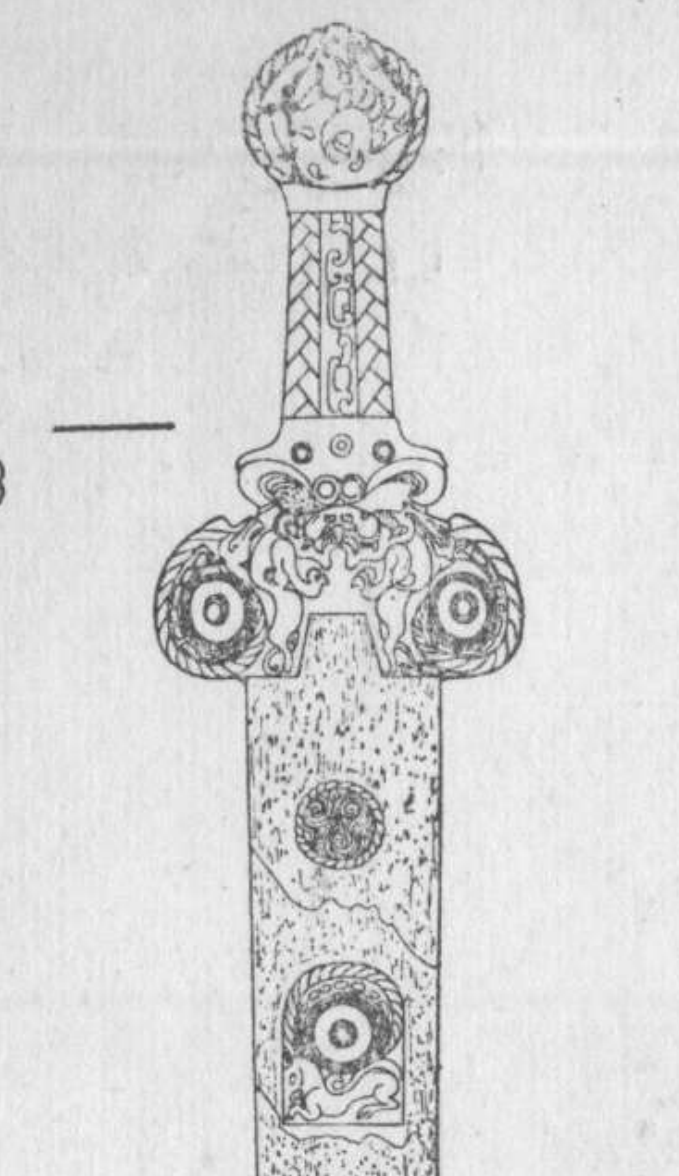
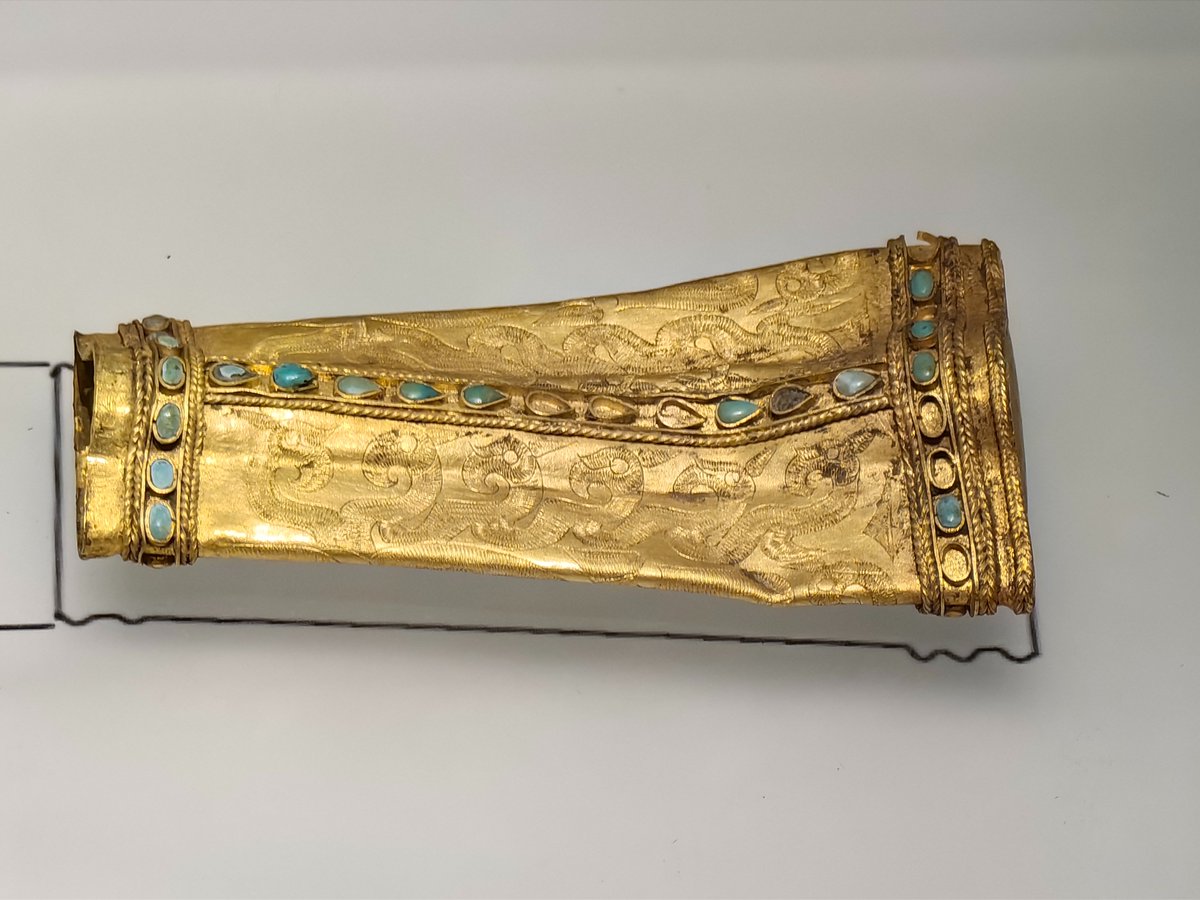
x.com/ZhaiXiang5/sta… In this mysterious noble tomb of the ancient State of Yan, located just a few dozen kilometers from present-day Beijing, archaeologists discovered two extraordinarily luxurious gold-hilted iron swords dating to the eve of Qin Shi Huang's unification of China. Their age spans the fading glow of the Bronze Age and the dawn of the Iron Age in China. The Chinese long sword, which emerged more than 2,000 years ago, was likely influenced by shorter blades from the Eurasian steppe. Before Qin unified China, most long swords were still made of bronze. But these two swords are just too exceptional. Their craftsmanship and design have reshaped what we thought we knew about the pinnacle of Warring States weaponry. Today, I introduce the first of the two. The hilt features two sheep reclining face to face, as if resting quietly on the steppe. On the other side of the hilt, two sheep heads stand back to back. Most of the scabbard and blade have decayed with time. But measurements allow us to reconstruct its proportions: the hilt measures 12.2 centimeters, the blade 59.2 centimeters. The scabbard was once adorned with bird motifs that remind me of many European emblems still in use today. The tip of the scabbard, too, was wrapped in gold, without ornament, and needing none. The material itself was proof of noble lineage. It stands on the axis of civilization: a technological summit of Warring States ironwork; a meeting point of steppe totems and Central Plains ritual order. Its owner must have witnessed the clash of blades and the sweeping tides of history on the eve of Qin Shi Huang's unification of China. Tomorrow, I will share the second sword. That one bears dragons and phoenixes-and there, you will see even more clearly: the intertwined trajectory of Central Plains civilization and the cultures of the Eurasian steppe. History was never a wall. It was always a frontier.