
پن کیا گیا ٹویٹ

🧵Tracing the stories of the people of Nāvalaṃ, one at a time.
1. Yādavas
x.com/naavalam/statu…
Nāvalaṃ@naavalam
Latviešu
Nāvalaṃ
491 posts

@naavalam
...lingering memories of a lost civilization
Dharma in Sanskrit is known as Dharam in Hindu and Aram in Tamil. I know you dislike the fact that Tamil has any link to Sanskrit but your very name, Saravanan is Śaravaṇa (शरवण) meaning "reed forest" in Sanskrit and it would be pronounced Shravan in Hindi. The word Dravida is also Sanskrit and through Bengali, it is present in our National Anthem. Yet, your entire movement has tried to erase the deep cultural, spiritual and linguistic bonds that tie Tamilagam and Bharatam together. Tamil Nadu is Bharat. தமிழ்த்தாயும் பாரத மாதாவும் ஒன்றே! Bharat Mata ki Jai 🙏
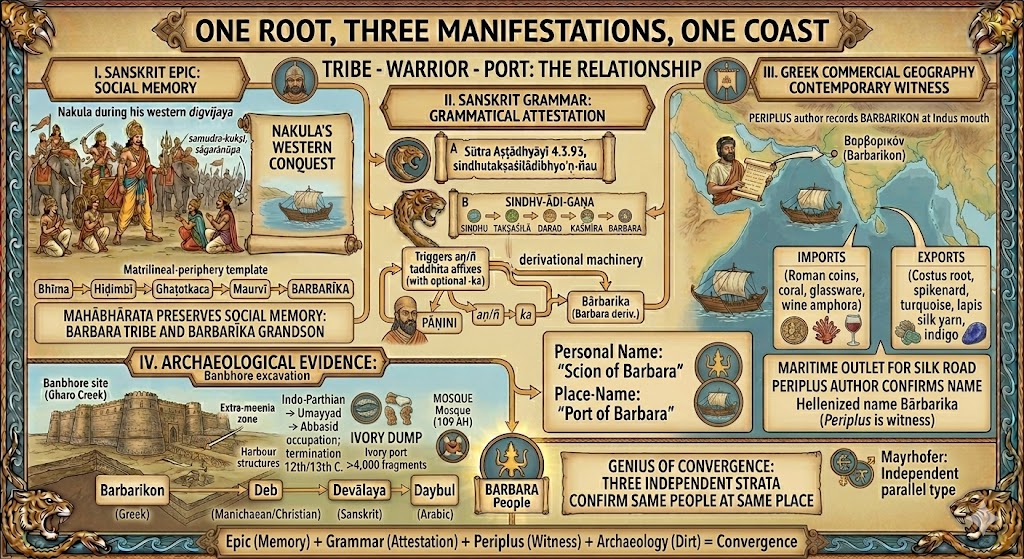


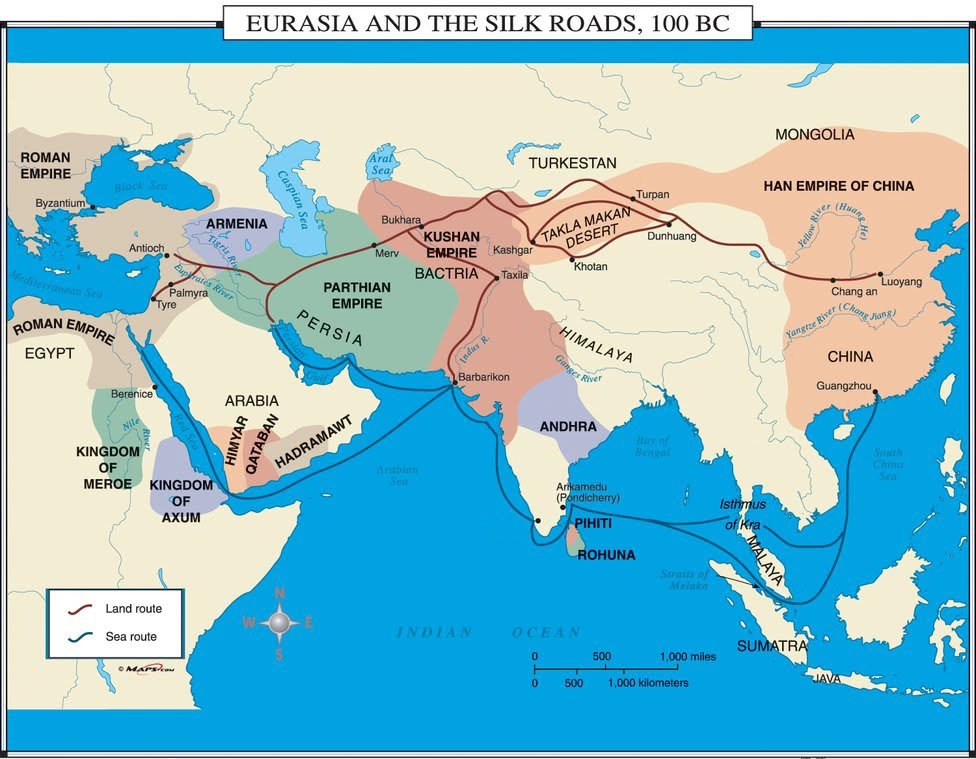
🧵Pāṇḍyas of ancient Tamiḻakam self-presented themselves as descendants of the Kuru-Pāṇḍavas in their 8th-century copper plates. So when did that claim start, and why? A dynasty famous in the 3rd century BCE waits a full millennium, until 769 CE, to put a Pāṇḍava-descent claim in writing. But the Tamil tradition got there first. Caṅkam poetry calls the Pāṇḍyas Kavuriyar (கவுரியர்), the Tamil for Sanskrit Kauravya, meaning "descendant of Kuru". The formal Sanskrit claim comes with the Velvikkuṭi copper plates of Jaṭila Parāntaka (c. 769–770 CE). And here the praśasti makes a fascinating move that I think is widely underappreciated. It does not claim descent from a specific Pāṇḍava or from the Pūru–Bharata–Kuru–Pāṇḍu trunk or claim descent from Yadu, Turvasu, Druhyu, or Anu. It claims descent from Purūravas Aila, the apical Candravaṃśa king before all branching. The praśasti also names a primordial king, Pāṇḍya, who ruled the coastal region in the previous kalpa and was reborn as Budha, Purūravas's father. The dynasty's identity is made coterminous with the very origin of the Candravaṃśa.

H. Tieken, Kâvya in South India: Old Tamil Cankam Poetry Herman Tieken argues the Pandya rulers in 8-9th century ce created the sangam Literature. Interesting find. This means the sangam period was imaginary. A later creation if this argument is to be believed. And they seem to have a heavy influence of Sanskrit and Prakrit as well.
Even with 200+ alphabets they pronounce Deepika as “Deeebigaa,” Mahesh as “Magesh,” Baahubali as “Bagubali,” Padma as “Badma” 😭

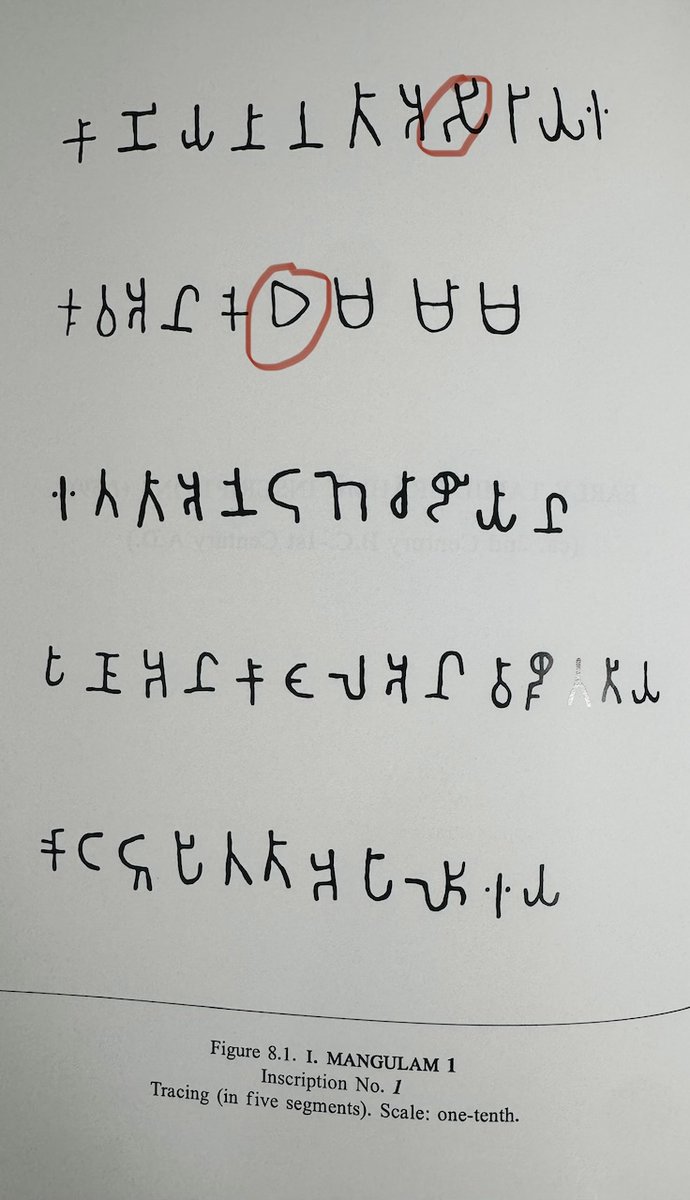

From an orthographic perspective, Tamil didn't use the graphemes for ga, ba, da, etc., the voiced counterparts of unvoiced ka, pa, ta, etc., from the very early stages of Tamil Brahmi onward, due to the grammatical tradition. Wrote something similar in this context. x.com/naavalam/statu…
It is very common misunderstanding that Tamil doesn't contain the sounds listed as sa [s], sha [ʃ], ja [dʒ], ha [ɦ], fa [f] by the comment. It is often the confusion between whether a sound or phoneme of Tamil represented in its script or considered as allophones of the sound. It is evident that Tamil lacks the script or grapheme for those allophones due to the same reason I mentioned in the original tweet. Go, blame it on Tolkāppiyar for that. But, the reality is more interesting. Four of these five sounds arise systematically as positional allophones of native Tamil phonemes, generated by the language’s own intervocalic and post-nasal lenition rules applied to inherited Dravidian vocabulary. The fifth, fa [f], is a genuine outlier.