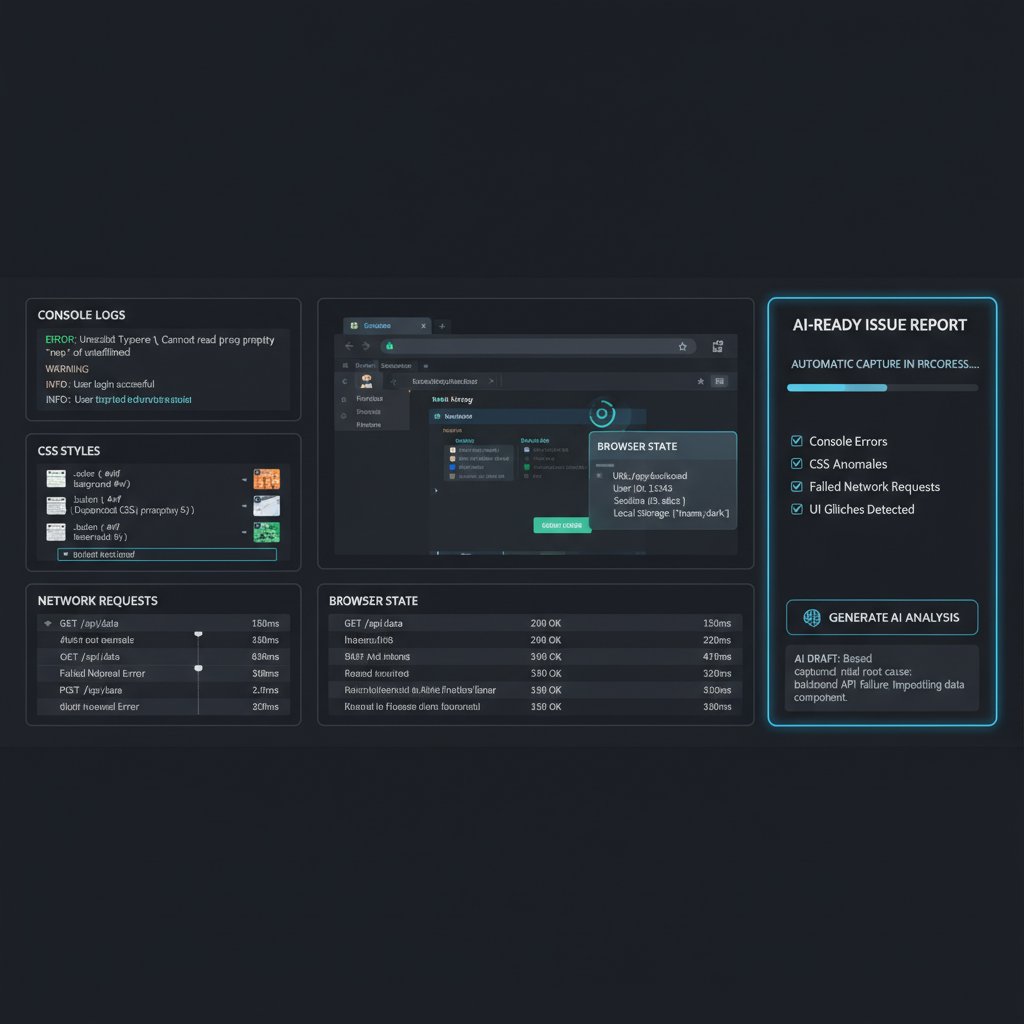
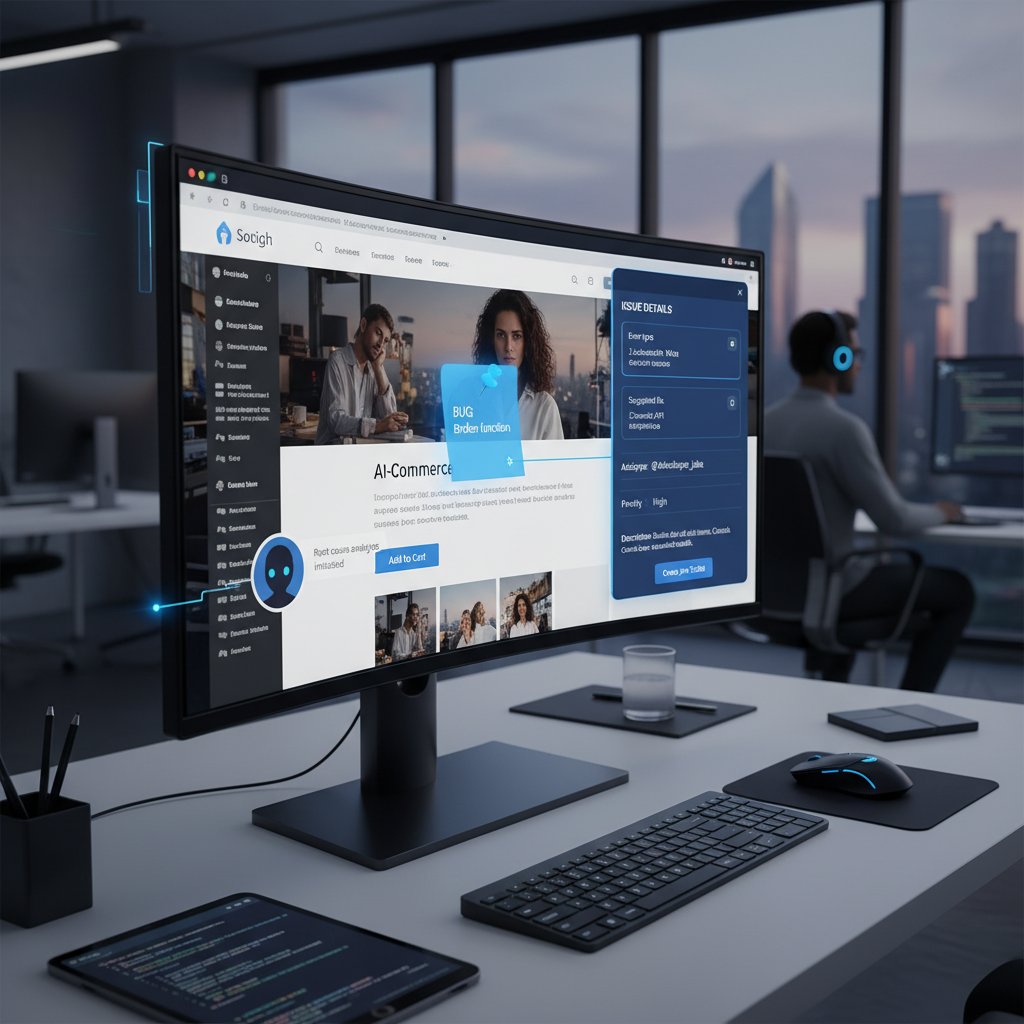
Most bug reports fail because they make engineers recreate context by hand.
Auto-collecting the environment around the issue is a much better workflow than asking people for "a little more detail" 4 times.
LLaMA today.
Qwen tomorrow.
Vision-language next week.
If your workflow breaks every time the architecture changes, that is not scale.
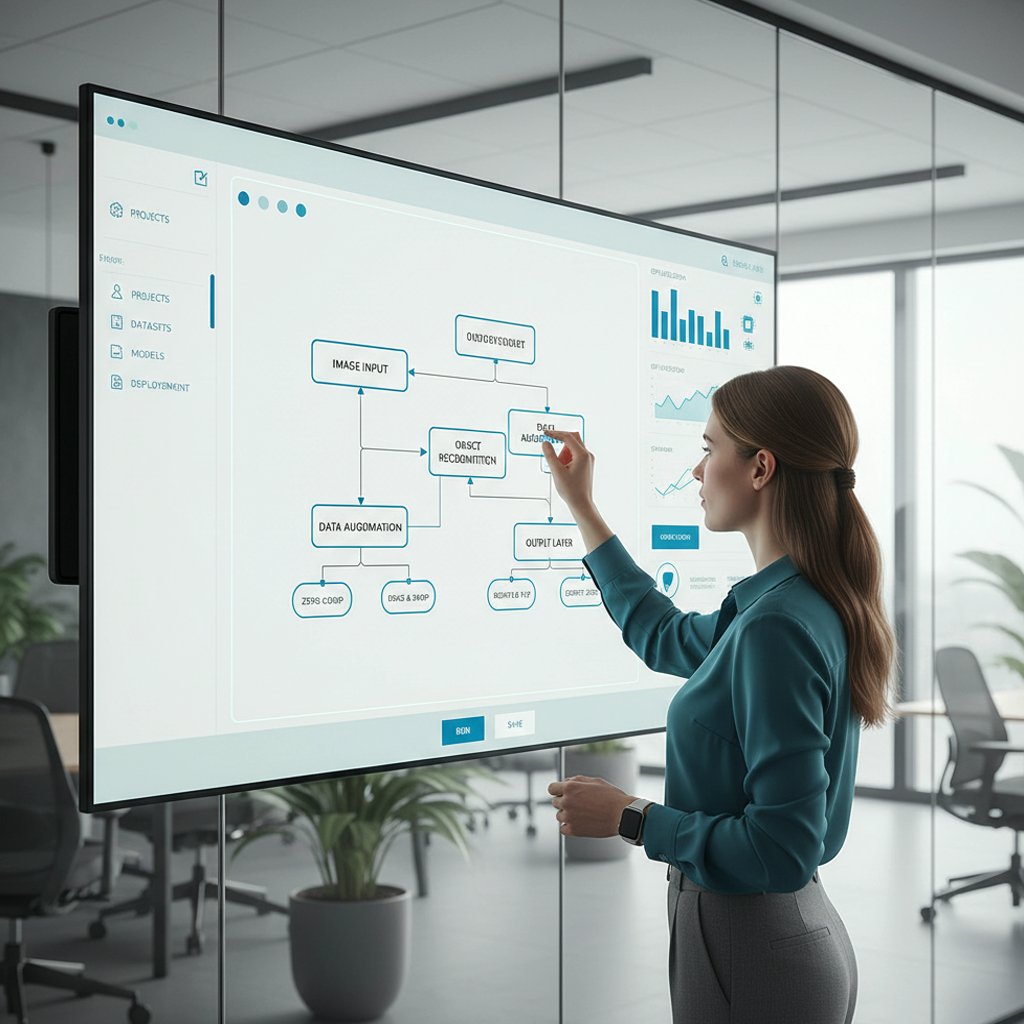
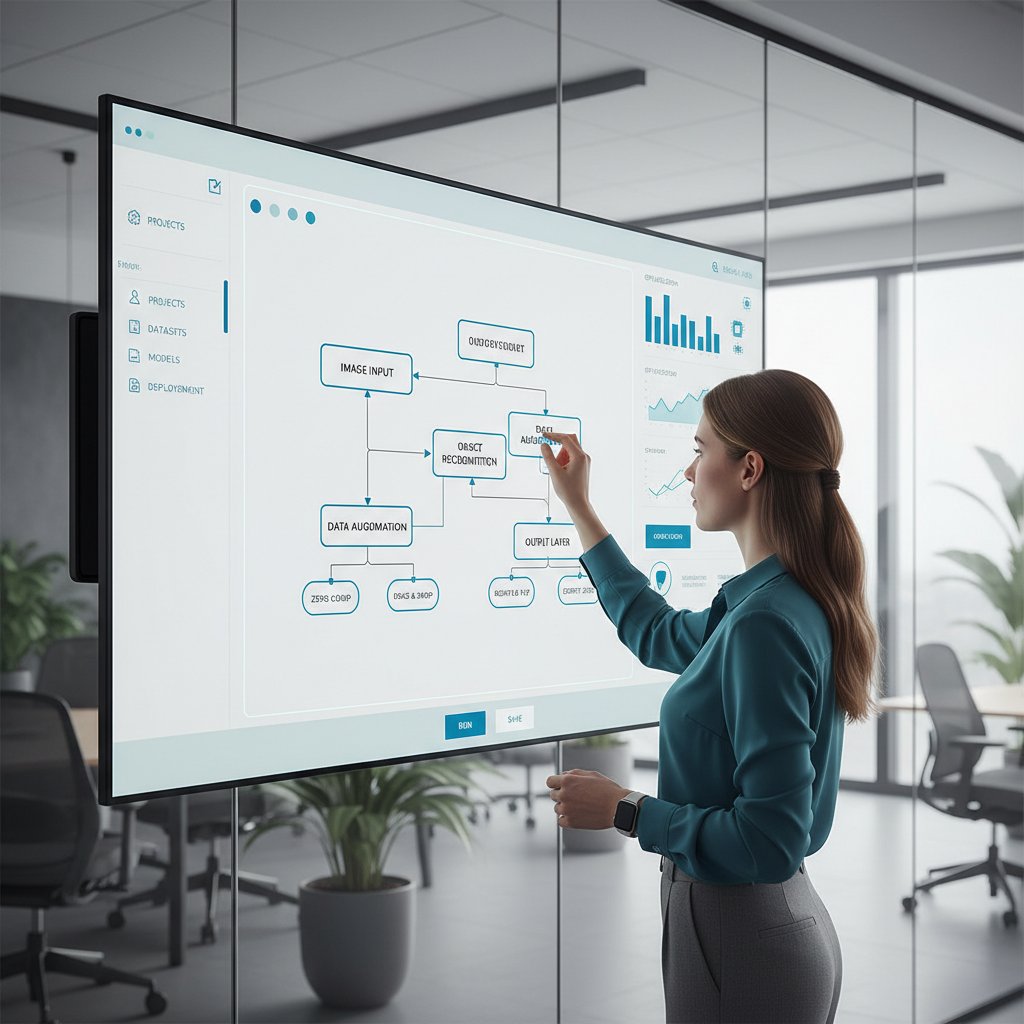
One canvas across the stack is the right direction.
There is a huge difference between "AI made an image" and "AI made something you can sell."
Focusing on print-ready PNG exports feels like the right direction.
The strongest message here is not "report bugs faster."
It is:
capture the context automatically.
Logs.
CSS.
Network data.
Browser state.
That is what saves time.
One of the most expensive hidden costs in AI tooling:
every model family wants its own mental model.
Bringing 40+ architectures into one interface means less time re-learning tooling and more time improving models.
Print-ready is the feature that actually matters.
300 DPI.
Transparent background.
Ready for POD upload.
If the export is wrong, the whole workflow is wrong.
If QA handoff still starts with red circles on screenshots, there is a lot of room to improve the workflow.
Direct element tagging feels like the right abstraction.
"No code" is only useful if it still feels serious.
The stronger products here feel built for the opposite of toy demos:
real datasets
real trainers
real evaluators
real export paths
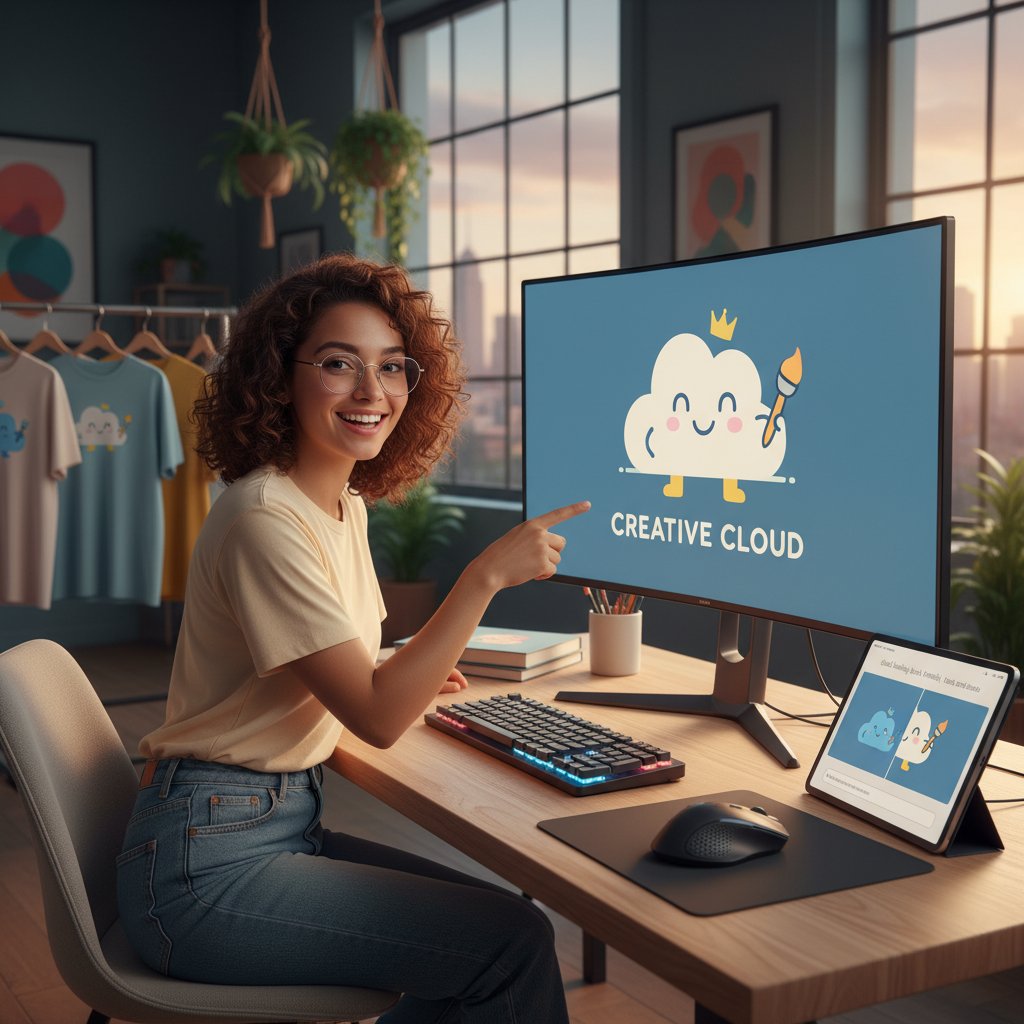
The creator economy keeps growing, but design tools still scare off beginners.
The interesting part about tools in this category is that they translate plain-language ideas into apparel-ready visuals without demanding designer-level skills.
Hi @X algo,
Show this to people who are
- attending cool tech events
- participating in hackathon
- building something awesome
That's the community I wanna be in!
Node-based LLM fine-tuning is a bigger shift than it sounds.
When the workflow is visual:
more people can review it
more experiments get shipped
less knowledge stays trapped in one engineer's notebook
One of the best promises in this category:
"No design experience needed."
That matters because good merch ideas are common.
Good design execution is the bottleneck.
Most teams do not have a model problem.
They have a workflow problem.
An n8n-style canvas makes LLM fine-tuning easier to build, review, and iterate on.