
Friends of Bangladesh
1.2K posts

@thefriendsofbd
Working for progress, justice, and hope in Bangladesh at this pivotal moment in the nation's history.


Students of Dhaka Polytechnic Institute were attacked by Chhatra Dal members while returning from prayers. The assault was a targeted retaliation for the students' role in dismantling illegal structures that served as a source of extortion and illicit revenue. It is deeply concerning that the attackers used iron rods and machetes, weapons the JCD has stockpiled to maintain control through violence and intimidation. Video © Channel 24 (Admin)


আমরা দুটি দল এ ব্যাপারে একমত হয়েছি যে সকলে মিলে একসাথে একটি নতুন বাংলাদেশ আমরা গড়ে তুলবো -ডাঃ সৈয়দ আবদুল্লাহ মোহাম্মদ তাহের সম্মানিত আমীরে জামায়াত ডা. শফিকুর রহমান-এর বসুন্ধরাস্থ কার্যালয়ে বিএনপি'র সম্মানিত চেয়ারম্যান জনাব তারেক রহমান এর সৌজন্য সাক্ষাৎ পরবর্তী সংবাদ সম্মেলন

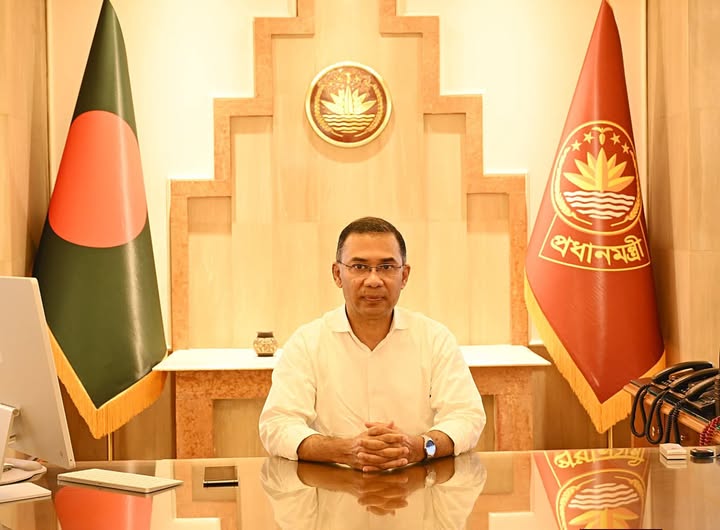
I convey my warm congratulations to Mr. Tarique Rahman on leading BNP to a decisive victory in the Parliamentary elections in Bangladesh. This victory shows the trust of the people of Bangladesh in your leadership. India will continue to stand in support of a democratic, progressive and inclusive Bangladesh. I look forward to working with you to strengthen our multifaceted relations and advance our common development goals. @trahmanbnp @bdbnp78


What next for Dr Yunus? Whilst it seems polls have suggested that Muhammad Yunus and the interim government remained popular throughout its 18 months in power, at least amongst civil society in Dhaka and its social elite there was rarely a good word said about him. Before July/August 2024, the country's elite civil society respected Yunus, but did not necessarily warm to him. Now he has -- rightly or wrongly -- also lost a lot of that respect. In part that is the nature of governing, as it forces leaders to make a lot of difficult decisions. Reform, accountability, and stability are objectives that do not always sit comfortably together, and in attempting to balance them, Yunus inevitably alienated some who had initially placed hope in his leadership. And in part, it is because Yunus did make some controversial calls. Amongst them was his perceived closeness to the student and populist movements which created the impression -- fair or not -- that he had inappropriately allied with them. At the same time, his government’s apparent tolerance of widespread arbitrary detentions under its watch raised very uncomfortable questions about civil liberties and due process. For a figure long associated with ethical leadership and social justice, these allegations struck at the heart of his public image. That said, Yunus does not appear overly concerned with elite opinion, particularly if he believes -- as he may do -- that many within civil society failed to defend him when he himself was under pressure during the Awami League’s time in power. Moreover, he is aware that he has cultivated new alliances and friends. In their meeting in London, Tarique Rahman reportedly offered Yunus the post of the presidency if BNP came to power. Whether explicitly stated or implicitly conveyed, the possibility was clearly raised. Those close to Yunus deny that he is interested in such a role -- even assuming the offer remains open -- suggesting instead that he intends to return to the type of work that defined his earlier career. Moreover, with the proposed constitutional changes giving more powers to the post of President, Rahman may now realise he wants someone more compliant, something which Yunus is unlikely to be. Nevertheless, a Yunus presidency could arguably benefit Bangladesh considerably. Despite domestic criticism from certain groups, he continues to command considerable respect internationally, and no other Bangladeshi figure possesses comparable global stature. A domestic focused Prime Minister operating with an internationally-minded President could be what the country needs. counterpointbd.com/what-next-for-…


A lot wrong here. 1. re point 2: There is no evidence as yet to suggest that it was "women voters" as such who prevented Jamaat-e-Islami from coming to power. There is evidence, however, that the Jamaat's defeat in many consituencies was down to a sufficient number of Awami League voters supporting the BNP. 2. re point 3: This is so sloppy and conspiratorial. The claim that "the US-UK" gave "all-out backing" to the Jamaat is simply ridiculous. As is the idea that the Mohammad Yunus's "master" is Western governments and international NGOs. 3. re 5th point: Bangladesh does not have a "secular majority". What it does have is a majority that does not want a fundamentalist islamic party. Those are two very different things.