

Bob G.
23.8K posts

Bob G.
@01Pbf
Cycling addict, fox terrier owner, Ottawa Senators, Ottawa RedBlacks, Miami Dolphins & Man United fan! 🇨🇦🇨🇦
Ottawa, Ontario, Canada Tham gia Ekim 2013
10.8K Đang theo dõi10.2K Người theo dõi



Bob G. đã retweet

The trade rumours surrounding Brady Tkachuk came up multiple times in the press conference and the Senators captain said several times they've become a distraction.
"I feel like I’ve answered this 100s of times. That none of that, I’ve never shown, I’ve never said, none of those things ever came out of my mouth. Quite honestly it’s just getting frustrating. It’s becoming a distraction. I have been fully committed to this team, this City." #Sens
English


Bob G. đã retweet

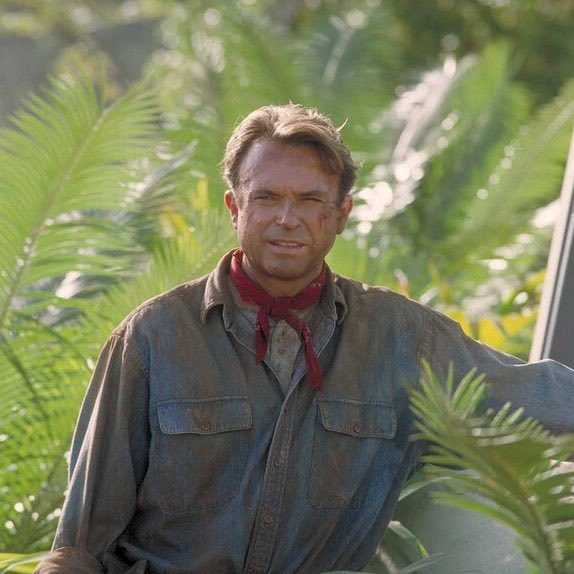
Sam Neill has announced he is cancer free after 5 years of battling blood cancer.
“It’s time I did another movie.”
English
Bob G. đã retweet

4 Potential Landing Spots For Brady Tkachuk This Offseason:
1. The park with his wife and kids
2. The backyard with his wife and kids
3. The pool with his wife and kids
4. BBQ with his wife and kids
And then back to Ottawa for another season as Captain of the Ottawa Senators.
English
Bob G. đã retweet


Bob G. đã retweet
“Baba O’Riley” by The Who is one of the greatest rock anthems of all time, opening the 1971 album Who’s Next. Written by Pete Townshend, the song emerged from an ambitious project that was never completed: the rock opera Lifehouse, which was intended to be the sequel to Tommy.
The title combines two major influences on Pete at the time: Meher Baba, the Indian spiritual guru whom Townshend devoutly followed (Baba), and Terry Riley, the American minimalist composer whose electronic experiments fascinated Pete (O’Riley). According to the album notes, Townshend imagined what would happen if Meher Baba’s vital signs and personality were fed into a computer and it generated music: the result would be “Baba in the style of Terry Riley”—that is, Baba O’Riley.
The famous intro with that hypnotic arpeggiated pattern wasn’t created by a synthesizer, but by a Lowrey Berkshire Deluxe organ that Pete programmed in his home studio using the “marimba repeat” function. He spent weeks creating that futuristic-sounding sequence. When he took it to engineer Glyn Johns, Johns left it as is because he thought it was perfect. It is one of the first instances where a keyboard is used as the main rhythm in a rock song, not just as an embellishment.
The lyrics reflect the disillusionment of the hippie generation following festivals like Woodstock and the Isle of Wight. Pete saw the fields littered with trash and young people exhausted, drugged, and lost, which inspired the famous chorus “teenage wasteland.” It speaks of escaping the city, of burnt-out youth, and of the search for something deeper, all mixed with Meher Baba’s philosophy on the illusion of life and spiritual connection.
On the recording, the final section featuring the energetic Irish jig violin is played by Dave Arbus (of the band East of Eden), a friend of Keith Moon’s. The idea for the violin came from Moon himself. In live performances, Roger Daltrey usually plays it on the harmonica. The song lasts just over five minutes, but originally Pete had a version that was nearly half an hour long, which they edited down to keep the most powerful parts.
A song that is undoubtedly just as powerful today as it was in 1971.

English

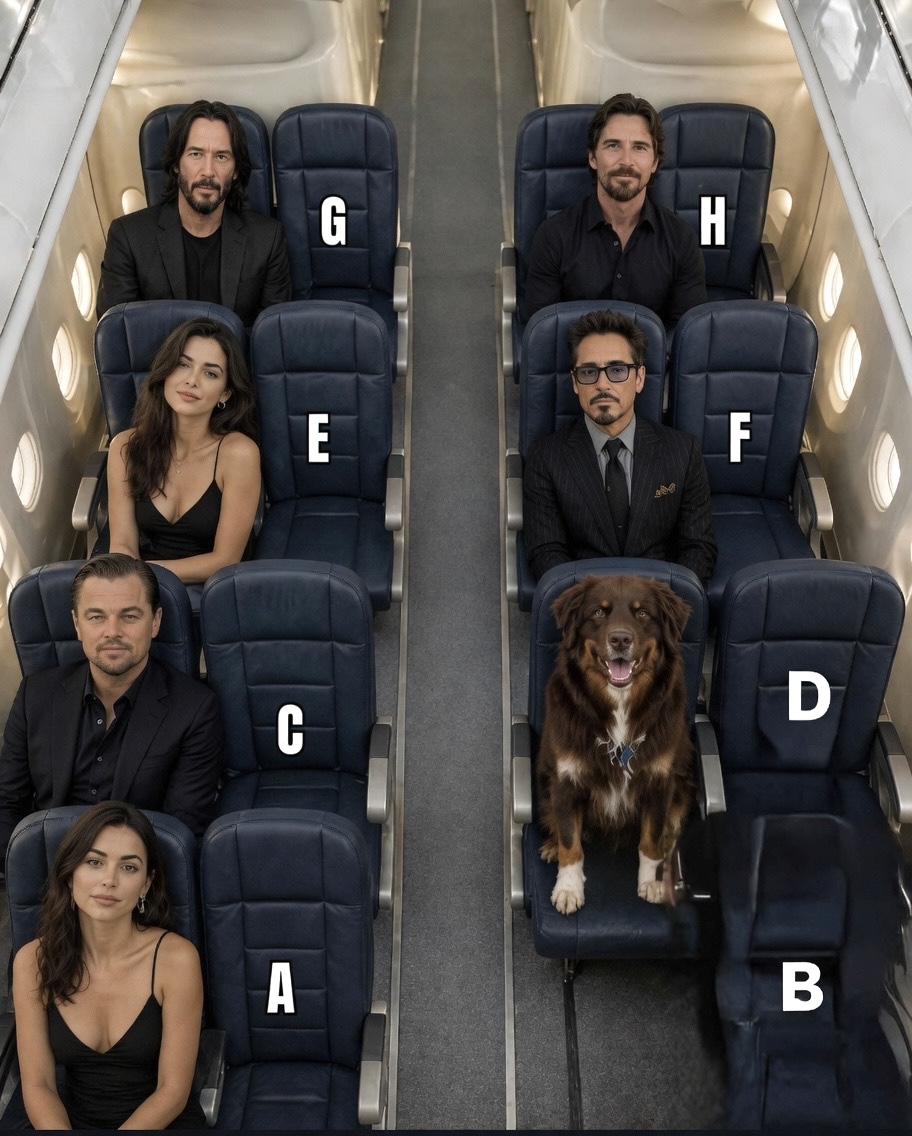

No worries on my end.
Had a great time with my son! He was the loudest in our section! Future #gosensgo fanatic! We will be back next year!
Lots to be excited about, including our new season tickets.
Management will make necessary adjustments. I have faith in Staois.

English

Name one best Guitar 🎸 player of all time but it can’t be Eric Clapton
English
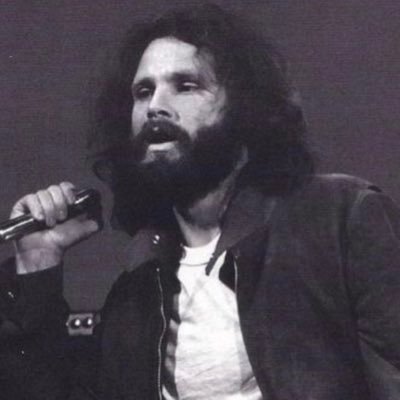
Which pair of bands win it?
#ClassicRocknRoll
A
Van Halen
Scorpions
Boston
Heart
B
Lynyrd Skynyrd
ZZ Top
The Who
Blind Faith
English
Bob G. đã retweet

"Everybody Wants Something" by The Zit Remedy
English
Bob G. đã retweet

Bob G. đã retweet

Bob G. đã retweet



How many of these have you actually used in real life? Be honest👀

English
@quesoandmargs_ Go plan next year’s parade. Way better use of your time. 🙄
English

Bob G. đã retweet

The Who - Who's Next - 1971
They made prominent use of synthesizer on the album, particularly on "Won't Get Fooled Again" and "Baba O'Riley", which were both released as singles.

English