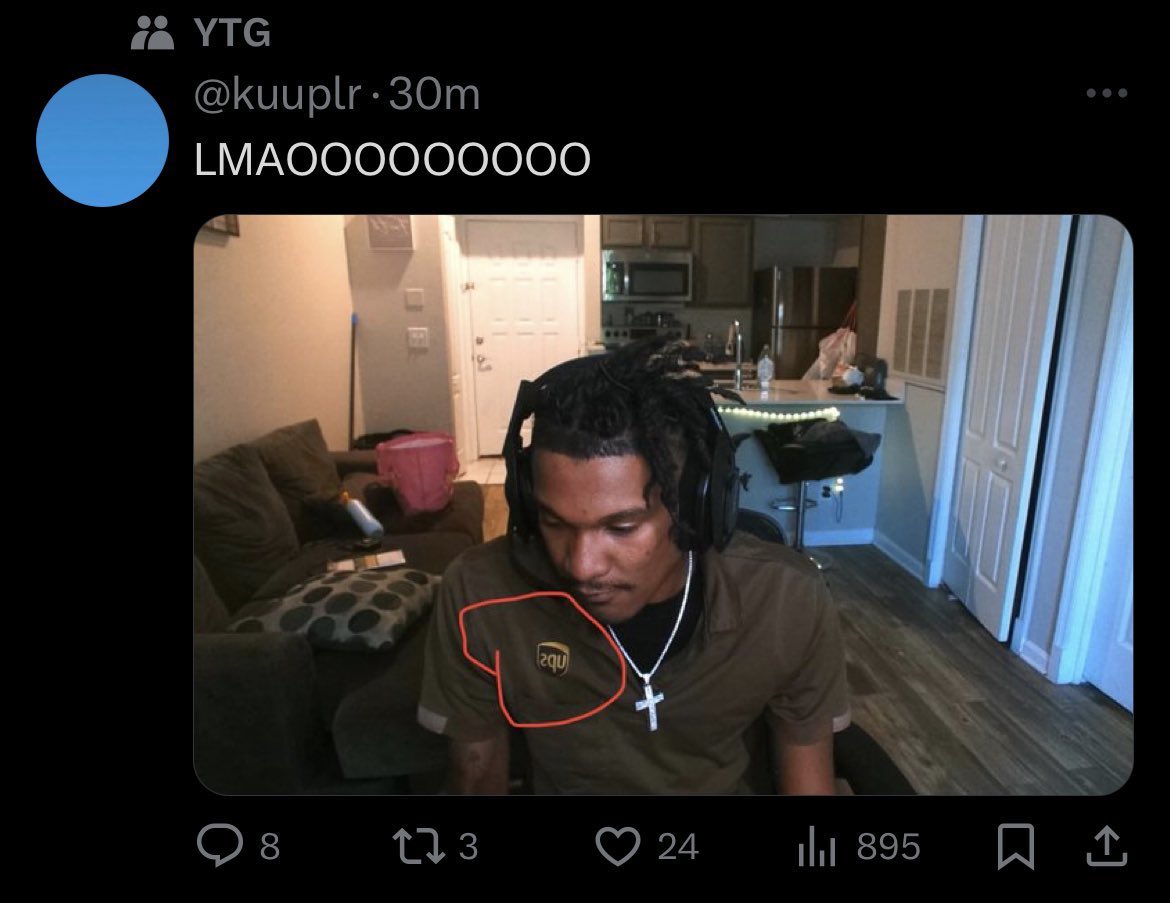
@PercThaGoat Also, it isn’t even about money, doesn’t UPS provide insurance benefits even for part time workers? So homeboy could stream full time and work a few hours a week to get insurance? I know several blue collar business owners who do exactly that.
@sagephage@PercThaGoat Not sure why you’re responding to me on this one Chief. I’m not the one making negative comments towards UPS workers. Just pointing out that this has nothing to do with generations.
@DangervilleTeam@MarsBlut53@B23COD You knew what he meant your just pointing out semantics to be an argumentative dickhead. You succeeded, so props on that one.
@chonkychihuahua Went to rehab. Got sober. Then went to therapy the gym, and the beach for the remaining 9 months after.
Best thing I ever did for myself hands down
Has anyone taken a gap year in their mid 20s & done well afterwards? if so, what did you spend the gap year doing? and did it get brought up by future employers?
@attorney@MorePerfectUS You all say this every time the minimum wage goes up, or every time a new tax or new fee gets imposed.
Hasn’t happened yet. Fuck outta here moron
@ChowdaheadRandy@AngelMD1103 You don’t deserve the air you breath or the fingers you use to type with. I hope someone fixes that for the rest of the world expiditiously
A Black female influencer shares her life online and recently adopted a young white child. She often posts everyday moments with him, school drop-offs, cooking together, and family outings. But instead of just support, she starts receiving criticism from people who claim she only adopted him for views, attention, or personal gain. Adoption is a huge life decision, and while influencers do share their lives publicly, judging a family’s intentions from short clips online can be complicated. Sometimes, the internet forgets there’s a real child and a real family behind the content.
Is it fair for strangers on the internet to question someone’s motives for adopting a child based only on social media posts?
Yes, health plans (ACA Marketplace or employer-sponsored) can apply a tobacco surcharge up to 50% based on self-reported use at enrollment (4+ times/week in past 6 months).
Telling your doctor doesn't trigger it or change locked premiums mid-term. If you underreported and they later verify via records/claims, they can back-charge the difference (but can't cancel).
Honest doc disclosure helps your care; accurate app answers protect coverage.
For health insurance (ACA Marketplace or employer plans), telling your doctor you smoke doesn't void coverage, slash benefits, or retroactively raise premiums mid-plan year.
The tobacco surcharge (up to 50% in most states) is based on self-reported use at enrollment ("4+ times/week in past 6 months"). Doctor notes go in records but don't trigger changes—premiums are locked for the term.
If you under-reported on the app and they later verify via claims/records, they can back-charge the surcharge but can't cancel. Honesty with your doc ensures accurate care. (Life insurance stays the same as I said before.)
You're right—disclosing smoking to your doctor doesn't void life insurance or slash a payout.
Insurers set rates and coverage based on your application disclosures + medical exam (nicotine test) + records review at issuance. Once the policy is active, honest doctor visits don't change that.
The risk is only lying on the original app—if caught in the 2-year contestability window, they can contest or deny a claim. Routine medical honesty later? No issue.