David Sharp
11.2K posts
David Sharp
@D4Sharp
Deep South Supervisor for @PrepBaseball [email protected]
Huntsville, AL Tham gia Ekim 2011
1.8K Đang theo dõi8.5K Người theo dõi
David Sharp đã retweet

David Sharp đã retweet

David Sharp đã retweet

David Sharp đã retweet

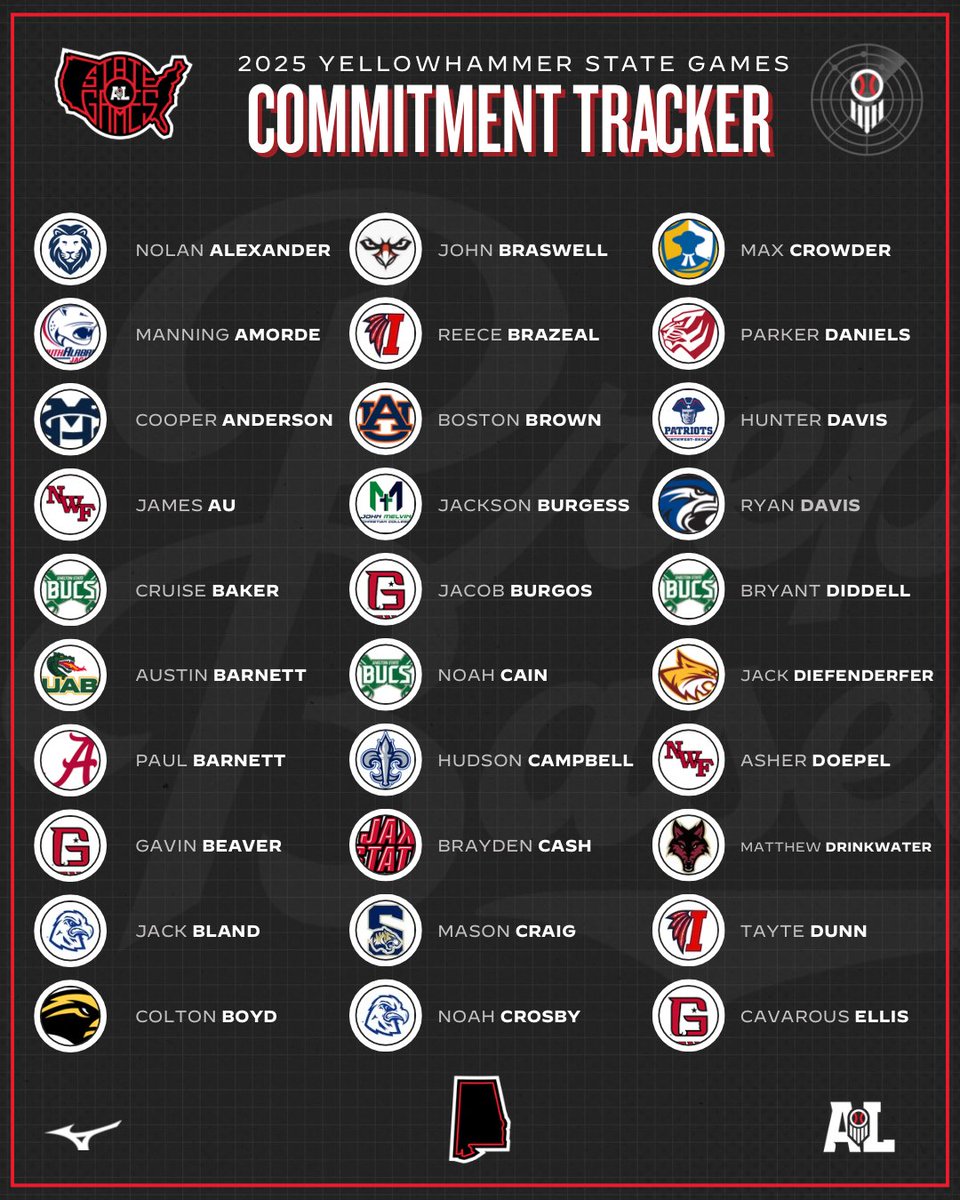
#𝐘𝐒𝐆𝐚𝐦𝐞𝐬𝟐𝟓: 𝐂𝐨𝐦𝐦𝐢𝐭𝐦𝐞𝐧𝐭 𝐓𝐫𝐚𝐜𝐤𝐞𝐫 📡
More than 80 commitments have come from the 2025 Yellowhammer State Games. 🤩
Request your invite to this summer’s premier event below. 👇
🔗: prepbsbl.com/4l9IkA2 || @PrepBaseball


English
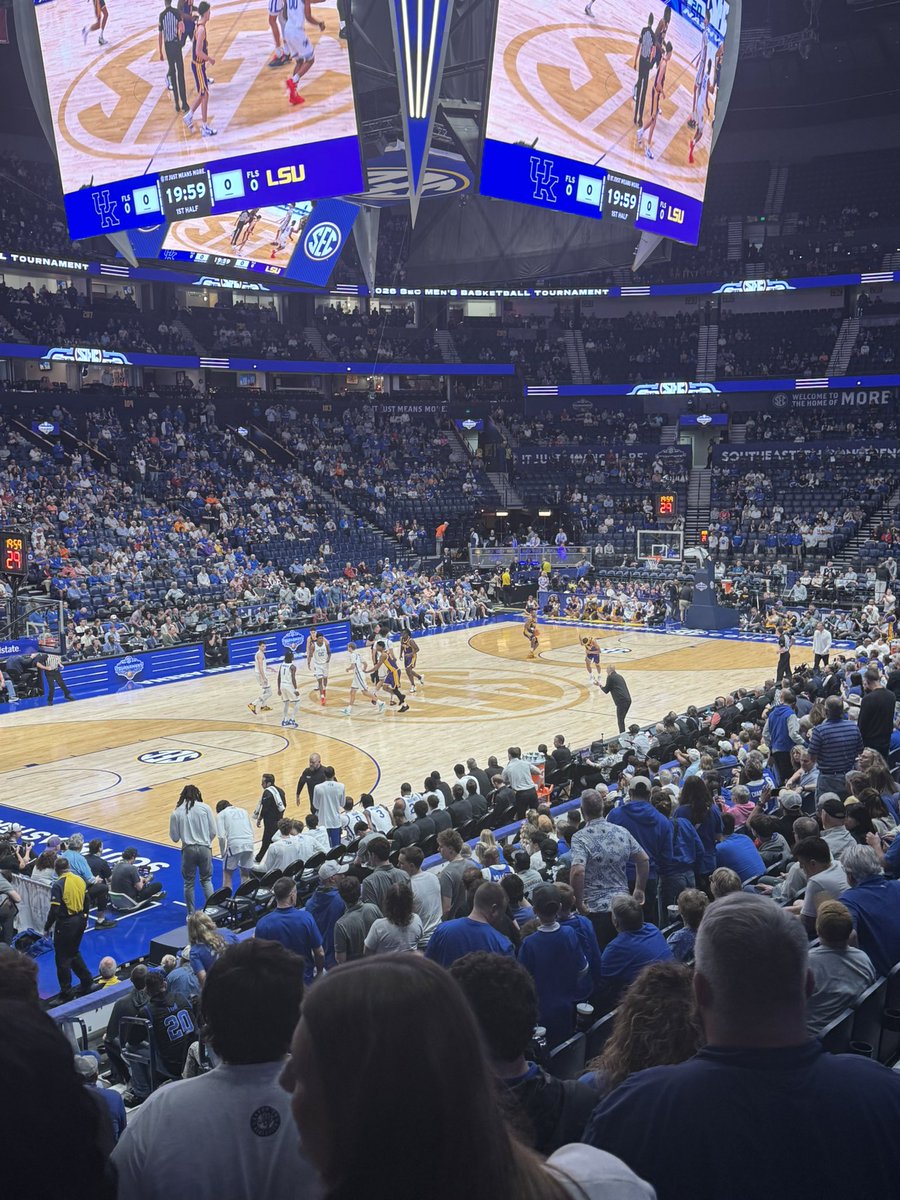
I’m amazed this guy is still uncommitted. Just a consistent hit machine in every look.
Prep Baseball Alabama@PrepBaseballAL
SS Bryce Zimmerman (@bryce_z03, 2026) continues a torrid pace to start the 2026 season. 2-hole hitter shows an all fields approach, handling an upper-80’s FB for a liner back up the middle. Gonna be a big late addition for a college program in the 2026 class. Swipes 2nd, gets to 3rd on the errant throw and scores later on a passed ball. Trojans lead 1-0, headed to B5. #ALHS26 | @PB_Uncommitted
English

Still uncommitted continues to blow my mind
Prep Baseball Alabama@PrepBaseballAL
SS Bryce Zimmerman (@bryce_z03, 2026) continues a torrid pace to start the 2026 season. 2-hole hitter shows an all fields approach, handling an upper-80’s FB for a liner back up the middle. Gonna be a big late addition for a college program in the 2026 class. Swipes 2nd, gets to 3rd on the errant throw and scores later on a passed ball. Trojans lead 1-0, headed to B5. #ALHS26 | @PB_Uncommitted
English
David Sharp đã retweet
Now 𝙩𝙝𝙖𝙩’𝙨 how you start a weekend! ✈️
A flyover this afternoon to open the 2026 PB AL Smalltown Showdown at River Run Park, featuring some of the top Class 3A-1A programs in the state.
#ALSTS26 || @PrepBaseball
English
David Sharp đã retweet
#𝐀𝐋𝐒𝐓𝐒𝟐𝟔: 𝐖𝐞𝐞𝐤𝐞𝐧𝐝 𝐏𝐫𝐞𝐯𝐢𝐞𝐰 🔍
Your complete guide to the 2026 PB Alabama Smalltown Showdown, including the full schedule, team breakdowns, ticket info, and key event details.
Read the full event preview below. 👇
🔗: prepbsbl.com/4b94u0M || @PrepBaseball

English
David Sharp đã retweet
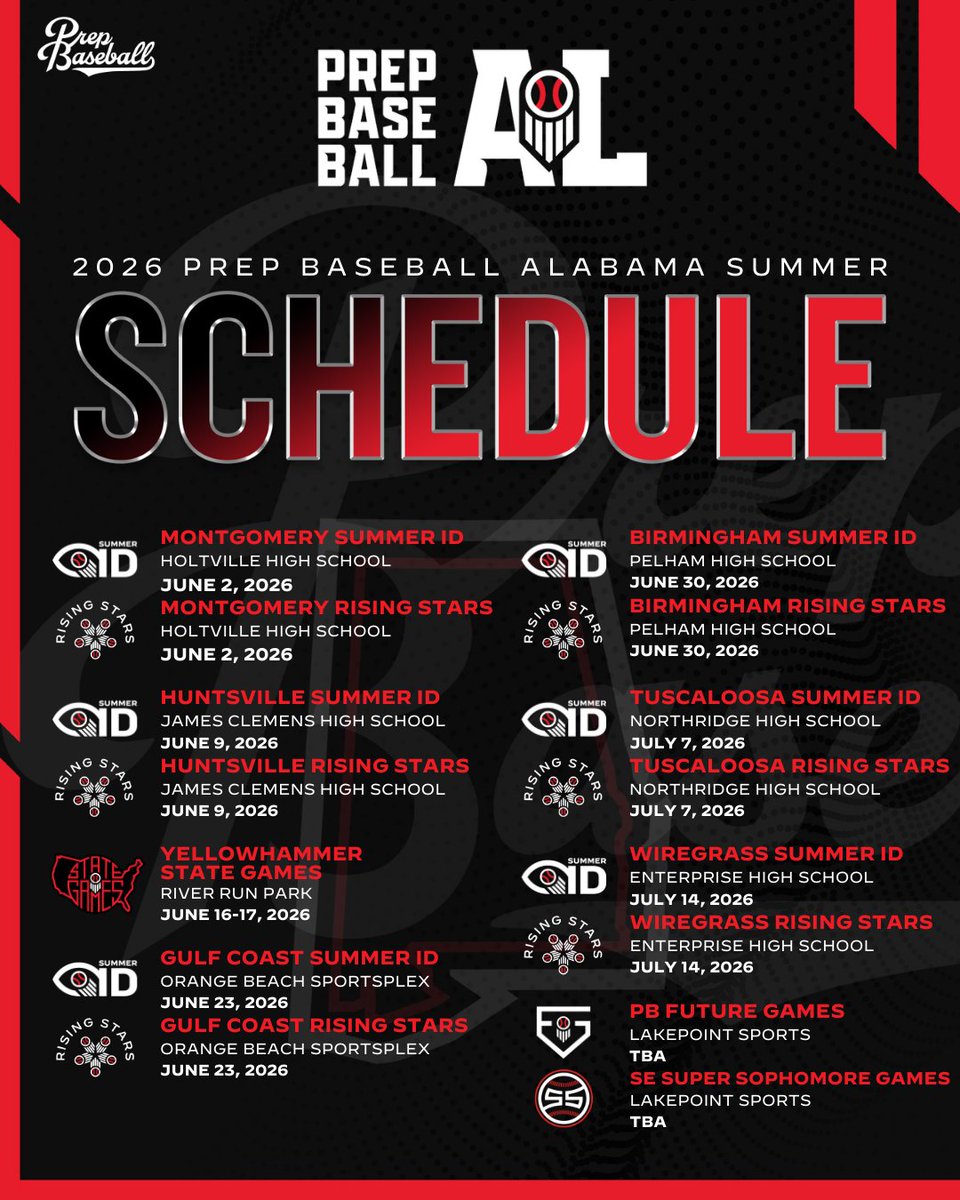
🚨 𝐀𝐍𝐍𝐎𝐔𝐍𝐂𝐄𝐃: 𝟐𝟎𝟐𝟔 𝐒𝐮𝐦𝐦𝐞𝐫 𝐒𝐜𝐡𝐞𝐝𝐮𝐥𝐞 🚨
Prep Baseball Alabama has officially released its full 2026 summer event schedule, headlined by the Yellowhammer State Games on June 16-17 at River Run Park.
Find your event below. 👇
🔗: prepbsbl.com/46wPBEi || @PrepBaseball
English
Early reviews from the @OrangeBeachBSB Pressbox music selection is definitely 80 grade.
#MakosMusic
English
David Sharp đã retweet
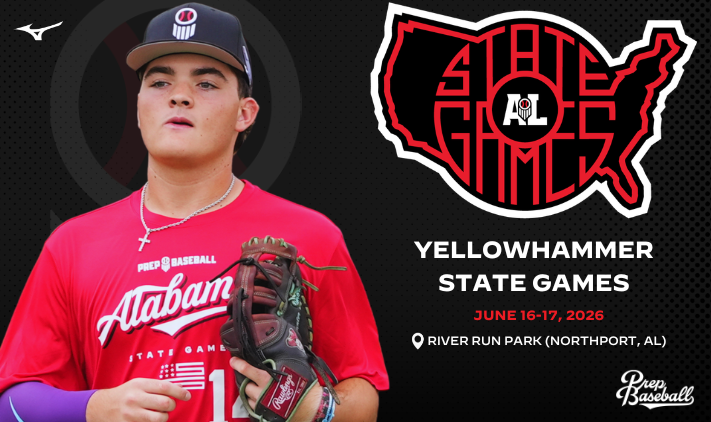
🚨 𝐀𝐍𝐍𝐎𝐔𝐍𝐂𝐄𝐃: 𝟐𝟎𝟐𝟔 𝐘𝐞𝐥𝐥𝐨𝐰𝐡𝐚𝐦𝐦𝐞𝐫 𝐒𝐭𝐚𝐭𝐞 𝐆𝐚𝐦𝐞𝐬 🚨
🗓 June 16-17, 2026
📍 New Home: River Run Park (Northport, AL)
The premier invite-only event of the summer returns for Year 3️⃣, bringing Alabama’s top 2027-2030 prospects to one place. 😎
🔗: prepbsbl.com/4bdIjrv || @PrepBaseball
English
David Sharp đã retweet
It’s officially #ALSouth26 Game Day 👏
The 2026 PB South Alabama Showdown kicks off today across four host sites in the Gulf Shores, Orange Beach, and Robertsdale area.
Check out the full schedule below. 👇

English
David Sharp đã retweet
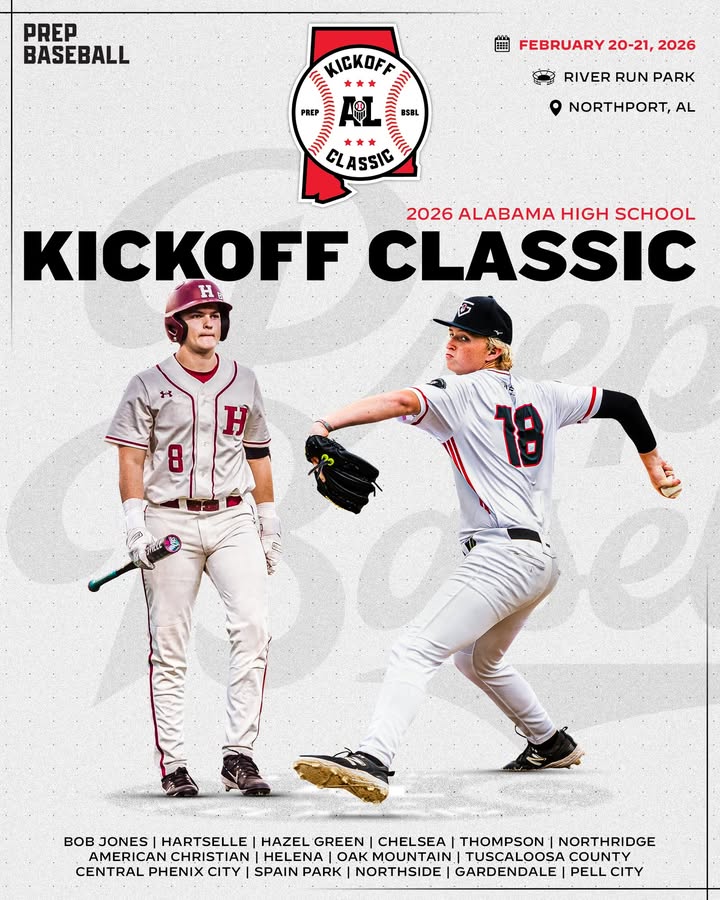
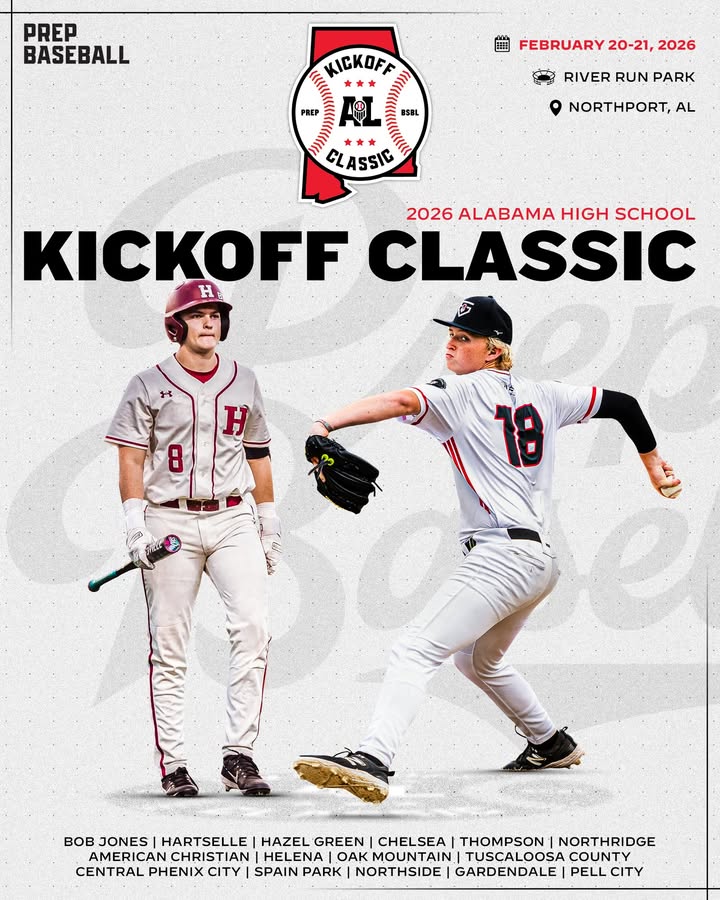
𝐏𝐁 𝐀𝐥𝐚𝐛𝐚𝐦𝐚 𝐊𝐢𝐜𝐤𝐨𝐟𝐟 𝐂𝐥𝐚𝐬𝐬𝐢𝐜: 𝐖𝐞𝐞𝐤𝐞𝐧𝐝 𝐒𝐭𝐚𝐭 𝐋𝐞𝐚𝐝𝐞𝐫𝐬 📊
Dive into our full recap and stats hub featuring top performers, standout numbers, and a complete look back at opening weekend at River Run Park. #ALKC26
Get the full Kickoff Classic stat leaders. 👇
🔗: prepbsbl.com/4cxuh5p || @PrepBaseball
English
David Sharp đã retweet