
@Eisans
7.8K posts
@Eisans
@Eisans
99. Ikvienam ir tiesības uz domas, apziņas un reliģiskās pārliecības brīvību. Baznīca ir atdalīta no valsts. 100. Ikvienam ir tiesības uz vārda brīvību...
Riga, Latvia, Europe, World. Tham gia Mayıs 2009
396 Đang theo dõi917 Người theo dõi

Kas tas tāds?
TVP World@TVPWorld_com
Ukrainian intelligence has suggested that Russia may be preparing to occupy the Baltic states by 2027. “I have no idea why Ukrainian officials would say something like that. It’s just not true,” said Latvian Foreign Minister Baiba Braže [@Braze_Baiba] in the latest episode of On the Record with Aaron Dahmen [@dahmenaaron], rejecting the claims and disputing the assessment of an imminent Russian threat to NATO countries.
Latviešu
Budžetnieku un uzņēmēju domāšanas ātrums un mērogi nav salīdzināmi lielumi...
LTV Ziņu dienests@ltvzinas
"Lai jaunai stacijai uzliktu cenu dēli, mums no Rīgas domes bija jāizīrē 2 kvadrātmetru lielu laukumu. Tas mums aizņēma 8 mēnešus. Par kādiem investīciju projektiem mēs šeit varam runāt, ja šāds lēmums aizņem tik ilgu laiku," #1pret1 sacīja Vība.
Latviešu
Ir jau arī labie stāsti Twiterī...
Massimo@Rainmaker1973
A woman who worked as an housekeeper for 30 years to sponsor her son's education to become a Pilot breaks down when she flew on his plane.
Latviešu
Par RU iebrukumu Baltijā
1. Publicētā kartes nav no Bild, bet Times 2024.02.14
2. US ielipuši Irānā- nepalīdzēs 3. Tramps atriebjoties ES nepalīdzēs 4. ES nepiešķirs 90 miljardus UA, pašiem vajadzēs. 5. RU likums par intervenci, ja krievus neciena. 5. Narva apmaiņā pret Donbasu.
Latviešu
Izglītība ir bīstama.
Zilā un zaļā proporcija palielinās... 😎
World of Statistics@stats_feed
You don’t know what you don’t know
Latviešu
Es pats redzēju ar savām acīm! Video! Tā bija!
Nu ja... protams... 😎
Mans uzskats - visi video melo...
Massimo@Rainmaker1973
Anti-gravity lean with the green screen
Latviešu
@Eisans đã retweet

The Islamic regime in Iran is going to execute this young girl.
She's only 16 years old!
Be her voice #DianaTaherabadi

English
@Kaspars712 Secinājumus zinātniskajos pētījumos izdara tikai pēc daudzām nedēļām neatlaidīga darba... Ar vienu reizi ir par maz... 😇
Latviešu

Eu, bet siļķmaize krīt ar siļķi uz augšu...
Stopiņi, Latvija 🇱🇻 Latviešu
Sapratu.
Pēdējais laiks izstāties no vegānu sektas un iestāties karnovoru partijā.
Šķiet, ka zinātne atbalsta tādu soli, ja mērķis ir samazināt demences riskus.
Taču, kas maksāja par pētījumu? Būtu japapēta.
Owen Gregorian@OwenGregorian
High meat consumption linked to lower dementia risk in genetic risk group | Unknown, Karolinska Institutet Older people with a genetic risk of Alzheimer's disease did not experience the expected increase in cognitive decline and dementia risk if they consumed relatively large amounts of meat. This is shown in a new study from Karolinska Institutet published in JAMA Network Open. The results may contribute to the development of more individually tailored dietary advice. APOE is a gene that affects the risk of Alzheimer's disease. In Sweden, approximately 30 per cent of the population are carriers of the gene combinations APOE 3/4 or APOE 4/4. Among people with Alzheimer's disease, those with these genotypes account for nearly 70 per cent. When the Swedish Food Agency presented an overview of research on the link between diet and dementia last year, more research was requested to assess a possible link between meat consumption and the development of dementia. ‘This study tested the hypothesis that people with APOE 3/4 and 4/4 would have a reduced risk of cognitive decline and dementia with higher meat intake, based on the fact that APOE4 is the evolutionarily oldest variant of the APOE gene and may have arisen during a period when our evolutionary ancestors ate a more animal-based diet,’ says first author Jakob Norgren, researcher at the Department of Neurobiology, Care Sciences and Society, Karolinska Institutet. The study followed more than 2,100 participants in the Swedish National Study on Aging and Care, Kungsholmen (SNAC-K) for up to 15 years. All were aged 60 or older and had no diagnosis of dementia at the start of the study. The association between self-reported diet and cognitive health measures was analysed, adjusting for age, sex, education and lifestyle factors. Twice the risk of dementia At lower meat intake, the group with APOE 3/4 and 4/4 had more than twice the risk of dementia than people without these gene variants. However, the increased risk of cognitive decline and dementia in the risk groups was not seen in the fifth of participants who consumed the most meat. Their median consumption is estimated at approximately 870 grams of meat per week, standardised to a daily energy intake of 2,000 calories. ‘Those who ate more meat overall had significantly slower cognitive decline and a lower risk of dementia, but only if they had the APOE 3/4 or 4/4 gene variants,’ says Jakob Norgren. He continues: ‘There is a lack of dietary research into brain health, and our findings suggest that conventional dietary advice may be unfavourable to a genetically defined subgroup of the population. For those who are aware that they belong to this genetic risk group, the findings offer hope; the risk may be modifiable through lifestyle changes. ‘ The study also shows that the type of meat is important. ‘A lower proportion of processed meat in total meat consumption was associated with a lower risk of dementia regardless of APOE genotype,’ says Sara Garcia-Ptacek, assistant professor at the same department, who together with senior lecturer Erika J Laukka is the study's last author. The findings also extend beyond brain health. In a follow-up analysis, the researchers observed a significant reduction in all-cause-mortality in carriers of APOE 3/4 and 4/4 with higher consumption of unprocessed meat. However, the study is observational and needs to be followed up with intervention studies that can better demonstrate causal relationships. ‘Clinical trials are now needed to develop dietary recommendations tailored to APOE genotype,’ says Jakob Norgren. He continues: ‘Since the prevalence of APOE4 is about twice as high in the Nordic countries as in the Mediterranean countries, we are particularly well suited to conduct research on tailored dietary recommendations for this risk group.’ The research was funded by, among others, the Swedish Alzheimer's Foundation, the Swedish Dementia Foundation, the Emil and Wera Cornell Foundation, the Leif Lundblad family and other philanthropists, the Swedish Research Council and FORTE. The researchers state that they have no related conflicts of interest. Read more: news.ki.se/high-meat-cons…
Latviešu
Draugi, mācieties fiziku!
Un mācieties no citu kļūdām.
Piekabe kļūdas nepiedod.
Learn Something@cooltechtipz
The Importance of Physics...
Latviešu
Twiteris diskutē. Visas ticības esot vienādas... Soc.tīklos šo uzstājīgāk par vīriešiem apgalvo sievietes. Savādi, ko par to teiktu sievietes no Somālijas, Afganistānas, Jemenas vai Irānas? Neparasti, man un maniem domubiedriem tieši ar šo valstu sievietēm ir bijusi darīšana. Caur labdarības projektiem. Šīs sievietes piedzīvojušas islama ietekmi uz savas ādas... Khmm. Burtiski... Viņas nepiekrīt naivajiem lozungiem.
Latviešu
Žižeks trāpījis 10niekā!
Ļaundari varētu vēl pārliecināt, ka viņš dara ļaunu, bet neiespējami pārliecināt par ļaunumu to, kas 100% par sevi pārliecināts, ka dara labu...
Tā senāk...
Tā šodien...
Mark W.@DurhamWASP
“Because the horror of Communism, Stalinism, is not that bad people do bad things — they always do. It's that good people do horrible things thinking they are doing something great.” Slavoj Žižek, born 21st March 1949
Latviešu

Kas notiek Lietuvā?
Zemnieks atrod baznīcas zvanu savā tīrumā...
Interesting World@_fluxfeeds
The Antašava church bell, buried during World War II for protection, was unearthed in 2024 in Lithuania after being discovered by a local farmer in his field.
Latviešu
@viuksmp @JurgisLiepnieks Labi, ka te ir profesionāli konsultanti. Atsķirībā no "Air Baltic" un "Rail Baltic", kur bija neprofesionālie konsultanti savākti... 😎
Latviešu
@JurgisLiepnieks Tikko Bērtule Ašeradinam jautāja. Atbildēja apmēram, ka tas noslēpums un to joprojām nedrīkst stāstīt. Bet būšot izdevīgi, profesionāli konsultanti visu izvērtēšot un visādi riski tikšot novērsti.
Latviešu

Šis ir no tiem jautājumiem, kuru sabiedriskajam medijam laikam ir aizliegts uzdot valdības pārstāvjiem.
Ivars Auziņš🇱🇻 🇪🇺 🇺🇦 🌻@IvarsAuzins
Kāds zin kāpēc jāizpērk LMT un Tet? Ir kāds racionāls izskaidrojums, kāpēc uz to jātērē mūsu nauda? delfi.lv/bizness/444677…
Latviešu
Vai piektdien būs atkal sarunas? Būtu interesanti dzirdēt komentāru par publiskas atvainošanās fenomenu. Kāpēc tas strādā vai nestrādā? N.Rutulis publiski atvainojies. Bez aizbildinājumiem. Reta parādība LV publiskajā dzīvē. Ne jau nesmukumi. Atvainošanās. Šķiet, ka kaunu būs mācējis pārvērst ieguvumā.
Latviešu
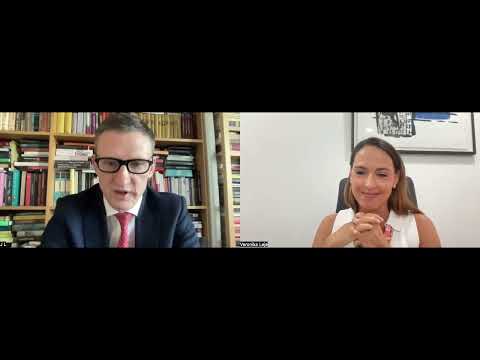
Pirmstiesas publicitātes iespaids uz tiesu lēmumiem. Pieminētās personas: Lembergs, @Lato_Lapsa žurnāls IR, Rimševics, oligarhi, digitālās tv lieta un tādā garā.
youtube.com/watch?v=YJBD-W…
YouTube
Latviešu