Peter Hope

850 posts

Peter Hope banner
Peter Hope

Peter Hope

@IPeterHope

Saving people with ME/CFS time, money, and sanity on the cure-chasing treadmill. Helping them improve QoL and survive the ride.

KailoWay Tham gia Aralık 2024
1.1K Đang theo dõi501 Người theo dõi
Tweet ghim
Peter Hope
Peter Hope@IPeterHope·
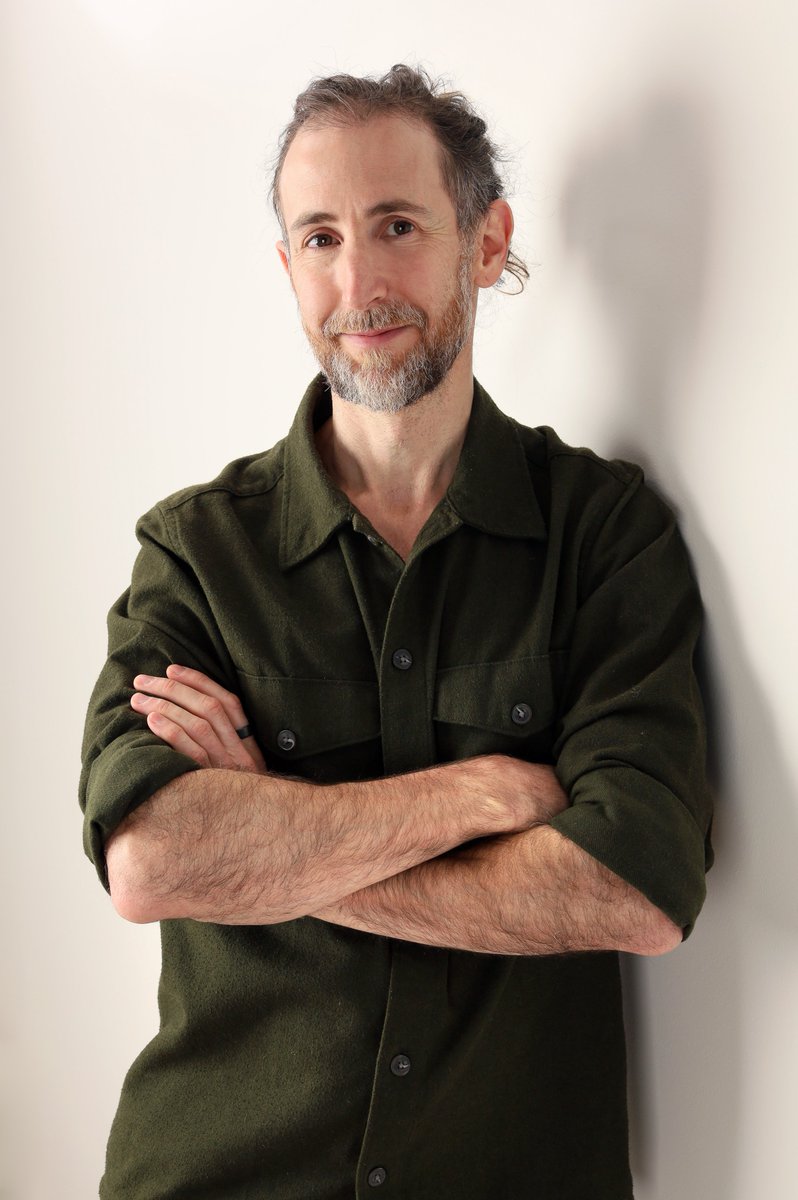
Hi, I’m Peter, and I’d love to share my journey and how it might help you. Chronic illness robs millions of an active, fulfilling life. I was one of them. Here’s how illness took everything from me—and what I found on the path to healing. At age 30 I worked internationally in high-pressure jobs, had two kids and ran a business. I was active in outdoor sports and fitness. Then, one day, I could barely walk or even speak above a whisper. I developed a long list of symptoms including POTS, PEM, swollen glands, bad sleep, bad digestion, hypersensitive to stimuli, brain fog and more. Within days I was bedridden. Doctors ran the standard tests—all clear. I was prescribed anti-depressants and sent on my way. I didn’t take them. I knew I wasn’t depressed. My world fell apart. I couldn’t work or support my family. My partner moved away with our children and I was forced to sell our home. For months doctors dismissed me, telling me I just needed a holiday before I finally got a diagnosis of ME/CFS and was told simply to join a support group. Desperate, I tried everything—mainstream, alternative, very alternative. Every expert had a different answer. Most were dead ends. Some gave temporary relief. None gave me my life back. After years of struggle I realised no one was coming to save me and I stopped the exhausting search for a cure. I gave up the constant battle and started slowly working with my body, piecing together the puzzle. I applied a combination of approaches patiently and consistently, adjusting them as my condition evolved. It wasn’t easy, but over time I regained an active life. I ski, hike, travel, work, and most importantly, I’m present for my kids. I won’t say I’m back to my old life—but I’ve built a new one. I continue to take good care of my health and keep growing in strength. I’m no longer a competitive workaholic thriving on adrenaline and stress. I’m more in tune with my body and have a different set of priorities. I live free from the fear of a crash or relapse. But I haven’t forgotten the suffering, frustration and helplessness of watching life and loved ones pass me by. At my lowest point, I made a promise to myself: If I recover, I will do my best to help others. I’m not a doctor, and I don’t claim to have a cure, a miracle fix, or a one-size-fits-all program. Everyone’s experience with chronic illness is unique and deserves respect. I’m not here to proclaim or prescribe. But I do know what it’s like to be dismissed, trapped in your own body, and losing hope. There should be a medical cure—but since there isn’t yet, I had to take a different approach. I stopped chasing treatments and started focusing on what my body truly needed to heal. Recovery wasn’t about finding ‘the one thing’—it was about creating a systematic, personalised approach that worked with my body. Now, I’m helping others uncover their own unique path to healing. I integrate strategies that address physical dysfunction while supporting the body in shifting into its natural healing state. The approach involves a deep dive into key areas: ✅ Nutrition & gut health ✅ Inflammation & immune function ✅ Mitochondria & energy metabolism ✅ Nervous system regulation ✅ Cognitive function & brain fog ✅ Environmental factors This isn’t about quick fixes or temporary relief. It’s about building a foundation for lasting recovery. It’s the guidance I wish I’d had when I was ill—the kind of structured, personalised approach that can make all the difference. In this process, we: ✅ Shorten the time and energy spent on getting well ✅ Reduce symptom severity and regain stability ✅ Greatly improve quality of life and restore a sense of normalcy ✅ Deepen the understanding of the disease mechanisms and remove hidden barriers to healing ✅ Optimise the environment to support recovery and long-term resilience If you’re ready for a new way forward and would like to know more. Book a free call today: bit.ly/422IKiE I wish you healing and happiness whichever path you take. Peter
Peter Hope tweet media
English
4
2
39
4.2K
Peter Hope
Peter Hope@IPeterHope·
This perspective is interesting, and I completely agree that “just push harder” is unhelpful and damaging. I wonder, though, is it really helpful to separate physiology from psychology so starkly? The immune system, nervous system, and mitochondria all interact, and chronic fatigue seems to involve feedback between these systems. Also, if viral persistence were the whole story, why do some people clear viral markers but still experience dysregulation, especially of the ANS? I guess my takeaway is that there’s probably more nuance here — physiology, psychology, and nervous system regulation all seem inseparable in how this condition plays out.
English
1
0
0
141
Camus
Camus@newstart_2024·
Dr. Matt Cook drops a brutal truth on chronic fatigue syndrome: "Chronic immune stress from viruses living inside your cells steals energy directly from the mitochondria. That's why you have the best attitude in the world, you're Chris Williamson-level motivated… and you still can't fight your way out of it. This is super physiological—not psychological." 45 seconds that destroy the "just push harder" myth for anyone stuck in endless exhaustion. If you've battled chronic fatigue, did the "mindset/attitude" advice ever actually move the needle—or did it just make you feel worse for not being able to "will" your way out?
English
26
104
548
42K
Peter Hope
Peter Hope@IPeterHope·
@Sp33dtrial5 @TomKindlon You put that in quotations as if it's something I wrote. I didn't. I don't offer a recovery program.
English
0
0
0
51
J
J@Sp33dtrial5·
@IPeterHope @TomKindlon “I recovered and here’s how to order my Mind-Body recovery program.” — yeah, ok.
English
1
0
0
26
Peter Hope
Peter Hope@IPeterHope·
One of the hardest things about ME/CFS is watching your life fall apart. Feeling your body betray you. Facing loss, isolation, misunderstanding. Nothing can truly prepare you, and support is scarce. On a cultural and societal level, we are simply not equipped for this illness. The physical and emotional aspects go hand in hand. Supporting the body, mind and nervous system can help the body slowly find balance. There’s no secret cure. No single supplement. But I offer real support, guided by experience, exploring small steps that make a difference. If you want to talk, follow and DM me for a free discovery call. kailoway.com #MECFS
English
0
0
5
116
Peter Hope
Peter Hope@IPeterHope·
Good question ;) ...and honestly there isn’t a simple answer. There’s no single cure, and recovery wasn’t linear for me. What helped most was understanding that ME/CFS is a state where the body is stuck in survival mode. I focused first on the nervous system. Getting my body into a safer, more regulated state where healing could actually happen. This may sound simple but is actually an in depth process with many factors. A framework that helped for me was the Cell Danger Response theory (Dr Robert Naviaux), which helps make sense of why the body is stuck and why pushing through doesn’t work. From there, recovery was about reducing threat, pacing very carefully, regulating stress responses, improving sleep, supporting metabolism and immunity, and slowly rebuilding capacity without triggering crashes. It took time, patience, and a lot of trial and error. Progress was gradual rather than dramatic. Over time my baseline improved until I could live a full life again. Even now, it’s something I manage rather than ignore. I stay mindful of stress, overexertion, and nervous system overload. I take care of my diet and sleep. If you want, I’m happy to share more specific things that helped me, but it really depends on your symptoms, severity, and circumstances. Everyone’s ME/CFS looks a bit different.
English
0
0
0
22
Manu Sisti
Manu Sisti@Manu_Sisti·
Repeat after me. AI eBooks are THE fastest path to $10k a month in 2026. 💰 No webistes, sales funnel or a big team needed. I'm giving away 5+ hours of my eBook publishing strategy that makes me $50,000/month And for the next 48 hours, it’s 100% FREE. Bookmark + comment “Guide” and I’ll DM it over. Must be following so I can send it!
Manu Sisti tweet media
English
594
60
370
49.3K
Peter Hope
Peter Hope@IPeterHope·
You've touched on some real findings, but I think it pushes the conclusions a bit further than the evidence allows. It’s true that large studies often show a U-shaped link between sleep duration and health, with lowest risk around 6–7 hours. But these studies are observational, so they can’t tell us that 6.5 hours is optimal or that longer sleep is harmful. One issue is reverse causation: people who sleep longer often do so because of underlying health issues, inflammation, or poor sleep quality. In that case, long sleep is more of a signal than a cause. The idea that 8–9 hours of sleep directly drives inflammation or hormonal problems also seems less clear-cut. Those biological changes may increase sleep need rather than result from it.
English
2
0
14
960
Metabolic Uncle
Metabolic Uncle@MetabolicUncle·
The Sleep Lie That's Killing More People Than Insomnia Your body doesn't want eight hours. Never did. That number got stamped into public consciousness through repetition, not research. Industrial convenience dressed up as biological necessity. The actual data tells a different story, one that makes health influencers uncomfortable because it contradicts decades of advice they've been selling. Twenty-three thousand people tracked through the UK Biobank revealed something most sleep experts ignore. The mortality sweet spot sits at 6.5 hours. Not seven. Not eight. Exactly 6.5 hours correlated with the lowest death rates and optimal brain function. Researchers measured functional connectivity in the nucleus accumbens, your brain's reward center, and found it performed best at this duration. The mortality curve forms a U shape. Both extremes increase your risk of dying early. Sleep too little and you shorten your lifespan. Sleep too much and you shorten it more. Where did the eight-hour rule originate? Factory schedules. Someone decided eight hours of work, eight hours of leisure, eight hours of sleep sounded balanced and orderly. It stuck. Sleep researchers have been trying to correct this fiction for decades, but cultural momentum is powerful. The myth persists despite mounting contradictory evidence. The harm from oversleeping operates through clear biological mechanisms. Chronic long sleep increases systemic inflammation. C-reactive protein levels rise. Interleukin-6 climbs. These inflammatory markers predict cardiovascular disease, diabetes, and premature death. Hormonal balance deteriorates. Cortisol rhythms flatten. Insulin sensitivity drops. Growth hormone secretion becomes erratic. Human circadian biology evolved over millions of years. Those cycles didn't include nine-hour sleep sessions. Studies of hunter-gatherer populations show they typically sleep 6.5 to 7 hours per night. Modern research on groups without artificial light reveals the same pattern. The eight-hour standard is an historical outlier, not a biological imperative. This doesn't mean everyone requires exactly 6.5 hours. Individual variation exists. Some people function optimally at six hours. Others need seven. A small percentage genuinely requires eight, though that group is smaller than commonly believed. The metric that matters is how you feel and perform, not whether you hit some arbitrary cultural target. Quality trumps duration. Fragmented sleep totaling eight hours produces worse outcomes than consolidated 6.5-hour sleep. Deep sleep stages matter more than total time in bed. You can obtain adequate restorative sleep in 6.5 hours if those cycles remain uninterrupted. If you currently sleep eight or nine hours and feel sluggish, the data suggests you might be overshooting your biological need. The inflammatory burden from chronic long sleep accumulates gradually, like compound interest working against your health. Reducing sleep duration sounds counterintuitive when fatigue is the complaint, but many people report increased energy after cutting back to seven hours. The adjustment period takes time. Your body adapts to habitual sleep patterns through homeostatic regulation. If you've been sleeping nine hours for years, dropping to seven overnight will feel rough initially. The transition lasts two to four weeks as your circadian system recalibrates. During that window, caffeine dependency might increase temporarily. Push through it. Set a consistent wake time first. If you need to be up at six in the morning and want to target 6.5 hours, go to bed at eleven thirty. Don't go to bed earlier just because you can. Let sleep pressure build naturally. If you're not tired at eleven thirty, stay up until you are. Your body will adjust the sleep drive to match the new schedule. Track how you feel, not just how long you sleep. Energy levels at two in the afternoon matter more than total hours logged. Cognitive performance on complex tasks matters more than grogginess at six in the morning, which fades after twenty minutes for most people. Mood stability throughout the day matters more than whether you hit some culturally prescribed number. Most people who sleep eight or nine hours do so because they've been told that's healthy, not because their bodies demand it. They wake up groggy, attribute it to insufficient sleep, and try to sleep more. This creates a cycle where oversleeping produces the symptoms it's supposed to cure. More inflammation. Worse hormonal balance. Lower energy. The solution becomes the problem. Your body sends signals. Morning grogginess that persists beyond thirty minutes suggests poor sleep quality, not insufficient duration. Afternoon energy crashes indicate metabolic dysfunction, often worsened by oversleeping. Brain fog throughout the day correlates with inflammatory markers that rise with chronic long sleep. The eight-hour myth persists because it sounds reasonable and questioning it feels irresponsible. But reasonable-sounding advice kills people when the data contradicts it. The mortality curve is unambiguous. The U-shaped relationship appears consistent across populations. The optimal zone is narrower than previously thought. Hunter-gatherer populations provide a useful reference point. These groups, living without artificial light or alarm clocks, naturally settle into sleep patterns around 6.5 to 7 hours. Their circadian rhythms synchronize with natural light cycles. They experience less chronic disease than modern populations despite sleeping less than the recommended eight hours. This suggests the modern sleep advice might be creating problems rather than solving them. The inflammatory cascade from oversleeping starts subtly. C-reactive protein inches up. You don't feel it immediately. Interleukin-6 rises. No obvious symptoms. But these markers predict cardiovascular events years before they occur. The damage accumulates silently while you follow mainstream sleep recommendations. Cortisol dysregulation from chronic long sleep disrupts your entire hormonal axis. Morning cortisol should spike to wake you up. Evening cortisol should drop to prepare you for sleep. Oversleeping flattens this rhythm. You wake up tired because your cortisol didn't rise properly. You stay wired at night because it didn't fall appropriately. The solution isn't more sleep. It's correcting the pattern that caused the dysregulation. Insulin sensitivity deteriorates with chronic long sleep. Your cells become less responsive to insulin signaling. Blood sugar regulation suffers. This creates a metabolic environment that favors fat storage and inflammation. The same metabolic dysfunction that drives obesity and diabetes gets worse when you sleep too much. Growth hormone secretion, which occurs primarily during deep sleep, becomes erratic with oversleeping. More time in bed doesn't mean more growth hormone. It means disrupted secretion patterns. Your body produces less of this crucial hormone despite spending more time asleep. Quality of sleep cycles matters more than total duration. If you're sleeping eight hours and feeling terrible, the conventional response is to sleep more. This makes the problem worse. The correct response is to examine whether you're overshooting your biological need. Most people resist this because it contradicts everything they've been told about health and recovery. The transition away from chronic long sleep feels uncomfortable initially. Your body has adapted to the oversleeping pattern. Changing it requires recalibration. The first week is rough. You feel tired. Your brain protests. This is temporary. The homeostatic sleep drive adjusts within two to four weeks. Energy levels improve. Mental clarity returns. Inflammation markers drop. Stop forcing eight hours if your body works better on less. The mortality data supports you. The inflammatory markers support you. The brain function data supports you. The only thing that doesn't support you is outdated cultural dogma masquerading as medical advice. Your sleep need is individual. The key is paying attention to actual outcomes rather than hitting arbitrary targets. How do you feel at two in the afternoon? Can you think clearly during complex tasks? Is your mood stable throughout the day? These metrics matter more than whether you logged eight hours. The eight-hour rule persists because it's simple and memorable. Simple rules feel safe. They provide clear guidelines in an uncertain world. But biology doesn't care about simple rules. Your body operates according to evolved circadian patterns that predate modern sleep recommendations by millions of years. Those patterns point toward 6.5 to 7 hours, not eight. The science is clear. The mortality curve is consistent. The inflammatory mechanisms are understood. The optimal duration is narrower than previously thought. Stop sleeping yourself to death because someone decided eight hours (or even more!!!) sounded balanced. Sources: 1) Li A, Lyu R, Han S, Zhang J, Xiang Y, Xie C, Liang X, Qiu J. Association of estimated sleep duration with nuclei accumbens functional connectivity and reward-related behavior. Progress in Neuropsychopharmacology and Biological Psychiatry. Key Finding: 6.5 hours associated with lowest mortality risk and optimal brain function in 23,449 participants from UK Biobank 2) A prospective study of sleep duration and mortality risk in women Sanjay R Patel 1, Najib T Ayas, Mark R Malhotra, David P White, Eva S Schernhammer, Frank E Speizer, Meir J Stampfer, Frank B Hu, PMID: 15164896 "Conclusions: These results confirm previous findings that mortality risk in women is lowest among those sleeping 6 to 7 hours.."
Metabolic Uncle tweet media
English
38
160
616
63.8K
Peter Hope
Peter Hope@IPeterHope·
I trust most of you have seen this already. What a beautiful and inspirational message to all of us who know the dark depths of ME/CFS. Thank you Whitney Dafoe.
Whitney Dafoe@DafoeWhitney

Talking Again in 2025 I started eating again in 2024.  After 11 years not eating a crumb of food or even drinking a drop of water.  I got all fluids and nutrition from tubes inserted into my body.  For 11 years.   In 2025 I have another big improvement to announce.   I have started ‼️ TALKING ‼️ again after 12 years of not saying a word to anyone!   What will 2026 bring❓ Talking has been truly AMAZING.  A slow process, it started when I slowly started feeling like I could talk again, but my stress response was still very high about it and it was hard to breach that stress wall and say the first words to someone.  I first talked to my best friend, who I am really close with, comfortable with and feel very safe with so my stress levels are lower with her.  I practiced talking to her on calls and video calls for about 6 months before talking to anyone else.  Then I moved on with a few more close friends.  It was hardest with my parents and caregiver because of the incredibly high stress I have been through with them in the past during my sickest years - my stress response seems to still be high with them - sensing danger likely due to a PTSD response mixed with the messed up fight or flight response in ME/CFS.  But I am now talking to everyone!  It is sooo much easier with my caregiver to just tell her what I need instead of pantomiming every little thing for sometimes a long time until she figures it out.  What a relief!  And I can have conversations with friends and loved ones!   I just said goodbye to a lifelong friend who is dying and I got to talk to her on the phone and tell her how much she means to me, the impact she has had on my life, how wonderful she is; And then say goodbye.  It was profoundly sad, but it meant the world to me that I got to talk to her and say goodbye at all.  She is not online and does not text, so it would have been so devastating not to have that last connection with her… Read, watch or listen to the whole post on my blog! whitneydafoe.com/mecfs/?post=ta… ================= ================= #mecfs #chronicillness #pwME #LongCovid #Disability

English
0
1
6
402
Peter Hope
Peter Hope@IPeterHope·
People often say that ME/CFS causes “DAMAGE.” It can feel that way — like something in your body is broken beyond repair. But biologically speaking, there’s little evidence of permanent damage. The problem is dysfunction. 🧵
English
1
0
3
322
Peter Hope
Peter Hope@IPeterHope·
@SattarHs I find it encouraging when on rare occasions an affirmative echo returns from the void. Thank you for being that echo today. Wishing you the best also. 🕊️
English
1
0
1
19
Hs
Hs@SattarHs·
@IPeterHope This the unfortunate part.Often even with the information given about mindset and psychology and these things people often misunderstand it use incorrectly. Thus leading to it being rejected. Ppl study this their whole lives and still get it wrong. Some may be unable to get it.
English
1
0
2
11
Peter Hope
Peter Hope@IPeterHope·
Thank you. Yes, it's a tricky business trying to "offer help" in this space. It's a mine field! I can only ever speak from my own experience, and if it resonates with someone else and they find use in applying it, then I'm happy. Genuinely, I hope a medical treatment does become available. But in the meantime, I believe there is meaningful work to be done in the realm of the psyche and it's connection the the nervous system and every aspect of our body and wellbeing.
English
1
0
0
22
Hs
Hs@SattarHs·
@IPeterHope There and then I would just leave it who comes along and finds it. So its like you've done the best you can. If anything they relate to is clear to them or they open to learning they'll ask. Someone once told me only give advice to people who ask. Seems wise. All the best to you
English
1
0
1
13
Peter Hope
Peter Hope@IPeterHope·
@SattarHs Yes and understandably, many patience are triggered easily due to trauma from medical gaslighting and hence prone to project and react to the topic.
English
3
0
0
20
Hs
Hs@SattarHs·
@IPeterHope 100% about being open. Unfortunately there is issues of gaining some value, identity, being dismissed, wanting to be right that affect how they deal with their illness and new info. What's worse is that tone is not present in texts.this leads to projection. Most dont understand
English
1
0
1
11
Peter Hope
Peter Hope@IPeterHope·
Exactly. For patients to examine their mindset, psychology and beliefs does not imply that you are "admitting" that the illness is psychological. I do not say it is psychological. I say the door to healing often starts there. At least, it plays a major role. It is also one area where we have agency. I appreciate that many have tried with little success. But there are those who rule it out altogether. The subject needs to be approached with nuance rather than black and white thinking. The separation of body and mind only exists conceptually. In reality there is no separation.
English
1
0
1
16
Hs
Hs@SattarHs·
@IPeterHope The mere fact of belief in an illness that is curable as not curable changes our entire physicalogical reaction to our issue. We are our system, so our biological reflects our state of mind or being. Ancient medical systems took constitutions into account of people. Very importan
English
1
0
2
9
Peter Hope
Peter Hope@IPeterHope·
Hi, thanks for your valuable comments here. I see things similarly. I feel frustrated at times to see so many suffer while waiting for a pill. I understand most have tried many things. But they often reach the conclusion that they know it all and have tried everything. My own healing was possible through always staying open and curious.
English
2
0
0
17
Hs
Hs@SattarHs·
@IPeterHope You are right. I think one of the biggest barriers to any healing is people tend to think of ourselves as some combo of systems. Or just biological machine. People need to learn we are one being comprising many systems. So we can't fix everything with just a pill.
English
1
0
1
7
Peter Hope
Peter Hope@IPeterHope·
Chronic illness taught me some hard lessons. One is the realisation that my calling is NOT a "career". It's a role — a way of being in the world. With myself and others. What's one lesson chronic illness taught you? #chronicillness
English
0
0
2
64
Peter Hope
Peter Hope@IPeterHope·
And a gentle reminder: Some days, even the smallest action is too much. On those days, it’s okay to do nothing — truly. There will be bad days, bad weeks, even bad months. None of this is a failure, and none of it erases your progress. Hold space for yourself without judgment. Your worth isn’t measured by what you can do on any given day. And even if it doesn’t feel like it sometimes — don’t lose hope. 🕊️ #mecfs #chronicillness #longcovid
English
1
0
2
90
Peter Hope
Peter Hope@IPeterHope·
The core message: ✨ Your scaled-down version is just as valid as the “biohacker” version. For someone with ME/CFS, a cold face wash is the cold plunge. A stretch in bed is the morning workout. Seconds of sunlight are the sunrise routine. This isn’t about comparing to healthy people or pushing yourself. It’s about honouring your body while still giving yourself ways to feel progress, agency and positive self-esteem.
English
1
0
3
101
Peter Hope
Peter Hope@IPeterHope·
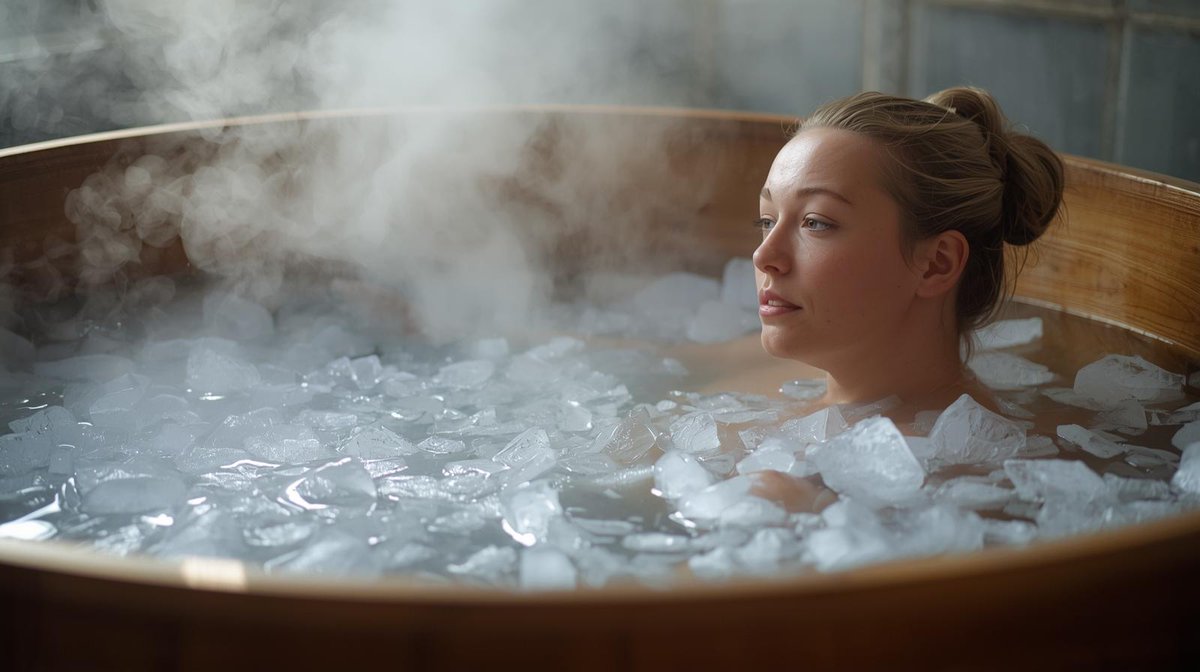
A Biohacker Morning Routine… adapted for people with ME/CFS. Many with ME/CFS can’t do the things people claim make you “healthier.” Cold plunges, workouts, breathwork, sunrise walks — for many, even attempting these would trigger a crash. But here’s the reframe: 🌱 You can often build momentum and wellbeing through tiny, accessible versions of these habits — scaled to your capacity and done with pacing. Here’s how a typical “optimal morning routine” can look when adapted for ME/CFS ⬇️
Peter Hope tweet media
English
1
1
11
370