niveshak

34.9K posts

niveshak banner
niveshak

niveshak

@Sandeepnirvan

Speaks on 'What should U avoid while investing | IIM-Ahmedabad | Investment Advisor (AFP) | NISM- Research Analyst| MF, Stocks and Market Outlook| Xpertvoice

Ahmedabad Tham gia Haziran 2016
377 Đang theo dõi4.9K Người theo dõi
Tweet ghim
niveshak
niveshak@Sandeepnirvan·
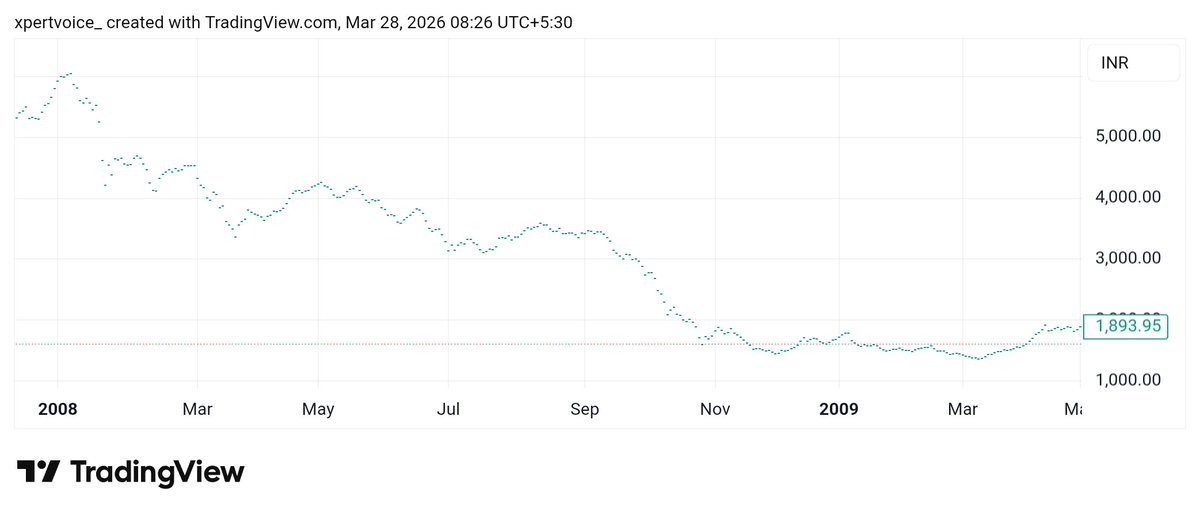
🧠 𝗧𝗛𝗘 𝗧𝗥𝗨𝗧𝗛 𝗔𝗕𝗢𝗨𝗧 𝗦𝗠𝗔𝗟𝗟𝗖𝗔𝗣 𝗜𝗡𝗩𝗘𝗦𝗧𝗜𝗡𝗚 𝗡𝗢 𝗢𝗡𝗘 𝗧𝗘𝗟𝗟𝗦 𝗬𝗢𝗨 This is the chart of the Nifty Smallcap Index. From January 2008 to March 2009, the Indian market witnessed a major, full-fledged bull run across all sectors and indices. > The Smallcap Index made its era high of 6060+ in the first week of March 2008. > It was the euphoric phase of the market. > I remember many domestic and global analysts and brokerage houses giving big upside targets. But a bubble with over valuations can’t sustain for too long. > Along with the broad-based market, the Smallcap Index also crashed badly. > It fell sharply over the next 13 months and made a low of 1350. > This was a fall of 4710 points — a 78% crash from peak levels. > The NAV of many smallcap-focused funds crashed to one-third, and panic was clearly visible among investors. 💡 Before delivering good returns, the Smallcap Index will test your patience by showing big drawdowns in your portfolio. > I personally visited many investors and advised them not to press the sell button 🔘. > Instead, I told them to accumulate more at those pessimistic levels. > Within the next 20 months, the Smallcap Index made a high of 4550+ levels. > That’s a 237% return in just 20 months. 👉 So, investing in smallcap funds is not easy — it comes with huge risk and volatility. Do you still hold your smallcap fund? 𝘼𝙧𝙚 𝙮𝙤𝙪 𝙧𝙚𝙖𝙙𝙮 𝙛𝙤𝙧 𝙖 𝙗𝙪𝙢𝙥𝙮 𝙧𝙞𝙙𝙚?
niveshak tweet media
English
1
2
3
1.3K
niveshak
niveshak@Sandeepnirvan·
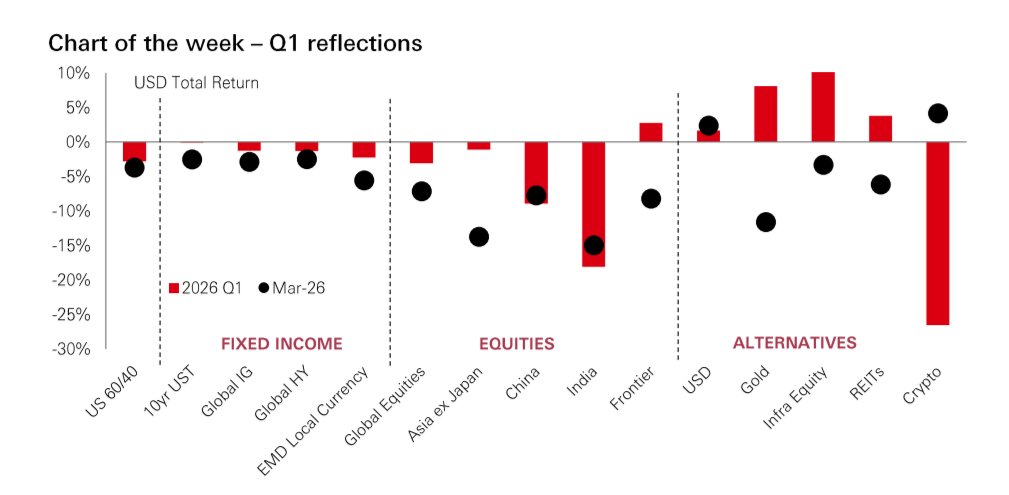
🚨 Q1 CY2026 is showing early signs of pain, which may extend further. Yes. Overvalued assets will undergo both time and value correction. Do you know which asset class has taken the biggest hit so far in YTD 2026?
niveshak tweet media
English
0
0
0
44
niveshak
niveshak@Sandeepnirvan·
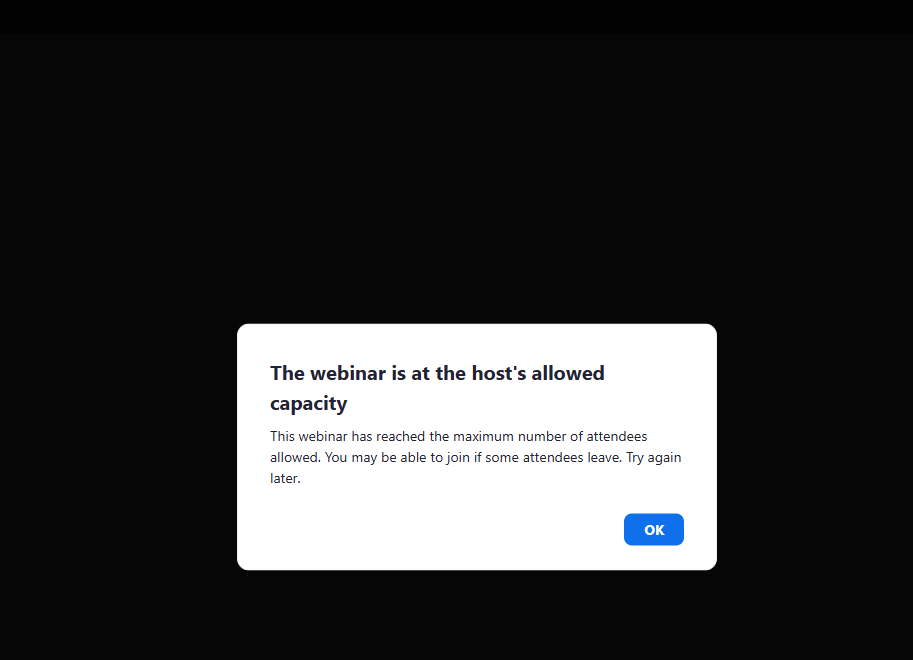
A few minutes of delay can give you the pain of missing your favourite webinar. Missed this time. Why would someone miss listening to DSP Netra and @SahilKapoor Housefull
niveshak tweet media
English
2
0
1
1K
niveshak
niveshak@Sandeepnirvan·
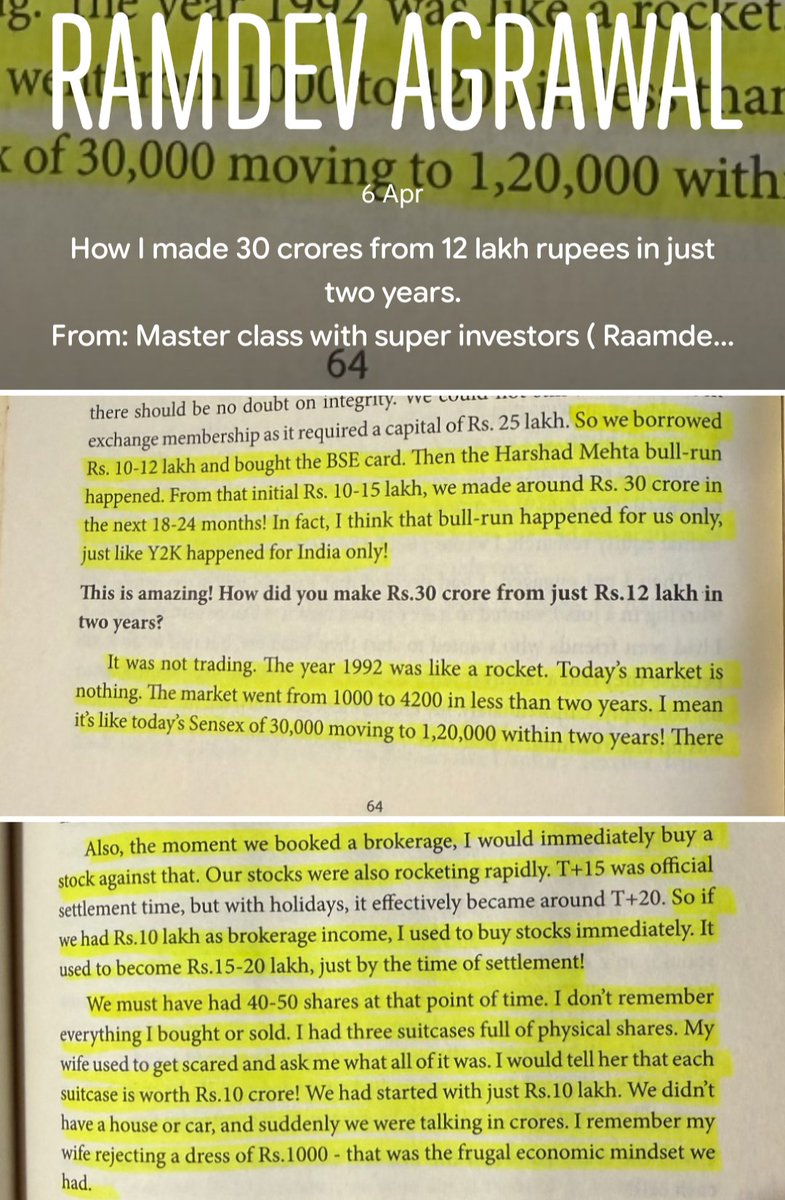
During the Harshad Mehta bull run, we made 30 crores from just 12 lakh rupees of investment. Bull run used to be fierce and price can move anywhere within a small time frame. Image: Master class with super investors (Raamdeo Agarwal, MOSL)
niveshak tweet media
English
0
2
4
413
niveshak
niveshak@Sandeepnirvan·
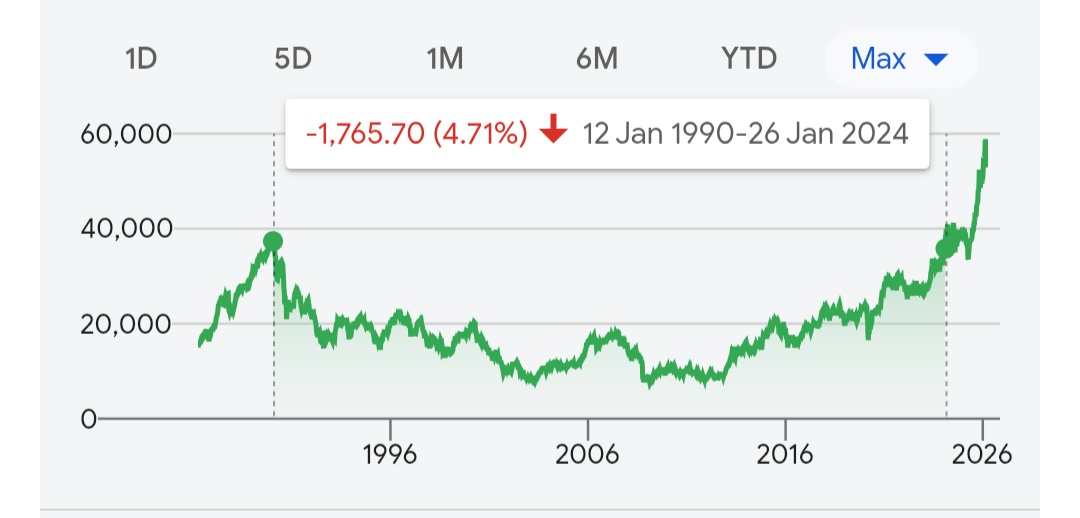
These pages of the book are sending chills down my spine. A long phase of muted returns? Are we heading to a scenario like Japan 🗾? 35 Year with no returns? Falling number of consumers (population)!!
niveshak tweet media
Neil Borate@ActusDei

Almost a decade after Coffee Can Investing, Saurabh Mukherjea says the idea is dead. Consumption has crawled. Those fabled moated compounders aren't compounding. And India, he warns, is heading for a 1991-style crisis. Here's what he told us at a @thefynprint event. 🧵

English
0
0
1
189
niveshak
niveshak@Sandeepnirvan·
I don't know how many will agree, "Along with continued SIP, in such a cheap and lower-valued market, there should be a concept of SSP in an overvalued market." Tell me honestly—who told this to their investors in the last 12 months?
English
0
0
0
77
niveshak
niveshak@Sandeepnirvan·
We have seen a lot of geopolitical events But the positive side of these uncertainty and Tariff is that: 🔸India completed very important deals like UK FTA and EU FTA. 🔸RBI pumping 10 lakh crore of liquidity. 🔸Interest rates also coming down. Source: Sunil Singhania Abakkus Asset Manager Pvt Ltd
English
0
0
0
95
niveshak
niveshak@Sandeepnirvan·
5 years from now, people will say — “I wish I had bought more.” But today, they’re waiting for the settling of the market— A perfect bottom. It doesn’t exist. Start with a small amount . Keep pouring consistently. 💡 Accumulate quality when it’s ignored. 👉Catching the bottom is a myth. 🧠 Catching the upside is a decision. Be early, not perfect. #Investing #StockMarket #stockmarketeducation
English
0
0
0
93
niveshak
niveshak@Sandeepnirvan·
We all get swayed by news, information and analysis. Too much analysis leads to paralysis. India got independence in 1947. It took us 60 years to reach the $1 Trillion economy in 2007. Then $ 2 trillion tool 9 years and another one more took 8 years. After 78 years we are $4 Trillion economy. 👉 No single event can make it good or bad for the economy. So I will rather say, "Do nothing" Sunil Singhania, Abakkus Asset Manager LLP Source: Outlook Money
English
0
1
3
380
niveshak
niveshak@Sandeepnirvan·
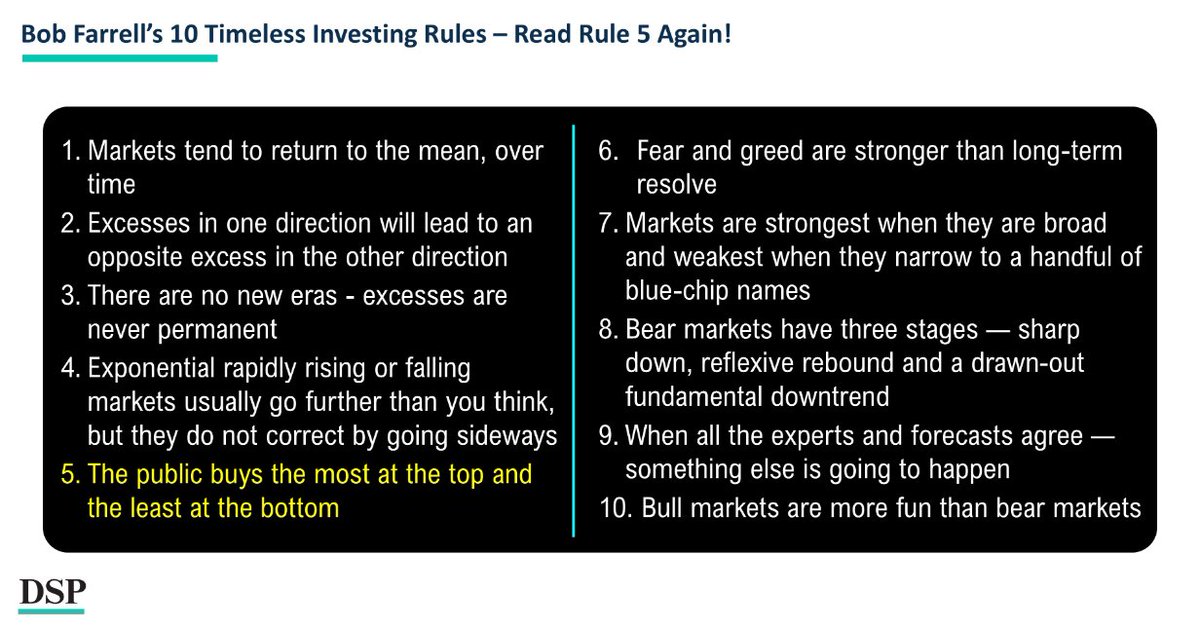
Ten timeless investing rules of Bob Farrell
niveshak tweet media
English
0
0
0
105
niveshak
niveshak@Sandeepnirvan·
𝗧𝗵𝗶𝘀 𝗜𝘀 𝗡𝗼𝘁 𝗧𝗵𝗲 𝗙𝗶𝗿𝘀𝘁 𝗖𝗼𝗿𝗿𝗲𝗰𝘁𝗶𝗼𝗻 — 𝗕𝘂𝘁 𝗧𝗵𝗲 𝗥𝗲𝘃𝗶𝘃𝗮𝗹 𝗠𝗮𝘆 𝗕𝗲 𝗦𝗶𝗺𝗶𝗹𝗮𝗿 2008–09: Markets crashed and bottomed out in ~10 months, followed by nearly 12 months of consolidation. 2020–21: The crash bottomed in just 5 months, with another 5–6 months of time correction. 2024–26 (Current Phase): The Nifty peaked in September 2024 and corrected ~16% over the next 5 months (till Feb 2025). Then came a trigger — RBI rate cuts. Banking stocks rallied, leading the index to fresh highs by November 2025. Despite new highs, retail investors and DIIs kept absorbing FII selling. Within 45 days, the Nifty scaled a new ATH of 26,373. 𝗕𝘂𝘁 𝗵𝗲𝗿𝗲’𝘀 𝘄𝗵𝗮𝘁 𝗺𝗼𝘀𝘁 𝗽𝗲𝗼𝗽𝗹𝗲 𝗺𝗶𝘀𝘀𝗲𝗱 👇 The correction didn’t start now. It actually began in September 2024 itself, rotating across sectors: 𝗣𝗦𝗨 → 𝗖𝗼𝗻𝘀𝘂𝗺𝗽𝘁𝗶𝗼𝗻 → 𝗜𝗧 → 𝗕𝗮𝗻𝗸𝘀 → 𝗡𝗼𝘄 𝗕𝗿𝗼𝗮𝗱-𝗕𝗮𝘀𝗲𝗱 This is a classic sectoral-to-broad correction cycle. 𝗪𝗵𝗲𝗿𝗲 𝗮𝗿𝗲 𝘄𝗲 𝗻𝗼𝘄? ~18 months of combined price + time correction already done During the recent Iran tension-led fall, Nifty held Feb 2025 lows and bounced Most Nifty stocks are now trading near or below their 10-year average valuations So, the Nifty index is currently near its price bottom; however, a time correction may still continue.
niveshak tweet media
English
0
0
0
166
niveshak đã retweet
Steve Hanke
Steve Hanke@steve_hanke·
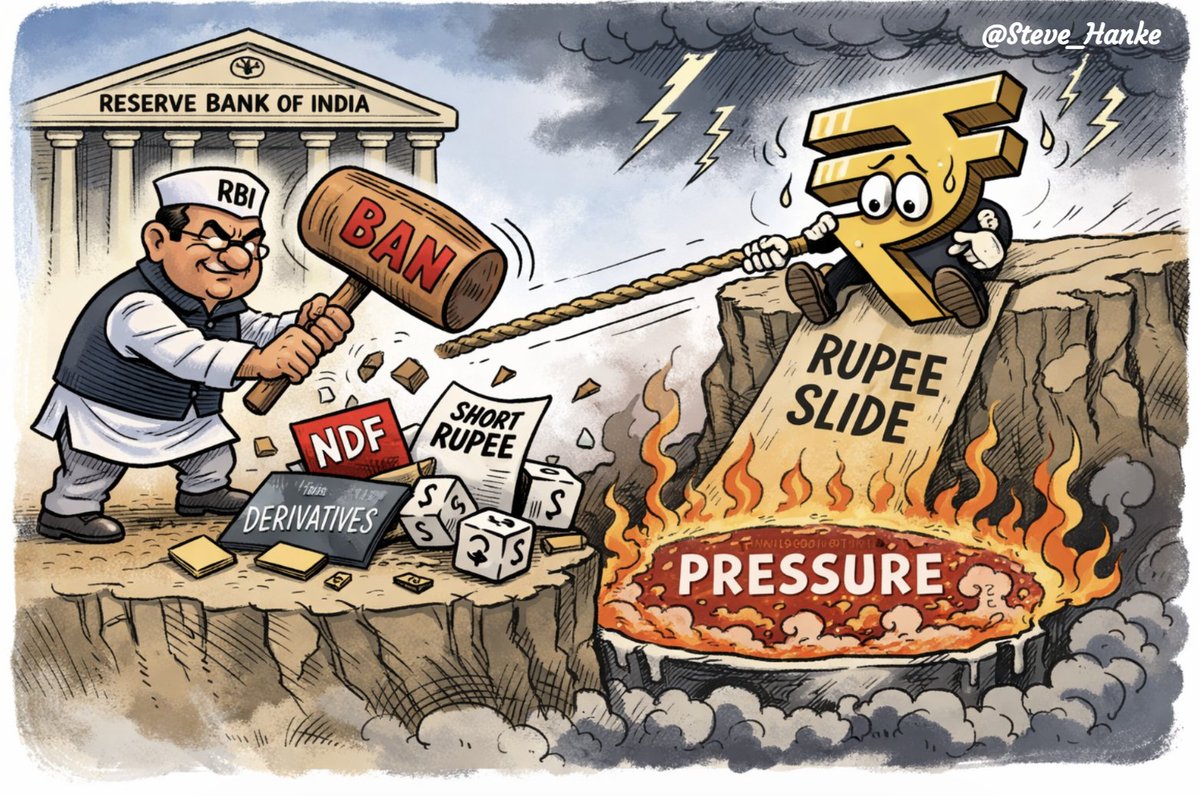
#IndiaWatch🇮🇳: The Reserve Bank of India (RBI) is stepping in to try to slow the rupee’s slide. By restricting derivatives and other tools traders use to SHORT the rupee, the RBI is trying to suppress bets AGAINST the currency. THE RBI'S ENGAGED IN A FUTILE EXERCISE.
Steve Hanke tweet media
English
16
32
120
10.2K
niveshak
niveshak@Sandeepnirvan·
𝐍𝐞𝐯𝐞𝐫 𝐃𝐢𝐬𝐫𝐞𝐠𝐚𝐫𝐝 𝐌𝐞𝐚𝐧 𝐑𝐞𝐯𝐞𝐫𝐬𝐢𝐨𝐧. What goes up faster than average speed will eventually come back to its median. The same applies on the downside also. What falls rapidly will return to the median range. 𝐍𝐨𝐭𝐡𝐢𝐧𝐠 𝐈𝐬 𝐏𝐞𝐫𝐦𝐚𝐧𝐞𝐧𝐭. Those who made wrong decisions when indices were stretched above their median range should avoid making the same mistake in the downside phase. Timing the market is impossible for anyone, but keeping pace with the "Average" is always possible. Image credit: DSP Mutual Fund NETRA
niveshak tweet media
English
0
0
1
96
niveshak đã retweet
niveshak
niveshak@Sandeepnirvan·
𝗙𝗿𝗼𝗺 𝗪𝗲𝗮𝗸 𝗛𝗮𝗻𝗱𝘀 𝘁𝗼 𝗦𝘁𝗿𝗼𝗻𝗴 𝗛𝗮𝗻𝗱𝘀: 𝗛𝗼𝘄 𝗠𝗮𝗿𝗸𝗲𝘁𝘀 𝗥𝗲𝘀𝗲𝘁 Weak players come to the market with greed. Their greed laced buying slows down the overloaded bullock cart. Then market make an adjustment by make a big crash. Now these weak players make a panic quit. They sell their shares to strong players. Now it's time for a much faster pace of Market— as the Bull cart is lighter now. Note: This video is downloadable
English
0
1
1
248
niveshak đã retweet
niveshak
niveshak@Sandeepnirvan·
𝗥𝗶𝘀𝗸 𝗼𝗳 𝗜𝗻𝗱𝗶𝘃𝗶𝗱𝘂𝗮𝗹 𝗦𝘁𝗼𝗰𝗸: 𝗥𝗲𝘁𝗮𝗶𝗹 𝗜𝗻𝘃𝗲𝘀𝘁𝗼𝗿𝘀 𝗦𝗵𝗼𝘂𝗹𝗱 𝗞𝗻𝗼𝘄 𝗧𝗵𝗶𝘀 𝗛𝗼𝗿𝗿𝗶𝗳𝘆𝗶𝗻𝗴 𝗥𝗲𝗮𝗹𝗶𝘁𝘆 Out of 386 companies that launched IPOs since 2020, 57% of stocks are currently trading below their issue price. A few stocks are down due to the recent market correction. Even HDFC Bank has delivered just ~1% CAGR over the last five years. 𝗕𝘂𝘁 𝗺𝘆 𝗽𝗼𝗶𝗻𝘁 𝗶𝘀 𝗱𝗶𝗳𝗳𝗲𝗿𝗲𝗻𝘁. If you are skilled at stock picking—able to analyze balance sheets, identify moats, and value businesses correctly—then direct investing can work for you. But don’t assume it’s easy. > Stock picking isn’t just about knowledge; it’s also about investment behavior. > So let me come to the point: Picking individual stocks involves: 🔸Single-company risk 🔸Business risk 🔸Bias toward a particular brand So what’s the solution? > One can consider ETFs, index funds, or cost-effective Smallcases. > With continuous inflows and periodic portfolio rebalancing, many of the above risks can be mitigated. Disc- ETFs, index funds, and Small case also carry risks—but they are far more diversified than individual stocks.
niveshak tweet media
English
0
1
2
308
niveshak
niveshak@Sandeepnirvan·
niveshak@Sandeepnirvan

𝗔𝗳𝘁𝗲𝗿 𝟮𝟭 𝗬𝗲𝗮𝗿𝘀 𝗶𝗻 𝗠𝗮𝗿𝗸𝗲𝘁𝘀, 𝗜 𝗥𝗲𝗮𝗹𝗶𝘀𝗲𝗱… 𝗠𝗼𝘀𝘁 𝗼𝗳 𝗜𝘁 𝗗𝗼𝗲𝘀𝗻’𝘁 𝗠𝗮𝘁𝘁𝗲𝗿 Surprisingly, Today I completed my 21st year in the market. Seen many days where markets moved 5%+ in a blink — like during the Global Financial Crisis, when panic became the norm. Seen multiple 10%+ corrections, whether it was the taper tantrum in 2013 or sudden global shocks. Seen brutal 20%+ bear phases — like the crash during the COVID-19 market crash, where fear peaked and liquidity vanished. Seen two full, long, and disastrous crashes: 👉 2008 Global Meltdown 👉 2020 Pandemic Crash Also witnessed: ✔️ Sharp 10% rallies that came out of nowhere ✔️ Massive 20%+ bull runs fueled by liquidity ✔️ Two clear, long bull markets — post-2009 recovery and post-2020 stimulus rally But here’s the real truth 👇 🔹Every bear phase felt like the end of markets 🔹Every bull phase felt like easy money forever 👉 In 2008, people believed equity was dead 👉 In 2020, people thought the world itself might stop 👉 In 2021–24, people believed stocks only go up And yet… Markets didn’t follow emotions. They followed liquidity, earnings, and time. On top of that, all these crashes, bull phases, and rallies in the indices seem meaningless. 𝗪𝗵𝘆 𝗮𝗺 𝗜 𝘀𝗮𝘆𝗶𝗻𝗴 𝘀𝗼? Because retail investors rarely benefit from these moves in the market. Such investors are always lagging behind due to: 🔸 Lack of understanding 🔸 Emotional biases towards the market 🔸 Excess noise, which keeps them out 🔸 FOMO, which compels them to buy at higher levels 🔸 Loss aversion, which stops them from selling losing bets Markets change cycles — they go up, go down, and sometimes remain in consolidation. I believe nothing matters more than the behaviour of investors. I have seen many investors with strong conviction in their stocks or ETF portfolios. They make good money even in sideways or flat markets. There are also instances where investors make no money — or even lose — during bull phases too. 𝘛𝘩𝘦 𝘮𝘢𝘳𝘬𝘦𝘵 𝘥𝘰𝘦𝘴𝘯’𝘵 𝘮𝘢𝘬𝘦 𝘮𝘰𝘯𝘦𝘺. 𝘐𝘯𝘷𝘦𝘴𝘵𝘰𝘳 𝘣𝘦𝘩𝘢𝘷𝘪𝘰𝘶𝘳 𝘥𝘰𝘦𝘴. 💡In the end, it’s not about timing the market — it’s about understanding it, and survive with discipline. 𝘽𝙚𝙘𝙖𝙪𝙨𝙚 𝙢𝙖𝙧𝙠𝙚𝙩𝙨 𝙙𝙤𝙣’𝙩 𝙠𝙣𝙤𝙬 𝙮𝙤𝙪𝙧 𝙙𝙚𝙜𝙧𝙚𝙚𝙨, 𝙩𝙝𝙚𝙮 𝙧𝙚𝙬𝙖𝙧𝙙 𝙗𝙚𝙝𝙖𝙫𝙞𝙤𝙪𝙧 𝙖𝙣𝙙 𝙥𝙖𝙩𝙞𝙚𝙣𝙘𝙚.

QME
0
0
0
87
Latha Venkatesh
Latha Venkatesh@latha_venkatesh·
You are mistaken if you think RBI Guv Sanjay Malhotra is not trained in economics. He completed a Masters in Public Policy from Princeton University, with a specialization in Economics and Monetary Policy.He was taught among others by Alan Blinder, as you know, a renowned economist and former Vice-Chair of the Fed
Latha Venkatesh@latha_venkatesh

You are mistaken if you think RBI Guv Sanjay Malhotra is not trained in economics. He completed a Masters in Public Policy from Princeton University, with a specialization in Economic and Monetary Policy.He was taught among others by Alan Blinder, a renowned economist and former Vice-Chair of the Fed

English
42
23
237
289.8K
niveshak
niveshak@Sandeepnirvan·
𝗔𝗳𝘁𝗲𝗿 𝟮𝟭 𝗬𝗲𝗮𝗿𝘀 𝗶𝗻 𝗠𝗮𝗿𝗸𝗲𝘁𝘀, 𝗜 𝗥𝗲𝗮𝗹𝗶𝘀𝗲𝗱… 𝗠𝗼𝘀𝘁 𝗼𝗳 𝗜𝘁 𝗗𝗼𝗲𝘀𝗻’𝘁 𝗠𝗮𝘁𝘁𝗲𝗿 Surprisingly, Today I completed my 21st year in the market. Seen many days where markets moved 5%+ in a blink — like during the Global Financial Crisis, when panic became the norm. Seen multiple 10%+ corrections, whether it was the taper tantrum in 2013 or sudden global shocks. Seen brutal 20%+ bear phases — like the crash during the COVID-19 market crash, where fear peaked and liquidity vanished. Seen two full, long, and disastrous crashes: 👉 2008 Global Meltdown 👉 2020 Pandemic Crash Also witnessed: ✔️ Sharp 10% rallies that came out of nowhere ✔️ Massive 20%+ bull runs fueled by liquidity ✔️ Two clear, long bull markets — post-2009 recovery and post-2020 stimulus rally But here’s the real truth 👇 🔹Every bear phase felt like the end of markets 🔹Every bull phase felt like easy money forever 👉 In 2008, people believed equity was dead 👉 In 2020, people thought the world itself might stop 👉 In 2021–24, people believed stocks only go up And yet… Markets didn’t follow emotions. They followed liquidity, earnings, and time. On top of that, all these crashes, bull phases, and rallies in the indices seem meaningless. 𝗪𝗵𝘆 𝗮𝗺 𝗜 𝘀𝗮𝘆𝗶𝗻𝗴 𝘀𝗼? Because retail investors rarely benefit from these moves in the market. Such investors are always lagging behind due to: 🔸 Lack of understanding 🔸 Emotional biases towards the market 🔸 Excess noise, which keeps them out 🔸 FOMO, which compels them to buy at higher levels 🔸 Loss aversion, which stops them from selling losing bets Markets change cycles — they go up, go down, and sometimes remain in consolidation. I believe nothing matters more than the behaviour of investors. I have seen many investors with strong conviction in their stocks or ETF portfolios. They make good money even in sideways or flat markets. There are also instances where investors make no money — or even lose — during bull phases too. 𝘛𝘩𝘦 𝘮𝘢𝘳𝘬𝘦𝘵 𝘥𝘰𝘦𝘴𝘯’𝘵 𝘮𝘢𝘬𝘦 𝘮𝘰𝘯𝘦𝘺. 𝘐𝘯𝘷𝘦𝘴𝘵𝘰𝘳 𝘣𝘦𝘩𝘢𝘷𝘪𝘰𝘶𝘳 𝘥𝘰𝘦𝘴. 💡In the end, it’s not about timing the market — it’s about understanding it, and survive with discipline. 𝘽𝙚𝙘𝙖𝙪𝙨𝙚 𝙢𝙖𝙧𝙠𝙚𝙩𝙨 𝙙𝙤𝙣’𝙩 𝙠𝙣𝙤𝙬 𝙮𝙤𝙪𝙧 𝙙𝙚𝙜𝙧𝙚𝙚𝙨, 𝙩𝙝𝙚𝙮 𝙧𝙚𝙬𝙖𝙧𝙙 𝙗𝙚𝙝𝙖𝙫𝙞𝙤𝙪𝙧 𝙖𝙣𝙙 𝙥𝙖𝙩𝙞𝙚𝙣𝙘𝙚.
niveshak tweet media
English
0
0
0
186