Scriptorium Press

4.4K posts

Scriptorium Press banner
Scriptorium Press

Scriptorium Press

@ScriptoriumP

Publisher of medieval texts and Christian classics

Tham gia Kasım 2023
60 Đang theo dõi3.8K Người theo dõi
Tweet ghim
Scriptorium Press
Scriptorium Press@ScriptoriumP·
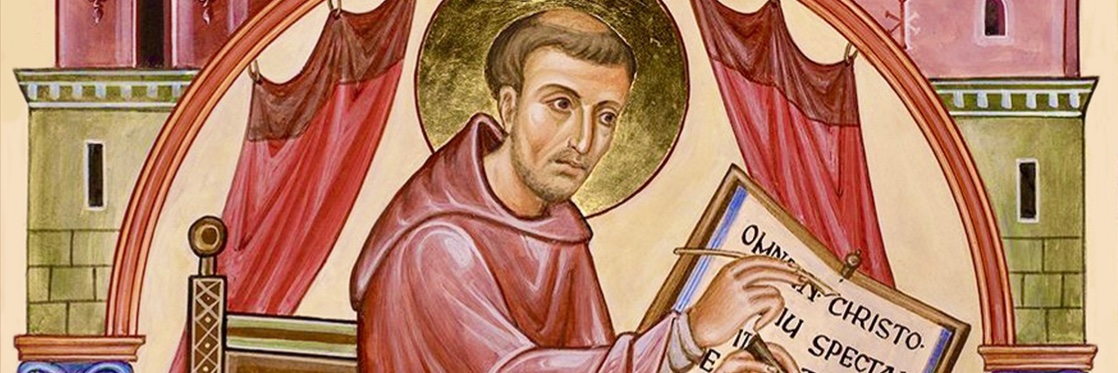
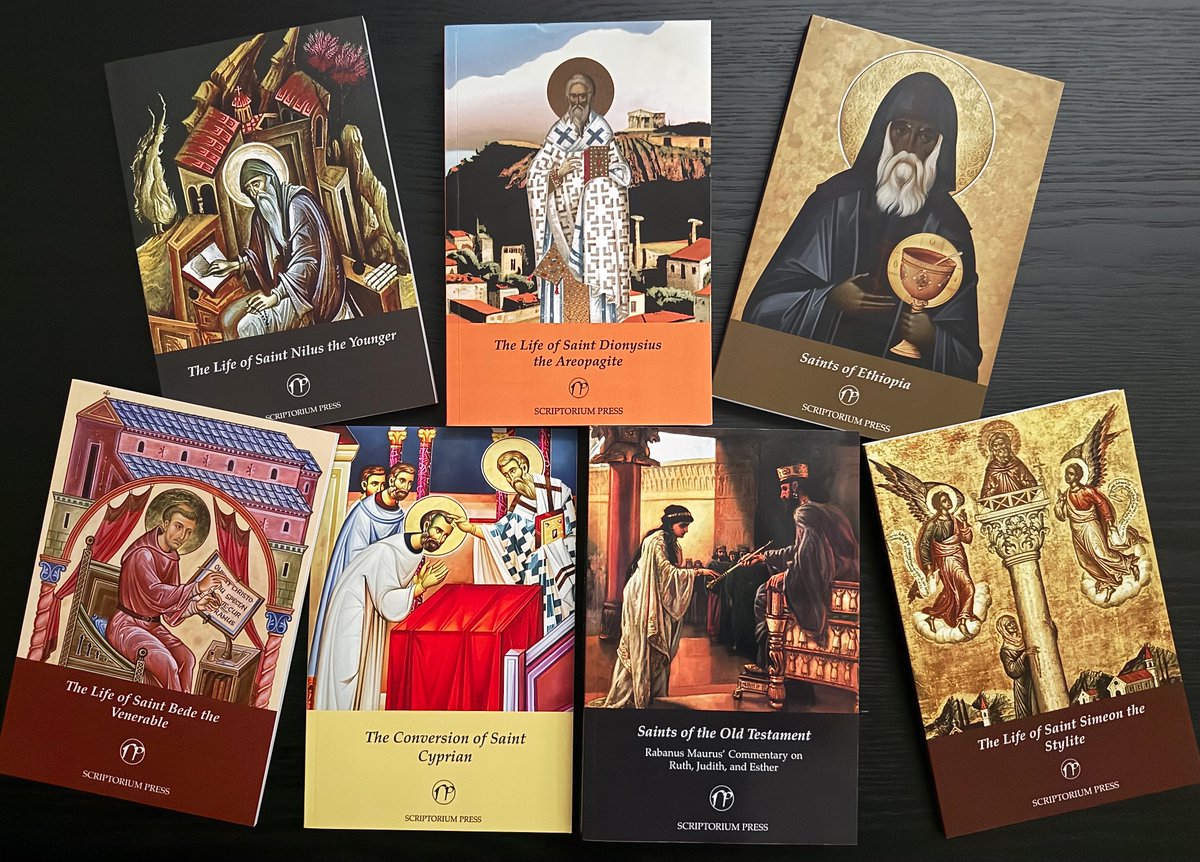
We translate medieval religious texts and saints' lives. Rigorous, quality editions composed with love, not AI. If this interests you, consider supporting our work! (link to catalogue below)
Scriptorium Press tweet media
English
2
4
58
4.9K
Scriptorium Press
Scriptorium Press@ScriptoriumP·
I've come to believe that the Renaissance was essentially just a continuation of the Middle Ages. The real historical rupture occurred in the 17th century with the rise of the scientific materialist worldview.
English
0
0
0
7
Scriptorium Press
Scriptorium Press@ScriptoriumP·
"Consider the time in which you must obtain His immeasurable mercy, lest you waste it in vanity and seek it at the gates of Hades and do not find what was set before you in the prime of your days, which you did not desire. Remember, then, this dreadful day of the defence, the day of judgement, and see how you will give an account to the God who formed you." St. Athanasius, Teachings to Antiochus the Duke (coming soon from Scriptorium Press!)
Scriptorium Press tweet media
English
0
3
10
330
Scriptorium Press đã retweet
Scriptorium Press
Scriptorium Press@ScriptoriumP·
Are the Apostle James' relics found at Santiago de Compostella? An historic investigation🧵
Scriptorium Press tweet media
English
2
14
58
4.9K
Antigone Journal
Antigone Journal@AntigoneJournal·
Last year we shared an unusual vocabulary list of some 1300 rarer Greek words from major authors. This tool was used 75 years ago at Winchester College, where Classics was then thriving. Now we've imposed some order on the chaos to help your studies along: antigonejournal.com/2025/03/ancien…
English
7
32
230
17.8K
Eleanor Parker
Eleanor Parker@ClerkofOxford·
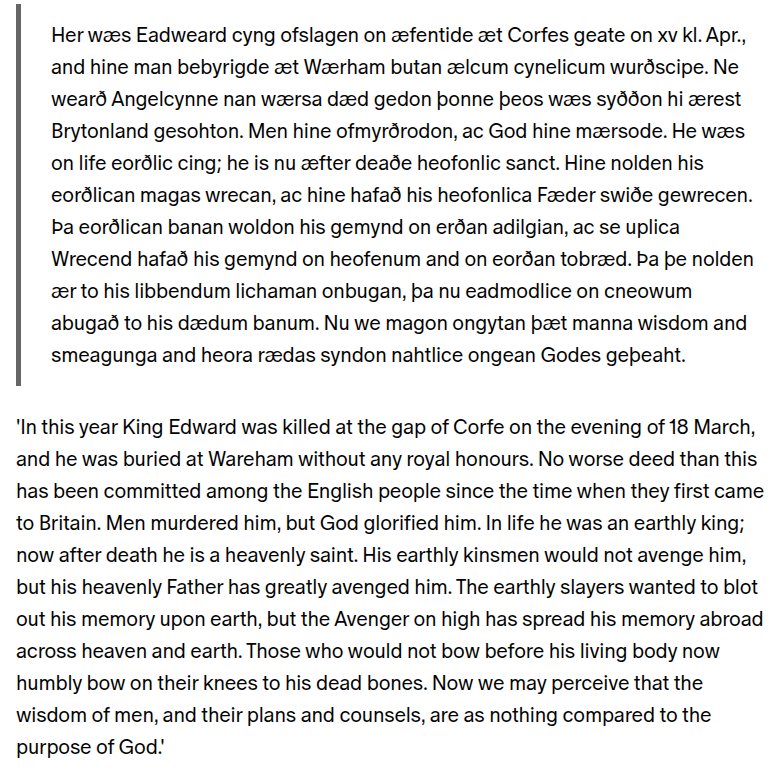
The Anglo-Saxon Chronicle on the murder of the young king Edward the Martyr, who was killed on the evening of 18 March in 978. In the view of this chronicler it was the worst deed done among the English 'since the time when they first came to Britain', five centuries earlier.
Eleanor Parker tweet media
English
4
29
172
4.7K
ENOCH
ENOCH@he_negash·
"wonderful angels, seraphim and cherubim, whose wings are flames, came down today, to receive you with meaning, truly you are doer of mighty things." -On St. Gebre Menfes Qdus
ENOCH tweet media
English
3
15
119
2K
Chrysoloras
Chrysoloras@Alyunan00·
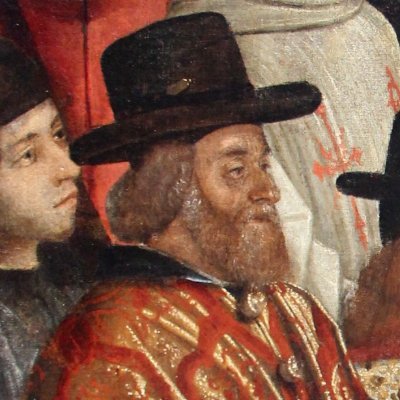
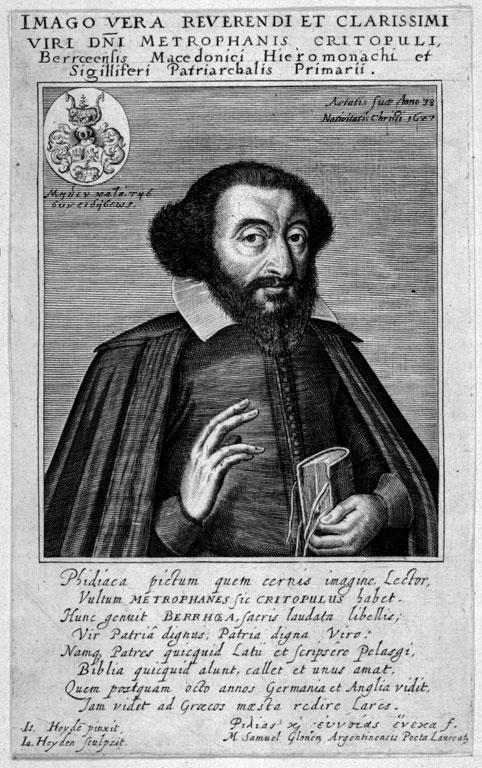
Did Macedonians in the early 1600's believe that Jesus was a Philhellene? Metrophanes Kritopoulos, from Veroia, Macedonia born in 1589 did. Metrophanes, was such an interesting personality, so the below is just a glimpse of his ideas and life actions. Esteemed theologian, Oxford graduate, correspondent and associated with the most renown scholars of his era - especially with the Protestants, teacher of Greek in Austria, close to the patriarch of Alexandria Kyrillos Loukaris, and finally patriarch of Alexandria himself, surely had a lot to say and write. Before I quote the part hinted above, it's interesting to see a part of his opinion about the Turks and the yoke that he fellow Greeks were experiencing: "They have taken from us all power and authority; they have deprived us of learning and the liberal arts: they have taken away all our wealth and good fortune; they have laid upon us heavy burdens that cannot be borne. Would that they were content with taxation only! But no, they compel us to provide horses and ships and provisions for their army and navy... Their rulers in town and country press us into their service, so that we spend .more time on our masters' duties than on our own affairs. They take from us anything they fancy, a fine horse, or a good bull or goat or mule. Life under them is worse than death!" ... ... Metrophanes was interested also in his contemporary Greek speech, which by the way he actually was condemning for corruption and simplicity, one of the predecessors of the "katharevousa" movement, but this is another topic. In his Grammatike though we can find an interesting passage, concerning the history of Greeks, their past and their present as he understood it (long read again): "For our polity is in the heavens, where we also have a king, and the end of the kingdom will not be; and from there the hope of the future, strengthened by God, draws away the troubles and diminishes and completely wipes out the present difficulties, as the one wiping away every tear from the faces of his chosen ones desires. Ἡμῶν γὰρ τὸ πολίτευμα ἐν οὐρα- νοῖς ἐστιν, ὅπου καὶ βασιλέα ἔχομεν, οὖ τῆς βασιλείας οὐκ ἔσται τέλος· κἀντεῦθεν ἡ τῶν μελλόντων ἐλπὶς τὸ ἐνισχύον θεόθεν λαχοῦσα τὴν τῶν παρόντων ἀνιαρῶν δυσχέρειαν καὶ μειοῖ καὶ πάμπαν ἐξαλείφει, ὡς βού- λεται ὁ ἐξαλείφων πᾶν δάκρυον ἀπὸ προσώπου τῶν αὑτοῦ ἐκλεκτῶν. For if there were not such a hope sustaining those suffering under him, it would not be bearable for weak and stumbling men to endure such unbearable troubles for so long. Their hearts are not made of iron, but the one who chastises them from within, as a master comforting from within like a father, desires, I think, your scepter, O David, and your staff. And these, the staff and the rod, have consoled me; through the rod, the Lord's discipline praises, correcting and instructing us when we deviate, and by the name of the staff, which the weak delight in and are not suited for walking, His mysterious and ineffable consolation symbolically is conveyed to us, supporting us and not allowing us to be engulfed in the depths of despair. Εἰ μὴ γὰρ τοιαύτη τις ἐλπὶς ὑπετείνετο παρ’ ἐκείνου τοῖς ὑπ’ ἐκείνου πάσχουσιν, οὐκ ἂν πρὸς ἀνθρώπων ἀσθενῶν καὶ εὐολίσθων εἴη τὸ τηνικαῦτα ἀνυπόστατα δεινὰ διὰ χρόνου φέρειν· οὐ γὰρ σιδήριον αὐτοῖς τὸ ἦτορ, ἀλλ’ αὐτὸς ὡς δεσπότης ἐντεῦθεν παίων ὡς πατὴρ ἔνδοθεν παραμυθεῖται καὶ τοῦτο βούλεται, ὡς οἶμαι, τὸ τοῦ Δαβὶδ ἡ ῥάβδος σου καὶ ἡ βακτηρία σου αὐταί με παρεκάλεσαν, διὰ μὲν τῆς ῥάβδου ἡ πδεία τοῦ Κυρίον αἰνίττεται, ἡ παίουσα καὶ σωφρονίζουσα ἡμᾶς τῆς εὐθείας ἐσθ’ ὅτε παρεκτρεπομένους, τῷ δὲ τῆς βακτηρίας ὀνόματι, ᾗ ὑπερήδονται οἱ ἀσθενεῖς καὶ πρὸς τὸ βαδίζειν οὐκ ἐπιτήδειοι, ἡ ἐκείνου μυστικὴ καὶ ἀνεκλάλητος πρὸς ἡμᾶς παραμυθία συμβολικῶς ὑπογράφεται, ἡ ὑποστηρίζουσα ἡμᾶς καὶ οὐκ ἐῶσα ταῖς συμφοραῖς ἐνδιδόντας τῷ τῆς ἀπογνώσεως βυθῷ καταποντισθῆναι. There are many proofs of the overall change in the affairs of the world. But I will leave aside the rest, so that I may briefly present the things of the Greeks, which are owed to the preceding discussion. Πολλὰ μὲν οὖν τὰ τεκμήρια τῆς τῶν πραγμάτων ἀθρόας μεταβολῆς. Ἐγὼ δὲ τἆλλα παρείς, ἵνα τι τῇ συντομίᾳ χαρίσωμαι, τὰ τῶν Ἑλλήνων προτενῶ, οὐδὲ ταῦτα μέντοι δίχα συνόψεως τῇ προκειμένῃ πραγματείᾳ ὀφειλομένης. The race of the Greeks was flourishing and thriving in the past, adorned with all kinds of teachings—laws, customs, wealth, power, victories against enemies, and, before these, with devotion to the divine. For not only when all of humanity was almost blinded by the darkness of idolatry did the Greeks appear to be less limping towards the truth, as can be learned from the writings of Plato, Aristotle, Epictetus, and many others who, approaching the truth very closely, exposed the sun of justice to those who were sleeping in darkness and shadow for a long time. “Ἦν μὲν οὖν πάλαι ἡ τῶν Ἑλλήνων γενεὰ ἀνθοῦσα καὶ ἀκμάζουσα καὶ πάσαις χάρισι κομῶσα μαθήμασι παντοδαποῖς, εὐνομίαις, ἤθεσι, πλούτῳ, δυνάμει, νίκαις καὶ τροπαίοις κατὰ τῶν πολεμίων καὶ πρὸ τούτων τῇ πρὸς τὸ θεῖον εὐσεβείᾳ· οὐ γὰρ μόνον ἡνίκα τῷ τῆς εἰδωλομανίας σκότει κατείχετο πᾶσα σχεδὸν ἡ ἀνθρωπίνη φύσις, οἱ Ἕλληνες ἧττον τῶν ἄλλων ἐθνῶν ἐφαίνοντο χωλαίνοντες περὶ τὴν ἀλήθειαν, ὥς ἐστι μαθεῖν ἐκ τῶν ἐκείνων συγγραμμάτων Πλάτωνος, Ἀριστοτέλους, Ἐπικτήτου καὶ πολλῶν ἄλλων λίαν τῇ ἀληθείᾳ προσεγγιζόντων, καὶ τοῦ ἡλίου τῆς δικαιοσύνης ἐπιλάμψαντος τοῖς ἐν σκότει καὶ σκιᾷ διηνεκοῦς θανάτου καθεύδουσιν The Greeks were the first among nations to receive the Gospel, the word of good news. And they received it sincerely and without hypocrisy, such as they received it from the followers of the Savior themselves. They preserved it to the end and handed it down to other nations, whose progress and submission to Christianity the Savior, examining the hearts of men and probing their innermost thoughts, declared to be the time of His glory. οἱ Ἕλληνες πρῶτοι τῶν ἄλλων ἐθνῶν τὸν εὐαγγελικὸν λόγον ἐδέξαντο. τοῦτόν τε εἰλικρινῆ καὶ ἀκίβδηλον, ὁποῖον παρέλαβον παρὰ τῶν τοῦ Σωτῆρος ὀπαδῶν, αὐτοί τε εἰς τέλος ἐτήρησαν καὶ τοῖς λοιποῖς ἔθνεσι φέροντες παρέδωκαν, ὧν δὲ Ἑλλήνων τὴν ἐσομένην περὶ τὸν χριστιανισμὸν προκοπὴν καὶ ἐπίδοσιν προειδὼς ὁ τὰς τῶν ἀνθρώπων καρδίας ἐμβατεύων καὶ τοὺς νεφροὺς τούτων ἐτάζων Ἰησοῦς Χριστὸς ὁ Θεάνθρωπος ἥσθη τὸ ἀνθρώπινον καὶ τὴν ἐκείνων πρὸς αὐτὸν ἔλευσιν ὥραν εἶναι τῆς αὐτοῦ δόξης ἀπεφήνατο· For the Greeks approach the walking on earth God with reverence, not daring to tempt or be arrogant, unlike some others who are arrogant, but worshipping the incarnate God. And a symbol of their reverence is that they do not approach the God in the flesh directly but through the mediation of Philip and Andrew. προσέρχονται γὰρ οἱ Ἕλληνες τῷ ἐπὶ γῆς βαδίζοντι θεῷ καὶ προσέρχονται μετὰ εὐλαβείας οὐ πειράσοντες οὐδὲ αὐθαδιασόμενοι, ὥσπερ τινὲς ἄλλοι ἀγέρωχοι, ἀλλὰ προσκυ- νήσοντες τὸν ἐν σαρκὶ Θεόν. Σύμβολον δὲ τῆς ἐκείνων εὐλαβείας τὸ μὴ ἀμέσως προσπελάσαι τῷ σαρκοφόρῳ θεῷ, ἀλλὰ μεσιτευόντων Φιλίππου καὶ Ἀνδρέου. And those who do not know about the arrival of the Greeks report it. What does the Savior the philhellene, say? “The hour has come for the Son of Man to be glorified.' Now, when the Greeks, the crowning achievement of human nature, come to me, now when the Greeks want to recognize me as their God and Savior, now the hour has come for the Son of Man to be glorified”. Οἱ δὲ ἀναγγέλλουσι τῷ οὐκ ἀγνοοῦντι τὴν τῶν Ἑλλήνων ἔλευσιν. Ὁ δὲ φιλέλλην Σωτὴρ τί φησιν; Ἐλήλυθεν ἡ ὥρα ἵνα δοξασθῇ ὁ υἱὸς τοῦ ἀνθρώπου. Νῦν ὅτε οἱ Ἕλληνες, τὸ ἀκροθίνιον τῆς ἀνθρω- πίνης φύσεως, προσέρχονταί μοι, νῦν ὅτε οἱ Ἕλληνες βούλονται θεὸν καὶ σωτῆρα σφίσιν αὐτοῖς ἐπιγνῶναί με, νῦν ἐλήλυθεν ἡ ὥρα ἵνα δοξασθῇ ὁ υἱὸς τοῦ ἀνθρώπου. How so? Oh, in truth, would the return of the Greeks to the very truth itself not be a unique glory of Christ? When not only were they considered the first among all, but they also believed that the Gospel, pleasing to the Holy Spirit, was written in their language, and they handed it down to others unambiguously, as I mentioned above, defending it to the death. Πῶς γάρ; Ὢ πρὸς τῆς ἀληθείας αὐτῆς, οὐκ ἂν εἴη εἰς ἐξαίρετον δόξαν Χριστοῦ ἡ τῶν Ἑλλήνων ἐπιστροφή; Ἡνίκα οὐ μόνον ὅτι πρῶτοι πάντων ἀλλὰ τιμιώτεροι τῶν ἄλλων ἐθνῶν ἐδόκουν, τὸ Εὐαγγέλιον ἐδέξαντο τοῦ ἁγίου Πνεύματος εὐδοκήσαντος ἐν τῇ ἐκείνων γλώττῃ τοῦτο ἐγγραφῆναι καὶ τοῦτο τοῖς ἄλλοις ἀκραιφνὲς παρέδωκαν (ὡς ἀνωτέρω ἔφθην εἰπὼν) ὑπερασπιζόμενοι τούτου μέχρι θανάτου. For what ecumenical and local councils did they convene? Who expelled heretics beyond the confines of the Gadarenes? What persecutions, exiles, imprisonments, plunderings, and confiscations, and even death itself, did they endure joyfully for not betraying the divine truth? Do not the writings of the Greek saints and all the histories from the beginning to the end testify to these things? Thus, the race of the Greeks was such as I briefly described." Τίνες γὰρ συνόδους οἰκουμενικάς τε καὶ τοπικὰς συνεκρότησαν; Τίνες τοὺς αἱρετικοὺς πέρα Γαδείρων ἐξήλασαν; Τίνες διωγμοὺς καὶ ἐξορίας καὶ φυλακάς, ἁρπαγάς τε καὶ δημεύσεις τῶν ὑπαρχόντων, τελευταῖον καὶ αὐτὸν τὸν θάνατον ἀσμενέστατα ὑπήνεγκαν ὑπὲρ τοῦ μὴ προδοῦναι τὴν ἀλή θειαν; Οὐχὶ ταῦτα καὶ πλείω τούτων μαρτυρεῖ τὰ τῶν ἑλληνικῶν ἁγίων πατέρων συγγράμματα καὶ πᾶσαι αἱ ἀπ’ ἀρχῆς μέχρι τέλους ἱστορίαι; Ἦν μὲ οὖν ἡ γενεὰ τῶν Ἑλλήνων τοιαύτη, οἵαν περιέγραψα συντόμως.”" Source of original text: C. I. Dyobouniotes, "Μητροφάνους Κριτοπούλου Ἀνέκδοτος Γραμματικὴ τῆς ἁπλῆς Ἑλληνικῆς," Ἐπιστημονικὴ Ἐπετηρὶς τῆς Θεολογικῆς Σχολῆς Πανεπιστημίου Ἀθηνῶν 1 (1924): 104-123.
Chrysoloras tweet media
English
9
27
114
5.4K
Scriptorium Press
Scriptorium Press@ScriptoriumP·
His earlier essays were much better. This read more like a disorganized book-report summarizing other books on the decline of the West, resulting in a disjointed argument. The efficacy of the thesis was also hampered by the author's excessive disdain for technology. His propping up of the tribes of Papua as a model to follow reminded me of the failed Enlightenment myth of the "noble savage", which never existed but in the minds of Europeans. As much as one might bemoan it, mankind needs technology to survive. Waxing eloquent about primitivism and telling your readership to become off-grid preppers is not a durable solution to our current problems. The early Christians, after all, did not form isolated communes in the hinterlands of Judaea, they lived and preached their Gospel in the heart of the city, despite all its vices and idolatry. Technology is downstream from the spirit. If we focus on recovering the essentials, the rest will follow.
English
0
0
0
112
Antigone Journal
Antigone Journal@AntigoneJournal·
If anyone has read it, would be glad to hear your thoughts.
Antigone Journal tweet media
English
12
3
30
18.3K
Antigone Journal
Antigone Journal@AntigoneJournal·
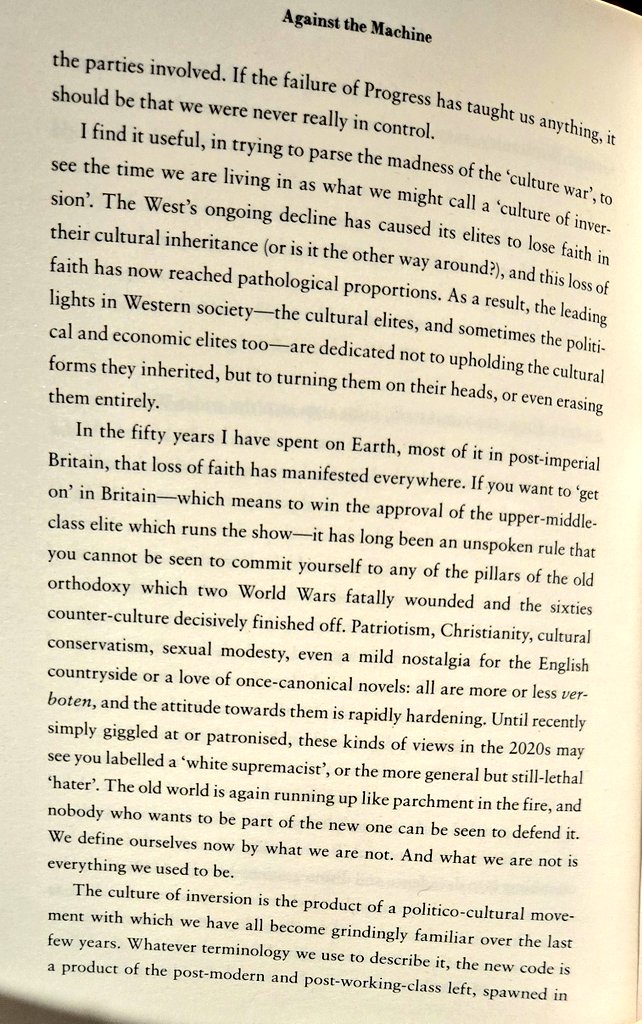
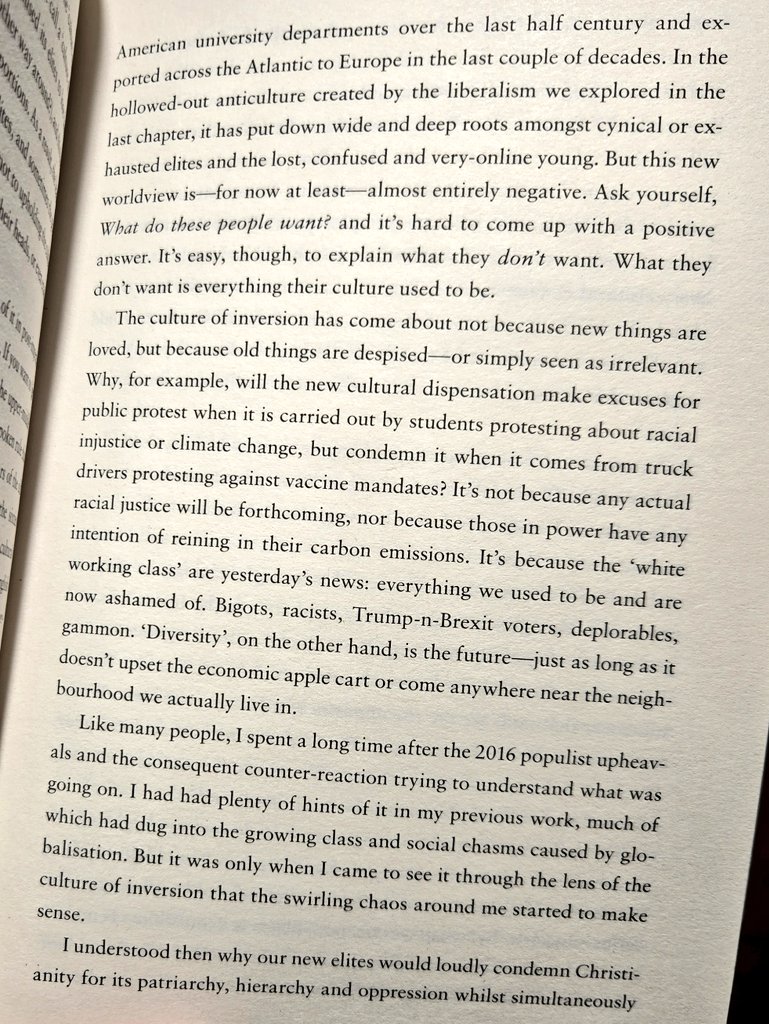
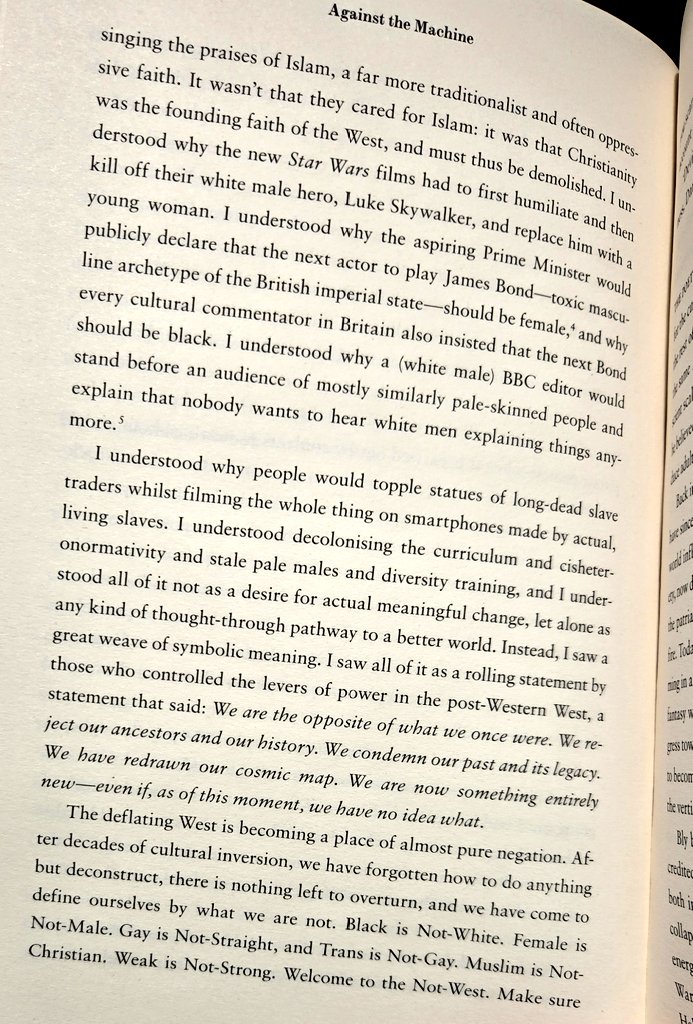
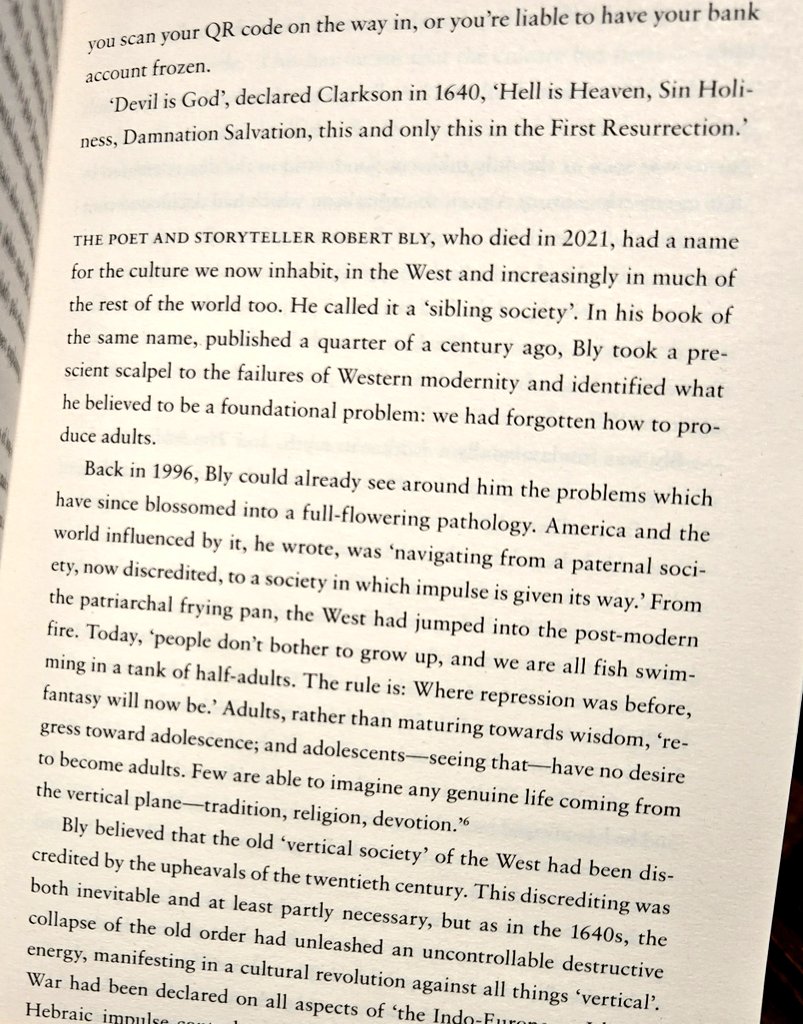
I've been slow to get round to reading Paul Kingsnorth's Against the Machine but it is a formidable piece of writing. The author cut his teeth in environmental and left-wing movements before realising that the ground had shifted and few really sympathised with his own deep commitments to place, culture, and the sacred, very much influenced by Wendell Berry, Lewis Mumford, Jacques Ellul, and Christopher Lasch. He now lives with his family in rural Ireland. And is not on social media! Here he is on our present "culture of inversion":
Antigone Journal tweet mediaAntigone Journal tweet mediaAntigone Journal tweet mediaAntigone Journal tweet media
English
9
25
230
13.8K
Scriptorium Press đã retweet
Robbert Leusink
Robbert Leusink@robbertleusink·
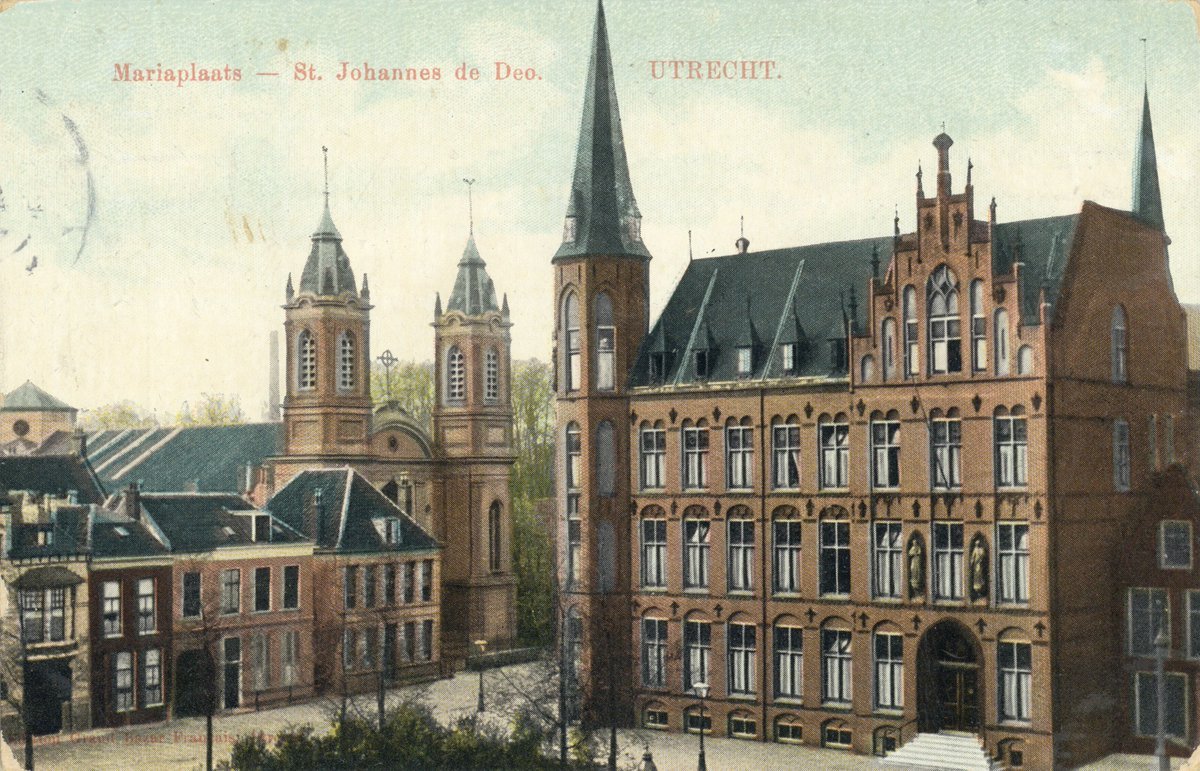
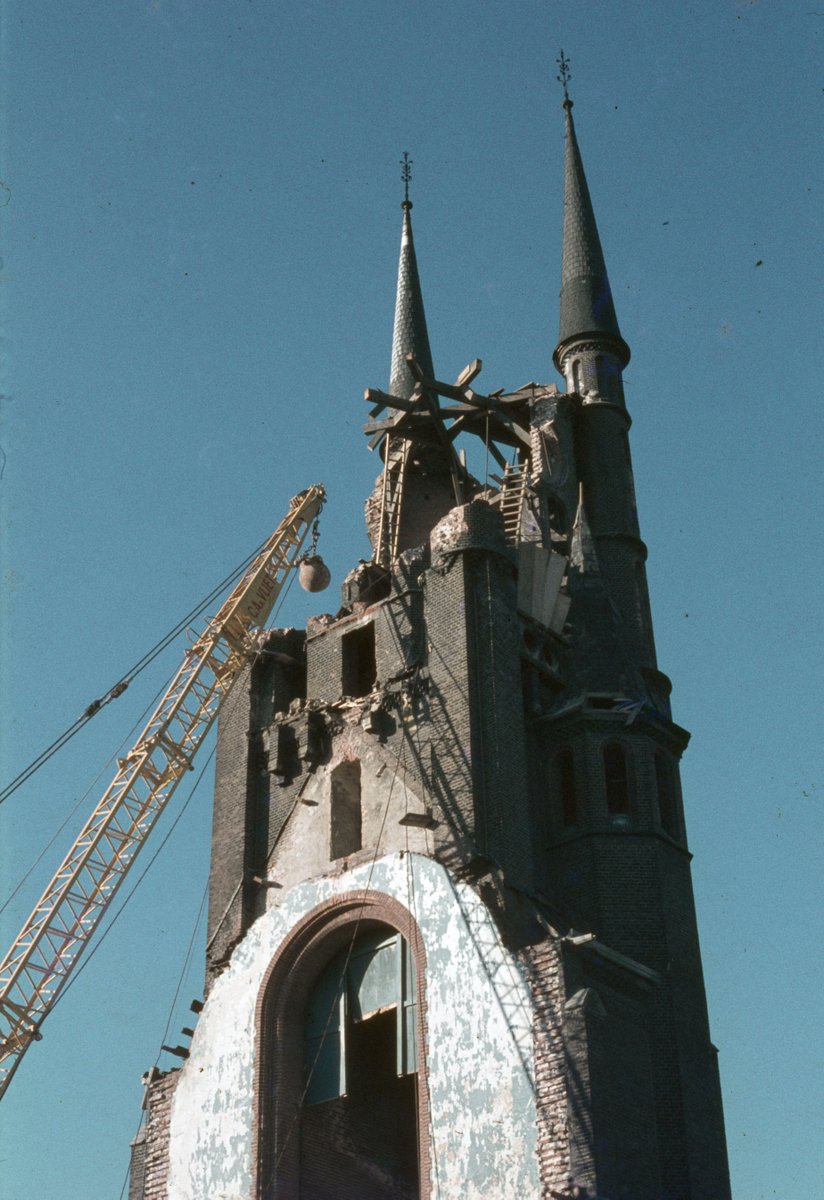
The Calvinist iconoclasts of 1566 smashed Utrecht's altars, burned its relics, and tore out its stained glass The post-Vatican II Archdiocese demolished more churches in 30 years than the Reformation did in 200 years They called it pastoral renewal The lost churches of Utrecht 🧵
Robbert Leusink tweet mediaRobbert Leusink tweet media
English
46
258
1.2K
48.6K
Scriptorium Press đã retweet
Michael Garten
Michael Garten@Michael__Garten·
Blessed Sunday of Orthodoxy to all! In honor of the Council of 2 Nicaea, please see the below post pointing towards its continual vindication.
Michael Garten@Michael__Garten

Did @gavinortlund Gavin Ortlund’s first anti-veneration primary source in his 2023 video ironically support the veneration of crosses—or even crucifixes? As a preview of what’s coming in my Early Icons Vol. 2, here is part of my case that The Octavius (c 197AD) by Minucius Felix points to image veneration. While Gavin claimed this source was aniconic, much scholarship and a careful reading of the text points in the opposite direction... (A THREAD)

English
0
4
47
1.8K
Scriptorium Press
Scriptorium Press@ScriptoriumP·
@HistoricHub "10,000 years" Yeah, stories about dragons and flying monkey gods, so informative.
English
0
0
1
210
Historic Hub
Historic Hub@HistoricHub·
A Monastery Library in Tibet was discovered in 2003, behind a sealed wall, containing almost 84.000 hand written sutras and scrolls in Sanskrit, Chinese, Tibetan and Mongolian about the Human history back to 10,000 years. x.com/ronin19217435/…
English
412
3.9K
22.3K
670.5K
Nomadic Warriors for Pritzker⚔️
Nomadic Warriors for Pritzker⚔️@Nomads4Pritzker·
Famously, human learning takes *very little* energy. A toddler learns thousands of words and an entire grammar while eating nothing but raspberries, before learning to read. An LLM needs a nuclear reactor and the entire internet as a training corpus.
Chief Nerd@TheChiefNerd

🚨 SAM ALTMAN: “People talk about how much energy it takes to train an AI model … But it also takes a lot of energy to train a human. It takes like 20 years of life and all of the food you eat during that time before you get smart.”

English
88
2.3K
18.2K
732.2K
Tolkien World
Tolkien World@TolkienWorldG·
Christopher Tolkien's view on Peter Jackson's The Lord of the Rings trilogy.
Tolkien World tweet media
English
453
112
2.2K
688.2K
Scriptorium Press
Scriptorium Press@ScriptoriumP·
The great thing about reading older scholarship is that occasionally you'll find footnotes where the author cites a work and says "Forthcoming," and all you have to do is Google the title and find out the work came out in 1905. Closest thing to a time machine that we have 😅
English
0
0
4
1.8K
Carlo Lancellotti
Carlo Lancellotti@_CLancellotti·
People forget that the major Western European countries (Italy, France, England, even Spain) came to be not on ethnic foundations but as melting pots of Celtic, Roman and Germanic populations, unified by Christianity. The only exception being perhaps Germany.
English
37
12
146
12.7K