
Shining Science

5.9K posts

Shining Science banner
Shining Science

Shining Science

@ShiningScience

Sky above, science within — your guide to the universe.

In the Realm of Bright Ideas Tham gia Haziran 2022
11.2K Đang theo dõi123.5K Người theo dõi
Shining Science
Shining Science@ShiningScience·
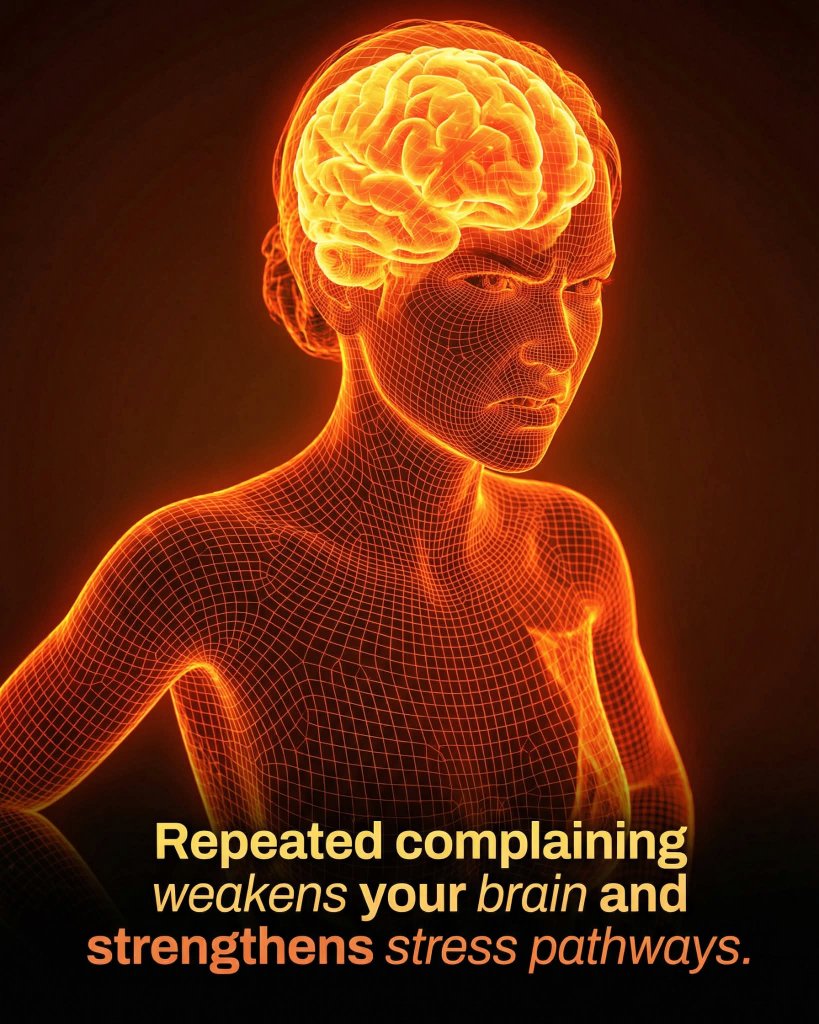
🚨 STOP COMPLAINING — IT’S LITERALLY TRAINING YOUR BRAIN TO BE NEGATIVE Ever notice how some people seem stressed all the time, even over small things? Science says it’s not just their personality — it’s their brain. Research shows that repeated complaining actually rewires your brain. Every time you complain, your brain activates stress and threat-detection circuits. Do it again and again, and those circuits get stronger. This process is called neuroplasticity — your brain becomes better at whatever you practice most. So if you constantly talk about problems, frustrations, and annoyances, your brain learns to search for negativity. What starts as a bad day slowly turns into a habit of negative thinking. Over time, the brain treats the world as a dangerous place, even when nothing is wrong. This is why chronic complainers often feel tense, irritated, or overwhelmed by small issues. Their stress level stays high because their brain is stuck in “alert mode.” Even minor problems feel big, because the brain has been trained to react that way. The powerful part? This can be reversed. Stanford researchers explain that once you understand how your brain works, you can retrain it. Shifting how you speak — focusing on solutions, gratitude, or learning — builds new, healthier pathways. Your brain can be trained for calm, resilience, and clarity just as easily as it was trained for stress. What you repeat, your brain remembers. So choose your words carefully — you’re shaping your mind every day.
Shining Science tweet media
English
7
29
87
2.9K
Shining Science
Shining Science@ShiningScience·
🧠 You Can Change Memories While You Sleep — Science Just Proved It What if fear could fade while you’re asleep… without therapy, without drugs, without even waking up? Researchers have discovered something wild: while people were in deep sleep, scientists played specific audio cues linked to past fears. The brain recognized the sound — and quietly rewired the emotional response. When the patients woke up, their fear reaction was reduced, even though they had no memory of hearing anything. The negative emotion weakened. The memory stayed, but the fear lost its grip. This isn’t hypnosis. It isn’t mind control. It’s your brain doing what it already does best during sleep: editing emotional memories. Scientists call this targeted memory reactivation — a process where the sleeping brain can strengthen, soften, or reshape how memories feel. Think about that for a second. Fear, trauma, anxiety — things that usually take years to heal — may one day be gently rewritten overnight. Not erased like a movie fantasy, but emotionally neutralized. The pain dial turned down. If this sounds familiar, it should. Eternal Sunshine of the Spotless Mind imagined a future where memories could be altered. That future isn’t science fiction anymore — it’s taking its first real steps inside sleep labs. We are only at the beginning. But the idea that sleep isn’t just rest — it’s emotional maintenance — could change mental health forever. Sleep might not just recharge your body. It might quietly rewrite your mind.
Shining Science tweet media
English
8
60
226
6.5K
Shining Science
Shining Science@ShiningScience·
⚠️ Don’t Drink Coffee on an Empty Stomach! Here’s Why You love that morning coffee, right? But if you drink it before eating, it can actually stress out your body. Your body naturally makes a stress hormone called cortisol in the morning to wake you up. Coffee on an empty stomach can push it way higher, making your body think it’s under stress. This can lead to anxiety, upset stomach, acid reflux, sugar spikes, and even tiredness later. Over time, it can mess with your sleep, make you more stressed during the day, and make you crave even more coffee. The simple fix? Eat something first. Even a small breakfast or snack can stop your body from freaking out and help your coffee give you energy instead of stress. ☕💛
Shining Science tweet media
English
11
56
264
16.3K
Shining Science
Shining Science@ShiningScience·
🥤We often associate alcohol with health risks, but recent studies have shed light on another culprit: sugary sodas like Coca-Cola. Chinese scientists have warned that the sugar content in Coke may be more damaging to the liver than alcohol. This is a reminder of how sugar affects our body, contributing to conditions such as fatty liver disease and insulin resistance. While alcohol is widely known to cause liver damage, we may overlook the long-term effects of sugar-laden beverages. Regular consumption of soda can lead to an accumulation of fat in the liver, impairing its ability to function properly. The alarming reality is that many people are consuming soda without understanding the risks it poses. It’s crucial to be mindful of the beverages we choose to consume. Opting for water, herbal teas, or naturally sweetened drinks can significantly reduce the strain on our liver and overall health. The path to a healthier body starts with small, conscious choices. 🍃
Shining Science tweet media
English
25
178
437
19.2K
Shining Science
Shining Science@ShiningScience·
👁️ South Korea’s Breakthrough in Eye Regeneration — A New Hope for Blindness South Korean scientists are making remarkable progress in restoring vision through cutting-edge bioprinting, stem-cell therapy, and advanced neuro-integration technologies. Researchers at KAIST and other top institutes are developing eye tissues and visual systems that could transform the future of blindness treatment. Here’s what the teams have achieved so far: 🔬 3D-printed corneal tissue created with human cells and advanced bio-ink 🌈 Lab-grown retinal layers that can sense light and transmit neural signals 🧬 Bioengineered scaffolds supporting optic-nerve repair in cutting-edge experiments 💧 Smart hydrogels designed to mimic the natural lens and corneal surface ⚡ Next-generation bionic retinal implants enabling perception of shapes, contrast, and motion These innovations are opening the door to powerful new therapies for conditions such as retinal degeneration, corneal injury, macular disease, and inherited vision disorders. South Korea’s work is building a strong scientific foundation for future treatments that blend bioprinting, stem-cell regeneration, and neural connection technologies — offering genuine hope for millions living with vision loss.
Shining Science tweet media
English
10
137
367
9.3K
Shining Science
Shining Science@ShiningScience·
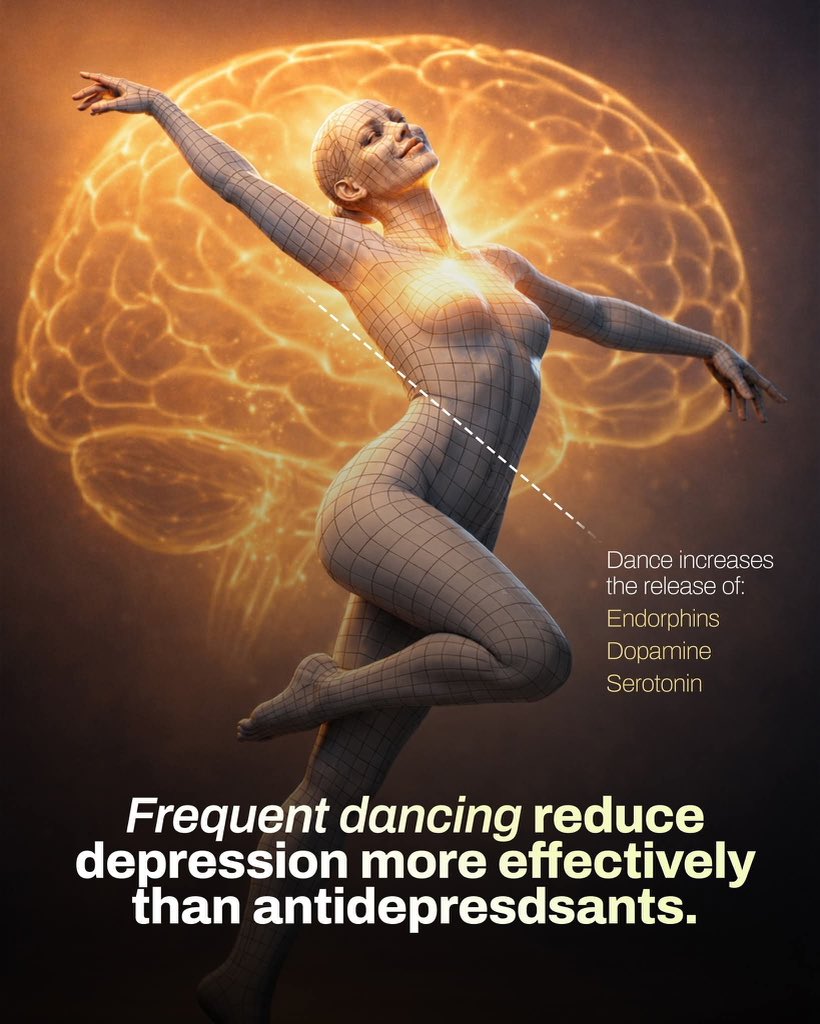
Frequent dancing has been shown to significantly reduce symptoms of depression, in some cases outperforming standard antidepressant medications. According to research published in The BMJ, dancing uniquely combines physical exercise, music, rhythm, and social interaction, producing measurable improvements in mental health. This combination triggers the release of endorphins, dopamine, and serotonin—neurotransmitters that play a central role in mood regulation and emotional resilience. Unlike medication alone, dance also enhances body awareness, self-expression, and social connection, all of which are strongly linked to lower depression risk. The findings highlight dance as a powerful, evidence-based, non-pharmacological approach to improving mental well-being.
Shining Science tweet media
English
9
95
302
8.1K
Shining Science
Shining Science@ShiningScience·
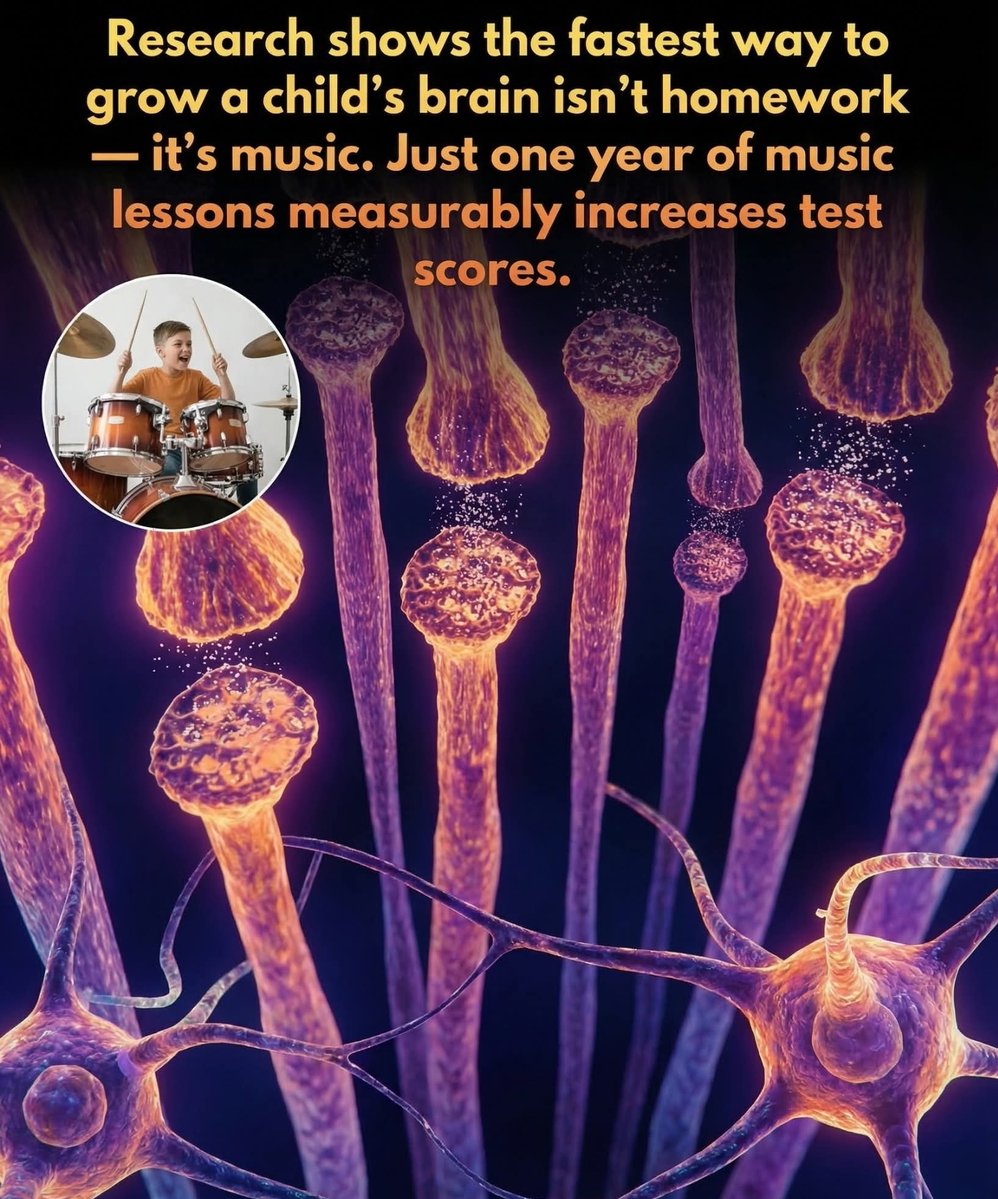
Just one year of music lessons can trigger measurable brain growth and structural changes that enhance language, reading, and memory. Forget traditional drills; the most effective way to boost a child's cognitive development might be found in the rehearsal room. Research suggests that music training acts as a comprehensive full-brain workout, activating both hemispheres simultaneously to strengthen neural connections. Unlike singular academic tasks, playing an instrument accelerates auditory maturation and pattern recognition, providing a unique foundation for language development and reading skills that homework alone cannot replicate. The benefits of music education extend far beyond the stage, fostering essential life skills like emotional regulation, discipline, and focus. Even short-term exposure can lead to measurable improvements in processing speed and IQ, helping children navigate complex environments with greater confidence. By physically shaping the brain's structure, music training provides a lifelong cognitive advantage that transforms how young minds learn, think, and interact with the world. Source: University of Southern California & National Institutes of Health. (2024). Music Training and Brain Development: Structural Changes and Cognitive Enhancements. USC Today.
Shining Science tweet media
English
4
57
187
46K
Shining Science
Shining Science@ShiningScience·
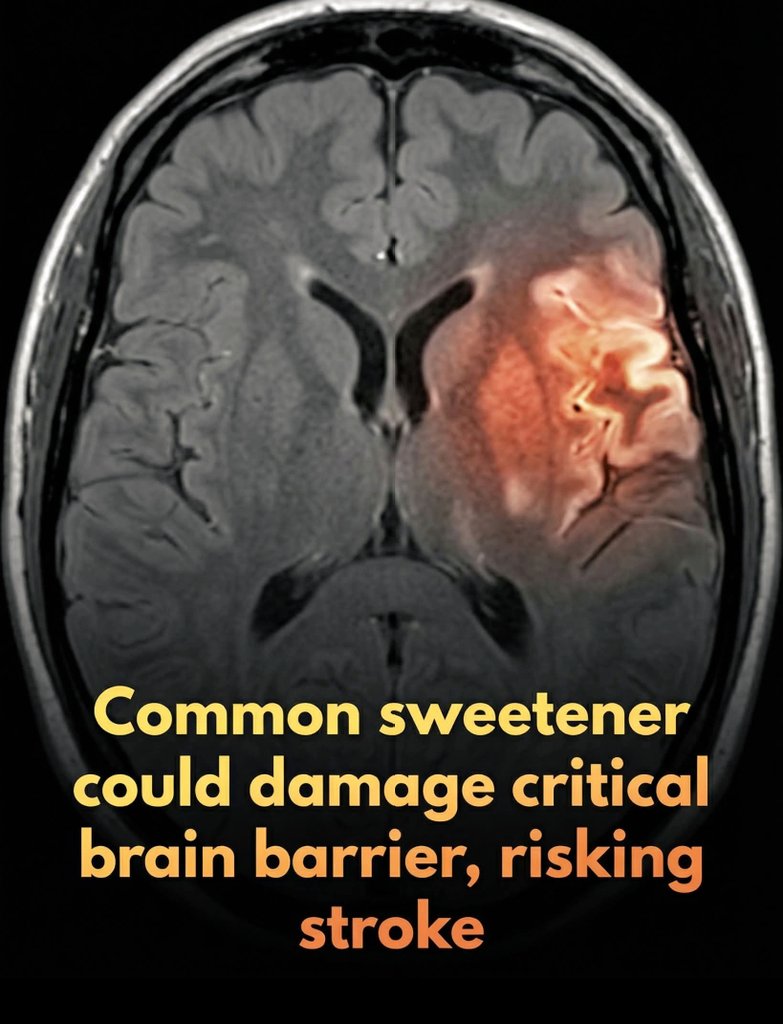
🚨 The widely used sugar alternative erythritol could be sabotaging your health. A new study shows it erodes the blood-brain barrier and inhibits the body's natural ability to dissolve blood clots. A new study from the University of Colorado suggests that erythritol, a sugar alcohol common in keto-friendly and sugar-free snacks, may directly damage the blood-brain barrier. By exposing cells to levels typically found after consuming a single sweetened beverage, researchers observed a spike in oxidative stress and the death of critical cells responsible for guarding the brain against toxins. This disruption shifts the body’s delicate chemical balance by reducing nitric oxide and increasing endothelin-1, causing blood vessels to constrict dangerously and potentially starving the brain of essential oxygen and nutrients. Beyond physical vessel damage, the sweetener appears to sabotage the body’s innate defense against strokes by blocking the release of tissue plasminogen activator—a natural "clot-buster" that dissolves blockages before they can trigger a medical emergency. These laboratory findings align with large-scale human observational data showing that individuals with high erythritol levels are twice as likely to experience major cardiac events. While regulatory agencies currently deem the sweetener safe, these results prompt a serious re-evaluation of the long-term health trade-offs associated with popular sugar substitutes. Source: Chichger, H. (2026). Common Sweetener May Damage Critical Brain Barrier, Risking Stroke. The Conversation.
Shining Science tweet media
English
59
508
1.4K
92.8K
Shining Science
Shining Science@ShiningScience·
Children often reserve their most intense emotions for their mothers because they view her as a secure, unconditional “safe base” where they can release stress without fear of rejection. This pattern is strongly supported by attachment theory, which explains that children express their biggest feelings with the caregiver they trust most. Mothers are often that primary attachment figure, so emotional outbursts can actually signal a healthy, secure relationship rather than disrespect or defiance. According to research from the Child Mind Institute, children feel safest expressing overwhelm to the caregiver who provides the most consistent comfort. Understanding this dynamic helps parents respond with empathy and recognize that these big emotions are a sign of deep trust and emotional safety.
Shining Science tweet media
English
10
105
720
32.7K
Shining Science
Shining Science@ShiningScience·
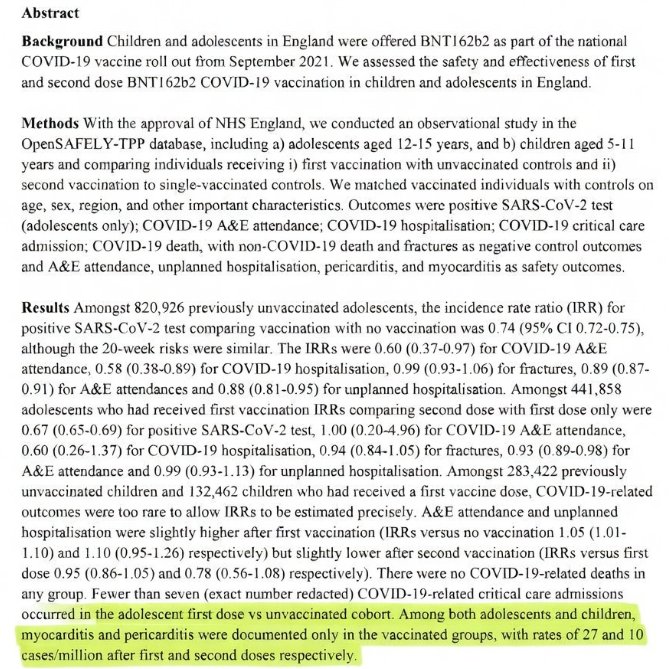
🚨Study involving 1.7 million children has found that Myocarditis & Pericarditis only appeared in children who had received COVID mRNA vaccines. Not a single unvaccinated child in the group suffered from these heart-related problems.
Shining Science tweet media
English
5
33
58
3.5K
Shining Science
Shining Science@ShiningScience·
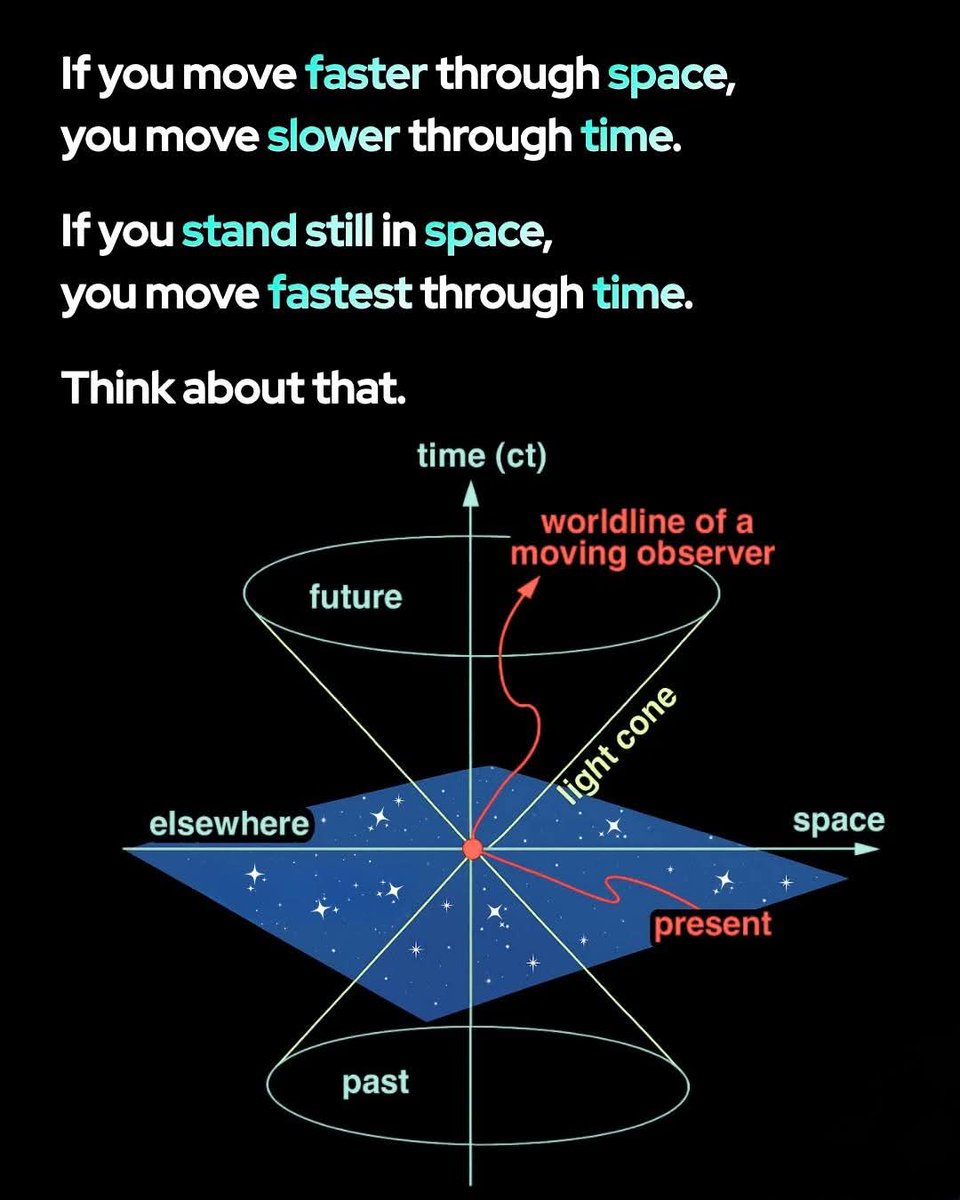
🚨 The faster you move, the slower time passes. Literally. Einstein’s theory of special relativity proves that the faster you move through space, the slower you experience time. In 1905, Albert Einstein revolutionized our understanding of the universe by revealing that space and time are not separate entities, but a unified structure called spacetime. According to this framework, every object moves through spacetime at a constant rate. However, as an object increases its speed through space, its progression through time must compensate by slowing down. This means that as you approach the speed of light—roughly 186,000 miles per second—the rhythm of your clock stretches, a phenomenon known as time dilation that effectively turns high-speed travel into a journey into the future. This concept is far from theoretical; it is a fundamental reality confirmed by rigorous experimentation and modern technology. In 1971, scientists used ultra-precise atomic clocks on commercial airplanes to prove that time literally slows down for objects in motion. Even the GPS satellites we rely on every day must account for these relativistic shifts to provide accurate locations. Without correcting for the time differences caused by their orbital speed, GPS coordinates would drift by several miles daily, demonstrating that Einstein’s insights are essential to the functionality of our interconnected world. Source: Hafele, J. C., & Keating, R. E. (1972). Around-the-World Atomic Clocks: Predicted Relativistic Time Gains. Science.
Shining Science tweet media
English
9
50
122
4.4K
Shining Science
Shining Science@ShiningScience·
🚨 Massive 44-year study reveals that long-term cannabis use does not accelerate cognitive decline. It debunks long-held myths about the drug’s impact on brain aging. For decades, concerns over the long-term cognitive effects of cannabis have fueled public health warnings, yet a comprehensive 44-year study from Denmark is now challenging those assumptions. Researchers tracked more than 5,000 men from early adulthood into their mid-sixties, comparing intelligence scores recorded at age 20 to follow-up assessments at age 64. The results, published in the journal Brain and Behavior, found no evidence that cannabis use accelerates cognitive decline. In a surprising twist, those with a history of use actually showed a marginally smaller decrease in IQ points—approximately 1.3 points less—than their non-using counterparts, effectively questioning the notion that the drug inevitably impairs long-term mental acuity. While the findings are striking, experts note that lifestyle factors and 'cognitive reserve' may play a significant role in these outcomes. The study revealed that cannabis users in this cohort often possessed higher baseline IQs and education levels, which are known to influence cognitive resilience. Crucially, the researchers discovered that neither the frequency of use nor the age at which an individual started using the substance significantly impacted their intelligence later in life. Although the study was limited to men and relied on self-reported data, it provides some of the most robust longitudinal evidence to date that past cannabis use does not inherently doom the aging brain to a faster decline. Source: Christensen, T. W., Mortensen, E. L., & Osler, M.. Cannabis use and change in intelligence from age 20 to 64: A 44-year follow-up of 5,162 Danish men. Brain and Behavior.
Shining Science tweet media
English
34
176
615
25.1K
Shining Science
Shining Science@ShiningScience·
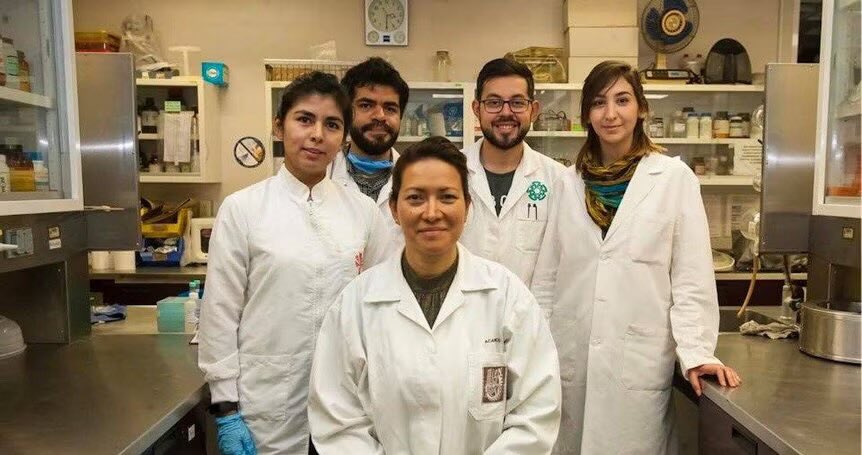
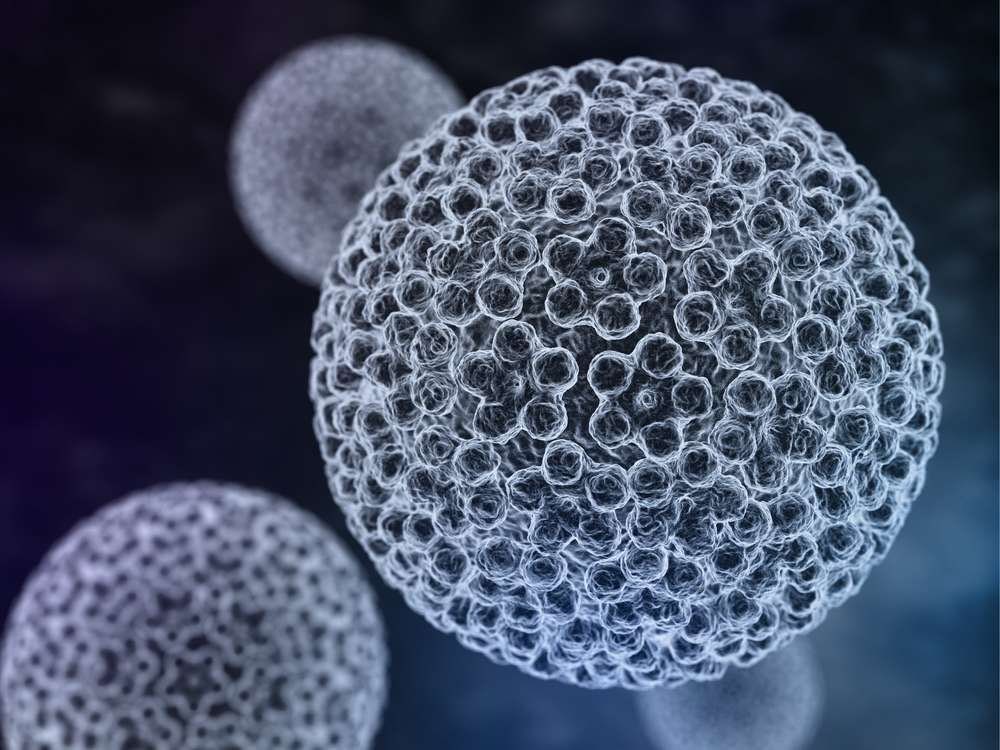
🚨 Human Papilloma Virus (HPV) can now be completely eliminated, thanks to Mexican researchers.
Shining Science tweet mediaShining Science tweet media
English
20
116
726
23K
Shining Science
Shining Science@ShiningScience·
Mexican researcher Eva Ramón Gallegos achieved a milestone that puts Latin American science at the center of the world medical debate: she managed to completely eliminate the Human Papilloma Virus (HPV) in controlled clinical studies. Their work, based on photodynamic therapy, succeeded in eradicating the virus without surgery or invasive treatments, directly attacking infected cells and preventing the progression to precancerous injuries. HPV is one of the most common sexually transmitted infections on the planet and a leading risk factor for cervical cancer.
English
1
4
21
1.3K
Shining Science
Shining Science@ShiningScience·
This breakthrough is a continuation of the PubMed-indexed study “Effectiveness of Photodynamic Therapy in Elimination of HPV-16 and HPV-18 Associated with CIN I in Mexican Women.” Published in the peer-reviewed journal Photochemistry and Photobiology, the study evaluated the use of photodynamic therapy to eliminate high-risk HPV strains—specifically HPV-16 and HPV-18—linked to cervical intraepithelial neoplasia I (a precancerous condition). The research demonstrated promising results in targeting infected cells without invasive procedures, with Eva Ramón Gallegos serving as one of the study’s authors. Reference:
English
1
2
13
1.7K
Shining Science
Shining Science@ShiningScience·
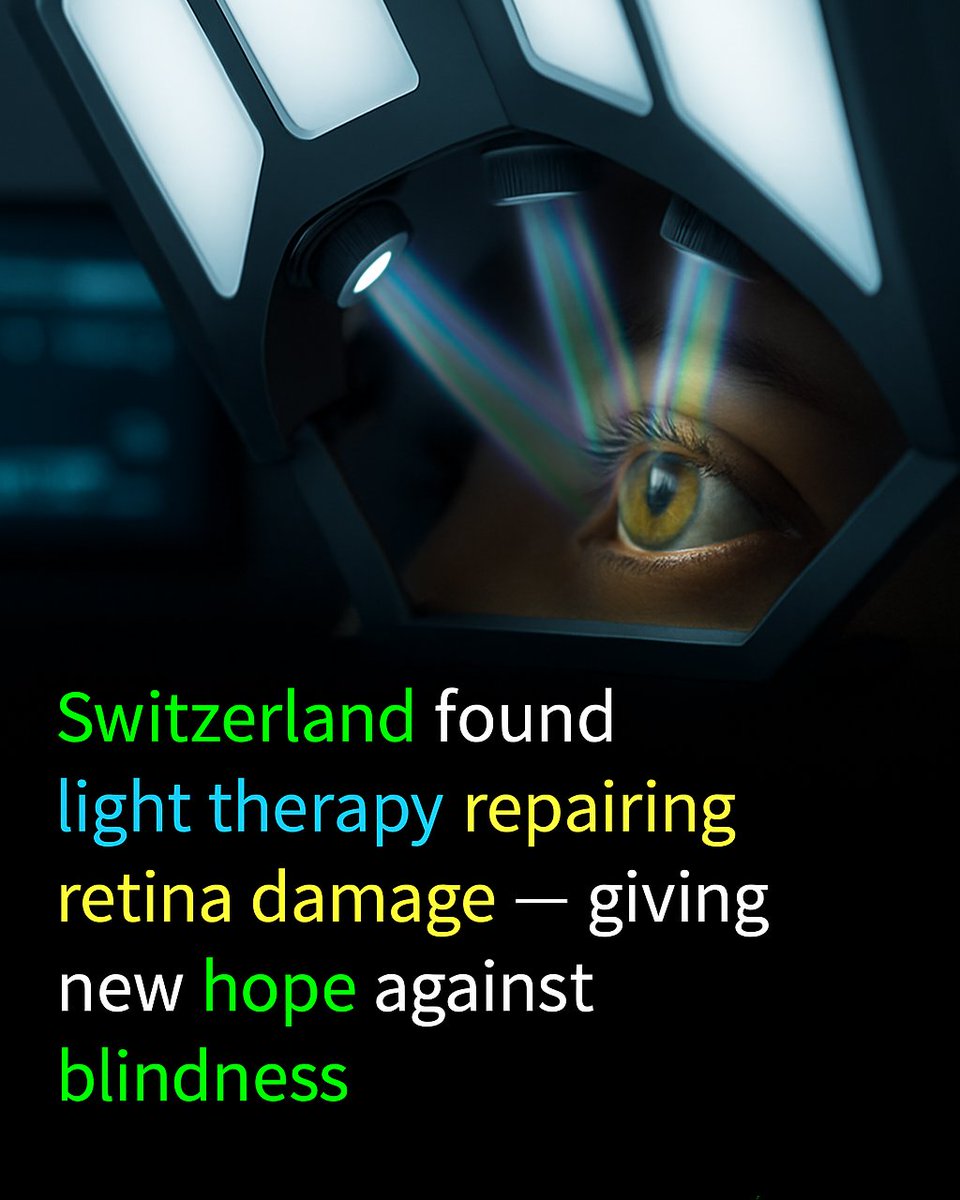
👁️ Switzerland’s Light Therapy Gives New Hope for Vision Loss Scientists at the University of Basel and the Institute of Molecular and Clinical Ophthalmology (IOB) are exploring a fascinating new approach to protect and even restore vision — using near-infrared light. Their research shows that exposure to 670-nanometer red light can boost the energy factories (mitochondria) inside retinal cells — the same cells damaged in diseases like macular degeneration and retinitis pigmentosa. 🧠 This light doesn’t “cure” blindness, but it helps cells recover and survive longer, improving visual clarity and color sensitivity in early clinical studies. In small human trials, participants reported clearer contrast and sharper details after several weeks of short, daily light exposure — a sign that this therapy could slow or reverse damage in its early stages. ⚕️ The therapy, known as Photobiomodulation, is safe, non-invasive, and still in clinical testing. It’s not yet an approved medical cure, but researchers are optimistic that it could become an affordable home-based support treatment in the near future. Light may truly become a way to protect sight. 💡❤️
Shining Science tweet media
English
17
204
691
19.5K