TypeVFuture

55.9K posts

TypeVFuture banner
TypeVFuture

TypeVFuture

@TypeVFuture

Rockets/Tesla Vehicles/Space Exploration/Solar Energy/ ☄Music/Art/Neuroscience/Architecture/ Sci-fi buff/Plate Tectonics/Marine Biology/ History/Fashion ☄

Tham gia Haziran 2016
22 Đang theo dõi1.2K Người theo dõi
TypeVFuture
TypeVFuture@TypeVFuture·
@cb_doge Cb, its hot, he looks hot in that jacket! I want one. 🔥
English
0
2
8
96
DogeDesigner
DogeDesigner@cb_doge·
xAI Grok Jacket 🔥
DogeDesigner tweet media
Indonesia
362
320
1.7K
60.4K
TypeVFuture
TypeVFuture@TypeVFuture·
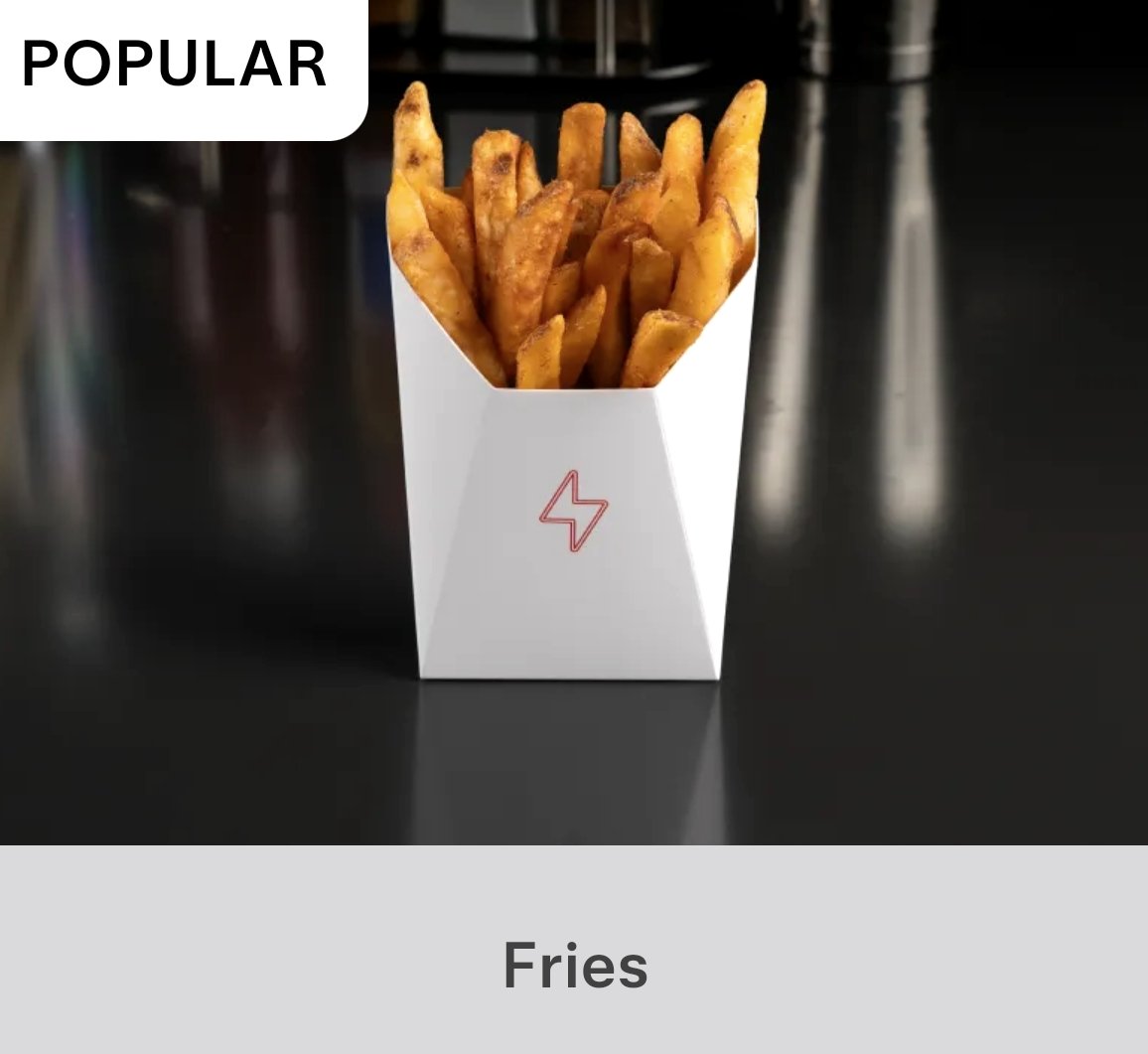
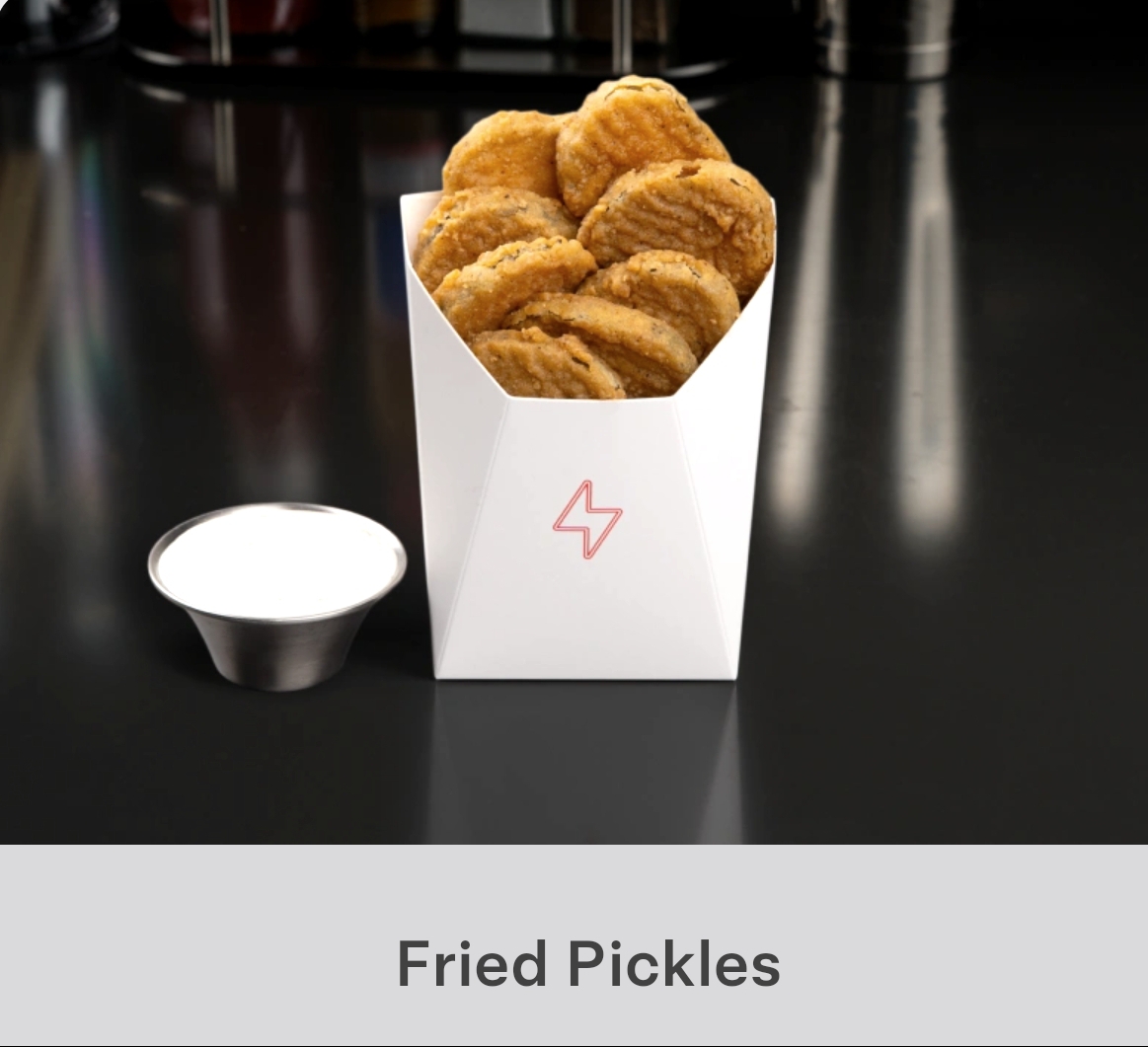
Get ready to have your taste buds blasted into orbit—the Tesla Diner's fried pickles are an absolute flavor explosion that has everyone hooked! Picture this: thick, juicy dill pickle spears battered and fried to a shatteringly crispy golden perfection, delivering that perfect tangy-zesty crunch with every addictive bite. Paired with a creamy dilly ranch dip for dunking, they turn into a bold, Southern-inspired masterpiece that's impossible to stop eating once you start. These crispy crave-inducers have skyrocketed in popularity since their launch, with pickle lovers and Tesla fans raving about them as a must-have snack while charging up or chilling in the retro-futuristic vibe.
TypeVFuture tweet media
English
0
0
1
27
TypeVFuture đã retweet
Tesla North America
Tesla North America@tesla_na·
Fried Pickles now available at Tesla Diner Los Angeles
English
675
691
4.9K
919.9K
TypeVFuture
TypeVFuture@TypeVFuture·
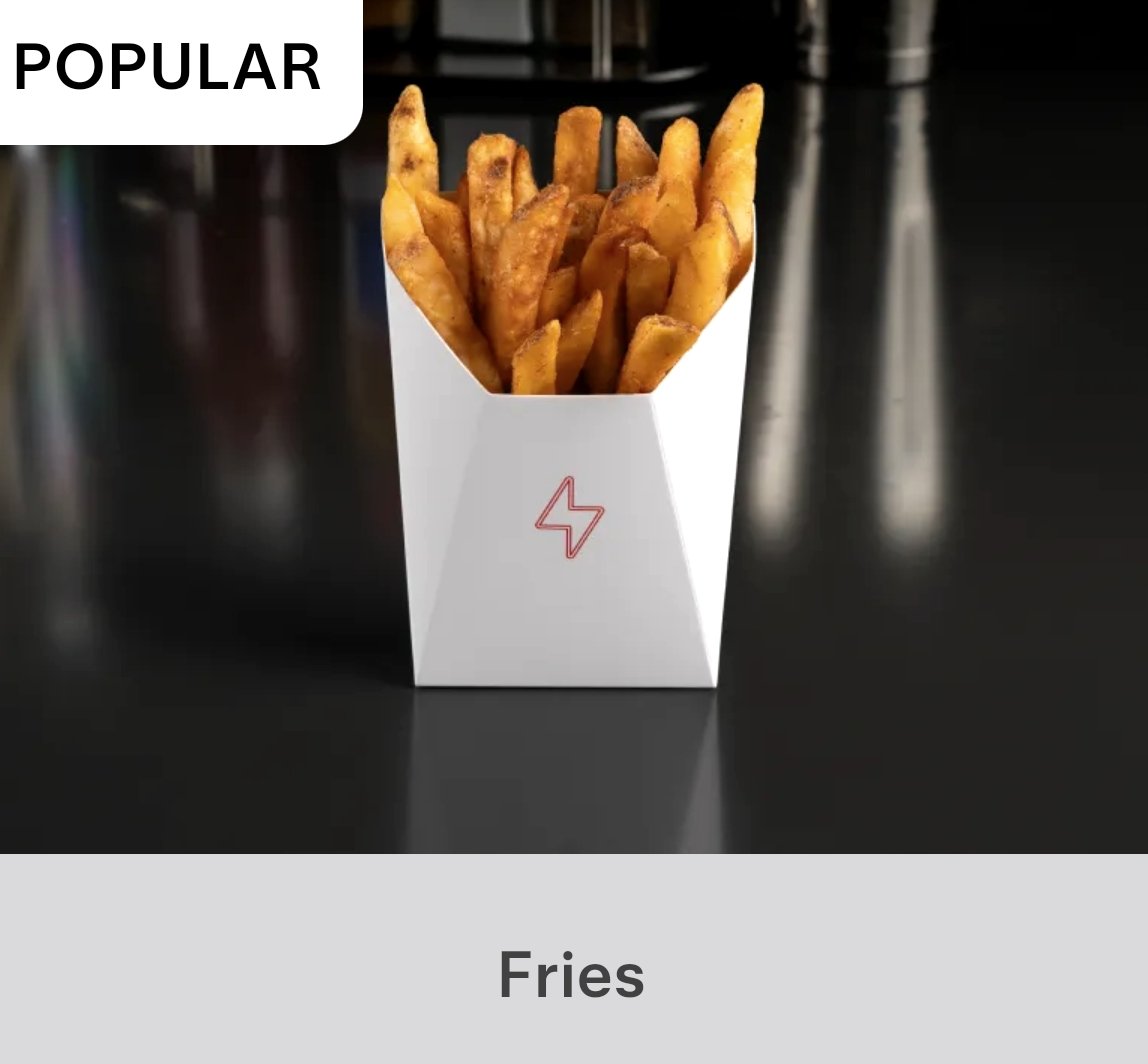
At the Tesla Diner, the extra sauce dipping options turn every bite into an electrifying explosion of flavor that will have your taste buds begging for more. The legendary Electric Sauce—a ultra-creamy, zesty Thousand Island dream with the perfect subtle tang and kick—transforms crispy tallow-fried fries, juicy smash-style Tesla Burgers, and golden hash brown bites into pure mouth-watering bliss, clinging to every crunchy edge with irresistible richness. Dive into the cool, herbaceous Dill Ranch for a fresh, addictive flavor that makes epic bacon strips sing, or savor the bold, velvety Creamy Blue Cheese that turns house potato chips into a luxurious, tangy indulgence you won't want to stop eating. Specials like the fiery Demon Sauce deliver a vibrant, spicy mustard punch that sets your senses ablaze in the most delicious way. Supercharge your meal with custom, crave-worthy layers of savory, creamy, and zesty perfection.
TypeVFuture tweet media
English
0
0
1
33
TypeVFuture
TypeVFuture@TypeVFuture·
The Falcon Wing Fried Chicken Sandwich is a mouthwatering firecracker: juicy, hand-breaded chicken breast fried to golden perfection, coated in a bold spicy glaze, and tucked into a soft toasted brioche bun with crisp pickles, fresh lettuce, and creamy tangy sauce for the perfect crunch and heat in every bite. Alongside are the Golden Crispy Fries—twice-fried for an ultra-crispy shatter, fluffy inside, and lightly seasoned with sea salt and spices. Piping hot and irresistibly golden, they’re the ultimate crunchy, salty companion when dipped in the rich, creamy dipping sauce!
TypeVFuture tweet mediaTypeVFuture tweet media
English
0
0
1
25
TypeVFuture đã retweet
TypeVFuture
TypeVFuture@TypeVFuture·
Nestled on the sizzling menu of Tesla's retro-futuristic Diner, the country-fried portobello mushroom veggie burger is a plant-based revelation that's exploding in popularity among EV enthusiasts and foodies alike, with lines forming at the 24/7 spot since its debut. Imagine a plump, meaty portobello cap, double-dipped in a crispy buttermilk batter and fried to golden, shatteringly crunchy perfection, then nestled between a toasted Martin's Potato Roll slathered with tangy Electric Sauce, layered with crisp lettuce, caramelized onions, and pickles for that irresistible sweet-savory crunch. Crafted by acclaimed chef Eric Greenspan to evoke nostalgic diner comfort without the guilt, this indulgent powerhouse—clocking in under $15—has gone viral on social feeds, drawing rave reviews for its juicy, umami-packed bite that rivals any beef patty, proving Tesla's charging up more than just batteries.
TypeVFuture tweet mediaTypeVFuture tweet media
English
0
1
1
140
TypeVFuture đã retweet
TypeVFuture
TypeVFuture@TypeVFuture·
Picture this: you're cruising down the highway in your sleek Tesla, the sun dipping low, and suddenly, the neon glow of the Tesla Diner beckons from the Supercharger station. Now, if you haven't sunk your teeth into their legendary Snap-o-Razzo hot dog yet, trust me—you're missing out on a culinary revolution that demands immediate correction. This isn't your average ballpark frank; it's a plump, perfectly grilled masterpiece, nestled in a soft, toasted bun with just the right snap, topped with tangy relish, zesty mustard, and maybe a sprinkle of futuristic flair like caramelized onions infused with a hint of electric innovation. Juicy, savory, and engineered for pure satisfaction, it's the kind of bite that makes you rethink every hot dog you've ever had. To wash it all down? The Nitro cold brew, a smooth creamy cascade of caffeinated heaven.
TypeVFuture tweet mediaTypeVFuture tweet media
English
0
1
1
139
TypeVFuture đã retweet
TypeVFuture
TypeVFuture@TypeVFuture·
At Tesla’s gleaming retro-futurist diner, the Giga Burger reigns supreme: a towering, plant-based patty (or optional grass-fed beef) seared on a 1950s flat-top, draped in molten American cheese that stretches like a Cybertruck’s range. Crispy applewood-smoked bacon weaves through the layers, adding smoky crunch, while golden, hand-cut fries—salted with a whisper of truffle. Every bite crackles with umami, the cheese pulling in long, neon-lit strands under the chrome glow of Supercharger lights, fueling late-night coders and road-trippers alike.
TypeVFuture tweet mediaTypeVFuture tweet media
English
0
1
1
142
TypeVFuture đã retweet
Tesla
Tesla@Tesla·
Anatomy of our Tesla Diner smash burger
English
877
1.2K
13.3K
1.3M
TypeVFuture đã retweet
TypeVFuture
TypeVFuture@TypeVFuture·
At the Tesla Diner, the Cowbell Milkshake trio launches in perfect formation: Vanilla, a sleek white booster of ultra-creamy soft-serve spun with milk and a salted-caramel core for smooth re-entry; Strawberry, ruby-hued and turbo-charged with real berry reduction, its tart thrust balanced by vanilla’s gentle lift; and Chocolate, a dark-matter payload of 70 % cacao ganache folded into the same chilled base, rich enough to warp time. Each arrives in a crowned with whipped cream and an edible cowbell wafer that clangs with retro joy—one sip and you’re orbiting the malt shop of tomorrow.
TypeVFuture tweet media
English
0
1
1
114
TypeVFuture
TypeVFuture@TypeVFuture·
I'm craving a Tesla Diner strawberry milkshake. 😘
English
0
0
0
12
TypeVFuture
TypeVFuture@TypeVFuture·
I am proud of all the astronauts! Advancing space exploration is essential. Humanity was destined to be among the stars! 🚀💫
English
0
0
0
11
TypeVFuture đã retweet
Mario Nawfal
Mario Nawfal@MarioNawfal·
🇺🇸🇨🇦Trump to Canadian astronaut Jeremy Hansen: “I spoke to your Prime Minister and many other friends I have in Canada. They are so proud of you, and you have a lot of courage.” x.com/RapidResponse4…
Mario Nawfal@MarioNawfal

🇺🇸Trump asked the Artemis II crew what it felt like to lose communication. Astronaut Victor Glover answered that he said a little prayer, then kept working. He was busy recording scientific observations of the far side of the Moon the whole time.

English
36
112
976
133.5K
TypeVFuture
TypeVFuture@TypeVFuture·
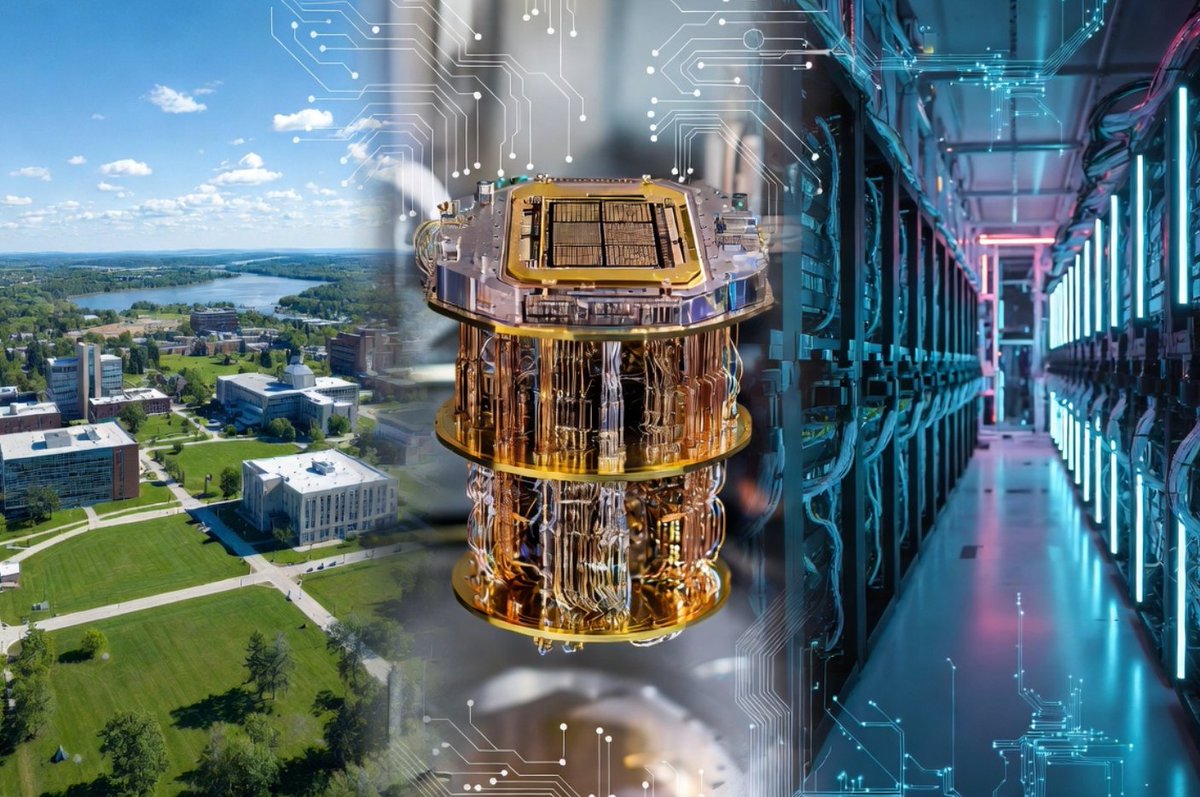
Canadian Government Invests $1.93 Million to Launch Quantum Computing Hub at University of Saskatchewan The Government of Canada has announced a significant $1.93 million investment through Prairies Economic Development Canada (PrairiesCan) to establish Canada’s first university-owned and operated, vendor-supported, full-stack, open-architecture quantum computer at the University of Saskatchewan (USask). The funding, delivered under the Regional Innovation Ecosystems program, will enable USask to install and run the advanced system on campus. It is complemented by a $400,000 contribution from the Government of Saskatchewan through Innovation Saskatchewan’s Innovation & Science Fund, bringing total support to approximately $2.33 million. This milestone expands USask’s Centre for Quantum Topology and Its Applications (quanTA Centre) into a major national hub for quantum innovation. The new facility will provide researchers, students, and industry partners with direct, on-site access to cutting-edge quantum technology — something previously only available through remote connections. A Made-in-Canada Quantum Leap The quantum computer features 14 superconducting qubits across two chips and includes a complete “full-stack” setup: hardware, software, control systems, and cryogenic cooling. Key industry partners include: Rigetti Computing (core superconducting processor, founded by Saskatchewan-born entrepreneur Dr. Chad Rigetti) Edmonton-based Zero Point Cryogenics (specialized dilution refrigerator) Qblox (Netherlands) and QuantrolOx (Finland) for control and software components Additional support from Testforce Systems Two of the primary partners have strong Prairie roots, underscoring the “made-in-Canada” nature of the project. Dr. Steven Rayan, Director of the quanTA Centre and professor in the College of Arts and Science, called the acquisition transformative: “Just like logging many hours on a flight simulator, you can experience some aspects of quantum computing by accessing hardware remotely. However, just like there is no substitute for flying the actual plane, there is no substitute for having novel technology like this on premises. Today, we enter a whole new world of quantum-accelerated research and training at USask, which expands the quanTA Centre into a major hub for quantum innovation in the country. We will solve the most challenging problems of today and train the quantum leaders of tomorrow right here, right now.” Accelerating Discovery Across Key Sectors Quantum computers can solve complex problems in minutes or hours that would take classical supercomputers years. At USask, the system will drive breakthroughs in: Health sciences — Faster drug and vaccine discovery in partnership with the Vaccine and Infectious Disease Organization (VIDO) Agriculture and energy — Optimization of crop genomics, renewable energy systems, and resource extraction Defence and security — Quantum-secure encryption and accelerated decision-making Mining and critical minerals — Advanced materials simulation The project also strengthens Saskatchewan’s Research Strategy and aligns directly with Canada’s National Quantum Strategy, positioning the Prairies as a growing player in the global quantum ecosystem. USask President and Vice-Chancellor Vince Bruni-Bossio described the investment as “a monumental achievement that positions USask as a key player in quantum research on the world stage.” Strong Support from Federal and Provincial Leaders The Honourable Eleanor Olszewski, Minister responsible for PrairiesCan, stated: “Canada’s future prosperity will depend on our ability to compete and lead in the technologies shaping the world ahead. By investing in quantum computing capacity at the University of Saskatchewan, we are building on Saskatchewan’s research strengths, supporting the next generation of innovators, and helping Canada build a stronger, more resilient economy.” Provincial Minister responsible for Innovation Saskatchewan Warren Kaeding added: “This investment puts Saskatchewan at the leading edge of a technology that is reshaping how quickly we can solve complex challenges. By building quantum capacity at USask, we are accelerating discovery, training the next generation of talent and creating new economic opportunities across key sectors.” The Honourable Evan Solomon, Minister of Artificial Intelligence and Digital Innovation, highlighted the Prairie collaboration: “What’s happening at the University of Saskatchewan is remarkable — a made-in-Canada quantum computer, built with Prairie partners, advancing research that will touch the lives of Canadians.” Building a Quantum Corridor The initiative builds on a Letter of Intent between USask and the University of Calgary’s Quantum City hub to create a shared “Quantum Corridor” across the Prairies. This collaboration aims to accelerate knowledge exchange, commercialization, and Canada’s overall competitiveness in quantum technologies. With the quantum computer expected to be operational soon, USask is poised to attract new talent, industry partnerships, and research funding while delivering tangible benefits to Saskatchewan’s economy — from better jobs to breakthrough solutions in health, agriculture, and energy. This investment marks a proud moment for Prairie innovation and reinforces Canada’s commitment to leading the next generation of technological advancement.
TypeVFuture tweet media
English
0
0
0
10
TypeVFuture đã retweet
TypeVFuture
TypeVFuture@TypeVFuture·
New Businesses in Canada (Registrations and Starts) New Businesses in Canada (Registrations and Starts)The latest full-year data from the World Bank (via Trading Economics) shows 60,852 new businesses registered in Canada in 2022 (the most recent historical figure available in March 2026 reports). No official 2025 or 2026 annual totals have been published yet. Surveys and sentiment indicators point to strong interest in starting businesses in 2026: A January 2026 poll by Ownr (backed by RBC) found that 46% of Canadians consider starting a business one of their goals for 2026, though 31% feel stuck on next steps like registration and compliance. An international entrepreneurship survey (including Canada) by Intuit QuickBooks in late 2025 indicated 27% of Canadian adults plan to start a new business or side hustle in 2026 (lower than the U.S. at 33%, but still signaling potential growth).
TypeVFuture tweet media
English
0
1
2
53
TypeVFuture đã retweet
TypeVFuture
TypeVFuture@TypeVFuture·
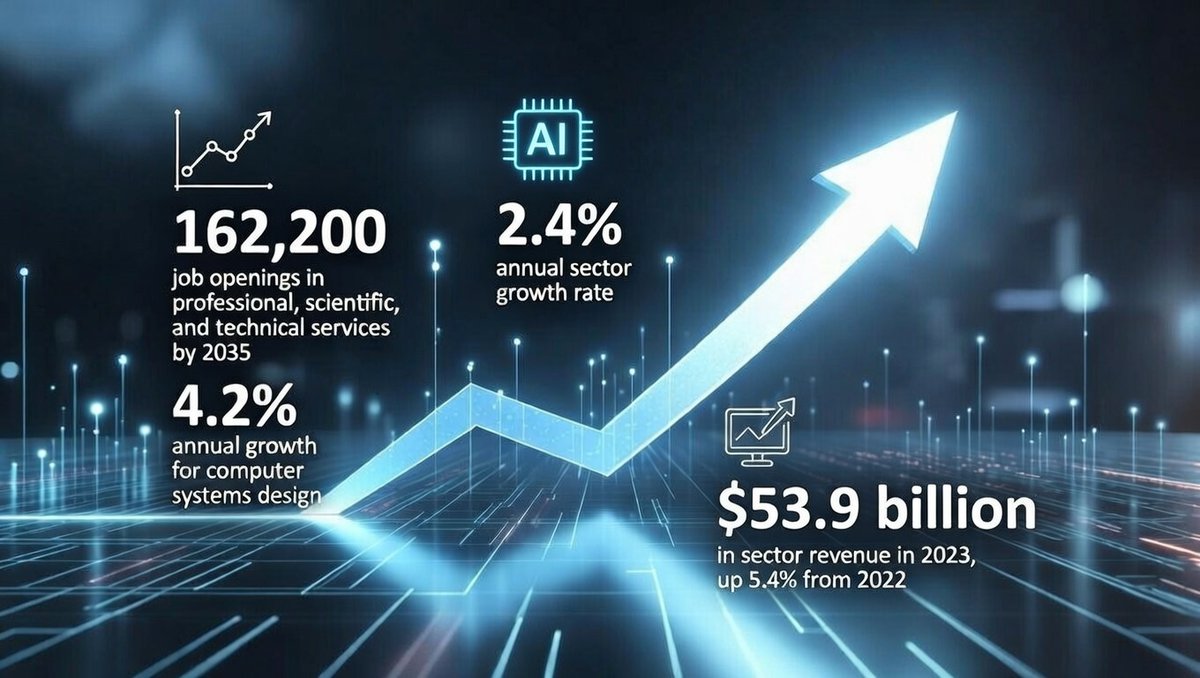
British Columbia's Tech Sector: Poised for Explosive Growth by 2030 British Columbia's technology sector is emerging as a powerhouse in Canada's economy, with projections indicating substantial expansion over the next decade. Fueled by innovation in artificial intelligence (AI), cleantech, and digital services, the sector is expected to drive significant job creation and economic output. According to recent labor market forecasts, the professional, scientific, and technical services industry— a core component of tech— is projected to generate 162,200 job openings by 2035, growing at an annual rate of 2.4%, with computer systems design subsector leading at 4.2% annual growth. This growth trajectory positions BC's tech ecosystem to potentially explode by 2030, contributing billions to the province's GDP and solidifying its role as a global innovation hub. The Current Landscape: A Thriving Foundation As of 2024, British Columbia hosts over 12,000 tech companies, employing more than 180,000 professionals and generating substantial economic value. The sector's revenue reached $53.9 billion in 2023, marking a 5.4% increase from the previous year, outpacing national averages in some areas. In 2023, BC's tech industry grew its GDP three times faster than the rest of the provincial economy, highlighting its resilience amid broader economic challenges. Employment trends show a mixed but optimistic picture. While the province experienced a net loss of 249 tech jobs in 2024 compared to 2023— one of only three Canadian provinces to do so— experts anticipate a rebound in 2025. Nationally, Canada's tech talent pool grew by 5.9% in 2024, adding 66,600 jobs, with BC contributing to this momentum through high-tech concentrations in Vancouver, which ranks first in North America for tech talent density. Key subsectors like software development and computer services reported $106.1 billion in operating revenue nationally in 2023, with BC capturing 13.6% of this, driven by services such as IT consulting. Diversity within the workforce is improving, though gaps remain. Women represent 38.6% of tech employees, up from prior years, while people of color account for 33.1%— higher than the Canadian average— but individuals with disabilities are underrepresented at 5.2%. Leading companies like TELUS Digital ($3.64 billion in 2024 revenue) and Stemcell Technologies underscore the sector's strength in digital infrastructure and life sciences. Key Drivers Fueling Expansion Several factors are propelling BC's tech sector toward rapid growth. First, substantial investments are injecting capital into innovative companies. In 2024 alone, BC tech firms raised $4.47 billion across 53 major financing deals, with the top 10 deals accounting for $3.34 billion. Between 2020 and 2024, software and IT firms in Metro Vancouver attracted over US$14 billion in investments. Government support amplifies this: PacifiCan invested $9.9 million in 2023 through Innovate BC's Integrated Marketplace, funding over 30 projects, with an additional $1.8 million in 2025 for AI integration. InBC Investment Corp. deployed around $140 million by the end of 2024 into 12 BC companies and seven venture funds, supporting over 1,100 jobs and $506 million in total raised capital. Talent attraction and development are critical enablers. BC's tech wages exceed the provincial average by 75%, drawing skilled workers. The province's focus on STEM education, combined with initiatives like the national AI Strategy, fosters expertise in high-demand areas. Organizations such as BC Tech Association and Innovate BC play pivotal roles in ecosystem building, offering resources for startups and scaling firms. Emerging technologies like AI and cleantech are key growth engines. AI adoption could deliver a $180 billion productivity boost to Canada by 2030, with BC's exporters leading in generative AI integration. The cleantech space saw $7.7 million invested in 13 companies in 2024 by the BC Centre for Innovation and Clean Energy, targeting decarbonization. Vancouver's status as the world's second-largest virtual/augmented reality cluster and Canada's fastest-growing life sciences hub further enhances appeal. Strategic events and infrastructure bolster visibility. Hosting Web Summit Vancouver from 2025, backed by $6.6 million from PacifiCan, connects local innovators to global opportunities. BC's natural advantages— including strong research infrastructure and a creative tech culture— create a fertile environment for innovation. Projections: Explosive Growth on the Horizon By 2030, BC's tech sector is forecasted to create more new jobs than any other industry in the province. The Greater Victoria tech ecosystem alone is expected to exceed $10 billion in economic impact. Province-wide, the sector has grown at an average of 6.2% annually since 2001, with wages contributing $9 billion and jobs earning 75% above the BC average. The Labour Market Outlook predicts 1 million total job openings in BC by 2035, with tech-heavy regions like Mainland/Southwest seeing 680,000 openings, 38% from expansion. In specialized areas, green building tech could generate 187,497 direct jobs under optimistic scenarios. Canada's digital economy, including BC's contributions, is projected to grow at a 9% CAGR through 2025, extending into stronger performance by 2030. The province aims to double employment in tech and life sciences as part of its Look West strategy. In conclusion, British Columbia's tech sector stands on the brink of transformation. With robust investments, a skilled workforce, and strategic focus on high-growth areas, the province is well-positioned to see its tech ecosystem explode by 2030, driving prosperity and innovation for years to come.
TypeVFuture tweet media
English
0
1
1
120
TypeVFuture đã retweet
TypeVFuture
TypeVFuture@TypeVFuture·
Canada's AI for Growth Initiative: Empowering SMEs and Driving Economic Prosperity Canada is leading the way in responsible and inclusive artificial intelligence (AI) adoption, creating exciting opportunities for businesses of all sizes. The AI for Growth initiative stands as a cornerstone of this vision, delivering a $174 million investment over three years to accelerate AI integration among small and medium-sized enterprises (SMEs). Announced in Budget 2025, this forward-looking program equips Canadian SMEs with powerful tools, resources, and expertise to harness AI, enhance productivity, and unlock new growth potential. A Strategic Opportunity Aligned with National and Global Momentum SMEs form the vibrant core of the Canadian economy, representing the majority of private-sector employers and driving innovation across diverse sectors. The AI for Growth initiative builds on Canada's strong foundation in AI excellence, established through the Pan-Canadian AI Strategy and world-class institutes such as Amii (Edmonton), Mila (Montreal), and the Vector Institute (Toronto). These hubs continue to deliver groundbreaking research in areas like machine learning, health applications, materials science, and autonomous systems. The program aligns seamlessly with Canada's successful 2025 G7 Presidency in Kananaskis, Alberta, where leaders advanced the G7 AI Adoption Roadmap. This roadmap celebrates AI's transformative power and promotes widespread adoption through sustained investment, collaboration, and shared best practices. A highlight of the presidency was the SME AI Adoption Blueprint, released in December 2025 with contributions from G7 partners and the OECD. The Blueprint showcases inspiring real-world examples and practical policy approaches that demonstrate how AI empowers businesses to achieve remarkable results. Key Strengths of the AI for Growth Initiative Led by Innovation, Science and Economic Development Canada (ISED), AI for Growth channels funding through Canada's National AI Institutes and Global Innovation Clusters. The initiative focuses on three powerful pillars: Accelerating SME Adoption: Offering tailored programs that make it easy and rewarding for SMEs to integrate AI technologies—whether through automation that streamlines operations, predictive analytics that sharpen decision-making, or personalized tools that delight customers. Fast-Tracking Commercialization: Bridging the journey from cutting-edge research to market-ready solutions. Partnerships with institutes like Mila and Vector support dynamic projects that transform academic breakthroughs into practical, high-value applications for Canadian businesses. Strengthening Capacity for Canadian Innovation: Encouraging the use of homegrown AI solutions that prioritize data security, ethical standards, and national benefit. This work complements Canada's Sovereign AI Compute Strategy, which invests in robust domestic infrastructure to power the next wave of AI advancement. The SME AI Adoption Blueprint highlights compelling success stories from around the world that inspire Canadian action. For example, a French cosmetics SME used AI and IoT to optimize energy systems and achieve significant efficiency gains. In Spain, a micro-enterprise developed an innovative AI-powered robotic harvester that revolutionized strawberry production. Closer to home, Toronto-based jewelry brand JENNY BIRD successfully applied AI for personalized recommendations, resulting in stronger customer engagement and increased sales. A Rich Ecosystem of Complementary Support AI for Growth is embedded within a comprehensive $2.4 billion AI investment framework from Budget 2024–2025, including: Regional Artificial Intelligence Initiative (RAII): $200 million over five years, delivered through regional development agencies, to support exciting SME-led projects in high-potential sectors such as agriculture, clean technology, and advanced manufacturing. AI Assist Program: $100 million, led by the National Research Council, to help innovative SMEs explore and adopt generative AI and deep learning technologies with confidence. Additional resources—such as the Business Development Bank of Canada's (BDC) Data to AI Program, Skills Bridge platform, and executive training offerings—provide SMEs with accessible guidance, financing, and skill-building opportunities to embrace AI with enthusiasm and clarity. A Bright Future of Impact and Opportunity Generative AI alone holds the potential to contribute up to $187 billion to Canada's economy by 2030, and widespread SME participation will help realize this exciting vision. AI for Growth delivers practical “starter packs,” pre-vetted tools, and proven use cases that make adoption straightforward and rewarding. Early adopters are already experiencing impressive productivity improvements—up to 42% for medium-sized firms—through smarter automation, enhanced forecasting, and creative innovation. As Canada moves toward the next phase of the Pan-Canadian AI Strategy (2026–2030), AI for Growth positions SMEs to lead in an AI-powered future. With strong national commitment, world-class research, substantial investment, and a growing community of success stories, the initiative is helping Canadian businesses thrive, create value, and contribute to a prosperous, innovative economy for all.
TypeVFuture tweet media
English
0
1
1
86
TypeVFuture đã retweet
TypeVFuture
TypeVFuture@TypeVFuture·
Canada's Retail Sales Surge: Billions in Growth Amid Economic Shifts and 2026 Outlook In a year marked by economic resilience despite global trade tensions and domestic challenges, Canada's retail sector demonstrated notable strength in 2025. With total annual retail sales estimated at approximately C$840 billion—reflecting a 3.8% nominal growth over 2024—the industry has pushed into new heights, driven by consumer spending in key areas like food, beverages, and general merchandise. This uptick comes as a rebound from slower periods, underscoring the sector's adaptability. As we step into 2026, projections point to continued expansion, potentially reaching C$880 billion or more, fueled by technological innovations, shifting consumer behaviors, and a cautiously optimistic economic recovery. A Strong Close to 2025: Key Figures and Drivers The latest monthly data from Statistics Canada highlights the momentum building through late 2025. In November, retail sales climbed 1.3% month-over-month to C$70.4 billion, the strongest gain in five months. This surge was widespread, with eight out of nine subsectors reporting increases. Food and beverage retailers led the charge with a 3.0% rise, while general merchandise stores and health/personal care outlets also contributed significantly. The rebound followed a modest 0.2% dip in October to C$69.4 billion, attributed partly to resolved labor disputes in British Columbia that had disrupted supply chains earlier in the year. Projections for 2026: Growth Acceleration and Emerging Trends Looking ahead, experts forecast a strengthening trajectory for Canada's retail sales in 2026, with the sector poised to build on 2025's foundation. Nominal sales are expected to rebound sharply, starting with a 4.6% increase in the first quarter alone, as the Q4 2025 downturn proves temporary. Overall, annual growth could align with a compound annual growth rate (CAGR) of around 4.9%, pushing total retail sales toward C$880 billion by year-end, according to market analyses. This projection assumes moderate real GDP growth of 1.8%, up from 1.6% in 2024, and continued easing of interest rates by the Bank of Canada. Several trends are set to redefine the landscape: Meanwhile, omnichannel strategies blending online and offline will drive efficiency. Brick-and-Mortar Dominance with Digital Integration: Physical stores are projected to account for 82% of total retail sales in 2026, emphasizing their enduring appeal. Experiential retail—think immersive shopping environments—could generate 30% higher sales per square foot, with 76% of Canadians preferring in-store experiences for certain products. Quick Commerce and AI-Driven Discovery: The quick commerce (Q-commerce) market is slated to hit C$6.5 billion, a 24% year-over-year jump, as consumers demand ultra-fast delivery. AI tools for personalized recommendations and social commerce are expected to reshape how Canadians shop, particularly in apparel, where sales may rise 1.0% after a 1.5% dip in 2024. Value-oriented segments like discount stores may thrive, but luxury and tech could see uneven growth. K-Shaped Economy and Consumer Caution: A two-tier recovery—where higher-income households spend freely while others remain frugal—will influence retail dynamics. Retail real estate investment trusts (REITs) are anticipated to see 3-5% revenue growth, with 25% of new developments integrating mixed-use spaces to adapt. Conclusion: A Sector Poised for Evolution Canada's retail sales in 2025, topping C$840 billion, signal a sector that's not just surviving but thriving amid adversity. As projections for 2026 forecast accelerated growth to new billions, the focus shifts to innovation and resilience. Retailers embracing AI, sustainability, and consumer-centric models will likely lead the charge, ensuring the industry remains a cornerstone of the Canadian economy.
TypeVFuture tweet media
English
0
1
1
151