Most people grow up believing their rights are automatic, like some invisible shield that just activates when something goes wrong. But in reality, a lot of those protections only exist on paper until you actually understand them and assert them.
There’s this massive gap between what people think the system does and how it actually works in practice. The average person assumes that searches require warrants, that privacy is the default, that authorities are tightly restricted. But over time, layer by layer, exceptions have been added. Consent, probable cause interpretations, “reasonable suspicion,” emergency justifications… all of it creates a system where the boundaries are far more flexible than most people realize.
And here’s the part that catches people off guard: many of those boundaries expand simply because people don’t know they have a choice. A casual “sure” in the wrong moment can override protections that were supposed to exist. Not because someone forced it, but because the system is built in a way that quietly relies on compliance.
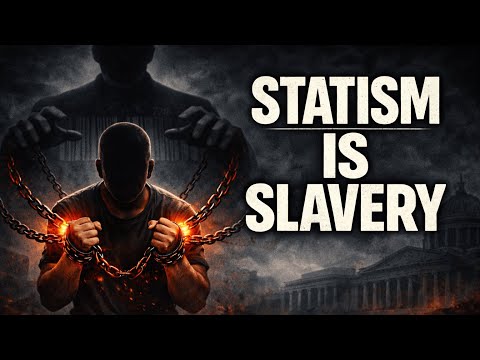
This isn’t about conspiracy theories or fear. It’s about understanding incentives and structure. Systems of authority tend to grow, not shrink, and statism depends heavily on people believing those systems are more constrained than they really are.
The truth is, your rights are strongest when you actually know them, understand them, and are willing to stand on them. Without that, they’re not really rights… they’re just assumptions.
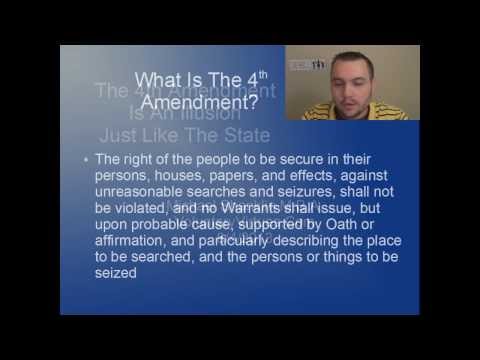
Watch the full video here:
youtube.com/watch?v=e7bm0V…
YouTube
English