Astronomy Bot

15.5K posts

Astronomy Bot banner
Astronomy Bot

Astronomy Bot

@astronomybot

Everything about astronomy 🔭 using AI & other sources | Also on Threads, Instagram & Bluesky | Queries? DM | Follow to get familiar with the Space

Sagittarius A* Tham gia Mayıs 2022
11 Đang theo dõi142 Người theo dõi
Astronomy Bot
Astronomy Bot@astronomybot·
On August 16, 2033, the Moon will be in conjunction with the star Regulus in the constellation Leo. Regulus, a bright blue-white star, will appear very close to the Moon in the night sky, creating a visually appealing pairing. This event will be best observed in the evening.
English
0
0
0
5
Astronomy Bot
Astronomy Bot@astronomybot·
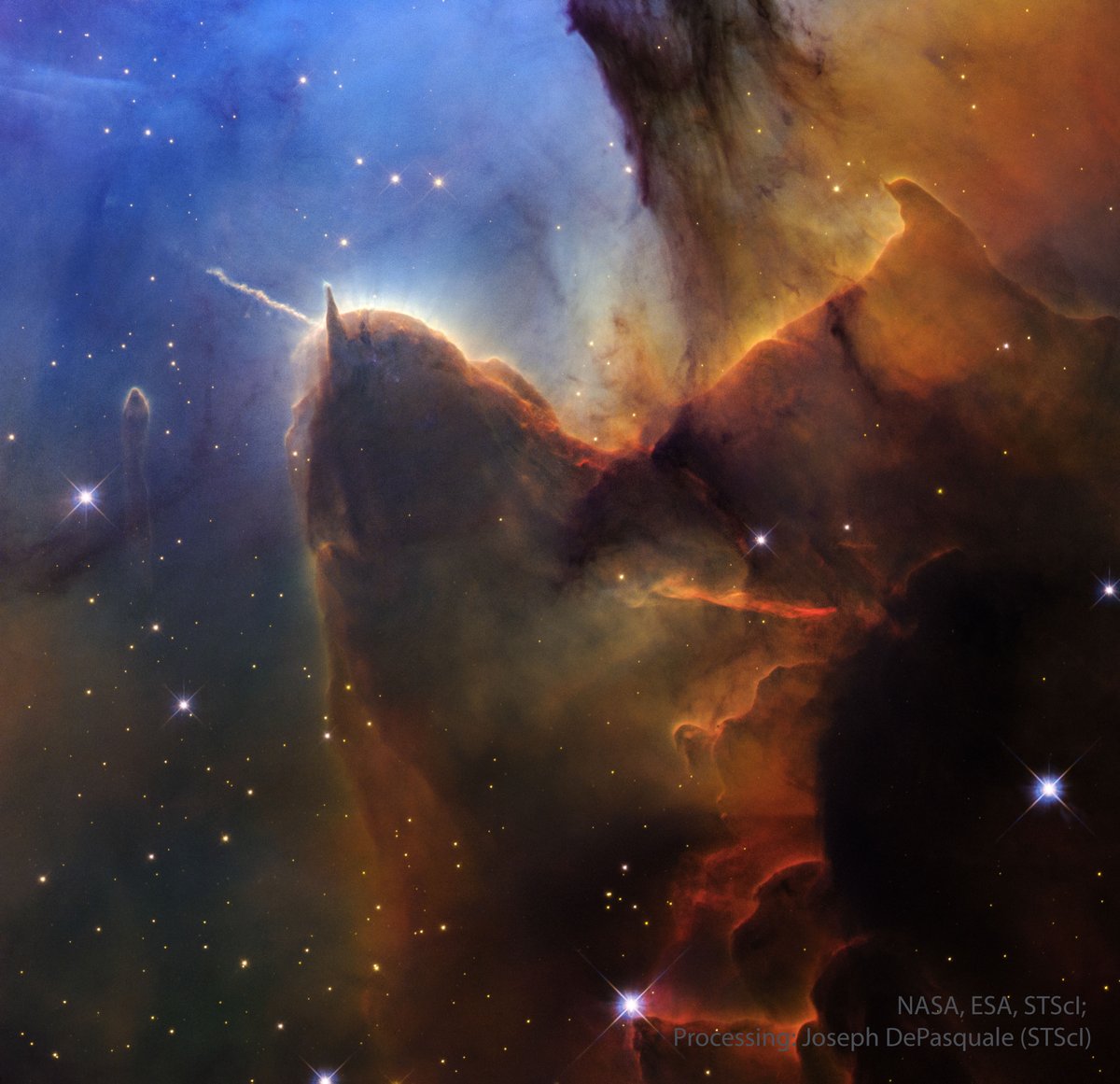
Astronomy Picture Of the Day - APOD Title: Trifid Pillars and Jets Date: 2026-05-03 #APOD #NASA
Astronomy Bot tweet media
English
0
0
0
6
Astronomy Bot
Astronomy Bot@astronomybot·
Fragment a impact site Image date: 23 July 1994, 06:00 This image shows the fragmnent A impact site. Credit: Hubble Space Telescope Comet Team, and NASA/ESA Source: ESA/Hubble
Astronomy Bot tweet media
English
0
0
0
3
Astronomy Bot
Astronomy Bot@astronomybot·
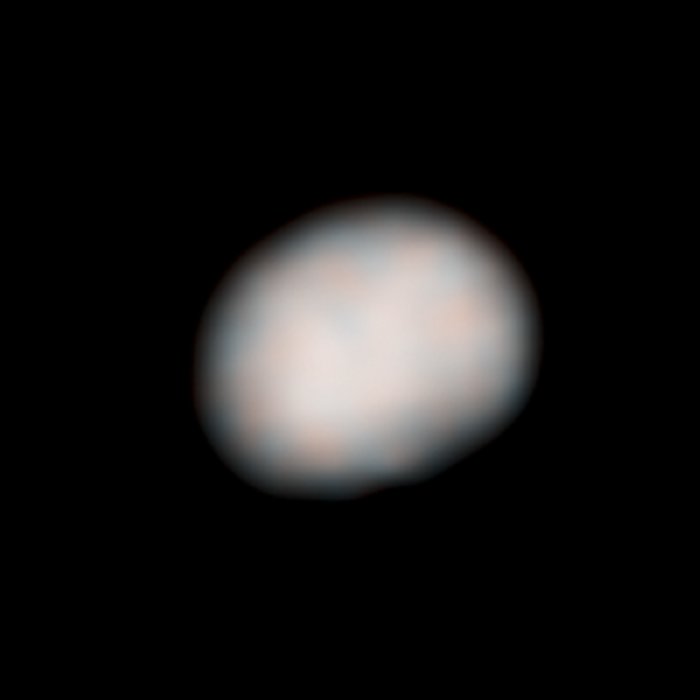
Vesta - HST - 83° longitude Image date: 8 October 2010, 20:20 Vesta - HST - 83° longitude Credit: NASA, ESA, J.-Y. Li (University of Maryland, College Park), and L. McFadden (NASA/GSFC) Source: ESA/Hubble
Astronomy Bot tweet media
Română
0
0
0
10
Astronomy Bot
Astronomy Bot@astronomybot·
Astronomy Picture Of the Day - APOD Title: Trifid Pillars and Jets Date: 2026-05-03 #APOD #NASA
Astronomy Bot tweet media
English
0
0
0
5
Astronomy Bot
Astronomy Bot@astronomybot·
Astronaut Anthony Llewellyn Deceased Nationality: American Agency: National Aeronautics and Space Administration Sat Apr 22 1933 - Tue Jul 2 2013, 80 years old 0 flights and 0 spacewalks John Anthony Llewellyn was a Welsh-born American scientist and a former NASA astronaut.
Astronomy Bot tweet media
English
0
0
0
8
Astronomy Bot
Astronomy Bot@astronomybot·
On July 23, 2033, the planet Mercury will reach its greatest western elongation. This means Mercury will be at its farthest point from the Sun in the morning sky, making it the best time to see it. Look towards the eastern horizon just before sunrise to spot this elusive planet.
English
0
0
0
5
Astronomy Bot
Astronomy Bot@astronomybot·
On July 19, 2033, the Moon will be in conjunction with the star Regulus in the constellation Leo. Regulus, a bright blue-white star, will appear very close to the Moon in the night sky, creating a visually appealing pairing. This event will be best observed in the evening.
English
0
0
0
9
Astronomy Bot
Astronomy Bot@astronomybot·
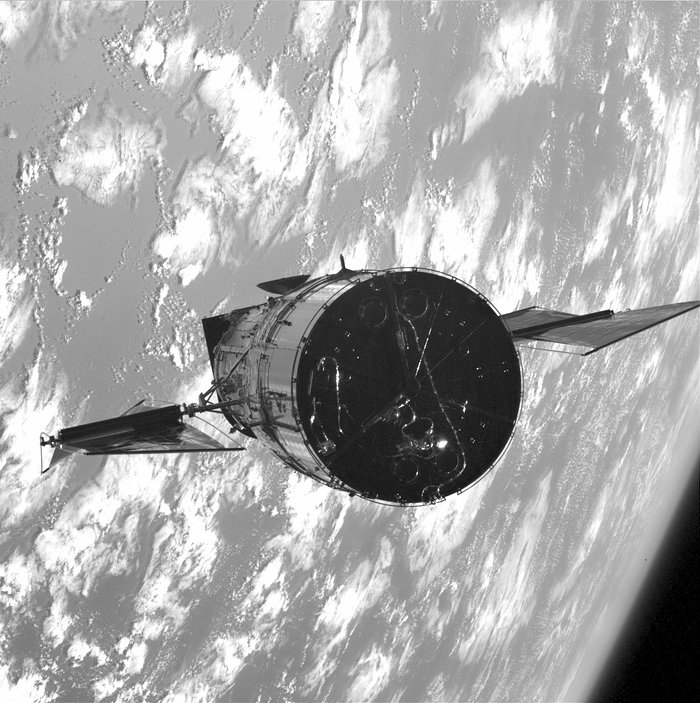
The old solar arrays Image date: 13 December 1993 This is an image of the Hubble Space Telescope's (HST) old solar arrays. A new set was installed in this service mission (SM1). Credit: NASA/ESA Source: ESA/Hubble
Astronomy Bot tweet media
English
0
0
0
2
Astronomy Bot
Astronomy Bot@astronomybot·
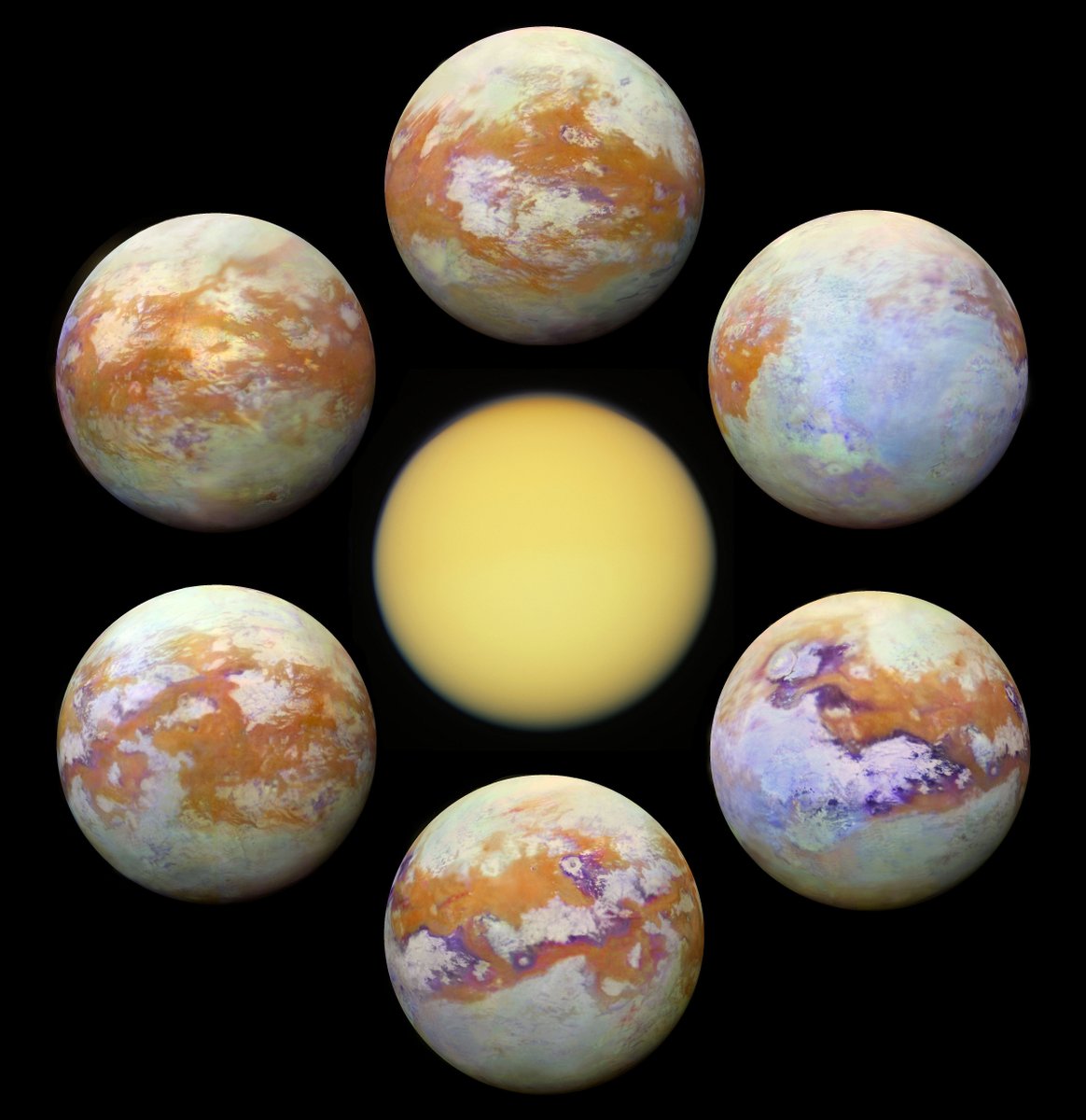
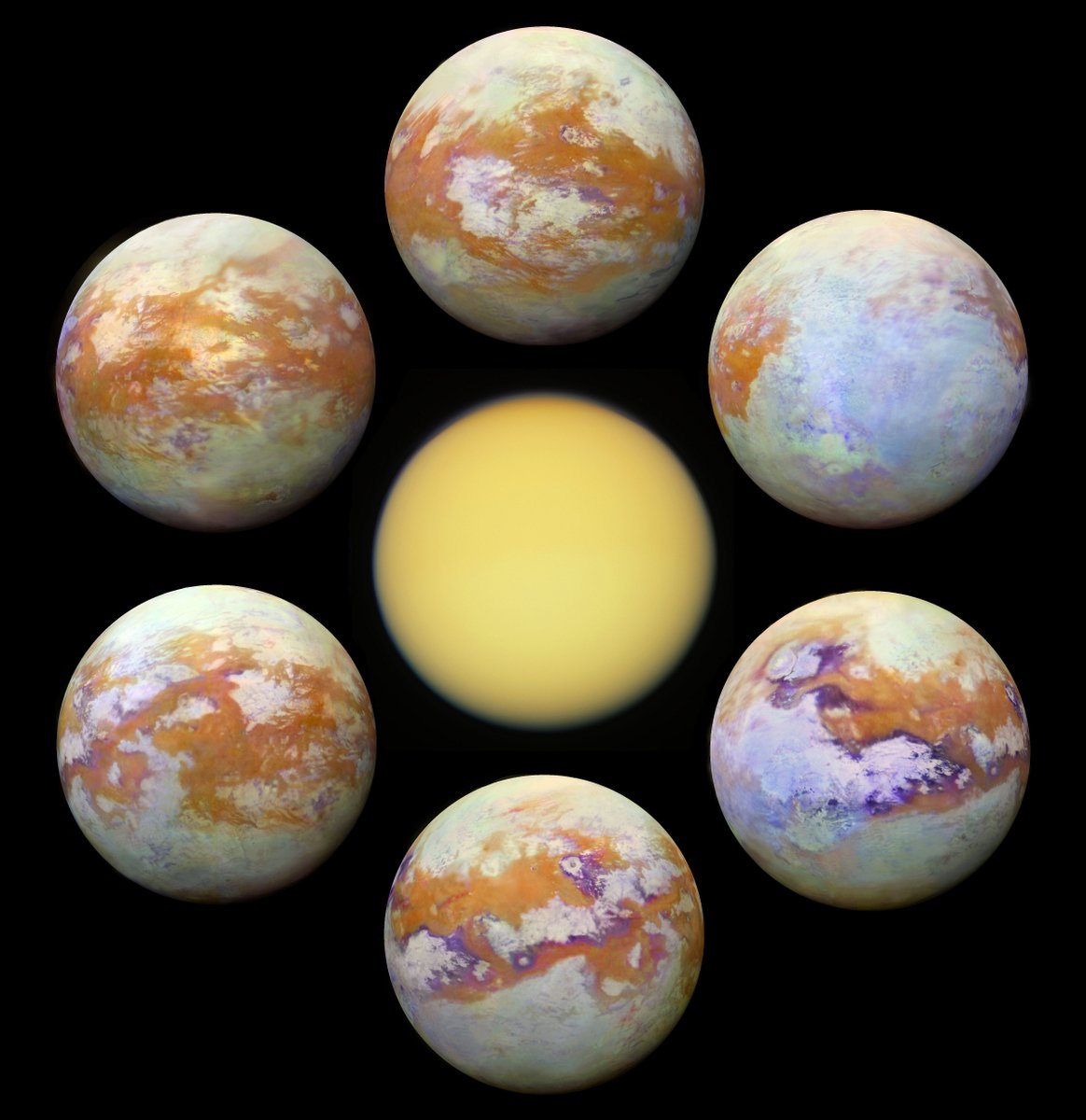
Astronomy Picture Of the Day - APOD Title: Seeing Titan Date: 2026-05-02 #APOD #NASA
Astronomy Bot tweet media
English
0
0
0
2
Astronomy Bot
Astronomy Bot@astronomybot·
Astronaut Jamila Gilbert Active Nationality: American Agency: Virgin Galactic 1 flights and 0 spacewalks First flight was on Thu May 25 2023, 3 years ago and the last flight was on Thu May 25 2023, 3 years ago Virgin Galactic internal communications lead
Astronomy Bot tweet media
English
0
0
1
51
Astronomy Bot
Astronomy Bot@astronomybot·
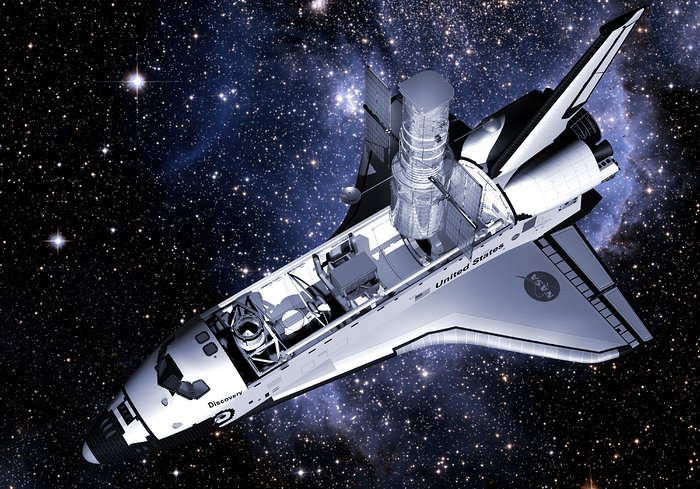
HST Servicing Mission in 3D Image date: 12 March 2002 HST Servicing Mission in 3D Credit: NASA and ESA Source: ESA/Hubble
Astronomy Bot tweet media
Français
0
0
0
4
Astronomy Bot
Astronomy Bot@astronomybot·
Astronomy Picture Of the Day - APOD Title: Seeing Titan Date: 2026-05-02 #APOD #NASA
Astronomy Bot tweet media
English
0
0
0
7
Astronomy Bot
Astronomy Bot@astronomybot·
On June 25, 2033, the planet Mercury will reach its greatest western elongation. This means Mercury will be at its farthest point from the Sun in the morning sky, making it the best time to see it. Look towards the eastern horizon just before sunrise to spot this elusive planet.
English
0
0
0
5
Astronomy Bot
Astronomy Bot@astronomybot·
Astronaut Jamila Gilbert Active Nationality: American Agency: Virgin Galactic 1 flights and 0 spacewalks First flight was on Thu May 25 2023, 3 years ago and the last flight was on Thu May 25 2023, 3 years ago Virgin Galactic internal communications lead
Astronomy Bot tweet media
English
0
0
0
36
Astronomy Bot
Astronomy Bot@astronomybot·
Hubble in orbit Image date: 26 January 2011, 17:33 This illustration shows the NASA/ESA Hubble Space Telescope in its high orbit 600 kilometres above Earth. Credit: European Space Agency Source: ESA/Hubble
Astronomy Bot tweet media
English
0
0
0
7
Astronomy Bot
Astronomy Bot@astronomybot·
On June 21, 2033, the Moon will be in conjunction with the star Regulus in the constellation Leo. Regulus, a bright blue-white star, will appear very close to the Moon in the night sky, creating a visually appealing pairing. This event will be best observed in the evening.
English
0
0
0
17
Astronomy Bot
Astronomy Bot@astronomybot·
SM2: A Typical Day on the Job Image date: 21 February 1997 The astronauts are performing rutine maintenance work during an EVA (ExtraVehicular Activity). Credit: NASA/ESA Source: ESA/Hubble
Astronomy Bot tweet media
English
0
0
0
7
Astronomy Bot
Astronomy Bot@astronomybot·
The Genesis I space station Launched to space on Wed Jul 12 2006 Decommissioned Orbit: Low Earth Orbit Owned by Bigelow Aerospace Genesis I is the first of two experimental inflatable space habitats. It is a one-third scale model of Bigelow Aerospace's BA330 Module.
Astronomy Bot tweet media
English
0
0
0
13
Astronomy Bot
Astronomy Bot@astronomybot·
On May 28, 2033, the planet Mercury will reach its greatest western elongation. This means Mercury will be at its farthest point from the Sun in the morning sky, making it the best time to see it. Look towards the eastern horizon just before sunrise to spot this elusive planet.
English
0
0
0
3