narachamesuke đã retweet
narachamesuke
48.5K posts

narachamesuke
@narachamesuke
fond of japanese shiba inu viewing ....... :)
india Tham gia Ocak 2021
2.1K Đang theo dõi224 Người theo dõi
narachamesuke đã retweet

The gorgeous silhouette of that @IndianNavy P15B destroyer ♥️ Pictured here escorting another India-bound gas tanker.

English
narachamesuke đã retweet

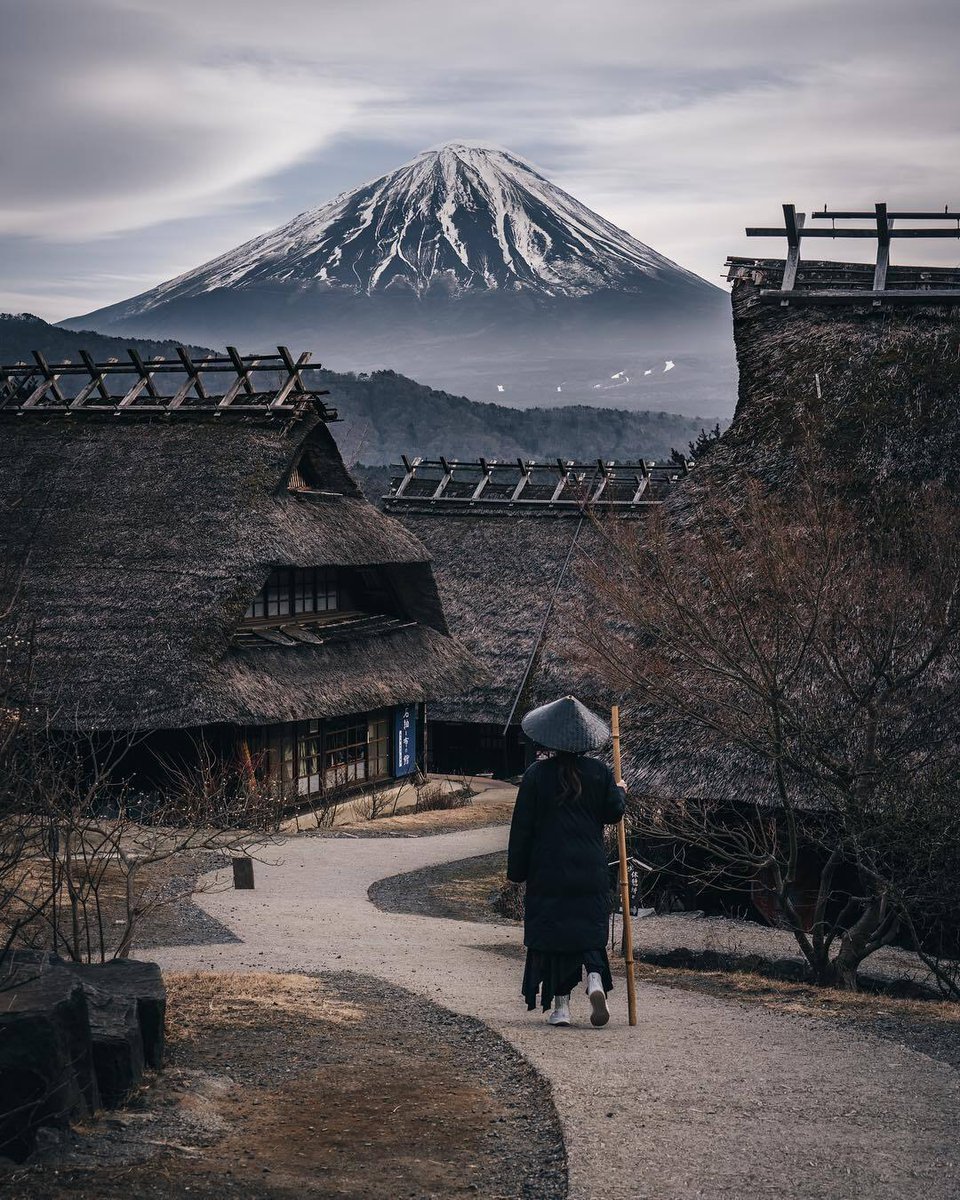
Japan; one of world’s most mountainous countries, so it’s not surprising that mountain worship is an historic element of Japanese culture. And of all mountains in Japan, Mount Fuji stands out as a unique cultural symbol. At 12,388ft, Fuji is Japan’s tallest mountain. Japan’s two major religions, Shinto and Buddhism, regard Fuji as sacred, and Japanese from all walks of life attest to power of this natural symbol so deeply inscribed in national psyche.
Japan’s sacred history and national identity are tied to this mountain, which, as author Edwin Bernbaum explains, “symbolizes quest for beauty and perfection that has shaped so much of Japanese culture, both secular and sacred.” Mount Fuji, a composite volcano, growing larger as layer upon layer of lava and ash built up on its slopes. Like its geologic history, Mount Fuji’s sacred history has also developed over time as different religions, beliefs and myths have added new layers. Since ancient times, mountains of Japan have been revered as sacred places, giving rise to a tradition of beliefs and rituals that scholars call sangaku shinko (mountain creed). When Shinto, native religion of Japan, emerged sometime before 6th Century AD, it wove this mountain creed into a wider veneration of nature. According to Shinto belief, natural features such as trees, lakes, streams, rocks and mountains are dwelling places of spirits called kami, which hold influence over human affairs and respond to human prayer and ritual. Kami are believed to be concentrated in mountain areas, and shrines have been erected to mark sacred spots. Introduction of Buddhism from China in 6th Century AD, further developed practice of mountain worship as Buddhists, who viewed mountain climbing as a metaphor for spiritual ascent to enlightenment, adopted Shinto sacred mountains as pilgrimage destinations. In 9th Century AD, a religious sect called Shugendo arose that based its doctrine and practice on mountain climbing itself, believing that practitioners could commune with deities on mountain summits and thereby obtain supernatural powers.
Name “Fuji” most likely came from an indigenous Ainu word meaning “deity of fire” not surprising for a volcano that erupted often. In 800 AD, a shrine was built near base of mountain with hope of placating god that caused volcano’s eruptions. Fuji later became regarded as dwelling of Shinto goddess Konohana Sakuya Hime, “Goddess of Flowering Trees.” Today, she is still principal deity of sacred mountain, revered in Shinto shrines at Fuji’s base and summit, including one originally built for older fire god and honored in a fire ceremony at end of each year’s climbing season. Buddhists found in Fuji an inspiring symbol of meditation and called its summit zenjo, buddhist term describing a perfect meditative state. Buddhists also came to regard Fuji as abode of Buddha of All-Illuminating Wisdom. In 14th Century AD, Shugendo practitioners established first climbing route to lead pilgrims to Fuji’s summit. Four centuries later, Fuji-ko, societies devoted to worship of Fuji, became a major religious movement and inspired thousands of people to embark on annual pilgrimages. Those unable to make climb used lava sand from mountain to create miniature Fujis in home gardens and Shinto shrines.
Today, pilgrims, including members of Fuji-ko, still climb Mount Fuji. Some stop to worship at shrine of Konohana Sakuya Hime, pray at summit altars or ritually circumambulate volcano’s crater. Others make the climb out a sense of tradition rather than genuine Fuji worship, but mountain’s strong mystical appeal continues. Mount Fuji, also an important religious center; nearly 2000 religious organizations are based around mountain, including one of Japan’s largest Buddhist sects.
#archaeohistories

English
narachamesuke đã retweet

@OmarAbbasHyat @vardhan_som for those interested: @ManiShankarAiyar-sueet" target="_blank" rel="nofollow noopener">youtube.com/@ManiShankarAi… with wife suneet.
English

@vardhan_som MS Aiyar: Born in Lahore raised in North India.
Shinde: Not South Indian
Chidambaram: He was severely restricted by UPA in what he could.
English

Chidambaram, Sushil Shinde, MS Aiyar bhi Naarthie hai?
Omar Abbas Hyat | ഒമർ അബ്ബാസ്@OmarAbbasHyat
Raj Kapoor: Hina! Message? “We Wuzz Same Peeplez, Same Bloody 🩸” Yash Chopra: Veer Zaara!“Lou Knows No Boundaries” Mahesh Bhatt: Pimp for Pakistani actors Karan Johar: Gay for Fawad Khan Vajpayee era: “Aman Ki Asha” Tamasha Point is: North Indian Old Guard, both in policy and in rhetoric/entertainment, always had a soft heart (almost a boner) for Pakistan. Let the southerners with no common language, culture deal with Pakistan and see the fireworks…

हिन्दी
narachamesuke đã retweet