Tweet ghim

𖥸ℭ𝔬𝔫𝔬𝔠𝔢𝔱𝔢 𝔞 𝔱𝔦 𝔪𝔦𝔰𝔪𝔬𖥸
『𝐿𝑎 𝑚𝑢𝑗𝑒𝑟 𝑜𝑟𝑎𝑐𝑢𝑙𝑜』
𝒞𝒶𝓇𝓉ℴ𝓂𝒶𝓃𝓉ℯ, 𝒸𝒶𝓃𝒶𝓁𝒾𝓏𝒶𝒹ℴ𝓇𝒶, 𝓈𝒽𝒾𝒻𝓉ℯ𝓇
𝔈𝔫𝔠𝔲𝔢𝔫𝔱𝔯𝔞𝔪𝔢 𝔢𝔫 𝔇𝔢𝔩𝔣𝔬𝔰
Español
Silver ☀️ 𝔞𝔤𝔢𝔫𝔡𝔞 𝔞𝔟𝔦𝔢𝔯𝔱𝔞
5.7K posts

@sunbysoul
ESP | ENG | Shifting, oráculos y canalizadora 🏹 Apollo devotee ☀️ Poeta torturada 🪶 She/Her
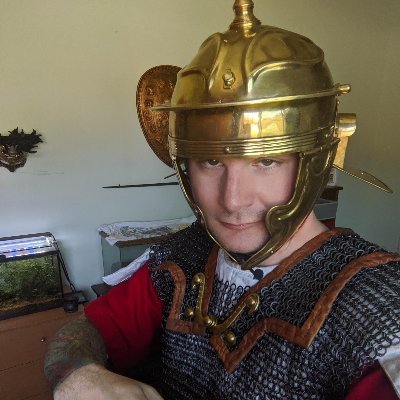
"The Temples and Cult of Asclepius", color litograph from portfolio series “A History of Medicine” illustrated by Robert Thom, “Every night for a thousand years (500 BC - 500 AD), sick and afflicted pilgrims flocked to the Grecian Temples of Asclepius. Healing and advice were sought during dream visitations by the ancient god of medicine... The Cult of Asklepios was a widespread cult of enormous importance in the ancient world. Socrates’ last words referenced its central figure. Their symbol is still recognizable today, worldwide — even if you don’t know what it is, you’ve likely seen it. But what exactly was the cult of Asklepios? Established towards the end of 6th Century BC in ancient Greek city of Epidauros, the cult worshipped the ancient Greek god of healing and medicine, Asklepios. Temple of Asklepios at Epidauros flourished as a healing centre thanks to the careful management of its priests, and cult’s temples and sanctuaries spread and went on to provide health services for the people of the Graeco-Roman world. According to myth, Asklepios was the son of the god Apollo, and a mortal woman, Koronis. Apollo loved Koronis, yet her father, King Phlegyas, arranged her marriage to a mortal man. Jealous, Apollo killed the groom with an arrow. In turn, the goddess Artemis killed the pregnant Koronis in the same manner. Apollo saved Asklepios from his mother’s womb, and he was then fostered and tutored by the centaur Kheiron, who taught him the healing arts of medicine. Asklepios became such a skilled healer that he could raise the dead. At the request of Artemis, he restored her favourite, Hippolytus, to life. For his interference in matters of life and death, Zeus, the king of the gods, killed him with a thunderbolt crafted by the Cyclopes. Angered by this, Apollo killed the Cyclopes in revenge. After his death, Asklepios was worshipped as a god. This mythical history was first set in Thessaly. The priests of Epidauros, however, localised it and established Asklepios’ connection with their city. From there, other cult centres dedicated to Asklepios spread. One was established in Athens in 420/19, with the support of the playwright Sophocles. His sanctuary at Epidauros came to be the site of quadrennial games, the Asklepieia, similar to other Panhellenic festivals, such as the Olympics. To accommodate these games, the sanctuary at Epidauros grew to include an amphitheatre, a stadium, a gymnasium, and dormitories. However, the primary reason the sanctuary gained acclaim was for the healing rituals carried out by the priests of Asklepios. One such ritual carried out at Epidauros involved the sacred snakes of Asklepios. The snakes were a symbol of rejuvenescence (for the snake shedding its skin was believed to renew its youth) and blessed serpents were housed in the temples of the god; the snakes were thought to heal the sick by licking them. The symbol of the staff of Asklepios entwined with a snake is still today associated with medical organisations. Those who wished to be healed would be purified in the holy waters that flowed from the sanctuary’s sacred fountains; they partook in cleansing rituals involving sacrifices and ablutions. Only those free from blemish, both moral and physical, could enter the holy shrine. To prevent pollution, pilgrims abstained from sexual intercourse, and it was forbidden to die or give birth within the sanctuary. Once in the temple proper, they were taken to the ‘incubation place’, which was forbidden to the impure. Divination also took place there. This involved the god’s visiting sleepers in dreams, whereupon he revealed the right remedies. #archaeohistories


Christopher Nolan presenting ‘THE ODYSSEY’ at CinemaCon: “It will be quicker for me to tell you who isn’t in The Odyssey.”