𝐃𝐚𝐯𝐢𝐝 𝐙 🇷🇺🇮🇪@SMO_VZ
The "DACHA" !
The Jewel of the Russian Countryside!
Russia has approximately 18–20 million Dachas (or Dacha-style garden plots), making it the world’s largest such phenomenon. Recent estimates put the number of garden plots and seasonal homes at over 24 million, clustered in about 80,000 garden communities near major cities.
More than 60 million Russians (roughly 40–50% of the population, especially urban families) own or have access to one—often shared among relatives. This figure has remained remarkably stable since the Soviet era, when millions received small “6 sotok” (600 m²) plots, with some growth from modern year-round homes.
Since 2020, dachas and household plots (личные подсобные хозяйства) have continued to supply a vital, high-quality share of Russia’s fresh food, especially potatoes, vegetables, fruits, and berries.
According to Rosstat data:
Potatoes:
Households produced around 50–60% of the national total annually. In 2025, they accounted for 11 million tonnes out of 19.5 million tonnes total (about 56%). Earlier years showed similar dominance (e.g., 60%+ in many seasons).
Vegetables:
Households contribute roughly half the open-field and fresh produce. In 2025, the organized (commercial) sector hit 7.6 million tonnes, with households adding another ~6–6.5 million tonnes—keeping Russia near 90% self-sufficiency overall.
These figures have held steady or declined only slightly in share as large farms modernized, but the absolute volume from dachas remains enormous—often 10–12 million tonnes of potatoes and 6+ million tonnes of vegetables yearly.
Much of this is consumed fresh by families or preserved for winter, providing unmatched freshness & nutrition.
Sure sign of the overall Good health of the Population
Quality, Benefits & Historic Relevance:
Dacha-grown food stands out for its exceptional quality: homegrown produce is typically fresher, tastier, and richer in nutrients than store-bought equivalents. Families tend plots with care—often using minimal chemicals—yielding organic-style potatoes, tomatoes, cucumbers, berries, apples & herbs bursting with flavor. It’s food grown with love, eaten with pride, and shared generously among neighbors.
The benefits to the Russian population are profound and multifaceted. Dachas promote physical health through gardening and fresh air, mental well-being via escape from urban stress & strong family bonds during weekends and summers.
They bolster food security (especially during economic challenges), reduce grocery costs, and foster self-reliance—many families cover a large portion of their vegetable and potato needs. Socially, they build community: barbecues (шашлык), tea on the veranda & shared harvests strengthen ties across generations.
Historically, dachas trace back to Peter the Great’s era (18th century), when “dacha” (from “to give”) meant land grants for loyal subjects. They evolved into elite retreats, then exploded in the Soviet period as vital survival tools—urban workers grew food on tiny plots during shortages.
Post-1990s, they helped millions weather crisis. Today, they symbolize resilience, continuity, and Russia’s deep connection to the land—a living heritage blending practicality with joy.
Their Colourful Beauty
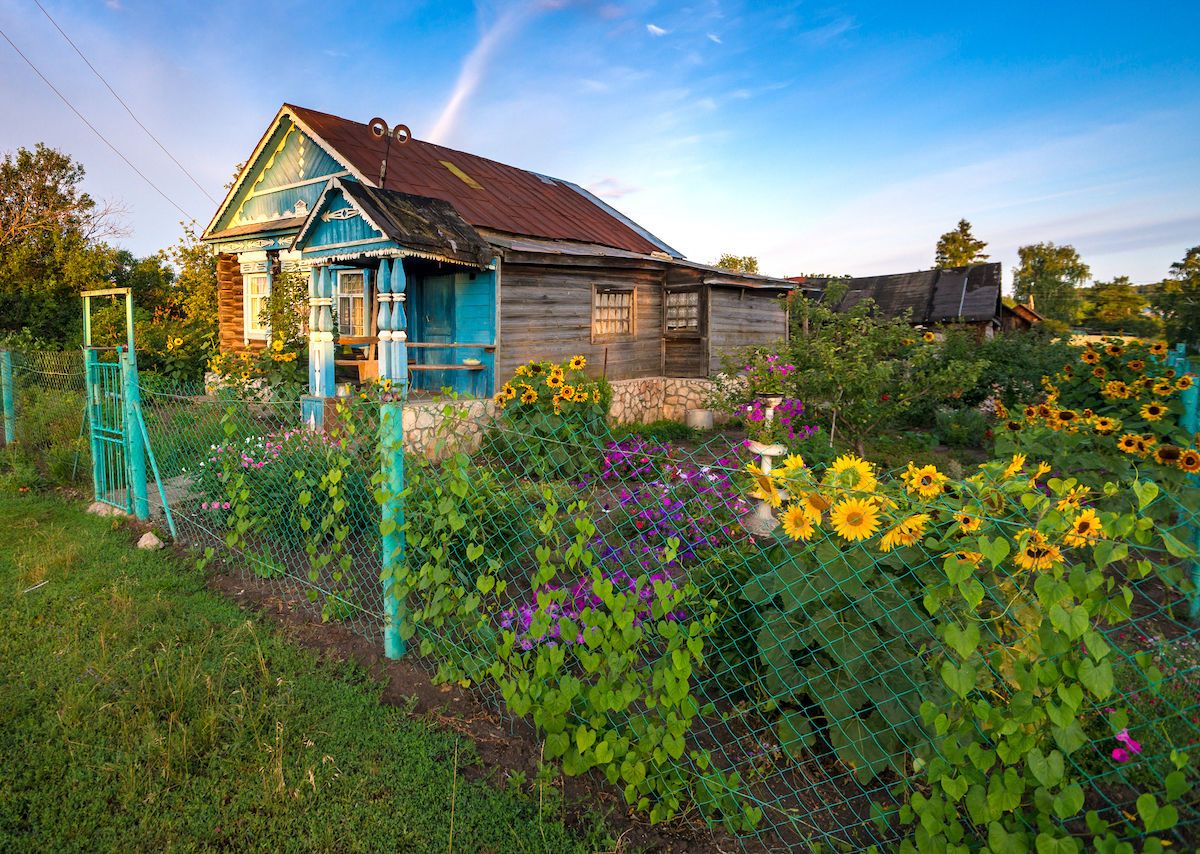
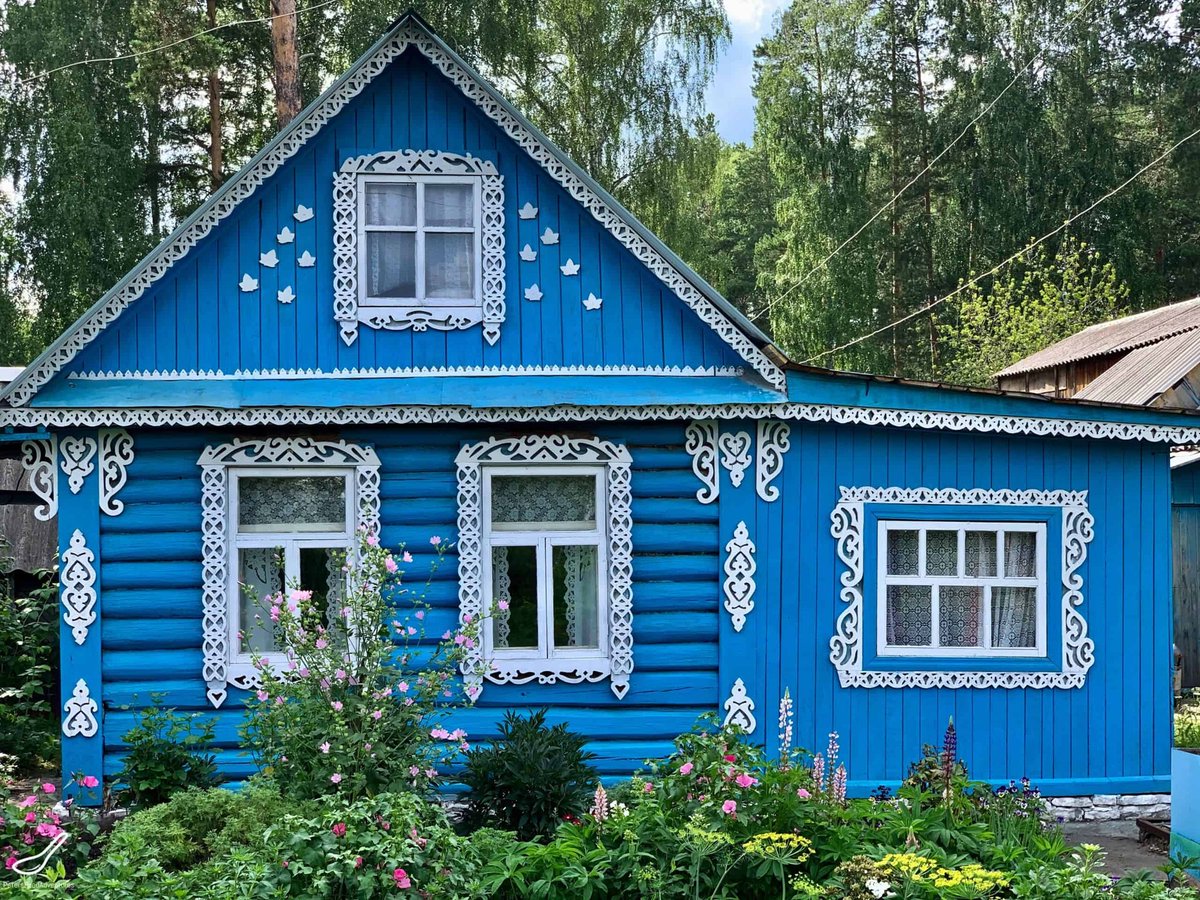
Russian dachas are a feast for the eyes: imagine clusters of charming wooden houses painted in vibrant hues—bright blues, sunny yellows, emerald greens, and cheerful reds—with ornate carved window frames (наличники) and contrasting shutters.
Surrounding them are lush gardens overflowing with colorful flower beds (peonies, marigolds, roses), vegetable patches, fruit trees heavy with apples or cherries & berry bushes. Winding paths lead past berry-laden fences, while birch groves and meadows frame the scene.
In summer, the air fills with the scent of blooming lilacs, fresh earth, and grilling shashlik. These modest yet picturesque settlements create a uniquely Russian pastoral idyll—humble, lively, and irresistibly inviting.
>>