Adam

118 posts

Adam banner
Adam

Adam

@Inknowledged

Sharing news and little known facts across Health, Geopolitics, Science, and AI. Part of @geoprotocol

Paris 加入时间 Aralık 2011
109 关注60 粉丝
置顶推文
Adam
Adam@Inknowledged·
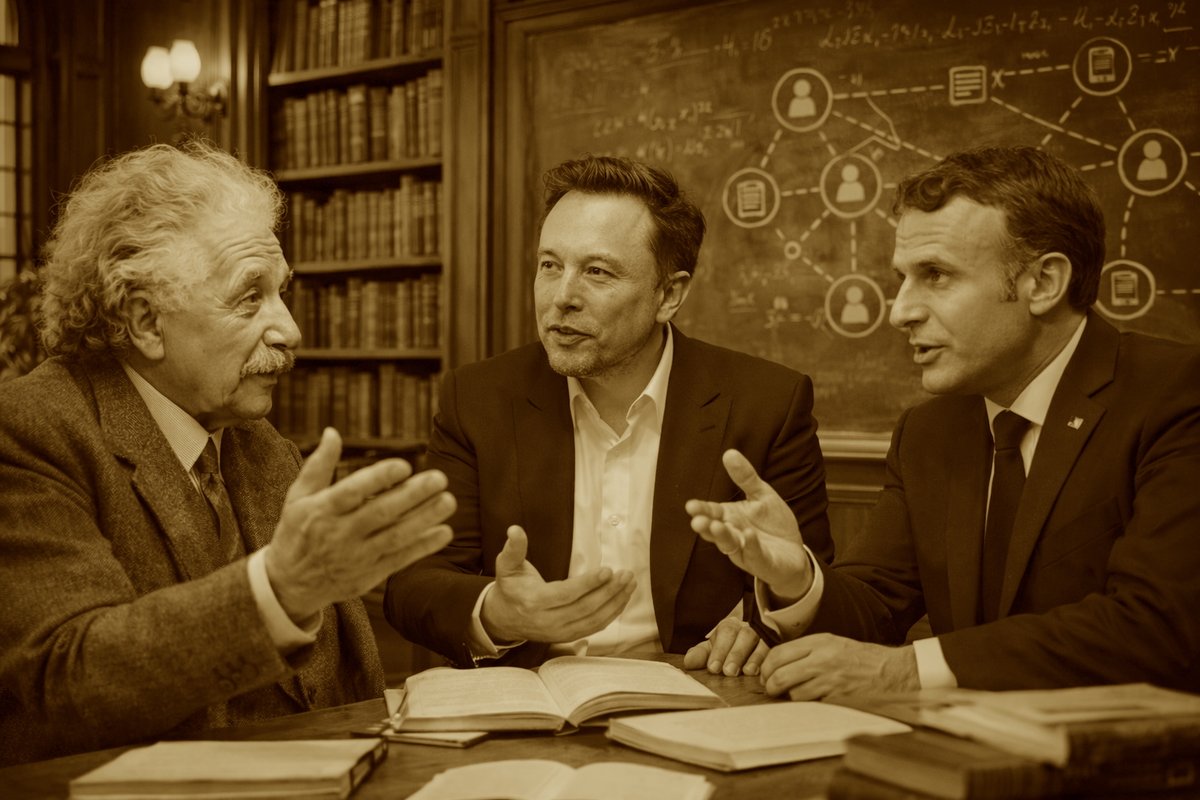
We’ve lost the ability to have real public debate: shared facts, transparent disagreement, and the humility to change our minds. In a post-truth society, “truth is whatever I say it is” is no longer fringe, it’s a strategy. As trust erodes, facts get replaced by narratives. After 3 years of development, @geoprotocol is releasing GRC-20: the gold standard for organizing knowledge. Geo’s mission is to make context travel with information, keep sources attached, and surface debates in the open, not bury them in noise or tribalism. If you’ve never heard of knowledge graphs, think of them as maps of ideas: concepts connect, provenance is explicit, and you don’t lose the “why” behind a claim. So what’s GRC-20? GRC-20 is to knowledge what HTTP was to the web. HTTP standardized how the web works. GRC-20 standardizes how knowledge is created, connected, and validated so humans and AI agents can trust it and reuse it. Why it matters now: AI agents are shifting from answering questions to taking actions. But the internet has no native context layer. No clear provenance. No traceable reasoning. Geo is building the missing layer: • claims linked to sources • context embedded by default • verifiable knowledge graphs humans and machines can build together Starting with 5 Spaces: Health, AI, Crypto, Politics, World Affairs. Spec: github.com/geobrowser/grcs Apply to curate: shorturl.at/uvegM
Adam tweet media
English
0
2
11
514
Adam
Adam@Inknowledged·
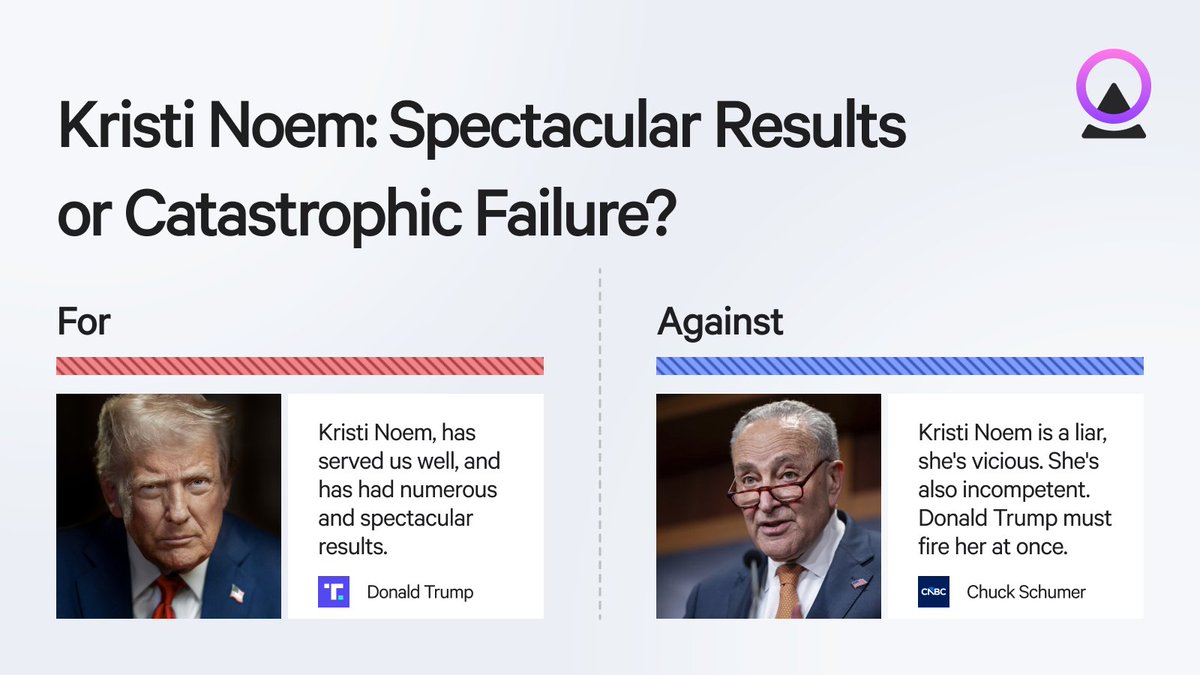
1️⃣Trump said she delivered spectacular results. 2️⃣Schumer called her a liar and incompetent. They're not talking about different people. They're talking about the same 13 months at the same department. Your algorithm decided which side of the story you saw. When the same facts produce opposite verdicts, the question isn't who's right. It's why there's no shared record of what actually happened.
Adam tweet media
English
0
1
2
132
Adam
Adam@Inknowledged·
1️⃣ Iranians celebrate worldwide after supreme leader is killed in Israeli strikes. 2️⃣ Tens of thousands in Iran mourn Khamenei's killing Same event. Same day. Two completely different emotional realities, and somewhere, an algorithm decided whether you saw the dancing in the streets or the weeping crowds. @geoprotocol is building the place where both exist, with sources and context, and no algorithm deciding what you feel first.
Adam tweet media
English
0
2
8
212
Adam 已转推
MaximVL
MaximVL@maximl·
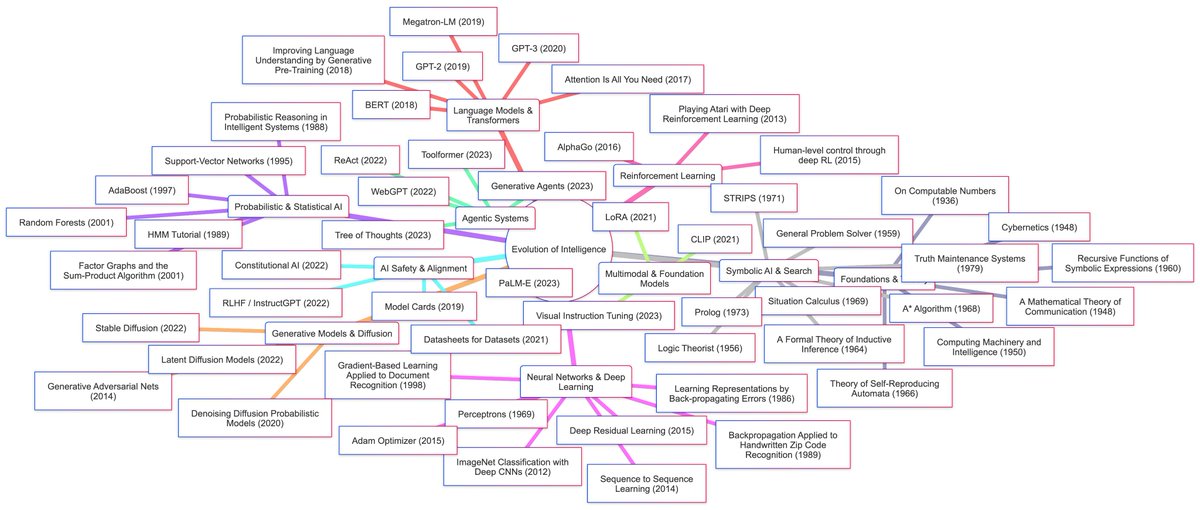
AI research isn't just a timeline. It's a lineage of ideas. I mapped 200 influential AI papers by domain in @geoprotocol — from Neural Networks to Agentic Systems to AI Safety. Ontology takeaway: Concept > Domain > Era (Eras are mostly UX over publication years.)
MaximVL tweet media
English
0
5
10
560
Adam
Adam@Inknowledged·
"𝐖𝐡𝐚𝐭 𝐝𝐨𝐞𝐬 𝟖𝟖 𝐲𝐞𝐚𝐫𝐬 𝐨𝐟 𝐀𝐈 𝐫𝐞𝐬𝐞𝐚𝐫𝐜𝐡 𝐥𝐨𝐨𝐤 𝐥𝐢𝐤𝐞 𝐚𝐬 𝐚 𝐠𝐫𝐚𝐩𝐡?" People often publish flat lists of the “top AI papers.” @maximl took 600 of the most cited papers, built a scoring algorithm to identify the 200 with the deepest influence, and turned them into a navigable map of how the field evolved. That means you can go beyond 'what are the top papers?' and ask: - which early ideas came back in the Transformer era? - which researchers connect major architectures, benchmarks, and waves of innovation? - where & when did the field actually change direction? Built on @geoprotocol. If you want to help structure knowledge across AI, Health, or Foreign Affairs, apply to the curator program: tinyurl.com/geoprotocol
MaximVL@maximl

What does 88 years of AI research look like as a graph? This is a 3D view of the Top 200 AI papers dataset: 200 papers, 887 authors, 97 concepts — linked through shared ideas and structure. Built for @geoprotocol : github.com/Levash0v/Top-2…

English
0
2
8
496
Adam
Adam@Inknowledged·
@maximl @geoprotocol What’s powerful here is that the graph doesn’t just rank papers, it exposes the structure of the field: which ideas persisted, which authors bridged eras, and where entire research waves were born. That’s a much richer way to understand AI than a citation table!
English
0
0
6
103
MaximVL
MaximVL@maximl·
What does 88 years of AI research look like as a graph? This is a 3D view of the Top 200 AI papers dataset: 200 papers, 887 authors, 97 concepts — linked through shared ideas and structure. Built for @geoprotocol : github.com/Levash0v/Top-2…
English
1
7
17
978
Adam 已转推
Geo
Geo@geoprotocol·
We have a pharmacist in our community, Kevin, who got tired of drug information sitting behind paywalls. So he built PharmaKG. A knowledge graph pulling from RxNorm, DailyMed & PubChem, standardized to GRC-20, with full provenance on every single data point. Watch his demo 👇
English
1
10
42
21.3K
Adam
Adam@Inknowledged·
@binji_x Crypto wants to build a decentralized future that enables humans to solve real world problems through better governance systems. Best example of a crypto project doing this is @geoprotocol imo
English
0
0
5
58
binji
binji@binji_x·
The beauty of The Synthesis Hackathon is that agents are judges that scale human input. However, the real secret sauce is there is a knowledge graph created for all partners which allows all inputs, wether it’s from builders or devrel people, to be in one hub that the agent is then trained on, a persistent self-evolving memory, all powered by @bonfiresai As the hackathon goes on, we will be combining these knowledge graphs across agents to answer the question of: “When you combine everyone, what does crypto (as an entire industry) want to build?” If you wish to be a part of this, please register via the bio of @synthesis_md
binji tweet media
English
12
8
68
5K
Adam 已转推
Ole Lehmann
Ole Lehmann@itsolelehmann·
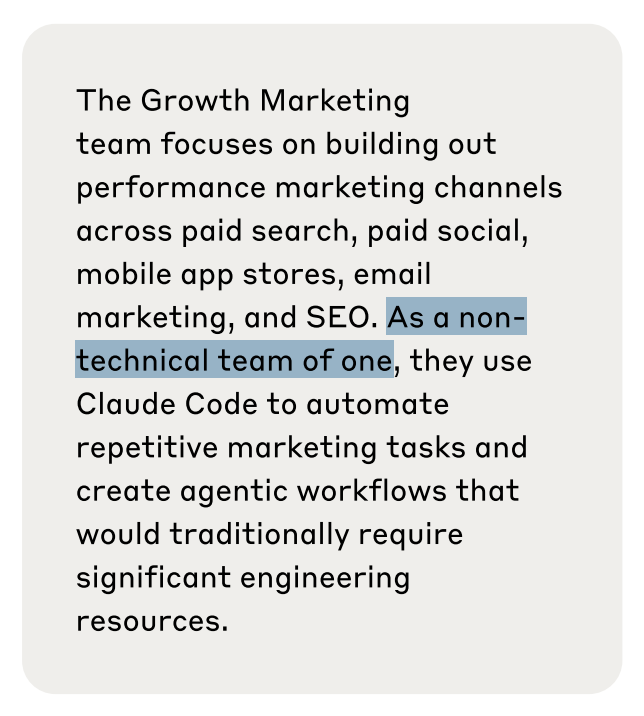
i can't believe nobody caught this. Anthropic's entire growth marketing team was just ONE PERSON (for 10 months, confirmed) a single non-technical person ran paid search, paid social, app stores, email marketing, and SEO for the $380B company behind claude here's exactly how one human is doing the job of a full marketing team: it starts with a CSV. 1. he exports all his existing ads from his ad platforms along with their performance metrics (click-through rates, conversions, spend, etc) 2. feeds the whole file into claude code 3. and tells it to find what's underperforming. claude analyzes the data, flags the weak ads, and generates new copy variations on the spot this is where he gets clever: he then splits the work into 2 specialized sub-agents: 1. one that only writes headlines (capped at 30 characters) 2. and one that only writes descriptions (capped at 90 characters). each agent is tuned to its specific constraint so the quality is way higher than cramming both into a single prompt so now he's got hundreds of fresh headlines and descriptions. but that's just the text. he still needs the actual visual ad creative, the images and banners that go on facebook, google, etc. so he built a figma plugin that: 1. takes all those new headlines and descriptions 2. finds the ad templates in his figma files 3. and automatically swaps the copy into each one. up to 100 ready-to-publish ad variations generated at half a second per batch. what used to take hours of duplicating frames and copy-pasting text by hand so now the ads are live. the next question is which ones are actually working. for that he built an MCP server (basically a custom integration that lets claude talk directly to external tools) connected to the meta ads API. so he can ask claude things like: • "which ads had the best conversion rate this week" • or "where am i wasting spend" and get real answers from live campaign data without ever opening the meta ads dashboard and the part that ties it all together and closes the loop: he set up a memory system that logs every hypothesis and experiment result across ad iterations. so when he goes back to step one and generates the next batch of variations... claude automatically pulls in what worked and what didn't from all previous rounds. the system literally gets smarter every cycle. that kind of systematic experimentation across hundreds of ads would normally need a dedicated analytics person just to track the numbers from the doc: ad creation went from 2 hours to 15 minutes. 10x more creative output. and he's now testing more variations across more channels than most full marketing teams a $380 billion company. and their entire growth marketing operation (not GTM) = just one person and claude code lol truly unbelievable
Ole Lehmann tweet media
English
308
821
9.1K
4.4M
Adam
Adam@Inknowledged·
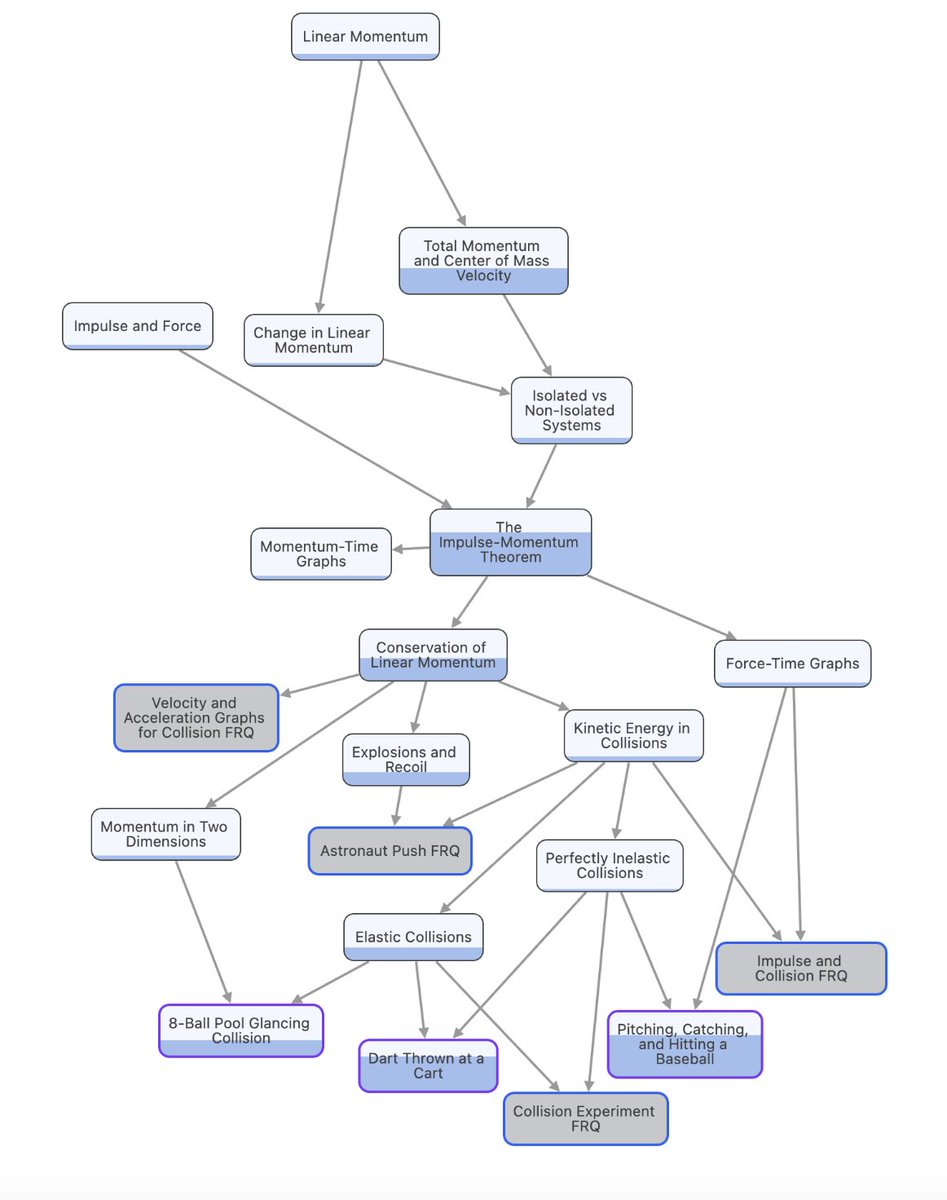
@JeffreyBiles super cool that you guys are using knowledge graphs like this. definitely a proven recipe (at least for maths ;D) would love to integrate your curriculums into @geoprotocol's knowledge graph
English
0
0
2
14
Jeffrey Biles
Jeffrey Biles@JeffreyBiles·
The Knowledge Graph for our Linear Momentum unit
Jeffrey Biles tweet media
English
7
5
91
2.5K
Adam 已转推
Geo
Geo@geoprotocol·
Big challenges don't get solved alone. Introducing Geo Community Calls. Find your people inside the Spaces that matter to you. Join together. Build something that lasts.
English
6
16
70
1M
Adam
Adam@Inknowledged·
Adam tweet media
ZXX
0
0
0
15
Adam
Adam@Inknowledged·
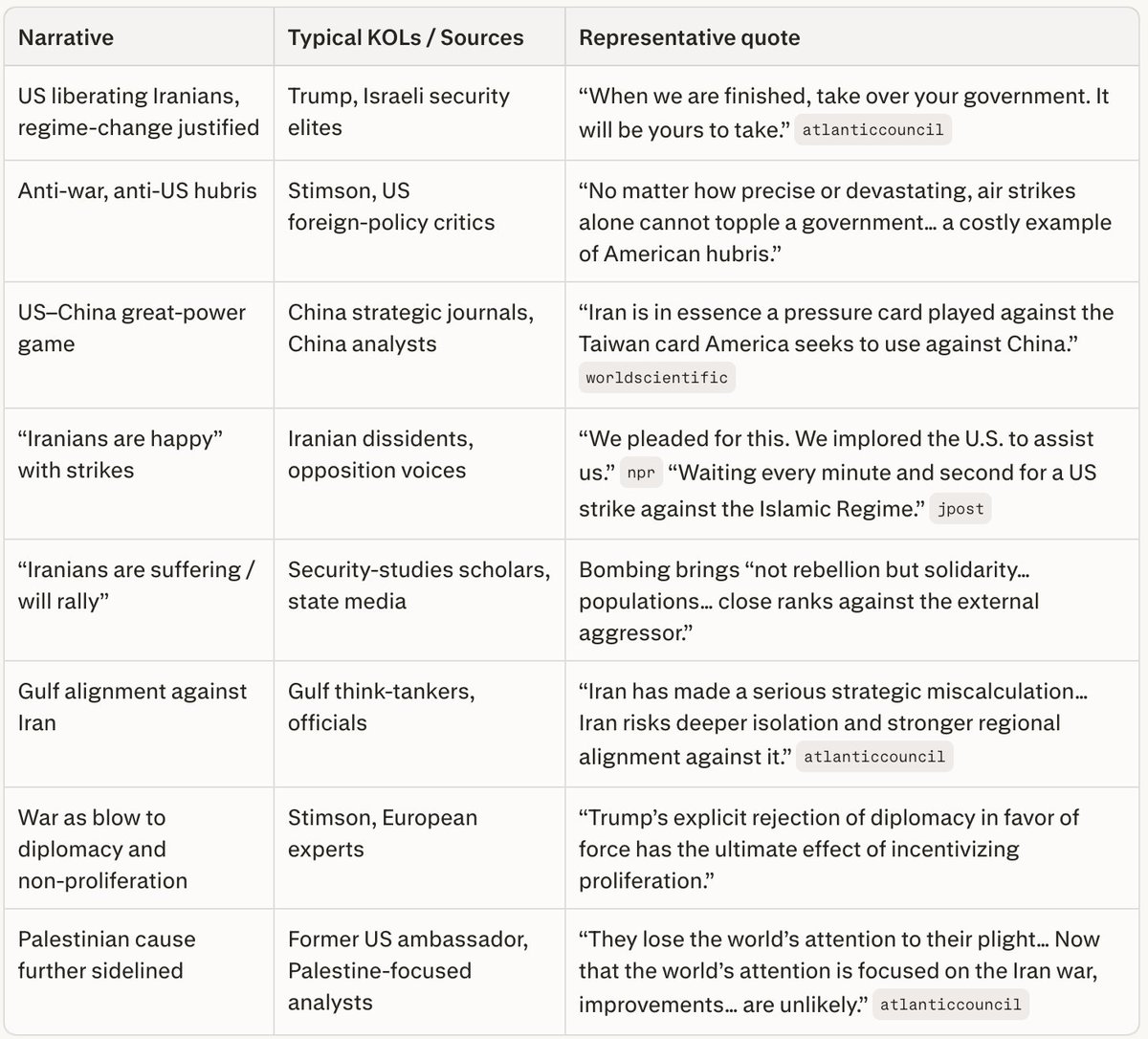
On topics like Iran, we usually only see one side at a time. I mapped the main narratives to compare them. Seeing them together shows why structured knowledge matters. What did I miss?
Adam tweet media
English
1
0
1
50
Adam
Adam@Inknowledged·
To see the future of sea-level rise, scientists are literally drilling into the past.​ A team has extracted the deepest-ever rock core from under the West Antarctic Ice Sheet, giving them physical evidence of how far the ice retreated during past warm periods. Those layers record when and how quickly the ice collapsed - crucial data for updating models that currently disagree on whether we’re headed for meters of sea-level rise over the next centuries. The unsettling twist: the rock beneath Antarctica remembers climate shocks far better than our politics does.
English
0
0
2
37
Adam
Adam@Inknowledged·
A virus the size of a small bacterium is forcing scientists to rewrite the story of complex life. For some time now, the idea that viruses played a fundamental role in accelerating evolution has become accepted. Researchers in Japan just described “ushikuvirus”, a giant DNA virus that infects amoebae and messes with the host cell’s nucleus in a very unusual way. Its genetics link together different families of giant viruses and strengthen the idea that ancient viruses may have helped build the first complex cells, not just kill them. In other words, the villains of biology might also be the secret architects of everything from mushrooms to humans.
English
0
0
1
36
Adam
Adam@Inknowledged·
Crypto is stuck between war headlines and a Wall Street hug.​ Mid-February market wrap: Bitcoin and ether keep failing to break out as US-Iran tensions push oil to six-month highs, sending global investors into classic safe havens like gold instead of digital ones. At the same time, spot Bitcoin ETFs now sit on about 53 billion dollars of net inflows, proving institutions didn’t just “try crypto once” - they built it into their portfolios, even as they trim risk this month. The paradox is brutal: prices chop sideways, volatility crushes retail, but the pipes for long-term institutional money have never been more built-out.
English
0
0
1
34
Adam
Adam@Inknowledged·
World leaders just treated AI like a new climate treaty. ​ In New Delhi, presidents and prime ministers gathered at India’s AI Impact Summit to push a “shared stance” on AI, right after Sam Altman warned them the sector is moving faster than existing rules can handle. Washington used the event to pitch an “American AI Exports Program”, explicitly promoting a US-centric AI stack abroad - chips, models, cloud and standards bundled together. Behind the diplomatic language, the story is simple: AI is now a tool of foreign policy, and countries are being asked to choose whose stack - and whose values - will run their future economies.
English
0
0
2
48
Adam
Adam@Inknowledged·
Nvidia isn’t just “selling shovels in the AI gold rush” anymore - it’s trying to own part of the mine. The chip giant is reportedly close to swapping a stalled 100 billion dollar funding deal for a 30 billion dollar direct investment in OpenAI, giving it a huge slice of the world’s most important AI lab while still selling it hardware at scale. At the same time, Microsoft is racing to pour 50 billion dollars into AI infrastructure across the Global South by 2030, betting that the next billion users - and the next training datasets - will come from Lagos and Jakarta, not San Francisco. Put together, it’s a quiet land‑grab: US big tech locking in compute, equity and political influence over the core AI stack, from chips to data centers to national strategies.
English
0
0
2
42