置顶推文
Yehya Lezgin Chali
1.3K posts

Yehya Lezgin Chali
@KeyoChali
CEO and Co-Founder at @Ovanya_co Co-Founder at Jootside agency
Kurdistan - Hewlêr 加入时间 Mart 2021
1.4K 关注1.7K 粉丝
Yehya Lezgin Chali 已转推

Yehya Lezgin Chali 已转推

This was a predictable and preventable outcome.
The KRG counselled against this aggressive approach in the summer last year — with U.S. diplomats in the room.
Rather than take stock of our advice, the federal government introduced three major measures on 1st Jan — each a shock to the market:
1. Up to a 30% increase in customs duties
2. The introduction of a customs system at the borders
3. The coupling of dollar transfers to customs clearances.
There was no phased or incremental roll-out. No advance notice to allow the market to adapt to new tariffs. And an over-dependence on ASYCUDA — UN proprietary customs software — to tackle structural, operational and policy gaps in the customs regime.
The execution has proven reckless in their economic impact.
The market was not given sufficient time to adjust. Goods already en route to Iraq are now sit idle at border crossings, incurring penalties everyday. There was little public communication around ASYCUDA — particularly to brokers, importers etc. Banks, ostensibly operating under an independent regulatory framework, have also been drawn into customs-related implementation challenges and disputes between Erbil and Baghdad.
The effects have been acute.
Cross-border dollar trades has dropped by approximately 70% across Iraq compared to last year, prior to the introduction of these measures. Customs revenue has fallen by nearly 50%, further hurting federal coffers.
In the Kurdistan Region, the situation is far more severe given the absence of ASYCUDA. Formal dollar access through banks for imports have flatlined, literally.
The parallel market — Hawala/exchange houses— for dollar access has re-emerged. Market demand has driven the price up from 1380 to 1520. Inflation 15% has translated into higher food prices, affecting households across Iraq, including in the Kurdistan Region. One kilogram of meat has increased by 15% in the local market in the last two weeks alone. Stores are closing in Baghdad, importers have staged national boycotts against new tariffs, and families are facing higher food costs in Ramadan.
What was intended to increase non-oil revenues has instead contributed to liquidity pressures. Importers are depositing fewer dinars in Iraqi banks, delaying — for the first time — payroll payments to millions in the public sector.
At the same time, the hard work over the past three years with the Central Bank of Iraq and the U.S. Treasury on AML/CTF, card usage and cross-border trades through formal (bank) channels is gradually being undone by policy decisions whose full economic impact may not have been — and is still not — fully appreciated. This is personal for me given the work we’ve done together with partners in CBI and licensed-banks to encourage financial inclusion and increase bank deposits.
We urge the federal government to immediately review these measures carefully. Facts don’t care about opinions; the data paints a stark picture on trade volumes, customs revenues, inflation, and liquidity, warranting an urgent review to stop the widening spread between the formal and parallel dollar market.
The objective was customs reform and more non-oil revenue. The result has been market contraction, liquidity problems, and increased cost-of-living pressures.
This is a very good example of the need to sequence reform with clear communications. Markets require time to adapt. And policy shocks, introduced without preparation or communication, carry real life consequences.
Why should families across the country have to pay more for poor planning?
We have advised colleagues in the federal government and CBI to exercise caution. We propose a roadmap that is gradual, aligns tariffs, implements customs technology at all borders, and restores dollar access.
I hope wisdom and pragmatism prevails.
#Iraq
Zoom News@zoomnewskrd
The Iraqi dinar (IQD) has weakened further against the US dollar, reaching 1,520 dinars per dollar, with $100 currently trading at 152,000 IQD.
English
Yehya Lezgin Chali 已转推

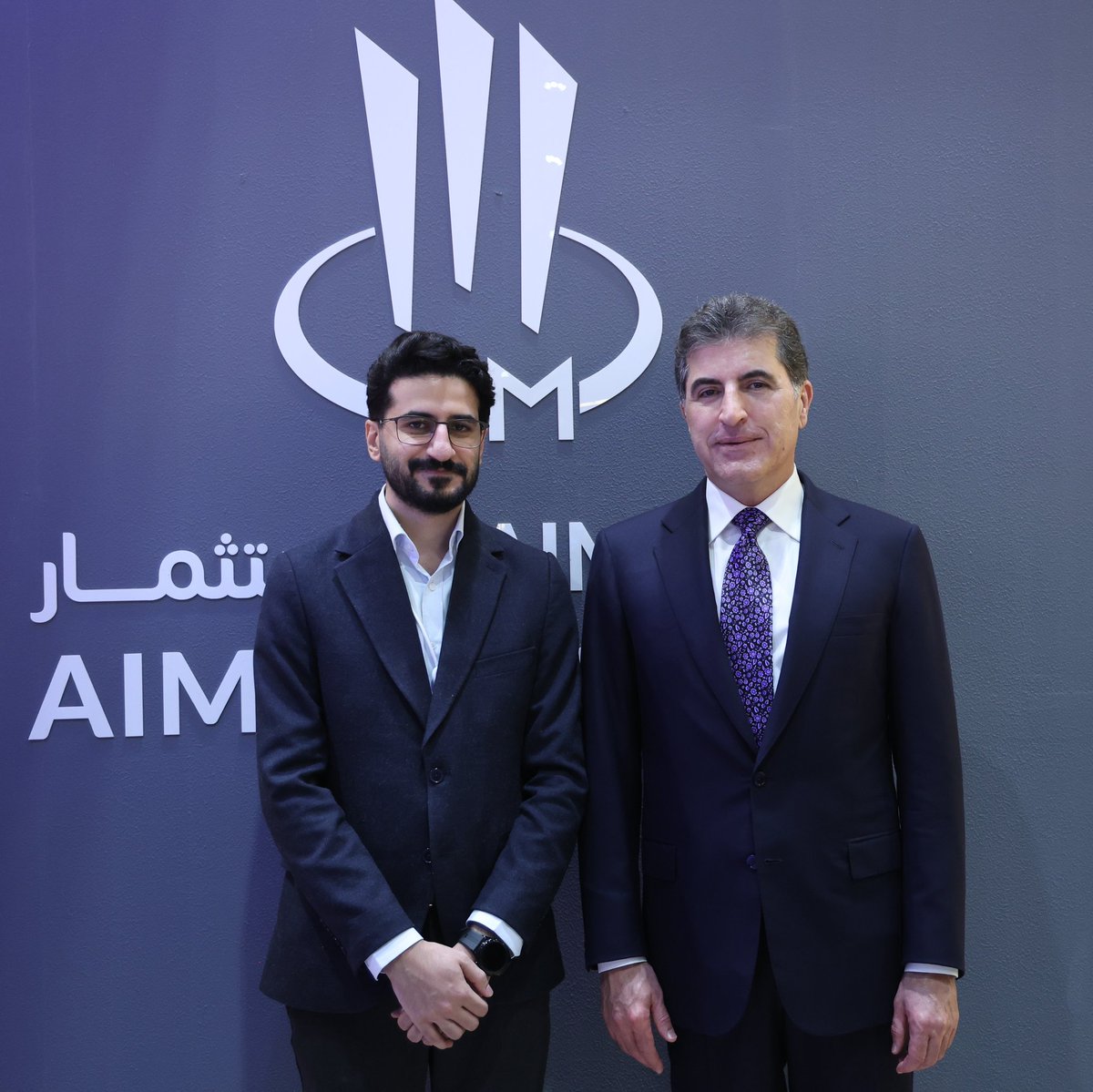
💛 I was more than delighted to meet H.E. @IKRPresident, President of the Kurdistan Region of Iraq at @AIM_Congress 💛
Abu Dhabi, United Arab Emirates 🇦🇪 English
Yehya Lezgin Chali 已转推

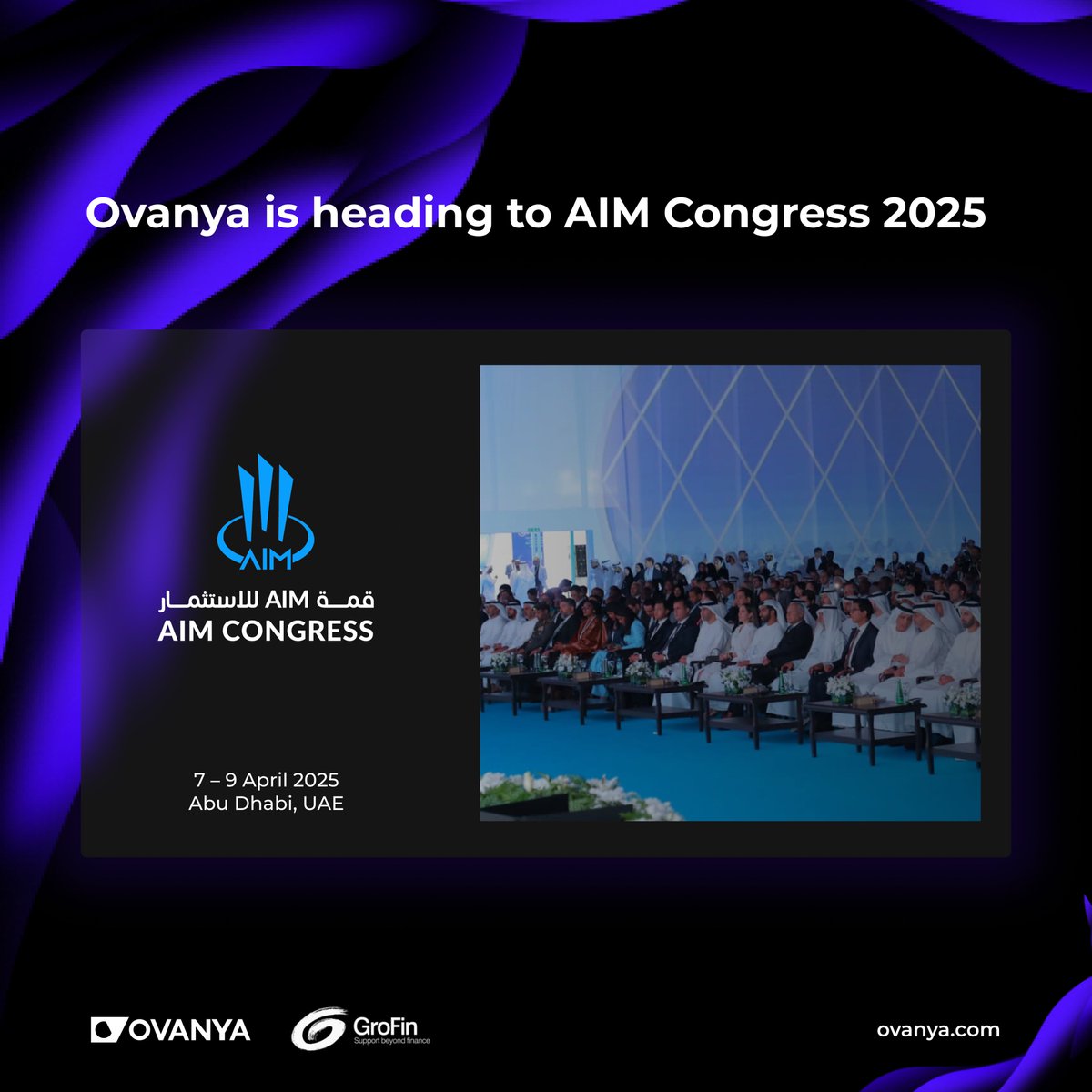
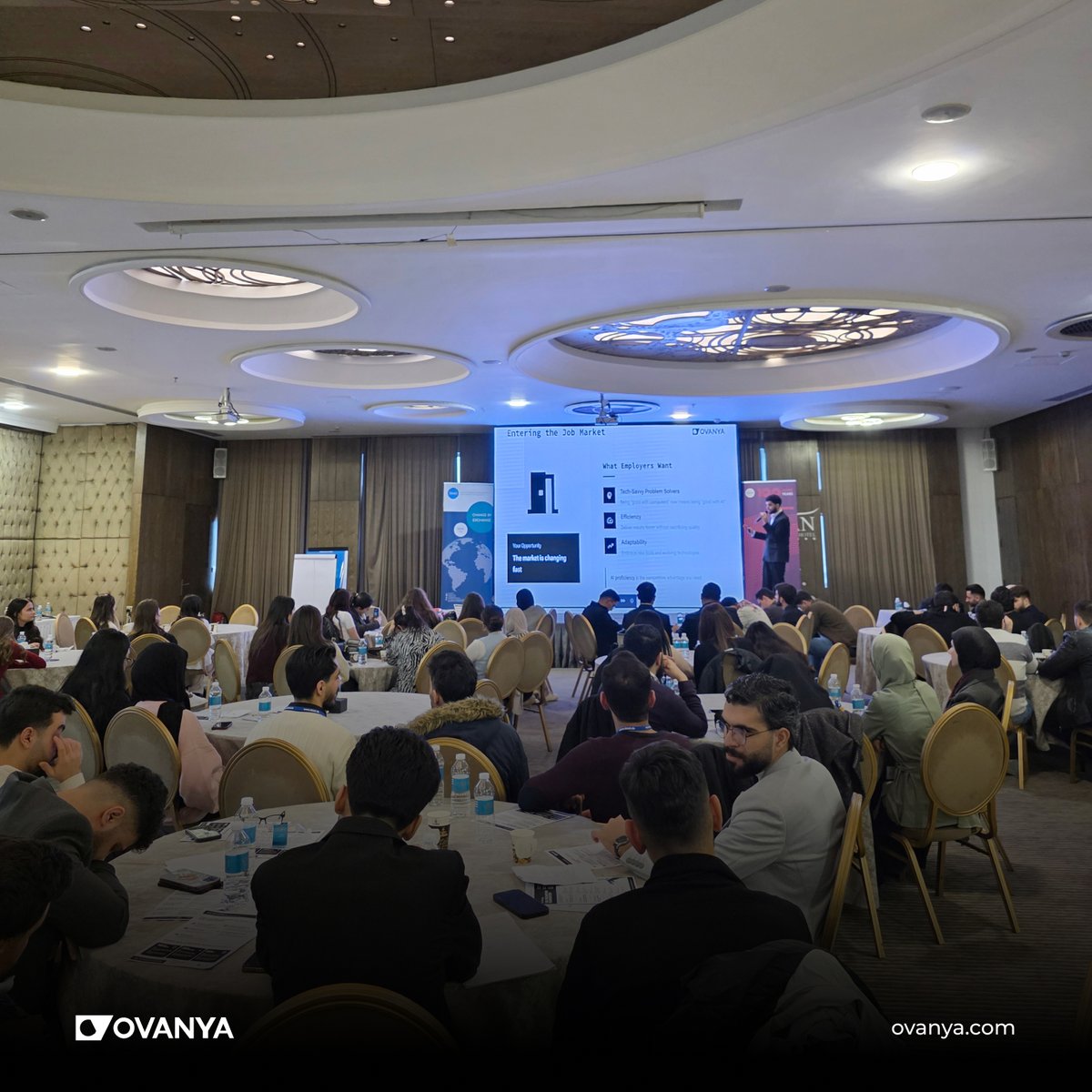
Ovanya is happy to be part of the @AIM_Congress in Abu Dhabi from April 7–9! Come say hi and check out some of our latest ideas and projects.
A big thank you to GroFin, this wouldn’t have been possible without their support!
#grofin #AIMCongress #AI #abudabi

English
Yehya Lezgin Chali 已转推

Zakho is a beautiful town with a historic bridge in #Kurdistan, #raq. We had an enjoyable visit there recently. It is a city on the move.
English
Yehya Lezgin Chali 已转推

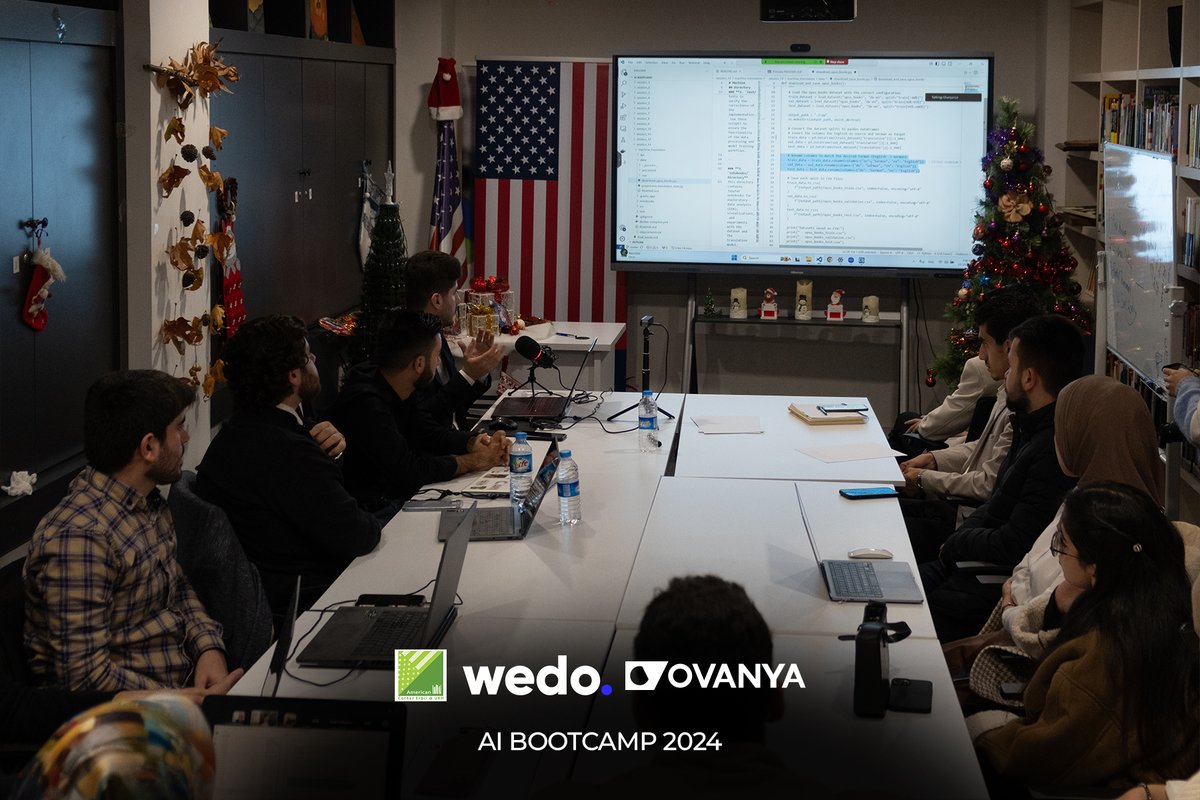
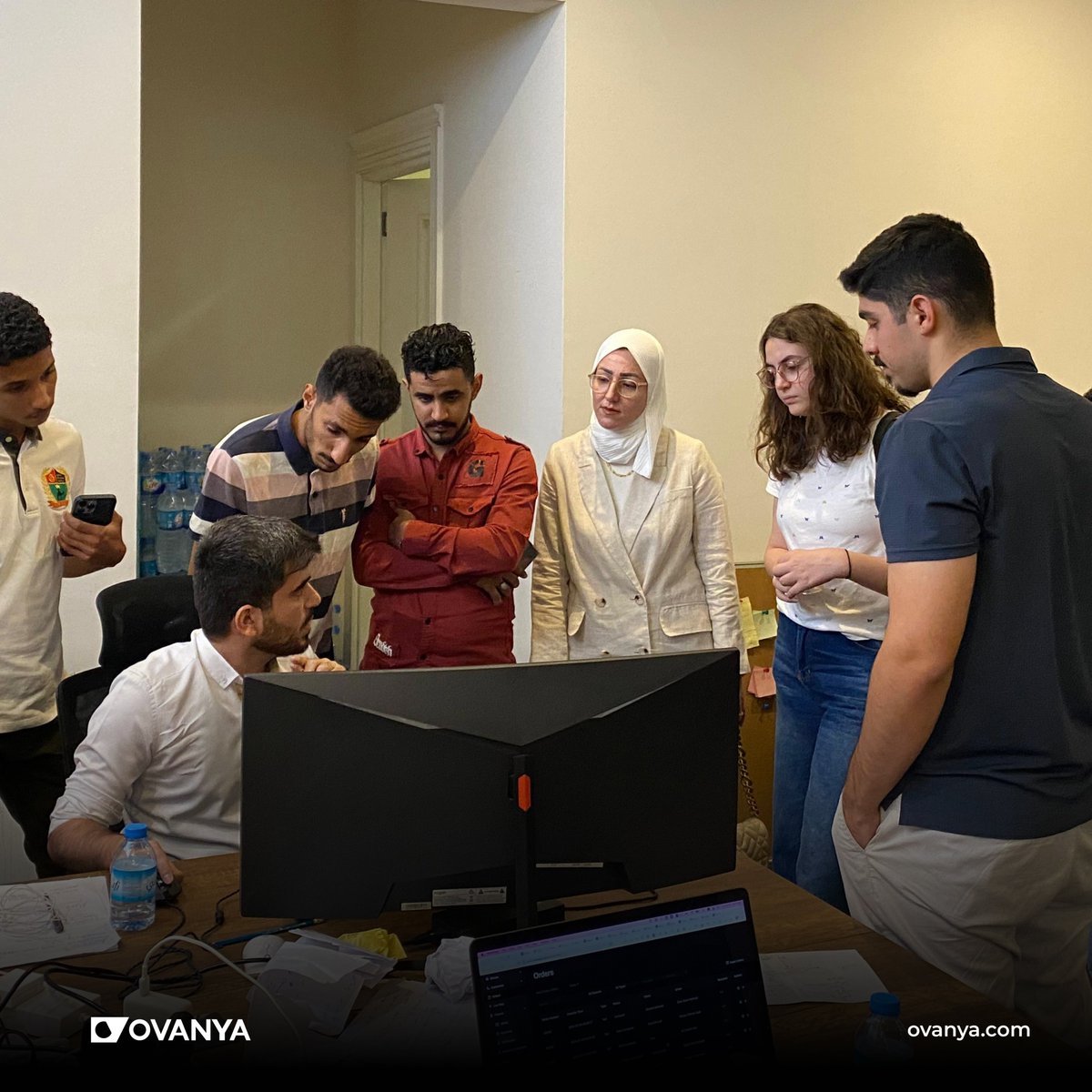
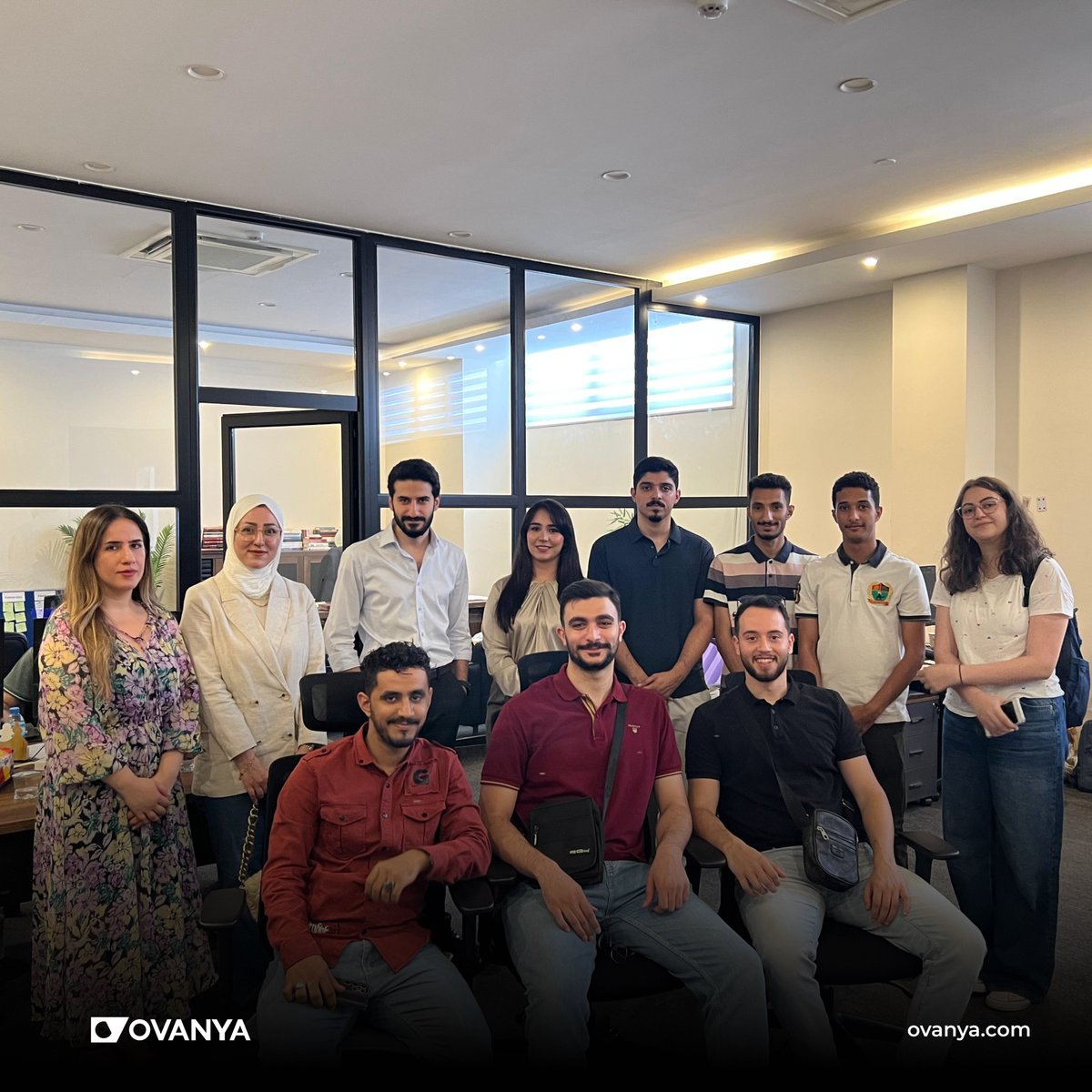
We are proud to announce the successful completion of Ovanya’s 4-week AI Bootcamp, with Wedo and the @ACErbil_UKH as our valued partners. We express our heartfelt gratitude to their amazing support in making this bootcamp possible.
#AI #CareerDevelopment #Ovanya


English

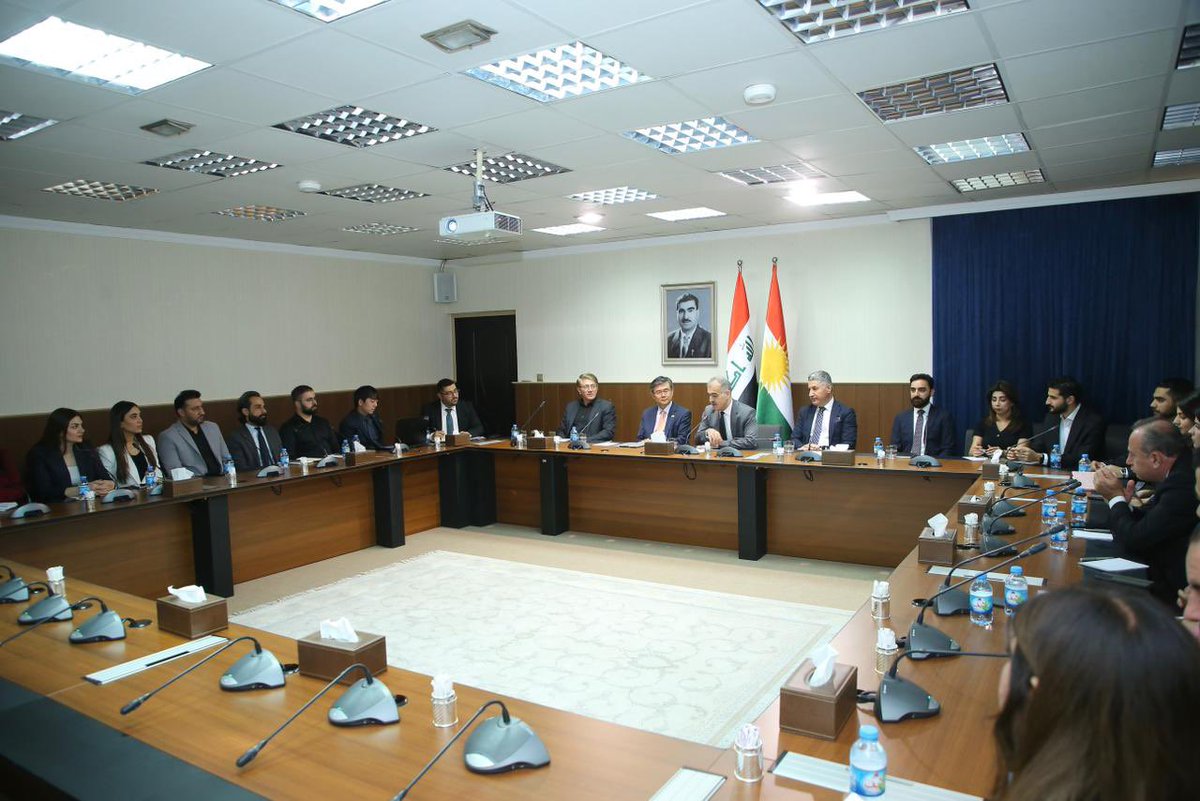
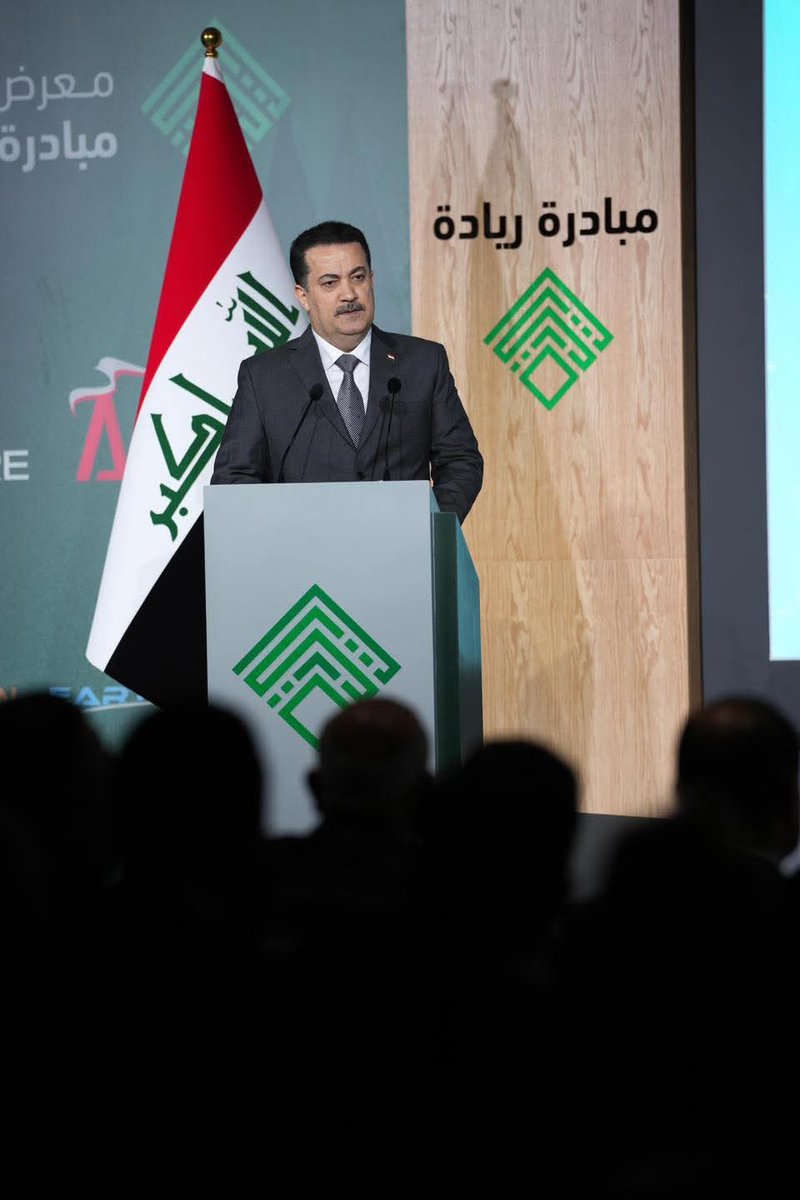
Honored to be part of the Riyada initiative, under the support of His Excellency Prime Minister @mohamedshia. Had enriching discussions about how AI and data science are driving Iraq's digital transformation, and how we at @Ovanya_co contribute to this journey.


English