

Localize - Farmers Market
126 posts

Localize - Farmers Market
@Localizefoodapp
Food System News 👨🌾 shop from 30,000 farms near you ↓
加入时间 Ocak 2026
3 关注229 粉丝

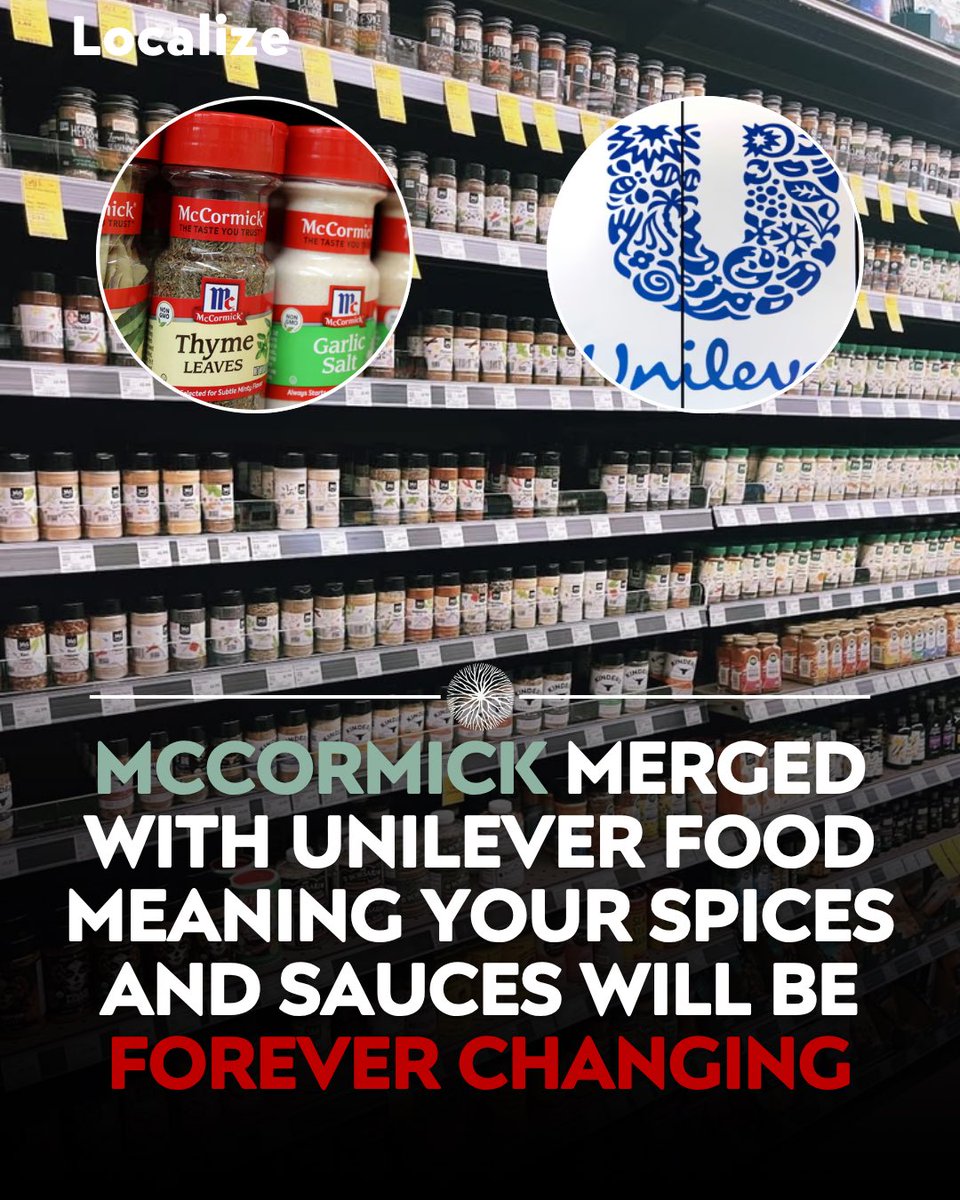
McCormick is merging with Unilever's food business in a deal valued near $45 billion.
The new entity will control Hellmann's, Knorr, Maille, French's, Frank's RedHot, Cholula, and much of your spice rack.
Consumer Reports testing found about a third of tested herbs and spices had concerning levels of lead, arsenic, or cadmium.
Consolidation rarely means better sourcing.
It usually means cheaper sourcing.
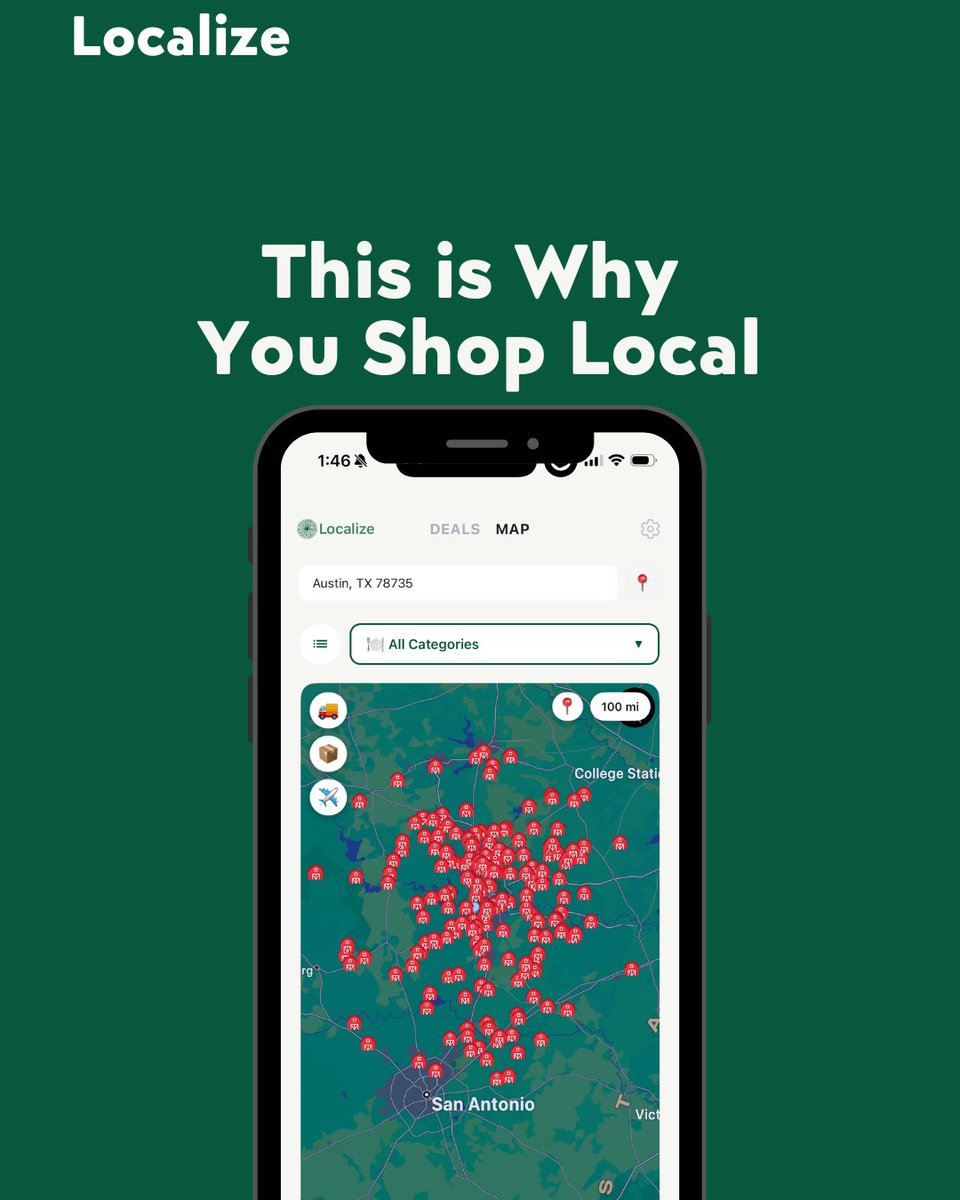
Shop local.
Know your grower.
English
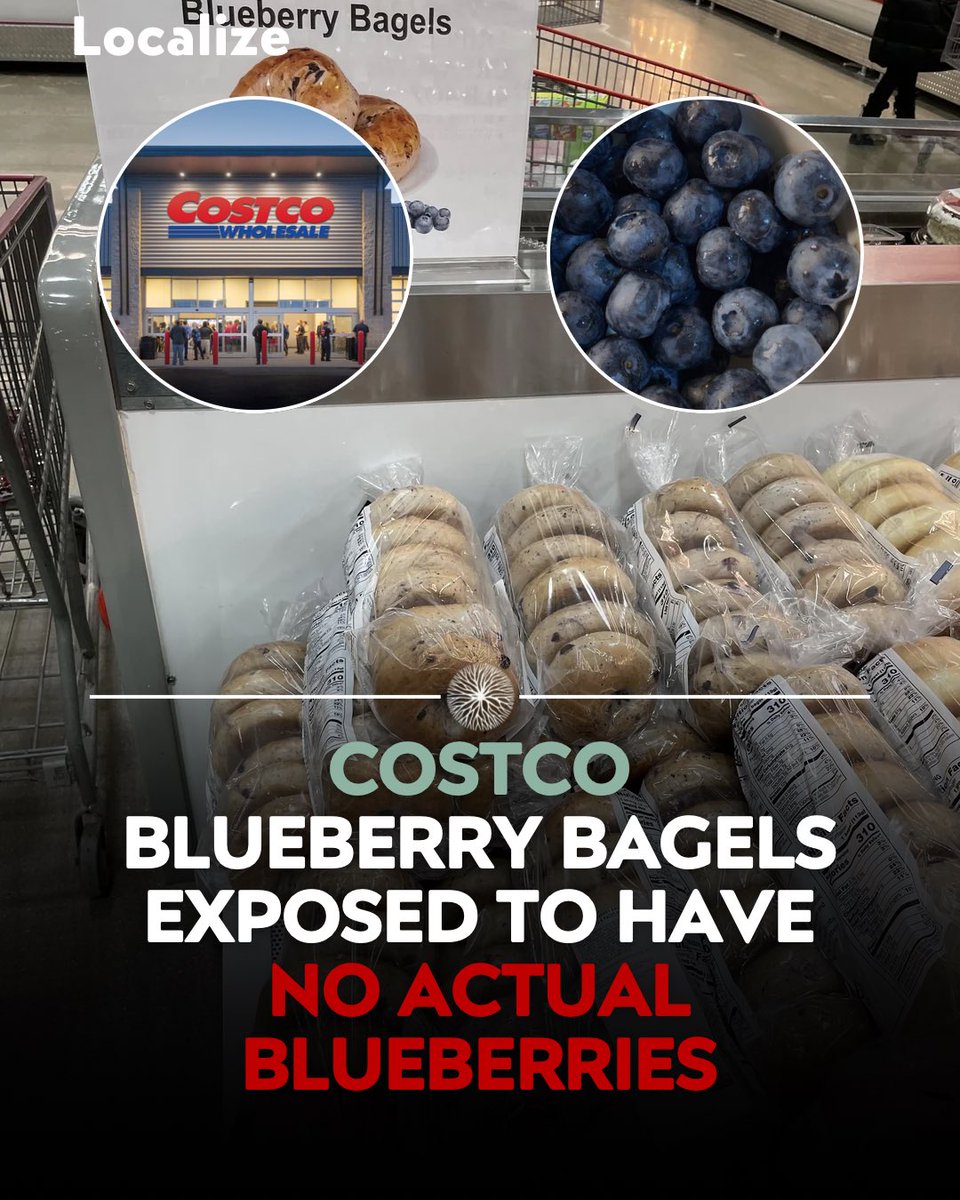
Costco's blueberry bagels contain no actual blueberries.
The "blueberry bits" are made from sugar, corn syrup, cornstarch, palm oil, and artificial dyes.
This is standard Big Food practice, swapping real ingredients for cheap industrial fillers to protect margins.
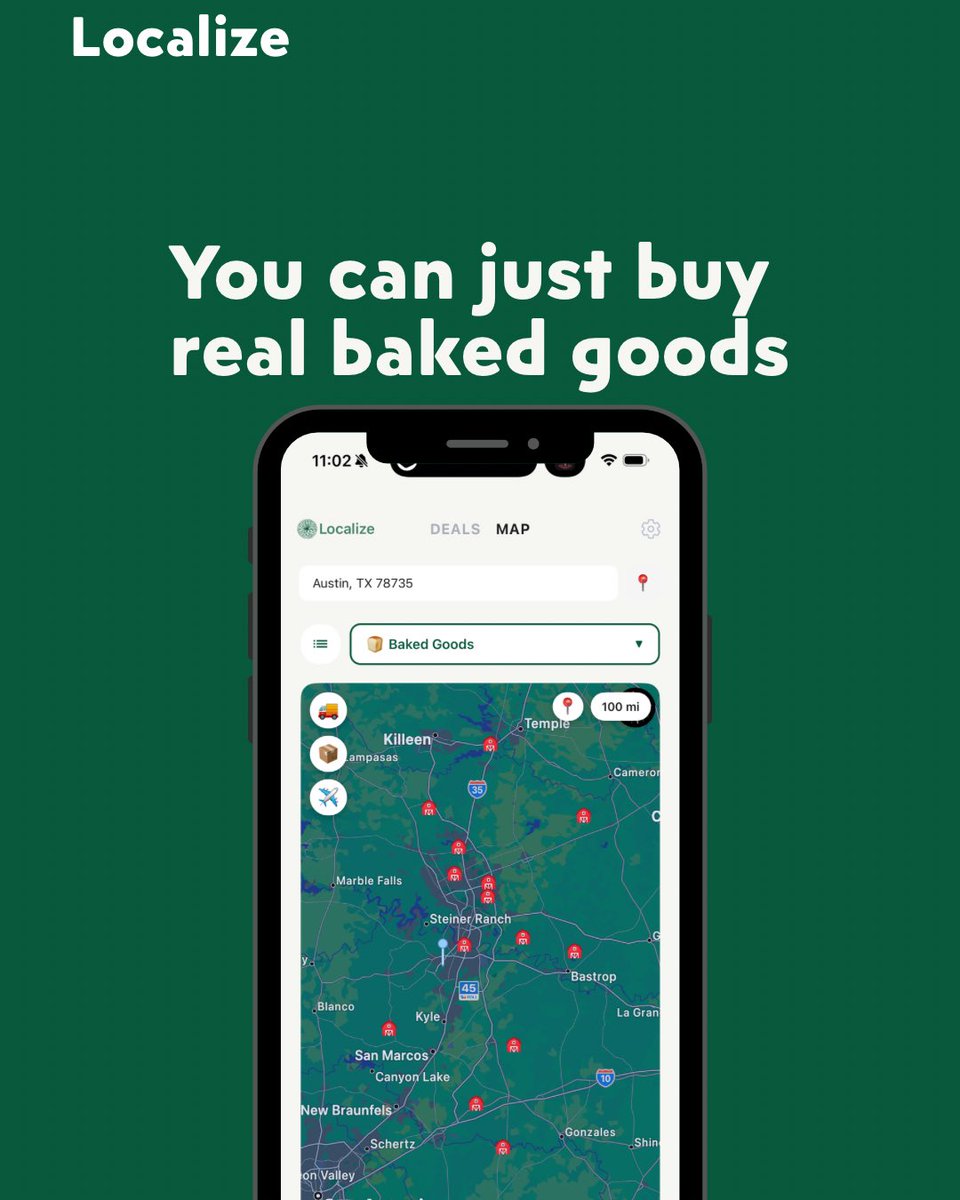
A local bakery gives you the real thing, not a corporate imitation.
English
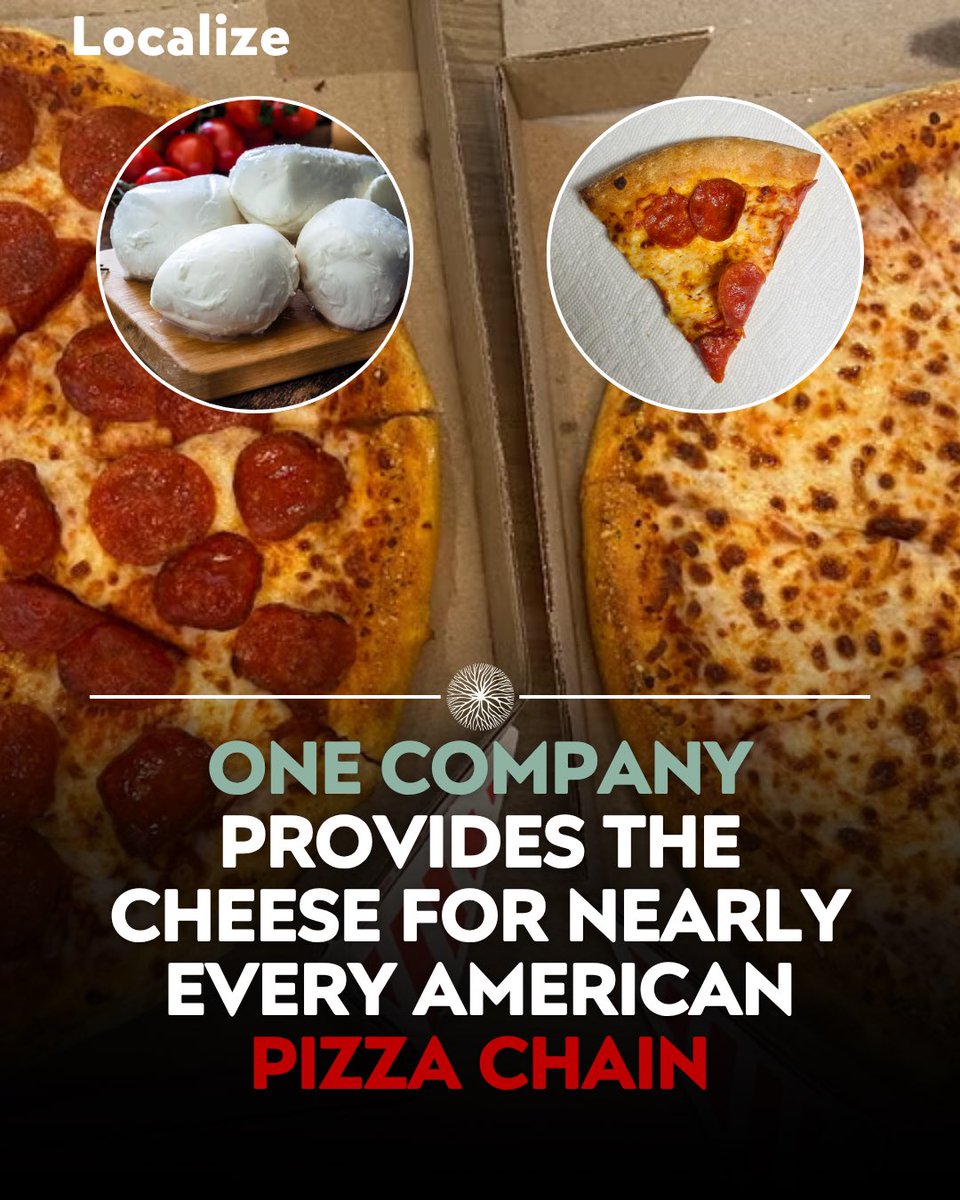
One private company, Leprino Foods, supplies mozzarella to roughly 85% of the U.S. pizza-cheese market.
This is textbook consolidation: fewer hands controlling more of what ends up on your plate.
Patents and long-term contracts locked in their dominance for decades, with little room for smaller, regional dairies to compete.
When one supplier sets the standard, transparency and accountability tend to disappear with the competition.

English
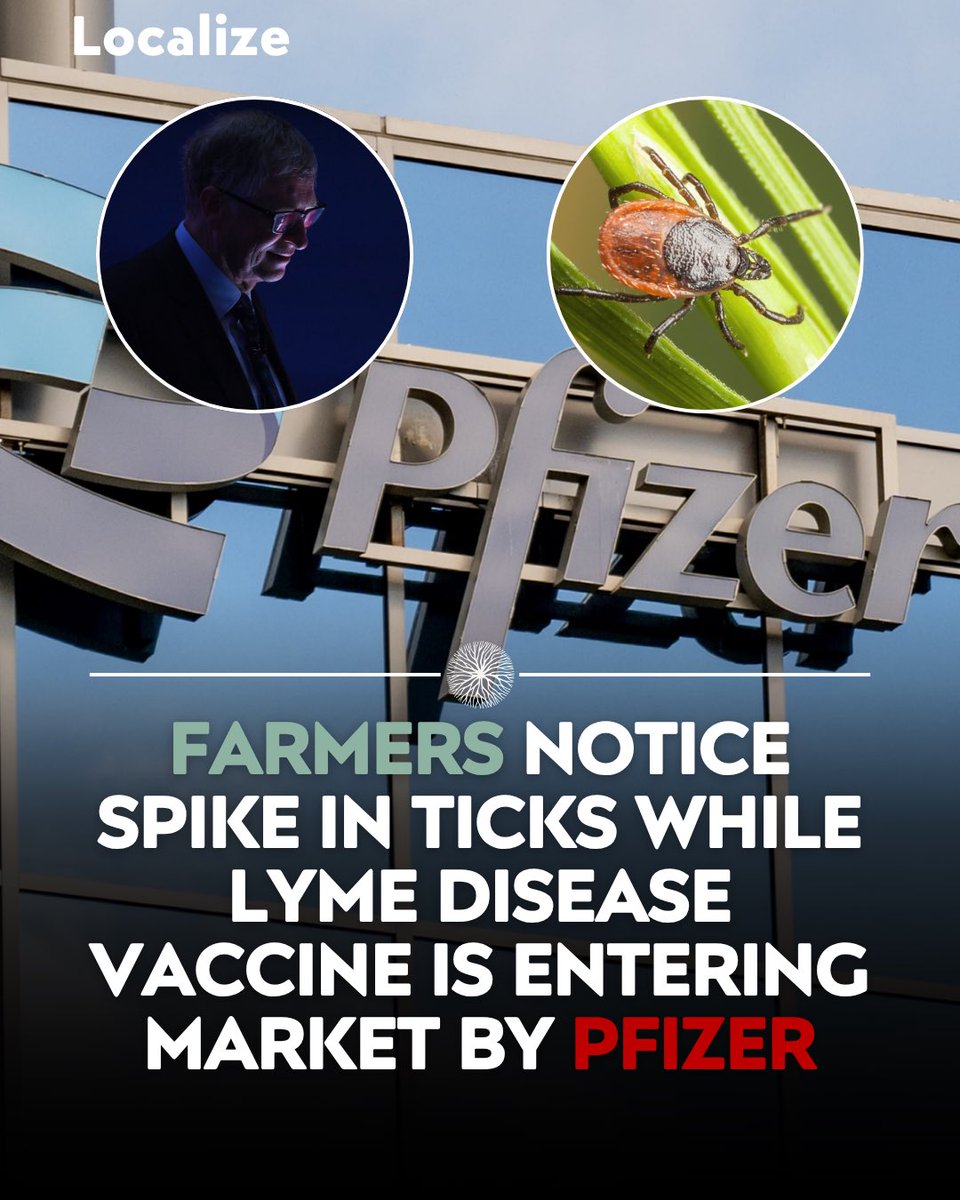
Tick populations are expanding across the U.S., driven by warmer temperatures and shifting landscapes.
Lyme disease cases have tripled since the 1990s, yet prevention has remained underfunded for decades.
Now Pfizer is moving toward FDA approval for a Lyme vaccine.
The timing raises questions worth asking, given Big Pharma's history of profiting from conditions shaped by environmental neglect.
Addressing tick habitat through land stewardship may matter as much as any pharmaceutical solution.
English
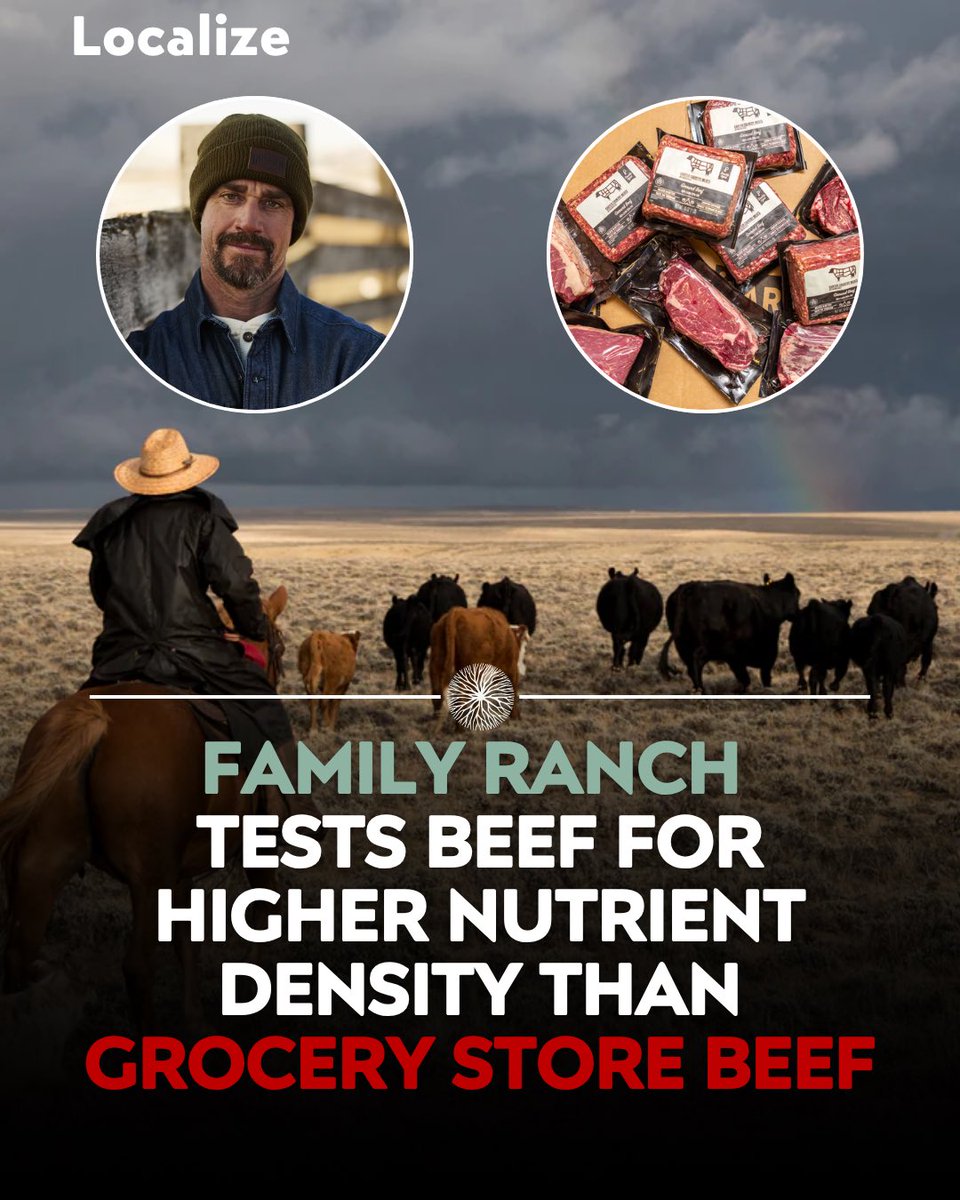
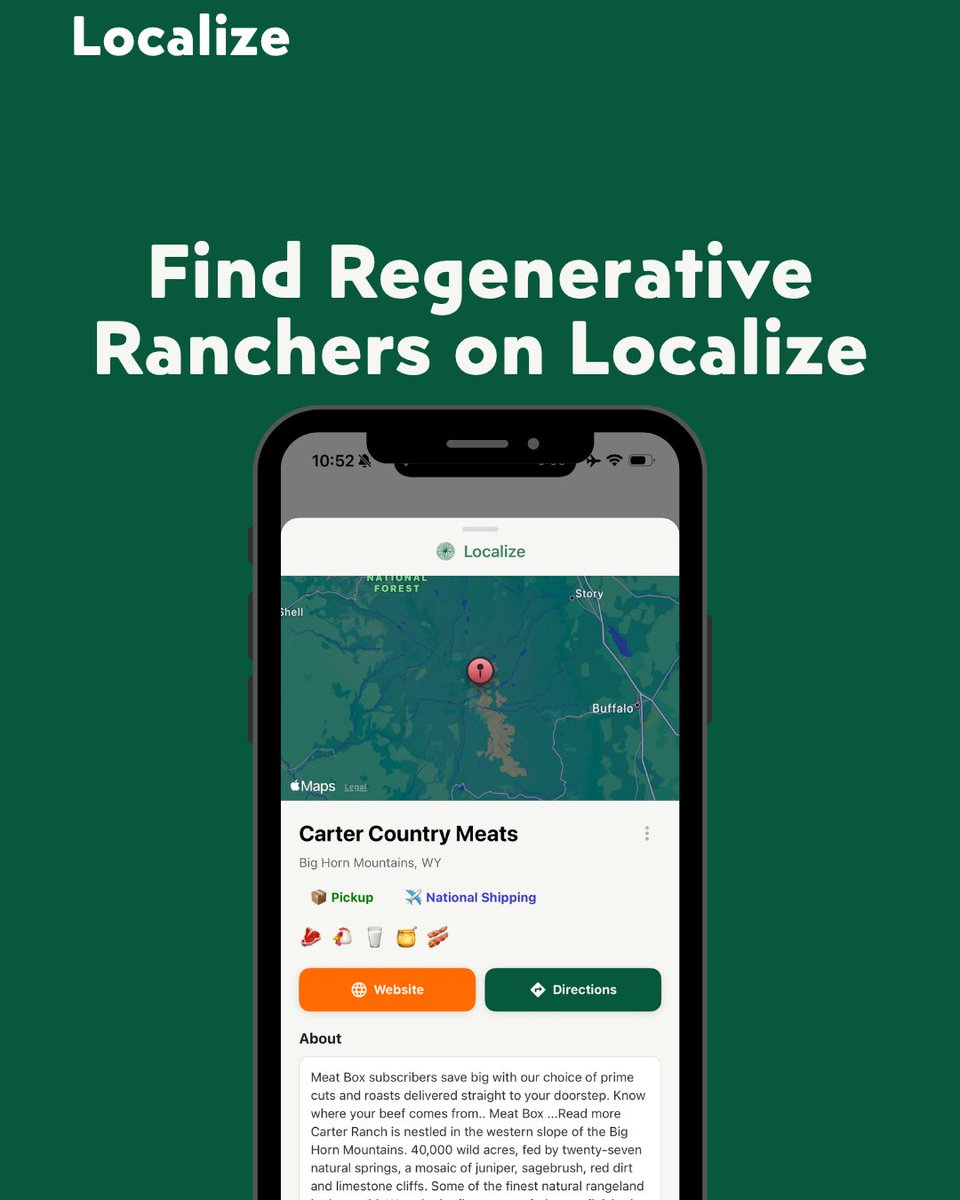
Soil health drives nutrient density.
Regenerative practices like cover cropping and reduced tillage rebuild organic matter, which feeds the microbial life that makes minerals bioavailable to plants and animals.
Conventional beef is raised on degraded soils and feedlots optimized for speed, not nutrition.
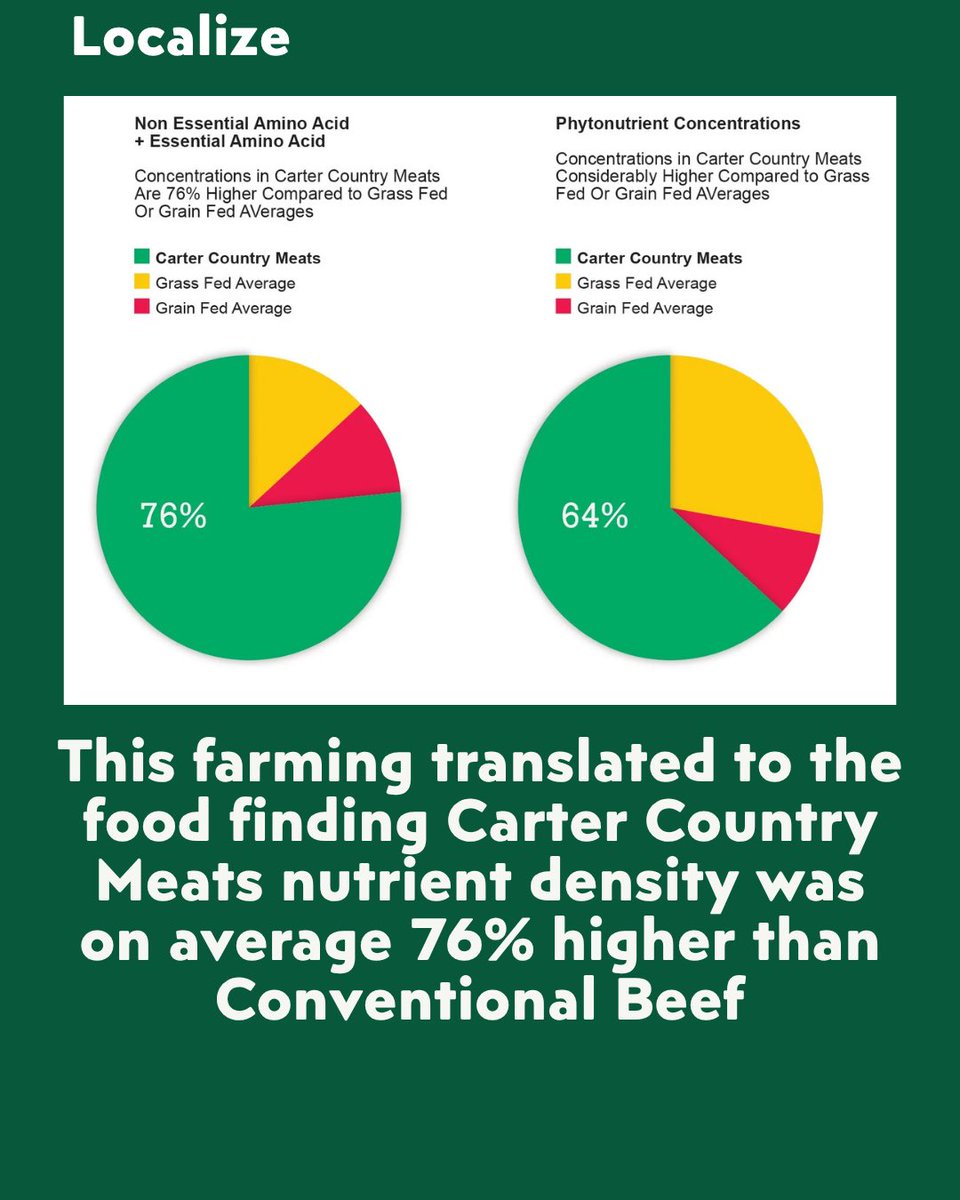
The gap in omega ratios and nutrient density is a direct result of how the land is managed.
Know your farmer. It matters.

English
Syngenta agreed to stop making paraquat by June 2026, but framed it as a business decision, not an admission of harm.
Paraquat is one of the most acutely toxic herbicides still in use. Swallowing even a small amount can be fatal, with no antidote.
Exposure is strongly linked to doubled Parkinson's disease risk across multiple studies.
It remains banned in the EU and over 50 countries, yet was legal in the U.S. for decades.
Existing stock can still be used unless regulators step in.

English
Hospitals are now required to serve whole, minimally processed foods to keep their Medicare and Medicaid funding.
The harder question is whether hospitals can actually deliver on this.
Three corporations, Aramark, Compass Group, and Sodexo, control over 75% of institutional food purchasing, with contracts that financially incentivize buying from Big Food over local farms.
Real procurement reform means dismantling those contract structures, not just updating a menu.


English
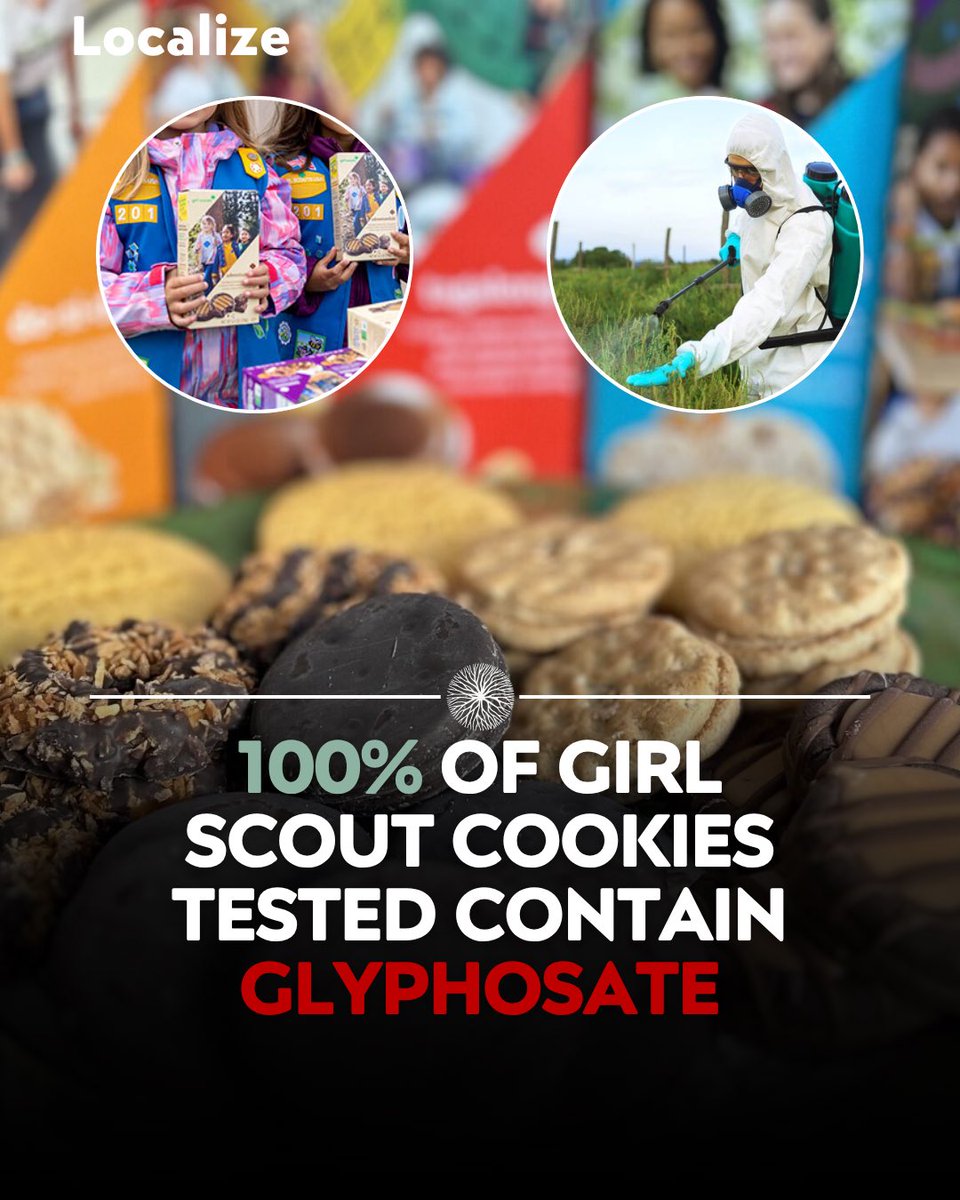
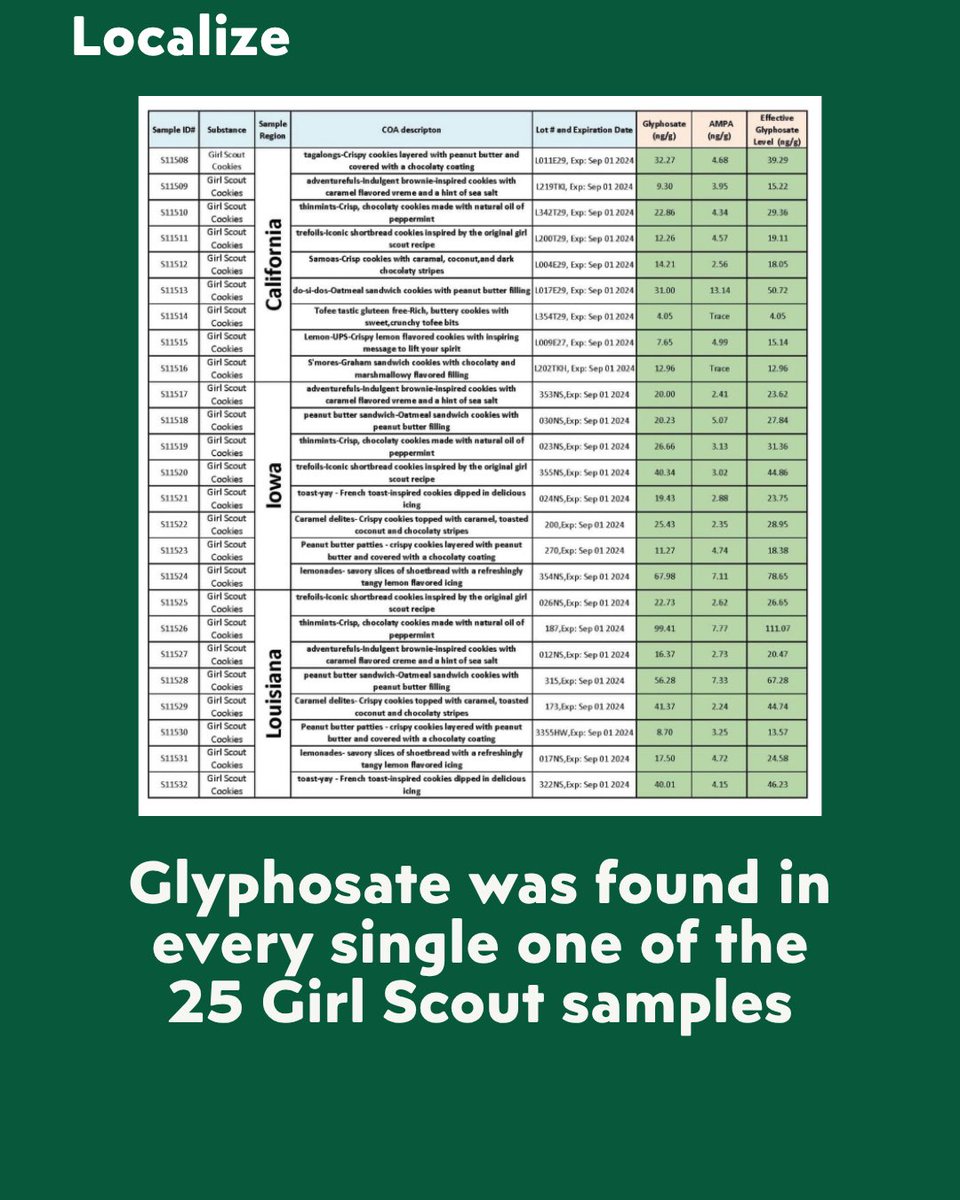
100% of Girl Scout cookies tested positive for glyphosate.
Every single one of 25 samples.
Glyphosate is sprayed on wheat, oats, and soy before harvest, allowing residues to concentrate directly in the grain.
Those grains get milled into flour and baked into the foods kids sell door to door.
The Girl Scouts source from mainstream supply chains that depend on Big Ag inputs.
Artisanal and local bakers are the alternative.


English
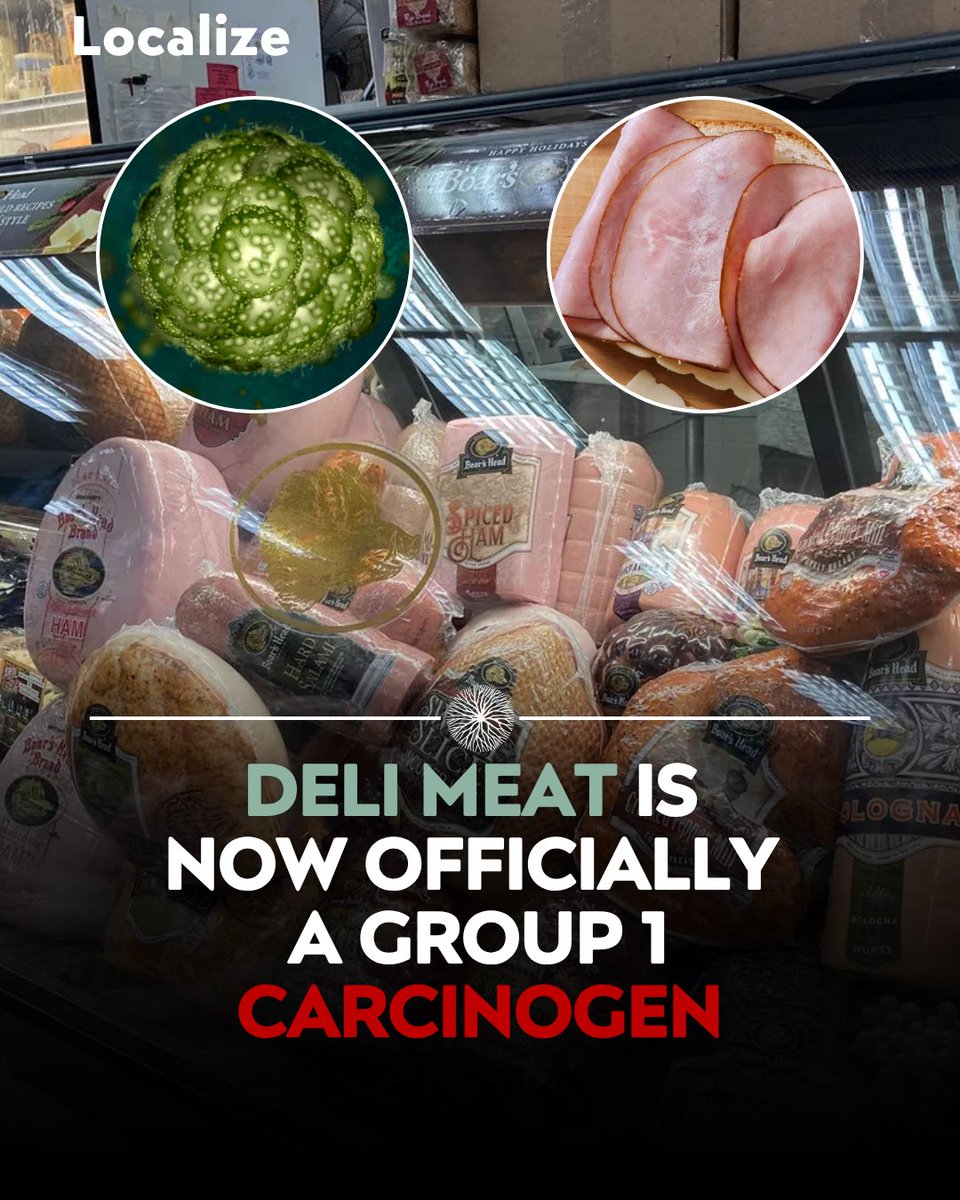
Processed meat is a Group 1 carcinogen.
The same classification as tobacco and asbestos, confirmed by the WHO’s International Agency for Research on Cancer after reviewing over 800 studies.
It does not mean equal risk, but the evidence for causing colorectal cancer is unambiguous.
Curing with nitrates and nitrites forms carcinogenic compounds.
Most deli meat you buy comes from four companies: Tyson, JBS, Cargill, and National Beef.
They control roughly 85% of U.S. beef processing, up from 36% in 1980.
English
That is not a supply chain built for you. It is one built for margins.
Support local and seasonal fruit when you can.

English
With over 1,000 varieties, this is what real biodiversity looks like.
Meanwhile, the mangoes you find in U.S. grocery stores come from a handful of commercial varieties chosen for shelf life, not flavor or nutrition.

English
India grows 50% of the world's mango supply without sacrificing genetic diversity.

English
U.S. cattle inventory hit a 75-year low in early 2024, the smallest herd since the 1950s.
Rebuilding takes years because ranchers must hold back heifers for breeding instead of sending them to slaughter, tightening short-term supply even further.
Meanwhile, the four corporations controlling over 80% of beef packing continue posting record margins while independent ranchers absorb the volatility.
Consolidation means higher prices at the register rarely translate to higher prices at the ranch gate.
The beef crisis is not just about drought or cycles.
It is about who profits when supply runs thin.

English
Smartfood started as a small popcorn brand in Massachusetts in the 1980s.
Frito-Lay, a PepsiCo subsidiary, acquired it and over time reformulated the product.
The original recipe used real cheddar, buttermilk, and cheese cultures.
Now the ingredient list features vegetable oils, maltodextrin, and "natural flavors" while cheddar slides further down.
This is what happens when corporate consolidation meets your snack aisle.
The brand identity stays the same.
The food inside the bag does not.

English
Japan has a fraction of U.S. childhood obesity rates.
A major reason is school lunch programs built around whole foods, not processed commodities.
In the U.S., companies like Tyson and Schwan's dominate school food contracts, prioritizing shelf stability and profit over nutrition.
Japan's model centers local sourcing, freshly prepared meals, and food education built into the curriculum.
The difference isn't cultural mystery.
It's policy captured by industry versus policy designed for children.

English
Times Glyphosate was declared critical for national defense
English
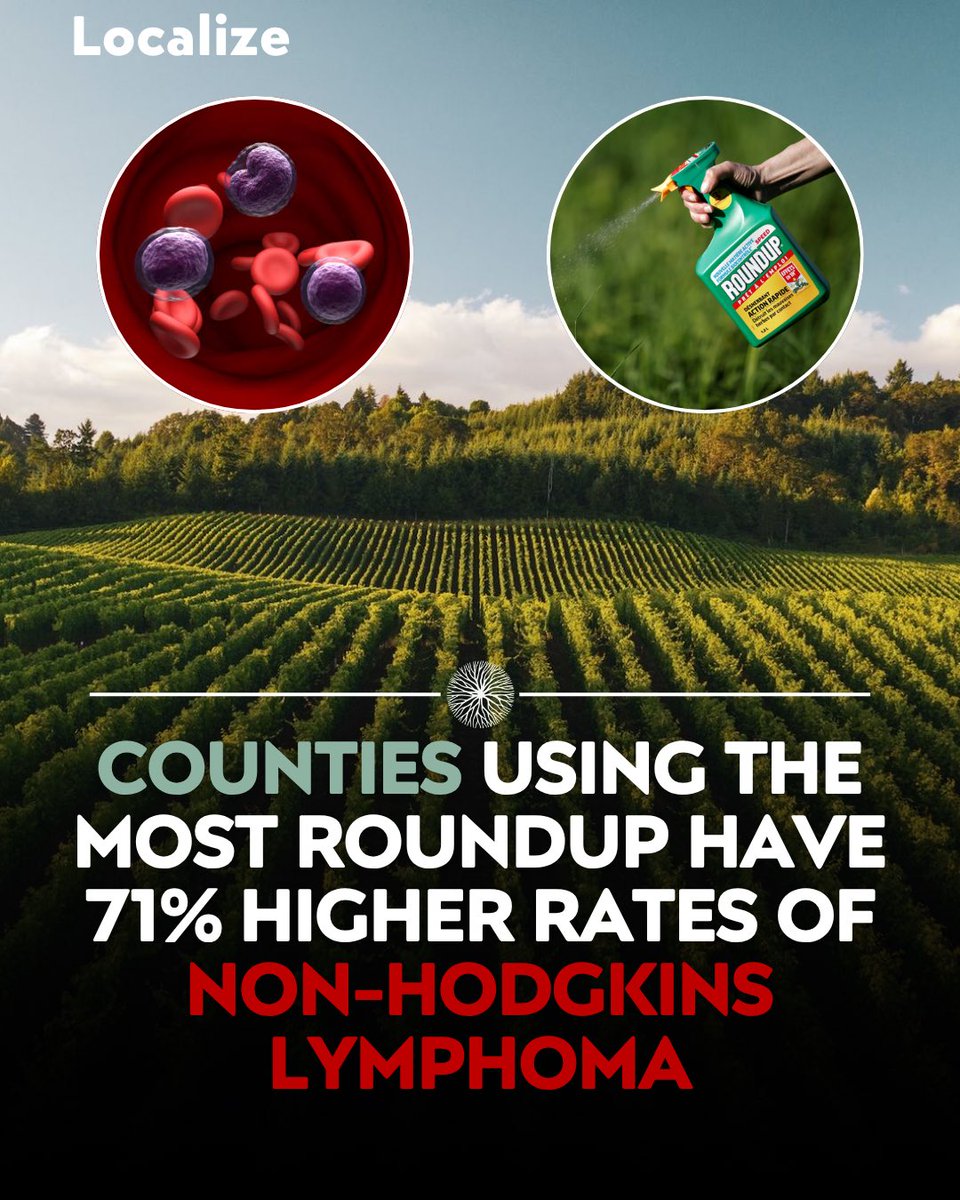
Counties with the highest Roundup use have 71% higher rates of non-Hodgkin lymphoma.
Glyphosate is the most widely used herbicide in history, sprayed on crops millions consume daily.
The EPA has maintained it is safe, while the WHO's cancer research agency classified it as a probable carcinogen in 2015.
Bayer, which acquired Monsanto, has paid over $10 billion in settlements to those who developed cancer after exposure.
Yet the product remains on shelves and in our food supply.
Know what you're spraying.
Know what you're eating.
English