
置顶推文
Prasanna
120.8K posts


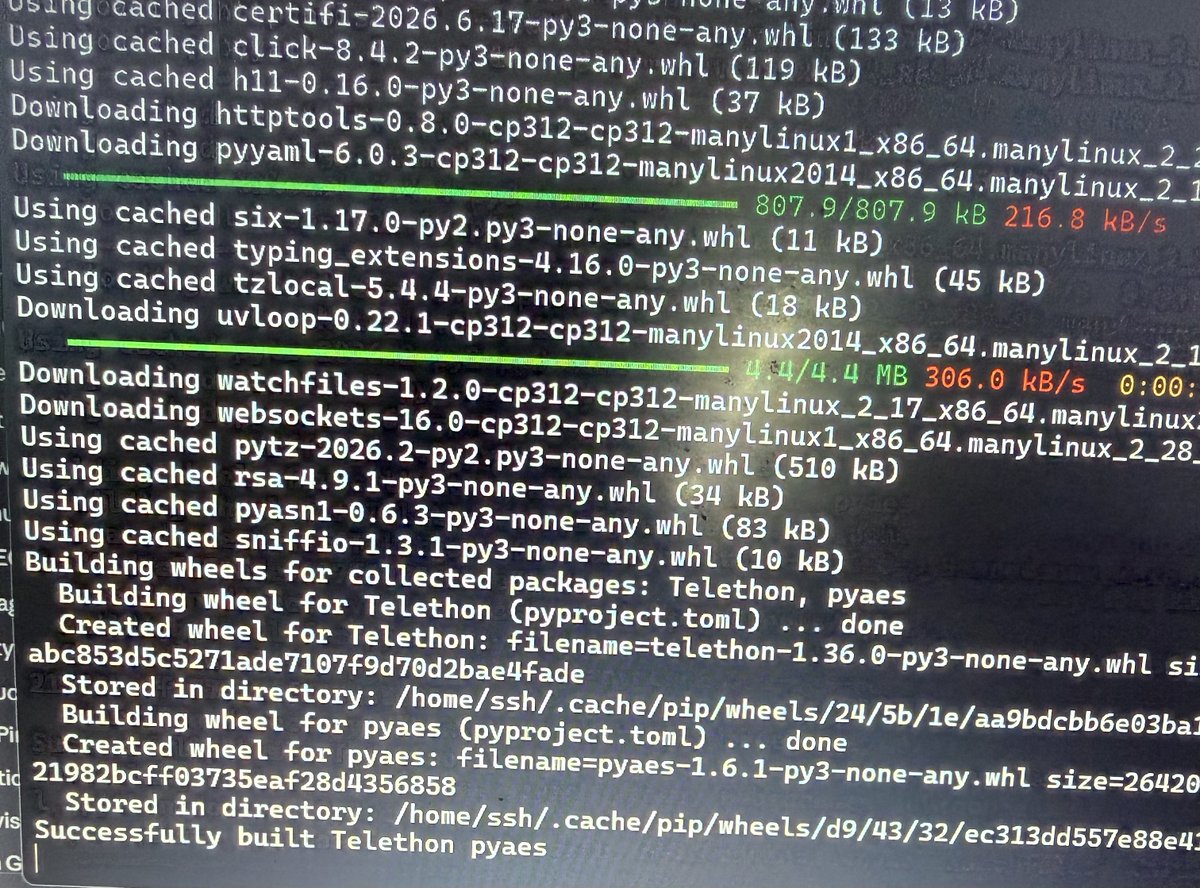
@Pagal_aurat All are really amazing! I specially liked the Theur Chintamani and Varadvinayak 🙏🏻. Bookmarking this.
English
Prasanna 已转推


Prasanna 已转推


Prasanna 已转推


Prasanna 已转推


Prasanna 已转推



Prasanna 已转推

This is what reverse engineering looks like when you’re trying to understand how malware actually works.
The screenshot shows a r@ns0mware sample being analyzed in Ghidra, one of the most popular reverse engineering frameworks. Instead of running the m@lw@re, the analyst is inspecting its logic, decompiled code, and execution flow to understand exactly what the program is designed to do.
From the control flow graph, you can already identify important functions such as key generation, file encryption, and the routine responsible for creating the ransom note. Breaking m@lw@re down like this helps researchers discover encryption methods, persistence mechanisms, anti-analysis techniques, and potential weaknesses that can be used for detection or recovery.
Reverse engineering isn’t just for m@lw@re analysts. It plays a major role in vulnerability research, software auditing, exploit development, incident response, and digital forensics. Understanding how a program behaves internally allows defenders to build stronger detections instead of relying only on signatures.
Every piece of m@lw@re tells a story, you just have to know how to read it. The better you understand assembly, control flow, and decompiled code, the better you’ll become at identifying threats before they cause serious damage.

English