@I_Skaltsiotis @Nothing04305955 Συγχαρητήρια μεγάλε. Αλλά αν χρειαστείς παιδίατρο ΣΚ, 3ήμερα κτλ σου έχω νέα.Και να επικοινωνήσεις, πιθανότατα στο ΕΣΥ θα καταλήξεις.
Ελληνικά
Dis
4.3K posts





Αυτή εδώ που κατέρρευσε με 3,5 περιστατικά ημερησίως θα βγάλει εφημερία κεντρικού νοσοκομείου των Αθηνών;



Ως προς το βίντεο με την ειδικευόμενη ιατρό που προκάλεσε τόσο μεγάλη αναστάτωση στα social media. Πρόκειται για αγροτική ιατρό η οποία βάσει ενός νόμου αποφάσισε να κάνει την υπηρεσία υπαίθρου της στην Αττική. Ο Νόμος όμως αυτός, ως αντιστάθμισμα για την εύνοια να μήν μετακινείσαι στην επαρχία, σε υποχρεώνει να μετακινείσαι με εντολή της ΥΠΕ σε Νοσοκομείο της επαρχίας εάν προκύψει έκτακτη ανάγκη για περιορισμένο χρονικό διάστημα. Προέκυψε λοιπόν τέτοια ανάγκη και με απόφαση της 2ας ΥΠΕ μετακινήθηκε για 5 ημέρες στη νήσο Σάμο, όπου και φιλοξενήθηκε δωρεάν σε ένα καινούργιο διαμέρισμα, το οποίο έχουμε κατασκευάσει για αυτές τις περιπτώσεις. Κατά την παραμονή της εκεί είδε συνολικά 19 παιδιά και έκανε 4 εισαγωγές. Όλα προγραμματισμένα και κανένα έκτακτο περιστατικό. Δεν διαπιστώθηκε καμμία υπερεργασία της και καμμία υπερεφημέρευση της, επίσης δεν κατήγγειλε κανένα παράπονο προς την Διοίκηση του Νοσοκομείου. Ο κ. Διοικητής δήλωσε έκπληκτος από την ανάρτησή της αυτή. Για τις έκτακτες της αυτές υπηρεσίες πληρώθηκε κανονικά όπως προβλέπεται. Μετά την πρωινή μου ανακοίνωση κατέβασε τελικά την ανάρτησή της. Θέλω να πω για άλλη μία φορά ότι δεν θα επιτρέψω επικοινωνιακά παιχνίδια με το ΕΣΥ.

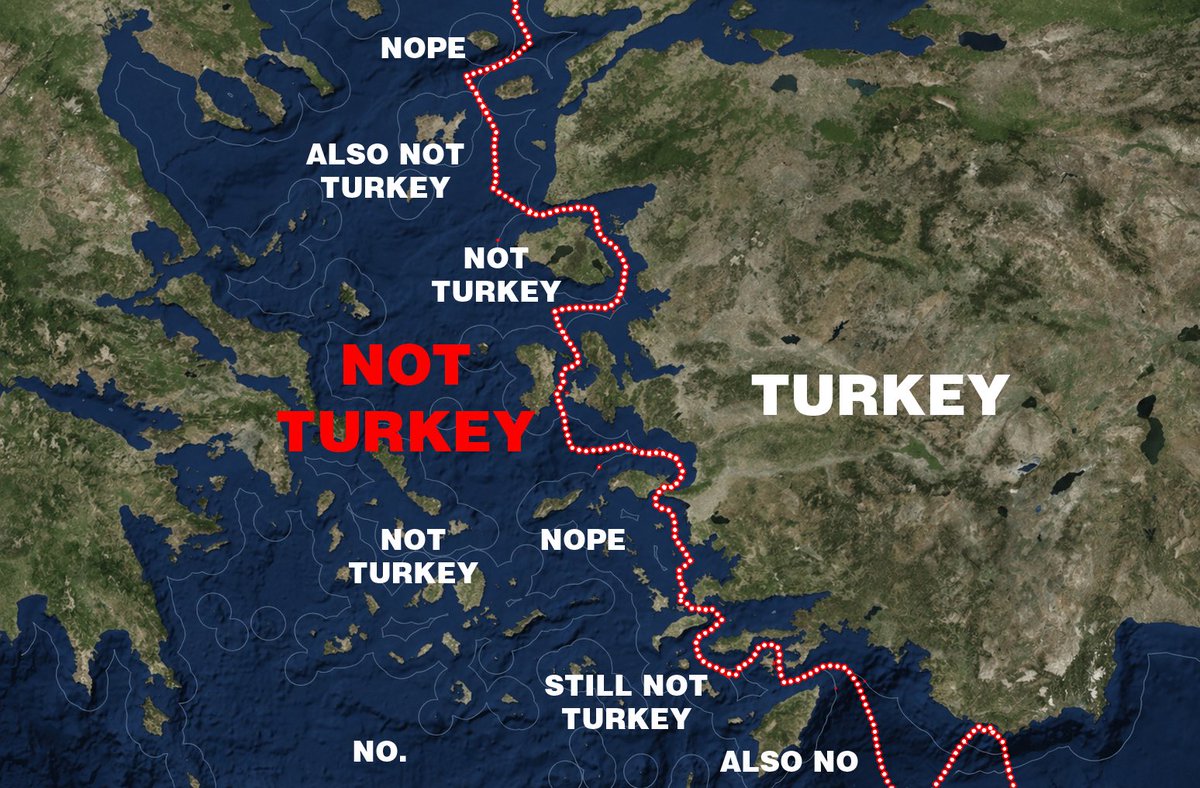
If you ask Turkey what “peace” in the Aegean looks like, the answer is stark: it begins with Greece making concessions. In practice, the Turkish vision of “peace” entails Greek islands left undefended opposite a heavily militarised Turkish coastline and stripped of full territorial waters, so that Turkish warships and jets can operate freely around in what is, by geography and international law, a Greek island sea. It means Greece accepting a permanently occupied Cyprus and giving up exclusive rights in its own seas. In short, for Turkey, “peace” would mean Greece becoming smaller, weaker, and quieter-while Turkey steadily expands its influence. At its core, this is not a technical dispute over legal interpretation - it is Turkish irredentism. ❌Turkey simply refuses to recognise where its borders end and Greece’s begin. This dynamic reveals the true nature of the relationship: not that of a difficult neighbour, but of a revisionist aggressor that still harbours imperial ambitions over territory and waters that do not belong to it. These borders are not ambiguous, nor are they recent. They were settled in the aftermath of the Treaty of Lausanne, which definitively established the modern boundaries between Greece and Turkey. Under that settlement, Turkey secured full sovereignty over Anatolia, while Greece retained its islands in the Aegean. Until Turkey demonstrably abandons these claims, respects the sovereignty and integrity of Greek territory, it will always be seen as a security threat that has to be contained. 🔵Greece harbours no desire for war or confrontation. Its position is clear, lawful, and purely defensive: it seeks only to uphold its sovereignty within borders and rights already recognised under international law -nothing more, nothing less. 🔴But that is not enough. Deterrence cannot remain passive or declaratory. It must be decisive and credible. Greek foreign policy has to send an unambiguous message: any violation of its sovereignty will not just be blocked-it will be met with consequences that impose real, strategic loss. Those who choose escalation must understand that they risk not only failure, but the loss of what they already hold. This is the only language bullies understand.

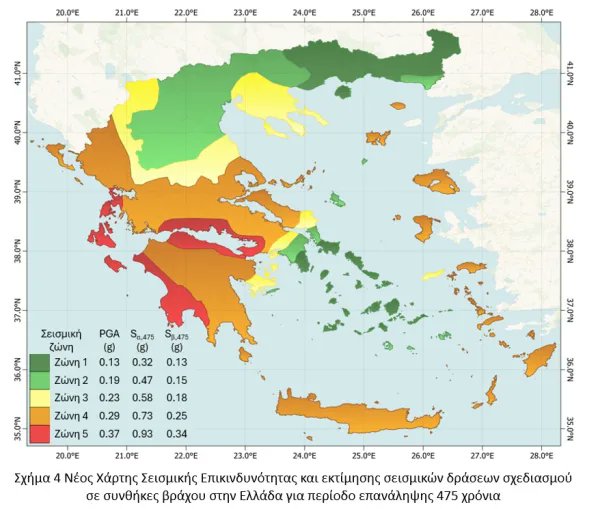

Greece Rejects “Turkish Straits” Term in UN Security Council greekcitytimes.com/2026/04/30/gre…