Post

Cora Harrington
Cora Harrington@CoraCHarrington·
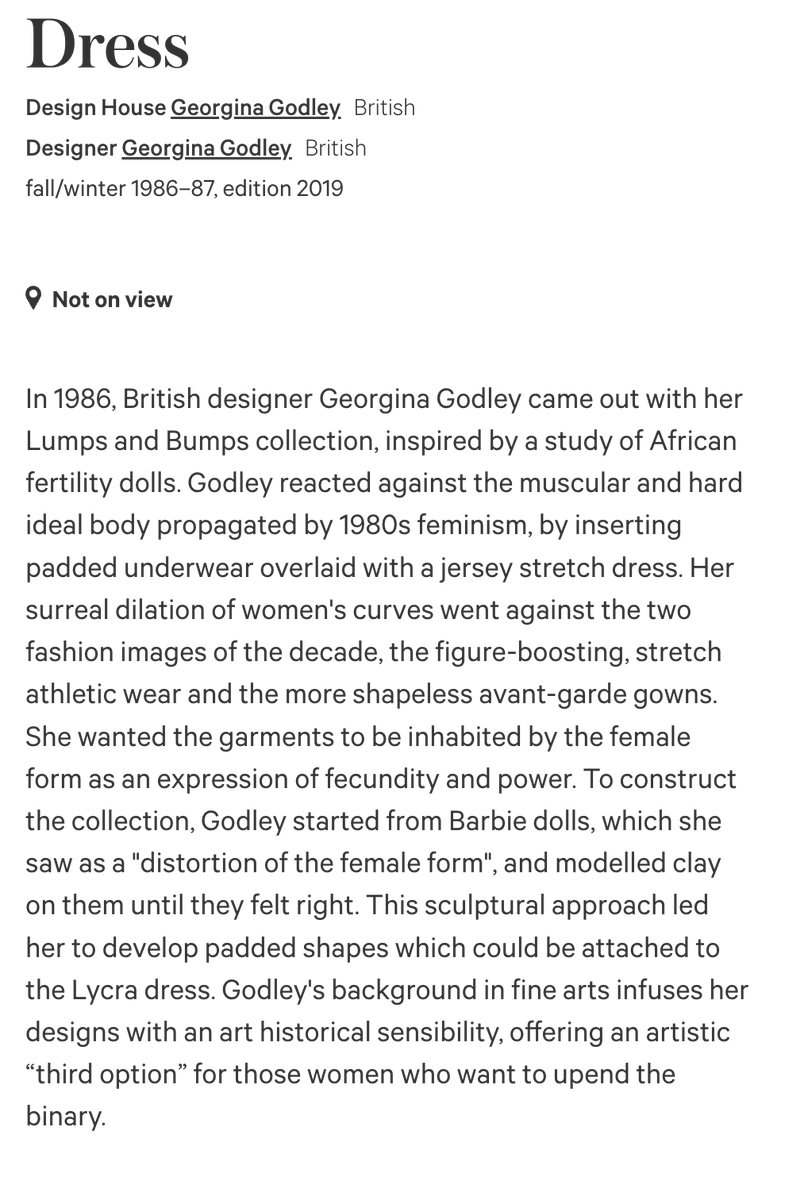
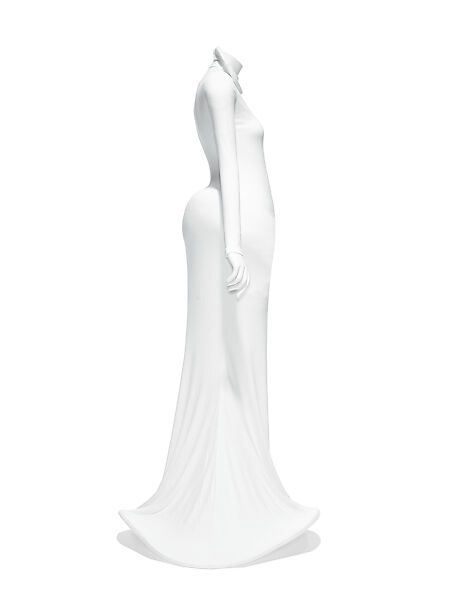
While doing a deep dive into the Met Costume Institute’s collections last night, I ran across this dress. Something we discuss in my Museum Theory class is the art of writing “interpretive labels.” That is, describing an object in just a paragraph (1/?) metmuseum.org/art/collection…
Cora Harrington tweet mediaCora Harrington tweet media
English
6
104
1.2K
104.7K
Cora Harrington
Cora Harrington@CoraCHarrington·
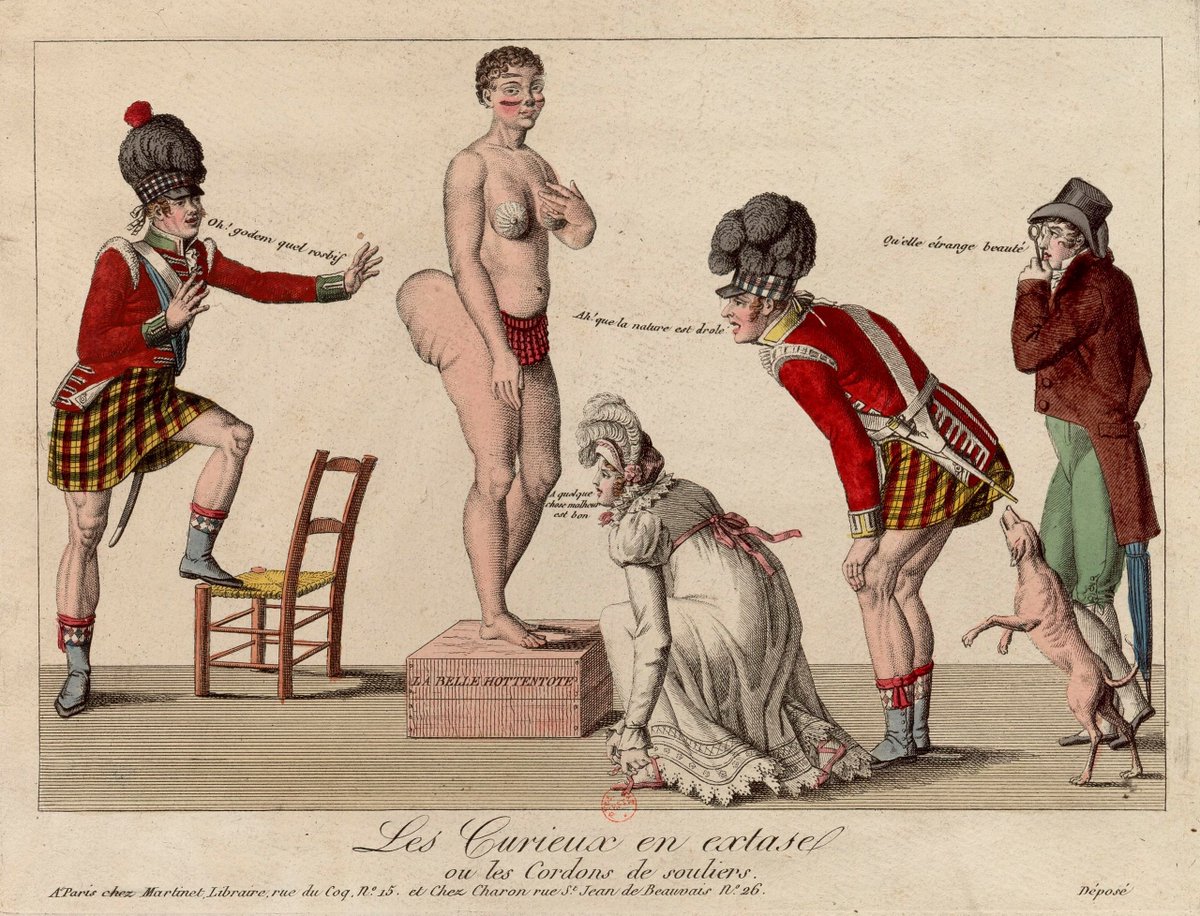
When I saw this dress + text, I was surprised at what was left out. While it refers to “African fertility dolls,” there was no reference to the silhouette it most directly reminded me of: the Khoikhoi woman Sarah Baartman, who was called “Hottentot Venus" during her life. (2/?)
Cora Harrington tweet media
English
3
12
395
17.6K
Cora Harrington
Cora Harrington@CoraCHarrington·
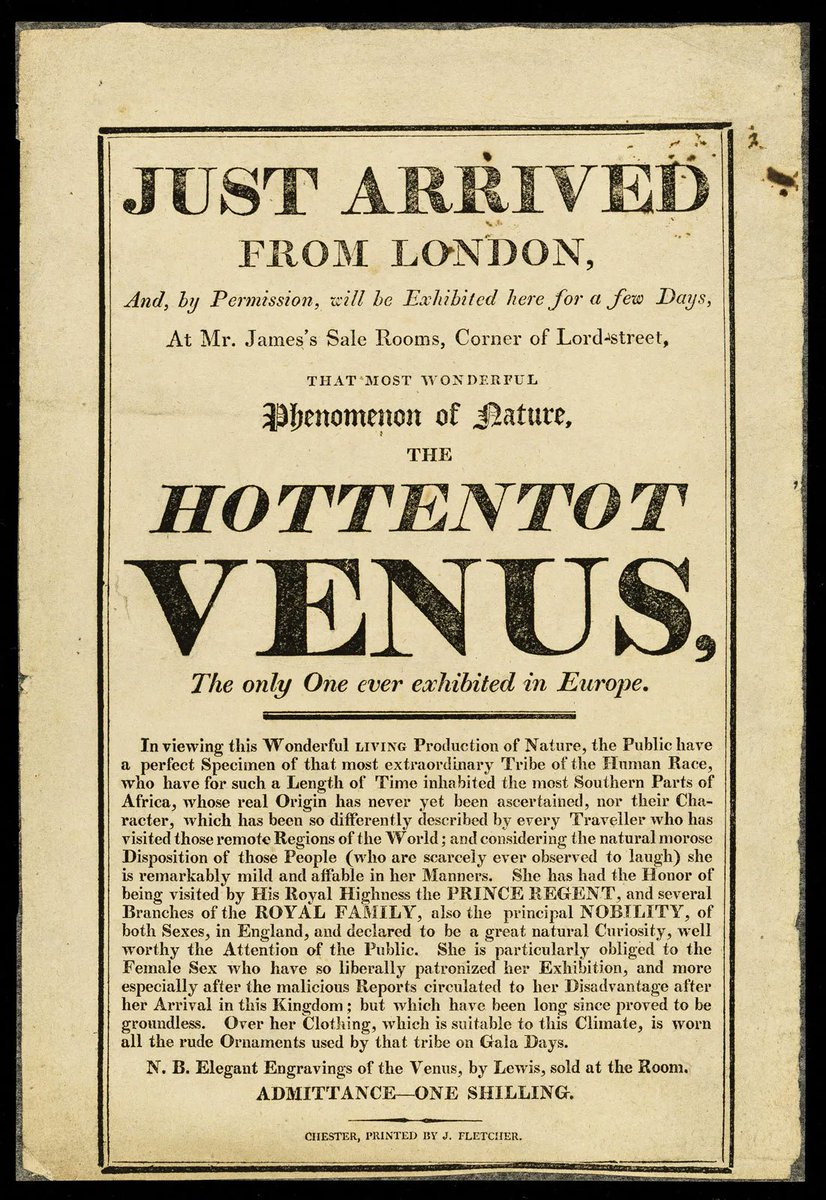
During her life, Sarah Baartman was exhibited around Western Europe as a curiosity, an object of fetishization, and a basis for race science. She was only 25 when she died and the French government dissected and kept her remains for nearly 200 yrs, repatriating them in 2002 (3/?)
Cora Harrington tweet media
English
1
9
261
17.7K
Cora Harrington
Cora Harrington@CoraCHarrington·
A white British woman deriving “inspiration” from Africa is problematic at the best of times, but especially so here. Godley creates an exaggerated shape - 1 some writers called grotesque - which seems to reference the shape of a real woman called grotesque during her time. (4/?)
English
1
13
332
15.6K
Cora Harrington
Cora Harrington@CoraCHarrington·
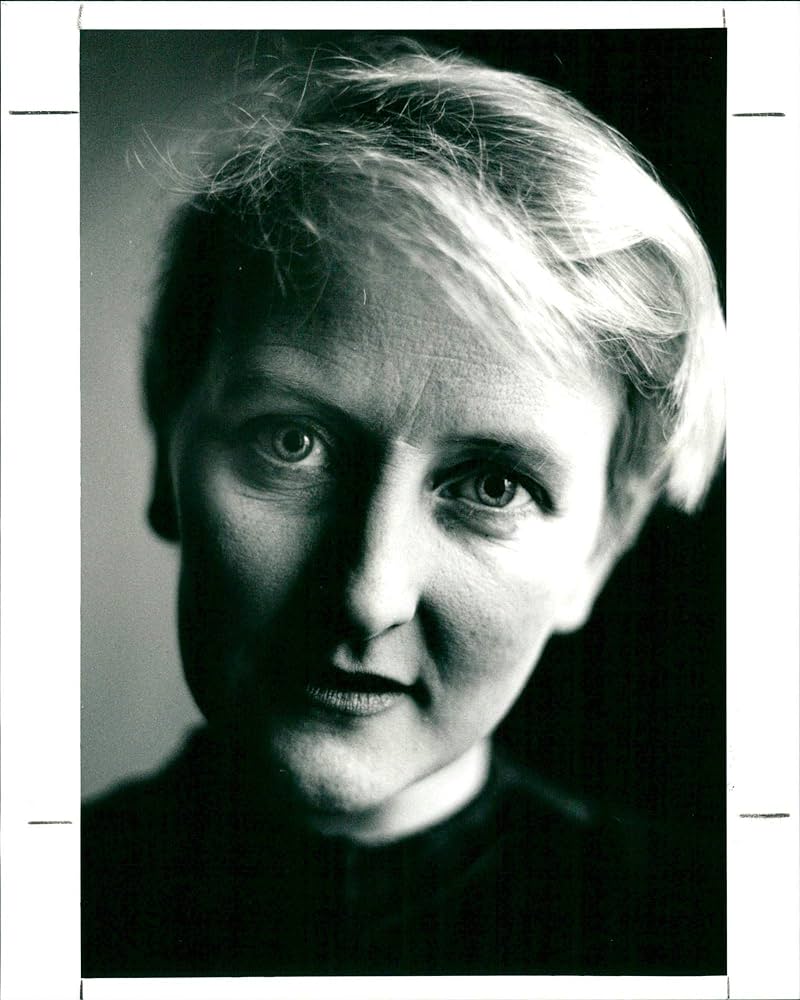
In a statement on the 1980s collection, Georgina Godley said, "Everyone had the perfect body. My work was all about challenging the perspective of what could be beautiful. It was all the things we learned to consider ugly.”
Cora Harrington tweet media
English
1
5
191
16.3K
Cora Harrington
Cora Harrington@CoraCHarrington·
Even without the Sarah Baartman overtones, juxtaposing taking "inspiration" from Africa alongside wanting people to look at something "ugly" is telling. What is this "artistic third option" she’s offering for "women who want to upend the gender binary?" Black women? (6/7)
English
4
14
360
18.7K
Cora Harrington
Cora Harrington@CoraCHarrington·
This made me think about who writes the informational text the public can access for these objects and their own background. I'm not an art historian, but when I saw this dress, nothing about it said, "Barbie dolls." The first and only person I thought of was Sarah Baartman.
English
7
14
468
17.7K
sayraphim.bsky.social 🍉
sayraphim.bsky.social 🍉@Sayraphim·
@lingerie_addict That is a really, really badly written interpretive label for a racist fashion item from a racist. Not at all excusing it, but when was it written? Cause if that's recent, that's even more appalling. And it makes me wonder, do museums put CW on labels now? And if not,why not?
English
1
0
4
566
Cora Harrington
Cora Harrington@CoraCHarrington·
@Sayraphim This would have entered the museum in 2019, so likely some time around then
English
1
0
4
489
sayraphim.bsky.social 🍉
sayraphim.bsky.social 🍉@Sayraphim·
@lingerie_addict If I was your teacher, I'd run an exercise on rewriting this kind of terrible panel. And then, because I'm not employed as an acedemic, I'd be emailing the museum and sending them all across. To show them how to write a panel that actually addresses problematic items like this
English
1
0
0
50
sayraphim.bsky.social 🍉
sayraphim.bsky.social 🍉@Sayraphim·
@lingerie_addict How good would that be? Aspiring museum professionals get their work on display in museums (gotta be attributed of course), museums get shitty panels like this fixed, and the world is a slightly better place for everyone.
English
0
0
0
46
Paylaş