American Veterans Center

92.7K posts

American Veterans Center banner
American Veterans Center

American Veterans Center

@AVCupdate

The official account for the American Veterans Center & World War II Veterans Committee. The AVC works to Guard the Legacy and Honor the Sacrifice of our vets.

Arlington, VA انضم Ocak 2009
1.8K يتبع32.1K المتابعون
تغريدة مثبتة
American Veterans Center
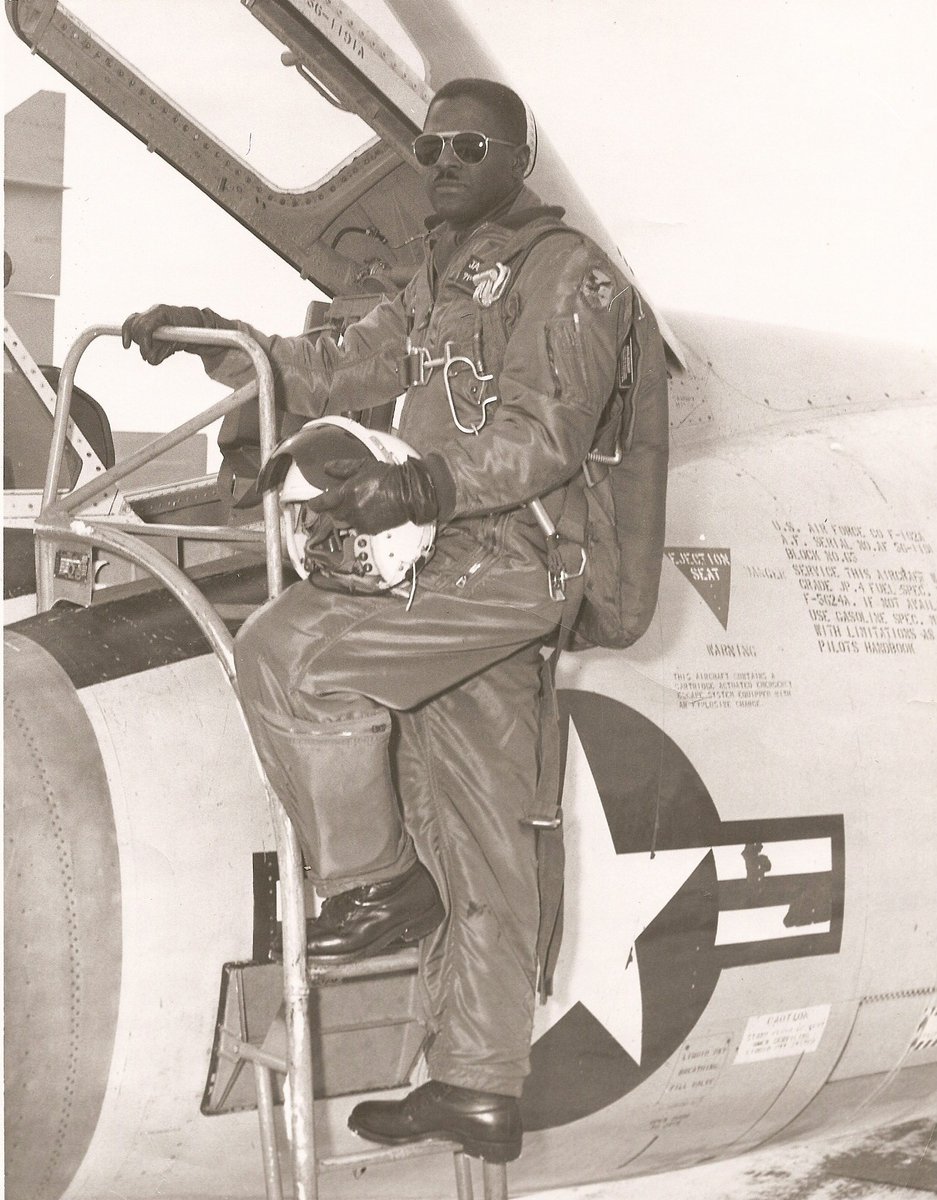
On this day in 1941, The 99th Pursuit Squadron also known as the Tuskegee Airmen, the heroes who became the first African American combat pilots in American military history was activated. These men were the first African-American military aviators in the United States armed forces. During World War II, Black Americans in many U.S. states were still subject to the Jim Crow laws and the American military was racially segregated, as was much of the federal government. One of those men was James Harvey III who graduated flight school in 1944. As a fighter pilot in the U.S. Air Force, he flew the F-86 Sabre and became part of the elite 332nd Fighter Group’s enduring legacy of precision and discipline in the skies. But his impact didn’t end in combat. In 1949, Harvey was a key member of the all-Black U.S. Air Force team that won the first-ever U.S. Air Force Gunnery Meet—what would later become known as “Top Gun.”| James Harvey III would go on to be the first African-American jet fighter pilot to engage in combat during the Korean War. For his actions he would be awarded the Distinguished Flying Cross.
American Veterans Center tweet media
English
1
17
42
388
American Veterans Center
Robert "Bob" Boeke was 16 years old when the Japanese attacked Pearl Harbor in December 1941. Nearly two years later, he enlisted in the U.S. Army. After arriving in France, Boeke was first tasked with finding and removing German mines on the Normandy beaches. After completing that he began a perilous journey to the front dodging German mortar fire on the way. As a reconnaissance soldier, Boeke was always ahead of the main force scouting enemy positions. Here he explains how they trained for reconnaissance missions.
English
0
0
7
257
American Veterans Center
Michael Cudlitz is an American actor whose breakout role came in 2001 with his portrayal of Sgt. Denver "Bull" Randleman in the epic World War II miniseries, 'Band of Brothers'. Here he explains portraying him on camera, the invaluable insight he received from Denver's wife Veera, and the close relationship he kept with her until she passed.
English
7
9
94
4.4K
American Veterans Center
On this day in 1964, Jack Ruby, the Dallas nightclub owner who killed Lee Harvey Oswald - who was the accused assassin of President John F. Kennedy Jr. - was found guilty and sentenced to death by electric chair. This was also the first courtroom verdict to ever be televised in U.S. history. WWII Veteran and homicide detective Jim Leavelle would be the first man to interrogate Lee Harvey Oswald in connection with the murder of Dallas police officer J. D. Tippit. At the time of the interrogation, Oswald was not yet a suspect in the Kennedy assassination. On November 24, 1963, Lee Harvey Oswald was handcuffed between Jim Leavelle and fellow detective L. C. Graves as he was being led through the basement of the Dallas Police Headquarters. Jack Ruby then stepped from the crowd and fatally shot Oswald at point-blank range.
English
0
1
4
199
American Veterans Center
As part of the Eighth Air Force, Paul "Bud" Haedike’s baptism by fire would come fast and hard. As a rookie crew, on their first combat mission, their bomber would be the last plane in formation to pass over the target - A position known as ‘Tail End Charlie’. By the time Haedike dropped his payload the German anti-aircraft positions had zeroed in their 88 millimeter cannons and were able to knock out the number one and two engines on Haedike’s bomber. Through sheer skill and determination the pilot of the crippled bomber made it past the German lines and was able to crash land in Belgium. Haedike would go on to fly 22 more combat missions.
English
0
3
12
656
American Veterans Center
American Veterans Center@AVCupdate·
Michael “Rod” Rodríguez joined the U.S. Army in 1992 and attended the Special Forces Assessment and Selection course to become a Green Beret in 1997. During his 21 years of service Rodriguez would deploy 10 Times to countries like Somalia, Haiti, Colombia, Panama, Peru, Bolivia and twice to Afghanistan. Rodriguez would find himself wounded on several different occasions including a head and face fracture during a rollover in Afghanistan. A pair of IED explosions led to blindness in one eye for five months, necessitating a special lens for vision. He shares a story of an Afghan girl he tried to help treat and highlights the low amount of value placed on women in Afghanistan.
English
0
1
10
226
American Veterans Center
American Veterans Center@AVCupdate·
.@JasonRedmanWW joined the U.S. Navy on September 11, 1992, and spent 11 years as an enlisted Navy SEAL and was deployed to Fallujah, Iraq, in 2007. While acting as Assault Force Commander on an operation to capture an Al Qaeda high-value individual, Lt. Redman’s assault team came under heavy machine gun and small arms fire, and he along with two other teammates were wounded in the ensuing firefight. Despite being shot twice in the arm and once in the face, as well as enduring multiple rounds to his helmet, night-vision goggles, body armor and weapon, Jason fought valiantly with his team. They won the fight while ensuring that the entire team returned home alive.
English
0
2
11
290
American Veterans Center
American Veterans Center@AVCupdate·
Brigadier General Steve Ritchie is one of only two pilot aces to emerge from the entire Vietnam War, and the only Air Force pilot ace since the Korean War. He is also the only American pilot in history to shoot down five enemy MiGs. Ritchie would fly 339 combat missions totaling over 800 flying hours. He is amongst the most decorated Americans in history. Here he explains the moment he could see bullets hitting his friend's plane.
English
0
3
5
268
American Veterans Center أُعيد تغريده
Jason Redman
Jason Redman@JasonRedmanWW·
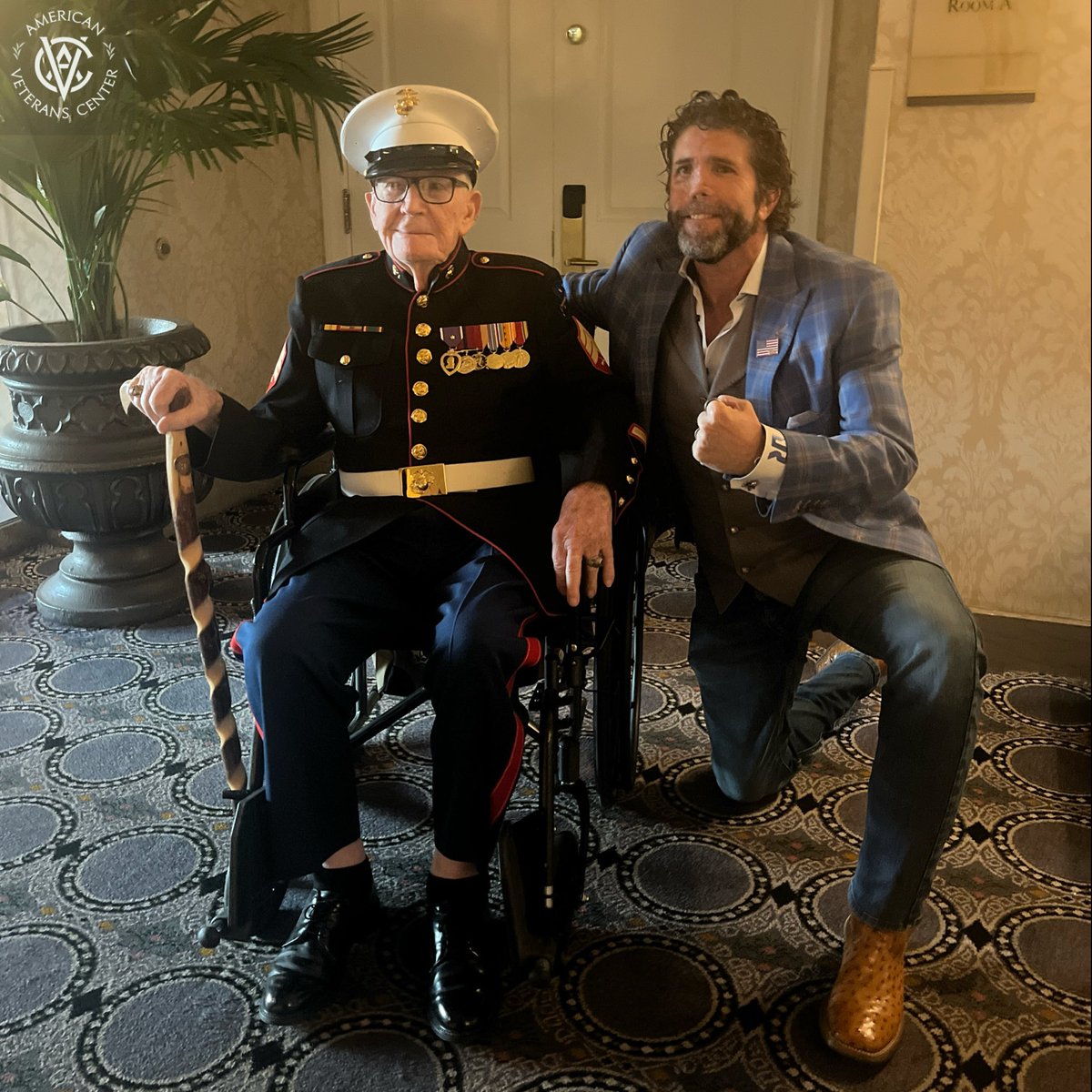
Absolutely amazing to meet this WWII hero! 🇺🇸🫡
American Veterans Center@AVCupdate

March 6, 1945 | D+15, Battle of Iwo Jima Two weeks after the brutal D-Day landings on February 19, and nearly two weeks since the flag rose on Mount Suribachi, the fight was far from over. Marines pushed deeper into the island's northern hellscape—volcanic ridges, fortified caves, and the notorious "Meatgrinder" around Hill 382—where every advance meant blasting bunkers, clearing tunnels with flamethrowers, and trading fire in savage close combat. Casualties mounted daily as Japanese defenders refused to yield an inch. Marine Raider Frank Wright was in the thick of it. Enlisting at just 16, he'd already survived malaria after Guadalcanal, then ferocious hand-to-hand fighting and multiple bayonet wounds on Guam. Recovering barely in time, he landed on Iwo Jima and charged into the grinder at Hill 382, a 382-foot-high fortified knob that formed the heart of this deadly complex—along with nearby Turkey Knob and the Amphitheater. This was a maze of interconnected tunnels, bunkers, pillboxes, and machine-gun nests that made it one of the toughest objectives on the island. During the intense close-quarters fighting at Hill 382, machine-gun rounds tore through Frank severely wounding him and forcing his evacuation. Despite these wounds, Frank Wright managed to survive. His raw account captures the unrelenting terror and unbreakable grit that soldiers faced during the Battle of Iwo Jima.

English
1
5
21
1.2K
American Veterans Center
American Veterans Center@AVCupdate·
A WWII POW and Vietnam POW share both of their experiences serving in the military. SSG Lester Schrenk served as a ball turret gunner on a B-17 bomber crew with the 92nd Bomb Group of the Mighty Eighth Air Force. On his 10th mission - aboard the B-17 'Pot o' Gold', his bomber was badly damaged by a German JU-88 over Denmark. Bailing out, he was immediately captured and held prisoner at the Stalag Luft IV camp. Cpt. Eugene "Red" McDaniel's joined the U.S. Navy in 1955. While on his 81st mission in 1967, his A-6 Intruder was hit by a rocket forcing him and his bombardier-navigator to eject over North Vietnam. McDaniel was captured and interrogated on the ground and ultimately transferred to Hoa Lo Prison, infamously known as the "Hanoi Hilton".
English
0
3
10
612
American Veterans Center
American Veterans Center@AVCupdate·
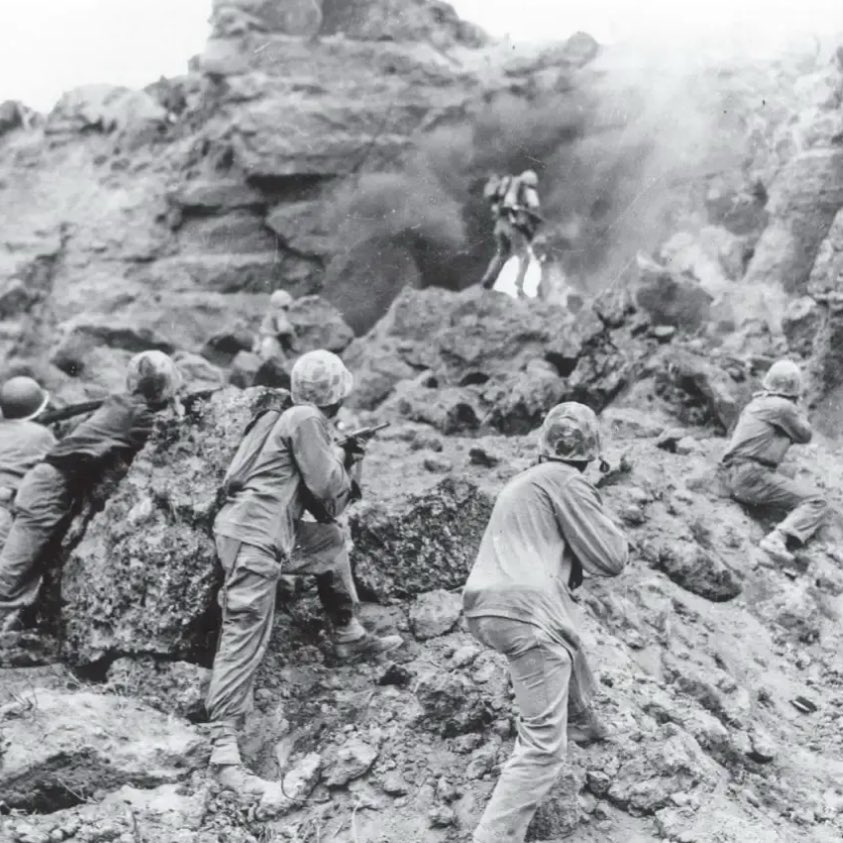
March 6, 1945 | D+15, Battle of Iwo Jima Two weeks after the brutal D-Day landings on February 19, and nearly two weeks since the flag rose on Mount Suribachi, the fight was far from over. Marines pushed deeper into the island's northern hellscape—volcanic ridges, fortified caves, and the notorious "Meatgrinder" around Hill 382—where every advance meant blasting bunkers, clearing tunnels with flamethrowers, and trading fire in savage close combat. Casualties mounted daily as Japanese defenders refused to yield an inch. Marine Raider Frank Wright was in the thick of it. Enlisting at just 16, he'd already survived malaria after Guadalcanal, then ferocious hand-to-hand fighting and multiple bayonet wounds on Guam. Recovering barely in time, he landed on Iwo Jima and charged into the grinder at Hill 382, a 382-foot-high fortified knob that formed the heart of this deadly complex—along with nearby Turkey Knob and the Amphitheater. This was a maze of interconnected tunnels, bunkers, pillboxes, and machine-gun nests that made it one of the toughest objectives on the island. During the intense close-quarters fighting at Hill 382, machine-gun rounds tore through Frank severely wounding him and forcing his evacuation. Despite these wounds, Frank Wright managed to survive. His raw account captures the unrelenting terror and unbreakable grit that soldiers faced during the Battle of Iwo Jima.
American Veterans Center tweet mediaAmerican Veterans Center tweet media
English
1
5
16
1.9K
American Veterans Center
American Veterans Center@AVCupdate·
After the attack on Pearl Harbor, Patrick Zilliacus would lie about his age and enlist in the United States Navy. He would eventually become a torpedoman on the USS Spot (SS-413) and join two other submarines in a hunter-killer group patrolling the Pacific. Here he explains how submarine combat worked back in WWII.
English
0
2
8
237
American Veterans Center
American Veterans Center@AVCupdate·
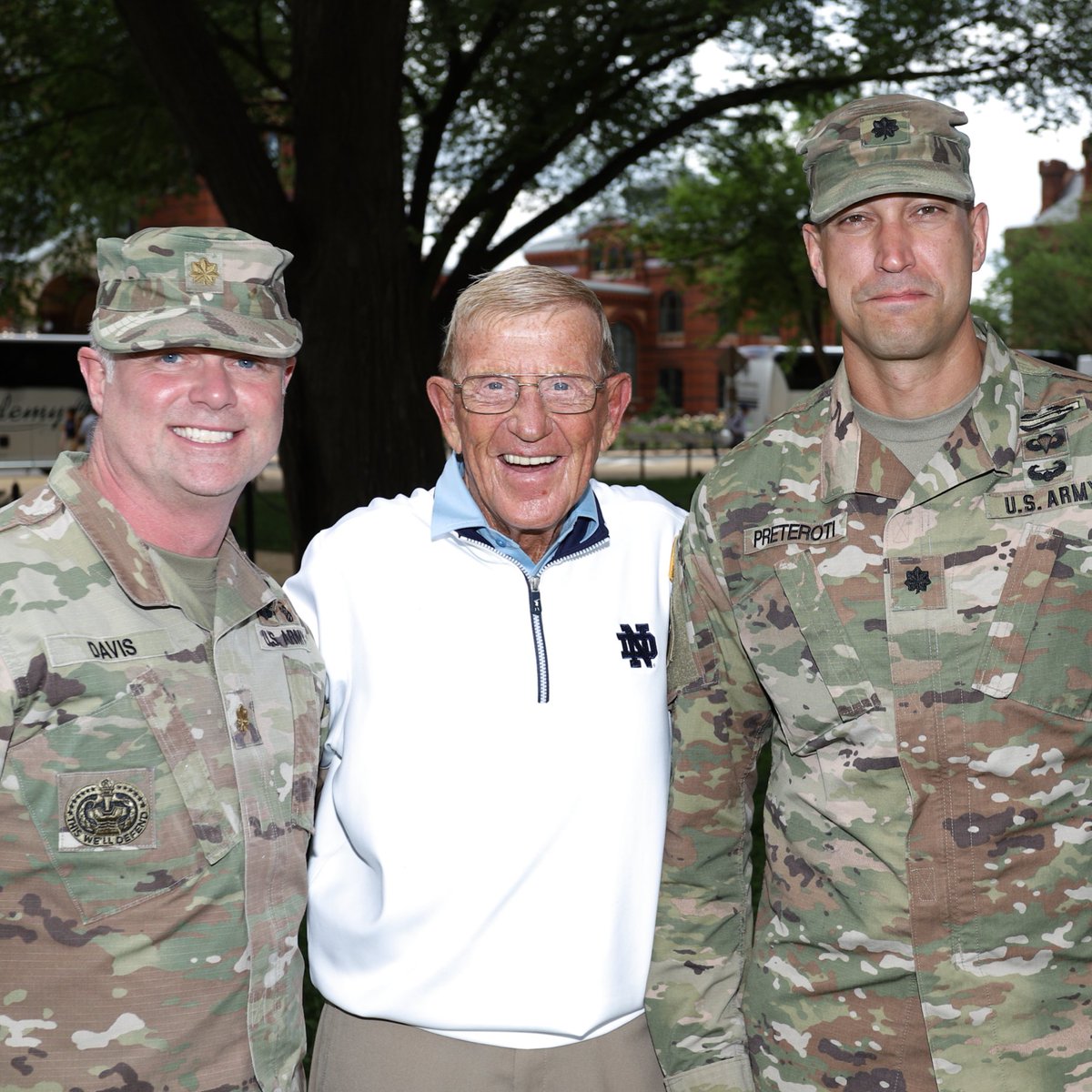
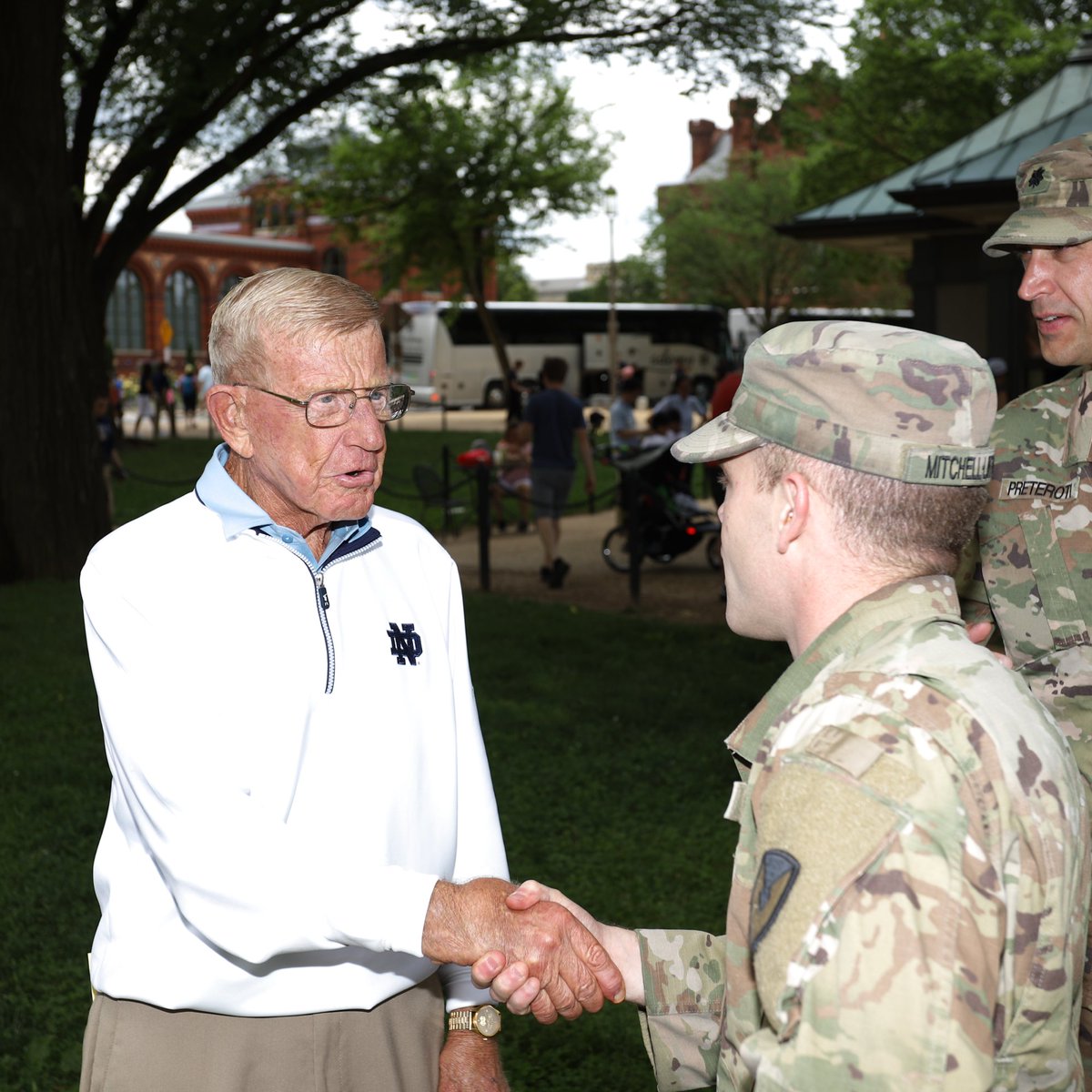
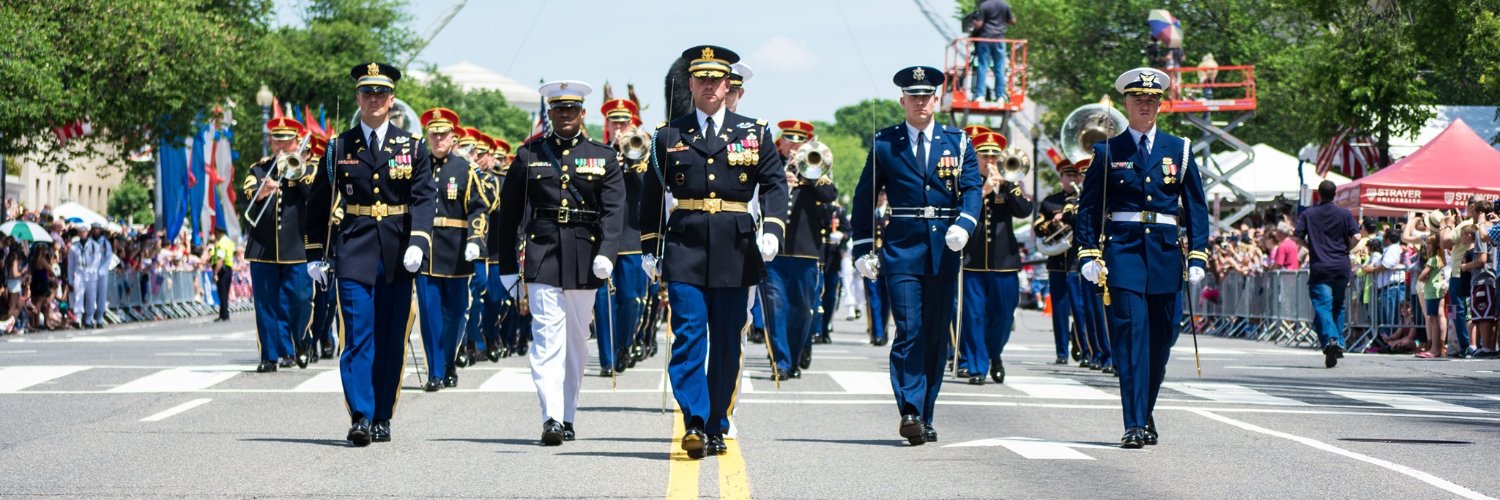
We are saddened to hear about the passing of U.S. Army Veteran, College Football Hall of Famer, and legendary sports commentator Lou Holtz who left us today at 89. From his days serving in the U.S. Army to coaching Notre Dame to the 1988 national title and lighting up the sports booth, Coach Holtz always showed up when it mattered most — including honoring the fallen at the AVC annual National Memorial Day Parade back in 2019. Rest in peace, Coach.
American Veterans Center tweet mediaAmerican Veterans Center tweet media
English
1
1
8
201
American Veterans Center أُعيد تغريده
American Veterans Center
American Veterans Center@AVCupdate·
Today we shared on our YouTube channel a conversation between WWII prisoner of war, Lester Schrenk, and Vietnam prisoner of war, Red McDaniel. Shortly after the video was posted we learned that Les passed away this morning. While we are terribly saddened by the loss of our friend Les, we are incredibly grateful that both of these gentlemen sat down with us for this interview this past November, especially now that we know it was the last chance we would get to record this conversation.
English
2
2
9
508
American Veterans Center
American Veterans Center@AVCupdate·
Today we mourn the loss of WWII Veteran Lester Schrenk, the courageous ball turret gunner who passed away at the age of 102. Born on November 16th 1923, Lester decided to join the U.S. Army Air Forces on his 19th birthday in November 1942. Squeezed into the tiny, exposed belly turret of a B-17—often called the deadliest position in the sky—Lester flew 10 harrowing missions with the 8th Air Force’s 92nd Bomb Group before his plane “Pot O’ Gold” was shot down over Denmark in 1944. He calmly exited the turret (a decision that saved his life, as many gunners perished trapped inside during crashes), bailed out, survived a brutal landing, and endured 15 months as a POW, including terrifying interrogations, starvation, and the infamous 800-mile death march where stragglers were shot. May he rest in peace.
American Veterans Center tweet mediaAmerican Veterans Center tweet media
English
4
4
9
334
American Veterans Center
American Veterans Center@AVCupdate·
4x Super Bowl Champion and Vietnam Veteran Rocky Bleier explains the horrific injuries he sustained while in combat.
English
0
0
6
470
American Veterans Center
American Veterans Center@AVCupdate·
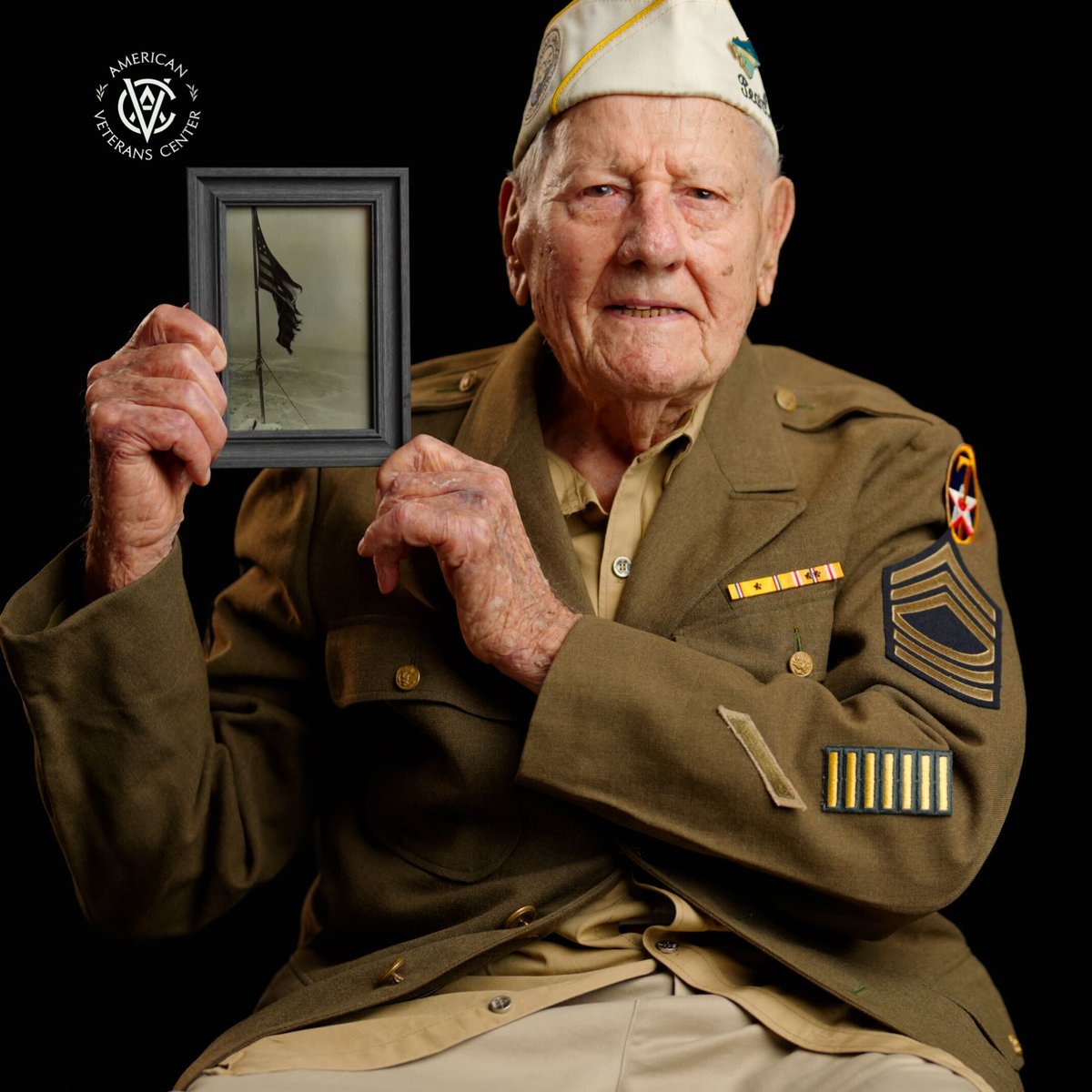
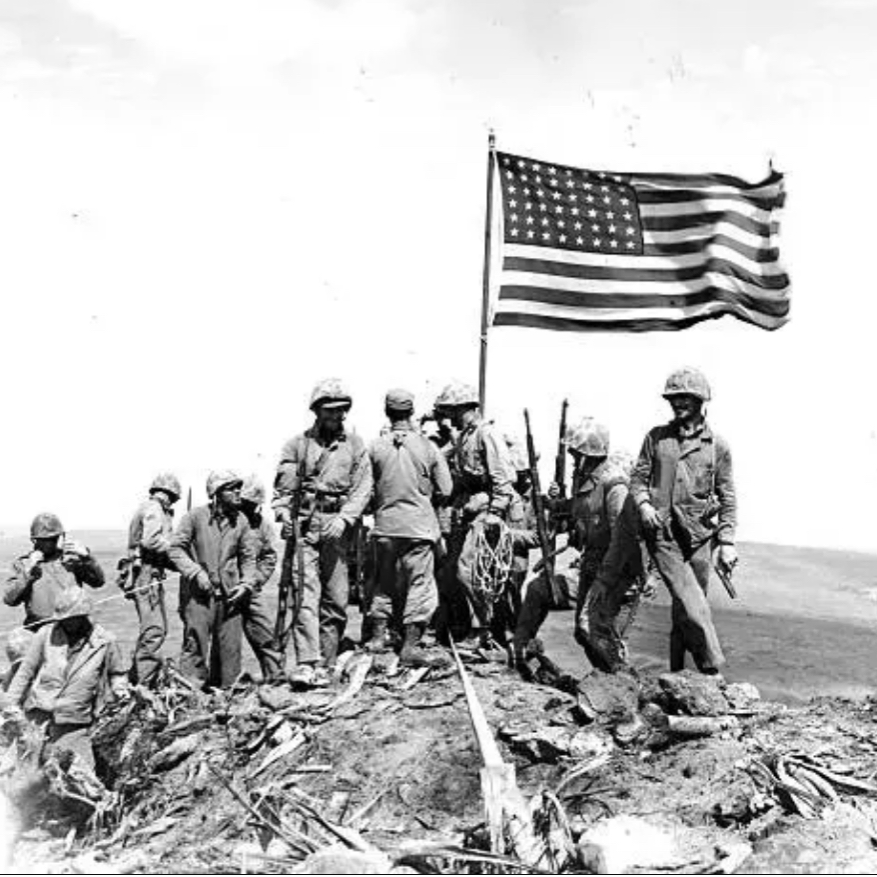
WWII Veteran Ed Miklavcic talks about how he has the original photo of the first flag raising on Iwo Jima and how that photo still remains on his dresser today at 105 years old.
English
0
3
10
348
American Veterans Center
American Veterans Center@AVCupdate·
February 27, 1945 | D+8, Battle of Iwo Jima The flag was already flying on Mount Suribachi, but the real fight was just beginning. Marines were grinding forward through volcanic ash, caves, and bunkers while the island continued to bleed. U.S. Army Air Force Veteran Ed Miklavcic was right in the middle of it. After surviving the surprise attack on Pearl Harbor at Wheeler Field on December 7, 1941, Ed landed on Iwo Jima on D+4 (February 23), tasked with rapidly building and operating the airfields that would help end the war. Black sand swallowed equipment overnight. Salt air corroded guns and planes so badly they had to be dismantled and cleaned every single day. Japanese counterattacks so close that cartridge casings landed on the runway and the constant roar of battle was just yards away. “We never backed down… gung-ho straight ahead.” He saw the piles of fallen Marines — thousands of bodies stacked five deep in the sand because there was no time or space for proper burials. He witnessed the first flag going up on Suribachi and kept a rare private photo of that moment on his dresser for the rest of his life. It's still there, and so is Ed, now 105 years old. Ed left Iwo Jima on August 6, 1945 — the exact day the atomic bomb was dropped on Hiroshima.
American Veterans Center tweet mediaAmerican Veterans Center tweet media
English
0
2
9
208
American Veterans Center
American Veterans Center@AVCupdate·
WWII Veteran Charles Cram would have a harsh introduction to combat as he landed alongside Marines on the shores of Iwo Jima. A witness to the famous flag raising on Mt. Suribachi, Cram would spend perilous days and nights fighting and treating the wounded. During the battle, Cram was shot by an enemy sniper in the leg. Refusing to evacuate the battlefield he continued to help wounded Marines and received the silver star for his heroic actions. He shares what the only souvenir he managed to keep from Iwo Jima.
English
0
1
6
197