

Aside
53 posts

Aside
@AsideAI
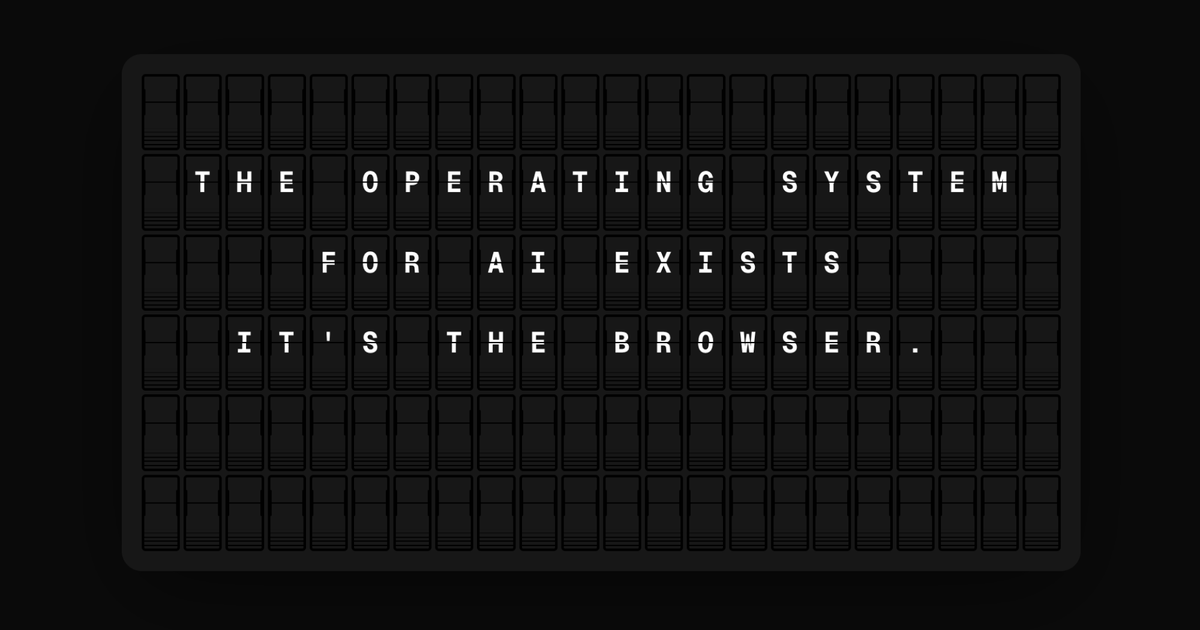
THE OPERATING SYSTEM FOR AI EXISTS AND IT'S THE BROWSER.
San Francisco انضم Nisan 2024
22 يتبع1.1K المتابعون
Aside أُعيد تغريده

we started YC as an AI sales call assistant. we were wrong
now we're building: a browser you don't have to use.
wait WTF is this pivot? here's the story:
real-time AI in sales calls breaks in practice. we had to deliver answers within ~0.8s, with high accuracy. today's models can't do both.
the only way is to connect everything: HubSpot, Slack, past calls.
but who would do that for a new AI agent? it never really works.
meanwhile, our team's strength was very clear:
we're good at crafting products with deep engineering.
e.g. we didn't use Electron. we forked Chromium and modified the Blink engine just to support Liquid Glass.
but sales wasn't where this mattered
and honestly, we didn't enjoy building sales tools
bc my dream since age 9 was building a software everyone uses
then we realized: our work lives in browser tabs
and if we already know how to fork Chromium, why not build the browser?
so we’re building a new kind of browser that:
- as beautiful as Arc
- as light as Firefox
- can run long tasks like Claude
- as proactive as OpenClaw
coming soon.
+ we're hiring:
- design engineer
- agent harness engineer
if you want to build the browser everyone uses in 5 years, DM me > aside.computer
English
Aside أُعيد تغريده
Aside أُعيد تغريده

Aside أُعيد تغريده

Aside أُعيد تغريده

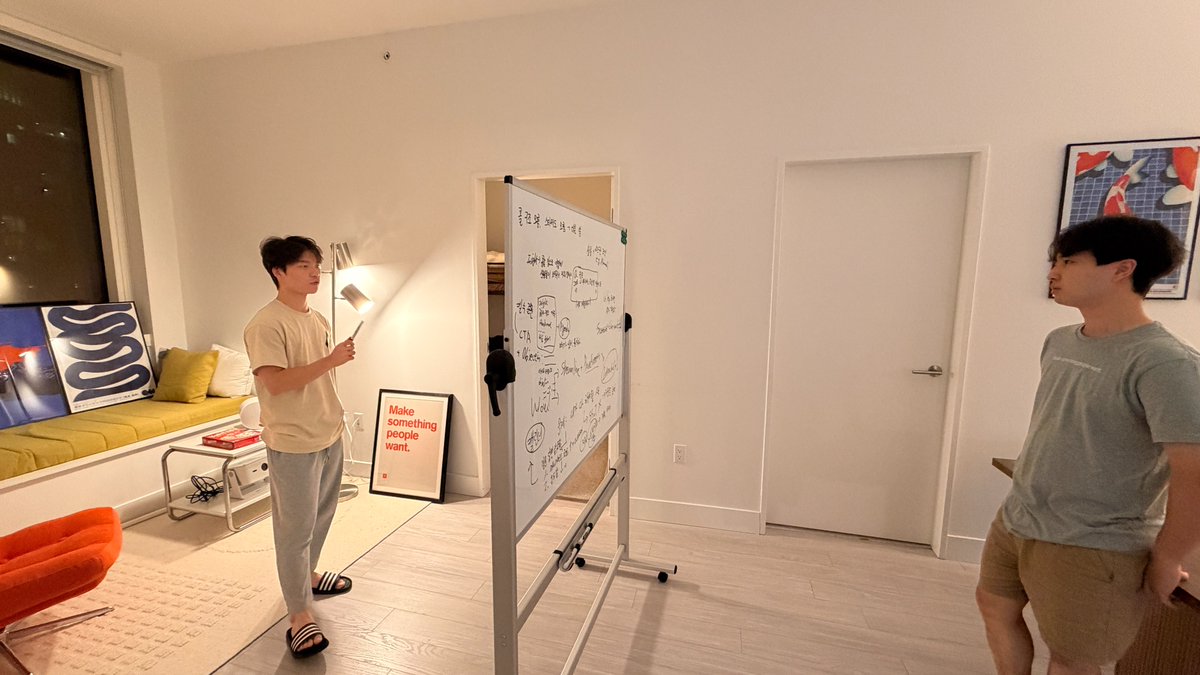
[Whiteboard has two sides: Bidirectional explanation matters]
You have an idea and want to build it as soon as possible. But when you build something together, whether with people or even with AI, the result often comes out in such a different way.
This happens because everyone is imagining different things. When you say [a red circle], one person thinks of [an apple] and another thinks of [a stop sign]. So it becomes important to make everyone hold the same image as you. How can we do that?
In @AsideAI, we use the whiteboard with "both sides."
1) A (the one with the idea) starts writing and explaining, and B writes what they understood on the other side.
2) B explains their version, and A marks differences or misunderstandings.
3) A and B look at A's side together and calibrate.
4) After a few iterations, turn it into a prompt-like text and start working.
You might think this slows us down. But in my experience, most tasks get slow because people don't really know what they are doing. You end up fixing things, rebuilding logic, and dealing with edge cases that pop up later.
Explain things in a bidirectional way. People stay aligned, and you catch pitfalls much earlier.
English
Aside أُعيد تغريده
so… @ycombinator demo day wrapped. back to coding.
Introducing: Ask @cursor_ai
Product changes so fast, but docs take time to catch up. With Cursor's Cloud Agent API, @AsideAI pulls answers from your codebase, so your calls stay up to date.
Coming soon!
English
Introducing: 𝙵𝚘𝚕𝚍𝚎𝚛𝚜 @AsideAI
With folders, you can organize your meetings and manage access much more easily.
We've considered calling them [tags], but we chose [folders] because it was more familiar and intuitive.
Even though YC demo day is tomorrow, we keep building and shipping fast.

English

Aside أُعيد تغريده

Aside أُعيد تغريده
Aside أُعيد تغريده

Aside أُعيد تغريده

Aside أُعيد تغريده
