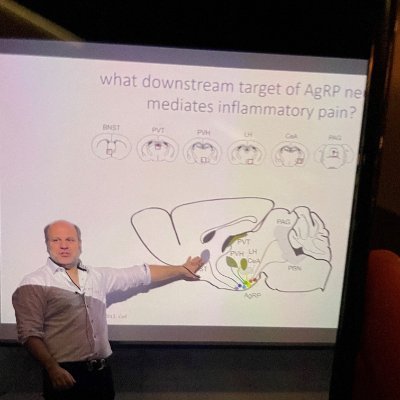
The Betley Lab at UPenn
45 posts

The Betley Lab at UPenn
@BetleyLab
The Betley lab at Penn is focused on understanding how signaling between the body and the brain control our needs and behaviors and ultimately our health.
Philadelphia, PA انضم Aralık 2024
87 يتبع143 المتابعون

The most fun hour of my week!
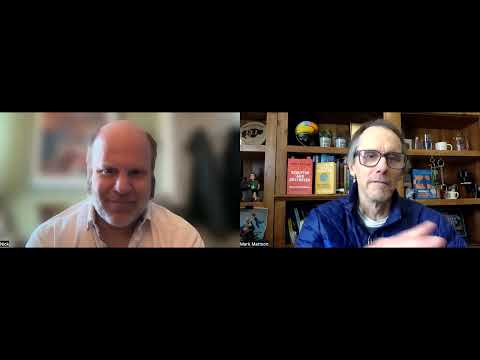
I had the privilege to join @MarkMattson’s podcast “BRAIN PONDERINGS” this week!
youtube.com/watch?v=4e7bpA…
There are many insightful discussions with world leaders on this podcast – a treasure trove of information!

YouTube
English

Excited to share a recent national geographic article on the brain and exercise that highlights our research! Super grateful to Bethany Brookshire for her enthusiastic, tireless, and thoughtful article.
nationalgeographic.com/health/article…
English

Thanks to Nathi Magubane and the Penn Today team for the write up on our recent study!
We are excited to see where this leads!
penntoday.upenn.edu/news/no-brain-…
English

@hubermanlab @Brady_H While the field suggests the VMH has intermingled neurons that are involved in rage and mating, some of our experiments suggest they might not be so clearly defined. Plus, anabolic steroids also have side effects of...rage and sex drive changes? Maybe brain doping is possible???
English

Very cool indeed. Covered in an upcoming HLP. VMH is loaded with neurons controlling rage and mating too & it’s salt and pepper mix so I doubt there will ever be direct and selective stimulation methods for humans but the neural aspect to exercise adaptation is a fundamental takeaway. And makes sense.
English

This study is already my candidate for “coolest scientific finding of the year.”
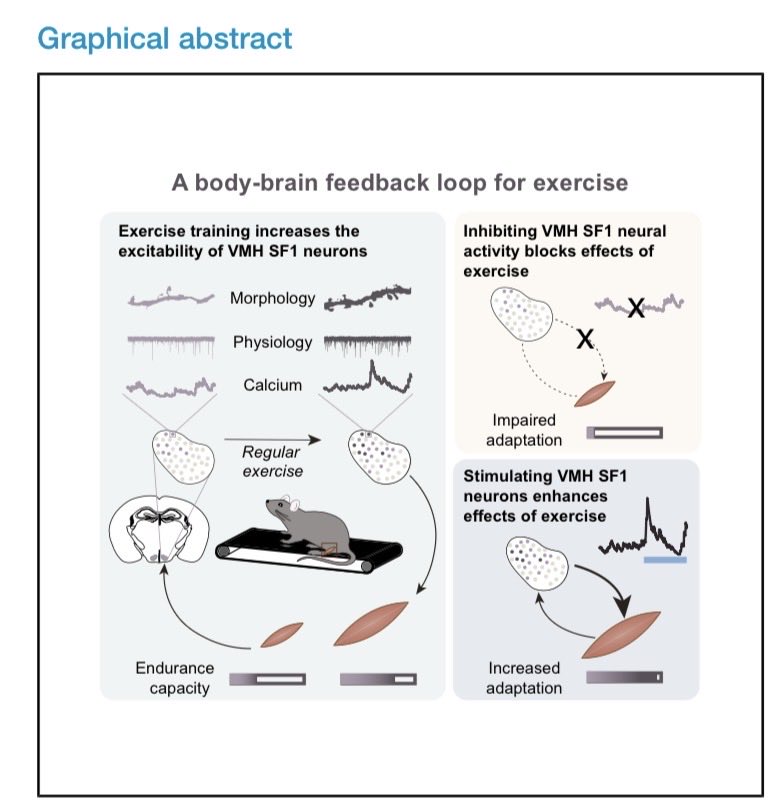
It finds that the brain—specifically a set of neurons in the ventromedial hypothalamus (VMH)—is a key intermediate for improvements in endurance capacity.
1. Exercise strengthens inputs to and increases the activity of these SF1 neurons in the VMH.
2. Activation of SF1 neurons following exercise is required to improve endurance.
3. Exogenous activation of SF1 neurons following exercise enhances endurance gains (while inhibition of them diminishes adaptations).


English

@Brady_H finding the unexpected is always remarkable. We are glad everyone is finding this fascinating. Next step...figure out if this can indeed be brain doping for exercise.
English

Thanks for highlighting our work – we realized that the brain was central to exercise when we first observed how active it becomes after exercise.
Brady Holmer@Brady_H
This study is already my candidate for “coolest scientific finding of the year.” It finds that the brain—specifically a set of neurons in the ventromedial hypothalamus (VMH)—is a key intermediate for improvements in endurance capacity. 1. Exercise strengthens inputs to and increases the activity of these SF1 neurons in the VMH. 2. Activation of SF1 neurons following exercise is required to improve endurance. 3. Exogenous activation of SF1 neurons following exercise enhances endurance gains (while inhibition of them diminishes adaptations).
English

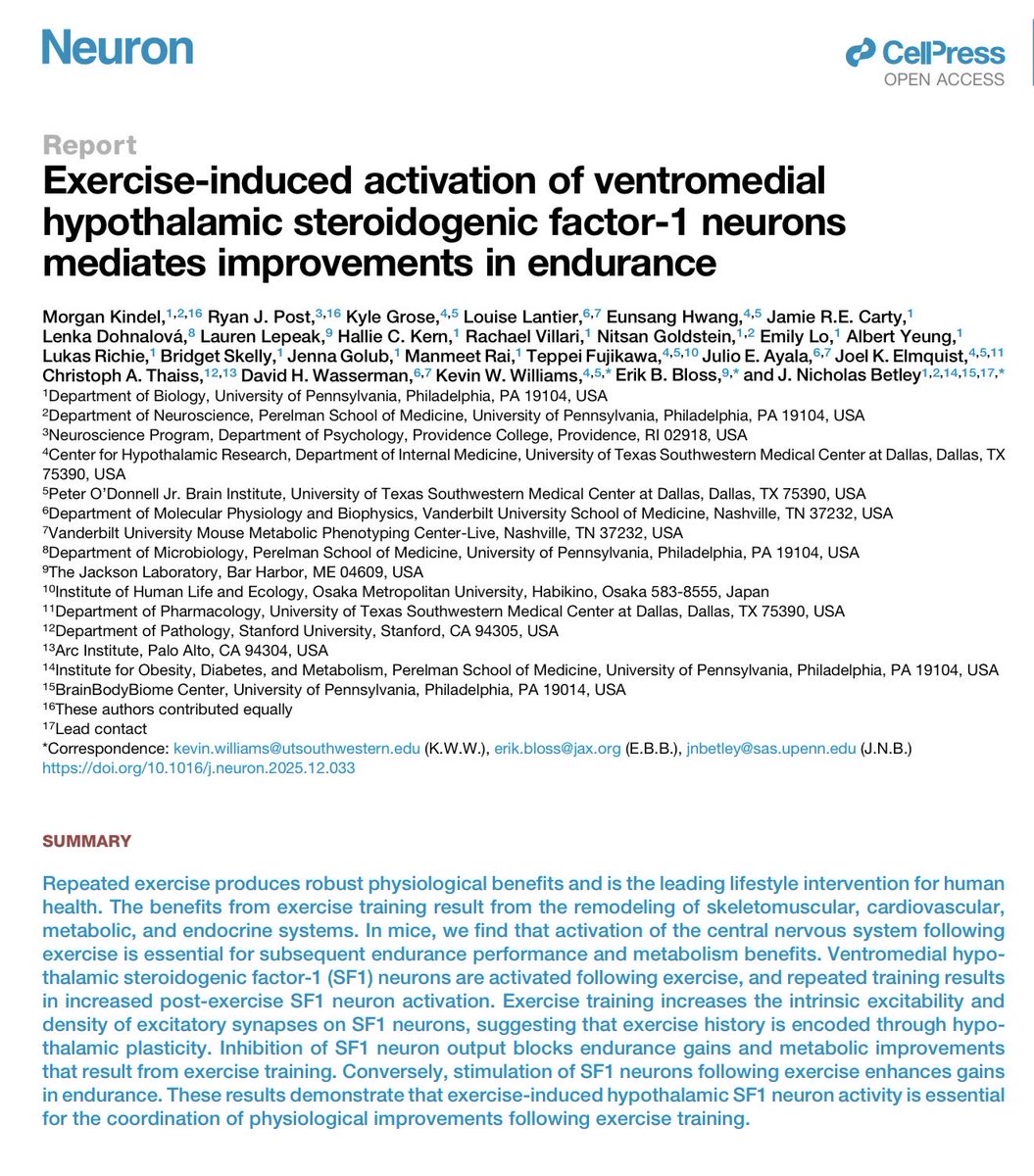
Read the full report 📄 cell.com/neuron/fulltex…
DOI: 10.1016/j.neuron.2025.12.033
Congrats to first authors Morgan Kindel & Ryan Post + all collaborators!
#Neuron #Neuroscience #Exercise
English
The Betley Lab at UPenn أُعيد تغريده

Exercise pumps up your muscles — but it might also be pumping up your neurons
go.nature.com/4qxrMmC
English

Always fun to collaborate with the Thaiss Lab and excited about what’s next. If you’re interested in how the gut rapidly sends health signals to the brain, read the review: authors.elsevier.com/c/1mUfe3BtfHC-… #gutbrainaxis #interoception
English