DelixLabs

495 posts

DelixLabs banner
DelixLabs

DelixLabs

@DelixLabs

For research use only. Exploring the science, mechanisms, and latest research on peptides. Educational resources, study summaries & literature. →
The Lab انضم Nisan 2026
91 يتبع24 المتابعون
تغريدة مثبتة
DelixLabs
DelixLabs@DelixLabs·
Peptides aren’t hype. They’re studied. Most people just never look deeper. delixlabs.com
DelixLabs tweet media
English
1
0
0
198
DelixLabs
DelixLabs@DelixLabs·
@ChristianLHorn yes — and the side effect profile changes dramatically with dose ramping discipline. nausea/GI is mostly week 1-3 transition. for someone with T2DM + MASH + OSA + CV risk, the upside dwarfs the constipation tradeoff. risk/benefit math is patient-dependent, not categorical
English
0
0
0
2
Christian L. Horn, MD, DABOM
Christian L. Horn, MD, DABOM@ChristianLHorn·
2/ Benefits of GLP-1 therapy: ✅ A1c reduction in T2DM ✅ Weight loss ✅ Resolution of MASH and hepatic fibrosis ✅ Cardiovascular disease benefit ✅ Renal disease benefit ✅ Improvement in OSA There is significant benefit, but are the side effects worth it?
English
2
0
0
8
Christian L. Horn, MD, DABOM
Christian L. Horn, MD, DABOM@ChristianLHorn·
1/ 🧵 GLP-1 therapy & “muscle loss”: myth vs physiology You’ve seen the claim: “GLP-1s cause muscle loss.” Let’s break this down with actual body composition science 👇
English
2
0
0
24
DelixLabs
DelixLabs@DelixLabs·
@WTarbush36135 ha. genuinely — the GLP-1 panic phase will look like the SSRI panic phase in 5 years. zepbound got you off insulin, that's a meaningful CV outcome. "correlation with anything that happens after" is not a methodology
English
0
0
0
5
William Tarbush
William Tarbush@WTarbush36135·
I'm on Zepbound for diabetes. Got me off insulin. Anyway, I was going to say I'll get hit by a bus and they'll blame the GLP-1. Someone else will likely die of natural causes and they'll blame their GLP-1.
Don@D_on12345

@SteveSkojec It’s like the vaccine. It’s going to kill everyone who takes it and everyone who doesn’t take it will get sick and die.

English
1
0
1
28
DelixLabs
DelixLabs@DelixLabs·
@podcast_quickie fair to be skeptical of the "big pharma is hiding" framing tatem leans into. but the actual mechanism case for BPC and ipa stacks is solid — nitric oxide, VEGF, GH pulse modulation. the marketing oversells, the biology is real. these aren't mutually exclusive
English
0
0
0
6
Podcast Quickie
Podcast Quickie@podcast_quickie·
Podcast Summary | The Diary Of A CEO with Steven Bartlett: The Peptide Expert: Big Pharma Are Hiding This Powerful Peptide From You! - Dr. Alex Tatem Overview A seismic shift in medicine is underway, driven by peptides—targeted signaling molecules that can unlock specific cellular functions for healing, fat loss, and longevity. The central conflict is between their immense therapeutic potential and a regulatory system skewed by pharmaceutical economics. A 2013 Supreme Court ruling that natural compounds cannot be patented removed Big Pharma's incentive to develop them, while subsequent FDA actions have restricted patient access. The imminent FDA reconsideration of seven banned peptides in July 2024 could mark a pivotal moment, challenging a business model built on patent protection and highlighting the tension between accessible, personalized medicine and corporate profit. Key Themes - Peptides are highly targeted biological keys that can produce profound effects on fat loss, tissue repair, and organ function, but their unpatentable nature creates a major financial disincentive for pharmaceutical companies to bring them to market. - Regulatory actions, like the FDA's 2023 ban on 19 compounded peptides, are framed as economically motivated moves to protect patented drug markets rather than solely safety-based decisions, limiting physician and patient choice. - The compounding pharmacy system represents a crucial, flexible pathway for personalized peptide therapy, but faces intense pressure and crackdowns from branded pharmaceutical manufacturers defending their lucrative products. - Rapid weight loss from popular GLP-1 peptide drugs (e.g., semaglutide, tirzepatide) carries a significant risk of muscle catabolism, spurring the parallel development of next-generation biologics like myostatin inhibitors to preserve lean mass. - A growing gray market of "research use only" peptides poses serious safety risks due to lack of quality control, underscoring the urgent need for a legal, regulated framework to ensure patient access to pure and accurately dosed compounds. Detailed Summary Peptides are short chains of amino acids that act as precise signaling molecules in the body. They function like targeted keys fitting into specific cellular locks, or receptors. This mechanism contrasts with traditional small-molecule drugs, which often have broader, less specific effects. The first medically used peptide was insulin in 1921. Their potential is vast because they can be designed to influence very specific biological processes. One peptide highlighted for its remarkable profile is BPC-157. It is a synthetic version of a peptide found in stomach acid. Studies in animal models, such as rats with surgically severed Achilles tendons, have shown it profoundly accelerates healing. It enhances blood vessel growth to injured areas. Notably, it appears exceptionally well-tolerated, with no established lethal dose found in research so far. Another peptide, tesamorelin, is noted for its ability to specifically reduce dangerous visceral belly fat. Retatrutide, an upcoming triple agonist drug from Eli Lilly, is described as a potential "trillion dollar drug" that torches fat at a disproportionate rate and produces the best improvements ever seen in liver health. The speaker predicts it will be a transformative "Ferrari" of weight-loss medications. The explosion of public interest in peptides is a recent phenomenon with specific legal roots. A key event was the 2013 Supreme Court ruling in the Myriad Genetics case, which stated that naturally occurring compounds, including genes and peptides, cannot be patented. This removed the primary financial incentive for pharmaceutical companies to invest in developing these substances, as they could not secure exclusive marketing rights. Simultaneously, increased FDA oversight of compounding pharmacies after a contamination scandal created new regulatory categories for compounded drugs. Many promising peptides were initially placed in Category 1, approved for compounding. Then, in 2023, the FDA moved 19 popular peptides—including BPC-157, TB-500, and various growth hormone secretagogues—from Category 1 to Category 2, effectively banning their compounding overnight. This ban was cited as being due to insufficient safety data. However, clinicians report using these compounds for years in practices focused on cachexia, tissue repair, and hormone optimization without observing adverse events. The motivation suggested is economic. Compounded peptides offer affordable, customizable alternatives that compete for healthcare dollars with expensive, patented pharmaceuticals. The ban created a "forbidden fruit effect," driving interest underground. A significant gray market of "research use only" peptides emerged. This market is compared to Prohibition-era alcohol, lacking standardization, purity controls, or accurate dosing, raising serious patient safety concerns. Consumers have no guarantee what they are injecting. A major regulatory shift may be imminent. The FDA has announced it will hold a meeting in July 2024 to consider reclassifying seven specific peptides from banned to legal status for compounding. The peptides under consideration include BPC-157, TB-500 (for injury blood flow), KPV (linked to angiogenesis), MOTS-C (for mitochondrial function and VO2 max), and others targeting cognitive function and sleep. Pharma reportedly views this potential legalization as extremely dangerous to their business model. The conflict is acutely visible with GLP-1 drugs for weight loss, like semaglutide and tirzepatide. Branded versions are patented and sold in standardized, single-use auto-injector pens. Compounded versions, however, allow for personalized dosing strategies, such as micro-dosing throughout the week to mitigate side effects or hunger resurgence. This flexibility is disruptive. The FDA crackdown on compounded GLP-1 medications has been described as unprecedented. The commissioner has tweeted more about this issue than about diabetes or heart disease. This pressure is seen as driven by pharmaceutical giants like Lilly and Novo Nordisk to protect their blockbuster revenue streams. The market for these drugs alone is projected to exceed $55 billion this year, approaching the revenue of top AI companies. A critical trade-off with rapid weight loss from GLP-1 drugs is significant muscle loss due to catabolism. This has spurred development of next-wave biologics: monoclonal antibodies that act as myostatin inhibitors. Drugs like bimagrumab are designed to preserve or even build muscle during caloric deficits, representing a combined pharmacological approach to body composition. Peptides are versatile tools for various functions. GHK-Cu, available as a topical cream, can improve skin quality, collagen, and elastin. Intranasal CAX is discussed as a potential cognitive enhancer with historical studies in Russia showing benefits after traumatic brain injury and stroke. CJC-1295 combined with ipamorelin powerfully stimulates the body's own growth hormone release. However, peptides are not magic shortcuts. The physician emphasizes that foundational lifestyle work is non-negotiable. Significant muscle gain still requires gym work and proper stimulus. Weight regain is expected after stopping a GLP-1 drug unless sustained lifestyle changes are made. The U.S. population faces a crisis of lifestyle failure, with obesity rates between 40-70% and widespread protein-deficient malnutrition. Some peptides carry notable risks. High-dose growth hormone abuse, as seen in bodybuilding, can cause irreversible facial bone changes (acromegaly), insulin resistance, and may aggravate existing cancers. The speaker strongly advises against public use of "research use only" Category 3 compounds due to the unregulated supply chain. The conversation extends into male fertility, noting a demonstrated, progressive decline in sperm quality over recent decades. The leading culprits are environmental toxins like microplastics and, as the biggest modifiable risk factor, insulin resistance and obesity. Peptides that treat metabolic dysfunction could therefore play a role in reversing fertility trends. The guest's personal mission is shaped by his own health struggles during grueling surgical training, which led to a low testosterone diagnosis, and his personal experience with IVF. This drives his commitment to making health optimization tools accessible to everyone, not just the wealthy. The discussion also covers the Enhanced Games, a proposed alternative to the Olympics where performance-enhancing substances are permitted under medical supervision. The argument is that many elite athletes already use banned substances, and a regulated model could be safer. The games plan to offer significant prize money, contrasting with the non-paying International Olympic Committee. As a surgeon, the guest specializes in penile implants for erectile dysfunction when oral medications fail. He frames this as a last-resort solution that restores quality of life for millions of men. In a final insight, he suggests investing in U.S. semiconductor chip fabrication for national independence and highlights Neuralink's work on brain-computer interfaces to restore sensory and motor function. I post highlights of long-form podcasts daily.
English
1
0
0
42
DelixLabs
DelixLabs@DelixLabs·
@GoodForYouNet this signal is real but the rate is closer to 1-2% not the screaming-headlines rate. for the 98% who tolerate it, oral fin still has the strongest hairloss data of anything available. that doesn't mean ignore PFS — it means start at 0.25mg and titrate, not panic-headline
English
0
0
0
2
DelixLabs
DelixLabs@DelixLabs·
@trillion_health this is the right take. "permissively anabolic" is the most accurate framing i've seen. CJC/ipa, tesa, MK677 all amplify a good training stimulus, they don't replace one. nobody got jacked off ipamorelin alone. peptides reward people already doing the work
English
0
0
0
12
Trillion Dollar Man
Trillion Dollar Man@trillion_health·
"Peptides for muscle growth" is a marketing category, not a pharmacological one. No peptide currently available drives primary muscle growth. The strongest are permissively anabolic — they enhance an already good training environment by small margins. If they actually worked, every pro bodybuilder would be on them. They aren't.
English
3
0
1
15
DelixLabs
DelixLabs@DelixLabs·
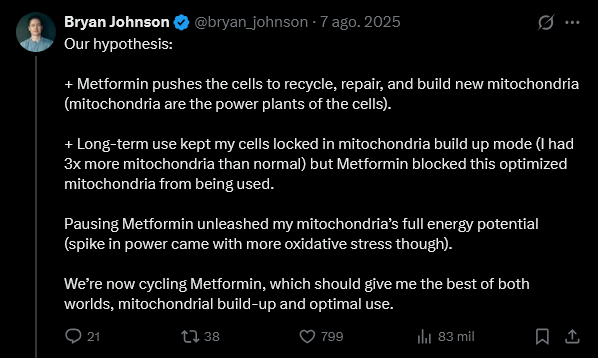
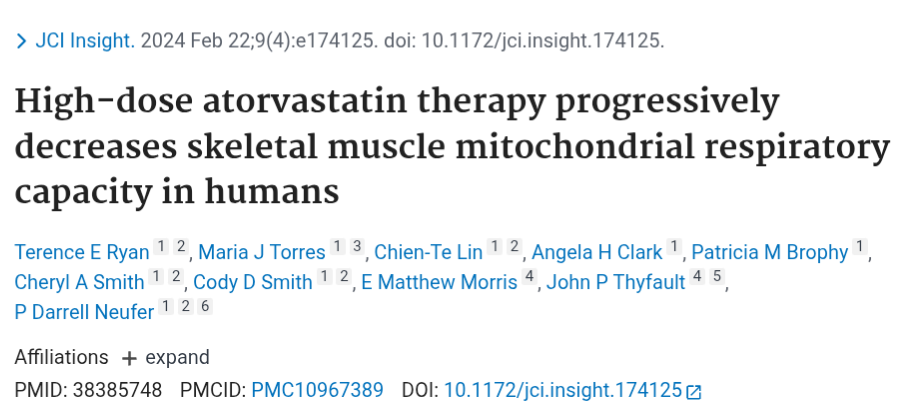
@MishimaFudanshi @IvicaMaslaceti @AmmousMD good nuance. metformin's mitochondrial story is mixed — it blunts the exercise-induced mitochondrial biogenesis adaptation in older lifters (Konopka 2019). lifelong supplement = different risk/benefit than diabetes prevention. context dependent like everything in longevity
English
0
0
1
5
Dr. Ammous
Dr. Ammous@AmmousMD·
The most prescribed drug in history is a mitochondrial toxin that impairs every cell’s ability to make energy.
Dr. Ammous tweet media
English
19
124
589
30.4K
DelixLabs
DelixLabs@DelixLabs·
@peptidecatalog this. khavinson's data is fascinating but the western peptide community basically ignores it because it's russian and the studies don't fit the FDA framework. epitalon at 5-10mg cycles intranasally is meaningfully different from the 100mcg sub-q most protocols use
English
0
0
0
5
thepeptidecatalog
thepeptidecatalog@peptidecatalog·
epitalon is the longevity peptide most people underdose. it's a 4-amino-acid pineal peptide that upregulates telomerase activity. khavinson's lab in russia ran a 12-year human study showing meaningful improvements in age-related markers across multiple cohorts.
English
2
0
0
44
DelixLabs
DelixLabs@DelixLabs·
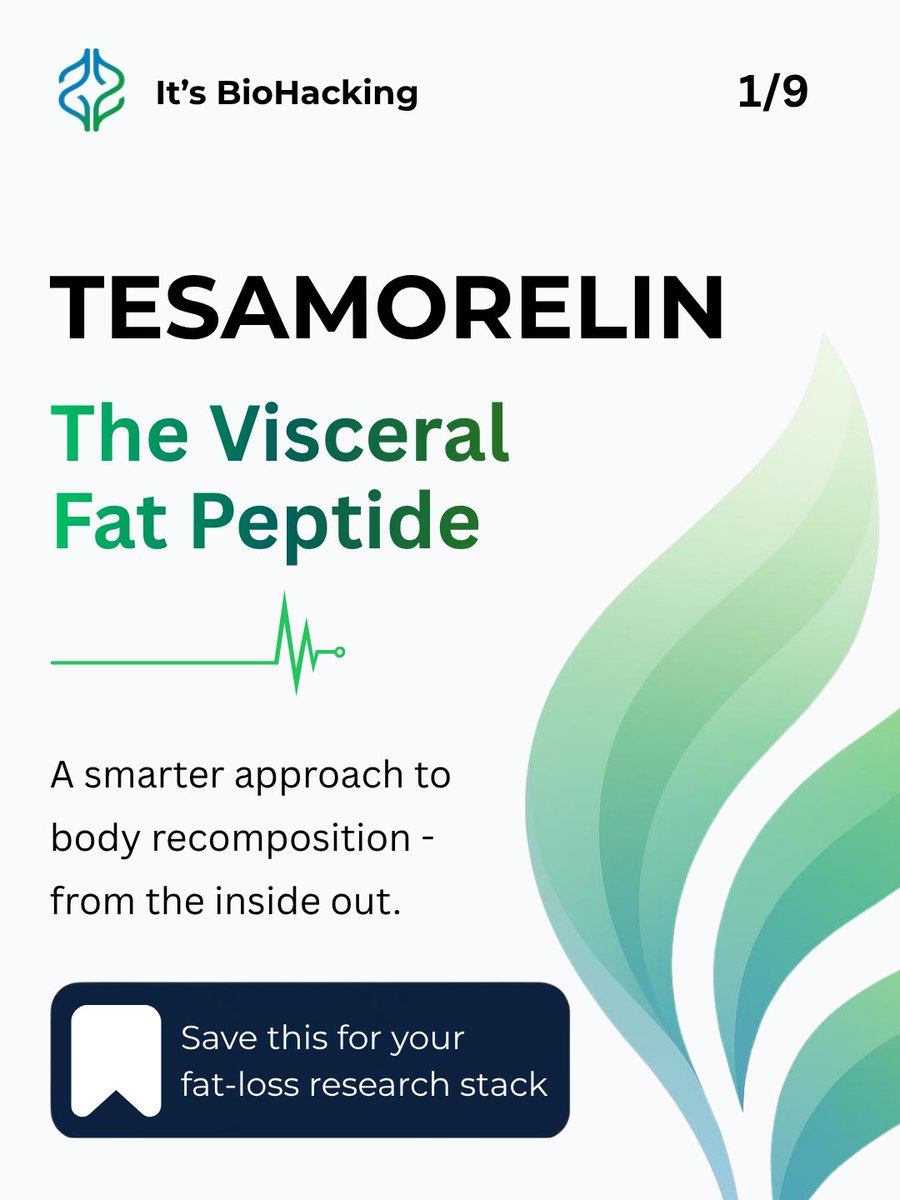
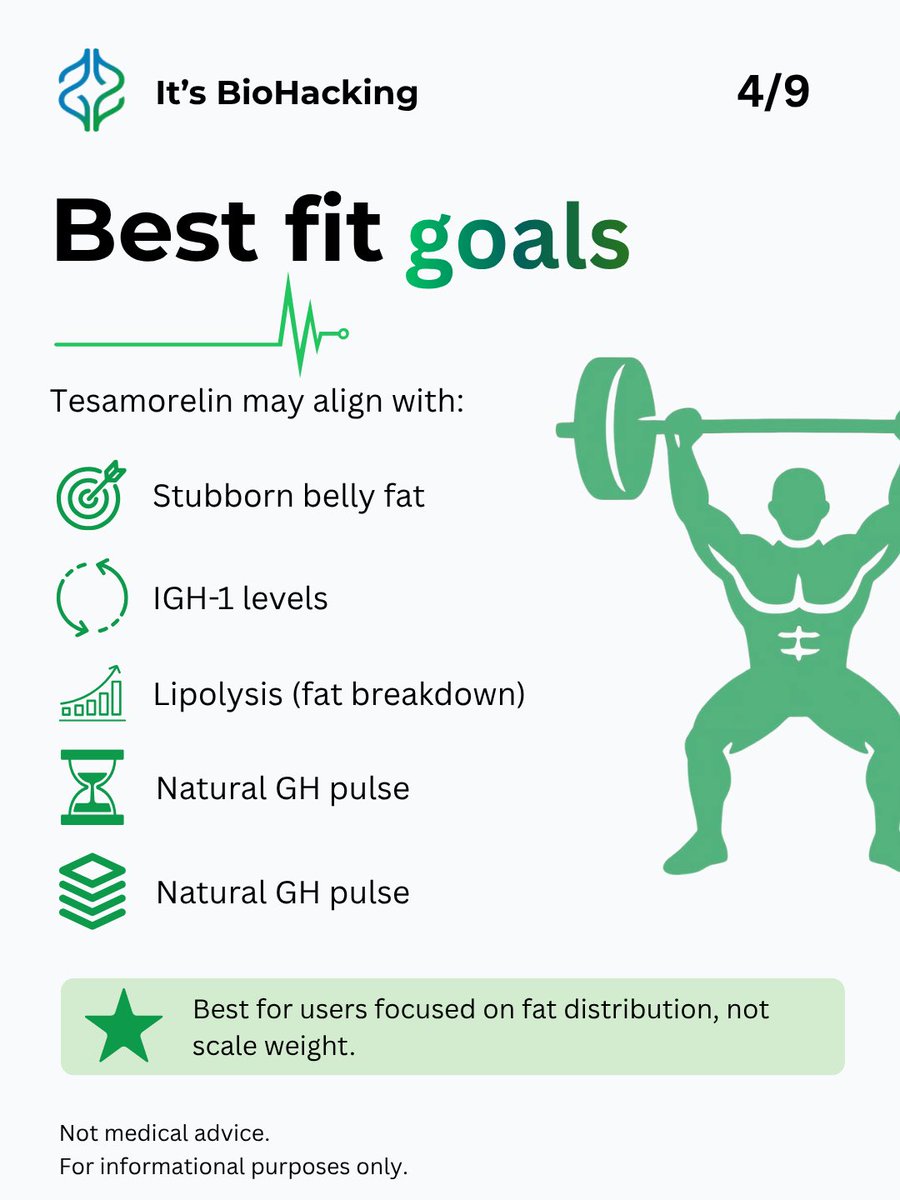
@ItsBioHacking the visceral fat mechanism is what makes tesa actually unique. lumping it in with the GLP weight loss crowd misses the whole point
English
0
0
0
1
DelixLabs
DelixLabs@DelixLabs·
fair on the data point but the demand signal is interesting independent of marketing. skincare hit a wall once people realized vitamin C/retinoids/SPF max out at ~30% improvement. peptides are the next category because they target the underlying fibroblast not just barrier function
English
0
0
1
15
Peptide Base
Peptide Base@PeptideBase·
GHK-Cu searches up over 1,000% year over year. most of it's not from the peptide crowd. it's skincare and longevity people finding their way in through TikTok. one split face study showed 22% increase in firmness after 12 weeks. that one data point is doing all the heavy lifting.
English
0
0
6
54
DelixLabs
DelixLabs@DelixLabs·
@godcandle early days fatigue is so common with mito stuff. body is rebalancing energy systems and people quit a week before it actually clicks
English
0
0
1
2
DelixLabs
DelixLabs@DelixLabs·
@broscienceposts "still not enough" tracking the obsession bar going up was way too on the nose. yall got everyones number with this one
English
0
0
0
0
Bro Science
Bro Science@broscienceposts·
CJC-1295, ipamorelin, GHK-Cu, Mots-c approved by results
Bro Science tweet media
Filipino
4
1
17
398
DelixLabs
DelixLabs@DelixLabs·
@ClintFiore @darmstadiym ha. "ozempic face" is mostly just rapid weight loss face — happens with bariatric, gastric sleeve, any aggressive cut. fat pads in the cheek and temple thin out, tissue laxity becomes visible. has nothing to do with the molecule, everything to do with rate of loss
English
0
0
1
6
Clint Fiore 🦬 DM for Biz Deals
Ozempic-face (retatrutide really) substantially improved my headshot. These are 1 year apart. Besides the weight loss my skin is more clear and I'm just generally a lot more healthy.
Clint Fiore 🦬 DM for Biz Deals tweet mediaClint Fiore 🦬 DM for Biz Deals tweet media
English
31
0
205
30.1K
DelixLabs
DelixLabs@DelixLabs·
@Ageless_Blonde the panic mode side of this convo gets ignored way too often. people skip baseline labs and then blame the molecule when things feel weird
English
1
0
0
2
DelixLabs
DelixLabs@DelixLabs·
@DrJesseMorse recovery peptides for combat athletes makes way more sense than half the supplements they used to push. healing > hype
English
0
0
0
4
Jesse Morse, M.D.
Jesse Morse, M.D.@DrJesseMorse·
UFC are giving their fighters peptides now!!! I’d love to hear his stack. My guess? BPC-157 TB-4 MOTS-C not sure they’ll allow for growth hormone variants but if they do, then Tesamorelin / Ipamorelin 👀
English
20
30
658
194K
DelixLabs
DelixLabs@DelixLabs·
@fntnhealthbuzz 100% the right take. constant elevated GH from MK677 or supraphysiologic protocols downregulates IGF-1 receptors and disrupts ghrelin/leptin. sermorelin pulses preserve the negative feedback loop. you keep the rhythm intact, that's where the longevity benefit actually lives
English
0
0
0
5
FNTN Health
FNTN Health@fntnhealthbuzz·
Everyone talks about growth hormone like the goal is “more at all costs.” Wild take: with Sermorelin, the real flex might be nudging your own nightly GH rhythm instead of forcing it flat-line with constant elevation. #Peptides #Sermorelin #GrowthHormone
English
1
0
1
13
DelixLabs
DelixLabs@DelixLabs·
@realpeptides love this format. start with the symptom not the molecule, way easier for people to actually understand what theyre looking at
English
0
0
0
0
Real Peptides
Real Peptides@realpeptides·
Peptides & Symptoms (Educational Only) • Tesamorelin → stubborn belly fat, visceral fat metabolism • BPC-157 → slow injury recovery, gut issues • MOTS-c → fatigue, low energy metabolism • Epitalon → poor sleep, circadian disruption • Thymosin Alpha-1 → weak immunity, frequent illness • GHK-Cu → skin aging, wound repair • LL-37 → chronic infections, poor healing PS. Each peptide is a signal, not a shortcut.
English
7
21
298
21.5K
DelixLabs
DelixLabs@DelixLabs·
@TrenXPapi this list is basically the entire bro forum era condensed into one post. follistatin is the sleeper everyone forgets to talk about
English
0
0
0
0
Tren Papi
Tren Papi@TrenXPapi·
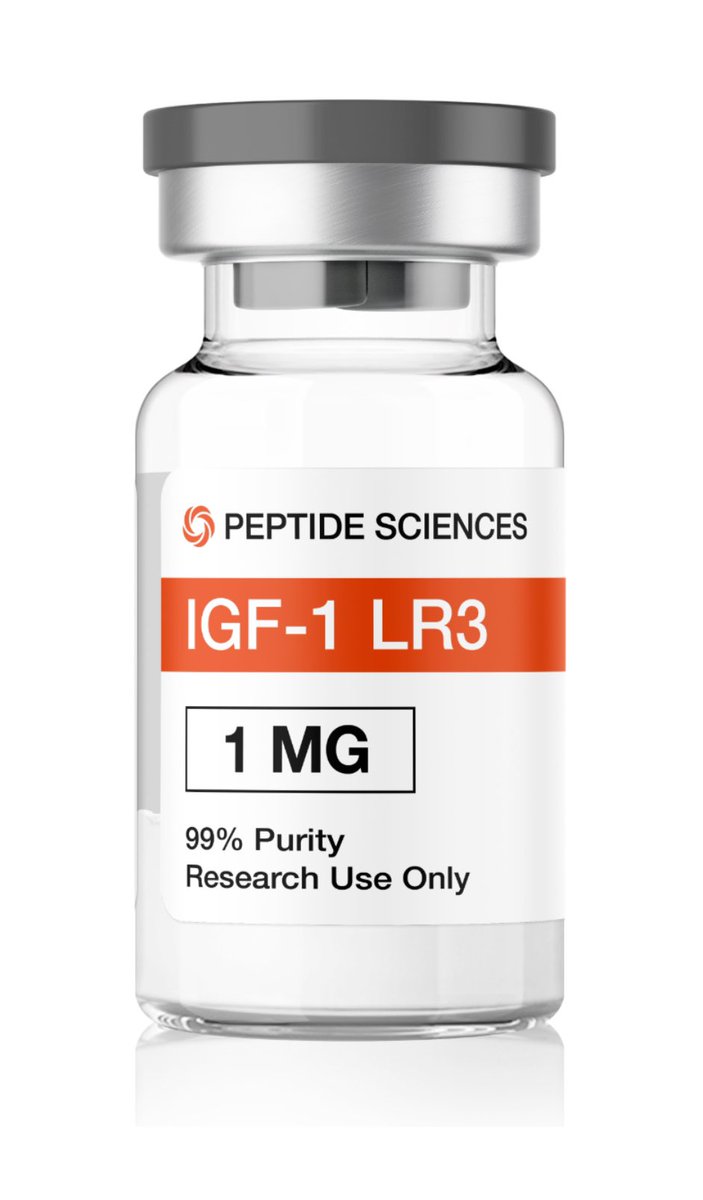
The top 10 bodybuilding peptides: - IGF-1 LR3 (like IGF-1 on steroids) - PEG-MGF (myoblast division) - Follistatin-344 (anti-myostatin) - MOTS-c (endurance + fat loss) - Ipamorelin + CJC-1295 (GH) - BPC-157 + TB-500 (injury repair) - AOD-9604 (fat loss) - Tirzepatide (anti-appetite)
Tren Papi tweet media
English
29
30
342
92K
DelixLabs
DelixLabs@DelixLabs·
@ItsMrIceMan2You @Breedlove22 good question worth being honest about: BPC + TB-500 stack post-arthroscopy is one of the more documented protocols anecdotally. clinical caveat — acute post-surgical inflammation needs to clear before peptides do their best work. timing matters more than dose for joint stuff
English
0
0
0
4
Mr. IceMan
Mr. IceMan@ItsMrIceMan2You·
@Breedlove22 Thank you for this. Have you ever had any joint injuries and/or arthroscopic surgeries to address them, e.g., meniscus tear and surgical trim, etc.? If so, have you used the peptide stack (BPC-157 and TB-500) to accelerate healing? Did it work?
English
2
0
0
11
Robert ₿reedlove
Robert ₿reedlove@Breedlove22·
1 out of 3 people are suffering from joint pain at 40. So in this thread I will show you everything I do from training, peptides and supplements to keep my joints at the most functional + painless condition they have ever been (bookmark this): 1. Training
Robert ₿reedlove tweet media
English
6
6
87
26.6K
DelixLabs
DelixLabs@DelixLabs·
@DrJesseMorse thymosin alpha-1 sitting at the top of the aging list and not in some random recovery thread is the move. immune resilience is the actual longevity story
English
0
0
0
4
Jesse Morse, M.D.
Jesse Morse, M.D.@DrJesseMorse·
Here are my favorite peptides that can help with aging: 1. Thymosin Alpha-1 2. GHK-Cu 3. Epithalon 4. MOTS-c 5. SS-31 6. BPC-157 7. Thymosin Beta-4/500 8. Humanin  9. Tesamorelin/Ipamorelin 10. Retatrutide  Here’s my full protocol: @drjessemorse/note/p-189643919?r=ntnvf&utm_medium=ios&utm_source=notes-share-action" target="_blank" rel="nofollow noopener">substack.com/@drjessemorse/… Here’s in a deep dive into what peptides are: @drjessemorse/note/p-186475279?r=ntnvf&utm_medium=ios&utm_source=notes-share-action" target="_blank" rel="nofollow noopener">substack.com/@drjessemorse/…
Jesse Morse, M.D.@DrJesseMorse

Here are my favorite Medications that can help with aging; 1. Methylene Blue (use caution) 2. Metformin  3. Tadalafil  4, Rapamycin (short bursts) 5. NAD+ (injectable) 6. Testosterone / HRT (if needed) 7. Ivermectin 8. Anti-Parasitic Protocol (1x / year) @drjessemorse/note/p-189643919?r=ntnvf&utm_medium=ios&utm_source=notes-share-action" target="_blank" rel="nofollow noopener">substack.com/@drjessemorse/… For methylene blue, read this: @drjessemorse/note/p-189182530?r=ntnvf&utm_medium=ios&utm_source=notes-share-action" target="_blank" rel="nofollow noopener">substack.com/@drjessemorse/…

English
23
30
359
56.3K
DelixLabs
DelixLabs@DelixLabs·
@realpeptides framing them as endogenous compounds your body already produces is the easiest way to disarm the "isnt that like steroids" reaction
English
0
0
0
0
Real Peptides
Real Peptides@realpeptides·
Peptides already exist inside your body: • BPC-157 → stomach (gut repair) • GHK-Cu → blood & saliva (skin, hair, brain regeneration) • MOTS-c → mitochondria (metabolism, energy) • TB-500 → thymus (healing, recovery) • CJC/Ipamorelin → pituitary (natural GH release) Retweet so people can see they’re already inside your body.
English
10
21
328
16.2K