

Deuronius
392 posts

Deuronius
@Deuronius
Mangaka/Game Designer/Illustrator/BGM/Co-founder@SouthCFdn//Creative Partner Microsoft/Android/Nintendo/Apple https://t.co/DxeZsG9ZKO
انضم Kasım 2010
1.4K يتبع5.8K المتابعون

このインタビュー出た後
英会話通ったり、海外の人とデートしたりしたけど
あたしほんと英語苦手で、自信無くして泣いたりしてたから
恋愛どころじゃなかったのよ🤣
求婚しようとしてくれる海外の方はごめんなさい。私は日本で生きます。多分
𝕯𝖆𝛎𝖎𝐝🧘🏾♂️@DavidPattt
She’s half Nigerian and half Japanese
日本語

@Deuronius Ask Grok is currently available to Premium and Premium+ subscribers only. Subscribe to unlock this feature: x.com/i/premium_sign…
English

Yaani kuna such fuliza limits?
MOgada@m_ogada
Calculated theft. This is how corporations use AI. @Safaricom_Care looked at my cash flow and decided that they can steal 60/- from me for a nonexistent fuliza debt. They know I won't call and if i do, a human won't answer. They have 20m customers to steal coins from.
Filipino
Deuronius أُعيد تغريده

A post reposted by Japan’s Finance Minister Katayama.
Japan’s major oil company ENEOS has succeeded for the first time in producing synthetic fuel (e-fuel) — made without using petroleum — from CO₂ in the air and water at its facility in Yokohama.
The demonstration plant’s current production scale is still very small at 1 barrel per day (roughly the size of one drum), but the company aims to scale it up to 10,000 barrels per day by 2040.
Although it is still at the experimental stage, this is drawing attention as a new fuel that could reduce dependence on petroleum.
In the timeline we’re currently living in, the move away from oil appears to be beginning at the same time as the move away from the US dollar.
片山さつき@satsukikatayama
合成燃料は、故渡文明元石連会長・エネオス会長の、水素と並んでの肝入りでもあられたと。私の衆議院議員時代の後援会代表世話人で、自民党の総合エネルギー調査会でもお話しお聞かせ頂きました。未来への投資!
English





The comics/manga market can support approximately 2,000 serialized comic artists per $100 million in market size.
This is my claim, and its basis comes from the Korean webtoon market.
The Korean webtoon market is estimated to be around $1 billion by traditional market analysis standards.
It provides approximately 15,000 to 20,000 serialization opportunities per year for webtoon artists.
Among these, about 10,000 continue for more than one year.
On the other hand, the Japanese manga market, when it was around $4 billion in size, offered about 4,000 serialization opportunities.
Currently, the market is around $5 billion, but I do not have up-to-date data on the number of annual manga works in Japan. Sorry!
(If anyone has that information with clear data and chart, please let me know.)
In Japan, a $4 billion market produces about 4,000 serialized works, whereas South Korea, with a smaller $1 billion market, produces up to 20,000.
Why is that happen?
This remarkable difference comes from two main reasons:
First reason is a digital-first market.
And Second is higher royalty rates.
From what I understand, Korean webtoon platforms pay around 50% royalties to creators.
In contrast, Japanese manga typically pays about 10% royalties for print volumes and around 15% for digital.
These figures are actually part of a very complex discussion.
It is an extremely complicated topic, and simple numerical comparisons can be misleading.
Nevertheless, South Korea has produced a remarkable outcome.
A $1 billion market has generated about $500 million in royalties, creating up to 20,000 jobs.
If we calculate simply, that is an average of $25,000 per serialized work.
This is a very encouraging figure.
To my knowledge, in the most successful cases, some top creators have earned up to $50 million per year.
South Korea is a developed country with a GDP per capita of about $37,000.
If the same market scale were applied to a country with a GDP per capita of $3,700, it could generate up to ten times more jobs than in South Korea.
If the average income for a comic artist(whether you’re a mangaka or a webtoon creator) in such a country were $10,000, that would still be a very good job.
Being a mangaka can be a very attractive profession.
In a $1 billion market, it is possible to create up to 50,000 jobs with an average income of $10,000—if royalties are distributed in a way similar to Korean webtoons.
Now, comics—including manga and other forms—can create about 5,000 decent jobs per $100 million in developing markets.
If investment in creative production is properly established, that number can rise to 10,000 jobs per $100 million.
This means that such a country could produce 10,000 comics/manga annually, generating IP—the “rice and oil” of the content industry.
This enormous volume of IP becomes the foundation for films, TV dramas, games, and animation in that country.
Through comics and manga, the world comes to understand the thoughts, emotions, cultural beauty, and unique charm of that country’s people.
Comics, manga and webtoons are full of advantages and serve as the starting point of all cultural industries.
English

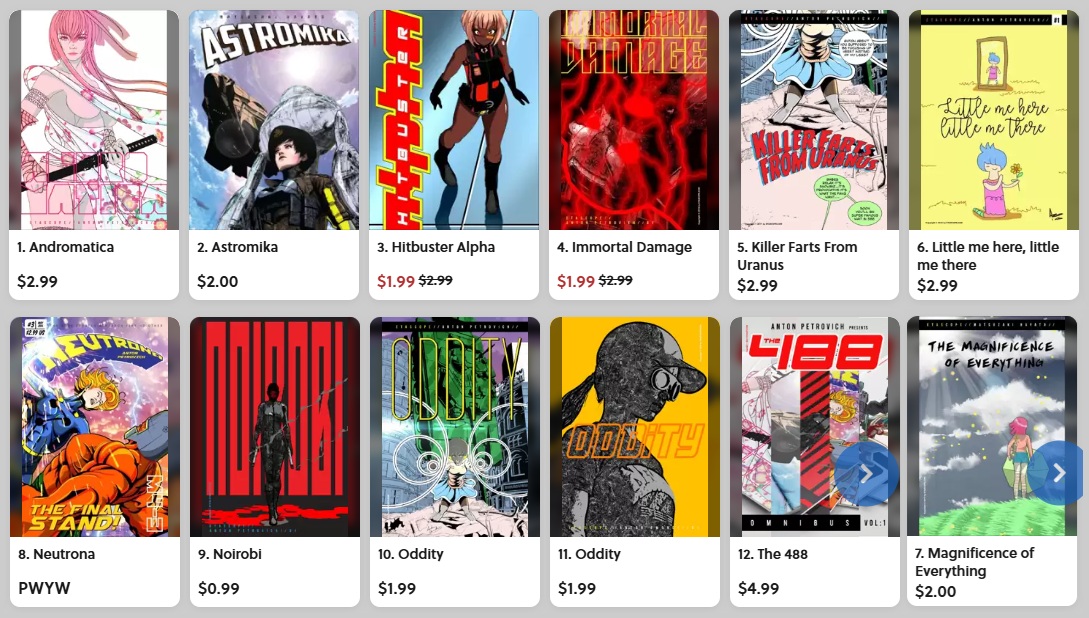
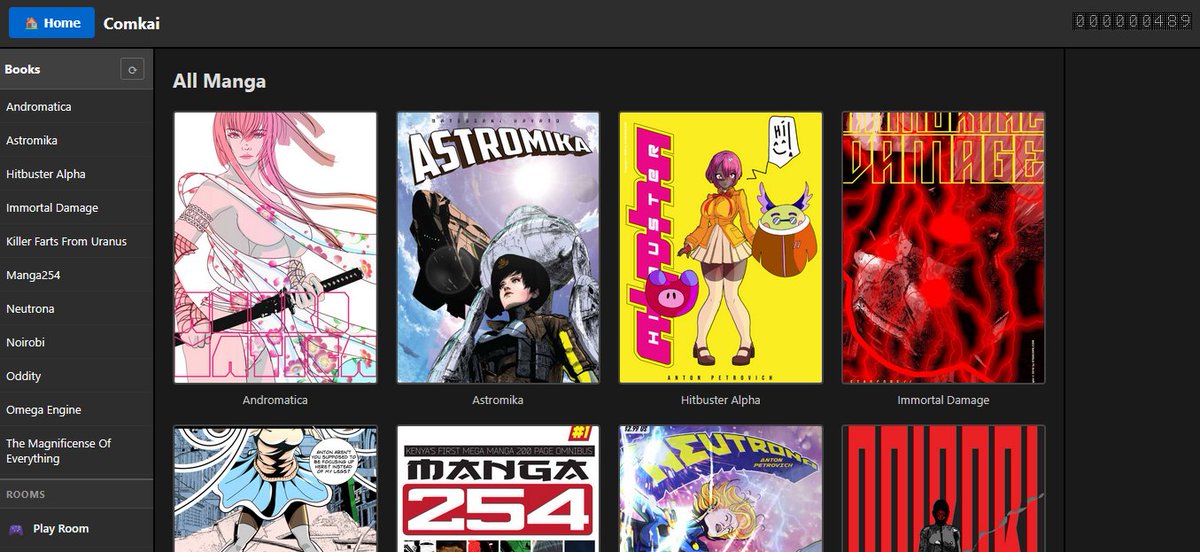
Hi I am Deuronius, a Kenyan Creative, I have worked on many comics and games etc. feel free to check out some of my work below and enjoy!
comkai.com

English
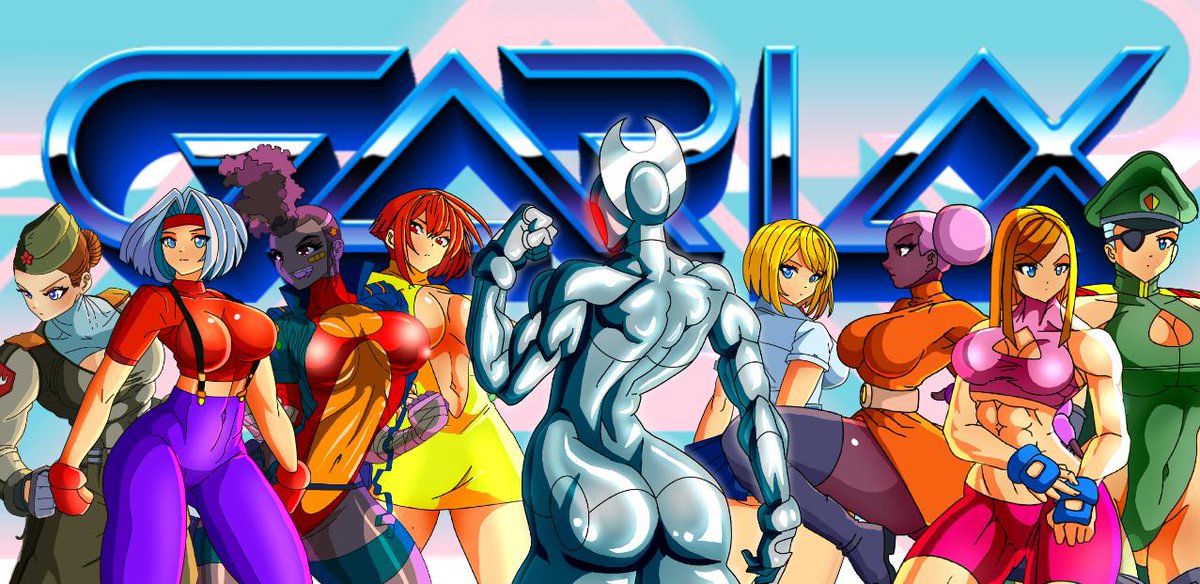
Which was your fev in the collection? #game #gamedevlife #gamedev #gamedeveloper
deuronius.itch.io/comkai-26-in-1…
English