Larry Pahl

1.3K posts

Larry Pahl banner
Larry Pahl

Larry Pahl

@DirectorAIP

Director, the American Institute for Pyramid Research

انضم Kasım 2010
107 يتبع462 المتابعون
Julian Dorey
Julian Dorey@juliandorey·
🚨 BREAKING NEWS 🚨 White House Inside Source tells @JohnKiriakou Trump has decided to ATTACK IRAN on Monday or Tuesday. According to John’s source, Vice President JD Vance & DNI Tulsi Gabbard are ONLY 2 dissenting voices. Rubio, Hegseth & Joint Chiefs of Staff all on board.
English
1.3K
3.4K
14.8K
2.3M
Larry Pahl
Larry Pahl@DirectorAIP·
@Anyextee Glad you’re doing this, but the record is not really hidden from any honest researcher. Dr. Reda, who worked at Hawara for 10 years (and found a gold mask here, like Tut’s) wanted to excavate, but Hawass, in charge of Antiquities, told him he must be given credit- Reda refused🙏
English
1
0
2
63
Anyextee
Anyextee@Anyextee·
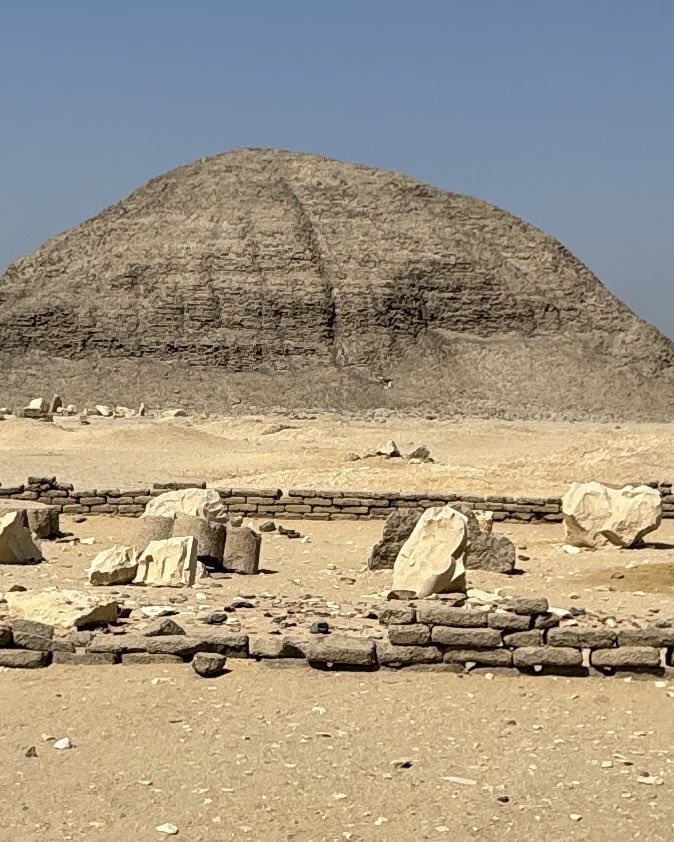
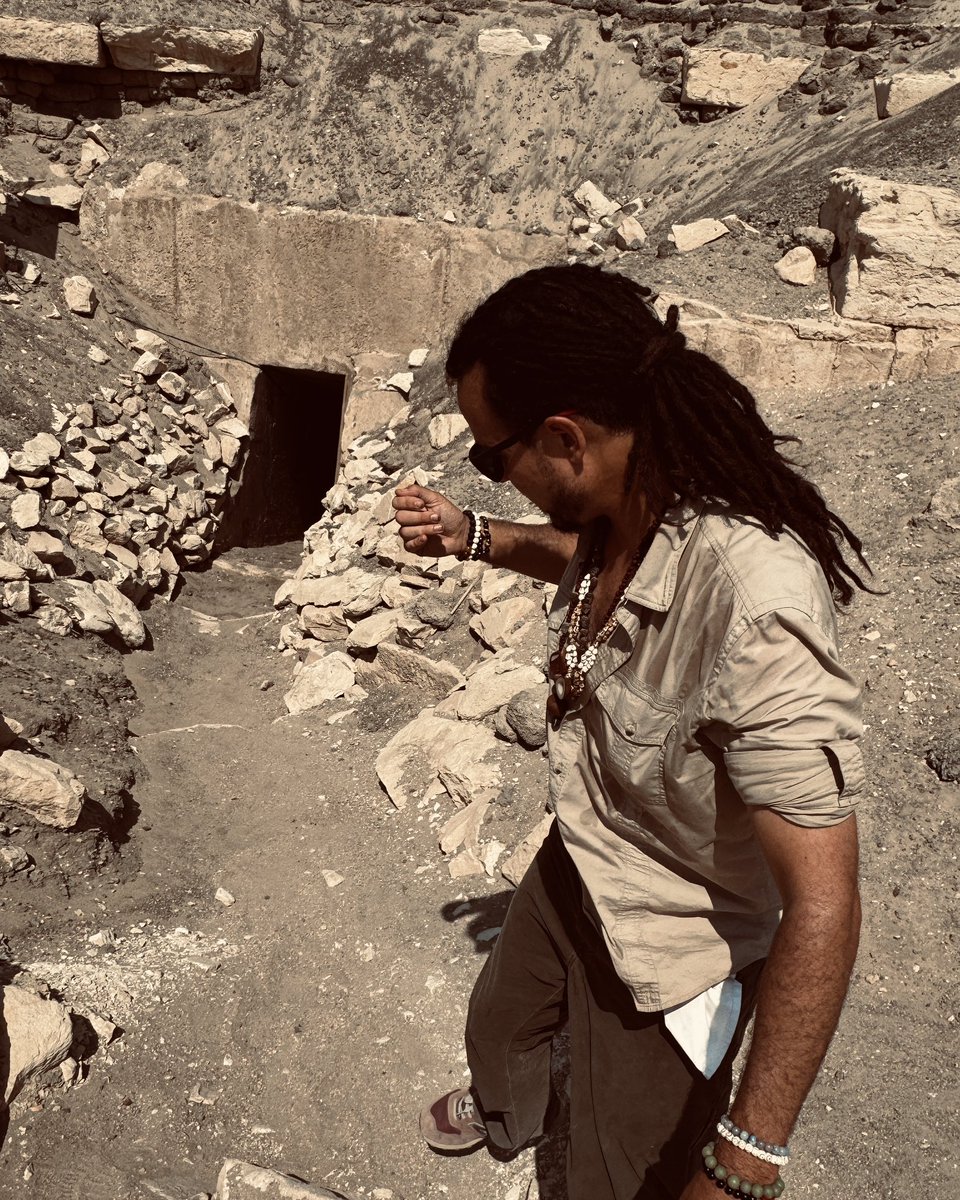
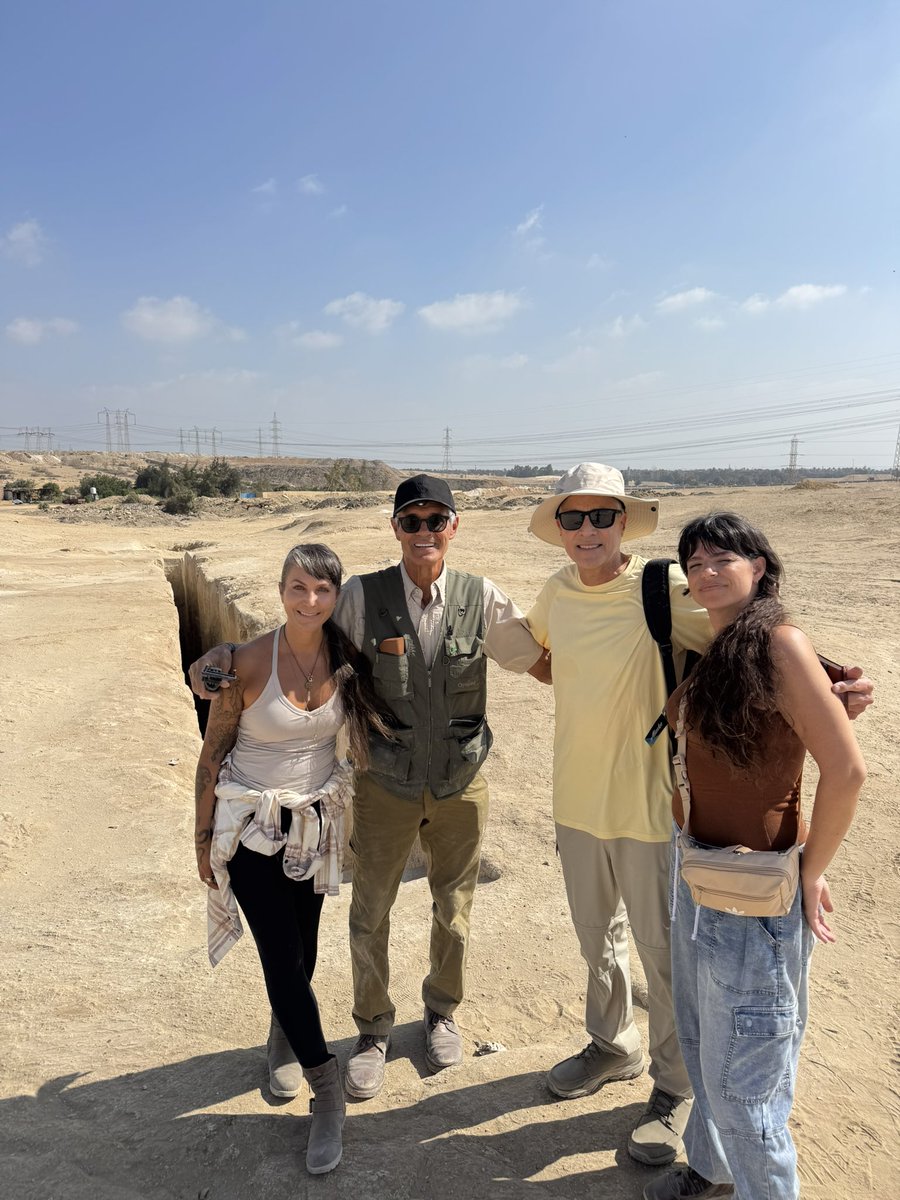
You’ve probably seen the flood of videos about the Lost Labyrinth of Hawara lately. Most of them? Misinformation. Speculation. Exaggeration. Flat-out errors. I recently conducted an on-site investigation with the lead archaeologist overseeing the official missions at Hawara since 2006. No rumors. No recycled narratives. First-hand access. Direct answers. Time to set the record straight. New YouTube video coming soon. 🔍🏺
Anyextee tweet mediaAnyextee tweet mediaAnyextee tweet mediaAnyextee tweet media
English
17
10
125
5.8K
Larry Pahl
Larry Pahl@DirectorAIP·
@PeterBrandEgypt @AgedExorcist And Peter, you also didn’t mention that Schoch has pushed his Sphinx date back - farther into the past - at least 4 times. So much for his “science.” And a friend of mine gave him a gift of $1 million and this friend told me he will eat his desk if Khufu built the Great Pyramid..
English
1
0
0
31
Dr. Peter J Brand
Dr. Peter J Brand@PeterBrandEgypt·
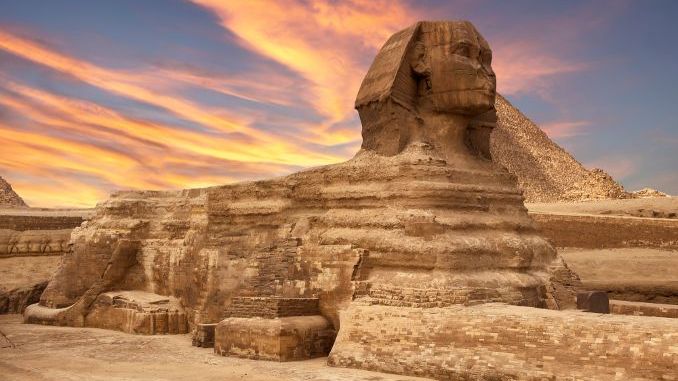
So @AgedExorcist just told me that he thinks the views of geologists on the date of the Great Sphinx is more reliable than the findings of archaeologists and Egyptologists who date the Sphinx to the reign of Khafre during the Fourth Dynasty. If I take his meaning right, he suggests that the Sphinx dates to as early as 10,000 BCE, a few thousand years before Khafre. This goes hand in hand with other fringe theories like great natural cataclysms and an advanced precursor civilization more advanced than the ancient Egyptians who built the Great Sphinx and perhaps other monuments including the Great Pyramid. He mentioned "geologists", implying there were multiple geologists who held this view, or even that most do. Nothing could be farther from the truth. There is only one geologist who argues that the Great Sphinx dates before the Fourth Dynasty since the early 1990s, Dr. Robert Schoch proposed that the erosion patterns on the Sphinx point to a date as early as 10,000 BCE or as recently as 5000 BCE. Most supporter of his theory have preferred the earlier date. His supporters include the fringe theorist John Anthony West, and many popular AltArchaeologist personalities and influencers on social media apps like X and YouTube. Dr. Schoch does have a PhD in geology and is an associate professor at the College of General Sciences at Boston University. Leaving aside Egyptological criticisms for the moment, (which @AgedExorcist views as being unreliable) Schoch's geological analysis has met with much criticism and doubt by other geologists and lno support among his colleagues in the field of geology. Dr. Gerald Coninck, a geologist who analyzed the Sphinx, argues that the erosion patterns can largely be attributed to wind and sand rather than water, conflicting with Schoch's interpretation. Dr. K. L. Gauri conducted geological studies at Giza arguing against Schoch's interpretation. He sugges other environmental factors were at play. Gauri's work is significant in the ongoing debates about the Sphinx's age and conservation, particularly as it counters some of the more sensational theories like Schoch's that suggest an older origin. His publications include "Weathering of Limestone Beds at the Great Sphinx" - Environmental Geology and Water Science (1990). "Geologic Study of the Sphinx" - American Research Center in Egypt, Newsletter (1984). Geoarchaeologist Dr. James A. Harrell is a geologist and professor at the University of Toledo, known for his critical examination of the dating of the Great Sphinx of Giza. His meticulous research has countered radical claims, such as those made by Robert Schoch, regarding the age of the Sphinx. Harrell advocates for the haloclasty process, which involves saline water from atmospheric moisture causing erosion in limestone. Salt crystals form in the cracks and expand, leading to degradation of the rock. He views this process as significant in explaining the erosion features on the Sphinx. This kind of decay of limestone and sandstone is common throughout Egypt and is the greatest danger to the decay of pharaonic monuments and the precious inscriptions that cover their walls. Harrell's publications on the issue include "Comments on the Geological Evidence for the Sphinx’s Age" (2002) "The Sphinx Controversy: Another Look at the Geological Evidence" (1994) Jørn Christiansen agrees that some erosion occurred before the Sphinx was carved but maintains it doesn't suggest an earlier date than the Fourth Dynasty. Christiansen has observed that much of the erosion affecting the enclosure of the Sphinx appears to have occurred before the Sphinx itself was carved. He suggests that natural processes, such as rainfall filtering through the limestone, contributed to this weathering. Overall, Christiansen's perspective stands in contrast to more radical claims about the Sphinx's age, offering a nuanced approach which acknowledges natural weathering processes while still attributing the Sphinx's construction to the established historical timeline. There are NO other geologists who support Schoch's methodology and conclusions for his interpretation of the erosion patterns and redating of the Great Sphinx. His only supporters are alternative archaeologists like John Anthony West and Robert Bauval. Bauval dates the Sphinx to 10,500 BCE and believes it was made by an advanced precursor civilization. He published his theory in his book on the Origins of the Great Sphinx. The only Egyptologists to challenge the general consensus that the Sphinx dates to the reign of Khafre are Dr. Vasili Dobrev who dates it to the previous king Djedefre who he thinks built it for their father Khufu and the late Dr. Ranier Stadelmann who thought Khufu himself built the Sphinx. Again, leaving aside the Egyptological theories and viewpoints, the overwhelming consensus among geologists (which is the evidence that @AgedExorcist takes as superior to the archaeological viewpoint) contradicts Schoch's redating of the Sphinx. Instead, several geologists who have investigated the issue find the geological evidence to be entirely consistent with the archaeological & Egyptological evidence for dating it to the 4th Dynasty during the reign of Khafre. Schoch stands alone with no supporters within geology. It is also notable that some of his other theoretical views are also considered fringe and pseudo-scientific. Lone genius dissident scientist heroes who their colleagues mock but who are proven right are the basis for lots of Science Fiction movies like the original Stargate film from the early 1990s, but that's fantasy not real life, just like Indiana Jones is not how archaeologists really work So, you can take one controversial geologist, Robert Schoch's word for it or the meticulous research of other geologists who have actually worked and studied the Sphinx at Giza up close. Geologists like: Gerald Coninck K. L. Gauri James D Harrell and Jørn Christiansen and let's not forget all the other geologists who have never come running to defend Schoch's views. Their silence is deafening too.
Dr. Peter J Brand tweet media
English
18
11
56
3.2K
GodlyVibez Studios
GodlyVibez Studios@GVStudios_TV·
🚨Chance The Rapper reveals he has written and recorded his first Gospel song🔥
English
27
279
4.1K
43.8K
Larry Pahl
Larry Pahl@DirectorAIP·
The Speed of Light Numbers Revealed by the Length in Meters of the Great Pyramid Chambers and Passage Systems scirp.org/journal/paperi… I thought it was a long shot to submit this paper to a scientific journal, but then I thought, "Why? Its just listing measurements ..."
English
0
0
1
23
Larry Pahl
Larry Pahl@DirectorAIP·
@BrianRoemmele What’s wrong is the prevailing theories. This is a comet, not an alien production… please 🙏🔑📏
English
0
0
0
24
Brian Roemmele
Brian Roemmele@BrianRoemmele·
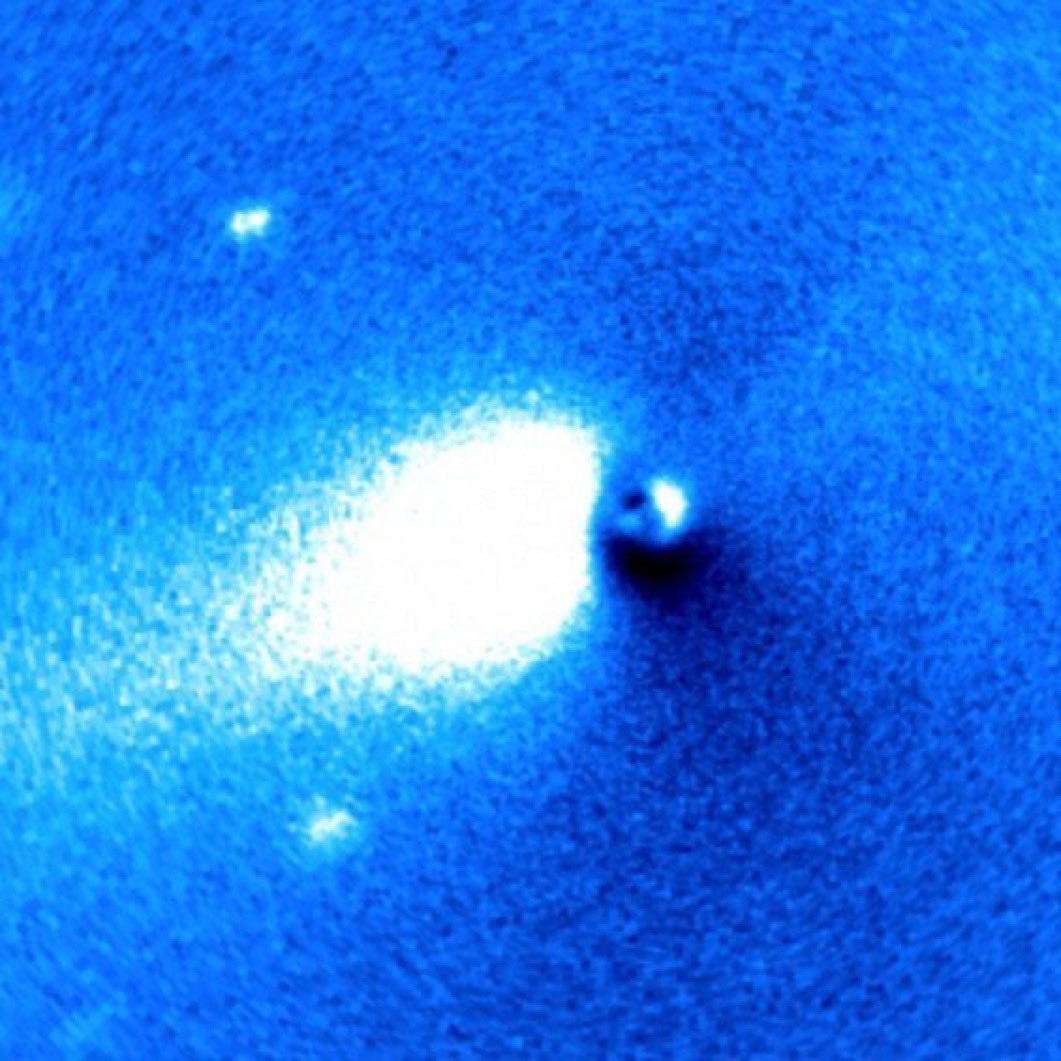
A new 3I/ATLAS image. It is exhibiting non-standard physics: New a massive exhaust-like jets are observed FACING towards the Sun. This is unconventional behavior of any observed Comet and defies the out gassing flow one would expect. The new image is from the Nordic Optical Telescope on UT 2025 November 11 by astronomers David Jewitt and Jane luu. (Via @DobsonianPower)
Brian Roemmele tweet media
English
153
168
1.1K
167.3K
Larry Pahl
Larry Pahl@DirectorAIP·
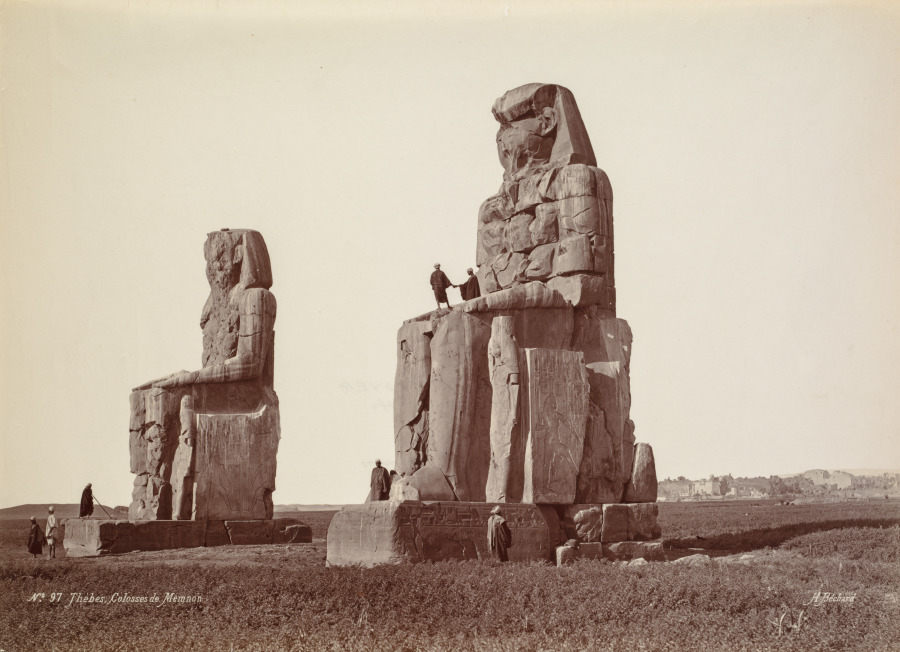
@MichaelButtonX And they were moved their by Egyptians on sleds floated down the Nile. Don’t start the ancient high tech babble, please… 🙏🔑📏
English
0
0
0
52
Michael Button
Michael Button@MichaelButtonX·
The Colossi of Memnon are two massive stone statues located near Luxor. Each statue stands about 60 feet tall and weighs roughly 720 tons. They were carved from single blocks of quartzite sandstone and transported about 675 kilometers
Michael Button tweet media
English
74
147
1.3K
41.9K
Michael Button
Michael Button@MichaelButtonX·
A retracted paper published in 2023, suggested that Gunung Padang in Indonesia could be 27,000 years old What do you think?
Michael Button tweet media
English
82
37
588
20.2K
Larry Pahl
Larry Pahl@DirectorAIP·
One of Egypts greatest mysteries, this staircase in the desert ⚡️
Larry Pahl tweet mediaLarry Pahl tweet media
English
0
0
1
56
Larry Pahl
Larry Pahl@DirectorAIP·
@BrianRoemmele My friend Dr. Reda of Antiquities worked at Hawara for years and discovered there a gold mask like Tut’s. He applied for excavation permits but Hawass would not grant them unless Reda agreed to name him as co- discoverer. Reda refused and was never given the permits🙏🚫
English
0
0
1
43
Brian Roemmele
Brian Roemmele@BrianRoemmele·
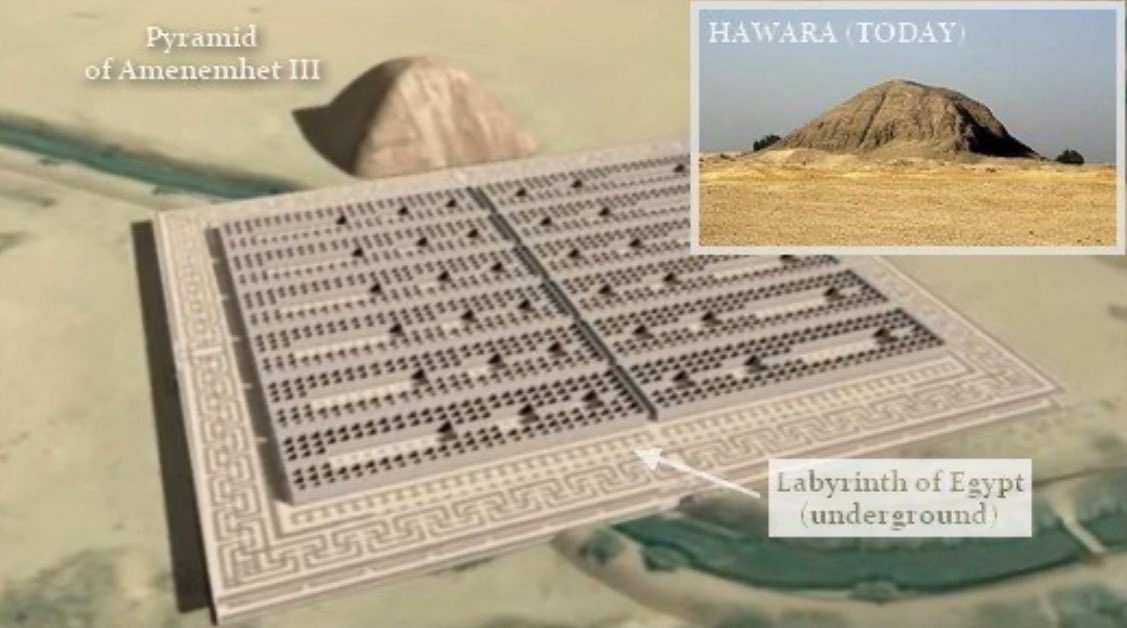
The Massive Underground Egyptian Complex Few Know About And Has a Halt In Excavation. Meet the relatively newly discovered Labyrinth of Meride. On March 22nd, 2008, with the permission of the Supreme Council of Egyptian Antiquities, a team, financed and coordinated by the famous artist Luis de Cordier (a.k.a. Cosco) began research in Egypt. This team included several researchers working on behalf of Ghent University, and other Egyptian researchers working on behalf of the National Institute of Geophysics and Astronomy in Helwan. This multidisciplinary team of researchers made an 'epic' discovery. Using Ground Penetrating Radar, they discovered something that could revolutionise everything we know about our ancient history. Called the 'Mataha Expetidion', they discovered what many historians have called the 'Labyrinth of Meride', or the 'Labyrinth of Hawara', located some 8 to 12 meters below ground level. Everything suggests that, under the ground, the Labyrinth still exists practically in one piece. The GPR survey factor such as soil composition, moisture content, and the presence of saline groundwater can influence the effectiveness of the radar signals. High-frequency antennas (e.g., 500 MHz) provide higher resolution but shallower penetration, suitable for detecting small, near-surface features. Lower-frequency antennas (e.g., 250 MHz or 100 MHz) penetrate deeper but with reduced resolution, making them suitable for identifying larger structures at greater depths. The Egyptian government has embargoed details on the GPR details so these is some guessing. Unfortunately, the area suffers from an infiltration of highly saline water, which is inevitably deteriorating the structure, so work should have started immediately to save what can be saved. It is estimated to have ~3,000 rooms, 12 courtyards, granite roofs built with a single slab. According to Pliny, Herodotus, Manetho and Diodorus Siculus it was something that made even the pyramids pale. GPR revealed that beneath that 'slab of rock', some 300 meters long, are walls of an extremely strong shape and structure, which almost certainly appear to be made of granite. According to the scans, the roof of the Labyrinth is now on average 5 meters below the ground, and its floor is about 8 to 12 meters underground. If, as historians of the past say, the labyrinth also had an underground area, the floor of this area should be about 12 - 16 meters deep. The entire structure has been covered by at least 12 meters of earth and sand in about 1,300 years (in fact, it seems that at least until the 7th century A.D. the ruins of the labyrinth were visible at ground level). The team has estimated a great deal of structures, even gigantic ones, perhaps entire cities that are still buried under the sands of Egypt, waiting for someone to find them. The researchers managed to reproduce an early three-dimensional model of the Labyrinth. But, for reasons not very clear, after giving the go-ahead for the work, the Supreme Council of Egyptian Antiquities not only 'froze' the project, but ordered all researchers involved (the majority of whom are Egyptians) not to disclose the results of the research. Of all that the researchers found, there remains the video presentation of the conference held in Belgium immediately after the discovery, and a short document from the NRIAG that escaped censorship (confidential: issuu.com/yago1/docs/lab…). Is it speculated that the natural caves with which this labyrinth is connected to may contain traces of the passage from ~75,000 years ago. This may be a tip of an “ice berg”, we may now begin to understand with more recent potential discoveries in other areas. Links: virtualhawara.com/history-of-haw…
Brian Roemmele tweet mediaBrian Roemmele tweet mediaBrian Roemmele tweet mediaBrian Roemmele tweet media
English
89
360
2K
199.4K