تغريدة مثبتة

#GenerativeAI’s impact appears to be highly dependent on #how it is utilised, for #which task and #purpose, by #whom, and on their level of #expertise and #trust in the technology.
English
Flavio Calvino
2.4K posts
@FLCalv
Senior Economist @OECDInnovation. Firm dynamics, digitalisation, economics of #AI. Tweets are personal views, RTs are not endorsements







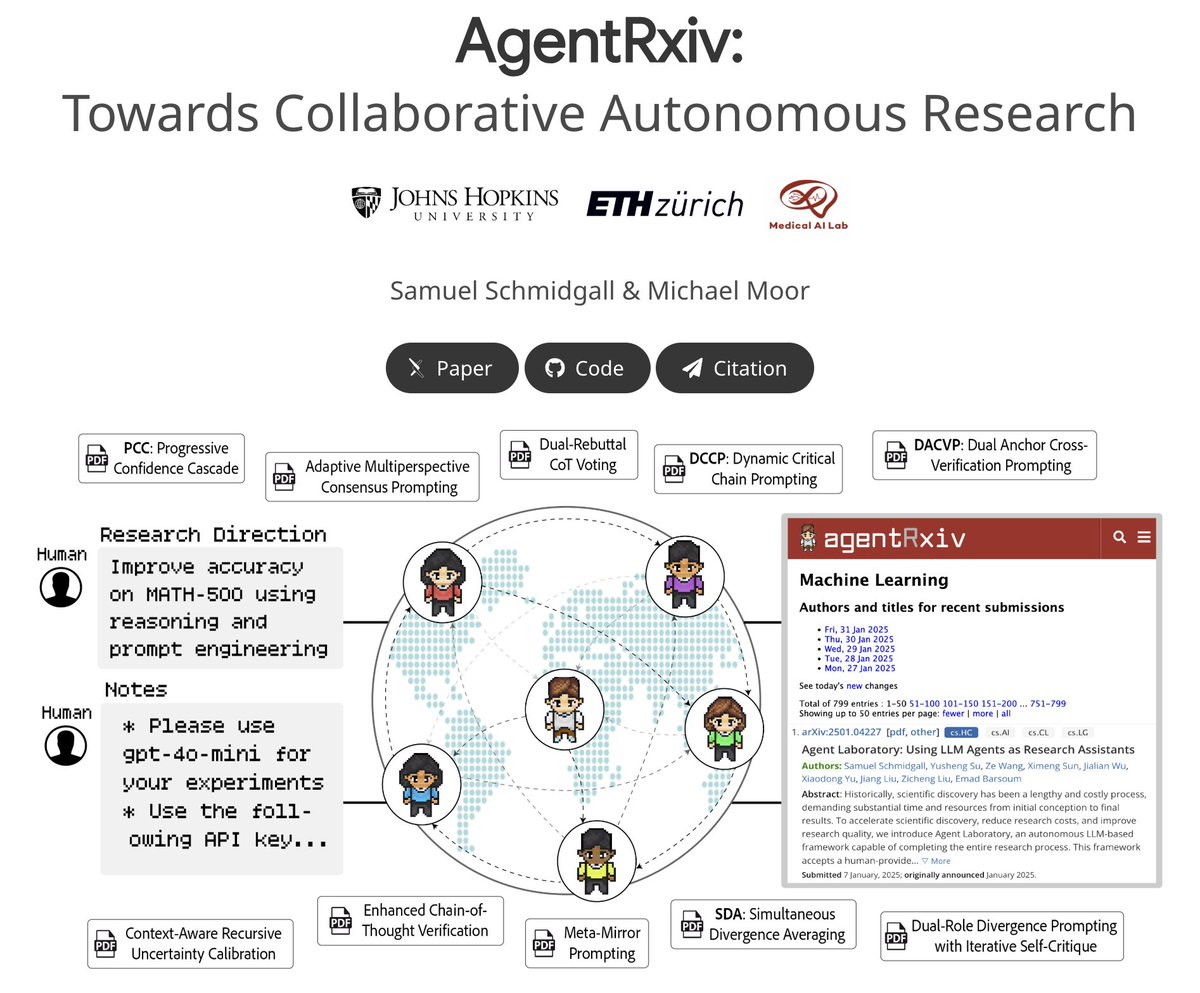




Outlining a research agenda and nine grand challenges for studying the economic impacts of transformative artificial intelligence, from @erikbryn, @akorinek, and @professor_ajay nber.org/papers/w34256




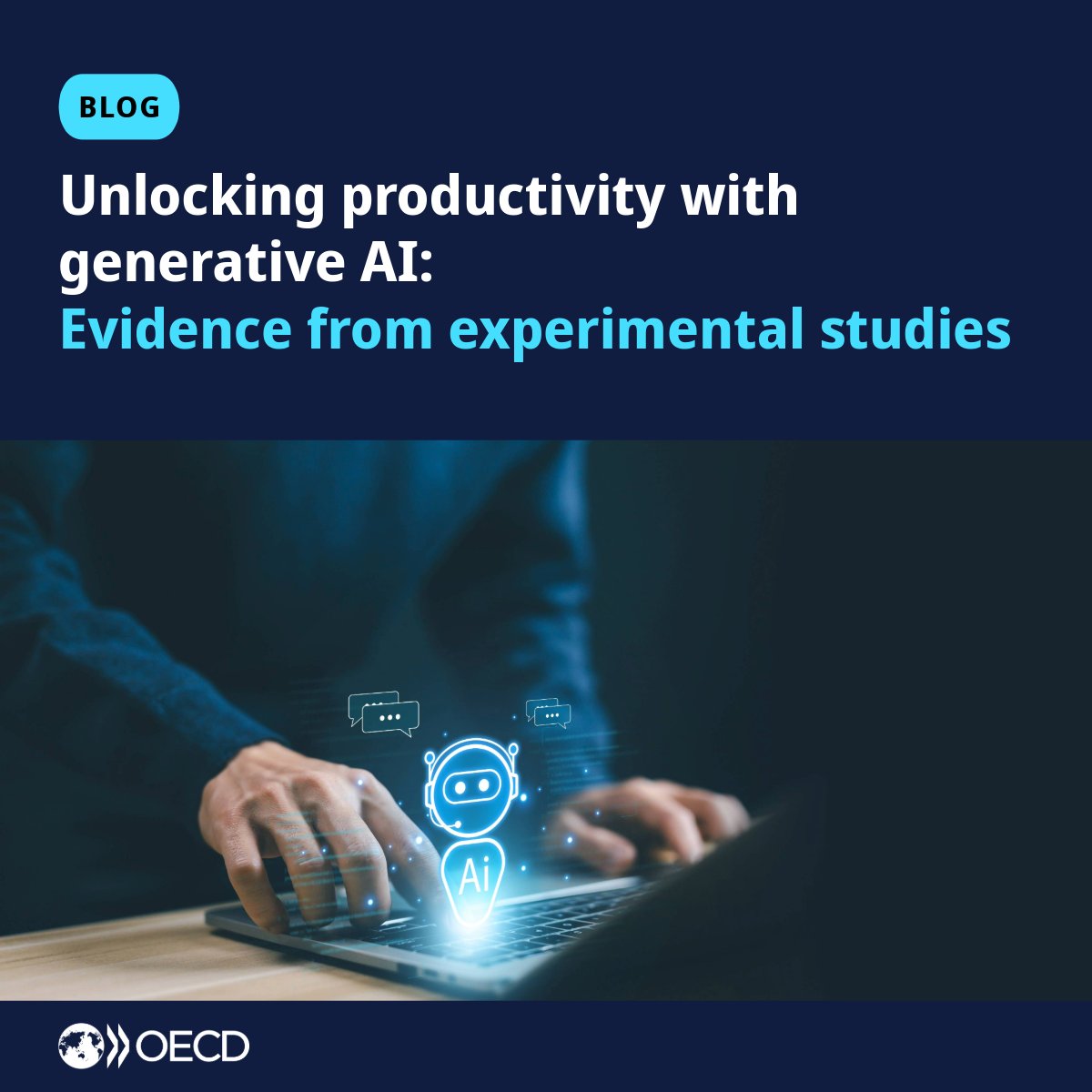

A new paper from David Autor (@davidautor), in collaboration with Neil Thompson (@ProfNeilT), makes an important contribution to explaining how AI is likely to impact labor markets. Based on a rigorous model, confirmed with an analysis of 40 years of data, they provide a nuanced perspective on how automation impacts job employment and wages. Essentially, this depends on the extent to which easy tasks are removed from a role and expert ones are added, and how specialized a role becomes as a result. When jobs gain inexpert tasks but lose expertise, wages decline, but employment may increase. Think of how taxi driving became less specialized, and well-paid, but more common, due to Uber. In contrast, when technology automates the easy tasks inside a job, the remaining work becomes more specialized. Employment falls because fewer people now qualify, but the scarcity of expertise drives wages up. This is what seems to be happening with proofreading, which is now less about spell-checking and more about helping people to write, leading to lower job numbers but higher average wages. Their model helps us to understand the impacts of AI on labor markets. For instance, why AI tools can raise wages for senior software engineers, but decrease employment, while simultaneously reducing earnings, and increasing employment, for more entry level software engineering roles. Read: nber.org/papers/w33941 See also this talk from David at Stanford HAI (@StanfordHAI): youtube.com/watch?v=uV3Ltt…