Amit Segal@AmitSegal
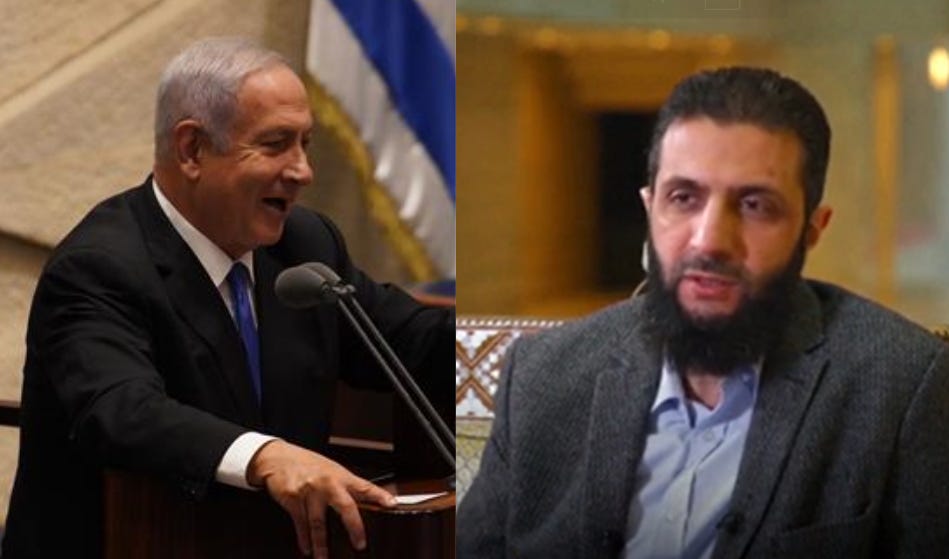
Exclusive: America's Proposal for an Israel-Syria Economic Peace
A new plan for economic cooperation is being discussed with Syria. What does it involve? It appears to be a sprawling joint economic zone along the current demilitarized strip—complete with energy projects, pharmaceutical plants, and, most Trumpian of all, a ski resort.
Let’s just say this comes as a surprise. One would think that after Israel conducted thousands of strikes, and currently sitting on Syrian territory, security would remain the only topic worth negotiating. But it seems the Trump administration and the Syrian government are after something more intimate.
According to the American-Syrian proposal, the zone would host a wind power plant, a crude oil pipeline, data centers, and pharmaceutical facilities—and best of all, the area would remain demilitarized.
The plan offers quite a bit for Syria: roughly $4 billion in GDP growth—a 20 percent increase on its current output—along with an 800-megawatt boost in power capacity, 15,000 new jobs, and a 40 percent reduction in pharmaceutical dependency. Israel, for its part, gains the chance to transform an arid buffer zone into a “dynamic economic corridor,” while enjoying “reduced military spending” to protect its northern border.
Lets just say the imbalance isn’t unusual for Israel’s peace arrangements. Back in 1979, Egypt regained the entire Sinai Peninsula, billions in U.S. aid, and a guarantee that Israel would stop embarrassing it militarily—in exchange for tolerance of its existence.
But what would this new zone actually look like?
Apparently, something akin to the ski region of Zermatt, Switzerland on the Italian border. Not a one-to-one comparison—Israel and Syria are hardly European in structure or sentiment—but the model gives an idea: independent tax rules, relaxed visa requirements, arbitration mechanisms for financial disputes, maybe even a shared currency framework.
Here a question arises: will this whole deal really go through without Syria joining a certain Abrahamic accords?
Unfortunately, yes. From what I’ve seen, none of the draft documents make peace a formal condition of the plan. It may make peace more likely, but by no means guaranteed.
Now, peace in the Middle East aside—it’s a good deal. Economic prosperity is always welcome, and a demilitarized zone with fewer barbed wires and more ski lifts sounds, frankly, delightful. After all, when Israel first expanded its presence into the DMZ following the Assad regime’s collapse, plenty of Israelis joked—half seriously—about the new skiing opportunities.
Still, it needs to be said: however tempting this vision is, Israel should be very careful before it starts trading soldiers for skis.