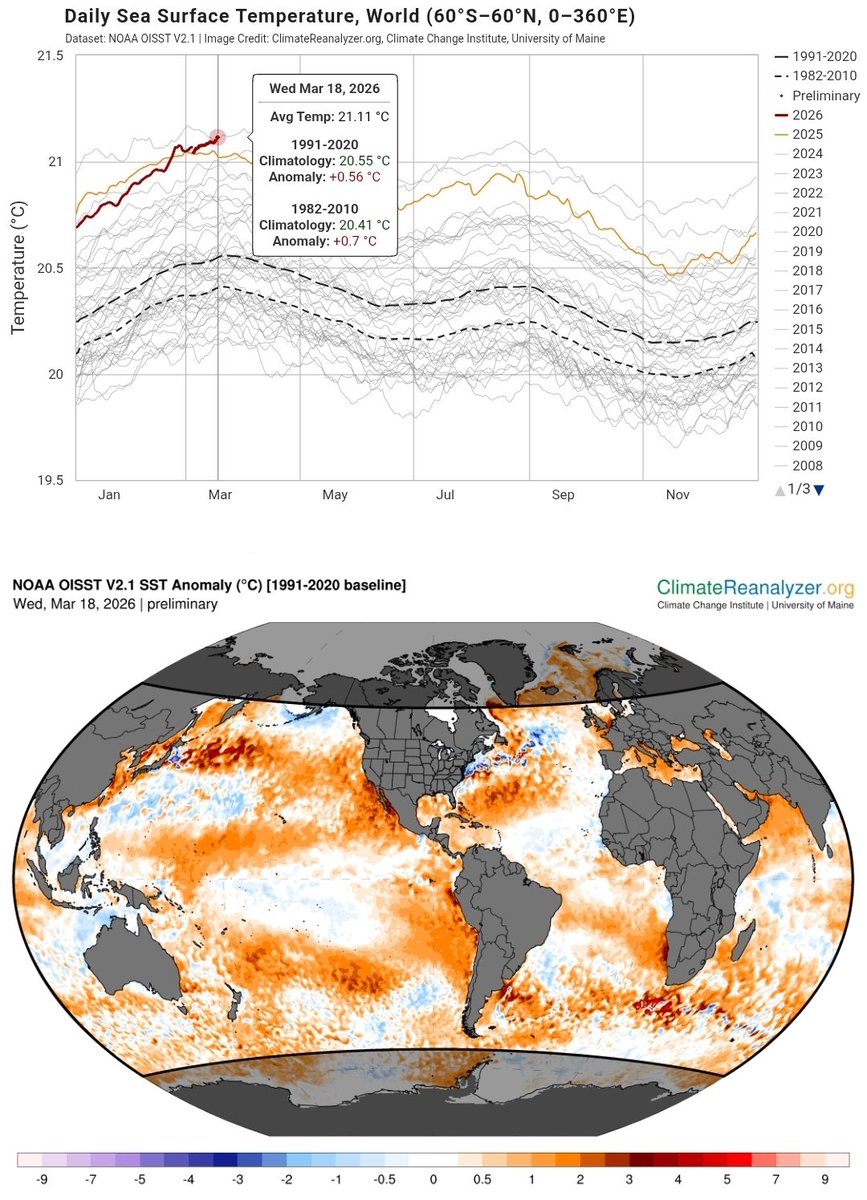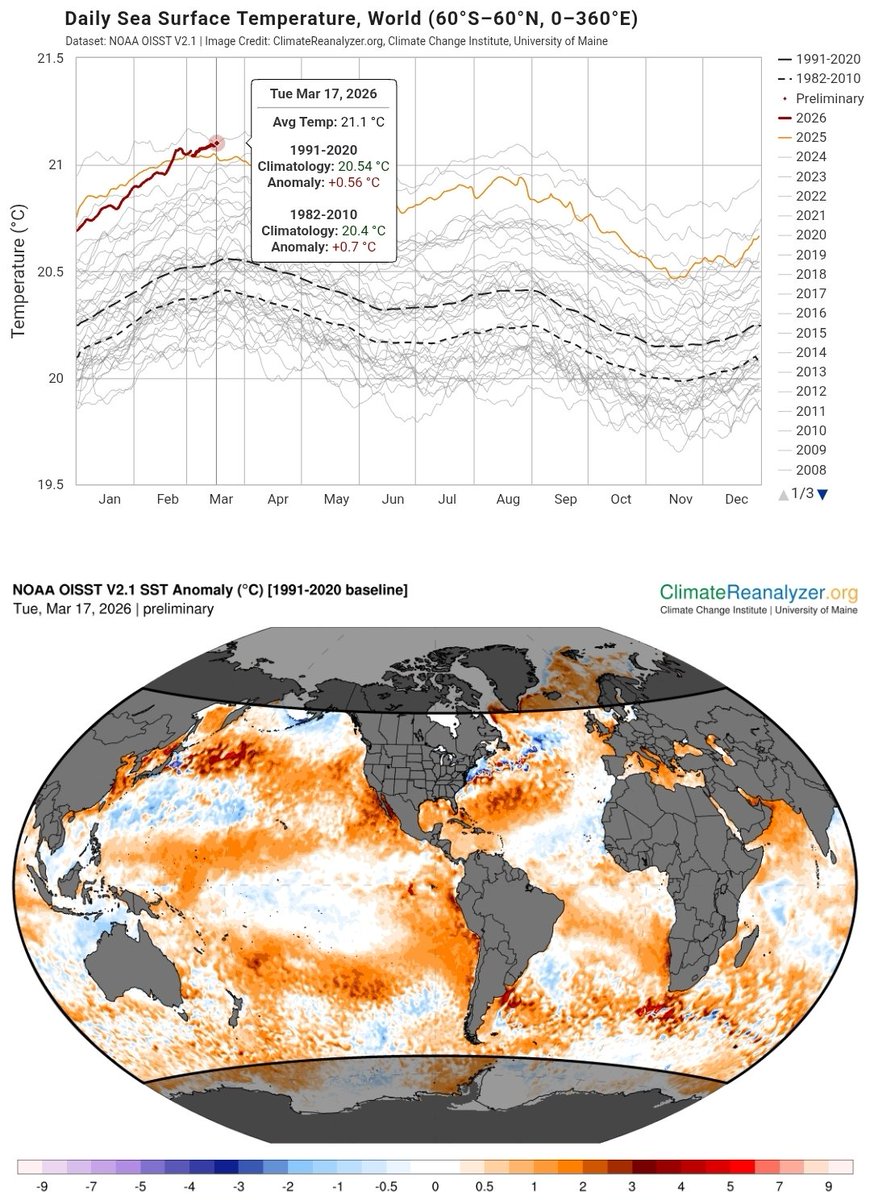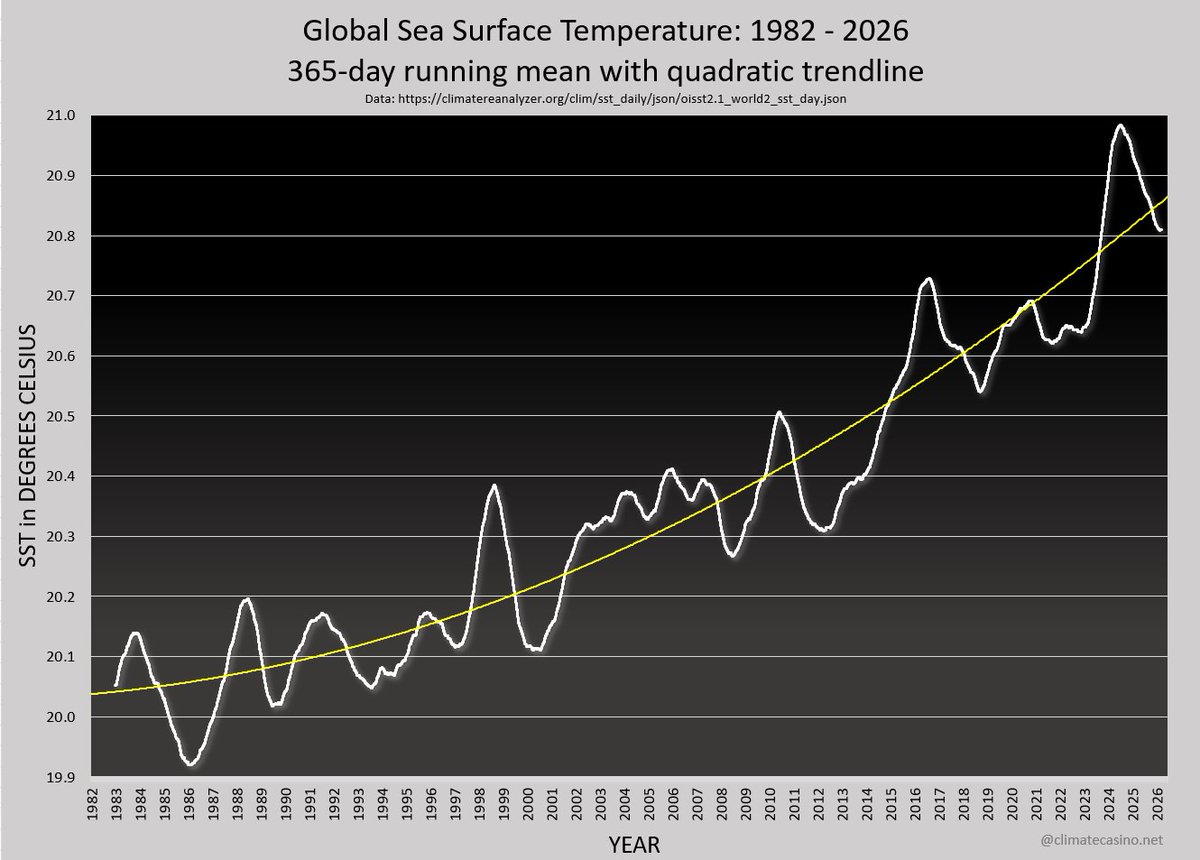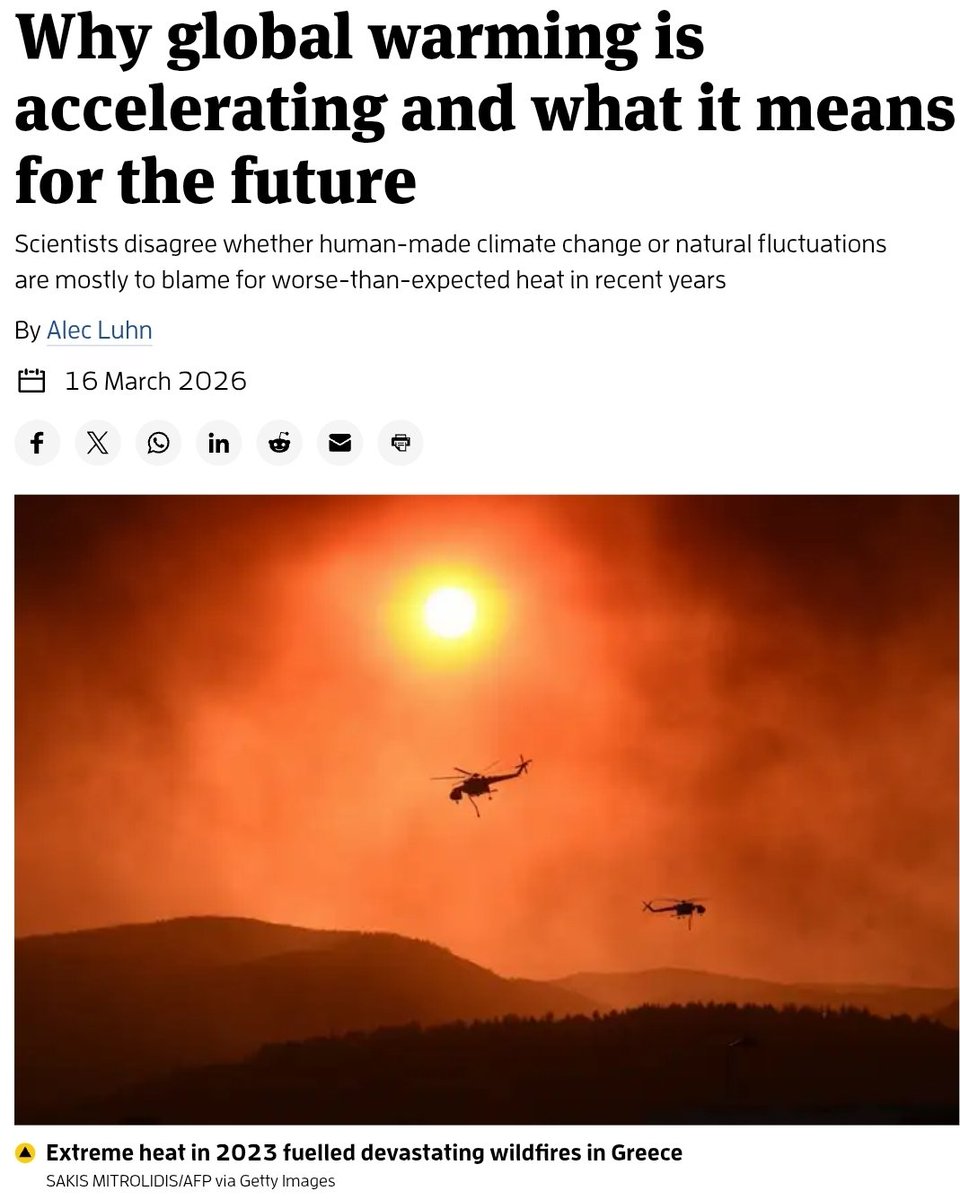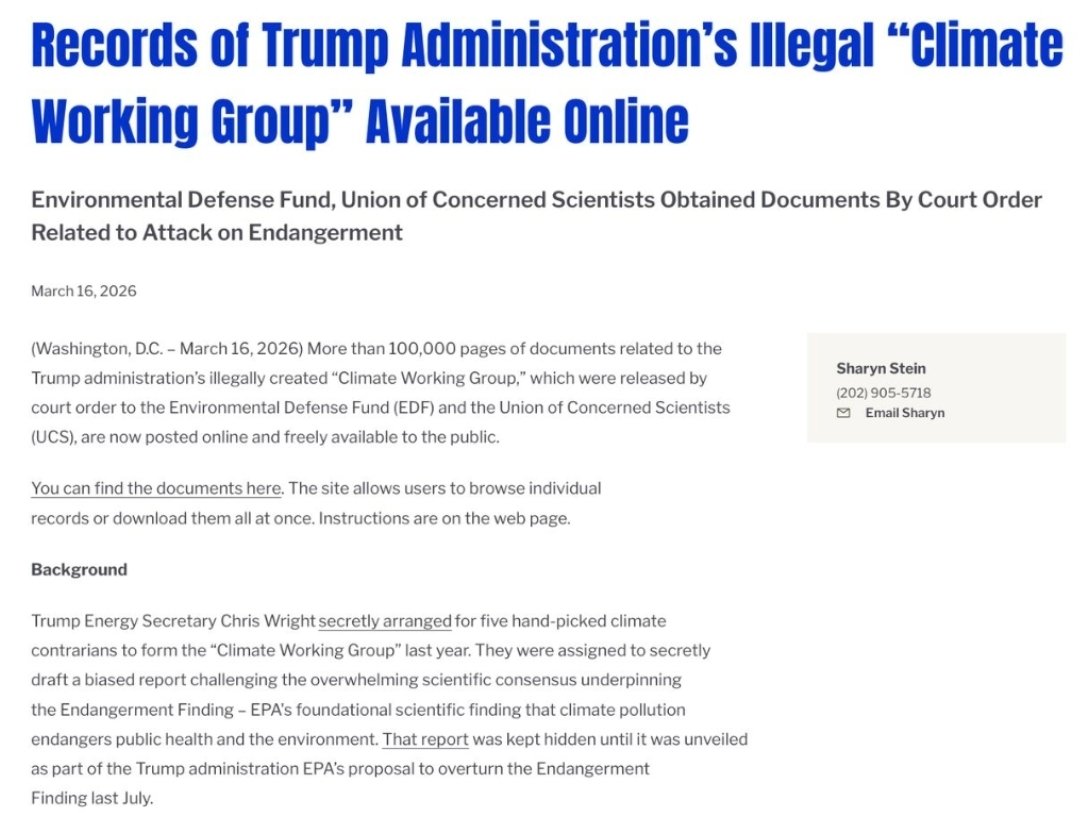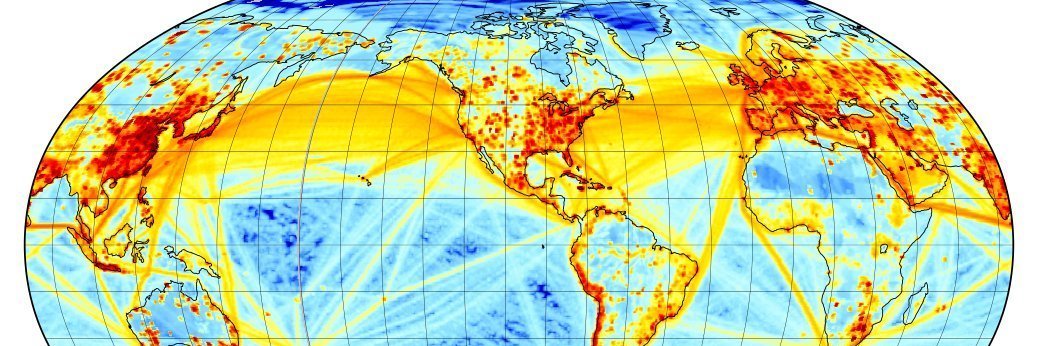


This might be the year everything changes, as those who don't count joules and radiative fluxes are too starting to feel the heat from reducing air-pollution. Many great scientists have tried to inform on this in the past decades (e.g. James Hansen, James Lovelock, Paul Crutzen and Veerabhadran Ramanathan). Policy makers and media have paid very little attention so far. This was the reason for me to start using my largely dormant Twitter account 3.5 years ago. To create awareness about rapid warming from rapidly reducing air pollution. There's mainly been a small crowd of 'climate doomers' and slightly anoyed climate scientists to interact with. In the past months this changed, as the additional accumulating heat is starting to surface. My amount of followers has tripled, the graphs we make receive millions of views and media around the world are paying attention. This is bigger than any one of us. We need specialized scientists to assess what this means for changes to monsoon systems, others that look at how ocean and atmospheric currents (might) change and how that could impact melting ice and sea level rise. We need politicians, legal experts and social scientists to learn what is at stake and debate the effects of unintentional and intentional emissions on climate, not just health and the environment. There are no easy choices in this. How much warming will the world except? And how fast can the rate of warming be until we are unable to adapt? When will we learn how high our dikes really need to be? How extreme will droughts get? How many people will lose their homes and need to move to greener pastures? Be it a locally overflowing refugee camp or to another country? Will we have the stability of global governance to face these accumulating challenges? Uncertainties are very large, which might be the main problem. We don't know how bad it will get, and anyone who tells you one way or another is lying. The precautionary principle tells us we have the duty to act. For ourselves, for our children and for strangers we will never meet. We are the most adaptable species known to ever have existed. I believe that with a more thorough understanding of our planet, humanity could become a beneficial force to life on Earth. If we soon aquire collective will to do so.