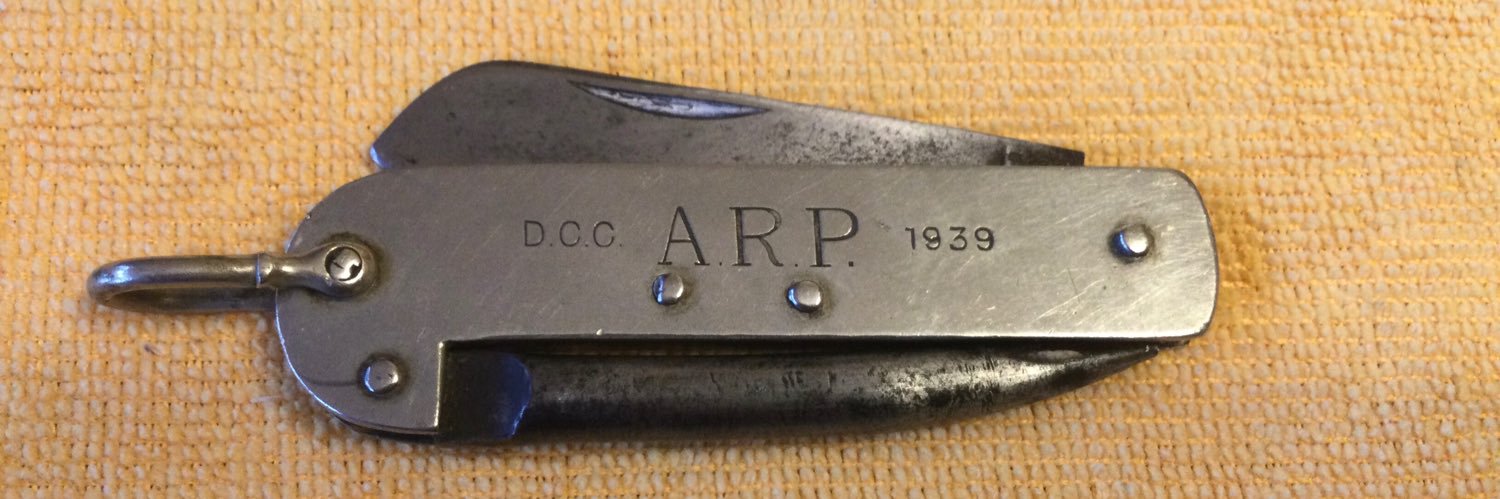
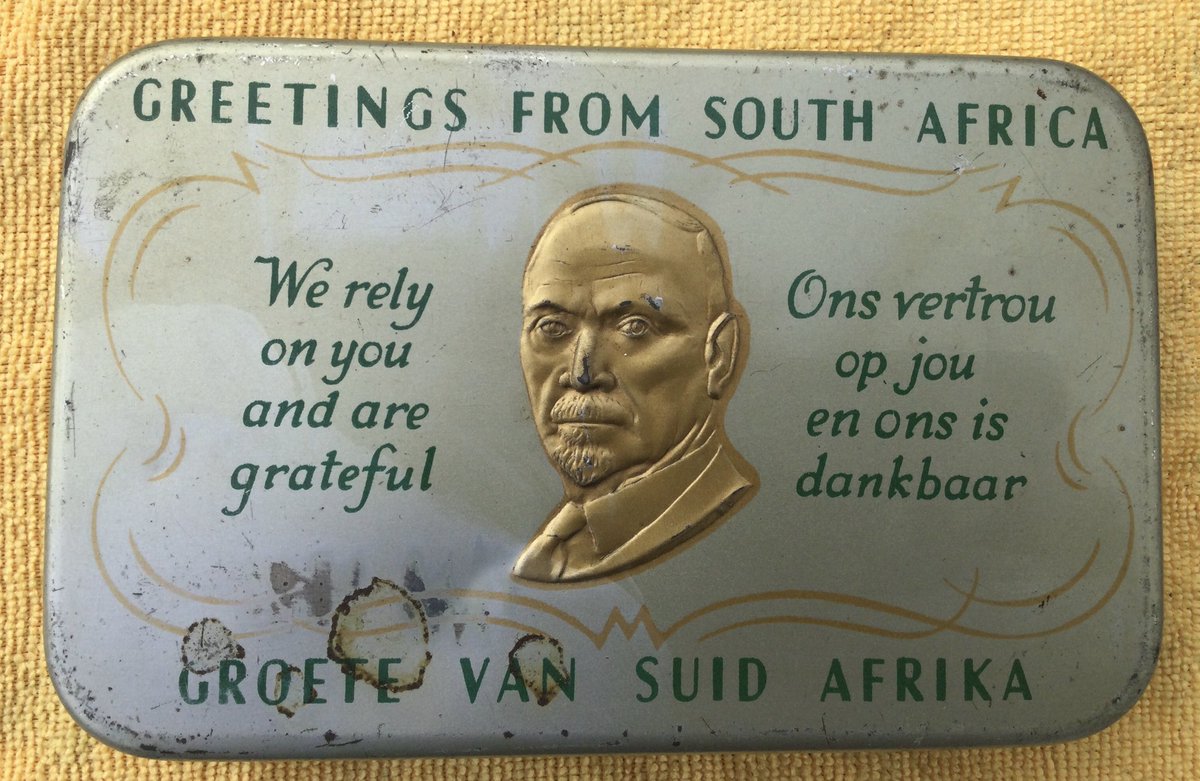
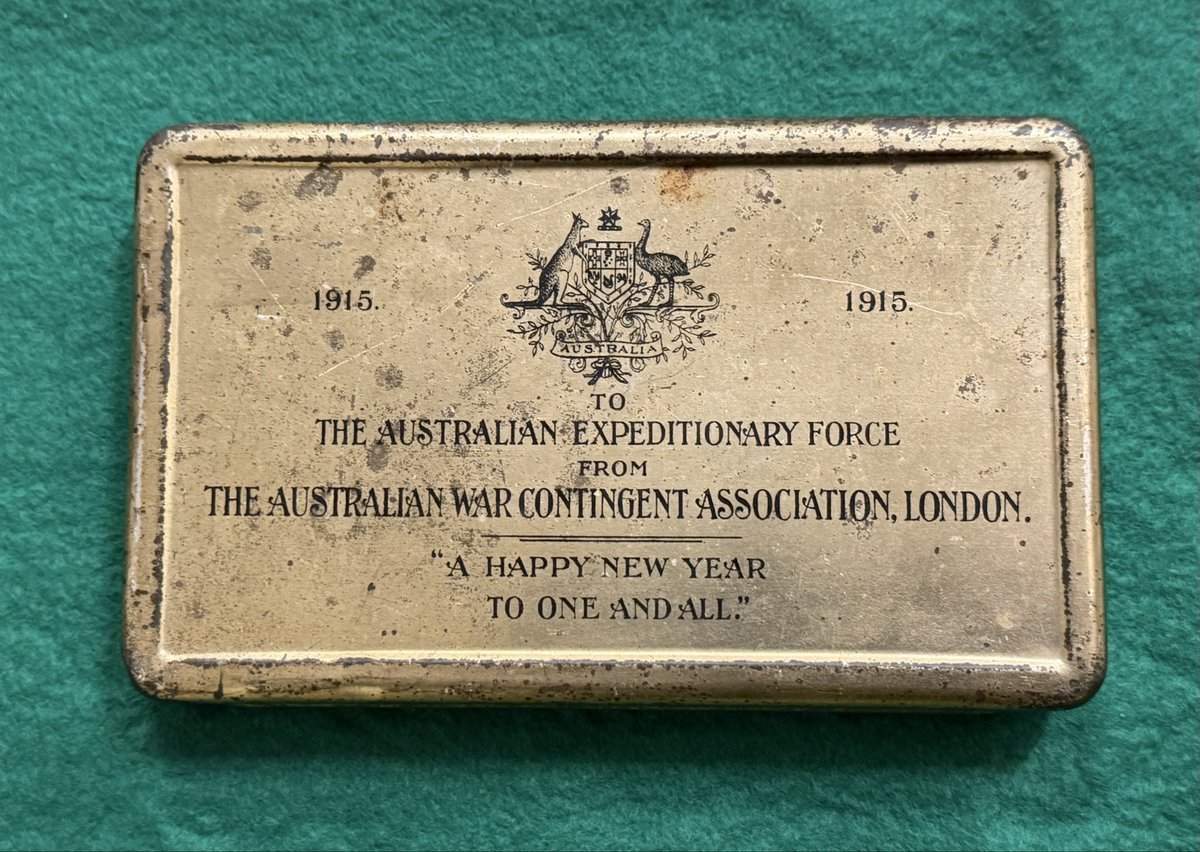
@NowtbutaLad@ProfPeterDoyle@TheWFA New to me as well. The South Africans had their versions as well (but WW2 not WW1). The image is one of several different types.
@shanaka86 All true, but it still doesn't explain why Britain did not permit US planes to take off from US bases for missions against Iran. In doing so, Britain has shown itself to be cowardly and disloyal. 👎
BREAKING: Britain has fewer than 50 Storm Shadow cruise missiles left. The stockpile that once exceeded 200 was drained over two years of transfers to Ukraine to help Kyiv strike Russian targets deep behind the front line. The missiles worked. They hit command posts and ammunition depots and naval headquarters across occupied Ukraine and Crimea. They helped Ukraine survive. And now Britain has almost none left for itself, during a war being launched from its own airfields against a country that just hit a British oil facility with drones.
Brimstone anti-armour missiles sit at 25 to 35 percent of pre-war stocks. Paveway IV precision-guided bombs, the same weapon the RAF used over Libya and Syria, are at 30 to 40 percent. The National Audit Office estimates that Britain can sustain high-intensity combat operations for three to six weeks before requiring American resupply. Three to six weeks. The Iran war is already in its fifth week. If Britain were fighting it rather than hosting it, the cupboard would already be empty.
The Army is 10,000 soldiers below target. Type 45 destroyers suffer chronic propulsion failures requiring six to twelve months of repair. The F-35 and Typhoon fleet operates at 60 to 70 percent availability. The industrial base that would replenish stocks runs on rare-earth magnets manufactured in China, the same China that controls 90 percent of the permanent magnets in every guided missile Britain would need to fire and is currently being asked to broker the peace.
Any direct involvement beyond basing would require 8 to 15 billion pounds in emergency supplemental spending. National debt exceeds 100 percent of GDP. There is no majority in Parliament for funding a war the Prime Minister says is not Britain’s, fought with weapons Britain does not have, replenished by supply chains controlled by a country Britain needs to broker the ceasefire.
This is why Starmer says “not our war.” Not because of principle. Not because of legality, although his own advisors have told him the strikes are legally questionable. Not because of Iraq, although the ghost of Blair hangs over every press conference. Because of arithmetic. Britain gave its missiles to Ukraine. It gave its bases to America. It gave its diplomatic capital to a 35-nation meeting about reopening Hormuz “after the fighting stops.” And it has nothing left to give except words, which cost nothing and accomplish less.
Trump knows this. He mocked the Royal Navy in the Telegraph interview. He dismissed Starmer’s windmills. He called NATO a “paper tiger” because the paper is literal: Britain’s defence capability exists on paper. On the tarmac and in the magazines and in the recruitment offices, the numbers tell a different story. The story says that one of the six largest economies on earth, the country that once ruled a quarter of the planet, cannot sustain a shooting war for longer than six weeks without calling Washington for resupply.
The bases are full. The aircraft are American. The missiles are gone. The debt is real. And the Prime Minister stands at the podium and says this is not our war while the war takes off from our runways carrying weapons we could not replace if we tried.
Britain is not refusing to fight. Britain cannot fight. The doctrine is not a choice. It is an inventory report. And the inventory says zero.
open.substack.com/pub/shanakaans…
She came in like a plot twist, handed out more combos than a fast-food menu, and left those two dudes questioning their life choices, with a side of humility.😏
@Only9built I’ve had a pacemaker for 20+ years. Once it’s installed you won’t know it’s there. Zero effect on other aspects of your life. Brilliant technology.
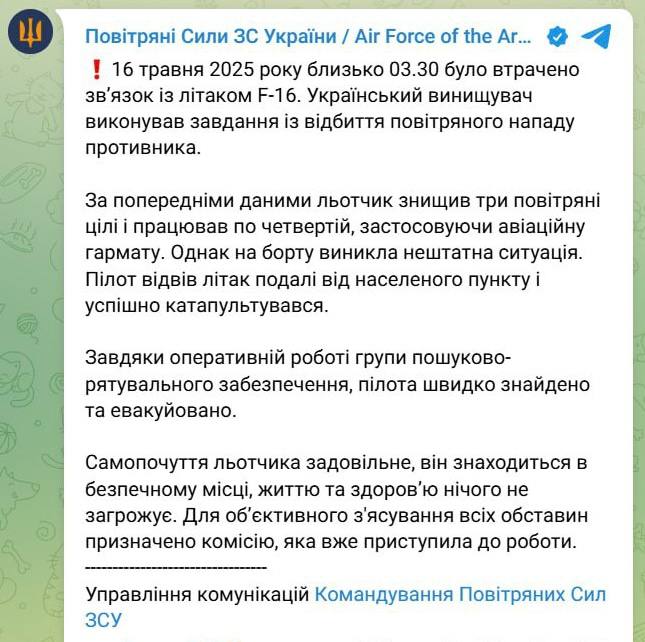
Ukrainian Air Forces reported a loss of an F-16 aircraft. The pilot survived.
According to the report, the aircraft was involved in fighting off a Russian aerial attack. The pilot destroyed three air targets and was working on the fourth one when an emergency situation occured on board.
The pilot led the aircraft away from a settlement and ejected successfully. He was quickly found and evacuated.
A special commission has been created to investigate the incident.
The hunt for intelligence on the V-weapons continued.
Constance Babington Smith was instructed to keep analysing the air photographs of the experimental site.
She worked on areas out from the hangars and buildings, and finally in November 1943, using her Leitz magnifying glass she saw something outside a building that could be a test place.
The small cruciform object was only just visible from its white reflective outline and shadow on the ground. It was ‘less than a millimetre in length on the aerial photo… Measuring it, she calculated that its wingspan was about twenty feet’, and she had found the flying bomb.
With this knowledge of what exactly to look for, the PIs were able to look back at the latest aerial imagery and identify V-1s on the ground that had previously been missed.
The work of the ACIU went on to compile vital intelligence on the size, shape and method of firing the V-weapons and the location of the mobile ramps.
(continued)
Constance Babington Smith photographically interpreted Hitler's secret weapon which was less than a millimetre in length on an aerial photo.
This is the story of how her team at RAF Medmenham uncovered the V-1 & V-2 Rockets, heavily disrupting Axis operations:
(🧵)
You know all about Queen Victoria 1900 gift tins and Princess Mary Christmas 1914 gift tins, but do you know about WW2 South African gift tins? If not, read on…
collectorje.wordpress.com/2025/03/21/ww2…
Was Lt. Henry Harward's abandonment of his men when under attack at Ntombe Drift reasonable self-preservation or was it cowardice? You be the judge.
collectorje.wordpress.com/2025/01/07/cow…
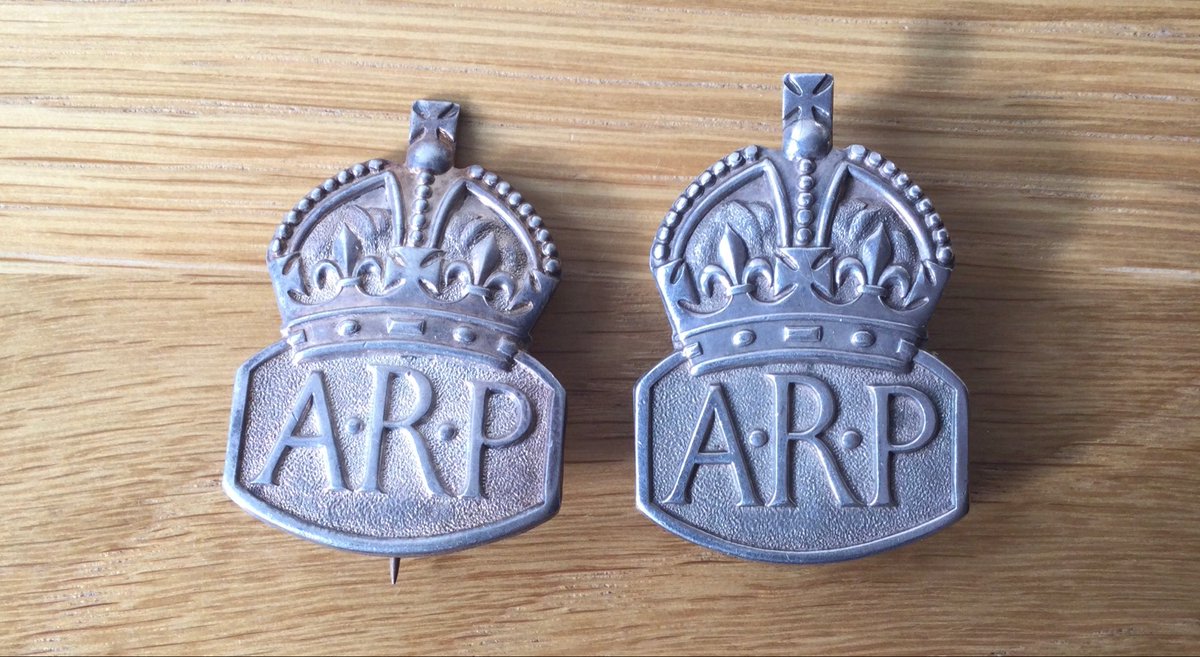
@CalumDouglas1@TrentTelenko I had always - wrongly - assumed that the ARP (Air Raid Precaution) organisation was a late-in-the-day wartime response to bombing. I was therefore surprised to discover that my ARP badges (one male (lapel) fitting, one female (broach) fitting) were both made in 1936.
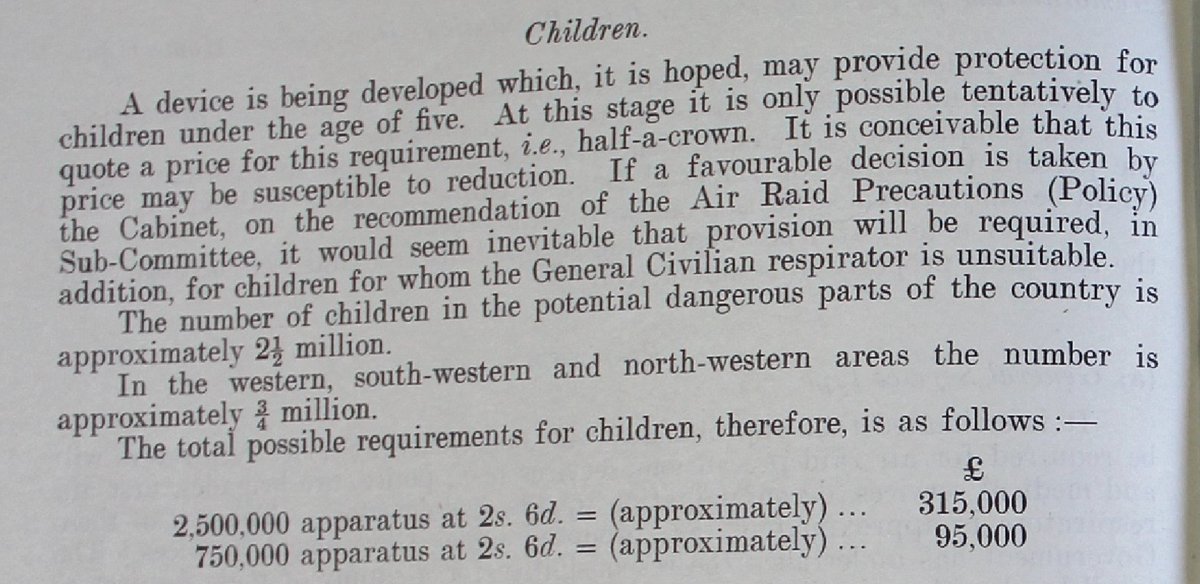
Behind the scenes in Britain in the 30`s, and the talk of avoiding war in public, the reality was clear. Even in 1935 the Committee of Imperial Defence was planning right down to the level of setting aside budget for respirators for children for the expected mass and location of German raids on our cities.
The "last minute" story of how Britain got ready for WW2 amongst an atmosphere of genuine pacifism and unwillingness to confront Hitler was little more than a façade.
In the same year (1935), discussions at the highest level commenced between Britain and the USA for large scale supply of 100 octane aviation fuel to England, massive construction efforts began to be undertaken to take care of storage and distribution of military fuel and oils, and within months, the first "shadow" factories to make Bristol military aero engines were put in motion.
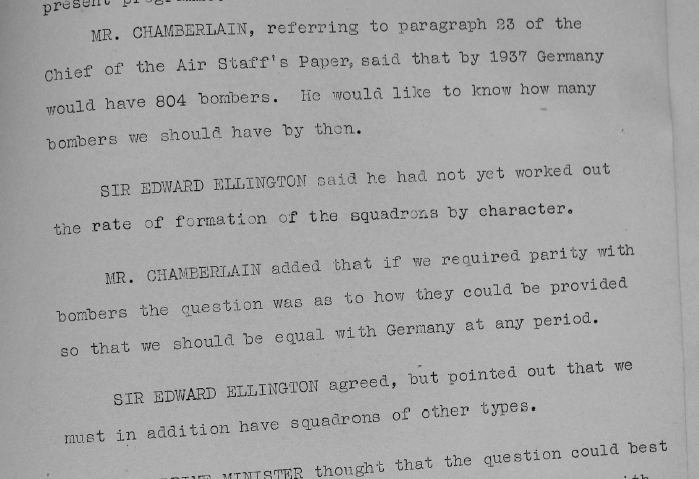
Chamberlain, meanwhile, continually pressured for parity with Germany in the air.