
تغريدة مثبتة
WS
474 posts

WS
@RealWarScope
Modern warfare. Explained simply. Daily updates | Strategy | Global conflicts | Support → https://t.co/ZAlz6rJASL
Global انضم Mart 2026
218 يتبع135 المتابعون

Which country is so unpopular that most people never even heard of it?
English

@WarMonitor3 Therefore, obeying his master's command, Rutte dragged the entirety of Europe into this war.
English

NATO Secretary General Mark Rutte has told European governments that U.S. President Donald Trump wants concrete commitments within days to help secure the Strait of Hormuz-Retuers
English
@ShivAroor They have two options for switching from one to the other. Depending on the circumstances, they select one and using this they revert to the other.
English

War to distract from Epstein.
🔃
Epstein to distract from War.
English
@visegrad24 Israel and India [Hindustan] are enemies of the Islamic world — Pakistan's Defense Minister
English

Pakistan’s Defense Minister Khawaja Asif deleted his post in which he called Israel “evil and a curse for humanity,” and wished them to “burn in hell.”

Visegrád 24@visegrad24
🇵🇰 Pakistan's Defence Minister Khawaja Asif, who represents Pakistan as a mediator in peace talks, said that Israel is “evil and a curse for humanity.” He accused Israel of killing “innocent citizens” in Gaza, Lebanon, and Iran, and wished them to “burn in hell.” "I hope and pray people who created this cancerous state on Palestinian land to get rid of European jews burn in hell," said Asif.
English

The Prime Minister's Office:
Pakistan Defence Minister’s call for Israel’s annihilation is outrageous. This is not a statement that can be tolerated from any government, especially not from one that claims to be a neutral arbiter for peace.
English
Iran now controls access to the Strait of Hormuz, putting nearly 20 percent of global oil supply at risk.
Ship traffic is limited to around 12 per day, with only 4 passing initially compared to over 100 earlier.
All vessels must coordinate with the IRGC and pay transit fees in yuan or cryptocurrency. Large tankers may be charged up to 2 million dollars, with costs passed to consumers.
Iran allows its own cargo, charges neutral ships, and may block US and allied vessels. Movement is restricted through Iran-monitored routes, with warnings of possible attacks.
This is already driving fuel price increases and global supply disruption across oil, LNG, and essential goods.
The route previously carried 38 percent of global oil and 19 percent of LNG, with most supply going to Asia. Hundreds of tankers are now waiting.
Iran has formalized this system, despite accusations of violating maritime law.
The US has air dominance but cannot control this route.
Hormuz is now a direct economic pressure weapon affecting global markets.
English
@BRICSinfo Iran granted special passage concession to 20 Pakistani-flagged ships as part of Pakistan’s mediation role in the Hormuz negotiations.
English

JUST IN: 🇷🇺 Russia offers sanctioned LNG to South Asia at a 40% discount.
English



Iran is under attack right now.
The strikes are not being carried out by Israel.
The strikes are not being carried out by the United States.
Who's dropping these bombs?
English
@BRICSinfo Mizar Vision data from China is helping Iran track and target US assets.
x.com/i/status/20419…
DI@Deep_Intel_
China is quietly enabling Iran’s battlefield awareness. Intelligence indicates that Chinese-linked commercial satellite networks and AI-driven analytics platforms are being used to track US military movements across the Middle East, including aircraft, air defence systems and base infrastructure. High-resolution imagery from platforms like Mizar Vision, launched in 2021 with partial Chinese state linkage, is being processed using machine learning to automatically detect and label targets such as Patriot (PAC-3), THAAD systems, radar sites, aircraft hangars, fuel depots, ammunition storage, troop positions and logistics routes, turning raw satellite data into actionable strike intelligence. These datasets include exact geospatial coordinates and detailed metadata, which can be directly integrated into missile and drone guidance systems. The full pipeline combines commercial imagery sources like Planet Labs with AI processing, reducing targeting time from days to hours and enabling near real-time use in Iranian strike planning, significantly improving accuracy and timing. In February 2026, multiple such datasets exposed Prince Sultan Air Base in Saudi Arabia, clearly showing Patriot batteries and dozens of US aircraft. On March 1, the same base was hit in a precision strike, resulting in damage and casualties. Similar exposure has been confirmed at Diego Garcia and US-linked deployments in the Middle East and Israel. This reflects a broader pattern of China’s civil-military fusion, where commercial technologies support strategic outcomes without direct official involvement. Despite public claims of civilian use, these platforms are effectively functioning as operational intelligence systems in a live conflict environment, with outputs even distributed on open platforms. China has not officially confirmed any military role, but the effect is clear: Iran is gaining advanced surveillance capability without building it itself. This is not direct intervention. It is indirect force multiplication. The result is a clear shift. Iran is moving from wide attacks to precise, timing-based strikes, targeting vulnerable windows in radar coverage and fuel infrastructure. Modern warfare is no longer defined only by weapons strength, but by who can see first, process faster and strike with precision.
English
JUST IN: Hundreds of ships remain stuck near the Strait of Hormuz, including 426 oil tankers and 53 gas tankers.
English
@BRICSinfo Israel launched Operation Eternal Darkness with 50 jets hitting 100 targets using 160 bombs in 10 minutes across Lebanon including Beirut.
English
JUST IN: 🇱🇧🇮🇱 Lebanon's Hezbollah fires rockets at Israel in its first attack since ceasefire.
English
@Polymarket This is a good initiative! But won't he go back on his word tomorrow?
At the very least, from now on, Europe will handle its own affairs. They will determine what their needs are. They themselves will protect Greenland from external threats.
English

JUST IN: White House says Trump will discuss NATO withdrawal with Mark Rutte.
English
@visegrad24 This is the consequence of Israel violating the ceasefire and bombing Lebanon; Israel must act responsibly for a while, allowing the world to breathe a sigh of relief.
English
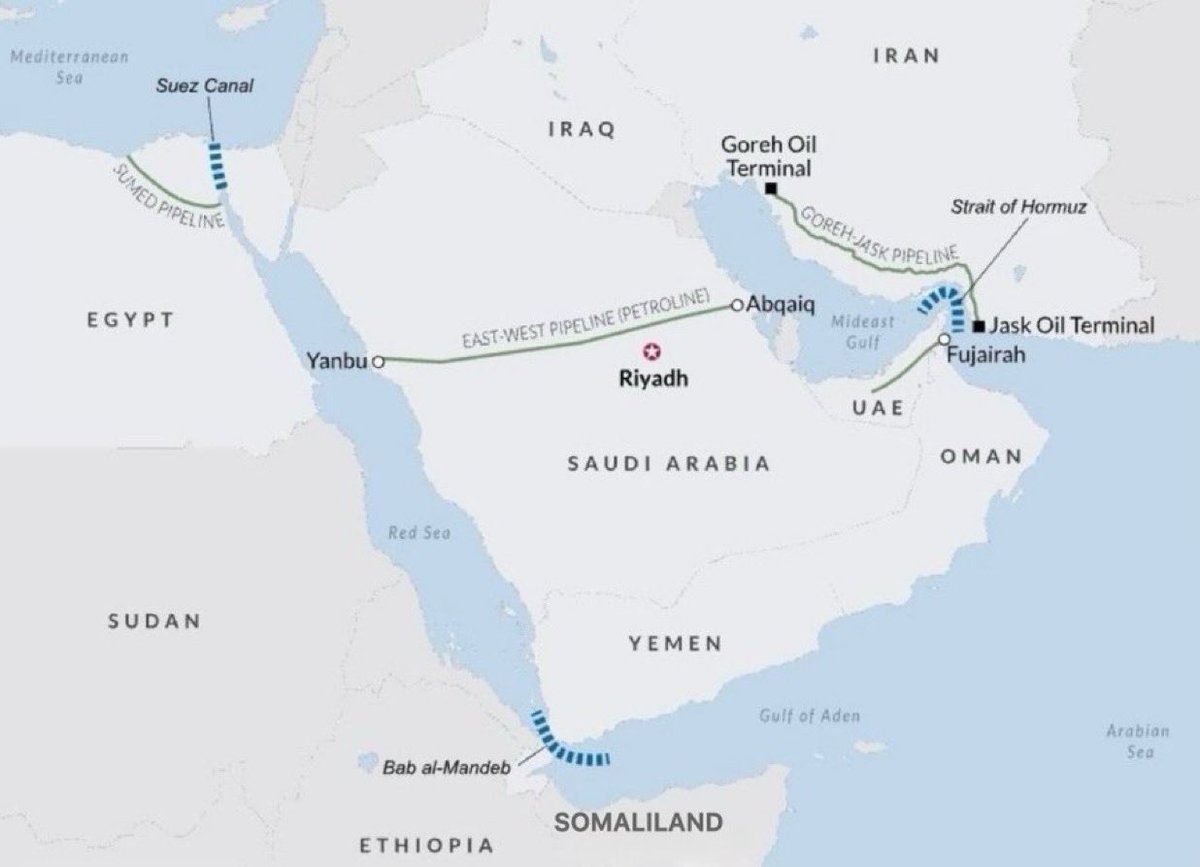
BREAKING:
Iran announces it has closed the Strait of Hormuz for traffic again
English
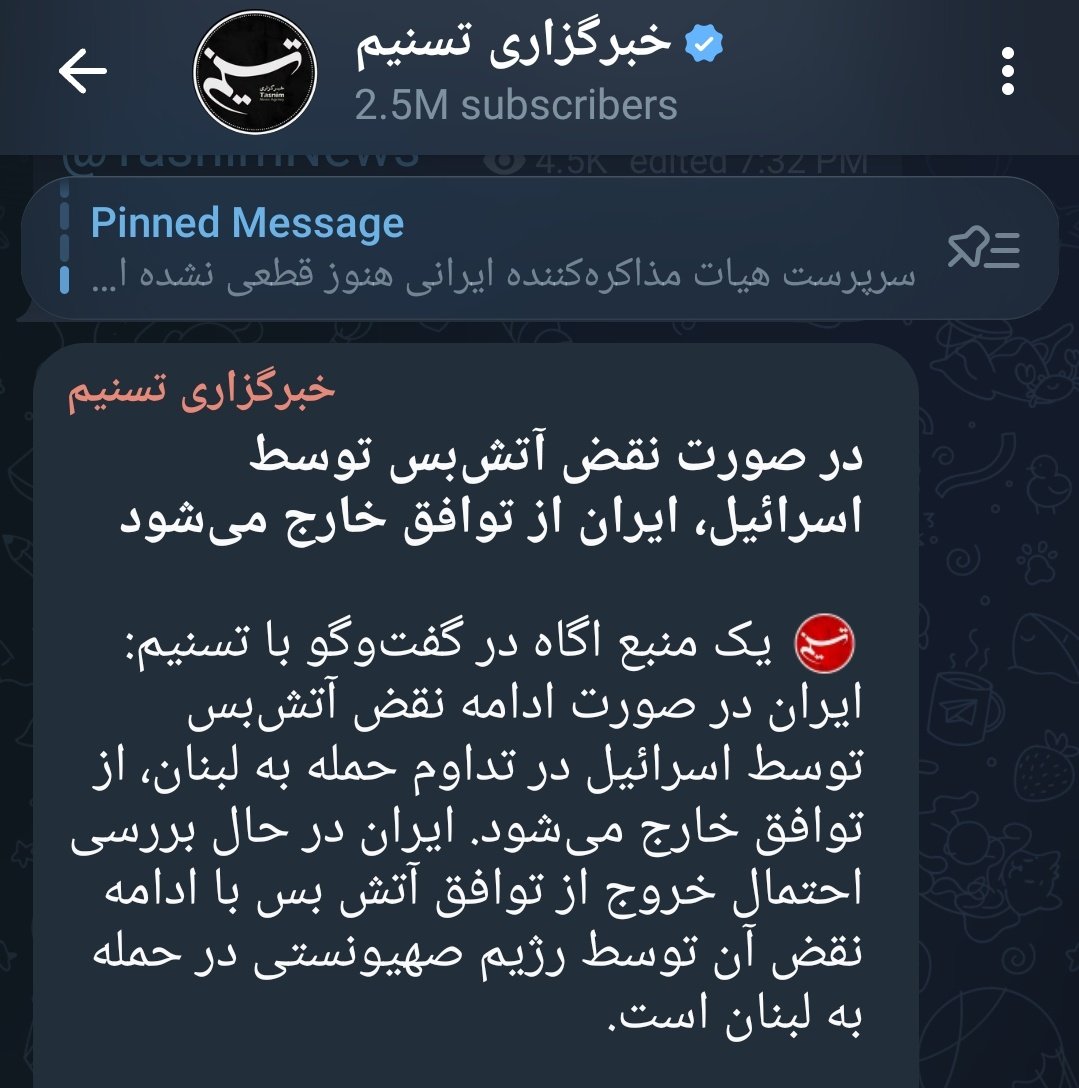
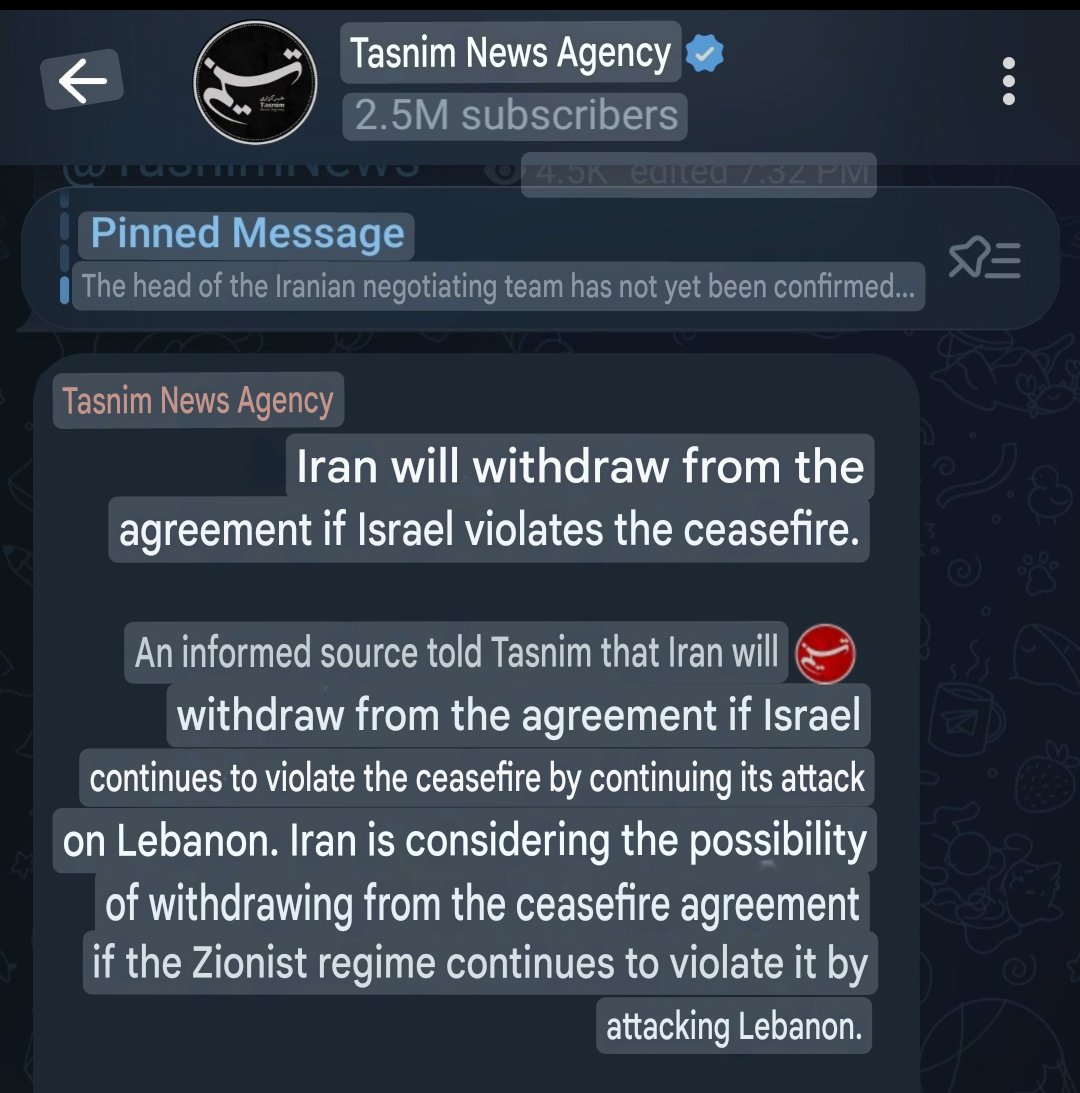
JUST IN: 🇺🇸🇱🇧 US President Trump confirms Lebanon is not included in the ceasefire agreement with Iran.
English

BREAKING: Saudi Arabias vital east-west oil pipeline carrying oil from the Gulf to the Red Sea has been attacked-FT
English
Iran begged for a ceasefire according to Pete Hegseth.
English
This war has not yet ended; the US needs this two-week hiatus solely to fill the gaps in its air defenses and troop deployments, gaps created by Iran. The point is not that Iran needed this pause; rather, it was the US that urgently required it. Military hardware intended to compensate for the damage inflicted by Iran in the Gulf region is currently being dispatched from the United Kingdom.
English
JUST IN: 🇺🇸🇮🇷 Secretary of War Hegseth says Iran "begged" for a ceasefire.

English
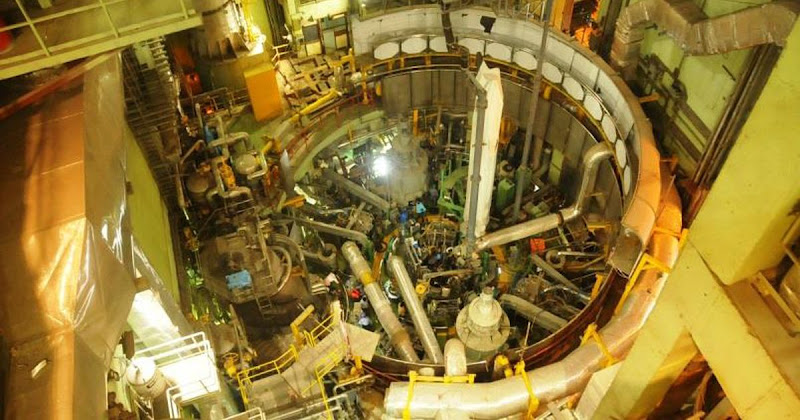
India’s 500 MWe Prototype Fast Breeder Reactor PFBR at Kalpakkam achieving criticality marks a historic leap as this is the point where a controlled self sustaining nuclear chain reaction begins confirming reactor integrity and readiness. Unlike conventional reactors this sodium cooled fast neutron reactor uses plutonium uranium MOX fuel and breeds more fuel than it consumes by converting abundant U 238 into fissile plutonium making it a true fuel multiplier which is vital for India’s limited uranium but vast thorium reserves.
PFBR anchors Stage 2 of India’s 3 stage nuclear program with
Stage 1 using uranium PHWRs
Stage 2 using plutonium fast breeders and
Stage 3 aiming for thorium to uranium 233 systems enabling a closed fuel cycle long term energy independence and highly efficient resource use.
It provides reliable low carbon baseload power reducing fossil fuel dependence while strengthening energy security and strategic self reliance.
Only a few nations have mastered this technology including Russia with BN 600 and BN 800 France with Phenix and Superphenix Japan with Monju and now India placing it in an elite group.
Beyond PFBR India is scaling breeder capacity developing next generation fast reactors and advancing thorium based systems like AHWR to unlock one of the world’s largest thorium reserves moving toward a sustainable high efficiency low waste nuclear future 🇮🇳⚛️

English

Today, India takes a defining step in its civil nuclear journey, advancing the second stage of its nuclear programme.
The indigenously designed and built Prototype Fast Breeder Reactor at Kalpakkam has attained criticality.
This advanced reactor, capable of producing more fuel than it consumes, reflects the depth of our scientific capability and the strength of our engineering enterprise. It is a decisive step towards harnessing our vast thorium reserves in the third stage of the programme.
A proud moment for India. Congratulations to our scientists and engineers.
English