
تغريدة مثبتة
Manik
714 posts

Manik
@TTTUniversal
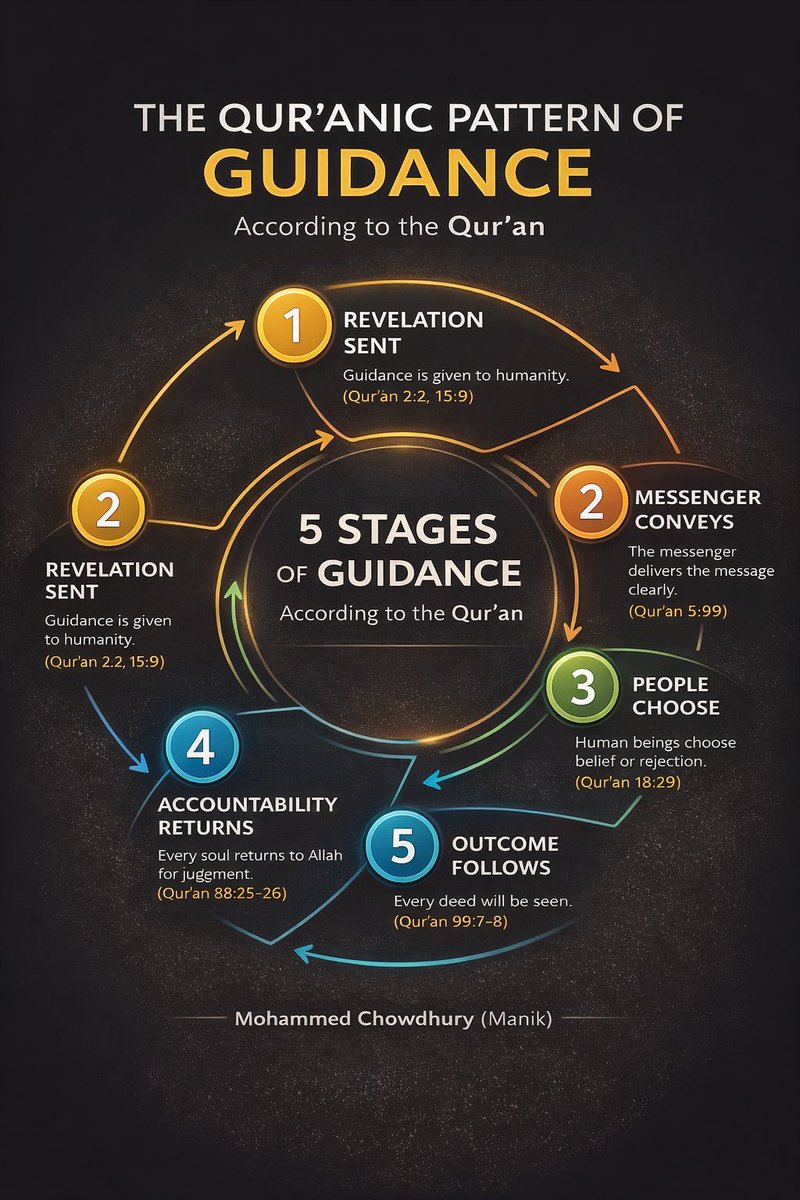
We speak only what Allah revealed (45:6). The Qur’an is for all humanity (6:19). I’m a reply guy with references. Follow for Qur’an-based replies.
انضم Aralık 2025
0 يتبع114 المتابعون
@1corinthians2_2 @BrandonStraka ‘Speaks what he hears’ (John 16:13).
After him, someone comes.
Fulfilled—
or still waiting?
English


Christians in Nigeria remain defiant amid mass k*llings and violence, refusing to abandon their faith despite ongoing threats.
“We will never submit to ISLAM.”
"Allah is a demon"
English

Jesus gave His life for you and for me. Nobody took it from Him; He laid it down. The nails didn’t hold Jesus on the cross; love held Him on the cross. He defeated the enemy once and for all, and paid the price for our sins. He went to the grave, but He didn’t stay there. He came out alive, with all power in His hands.
English
@JoelOsteen Who is the enemy—and how do we defeat him if we still obey him?
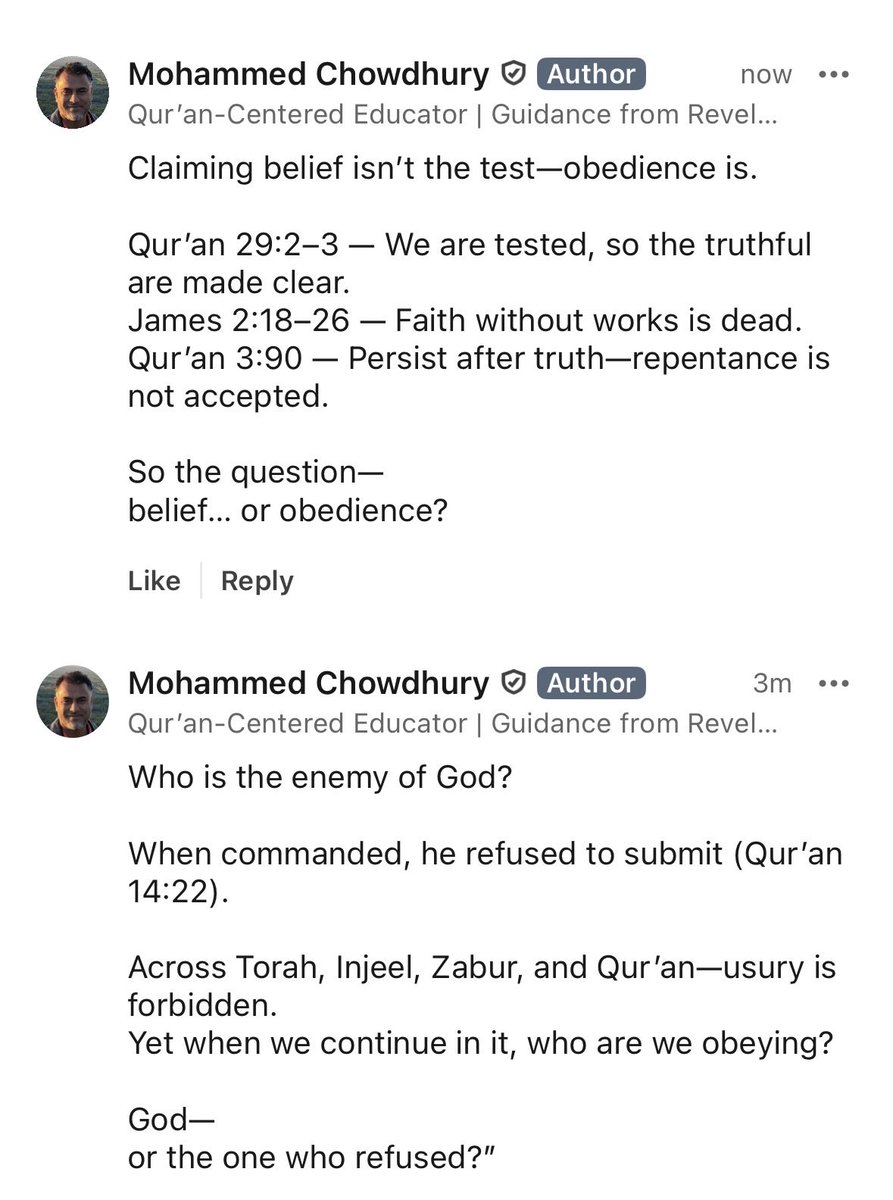
Across Torah, Injeel, Zabur, and Qur’an—usury is forbidden.
So if we continue in it, who are we really obeying?
Who we obey—
that is what we follow.
Not just belief—obedience.
English
The Scripture says, “God came to destroy the works of the enemy.” You are not powerless against forces that come against you. The power in you is greater than any power that will try to stop you.
Listen to this message from Joel! "Break the Chains": bit.ly/JOAPodcast
English
How do you read this—someone comes after he is gone:
‘He will not speak on his own—what he hears he will speak’ (John 16:13).
That describes a messenger.
So who is the Comforter—fulfilled or still waiting?”
“He goes. Another comes.
‘Speaks what he hears’ (John 16:13).
That is a messenger.
So who is the Comforter—fulfilled or still waiting?
English

@TTTUniversal Amen. Greetings in Jesus Christ Mighty name. How are you today? Welly there is a divine message that I'm entrusted by the holy spirit of God to share with you. Hallelujah.
English
God is the chain breaker. He came to take off of you what the enemy put on you, to loosen the chains, to break the bondages, so you can reach the fullness of your destiny.
Tune into Joel’s message today! "Break the Chains": bit.ly/3LwFSDa
English
He will not speak on his own—what he hears he will speak’ (John 16:13).
That describes a messenger conveying revelation.
So who is the Comforter—
and has this been fulfilled, or are you still waiting?”
“‘He will not speak on his own—what he hears he will speak’ (John 16:13).
That is a messenger.
So who is the Comforter—fulfilled or still waiting?
English
@1corinthians2_2 @BrandonStraka No religions.
Only submission to God.
Show the verse.
English
@1corinthians2_2 @BrandonStraka No religions.
Only submission to God.
You read my post—so show the verse.
English
@TTTUniversal @BrandonStraka If Christianity was to be true, will you become a Christian?
English
So just to understand—how did this message come to you?
Was it a dream, a feeling, or something you heard? And who brought it—how do you recognize it as from God?
Because revelation came through known messengers (like Gabriel) and always aligned with what was already revealed—not something new or different.
And what was the exact message you were given?
English
@realMaalouf Most of those on earth you will find associating partners with Allah. We end up worshiping those we obey and listen to—especially when they differ from the Qur’an.
English
@realMaalouf Per the Qur’an, the warning must be with this Qur’an alone—follow it, not others. If they differ, refer them back to this Book (4:59). The Messenger must be obeyed—or else Allah is not obeyed (4:80).
English

Islamic scholar says that drawing a human is haram, and you will be punished on the Day of Judgment because you’re competing with Allah’s creation. But if you draw it without a face and eyes, it’s fine because it won’t resemble a human.
What kind of mentality is this?!
English
@instablog9ja Exodus 22:25; Leviticus 25:35–37; Deuteronomy 23:19–20; Psalm 15:5; Luke 6:34–35; Matthew 5:42; James 2:18–26; Qur’an 2:275–279; 3:90; 29:2–3; 4:161; 30:39
Română
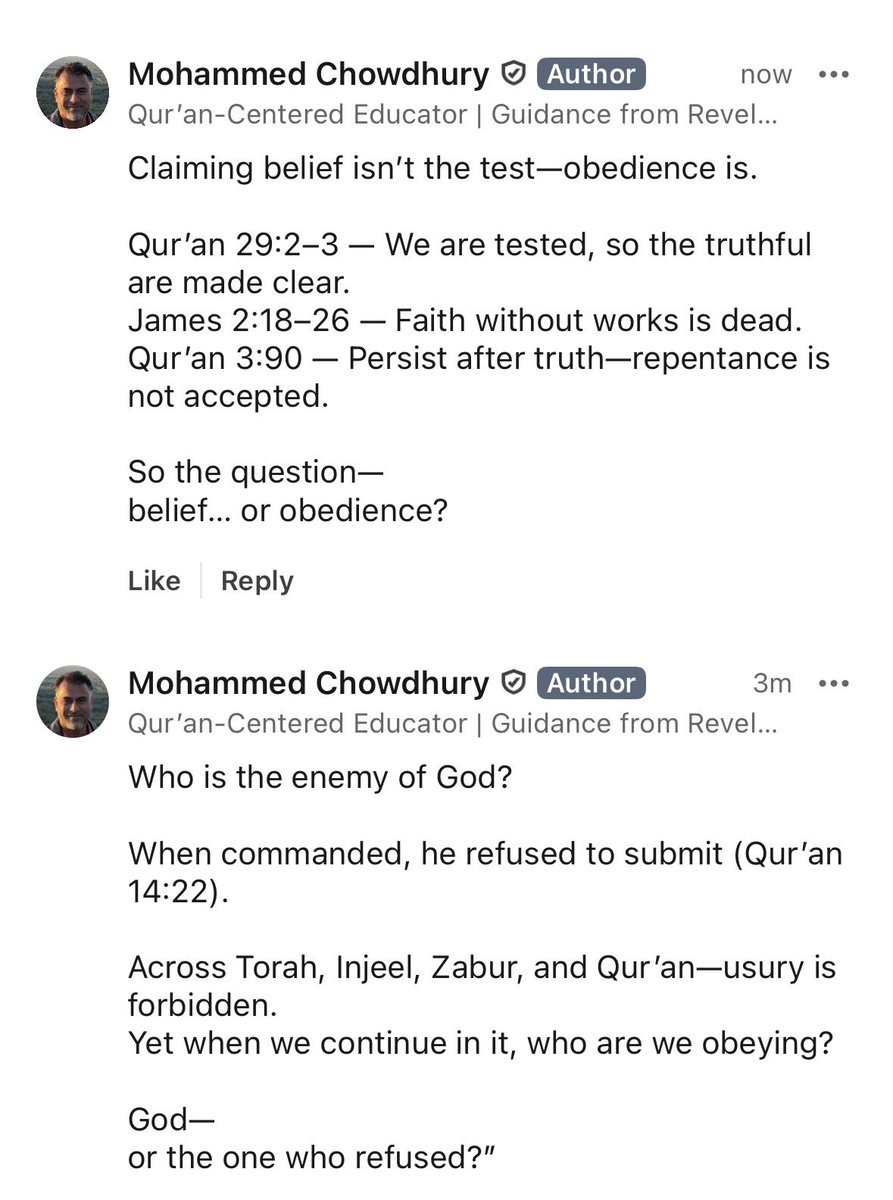
@instablog9ja Those same-looking men also engage in usury—despite it being forbidden in the Torah, Zabur, Injeel, and the Qur’an—praying while disobeying. But James 2:18–26, Qur’an 29:2–3, and 3:90 say otherwise.
English

@realDonaldTrump Yes, President Trump. Praise be to Allah.
Faith isn’t words—it’s action (James 2:18–26).
Torah (Deut 23:19–20)
Zabur (Psalm 15:5)
Injeel (Luke 6:34–35)
Qur’an 2:275–279
Different times. Same principle.
So the question isn’t what we say—
but what we follow.
English

@Daytobehappy Submitters do not engage in such actions—
only those who choose not to submit are capable of it.
English

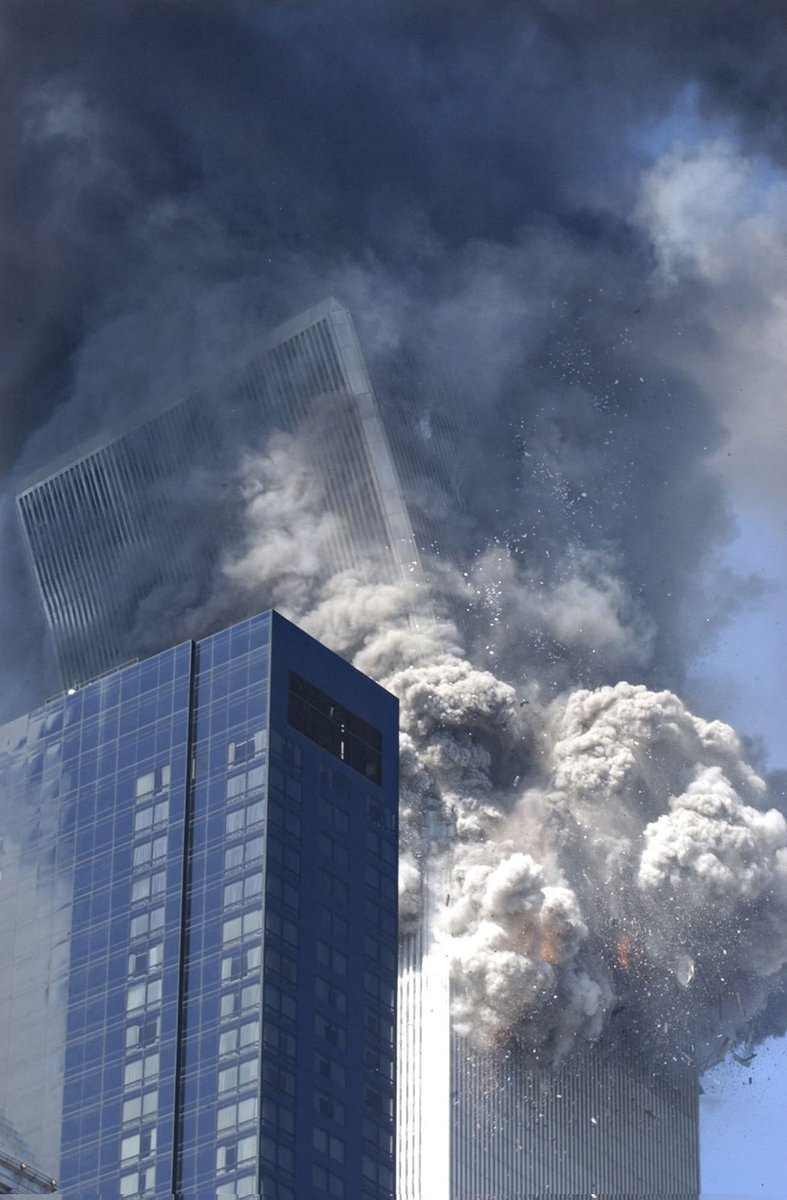
Prince William called Islam a religion of peace. My mother would love to disagree but her remains were in that building coming down!
English
Labels don’t define truth.
Evidence does.
If something is claimed—
it should be shown clearly, not assumed or inferred.
Across scripture, messengers spoke the words of God—
and others did the same—
yet that never made them God.
The question isn’t emotion or warning—
it’s clarity.
If a statement is true, it should be shown directly—
not through interpretation, but by clear words.
So the path remains simple:
Seek truth.
Verify it.
Follow what is clear.
English
I hear the warning.
But across the scriptures, the message is consistent:
Each soul is accountable for what it chooses.
(Ezekiel 18:20, Matthew 16:27, Qur’an 6:164)
And we are called to repent, return, and obey.
So the question remains:
If accountability is individual,
and repentance is still required—
Then how does that align with the idea that someone else already paid for all sins?
English
This isn’t just a regular “hello”—
the Qur’an gives it weight.
So the question is:
when we say “Salāmun ʿAlaikum,”
are we asking peace from Allah upon someone in truth—
or just repeating words?
If someone knowingly hears the verses and chooses to disobey—
how do we understand giving this greeting?
Because the Qur’an often connects it with those who believe—
al-mu’minīn / yu’minūn—
those who hear, accept, and obey.
So reflect—
is this just a habit…
or a greeting defined by alignment?
In shā’ Allāh.
English
Not every “Salāmun ʿAlaikum” is the same—
the Qur’an defines who it truly belongs to.
In Qur’an 6:54–55, it’s not a casual greeting—
it’s for those who hear, accept, and obey.
6:55 makes it clear:
so the path of truth and wrong becomes distinct.
Are we repeating words—
or living them?
Qur’anic Sequence resumes soon, In shā’ Allāh.

English